
Why Denmark Feels Like a Different Country Every Season
One of the biggest surprises about Denmark is how much the rhythm of daily life changes throughout the year. During summer, parks, beaches, and waterfront cafés stay busy until late in the evening thanks to daylight that stretches well past 9 p.m. In contrast, winter encourages a slower pace, where locals embrace the Danish concept of hygge with candlelit dinners, warm bakeries, and festive markets.
Unlike many European destinations, Denmark doesn't rely on one single attraction or season. Every time of year offers something completely different, making it a destination worth revisiting.
Visit Denmark in Spring for Blooming Cities and Castle Gardens
What the Weather Is Really Like
Spring usually arrives in stages. March can still feel chilly, but by late April and May, temperatures become pleasantly mild, generally ranging from 10°C to 18°C (50°F to 64°F). Trees begin to blossom, outdoor cafés reopen, and the country feels refreshed after winter.
Where Spring Feels Most Beautiful
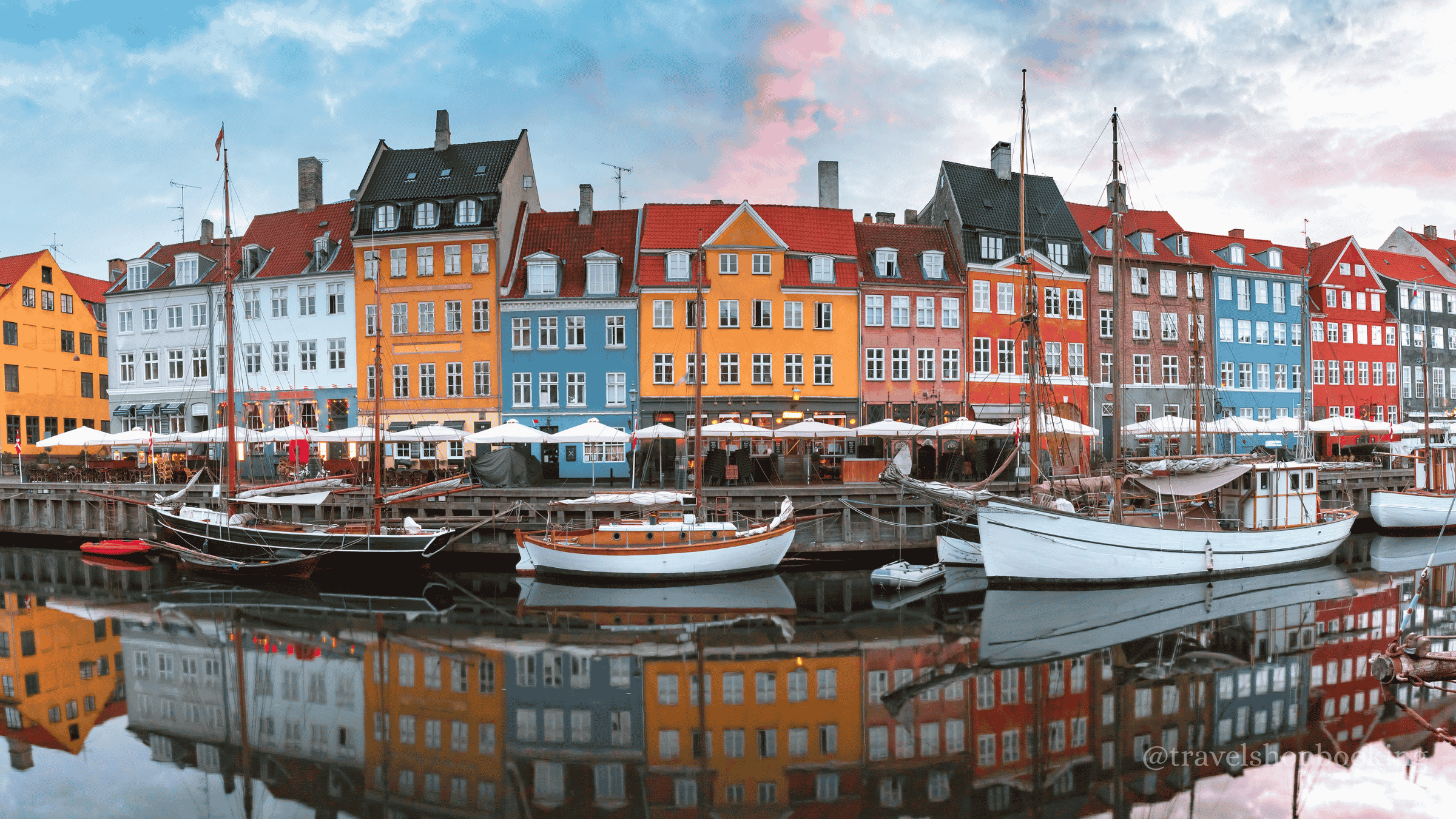
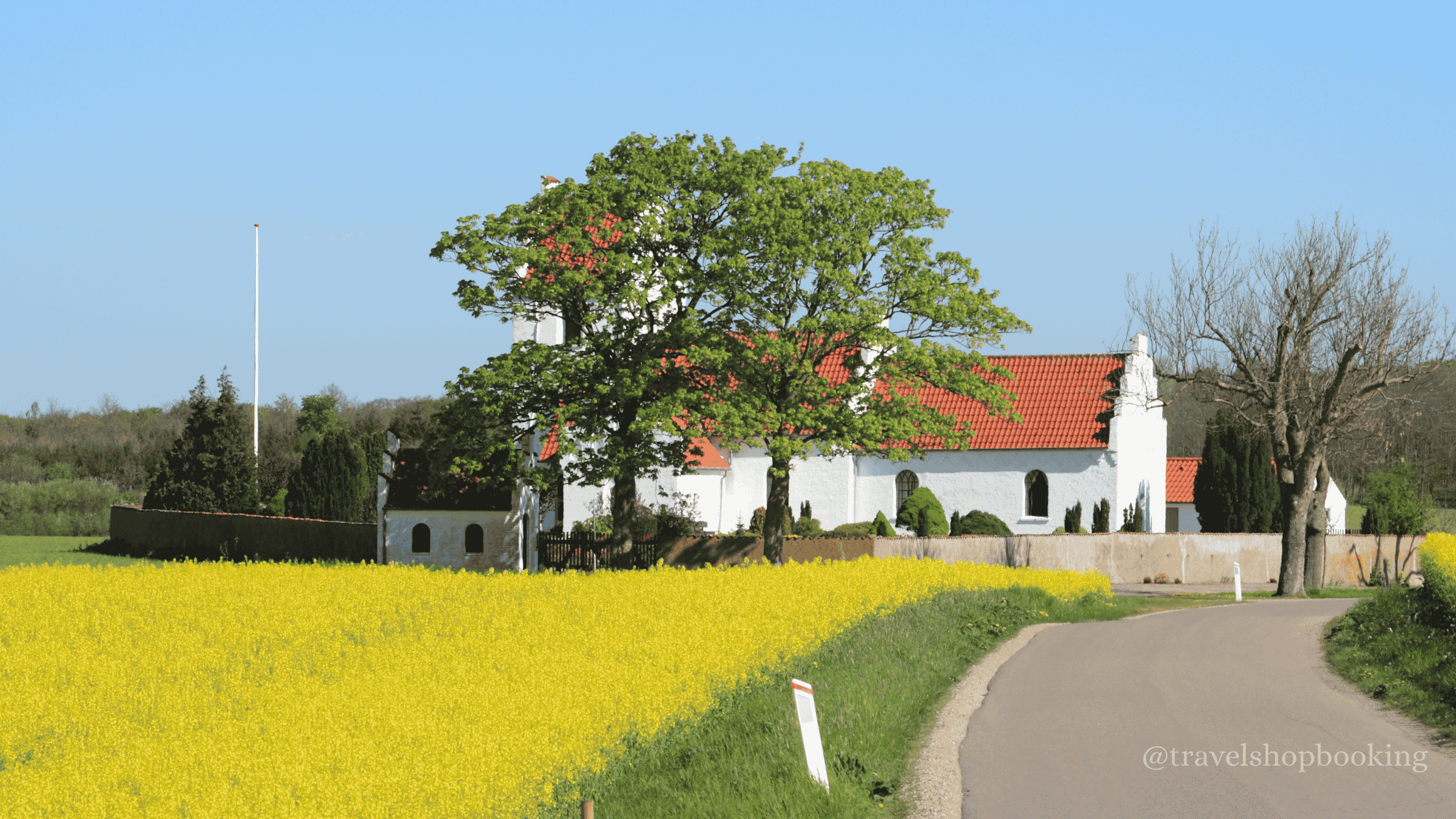
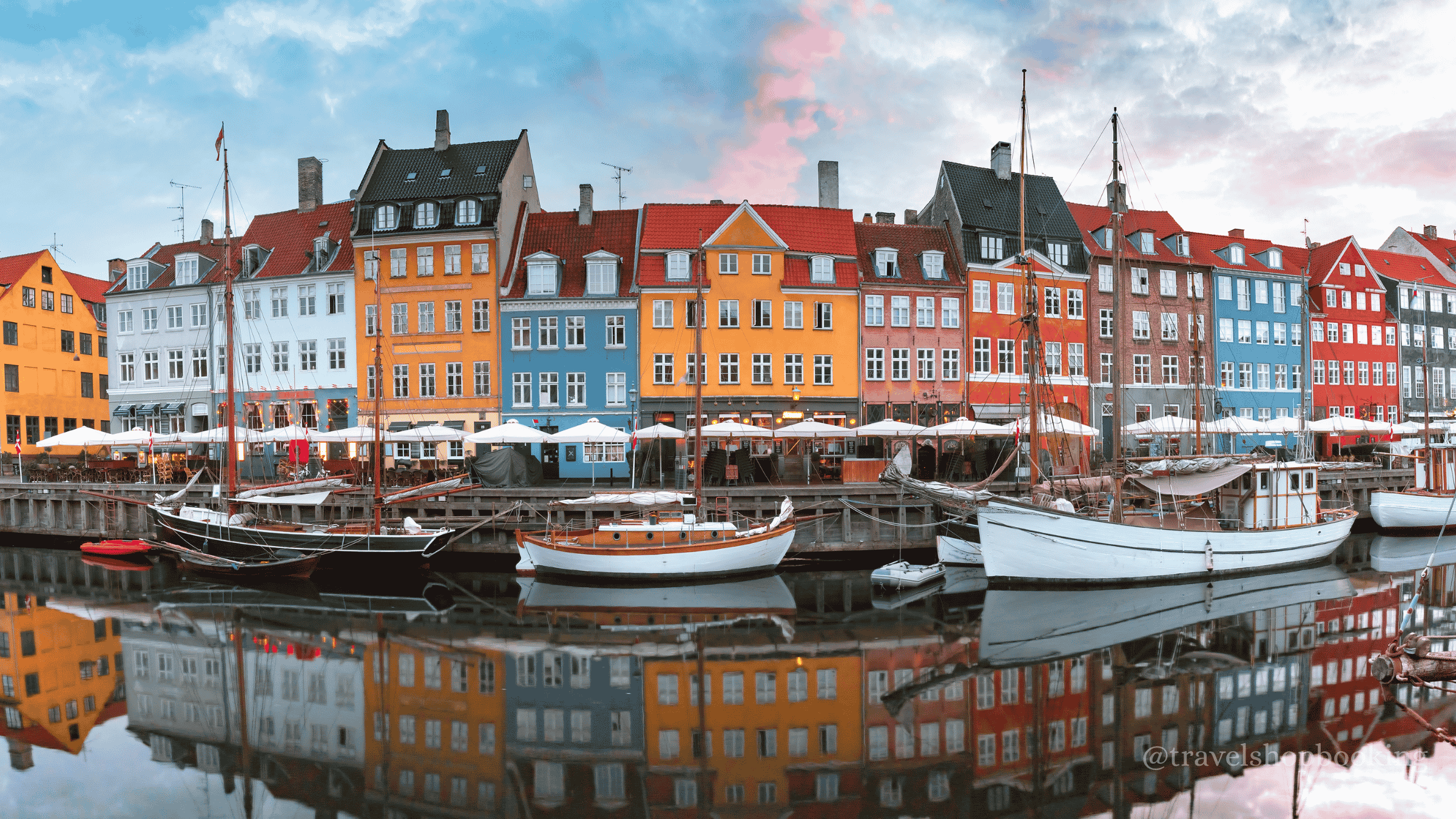
Copenhagen is particularly enjoyable in spring, especially around King's Garden, Nyhavn, and Frederiksberg Gardens. Outside the capital, Funen (Fyn) offers rolling countryside, manor houses, and quiet villages surrounded by fresh greenery.
Why Spring Is Perfect for First-Time Visitors
If you prefer exploring cities without peak-season crowds, spring is one of the smartest times to visit. Attractions are less busy, accommodation is often more affordable than in summer, and cycling around Danish cities is especially enjoyable before the tourist season reaches its peak.
Summer Is the Best Time for Islands, Beaches, and Long Days
Long Days Mean More Time to Explore
From June through August, Denmark experiences some of its longest days of the year. In June, daylight can last for more than 17 hours, giving travelers plenty of time to combine sightseeing, beach visits, and evening dining without feeling rushed.
The Best Summer Destinations Beyond Copenhagen
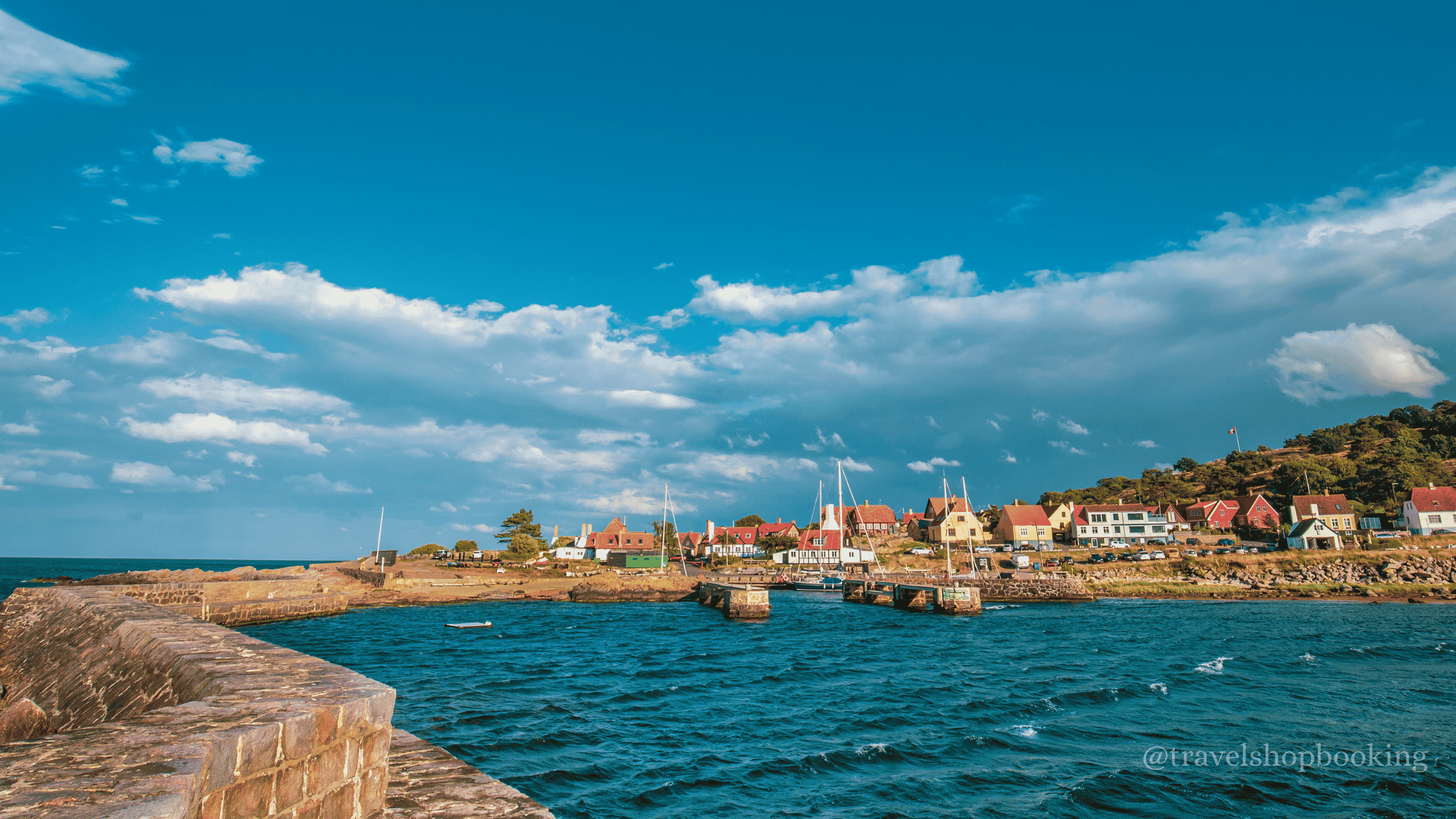
Summer is the perfect season to explore Bornholm, often called Denmark's sunshine island, relax on the beaches of Skagen, or visit the charming seaside towns along the North Sea and Baltic coasts. The Danish countryside also comes alive with cycling routes, hiking trails, and local food festivals.
Is Denmark Too Crowded in Summer?
Although summer is the busiest season, Denmark rarely feels overwhelmingly crowded compared to many Southern European destinations. Popular attractions in Copenhagen become busier, but venturing to smaller towns and islands quickly reveals a quieter side of the country.
Autumn Is Denmark's Best-Kept Secret
Where to See Denmark's Best Fall Colors
As temperatures cool, forests around Silkeborg, Mols Bjerge National Park, and North Zealand turn shades of gold and red. The countryside becomes especially attractive for road trips and leisurely walks.
Why September Is Loved by Experienced Travelers
Many experienced travelers consider September one of the best months to visit Denmark. The weather often remains pleasant, summer crowds begin to disappear, and restaurants, museums, and attractions remain fully open.
Harvest Festivals and Local Flavors
Autumn also brings harvest celebrations and seasonal Nordic cuisine. Menus begin featuring mushrooms, apples, seafood, root vegetables, and locally produced cheeses, making it an excellent season for food lovers.
Winter Brings Denmark's Famous Hygge to Life
The Magic of Danish Christmas Markets
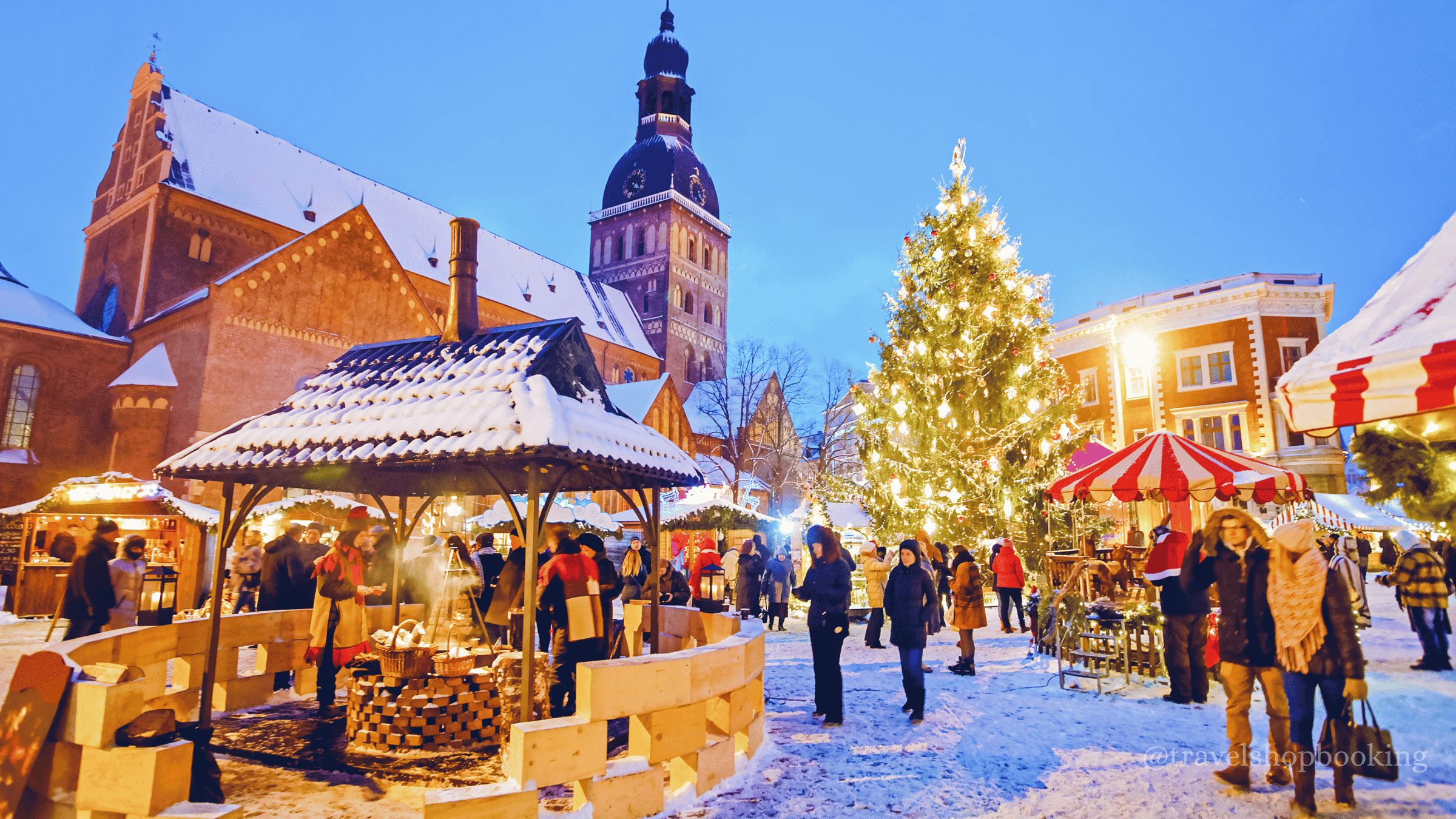
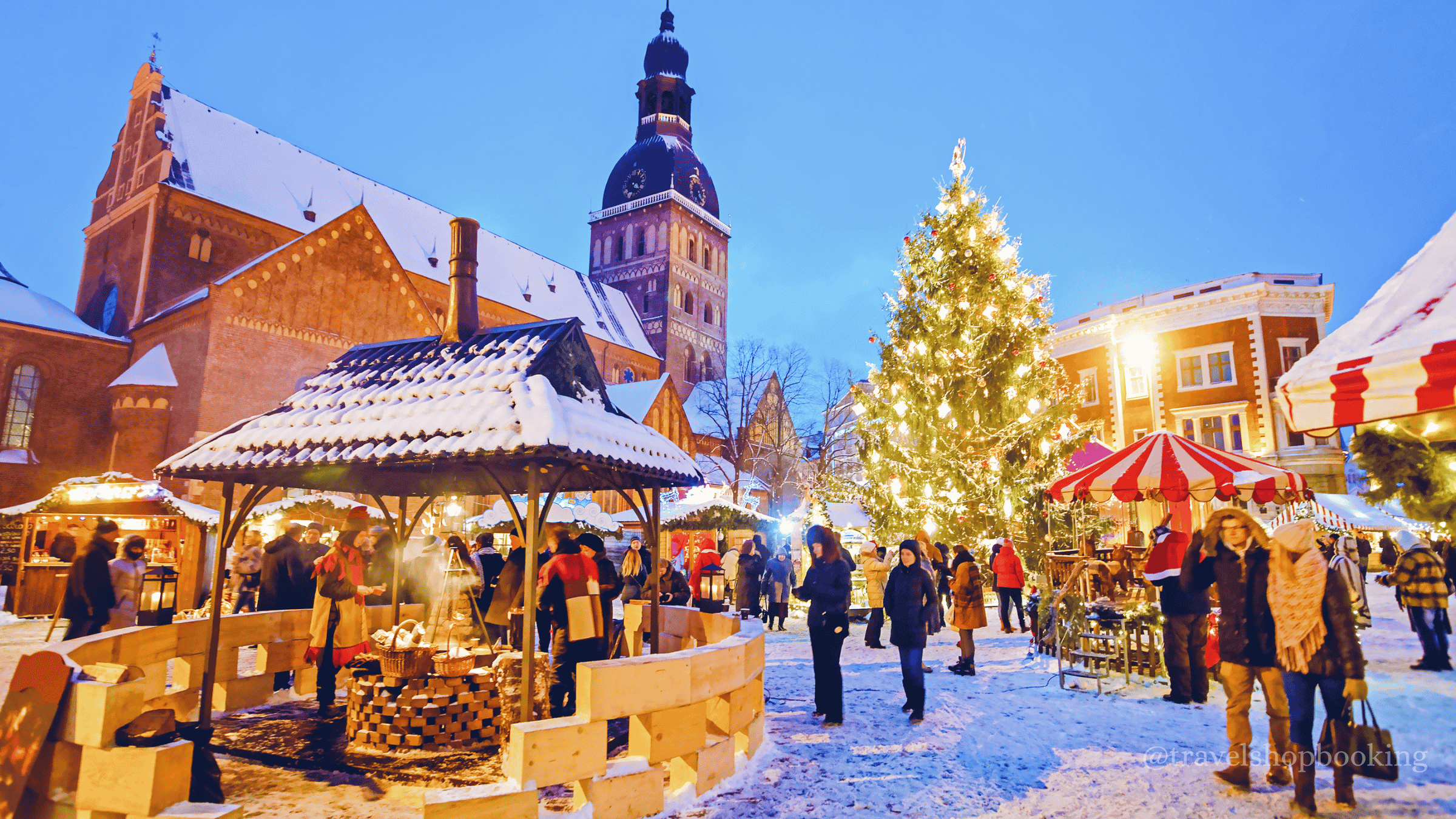
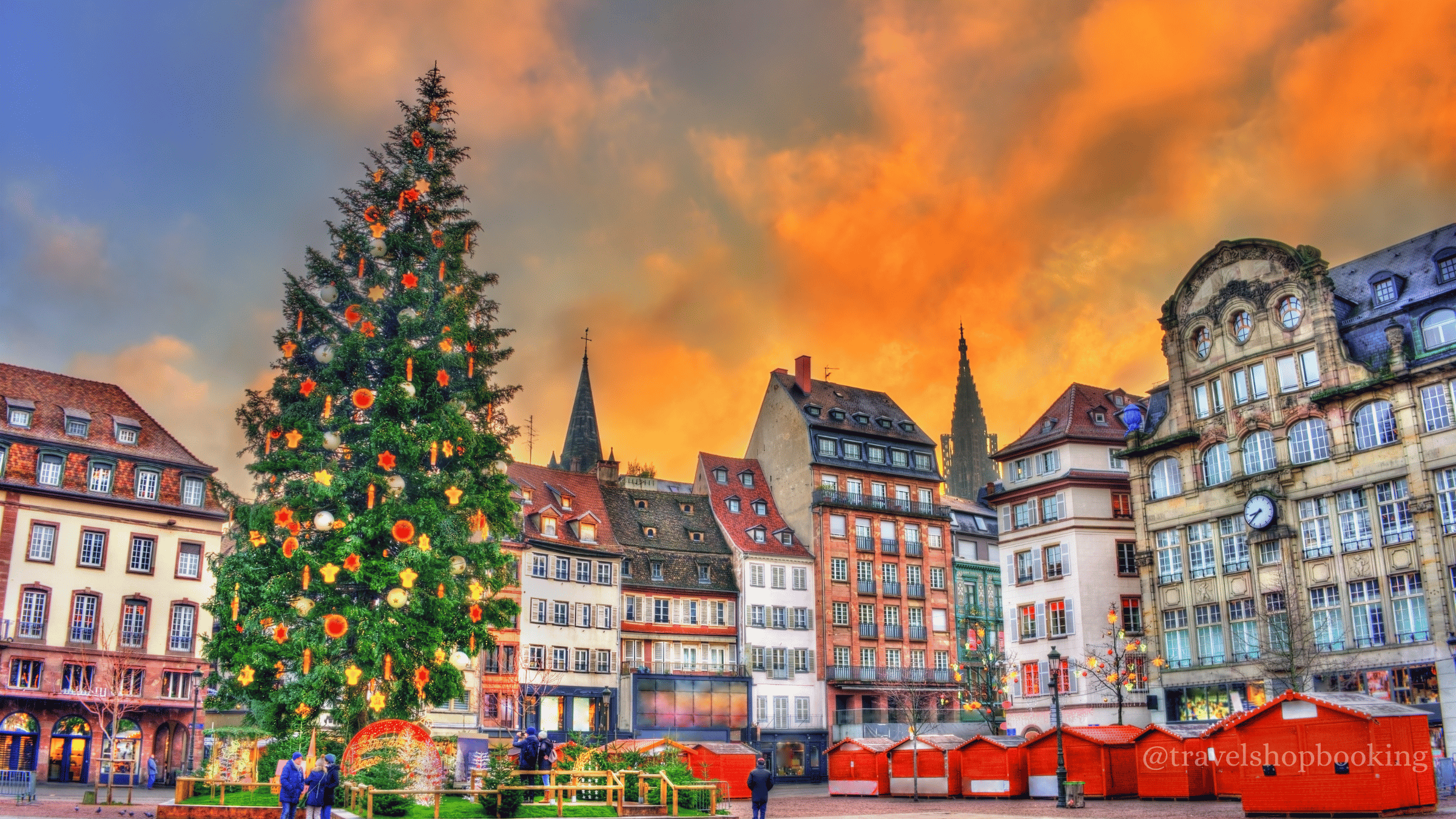
From late November, cities across Denmark transform with festive lights, Christmas markets, and seasonal decorations. Tivoli Gardens in Copenhagen becomes one of Europe's most enchanting winter attractions, complete with illuminated gardens, festive entertainment, and traditional Danish treats.
Best Places for a Cozy Winter Escape
Copenhagen is undoubtedly the country's winter highlight, but smaller towns such as Aarhus, Odense, and Ribe also create wonderfully festive atmospheres with historic streets and charming holiday markets.
Why Winter Is More Than Just Cold Weather
Winter isn't about spending every moment outdoors. Instead, it's the perfect time to experience Denmark's café culture, museums, historic palaces, and welcoming restaurants. The Danish idea of slowing down and enjoying simple comforts becomes part of the travel experience itself.
Which Part of Denmark Should You Visit?
Copenhagen and Zealand
Ideal for first-time visitors interested in history, architecture, museums, and nightlife.
Funen (Fyn)
Perfect for travelers seeking castles, cycling routes, and peaceful countryside.
Jutland Peninsula
Offers dramatic coastlines, national parks, Viking heritage, and charming seaside villages.
Bornholm Island
Known for its sandy beaches, coastal cliffs, smokehouses, and some of Denmark's warmest summer weather.
Best Time to Visit Denmark Based on Your Travel Style
For First-Time Visitors
Late May through June combines comfortable weather with manageable visitor numbers.
For Cycling Holidays
May through September provides excellent road conditions and long daylight hours.
For Beach Holidays
July and early August offer the warmest sea temperatures and the best beach weather.
For Budget Travelers
January through March generally offers the lowest accommodation prices outside major holidays.
For Christmas Markets
Late November through December is the best time to experience Denmark's festive atmosphere.
Denmark's Biggest Events Worth Planning Around
Roskilde Festival
One of Europe's largest music festivals, attracting international artists every summer.
Copenhagen Jazz Festival
A citywide celebration with hundreds of performances held throughout July.
Aarhus Festival
One of Scandinavia's largest cultural festivals featuring music, theater, food, and visual arts.
Sankt Hans Aften
Celebrated every June with bonfires along beaches and lakes to mark Midsummer Eve.
Christmas Markets
Held throughout December, particularly in Copenhagen, Aarhus, Odense, and Ribe.
So, When Is the Best Month to Visit Denmark?
If you can only visit once, June offers the best overall experience. The weather is pleasantly warm, the countryside is at its greenest, outdoor cafés are lively, and the exceptionally long daylight hours allow you to experience much more each day. It's also just before the busiest part of the summer season, meaning you'll often enjoy a better balance between good weather and smaller crowds.
Frequently Asked Questions
What is the best time to visit Denmark?
For most travelers, late May through early September offers the best combination of weather, sightseeing conditions, and outdoor activities.
When is the best time to visit Copenhagen?
May, June, and September are ideal thanks to mild temperatures and fewer crowds than peak summer.
Is Denmark worth visiting during winter?
Yes. Winter is the best season to experience Danish hygge, Christmas markets, and festive city breaks.
What is the warmest month in Denmark?
July is typically the warmest month, with average daytime temperatures around 22°C (72°F).
When is the cheapest time to visit Denmark?
The lowest hotel prices are generally found between January and March, excluding school holidays.
Is June or July better for visiting Denmark?
Many travelers prefer June because of its long daylight hours, comfortable temperatures, and fewer visitors compared to the height of summer.
Loading comments…