

Free Cancellation
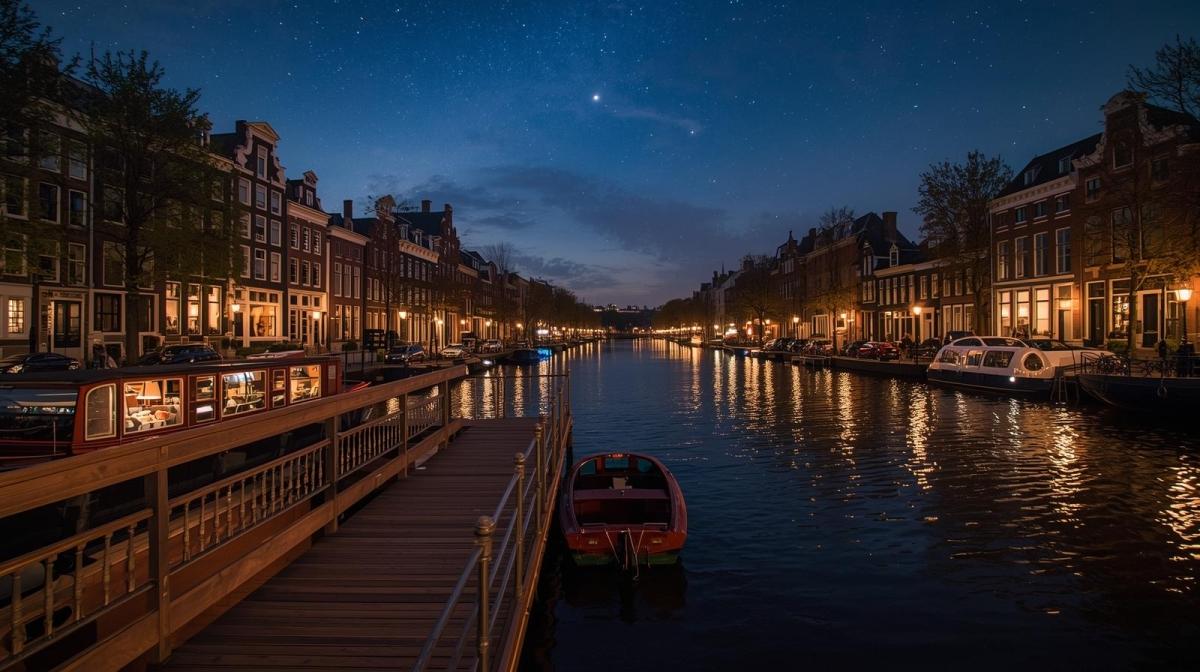
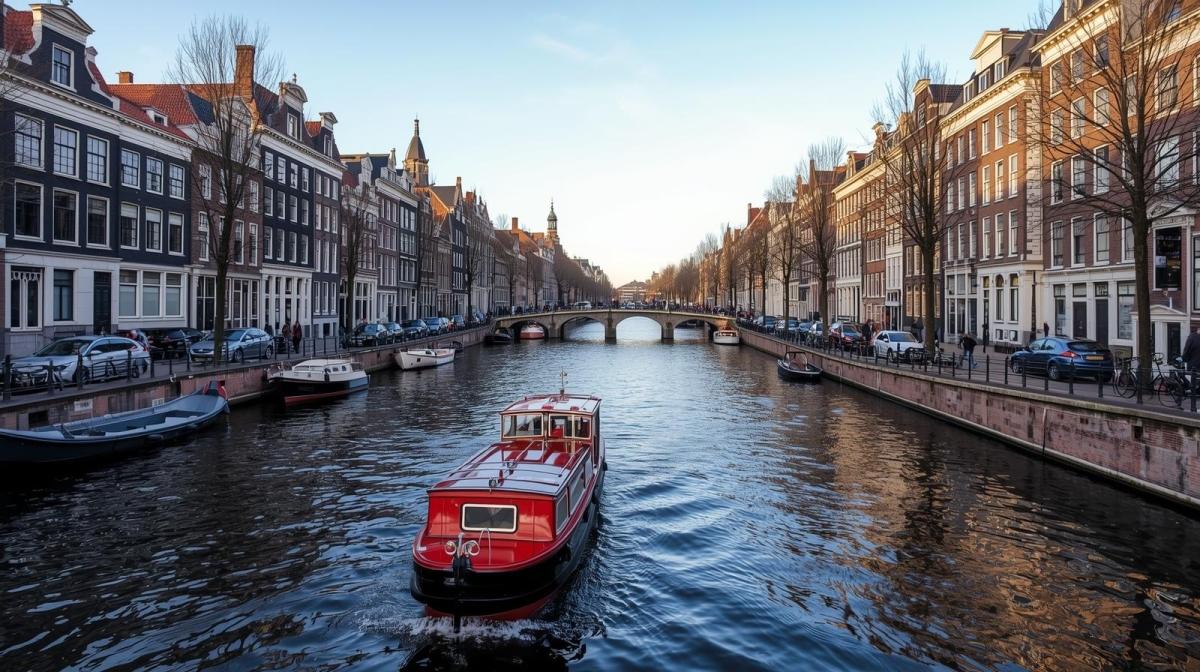
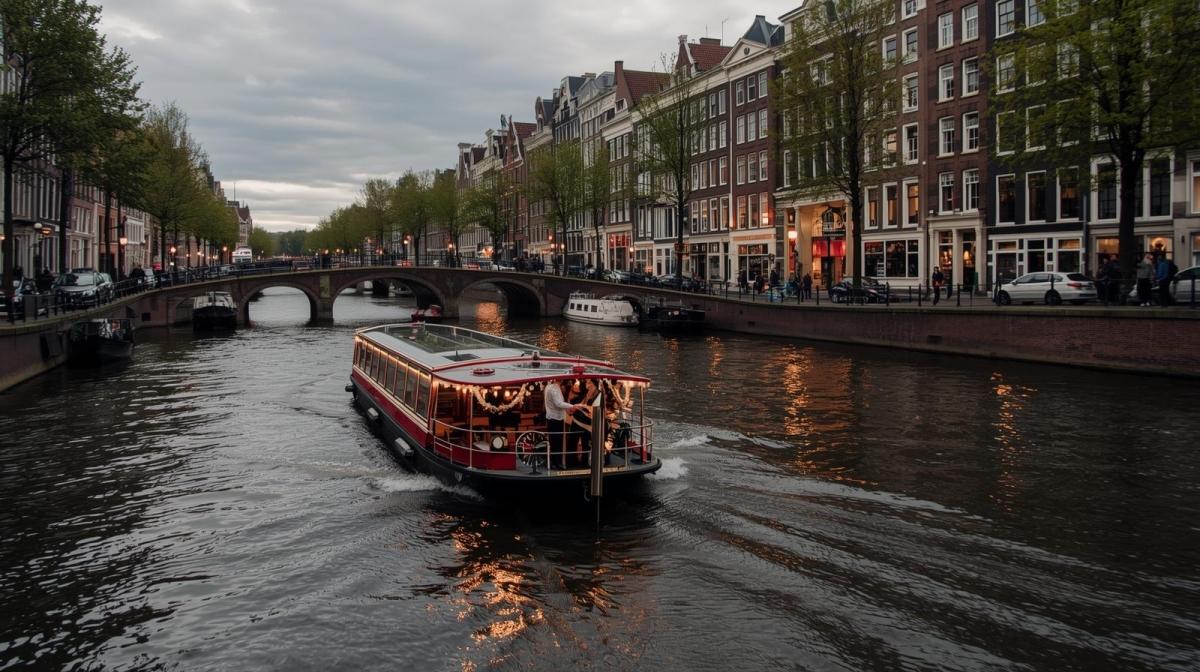
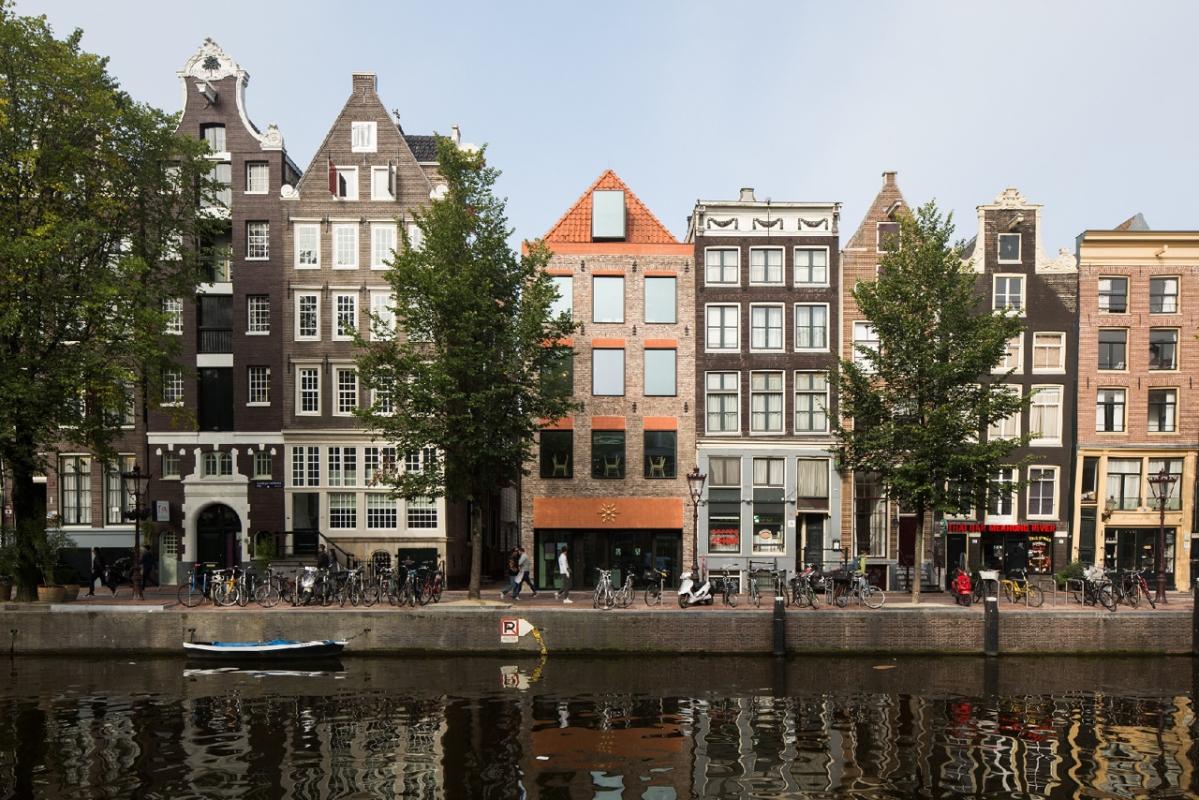
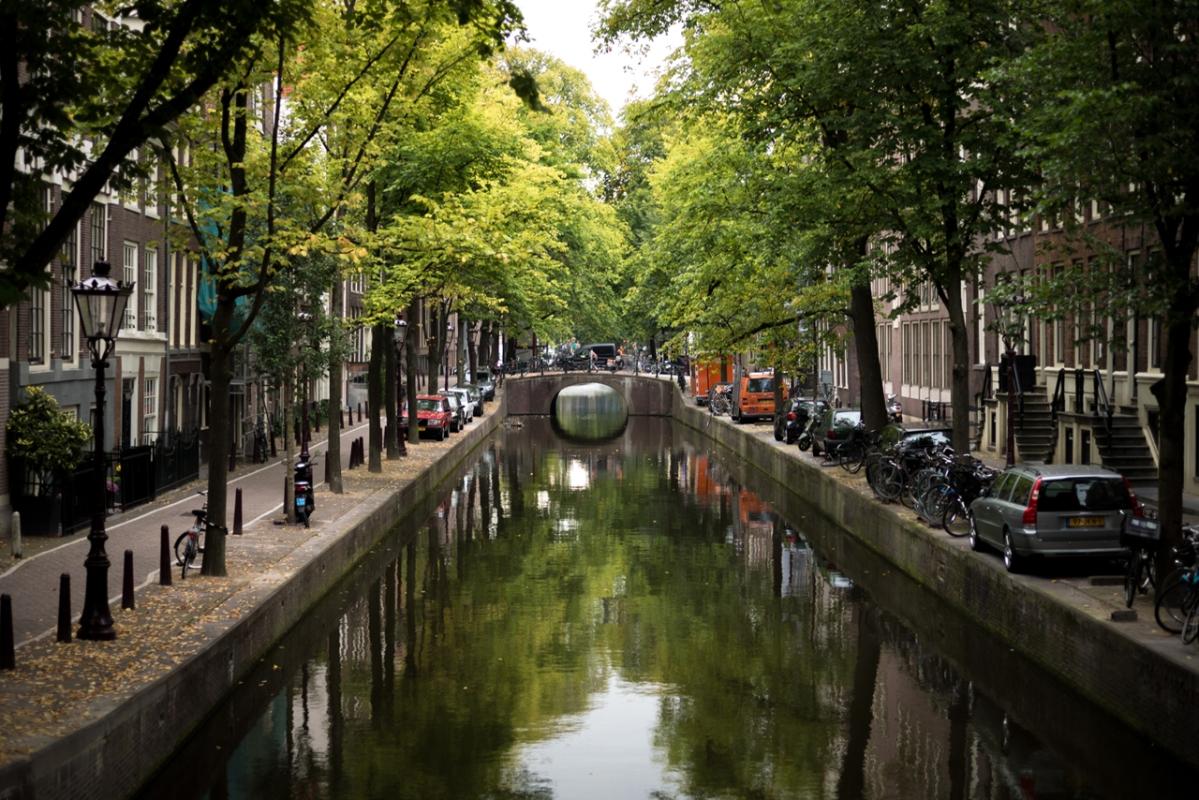
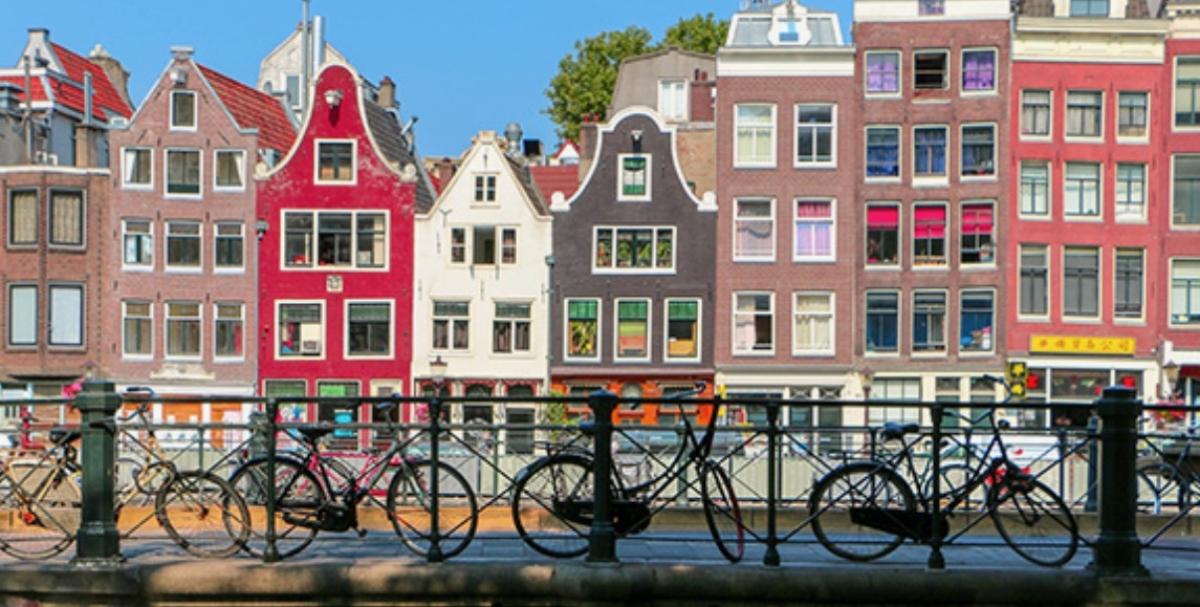
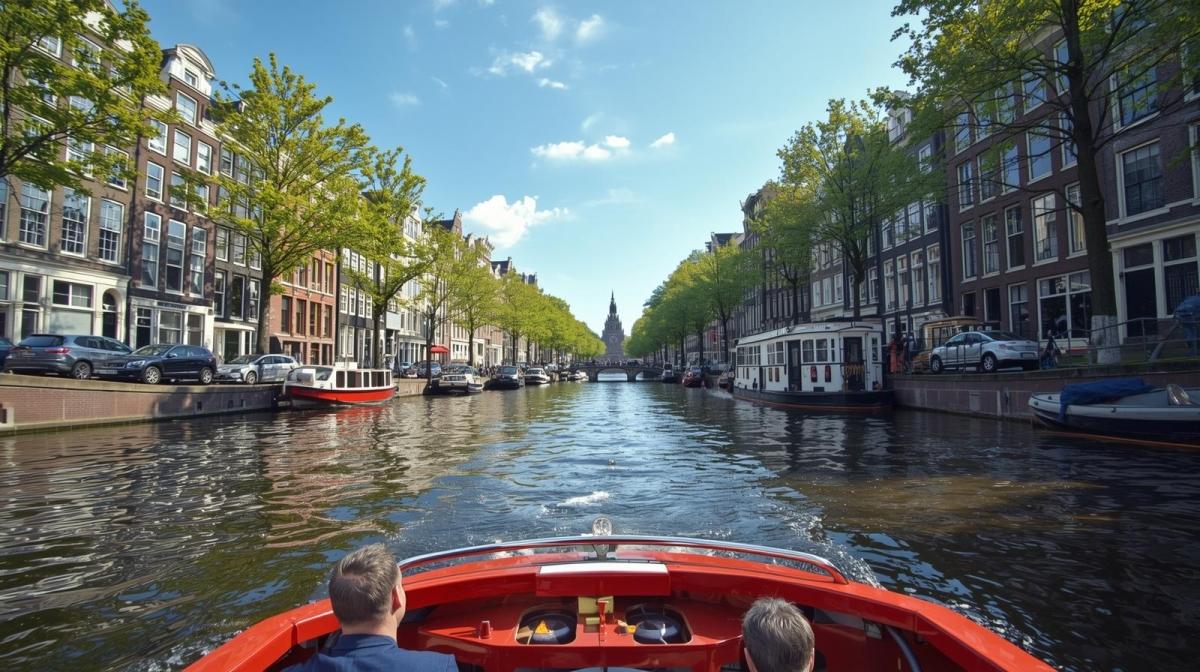
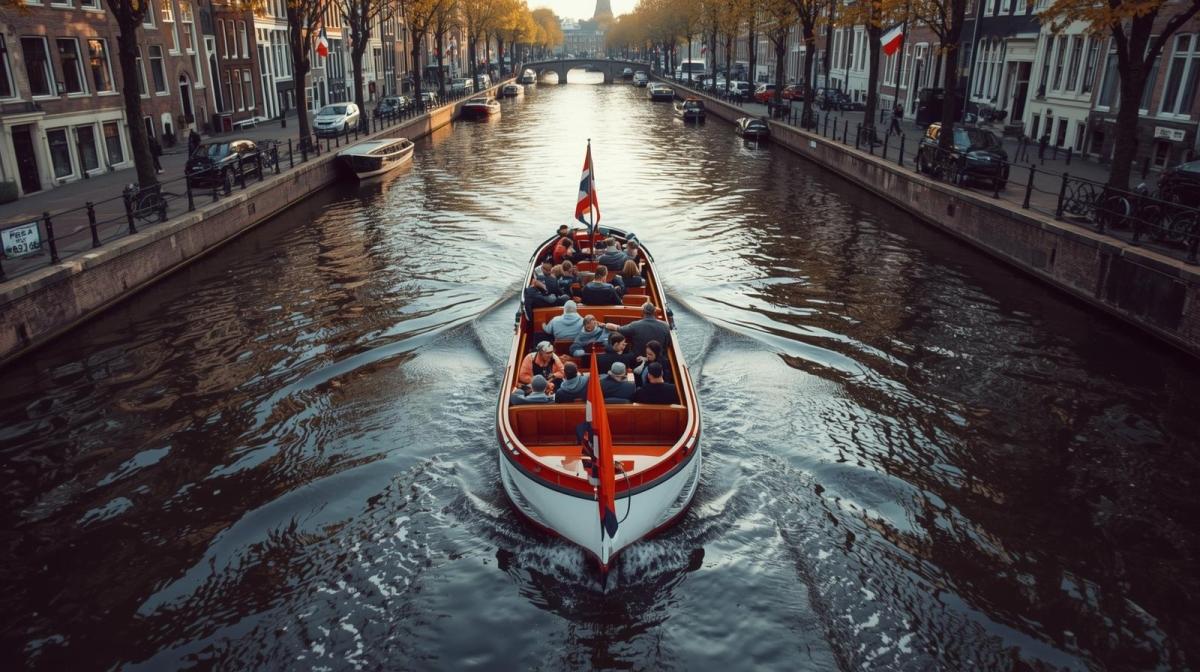

Amsterdam is built around water. The city's canal ring, dug in the 17th century during the Dutch Golden Age, still traces concentric arcs through the center, lined with narrow gabled houses that lean slightly from centuries of settling into soft ground. These Netherlands tours typically use Amsterdam as their base, since the city sits within easy reach of the country's other major sights while offering enough on its own to fill several days without repetition. Just east of the ring, Dam Square anchors the old city center, flanked by the Royal Palace and the National Monument commemorating the Second World War.
Most visitors explore on foot or by bicycle, the preferred transport for locals and a practical way to cover ground between the canal ring, the museum quarter and the old harbor district. Trams and a compact metro system fill in the gaps, and the historic center is small enough that few destinations sit more than thirty minutes apart on foot. Evenings tend to wind down in a brown cafe, the traditional Amsterdam pub named for its dark wood interiors and decades of tobacco-stained walls, often tucked along a side canal away from the main squares.
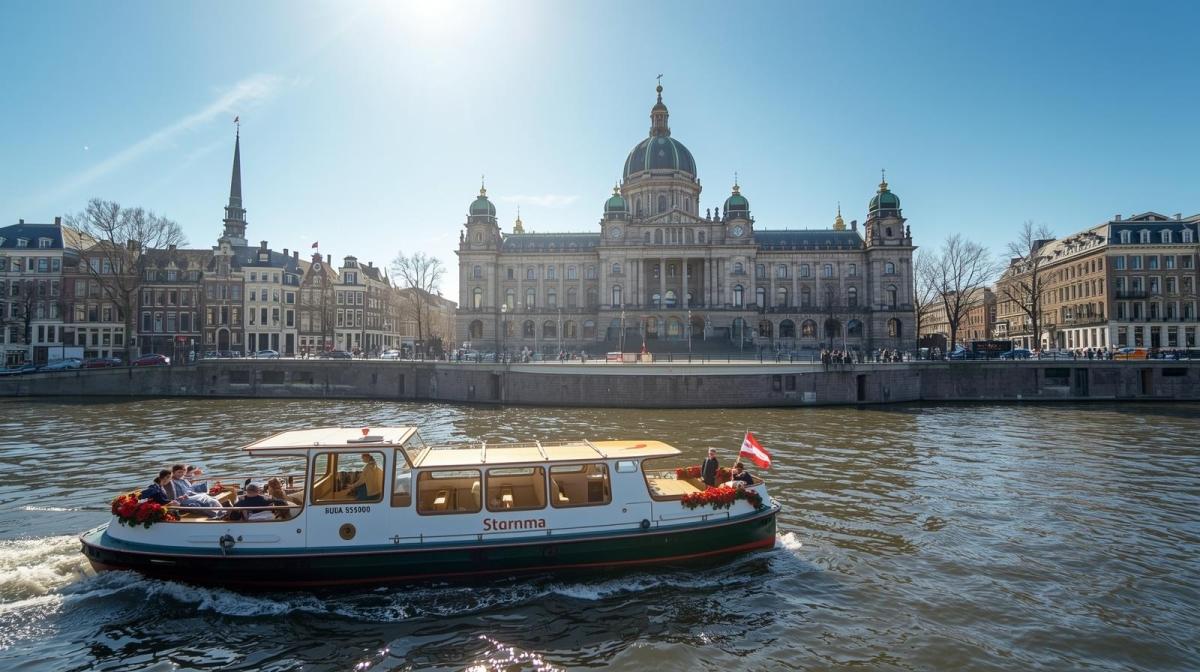
The three main canals, Herengracht, Keizersgracht and Prinsengracht, form a UNESCO-listed ring around the medieval center and remain lined with merchant houses built during Amsterdam's 17th-century trading boom, when the Dutch East India Company made the city one of the wealthiest ports in Europe. Canal boat tours are the standard way to see the architecture from water level, passing more than 1,500 bridges and a scattering of houseboats moored along the water. Walking or cycling the Jordaan district, just west of the ring, gives a closer look at the narrow lanes, courtyard gardens and small independent shops tucked behind the main streets. Near Spui square, the Begijnhof courtyard preserves a cluster of historic almshouses arranged around a quiet garden, one of the oldest inhabited courts in the city and easy to miss from the street outside.
The Museumplein, a large square south of the canal ring, holds Amsterdam's major collections within a few minutes' walk of each other. Rembrandt's The Night Watch anchors the Rijksmuseum, which covers Dutch art and history from the Middle Ages onward, in its own dedicated gallery. The museum's garden, free to enter without a ticket, holds sculpture and a preserved 17th-century pavilion moved from elsewhere in the country. Next door, the Van Gogh Museum holds the largest collection of the artist's work anywhere, arranged to trace his career from early Dutch paintings to the final works completed in France. Modern and contemporary art fills the neighboring Stedelijk Museum, and Vondelpark, adjoining the Museumplein, adds the city's largest green space, popular for jogging, picnics and open-air performances through the summer months. A short distance north, the Anne Frank House preserves the actual building where Anne Frank and her family hid during the German occupation, and tickets are timed and released online well in advance of each visit.
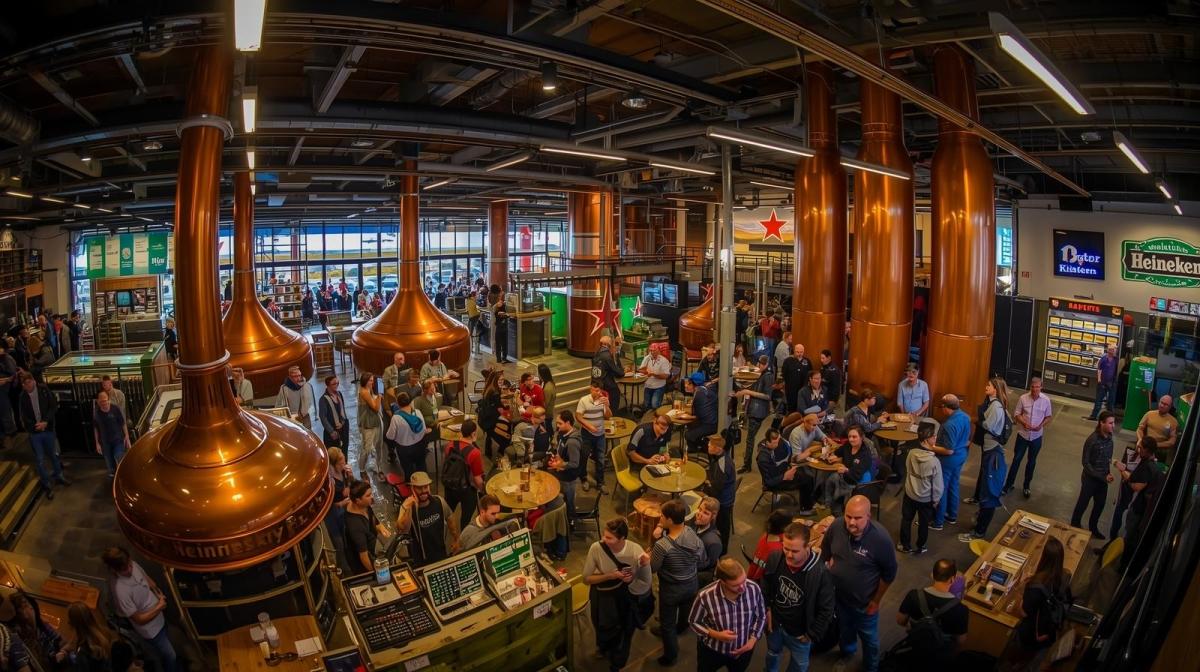
The Albert Cuyp Market, running through the De Pijp neighborhood south of the center, is Amsterdam's largest street market, with stalls selling produce, cheese, textiles and stroopwafels pressed and sold hot throughout the day. Herring stands scattered around the city sell the raw, lightly salted fish traditionally eaten by hand, a dish more closely tied to Dutch food culture than most first-time visitors expect. De Pijp itself has grown into one of the city's more residential, restaurant-heavy districts, offering an alternative to the tourist-focused streets around the canal ring. West of the center, the Foodhallen occupies a converted tram depot and gathers a rotating set of food stalls under one roof, a modern counterpart to the open-air markets.
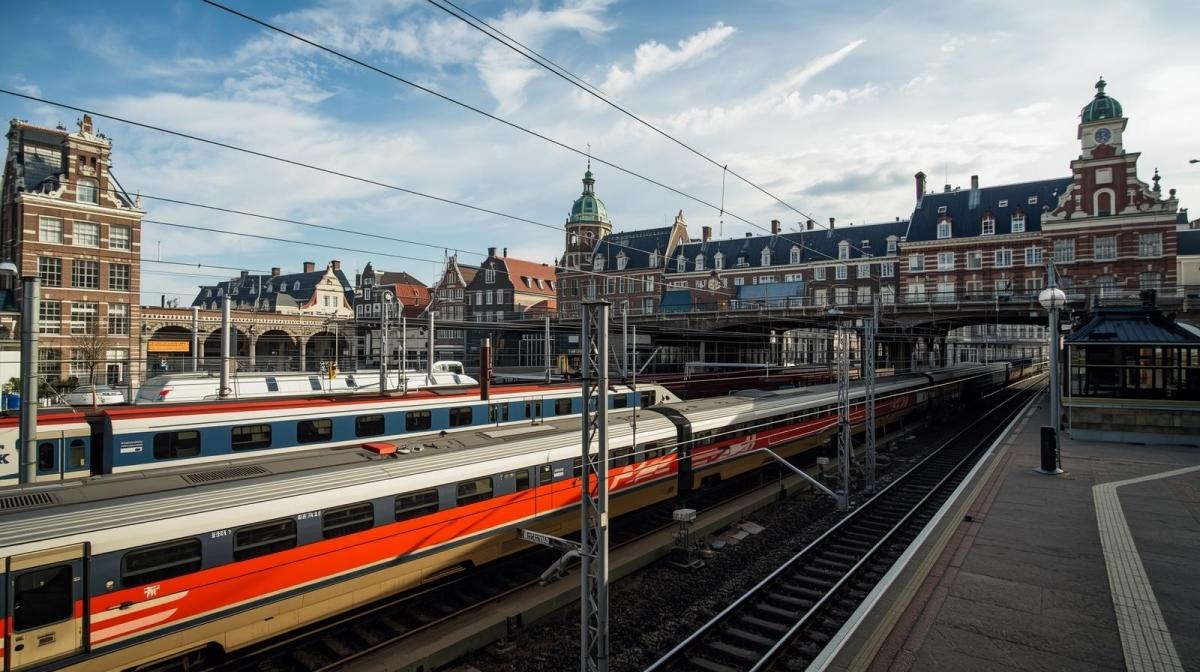
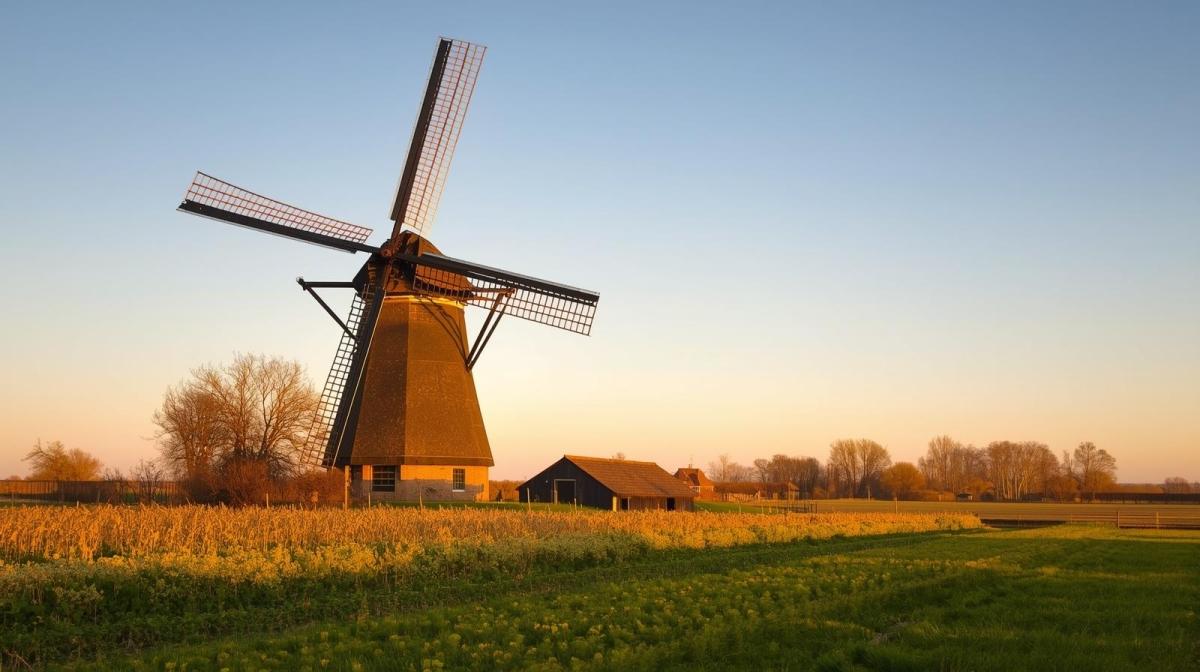
Zaanse Schans, about twenty minutes north of the city by train, preserves a cluster of working windmills and traditional green wooden houses along the Zaan river, giving a compact look at the rural Netherlands' industrial past. The fishing villages of Volendam and Marken, both on the IJsselmeer, retain their own architecture and a slower pace, and many day trips combine the two with a stop in Edam, known for the round cheese that shares its name. Haarlem, a short train ride west, offers a quieter version of Amsterdam's canal architecture along with the Grote Kerk and a compact historic center, often visited as a half-day add-on rather than a full day trip. Utrecht and The Hague are also close enough for a half-day visit by train, though most itineraries treat Amsterdam as the anchor for any trip to the Netherlands.
April brings the Keukenhof tulip gardens into bloom outside the city, drawing day-trippers during the roughly eight weeks the gardens stay open each spring, and King's Day on April 27 turns the entire city into an outdoor party with street markets and orange-clad crowds. Summer months see the longest daylight hours and the busiest canals, while September and October offer cooler weather and thinner crowds at the major museums, since museum lines tend to grow during the European school holidays in July and August. Winter is quiet and often wet, though the canal ring lit for the holidays has its own appeal. Travelers who want the main sights organized into a single itinerary can also look at the 7 Days – 6 Nights Amsterdam Tour, which covers the city's canals, museums and surrounding sights across six nights.