
Free Cancellation
-high.jpg&w=1920&q=75 "Golf Package : 11D10N Bangkok - Chiang Mai - Phuket")
Bangkok is Thailand's capital and largest city, built along the banks of the Chao Phraya River, and serves as the starting point for most itineraries listed under Thailand Tours. Centuries-old temples and a fast-moving modern skyline sit close together here, connected by an above-ground BTS Skytrain and an underground MRT system that make it straightforward to cross the city without relying on traffic-clogged roads.
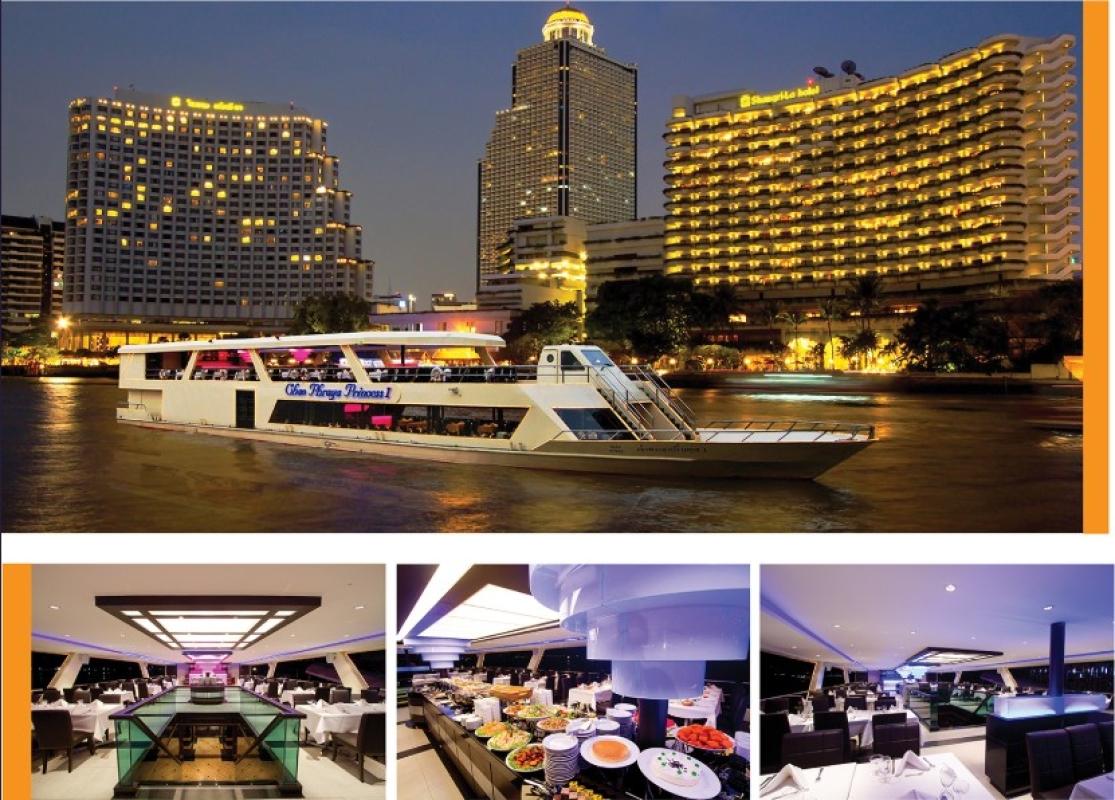
Visitors typically split time between the old royal quarter near the river, where the main temples and the Grand Palace stand, and newer commercial districts further east, home to shopping malls, rooftop bars and a dense concentration of restaurants along corridors such as Sukhumvit Road. Chao Phraya express boats and cross-river ferries add a further layer of transport, linking riverside piers that roads do not reach directly.
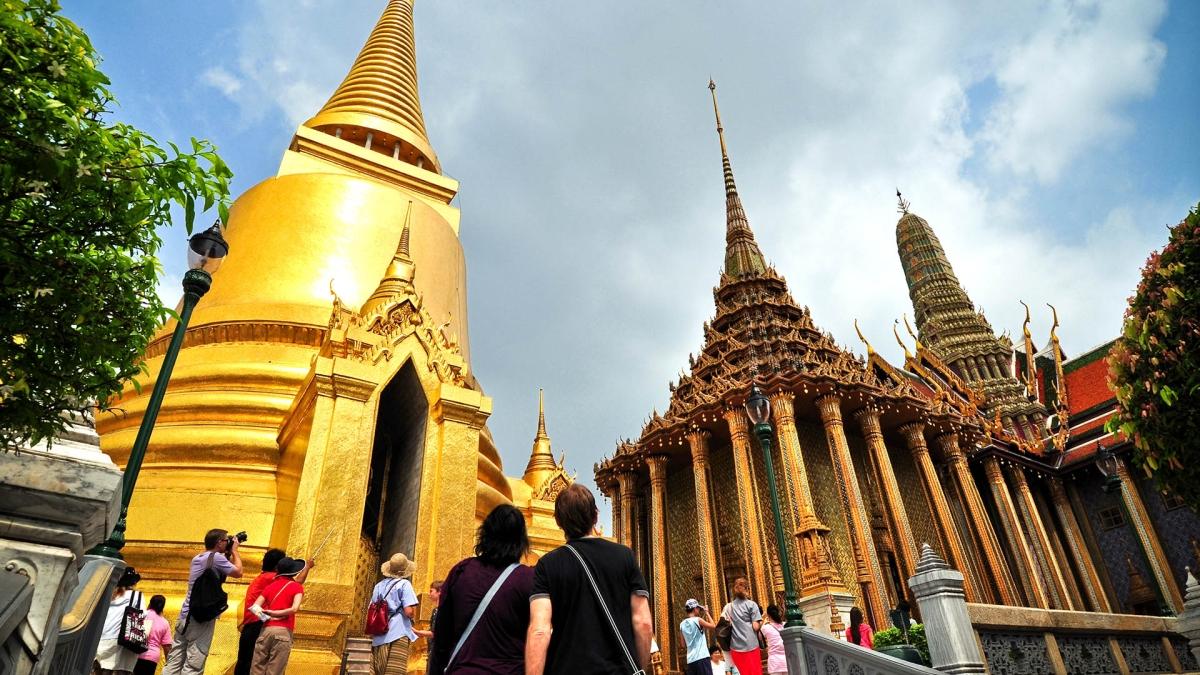
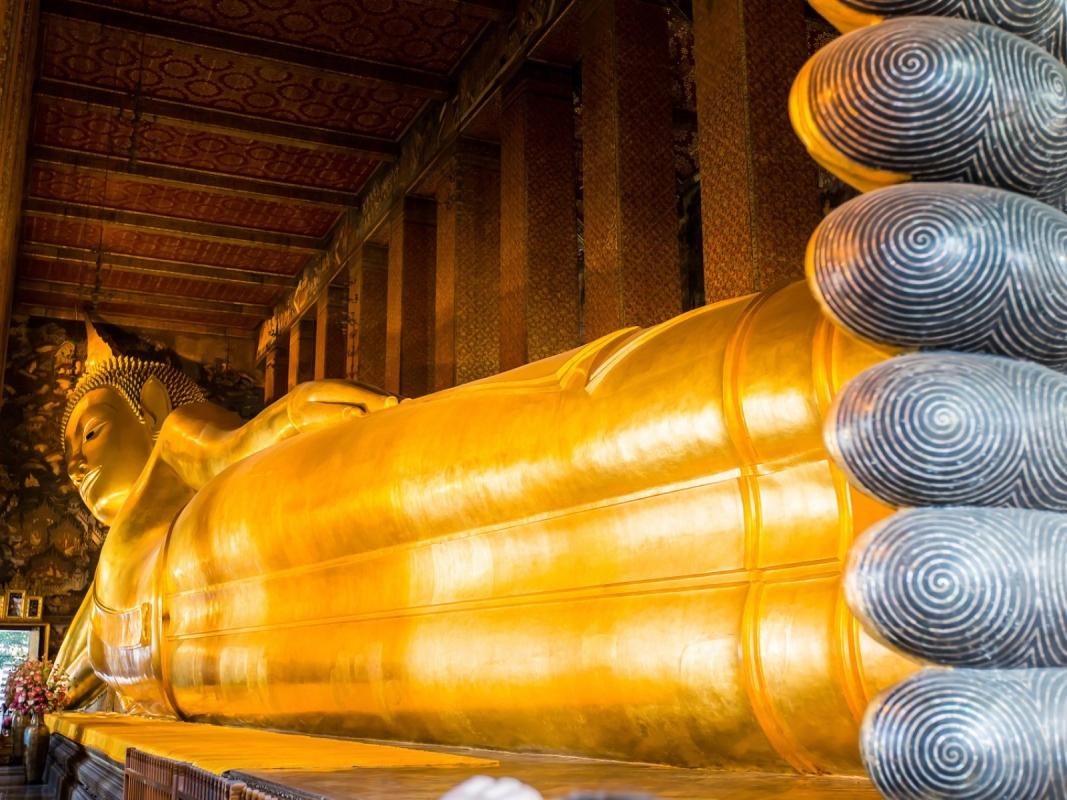
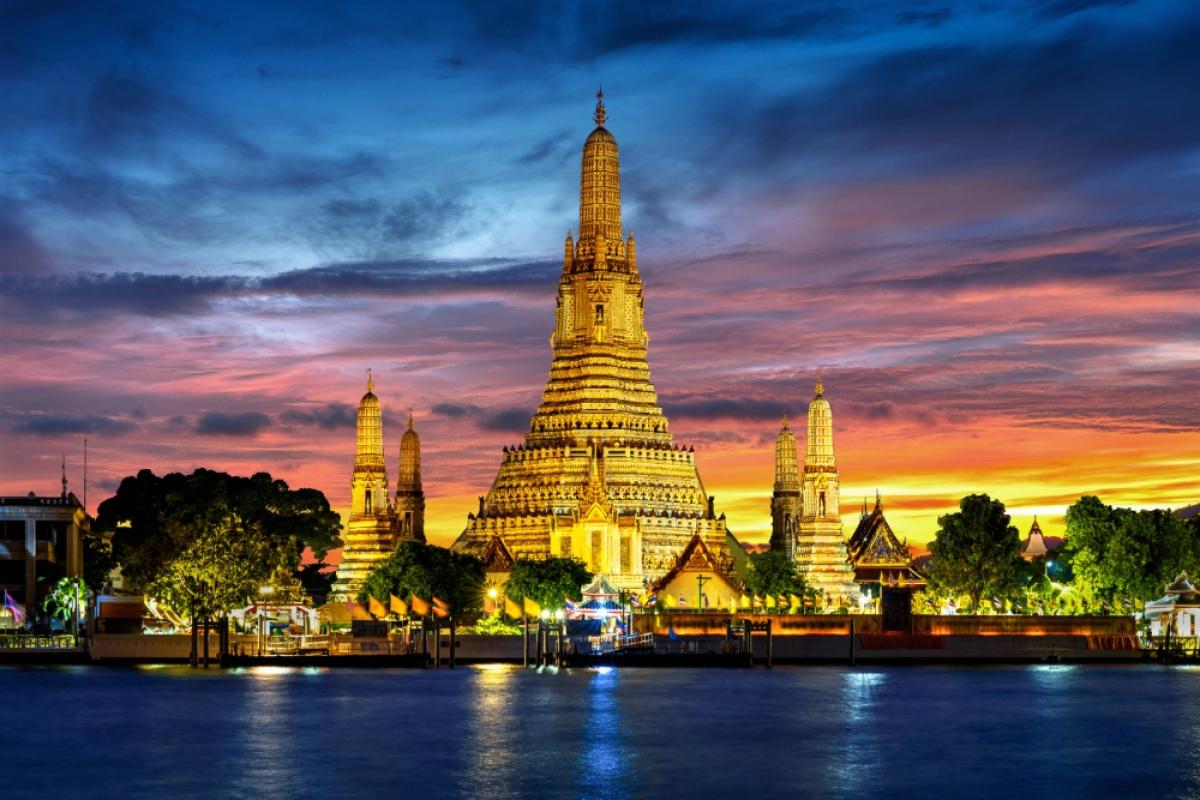
The Grand Palace, completed in 1782 as the official residence of Thai kings, remains one of the most visited single sites in the city and includes Wat Phra Kaew, home to the Emerald Buddha, a jade image considered the most sacred in Thailand. Across the river, Wat Arun, known as the Temple of Dawn, is recognizable by its central prang tower, decorated with colored porcelain fragments that catch the light at sunrise and sunset. Nearby Wat Pho houses a reclining Buddha statue more than 40 meters long and is recognized as the birthplace of traditional Thai massage, with a training school still operating on the temple grounds today.
Strict dress rules apply throughout the Grand Palace grounds, with shoulders and knees required to be covered and sarongs available to rent at the entrance for visitors who arrive underdressed. A short distance away in Chinatown, Wat Traimit houses a seated Buddha image cast from roughly five and a half tons of solid gold, rediscovered in 1955 after a plaster covering used to disguise it during an earlier era of conflict was accidentally cracked while the statue was being moved.
West of the old royal quarter, Jim Thompson House preserves the teak residence of an American silk entrepreneur credited with reviving Thailand's hand-woven silk industry after the Second World War. Thompson disappeared during a walk in Malaysia in 1967 and was never found, and his former home now displays his collection of Southeast Asian art alongside traditional Thai architecture.
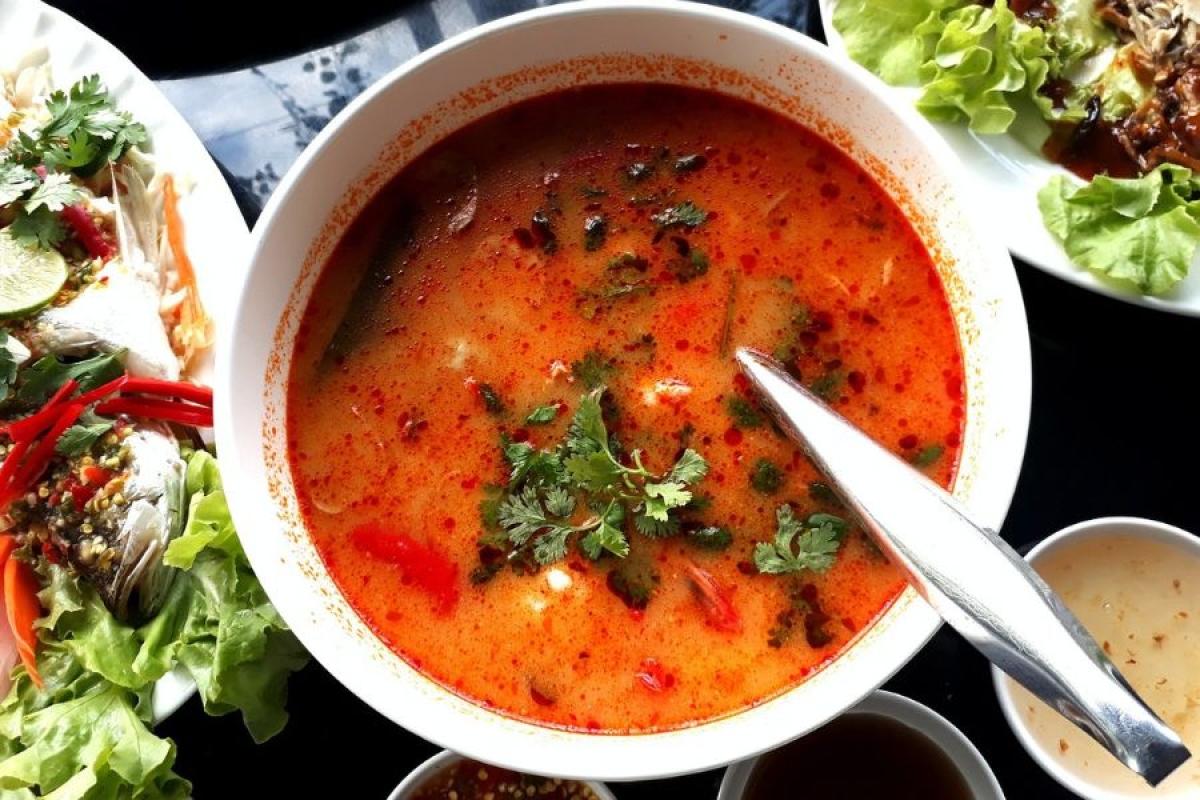
Street food is central to how Bangkok eats, with stalls across the city serving noodle soups, grilled meats and regional dishes at almost any hour. Several vendors have been recognized in the Michelin Guide's Bangkok selections since the guide began covering the city in 2017, including long-running stalls in the Chinatown district. Yaowarat Road, the main artery of Chinatown, turns into a dense strip of food stalls and neon signage after dark. Chatuchak Weekend Market, one of the largest markets in the world, spreads across thousands of stalls selling clothing, antiques, plants and food, though it only opens on weekends. Floating markets such as Damnoen Saduak and Amphawa lie outside the city center and are usually visited as half-day or full-day trips.
Themed night markets such as Rot Fai set up in repurposed lots on weekends, mixing vintage goods, food trucks and live music, and tend to draw a younger, more local crowd than markets closer to the main sightseeing areas. Chinatown's daytime dried goods and traditional medicine shops give way each evening to the food stalls that make the district a common dinner stop for visitors staying nearby.
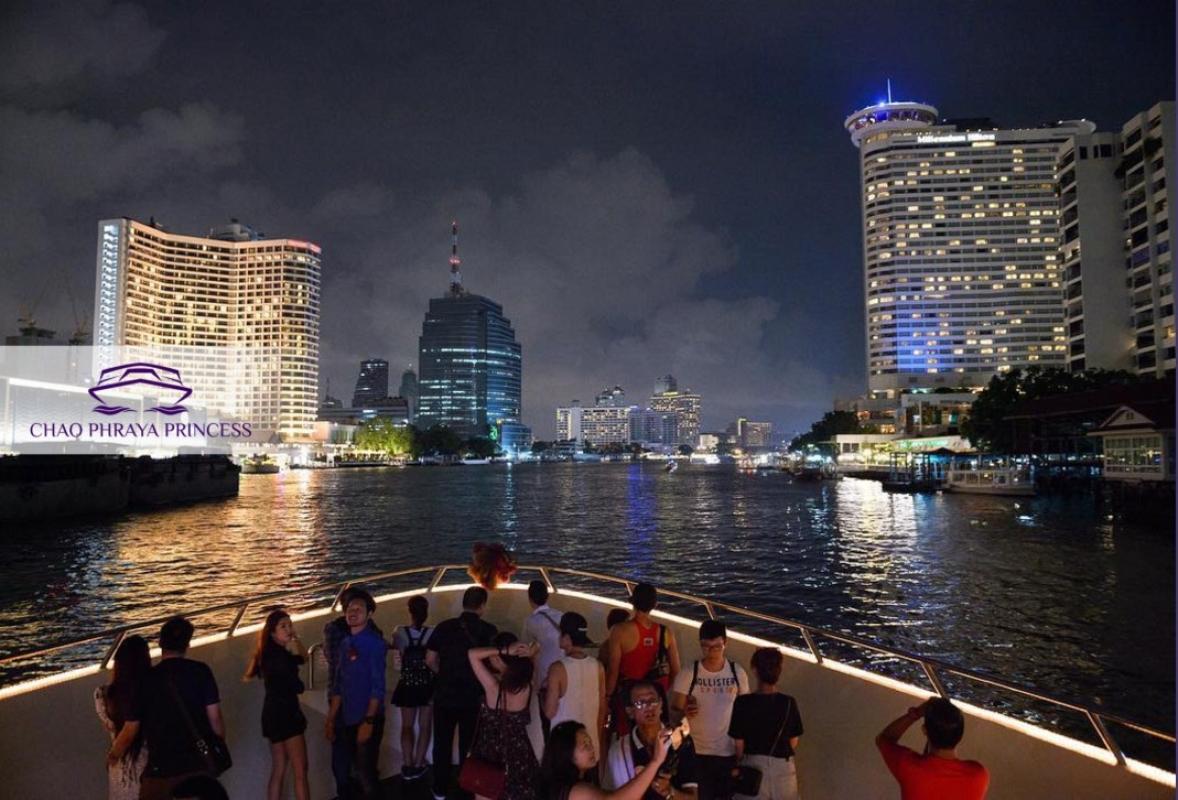
Short trips through the older parts of the city are often made by tuk-tuk, the three-wheeled motorized taxis closely associated with Bangkok's streets, though it helps to agree on a fare before setting off since most do not use meters. For longer distances or during peak traffic hours, the BTS Skytrain and MRT subway are usually faster than road transport. The river itself remains a practical route between riverside attractions, with express boats stopping at piers near the Grand Palace, Wat Arun and several riverside hotels.
Suvarnabhumi Airport connects directly to the BTS network via the Airport Rail Link, and ride-hailing apps are widely used alongside metered taxis, adding options beyond tuk-tuks and rail. Weekday rush-hour traffic on the street level is often heavy, which is part of why the above-ground and underground rail lines have become the preferred way to cover longer distances across the city.
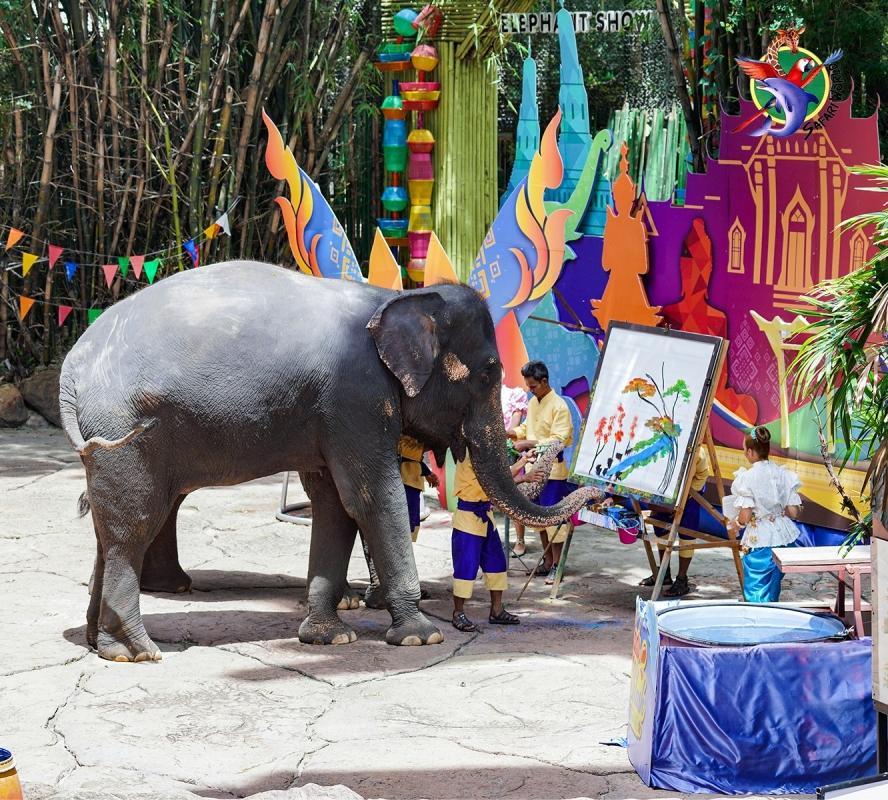
Families and groups looking for a change of pace from temples and markets often head to the northern outskirts of Bangkok for attractions built around wildlife and nature. The Safari World + Marine Park with Lunch combines a drive-through safari park with a marine park featuring dolphin and sea lion shows, and typically runs as a full-day trip with lunch and hotel pickup included.
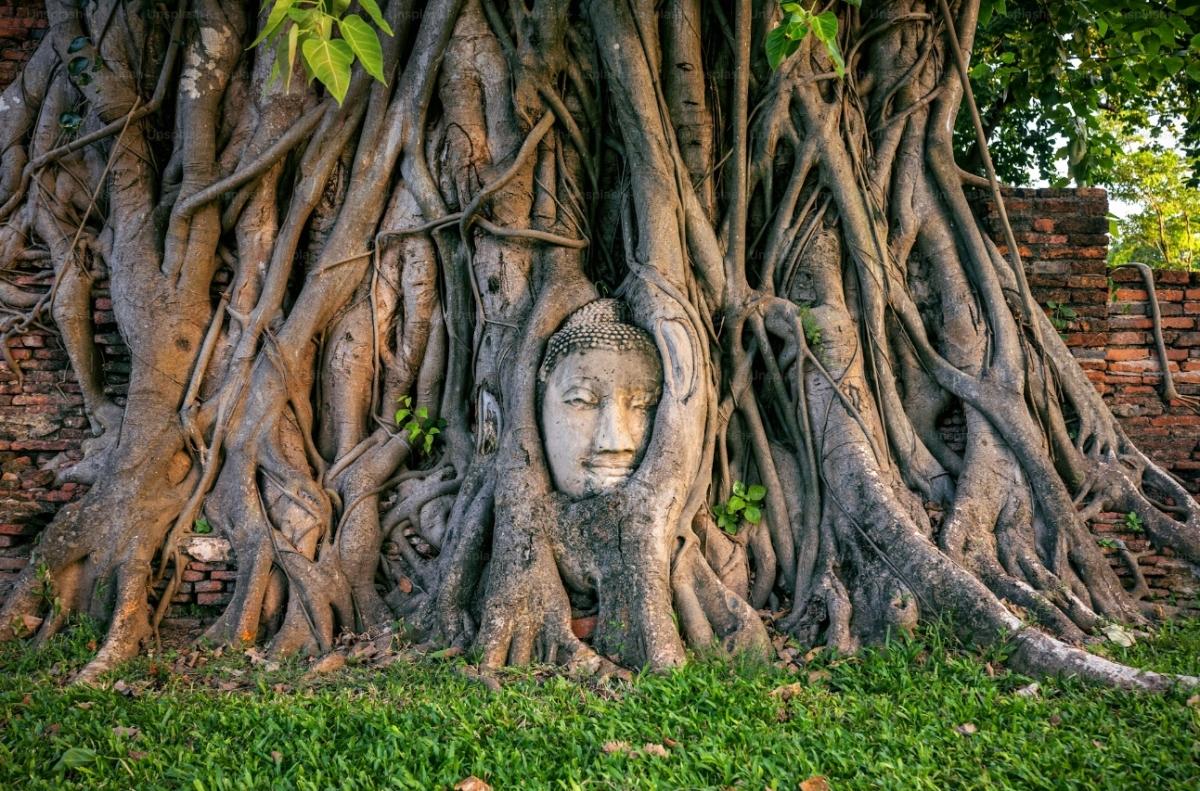
Other common day trips include the historic city of Ayutthaya, Thailand's former capital from 1350 until it was sacked by Burmese forces in 1767, located roughly an hour and a half north of Bangkok by road. Its ruined temple complexes, including rows of headless Buddha statues and the tree-entwined Buddha head at Wat Mahathat, were inscribed as a UNESCO World Heritage Site in 1991 and can be covered by road or by a slower river cruise. Another popular half-day add-on is the Maeklong Railway Market, where vendors fold back their stalls and awnings each time a train passes directly through the market several times a day, a routine that draws almost as many visitors as the market's produce and goods.