
Free Cancellation

-high.jpg&w=1920&q=75 "Chiang Mai 1 day Sightseeing Chiang Dao Cave & 5 different Hill Tribe Villages (Min 2 Pax)")
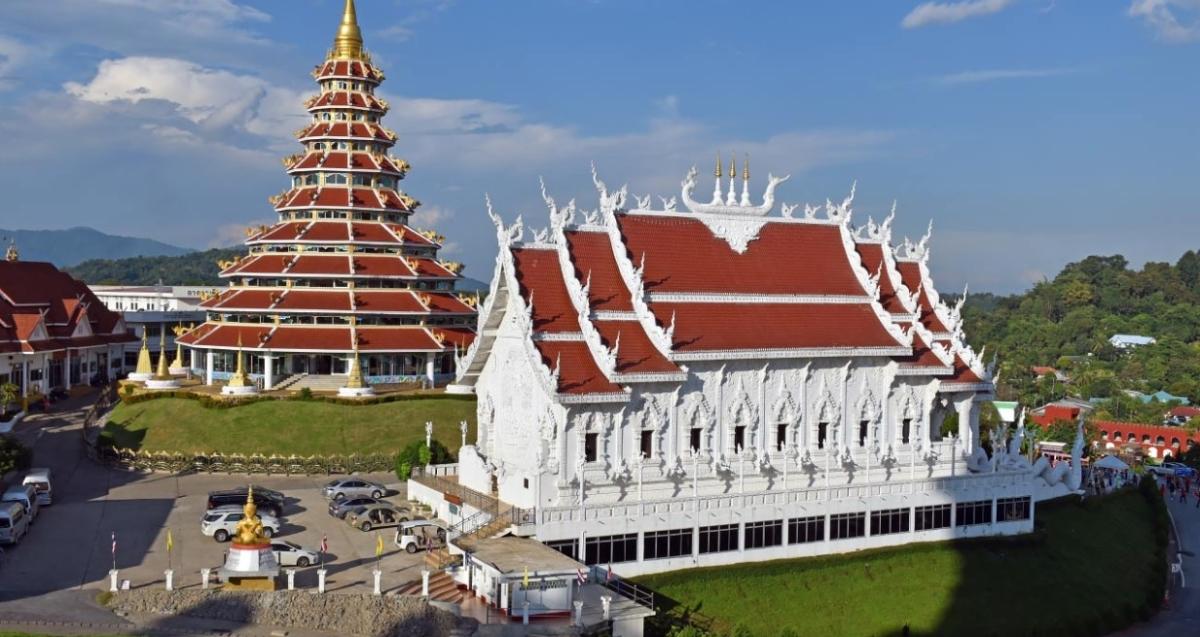
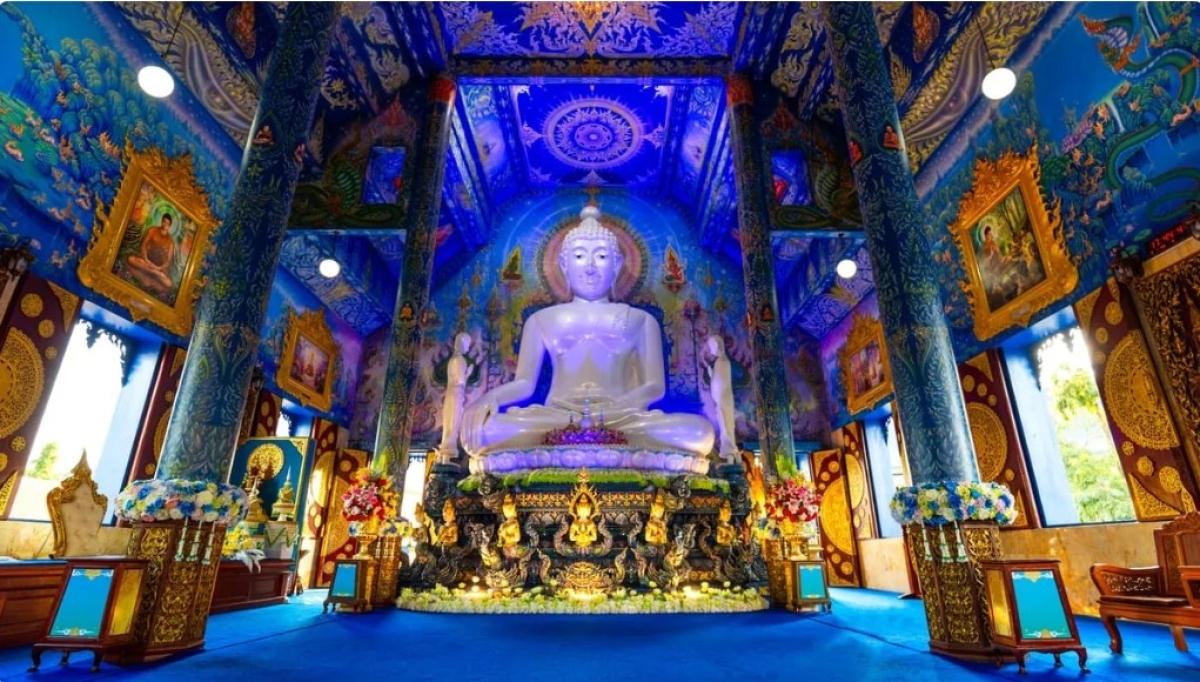
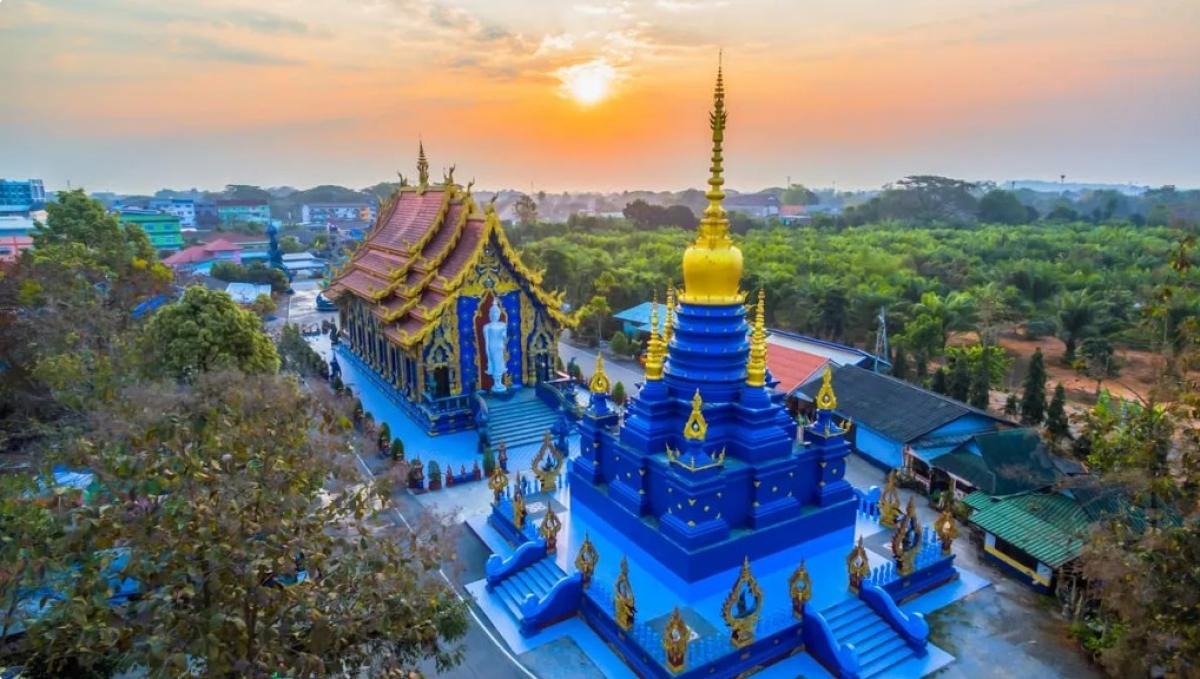
Chiang Mai sits in a mountain valley in northern Thailand, roughly 700 kilometers north of Bangkok, and forms one of the main stops among the itineraries under Thailand Tours. Founded in 1296 by King Mengrai as the capital of the Lanna Kingdom, the old city still sits within its original square moat and remnants of a brick city wall, with gates marking the four cardinal points.
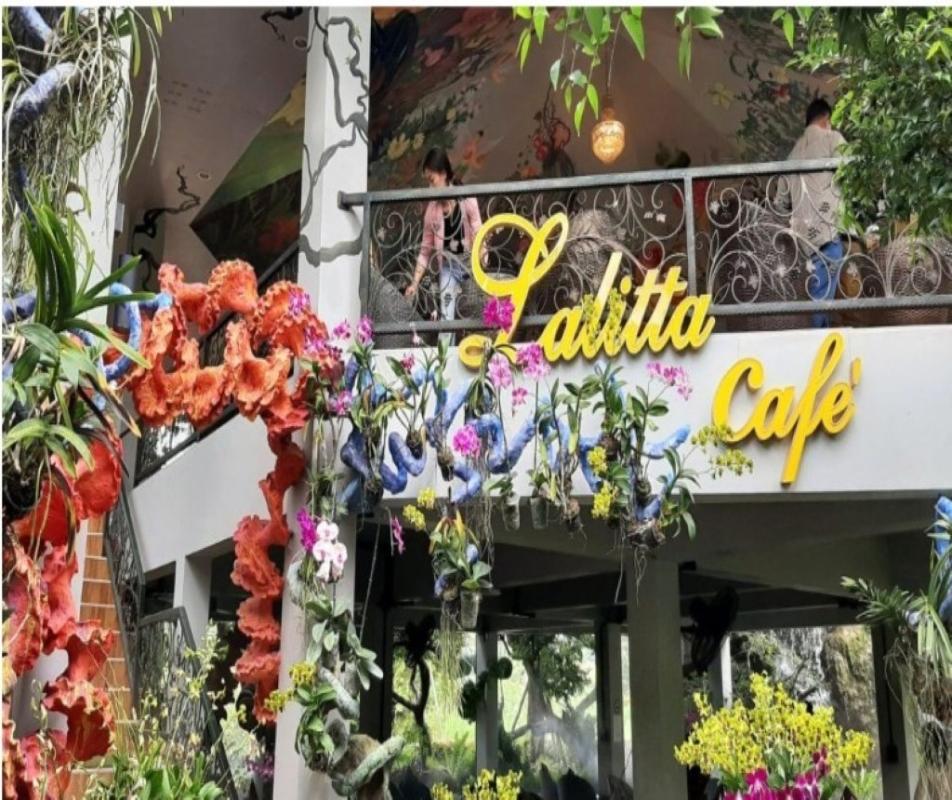
Compared with Bangkok, the pace here is slower and the surrounding mountains bring cooler temperatures, particularly in the early morning and evening during the cool season. The old city holds more than 30 Buddhist temples within its walls, while the wider region is known for hill-tribe villages, elephant sanctuaries and trekking routes through forested mountains that ring the valley. In recent years the city has also become a base for long-term travelers and remote workers, drawn by a lower cost of living than Bangkok and a well-established cafe scene.
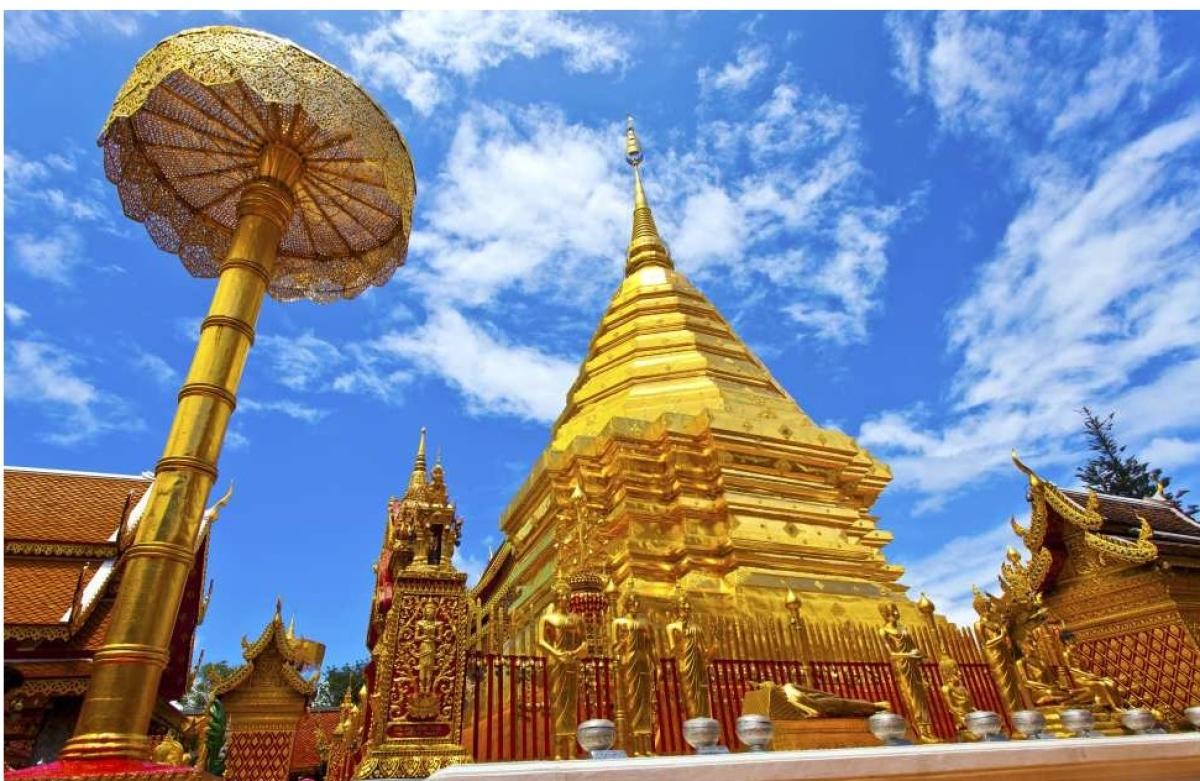
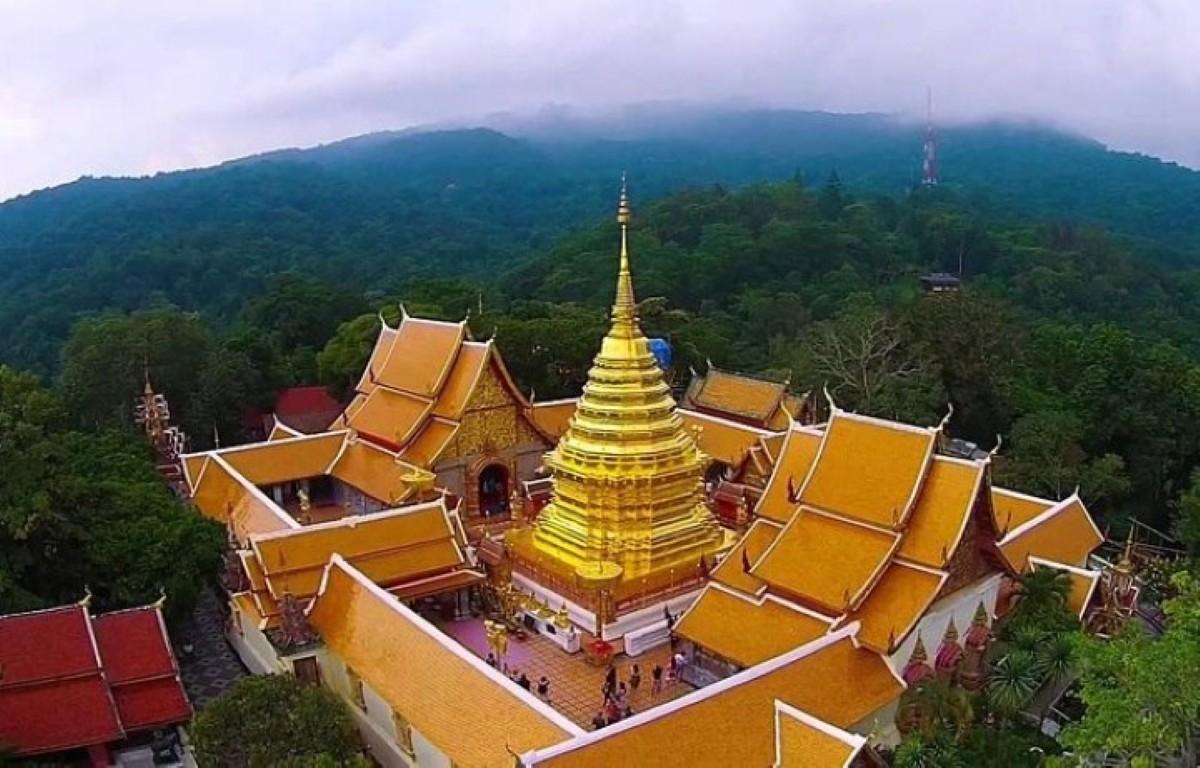
Wat Phra That Doi Suthep, founded in 1383, sits partway up Doi Suthep mountain overlooking the city and is reached by a steep road followed by a staircase of more than 300 steps, or a funicular for visitors who prefer not to climb. According to local legend, the site was chosen after a sacred relic was placed on the back of a white elephant, which climbed the mountain and stopped at the spot where the temple now stands. Inside the old city walls, Wat Chedi Luang holds the ruins of a 14th-century pagoda that once stood among the tallest structures in the Lanna kingdom, while Wat Phra Singh is known for its finely carved wooden library and a revered Buddha image housed in its main hall.
A few kilometers further up the mountain, Bhubing Palace serves as a winter residence for the royal family and opens its gardens to visitors on days when the family is not staying there. The road up to both sites offers views back over the city and the flat valley floor that spreads out below the mountain.
West of the old city walls, Wat Umong dates to the 14th century and is known for a network of brick tunnels built into a forested mound, along with a small lake and informal art installations that draw a quieter crowd than the more central temples. Monks historically used the tunnels for meditation, and sections remain open for visitors to walk through today.
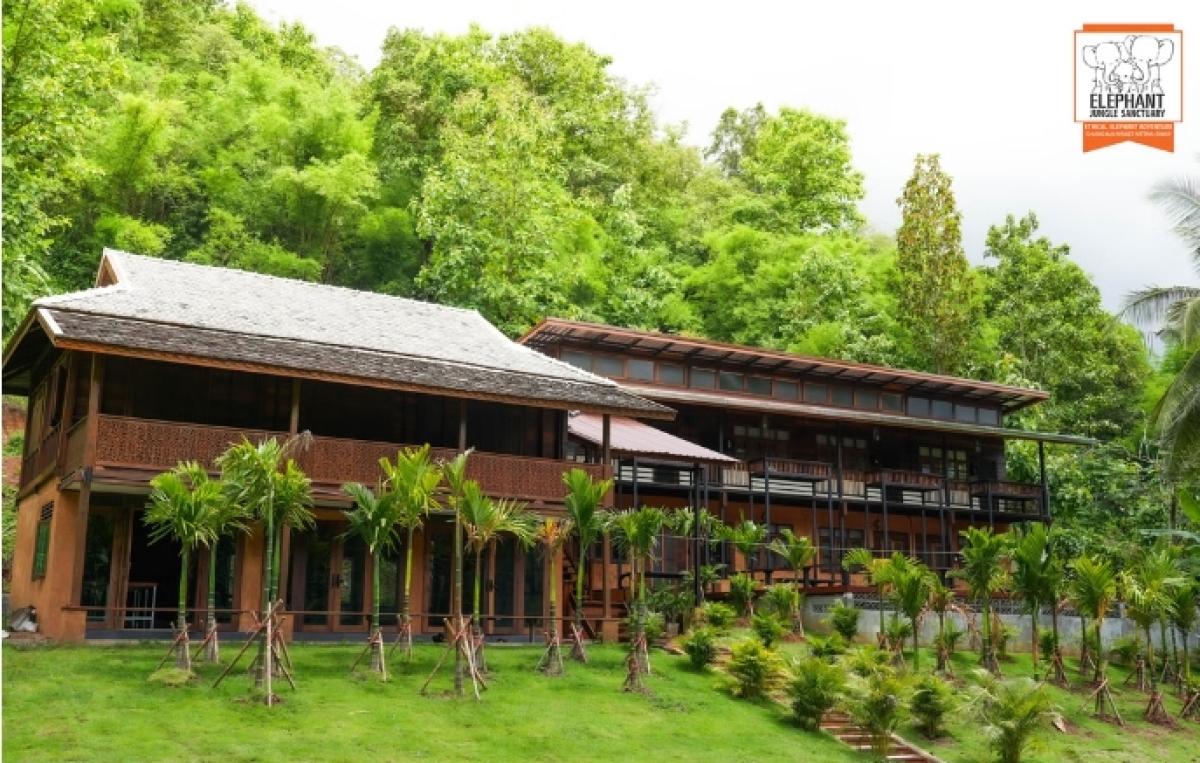
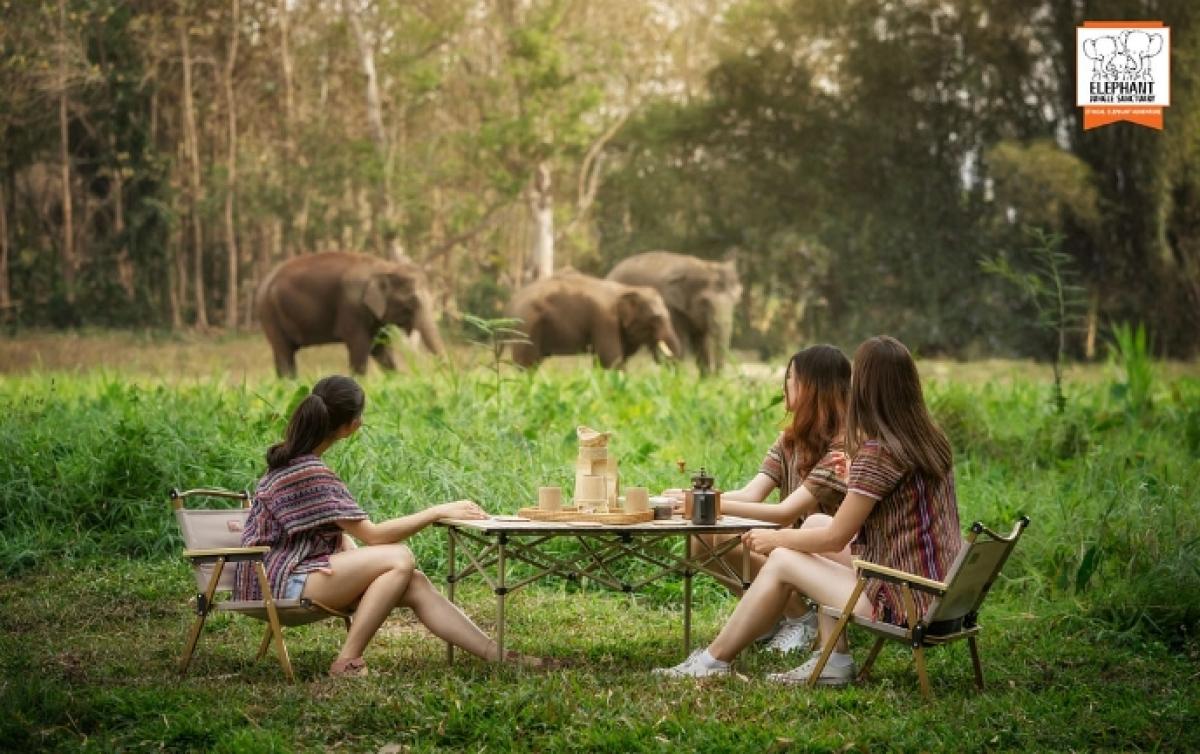
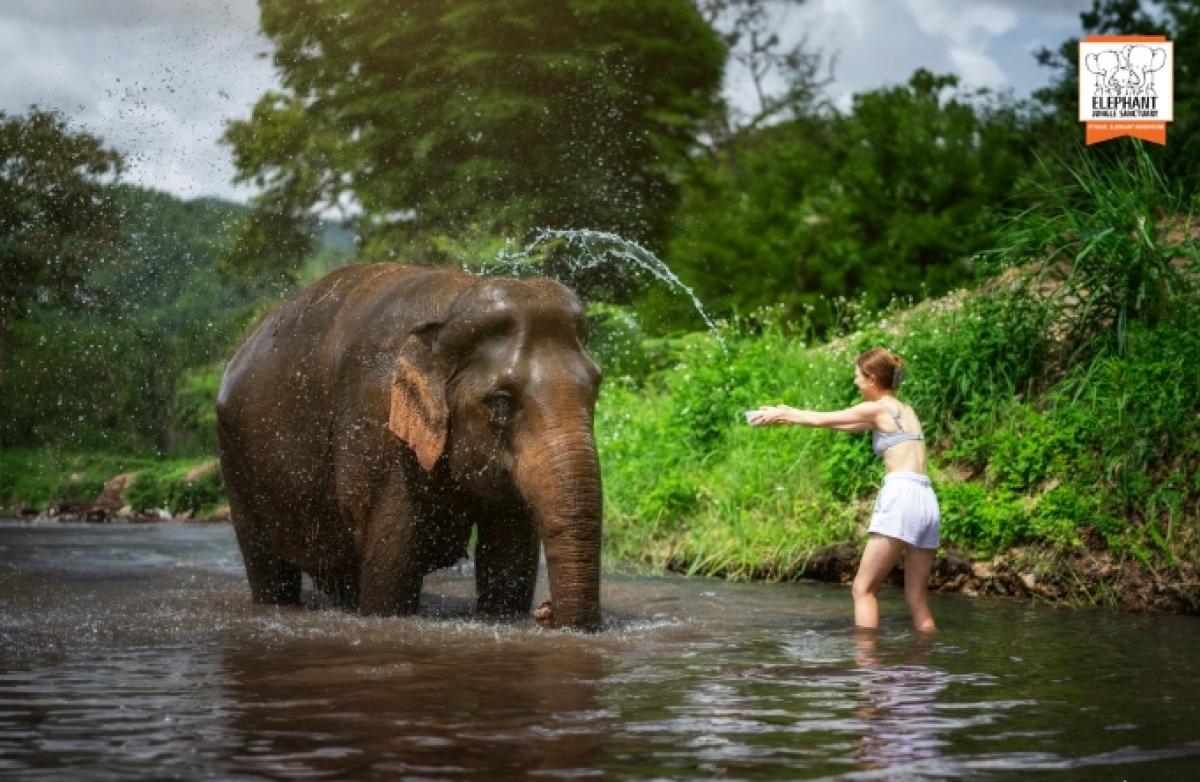
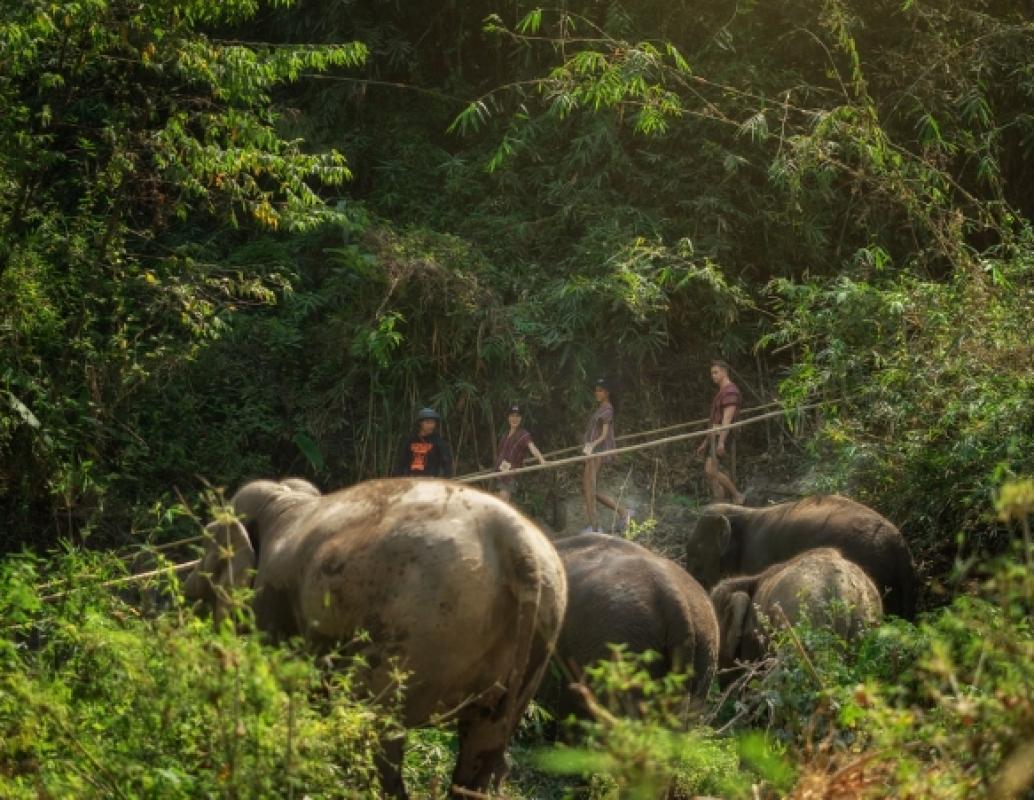
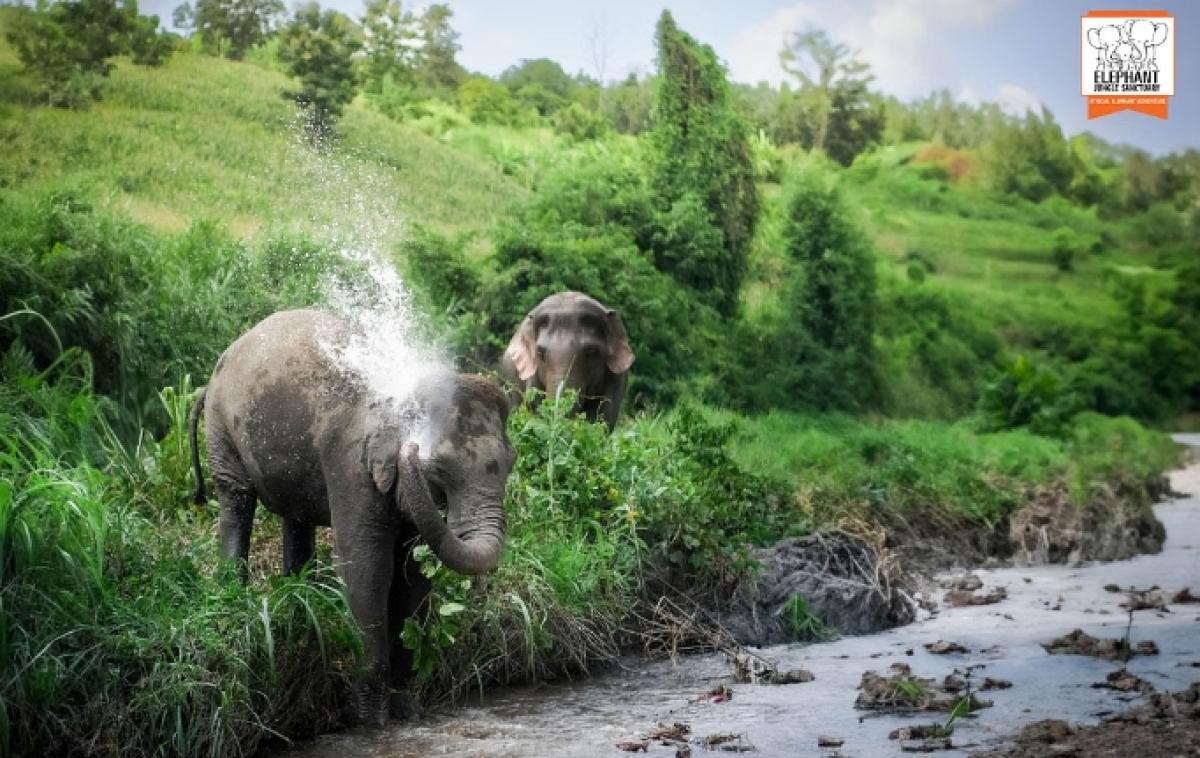
Chiang Mai has become a center for ethical elephant tourism over the past decade, as criticism of elephant riding and traditional trekking camps pushed many operators toward feeding and bathing experiences instead. Programs range from half-day visits close to the city to overnight stays further into the hills, such as the Elephant Jungle Sanctuary Chiang Mai - Overnight Visit (2D1N), which includes a night in the jungle with daytime interaction, feeding and bathing built into the schedule rather than riding.
The shift mirrors a broader change across Thailand's elephant tourism industry, driven partly by research on the physical strain riding places on the animals. Most sanctuaries also keep visitor groups small and spread feeding sessions across the day, both to manage the animals' diet and to give visitors closer access than a single large group would allow.
The Sunday Walking Street along Ratchadamnoen Road closes the old city's main avenue to traffic for a market stretching over a kilometer, mixing handicrafts, clothing and regional food stalls. A smaller version runs on Saturdays along Wua Lai Road outside the old city walls, a street traditionally associated with the city's silversmith community. Chiang Mai's food differs noticeably from central Thai cuisine, built around dishes like khao soi, a curry noodle soup topped with crispy fried noodles, and several cooking schools in the city teach northern recipes in half-day classes that usually start with a market visit.
Handicrafts have long been part of the local economy beyond the weekend markets. Villages on the city's outskirts, such as Bo Sang, specialize in hand-painted umbrellas and parasols, a craft passed down over generations and still demonstrated in workshops open to visitors. Warorot Market, the city's oldest covered market, trades during the day rather than at night and offers a more local counterpoint to the walking streets, selling produce, dried goods and northern snacks much as it has for generations.
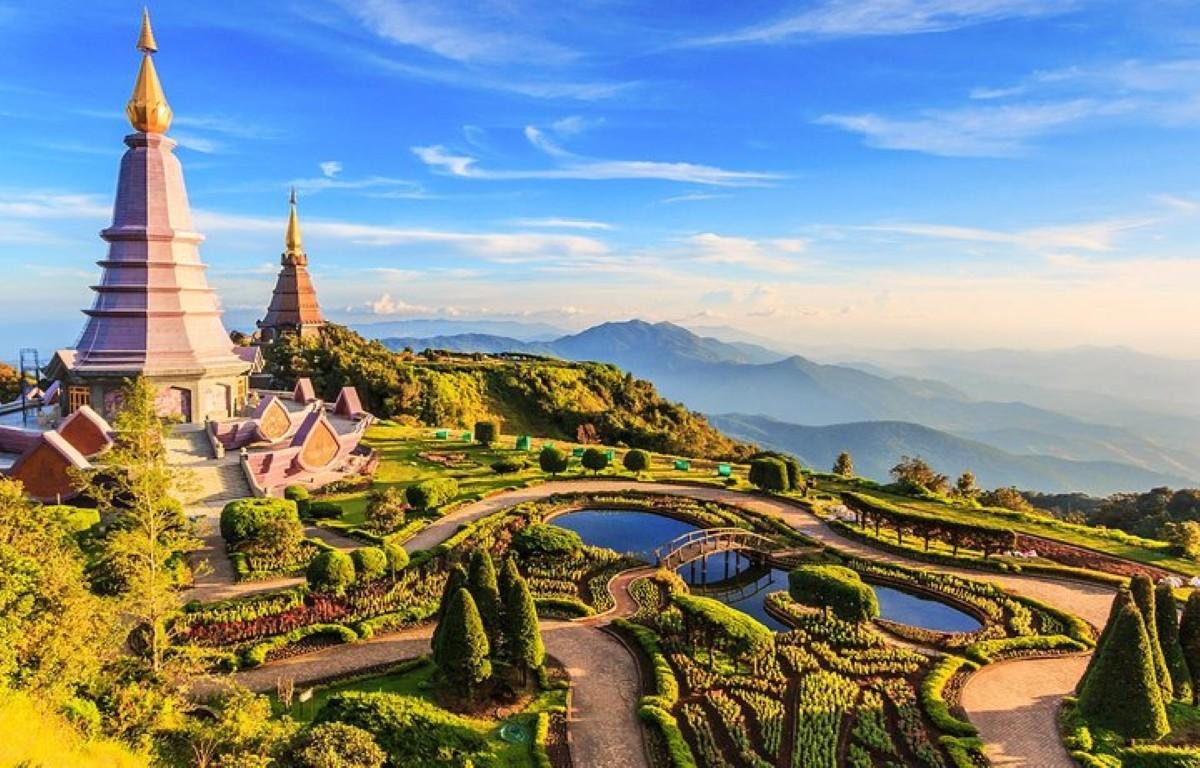
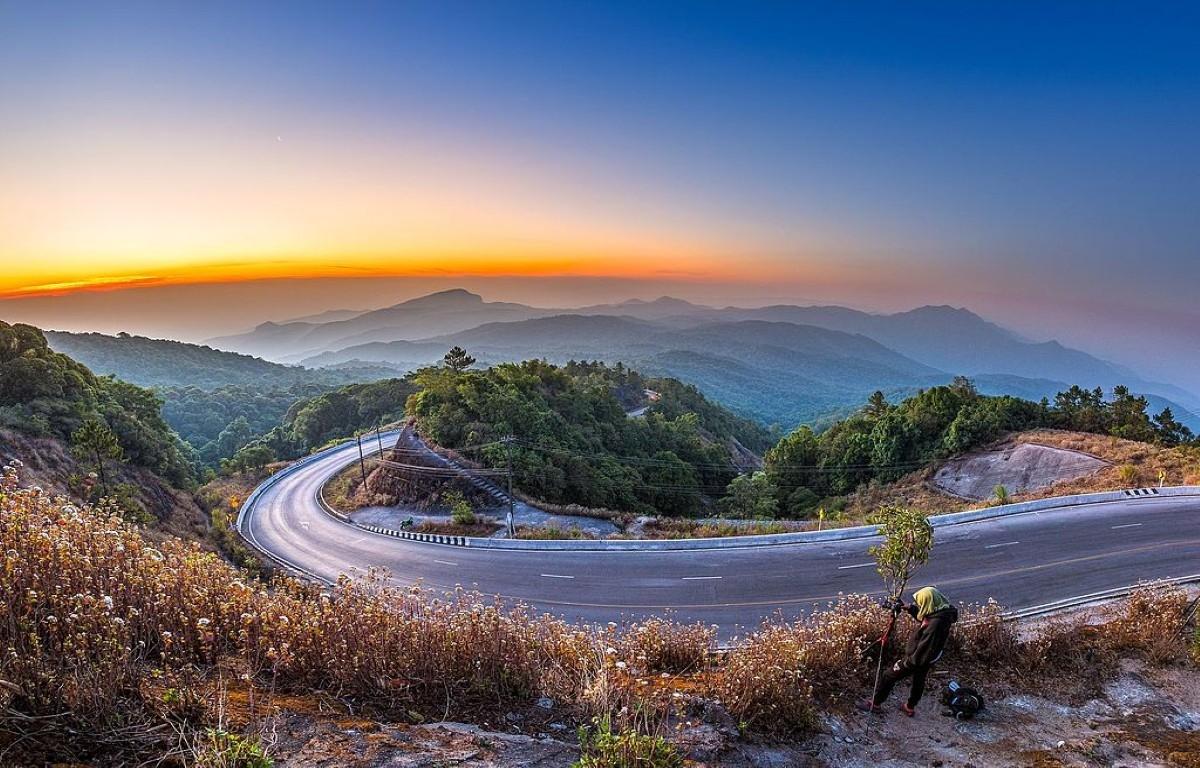
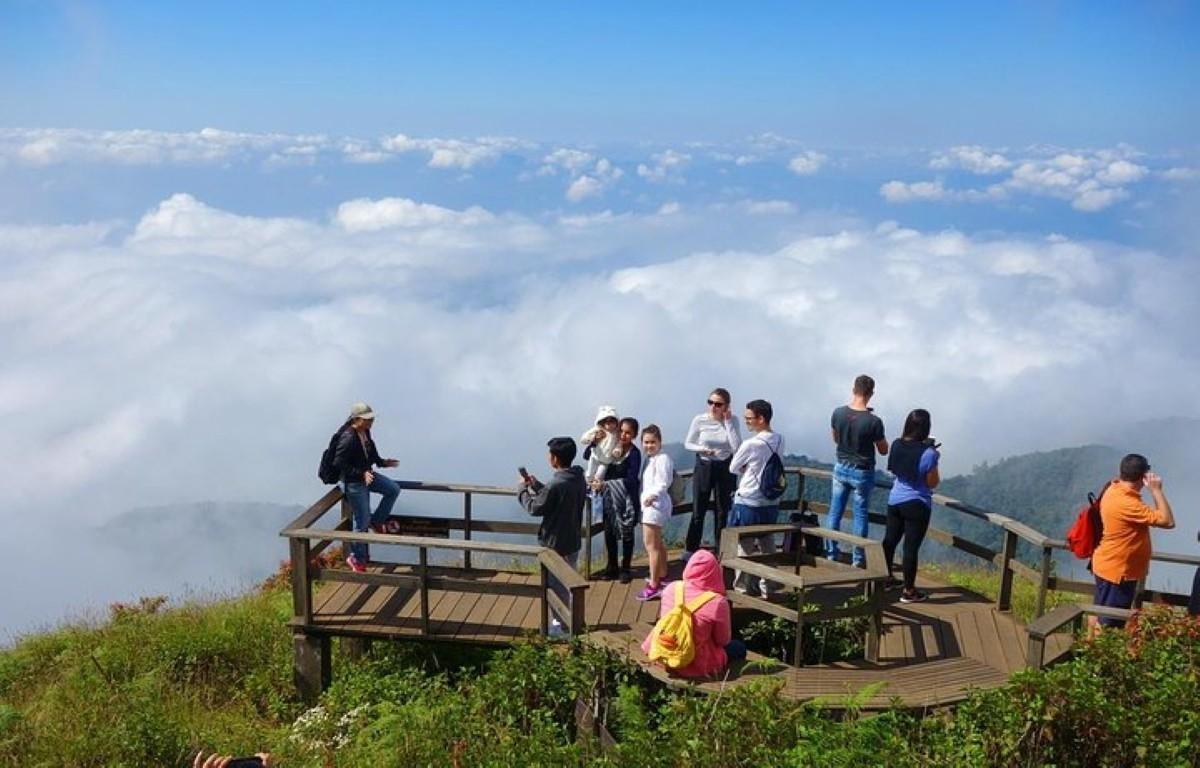
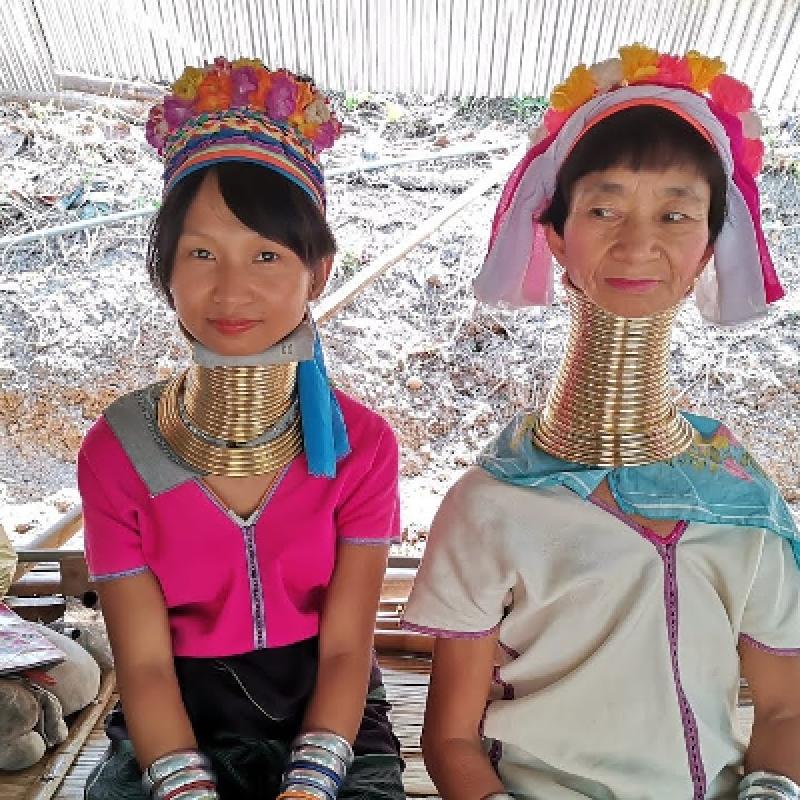
Multi-day treks into the mountains north and west of the city often combine jungle walking with visits to Karen, Hmong or Lisu hill-tribe villages, and some routes add bamboo rafting or a night in a village homestay. Doi Inthanon National Park, home to Thailand's highest peak at 2,565 meters, lies about an hour and a half from the city and is a common day trip, with waterfalls including Wachirathan and Mae Ya, along with twin pagodas built near the summit to mark the king and queen's 60th birthdays.
Zipline canopy tours through the forest, offered by operators based in valleys such as Mae Kampong, have become a popular addition to trekking itineraries for visitors who want a shorter, more active alternative to a full multi-day trek. Chiang Dao, roughly two hours north of the city, adds a different landscape built around a limestone cave system and one of the tallest peaks in northern Thailand, and is sometimes included as a stop on longer multi-day routes.