
Free Cancellation
-high.jpg&w=1920&q=75 "Tokyo Haneda (HND) Airport Private Pickup – One Way Transfer Service")

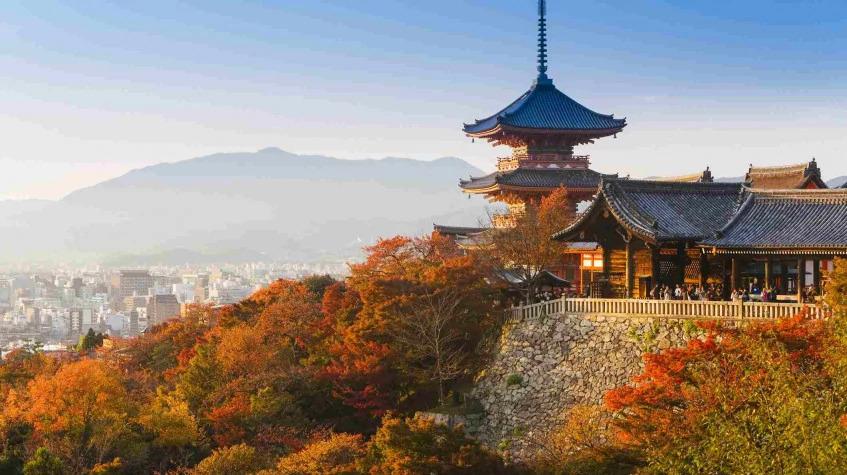
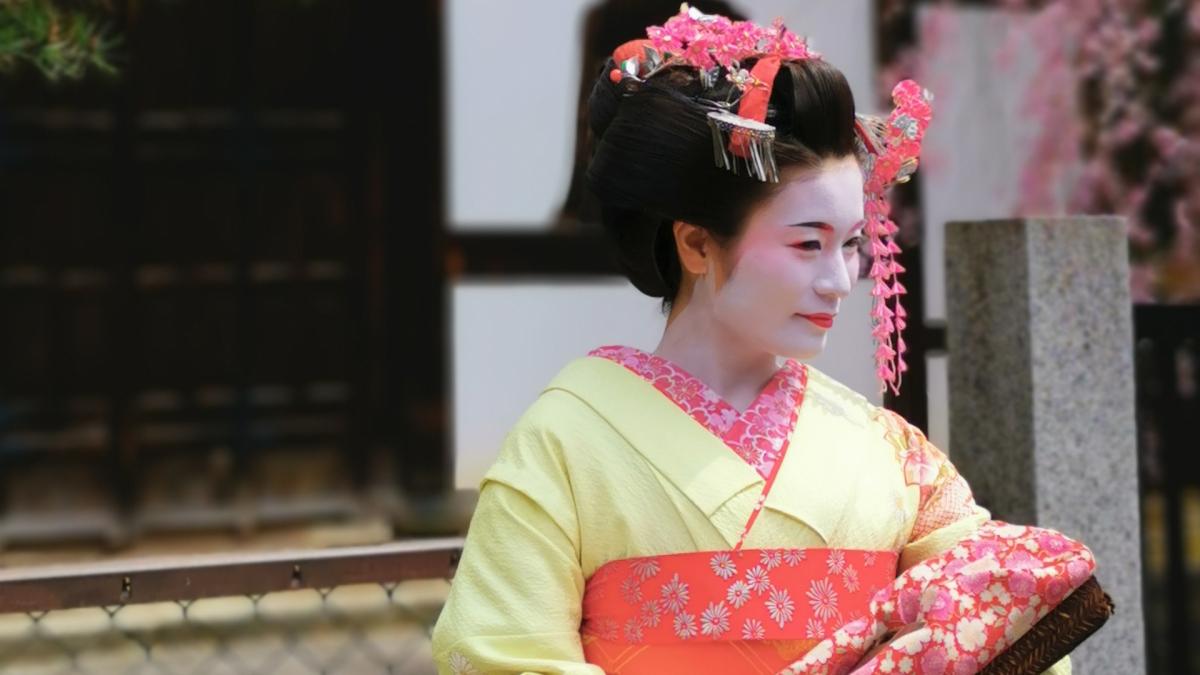
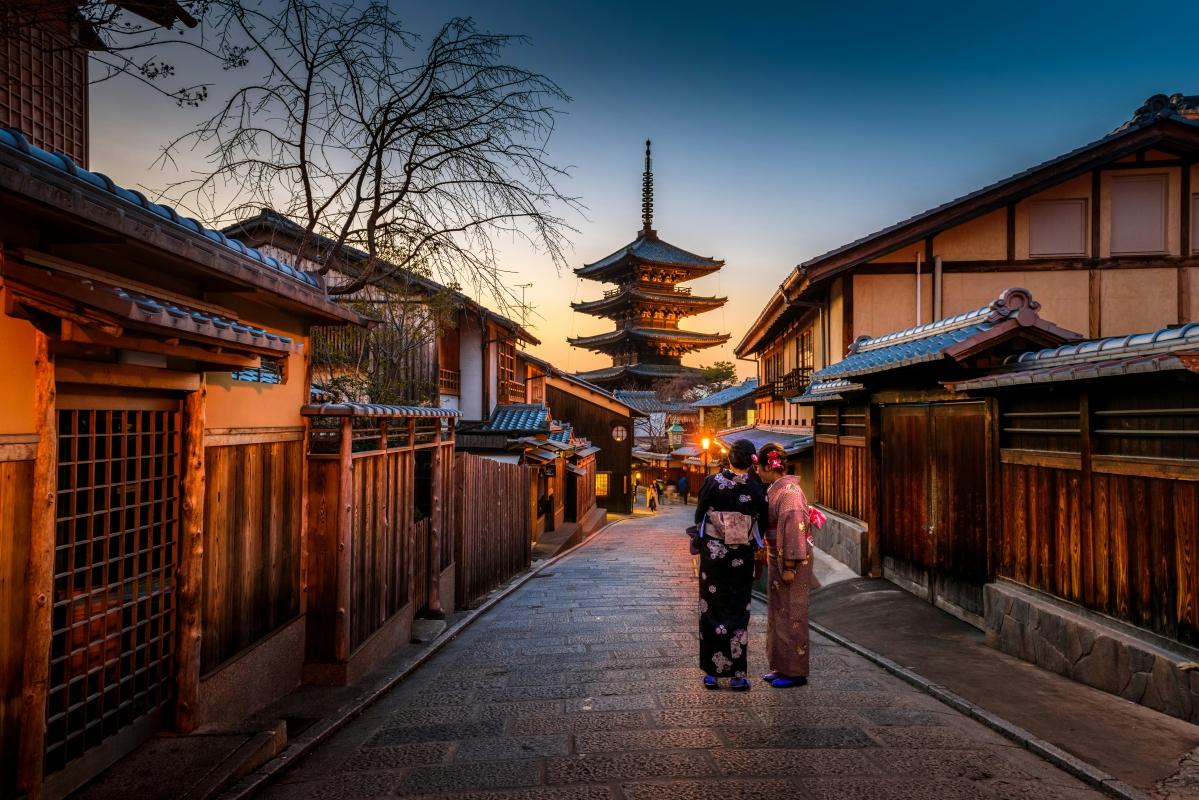
Tokyo is Japan's capital and, by most counts, the largest metropolitan area in the world, yet it functions as a collection of distinct districts rather than one continuous city center. Shibuya's scramble crossing, Shinjuku's skyscraper towers, and Asakusa's centuries-old Senso-ji temple sit within the same subway network but feel like different cities entirely, and part of visiting Tokyo well is deciding how much ground to actually cover.
The city rebuilt itself repeatedly after the 1923 earthquake, wartime bombing, and decades of postwar growth, which left relatively few old structures standing but produced one of the most efficient transit systems anywhere. That efficiency matters here more than in most destinations, since Tokyo's scale makes a car largely unnecessary and often slower than the train. The Yamanote loop line ties most of the districts worth visiting into a single circuit, and a prepaid IC card covers subways, buses, and even many convenience store purchases along the way, whether Tokyo is the sole stop or one leg of a longer Japan Tours itinerary.
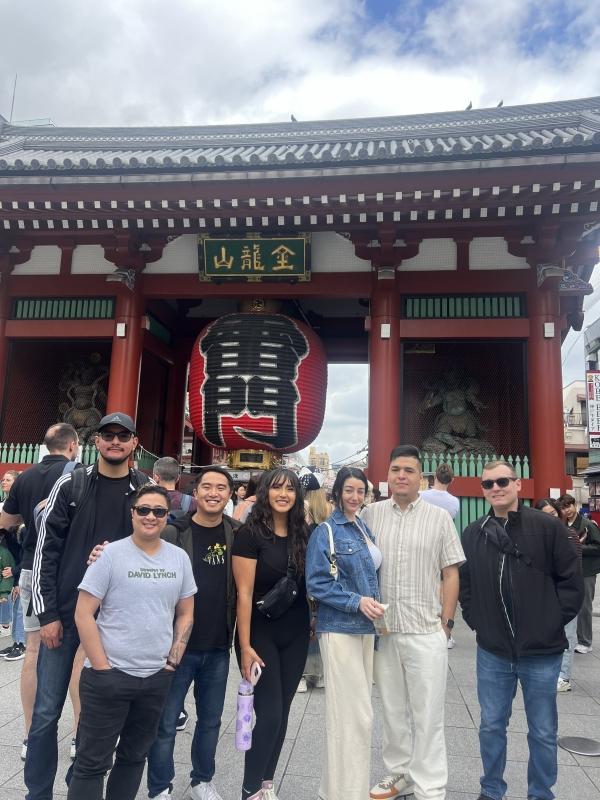
Senso-ji, in the Asakusa district, is Tokyo's oldest temple, founded in the year 645 according to tradition. The approach through Kaminarimon Gate and the Nakamise shopping street, lined with stalls selling traditional snacks and souvenirs, leads to the main hall, which draws visitors regardless of religious background.
Shibuya's scramble crossing sends several thousand pedestrians across at once during peak times and has become one of the city's defining images, overlooked by the statue of Hachiko, the loyal dog whose story is still told locally. Shinjuku, a short ride north, holds Tokyo's metropolitan government building, with a free observation deck, alongside the dense nightlife alleys of Golden Gai and Kabukicho.
Meiji Shrine sits inside a forested park near Harajuku, dedicated to Emperor Meiji and Empress Shoken and reached through a long approach lined with towering torii gates. Ueno Park, in the north of the city, holds several of Tokyo's major museums along with a zoo and is one of the most popular cherry blossom spots each spring.
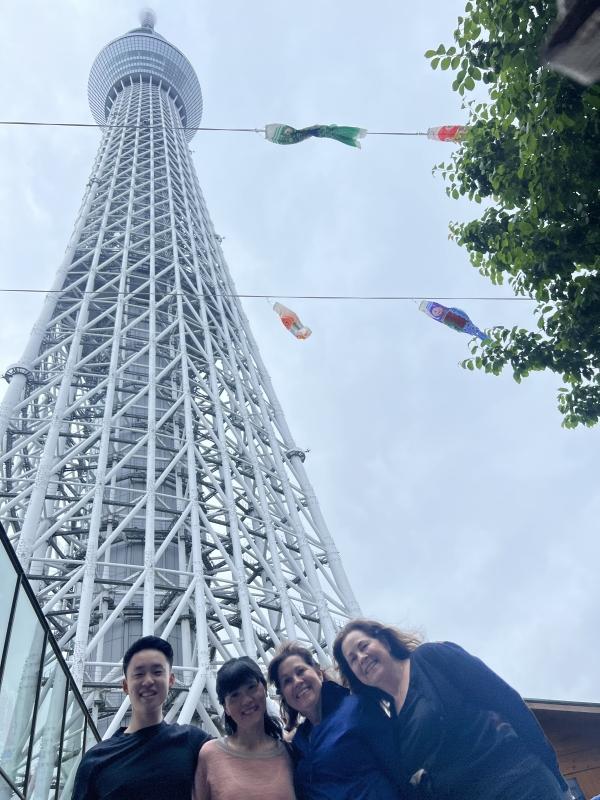
Tokyo Tower, completed in 1958 and modeled loosely on the Eiffel Tower, rises 333 meters above the Minato district and remains a fixture of the skyline despite newer competition. Its newer rival, Tokyo Skytree, finished in 2012 at 634 meters, is now the tallest structure in Japan and the tallest tower in the world, with an observation deck that on clear days extends views as far as Mount Fuji.
Akihabara built its reputation on electronics in the postwar decades and has since become the center of Japan's anime and gaming culture, with multi-floor stores devoted to each. Ginza, by contrast, has carried an air of formality since the Meiji era, its wide avenues lined with flagship department stores and closed to cars on Sunday afternoons. Harajuku's Takeshita Street draws a younger, louder crowd, its narrow lane packed with fashion boutiques and crepe stands within walking distance of the calm of Meiji Shrine.
Across Tokyo Bay, connected to the mainland by the Rainbow Bridge, the artificial island of Odaiba mixes shopping malls, an artificial beach, and a full-size Gundam statue that draws fans of the animated franchise. The area was originally built as a set of coastal defense forts in the 1850s before its later reclamation into the entertainment district it is today, and it offers some of the clearest evening views back toward central Tokyo's skyline. A driverless elevated train, the Yurikamome Line, loops through the district and gives a good overview of the bay before continuing on toward the city center.
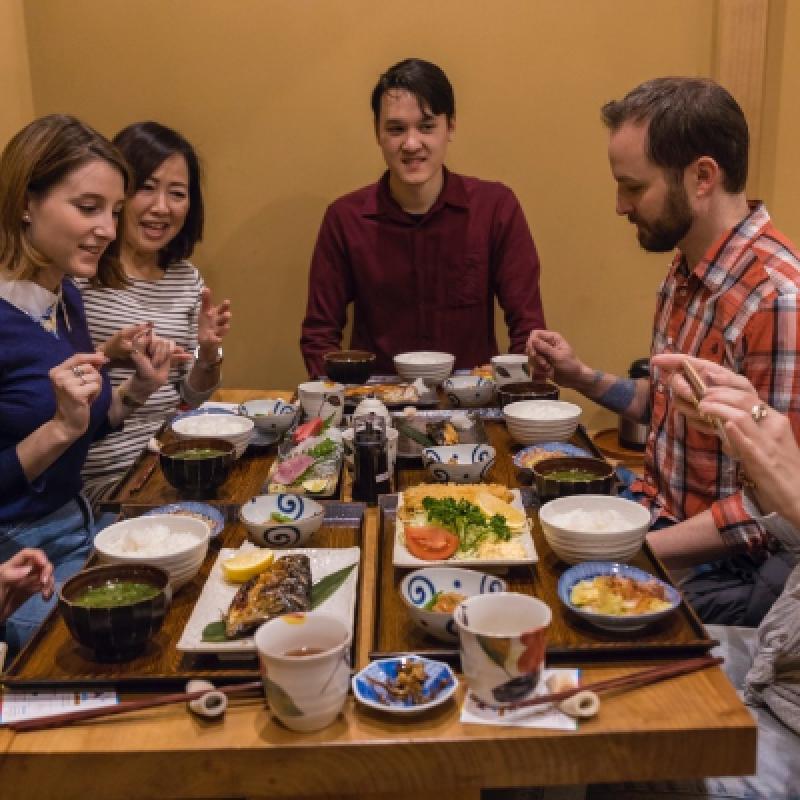
Tokyo's food scene runs from Michelin-starred sushi counters to standing noodle bars, and much of it is genuinely accessible rather than reserved for high-end dining. Toyosu Market, which replaced the old Tsukiji fish market in 2018, still holds the famous tuna auctions each morning, and the outer stalls near the old Tsukiji site continue to serve some of the freshest sushi in the city, often for a fraction of what the same cuts cost at a formal restaurant counter. Walking tours through older neighborhoods, such as the Old Town Tokyo Food Tour Day Time, are a common way to sample multiple small shops in areas that can be hard to navigate without local knowledge.
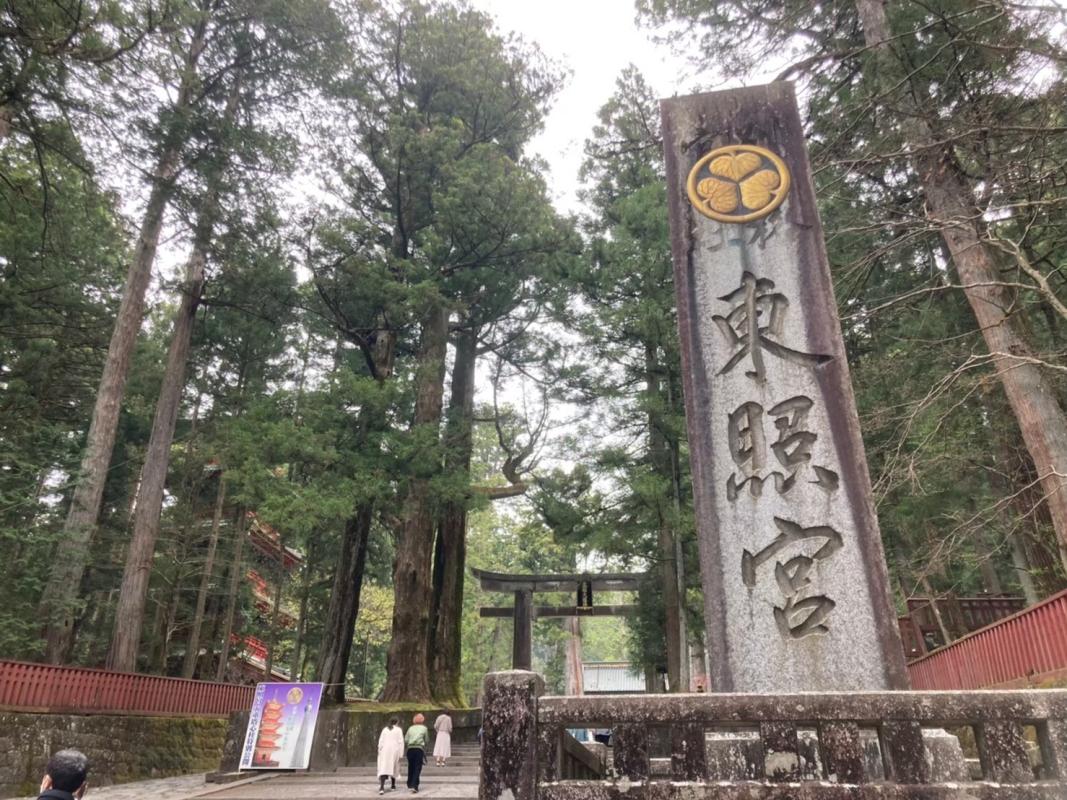
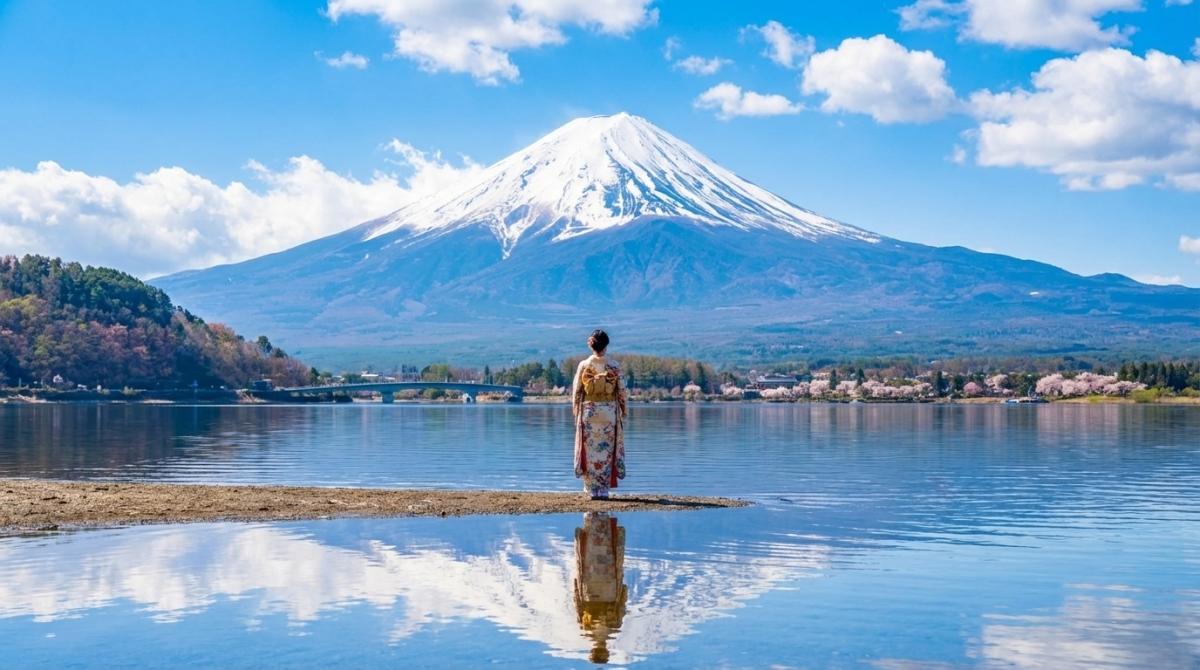
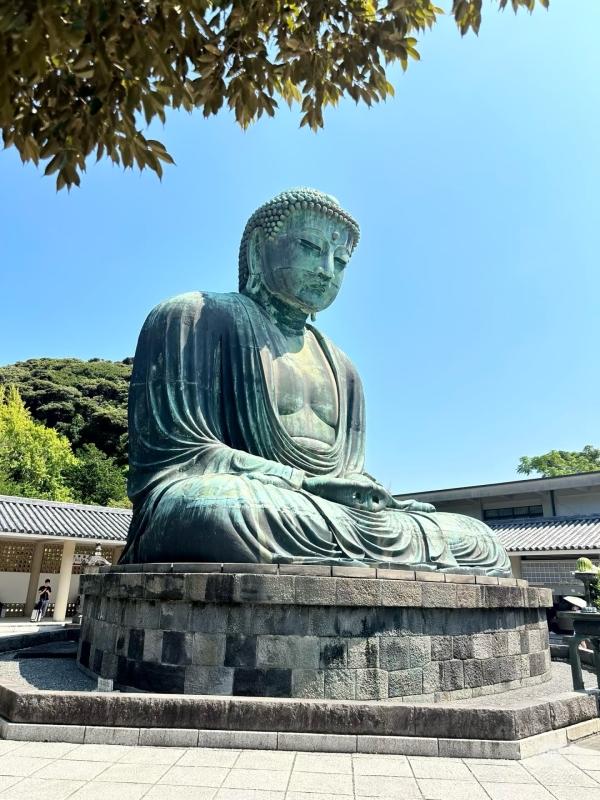
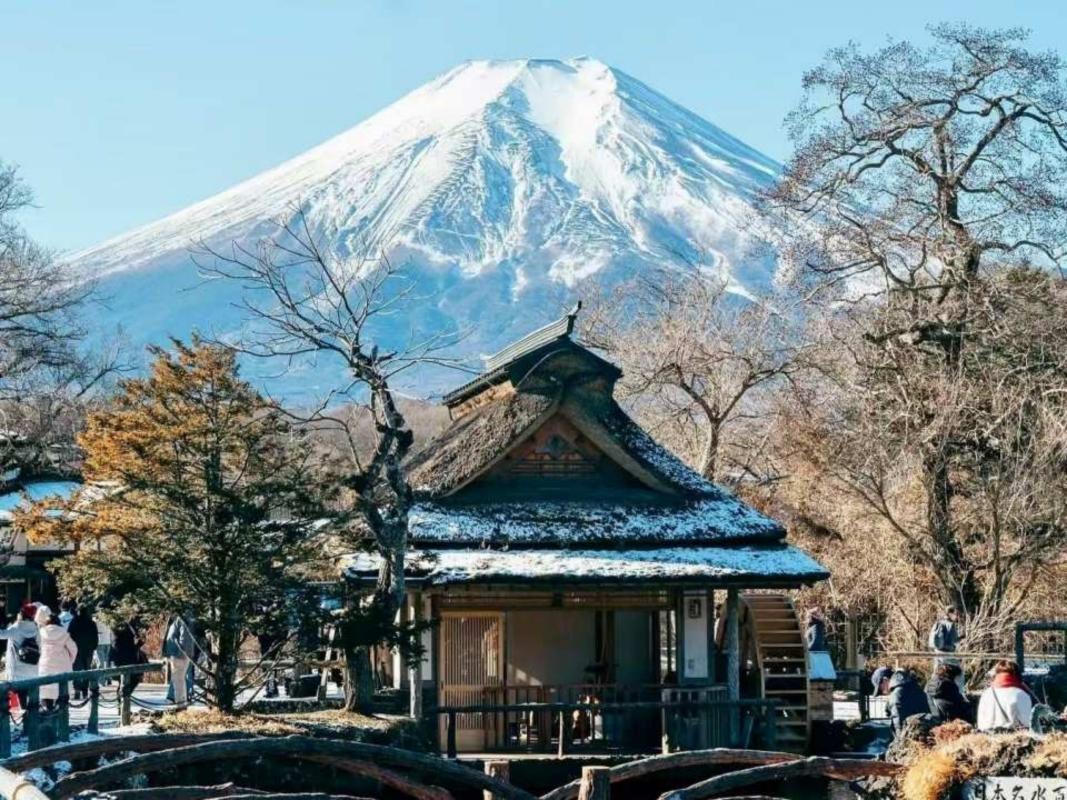
Kamakura, about an hour south by train, holds a large bronze Buddha statue cast in 1252 and a coastal setting that once served as Japan's medieval capital. Nikko, roughly two hours north, is known for the elaborately decorated Toshogu Shrine set among cedar forests, while Hakone offers hot springs and, on clear days, views of Mount Fuji across Lake Ashi. Yokohama, just half an hour south by train, adds a large Chinatown and a waterfront skyline that makes for an easy half-day extension. Most of these trips are manageable without an overnight stay, though Nikko and Hakone reward travelers who can spare an extra day.
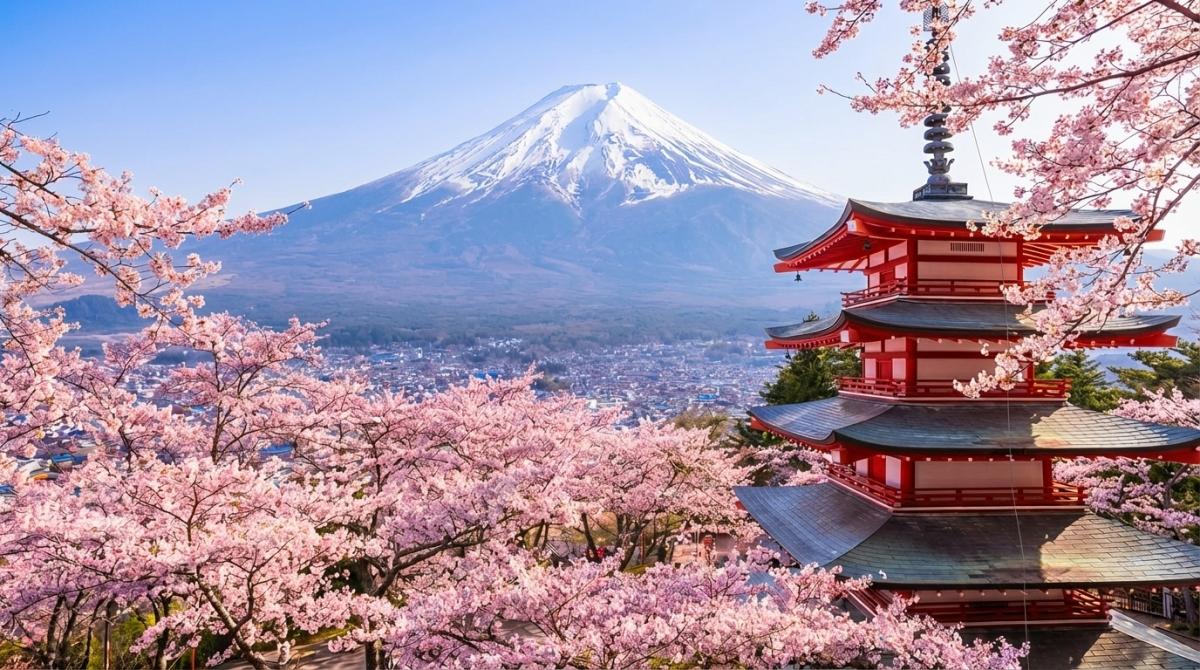
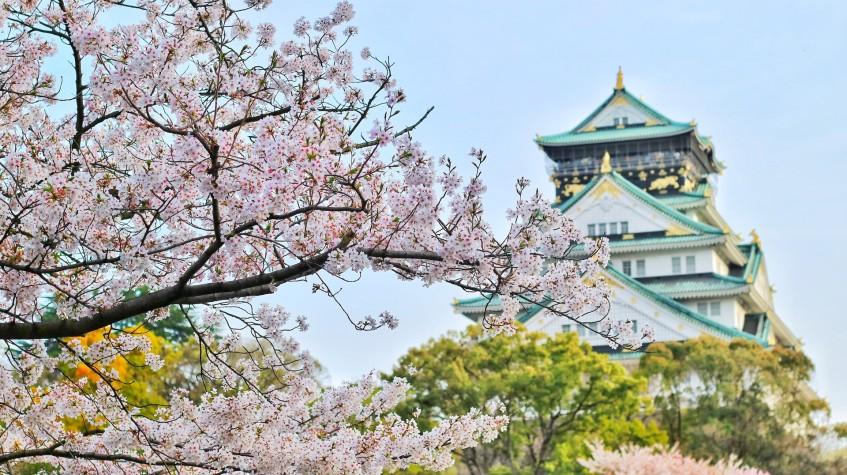
Cherry blossoms typically peak in late March to early April around Ueno Park and the Meguro River, while autumn foliage runs through November in Shinjuku Gyoen and other city parks. Summer brings heat and humidity along with major festivals, and winter, though cold, offers clear skies that improve the odds of a Mount Fuji view from Tokyo's taller buildings.