
Japan Kyoto Tours
100+ tours & activities
Free Cancellation
Kyoto Arashiyama Bamboo Forest, Monkey Park & Secrets


Free Cancellation
10-hour private charter in Kyoto, Alphard

Free Cancellation
Kyoto Station Transfer Service Private Pickup Drop

Free Cancellation
5-hour private charter in Kyoto, Alphard
Free Cancellation
Kyoto Private Tour with National Licensed Guide
Free Cancellation
7 Days Japan Tour Package – Best of Tokyo, Kyoto, Osaka & Hiroshima
Free Cancellation
Japan’s Best from Tokyo to Osaka - Customizable
Free Cancellation
Discover Japan In 10 Days the Land of Tradition and Innovation
Free Cancellation
Japan Tour Cultural and Scenic Experience
Free Cancellation
Japan Honshu Tour 12 Days Culture Nature Experience
Free Cancellation
Japan Tour With Kyoto, Osaka, Hakone, Nara, Hiroshima and Miyajima
-high.jpg&w=1920&q=75 "Japan 8 Day Tour Tokyo Kyoto Osaka Experience")
Free Cancellation
Japan 8 Day Tour Tokyo Kyoto Osaka Experience
Explore Japan Kyoto Tours
About Japan Kyoto Tours
Kyoto served as Japan's imperial capital from 794 until 1868, and that thousand-year run left the city with a concentration of temples, shrines, and gardens unmatched anywhere else in the country. Unlike Tokyo, which rebuilt itself repeatedly after fires, earthquakes, and wartime bombing, Kyoto largely escaped destruction and kept much of its historic layout intact. Wooden machiya townhouses still line certain streets, and the geisha district of Gion continues to operate in something close to its traditional form.
The city's more than 1,600 Buddhist temples and 400 Shinto shrines mean that no single visit covers everything, so most itineraries pick a handful of districts rather than attempting the whole list. Higashiyama in the east and Arashiyama in the west anchor two of the most walkable clusters, each built around a mix of major sights and quieter side streets, while central Kyoto adds covered markets and craft workshops between the two. Kyoto's population of roughly 1.4 million keeps it far smaller than Tokyo or Osaka, and its low-rise skyline, protected by height restrictions near the historic core, still lets the surrounding hills frame most street views, a rule enforced specifically to preserve sightlines to the temples on the eastern and western ridges. Kyoto fits naturally into a wider Japan Tours itinerary, most often paired with Osaka or Tokyo.
Landmark Temples and Shrines
Kinkaku-ji, the Golden Pavilion
Kinkaku-ji's top two floors are covered in gold leaf, and the building sits directly over a reflecting pond in northern Kyoto, a design meant to double its visual weight. The current structure dates to 1955, a faithful rebuild after the original, which stood since the fourteenth century, was destroyed by arson in 1950. Its formal garden, arranged in the Muromachi period style, is considered one of the finest surviving examples in Japan.
Fushimi Inari Taisha
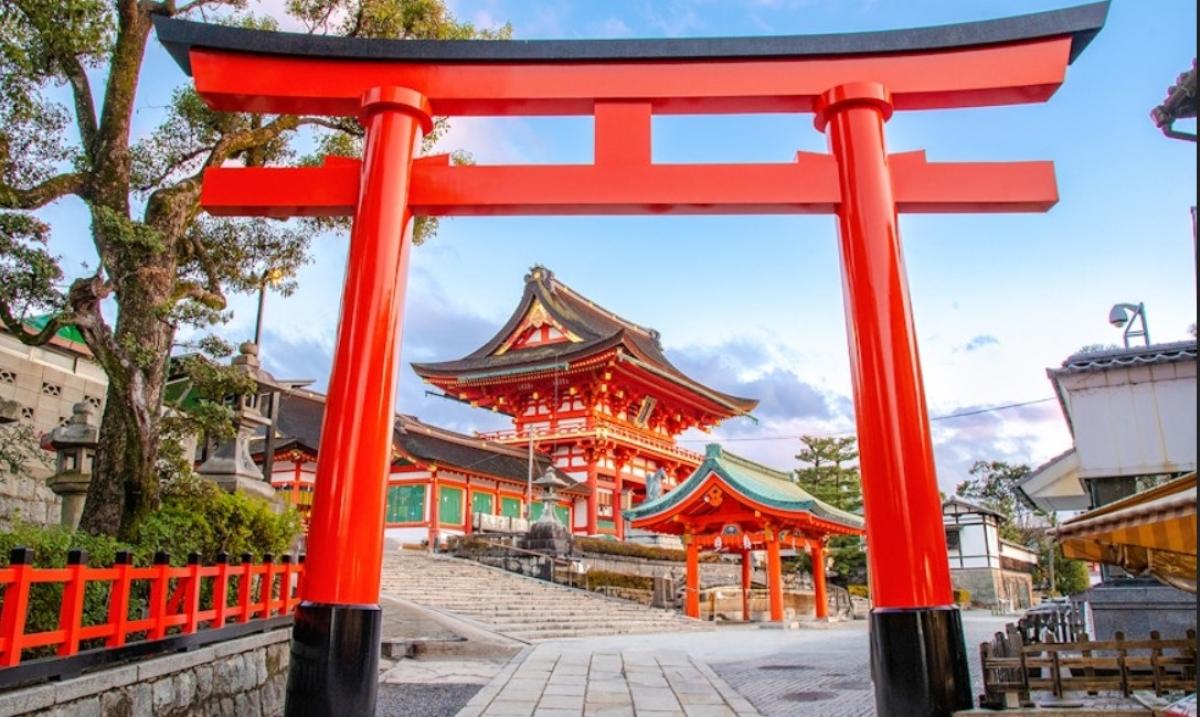
Fushimi Inari is known chiefly for its thousands of vermilion torii gates, donated by individuals and businesses over centuries and arranged in tunnels that climb Mount Inari. The full loop to the summit and back takes two to three hours, though most visitors walk only the lower sections, which are the densest and most photographed. Small fox statues throughout the shrine represent Inari's messengers, a detail tied to the site's founding in 711.
Kiyomizu-dera
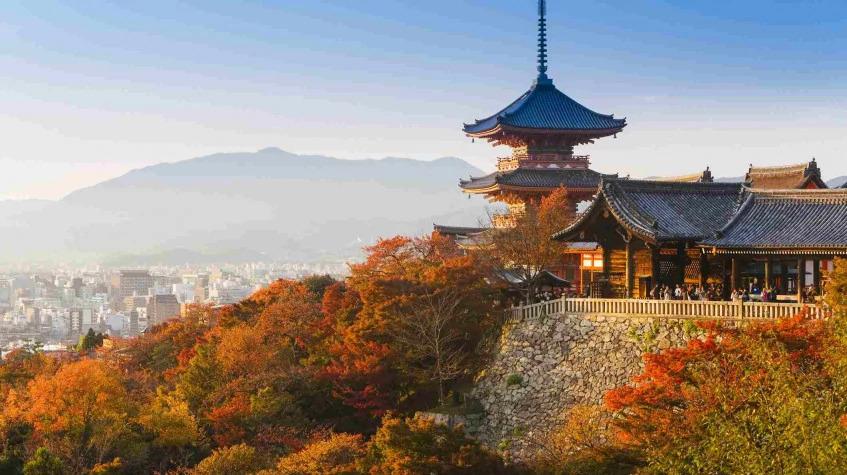
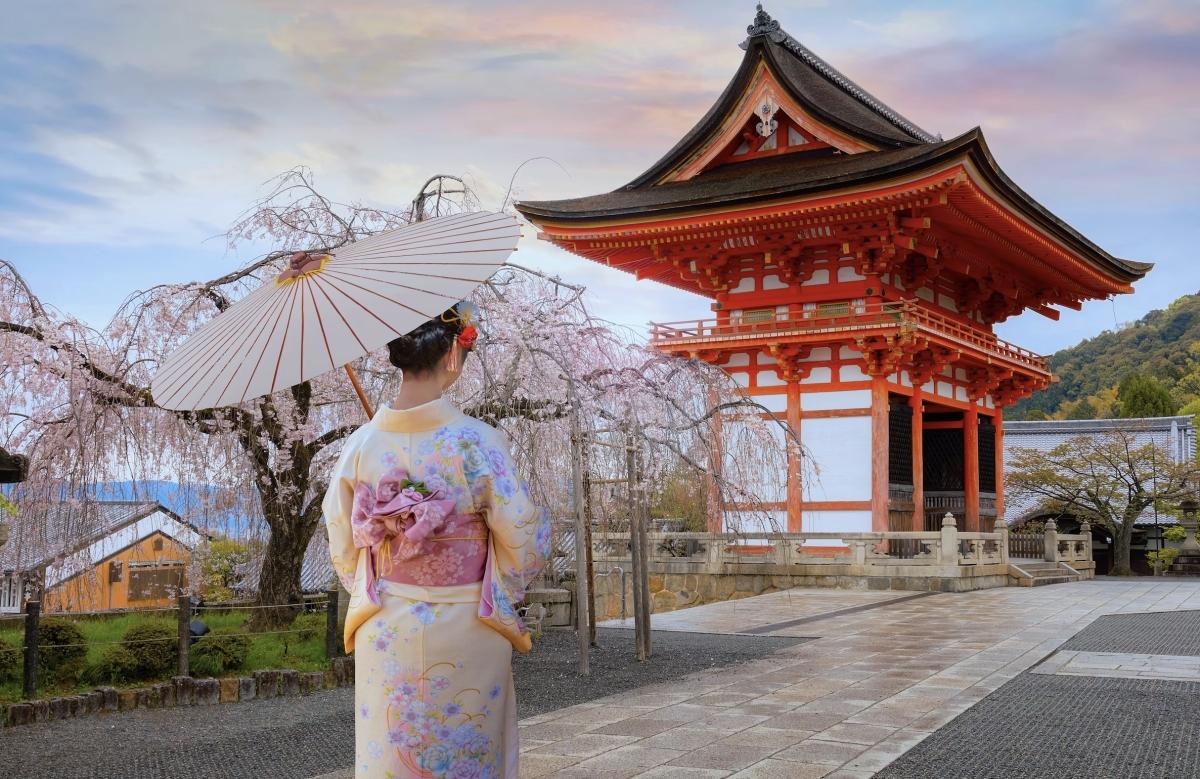
Kiyomizu-dera's main hall extends out on a wooden stage built without a single nail, supported by pillars over a steep hillside in eastern Kyoto. The temple, founded in 778, gives its name to the surrounding Higashiyama lanes, where preserved streets lead down toward Gion past shops selling Kiyomizu pottery and Kyoto-style sweets.
Arashiyama Bamboo Grove and Sagano
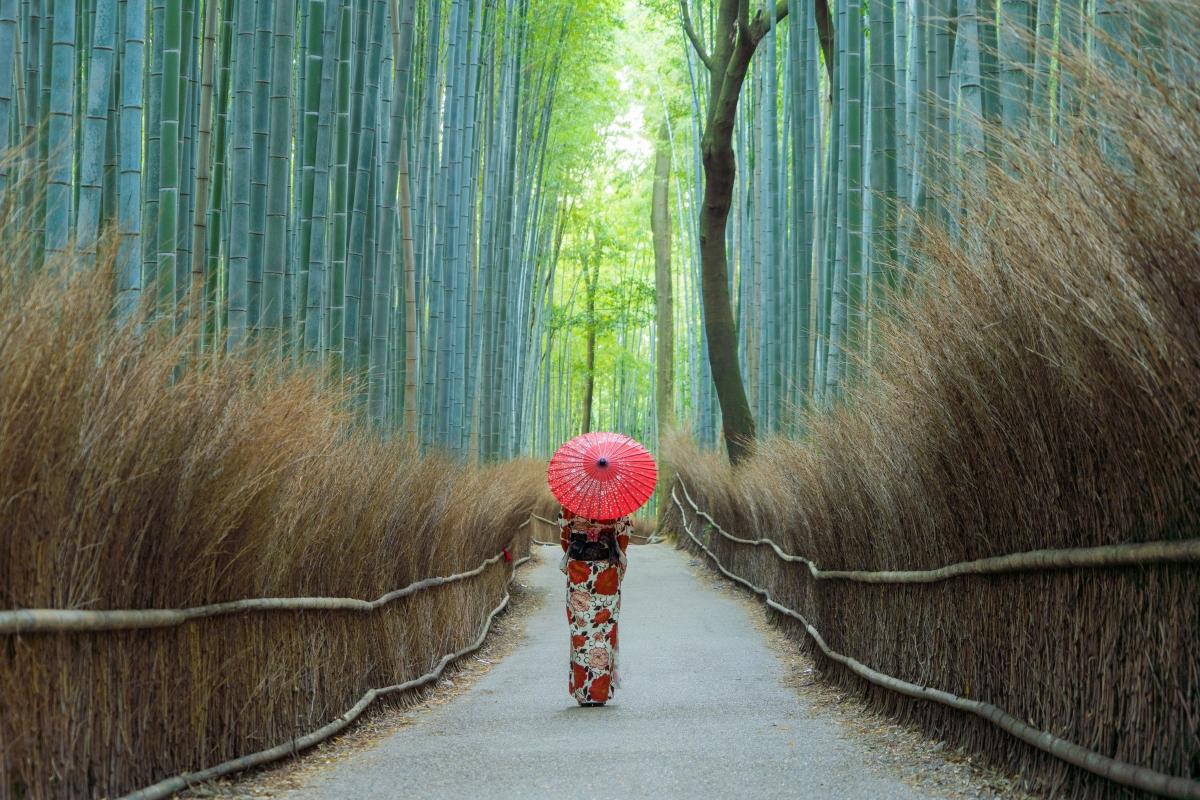
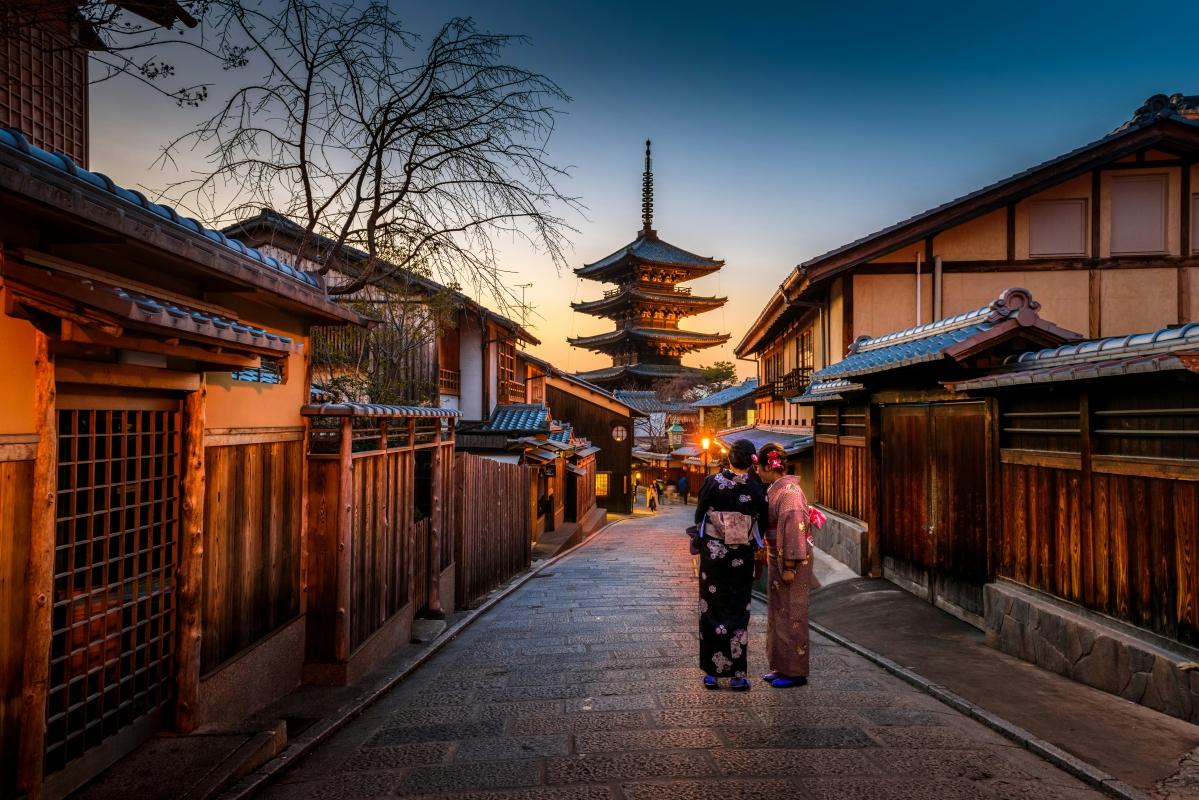
In western Kyoto, a footpath cuts through the Arashiyama bamboo grove, where stalks rise well above head height and light filters through in narrow bands. Nearby, the Togetsukyo Bridge crosses the Katsura River with the Sagano hills as a backdrop, and Tenryu-ji, a Zen temple and UNESCO World Heritage Site, anchors the district with a fourteenth-century garden designed to be viewed from a single seated position.
Nijo Castle and the Imperial Legacy
Nijo Castle, completed in 1603 as the Kyoto residence of the first Tokugawa shogun, is ringed by two moats and surrounded by a garden that shifts with the seasons. Its Ninomaru Palace is famous for nightingale floors, floorboards designed to chirp underfoot as a defense against intruders, a detail that still surprises visitors walking the corridors today. A short distance north, the Kyoto Imperial Palace served as the residence of Japan's emperors until 1868, when the imperial family relocated to Tokyo, and its walled grounds and gardens remain open to the public. Both sites offer a calmer contrast to the crowds at Fushimi Inari or Kinkaku-ji, and neither requires the hillside walking that the temples of Higashiyama demand.
Gion and Traditional Kyoto
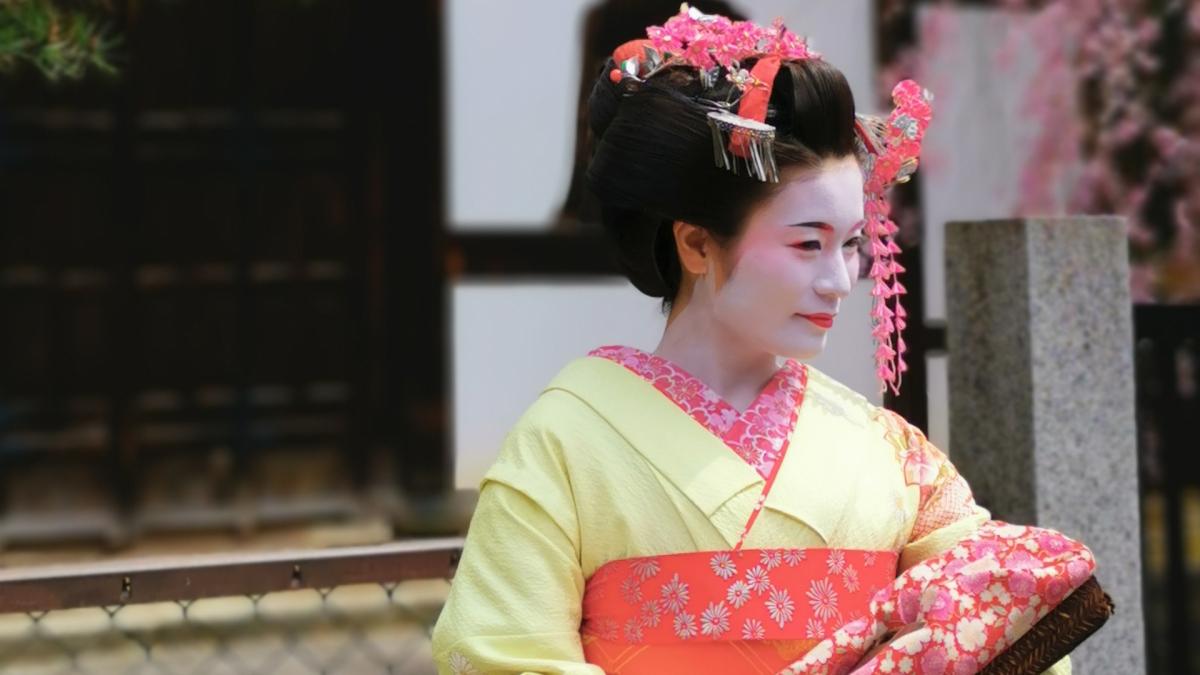
Gion remains Kyoto's most recognized geisha district, and it is still possible, particularly around dusk, to see geiko and maiko moving between appointments along Hanamikoji Street. Nearby, the Philosopher's Path follows a canal lined with cherry trees between Ginkaku-ji and Nanzen-ji, named for a Kyoto University philosopher who is said to have walked it daily. Nishiki Market, a narrow covered arcade often called Kyoto's kitchen, has supplied local restaurants and households with pickles, tofu, and dried seafood for centuries, and its stalls make a practical stop between temple visits for a quick, affordable lunch.
Seasonal Kyoto and Festivals
Cherry blossoms peak in late March to early April along the Philosopher's Path and around Nijo Castle, while November brings equally strong crowds for autumn foliage in Arashiyama and the eastern hills. The Gion Matsuri, held throughout July, is one of Japan's most significant festivals, culminating in a parade of elaborately decorated wooden floats through the city center. Winter thins the crowds considerably and occasionally dusts the golden roof of Kinkaku-ji with snow.
Getting to Kyoto and Tour Options
The Tokaido Shinkansen connects Kyoto to Tokyo in around two hours and fifteen minutes and to Osaka in as little as fourteen minutes, which makes Kyoto an easy addition to a wider Japan itinerary. From Kyoto Station, local trains also reach Uji in under half an hour, home to the eleventh-century Byodo-in Temple and some of Japan's most respected matcha producers. Coach tours covering the main sights in a single day are common for travelers short on time, including the Kyoto Heritage Tour: Arashiyama, Fushimi Inari & Kiyomizu-dera on Luxury Coach, which links three of the city's landmark sites without requiring a rental car or multiple train transfers.