
-high.jpg&w=1920&q=75 "IMG World of Adventure")
Free Cancellation
-high.jpg&w=1920&q=75 "Dubai Dhow Cruise Marina With Dinner Buffet and Live Entertainment")
-high.jpg&w=1920&q=75 "Dubai Desert Safari Red Dune Bashing, Sand Boarding, Camel Riding With Live Entertainment & BBQ Dinner")
-high.jpg&w=1920&q=75 "Dubai Airport Transfer")
-high.jpg&w=1920&q=75 "Dubai: 4 Days Express Package with Hotel Transfers")
-high.jpg&w=1920&q=75 "Dubai Morning Desert Safari")
-high.jpg&w=1920&q=75 "Luxury Burj Khalifa Dinner Cruise – 2 Hours")
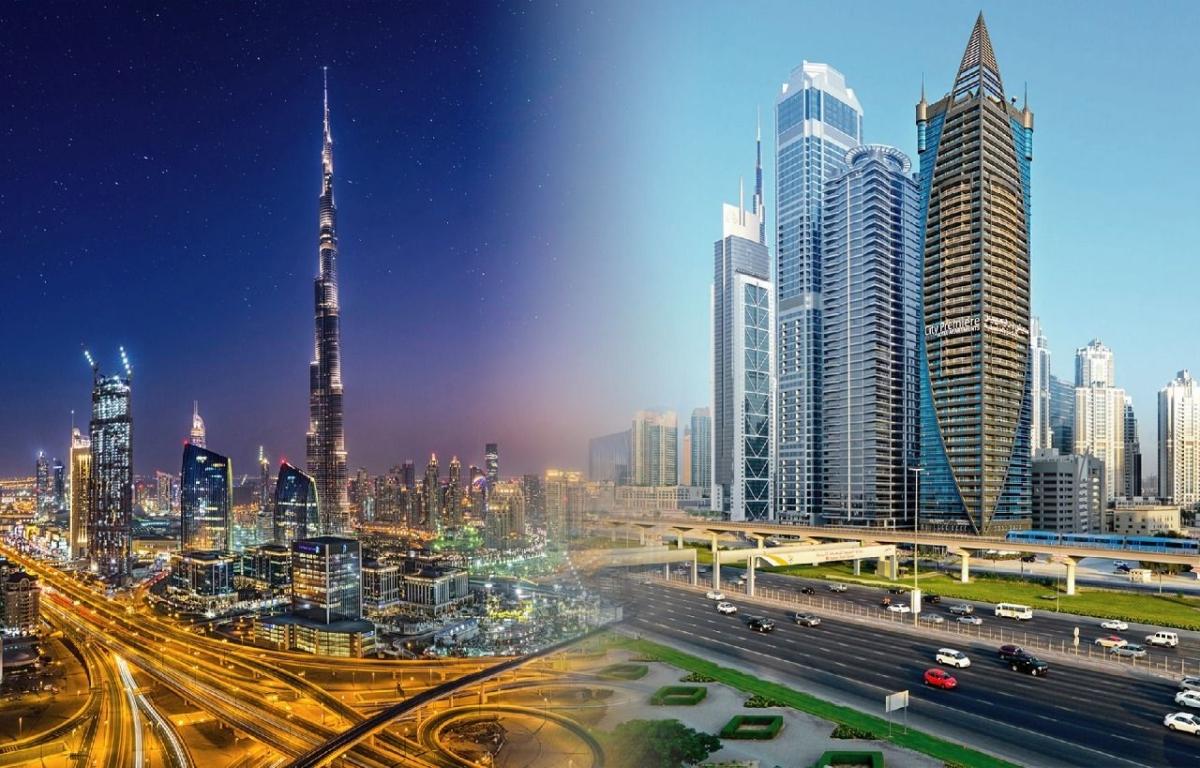
Dubai builds at a scale unmatched by most cities, from the world's tallest building to man-made islands shaped like palm fronds visible from space. The city sits on the Arabian Gulf coast in the United Arab Emirates and has grown from a modest pearling and trading port into a global hub for tourism, transiting travelers, and luxury retail within a few decades. Its population today is made up overwhelmingly of foreign residents, giving the city a mix of cuisines, languages, and neighborhoods that few destinations in the region can match. Travelers planning United Arab Emirates tours typically spend the bulk of their trip in Dubai, using it as a base for day trips to Abu Dhabi and Sharjah as well.
What makes Dubai tours distinctive is the range packed into a single city: towering skyscrapers and desert dunes sit within a 30 to 40 minute drive of each other, and a single day can move from an air-conditioned mall to a spice souk to a sunset camel ride. Year-round sunshine and a compact layout along the coast make it easy to plan a short city break or extend into a longer trip that adds Abu Dhabi's Louvre and Sheikh Zayed Grand Mosque. The city's public transport, including a driverless metro, makes it straightforward to combine several of these experiences without a rental car.
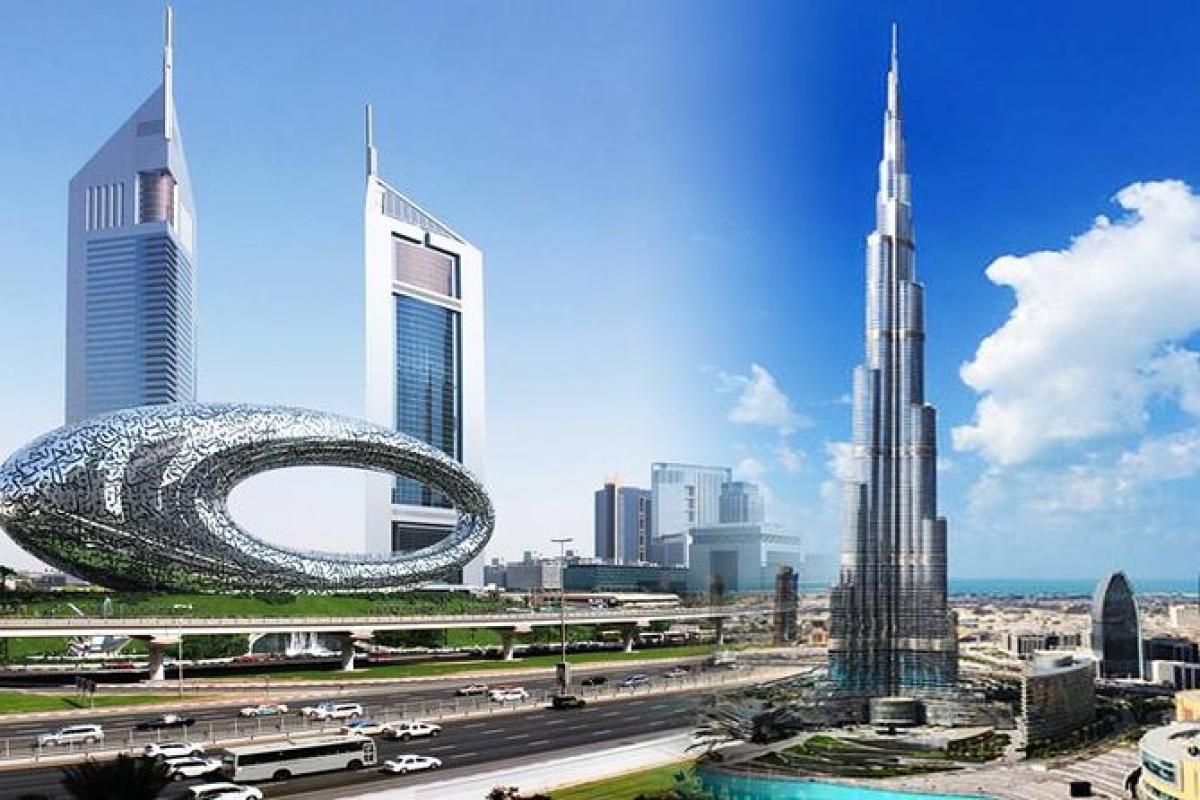
At 828 meters, the Burj Khalifa has held the title of the world's tallest building since it opened in 2010, with observation decks on the 124th, 125th, and 148th floors offering views that stretch to the Gulf on a clear day. The tower anchors Downtown Dubai, a district built around the Dubai Mall and the Dubai Fountain, where choreographed water jets rise as high as 150 meters set to music most evenings. Restaurants and cafes along the Dubai Mall waterfront offer a ground-level view of the same fountain show without needing a ticket. Tickets to the observation decks sell out at peak sunset times, so booking ahead is standard practice for anyone set on that particular view.
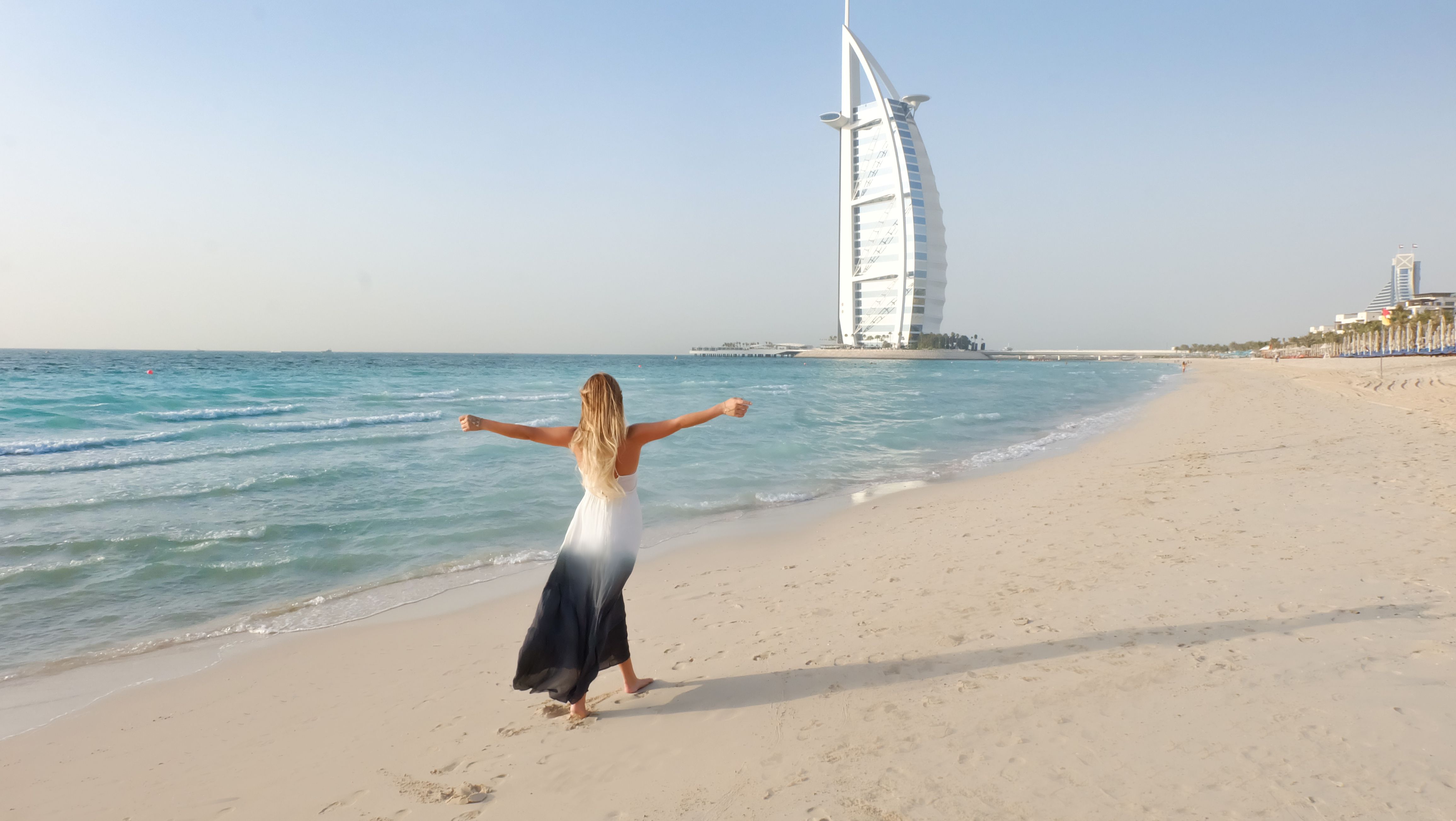
Palm Jumeirah, the palm-shaped island built from reclaimed sand, holds a run of beach resorts, restaurants, and The Pointe waterfront along its trunk and fronds, connected to the mainland by a monorail and a road tunnel. Public beaches such as Jumeirah Beach and Kite Beach give free access to the same coastline for travelers not staying at a resort, with clear views back toward the Burj Al Arab, the sail-shaped hotel that has become one of the city's most photographed structures. Water sports operators along this stretch run everything from jet skiing to parasailing for visitors who want time on the water rather than the sand.
Deira and Bur Dubai, on either side of Dubai Creek, hold onto the city's trading history through the Gold Souk and Spice Souk, dense markets of small shops selling jewelry, saffron, and dried goods much as they have for decades. Abras, small wooden boats, ferry passengers across the creek for a fraction of the cost of a taxi, a ride that doubles as a low-cost way to see the old waterfront skyline. The Al Fahidi Historical Neighbourhood nearby preserves wind-tower architecture from the early 20th century, now home to galleries, cafes, and the Dubai Museum inside the restored Al Fahidi Fort.
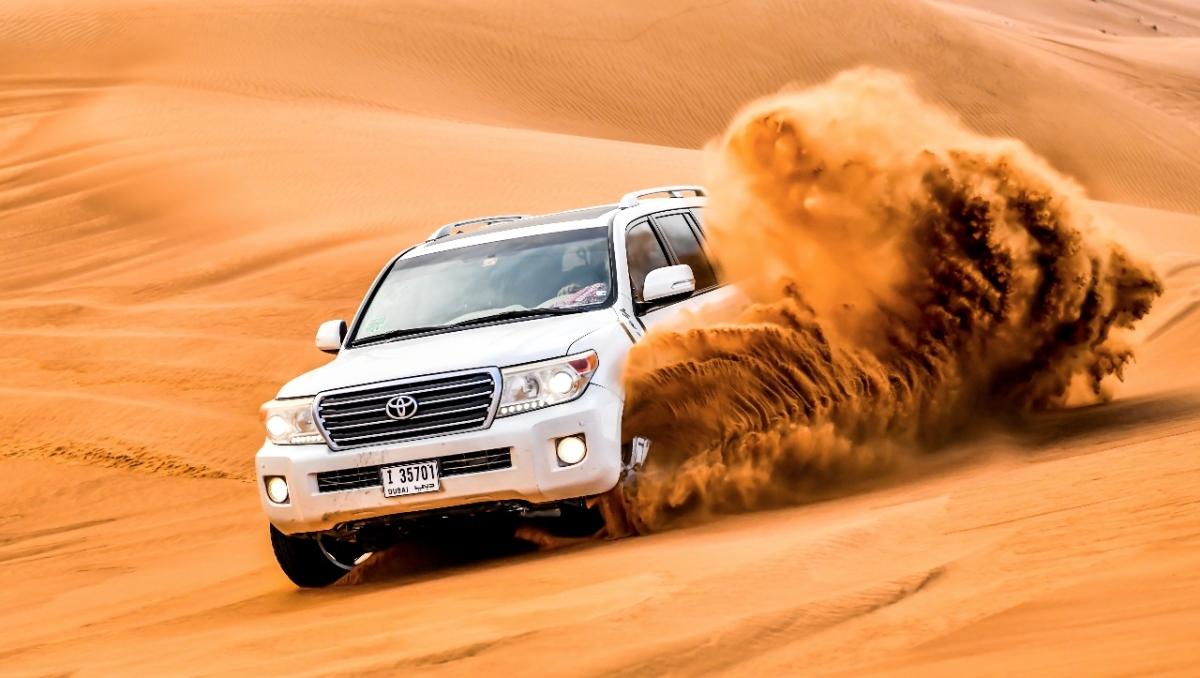
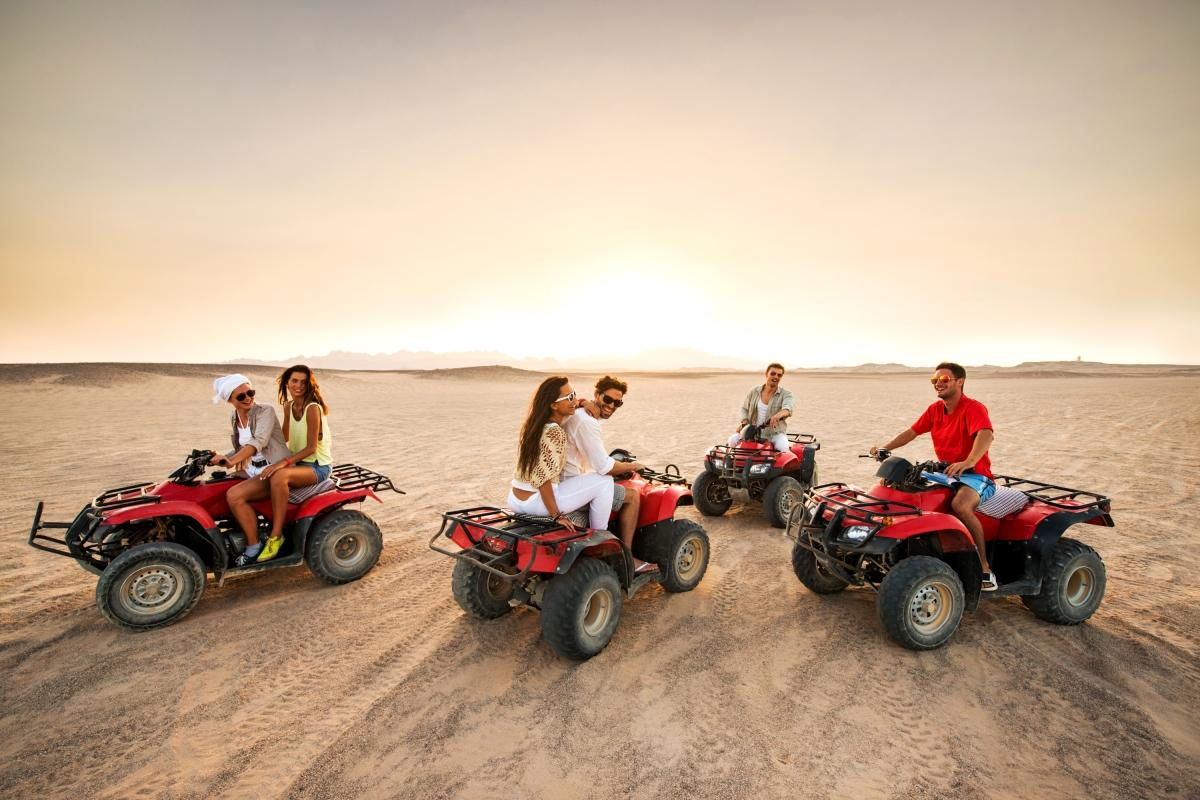
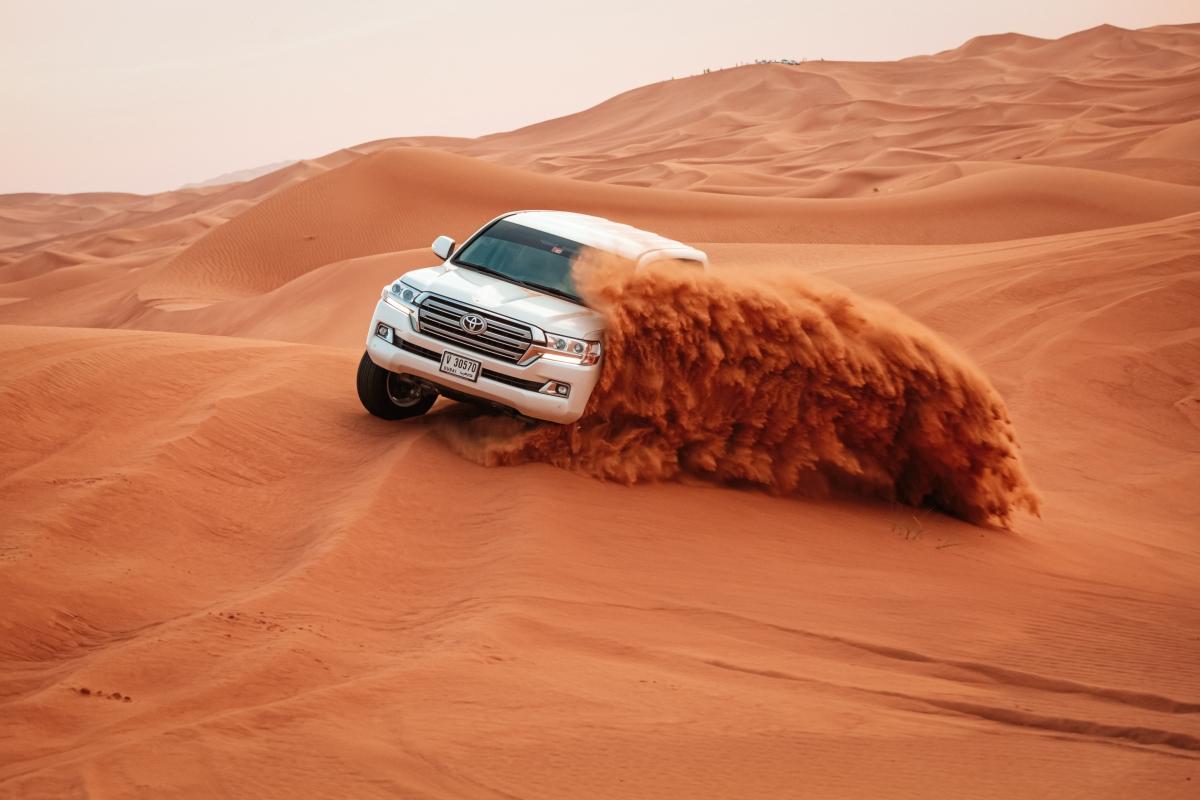
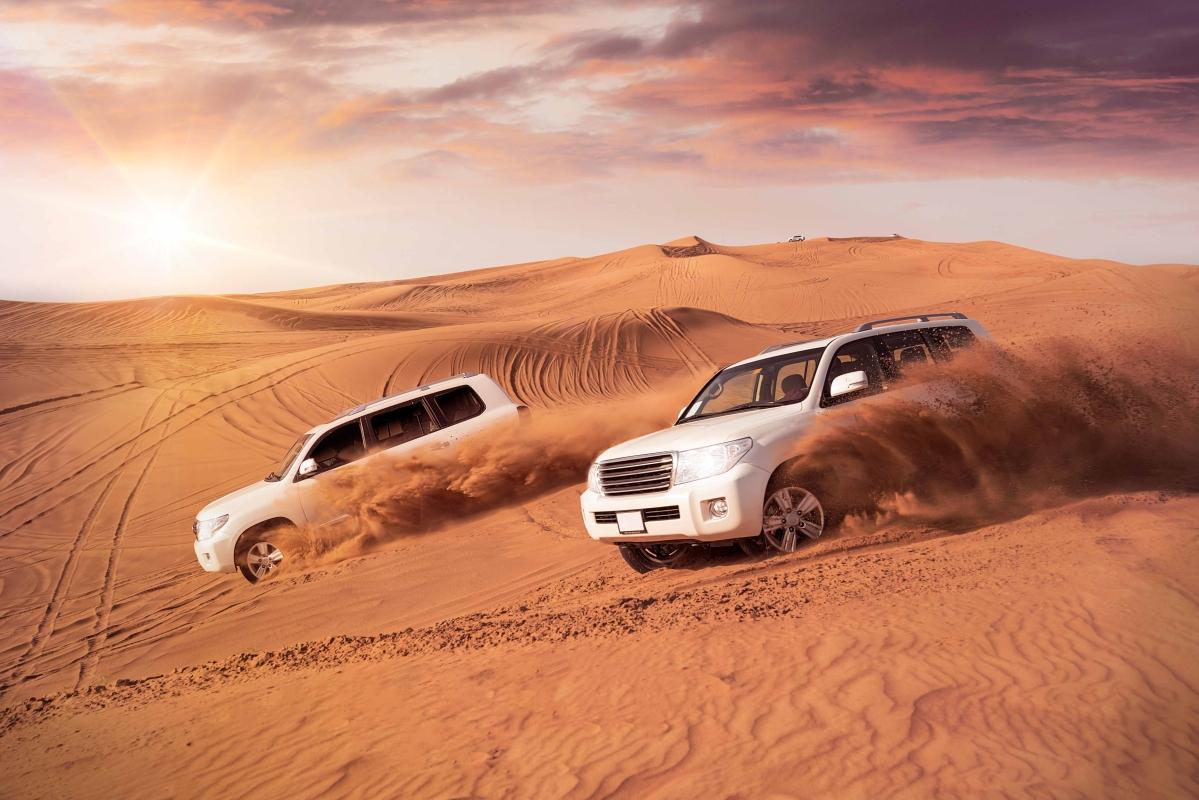
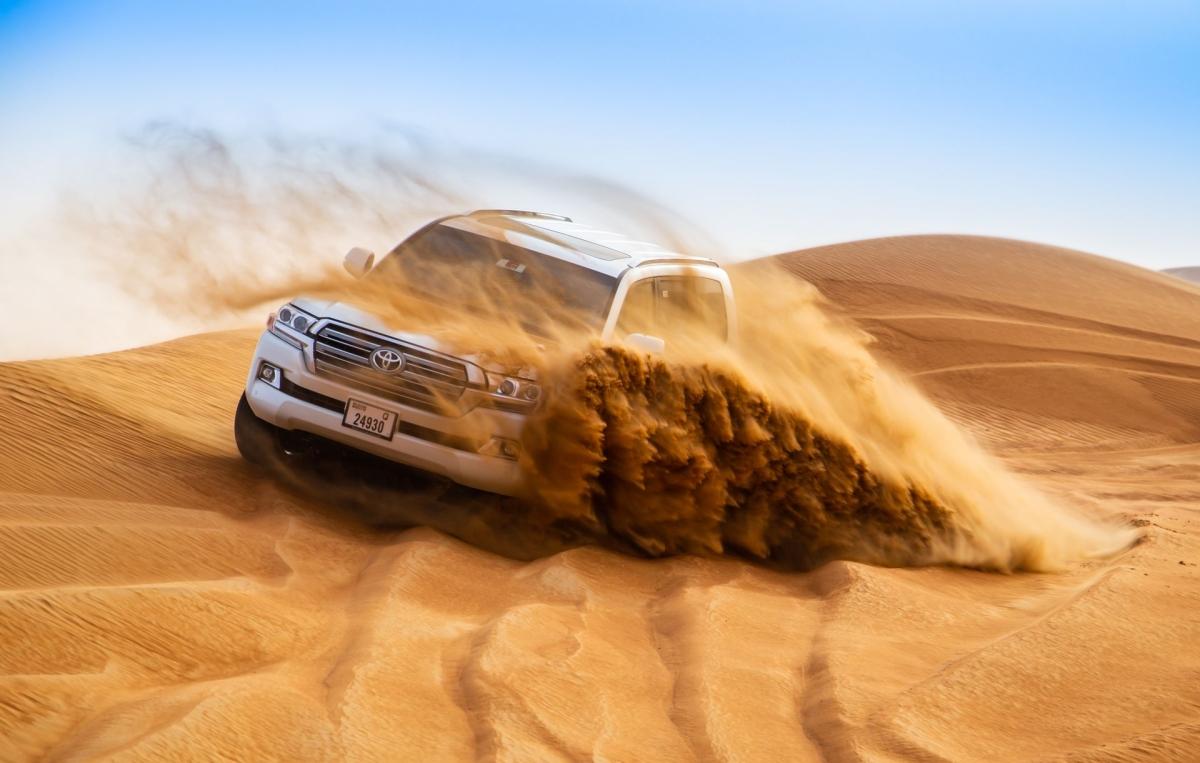
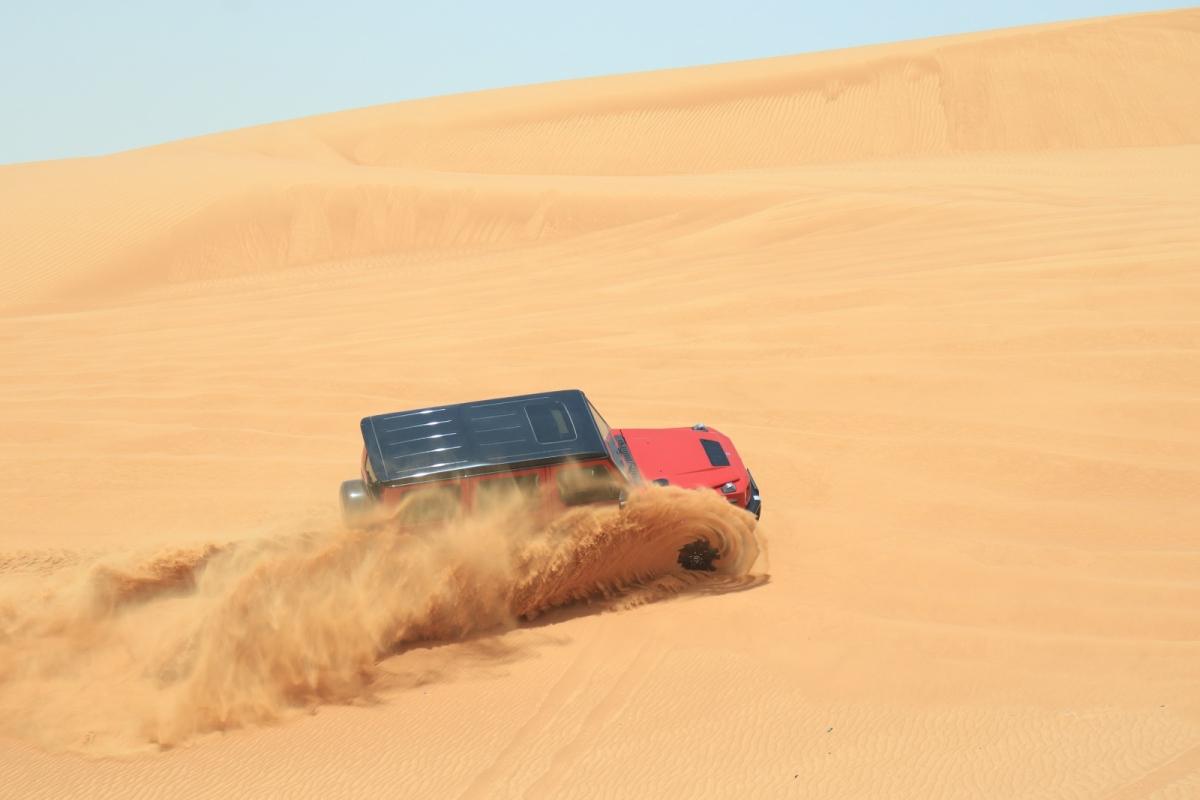
A short drive from the city limits, the dunes of the Dubai Desert Conservation Reserve and surrounding areas host the region's most popular activity for visitors, the desert safari. Most trips combine dune bashing in a 4x4, a stop for sunset photos, and an evening camp with a barbecue dinner, live entertainment, and options like camel riding or sandboarding. Morning safaris trade the entertainment for quieter dune driving and wildlife spotting in the cooler hours, while overnight desert camps let travelers wake up for a sunrise view over the dunes before heading back into the city.
Dubai Marina, a two-kilometer stretch of high-rise towers built along an artificial waterway, has become the city's main nightlife and dining district, with a waterfront promenade lined with restaurants and dhow cruise operators offering dinner trips along the marina at sunset. Jumeirah Beach Residence sits just next to it, adding a public beach and The Walk, an open-air strip of shops and cafes that stays busy well into the evening once the daytime heat eases off.
Beyond the Dubai Mall, which holds an aquarium, an ice rink, and hundreds of stores under one roof, the Mall of the Emirates runs an indoor ski slope, Ski Dubai, built with real snow year-round regardless of the heat outside. Newer attractions like the Museum of the Future and the Dubai Frame, a 150-meter gold-toned structure that frames views of both old and new Dubai from a single spot, add architectural landmarks to the skyline. The Lost Chambers Aquarium ticket with shared transfer offers an easy way to combine an Atlantis, The Palm attraction with round-trip transport from most hotels.
Dubai's tourist season runs from November through March, when daytime temperatures typically stay in a comfortable range for outdoor activities like desert safaris and beach days. Summer months from June to September bring intense heat, often above 40 degrees Celsius, though hotel rates drop and indoor attractions like malls and Ski Dubai stay busy regardless of season.
.png)