
-high.jpg&w=1920&q=75 "IMG World of Adventure")
Free Cancellation
-high.jpg&w=1920&q=75 "Dubai Dhow Cruise Marina With Dinner Buffet and Live Entertainment")
-high.jpg&w=1920&q=75 "Dubai Desert Safari Red Dune Bashing, Sand Boarding, Camel Riding With Live Entertainment & BBQ Dinner")
-high.jpg&w=1920&q=75 "Dubai Airport Transfer")
-high.jpg&w=1920&q=75 "Dubai: 4 Days Express Package with Hotel Transfers")
-high.jpg&w=1920&q=75 "Abu Dhabi City Tour from Dubai")

-high.jpg&w=1920&q=75 "From Dubai: Fujairah Snorkeling with Turtles, Boat Trip & BBQ Lunch")
 Travel TipsBest Places to Visit in the United Arab Emirates: 20 Incredible Destinations
 All aboutFAQ about visiting Burj Khalifa; Top 10 reasons to visit the Burj Khalifa
 Travel Tips5 Places You Have to See & Things To do in Dubai
.png) Ultimate GuideBest Places to Visit in the United Arab Emirates: 20 Incredible Destinations (2026 Guide)
Ultimate GuideBest Places to Visit in the United Arab Emirates: 20 Incredible Destinations (2026 Guide) All aboutWorld Down Syndrome Awareness Day
United Arab Emirates Tours cover a federation of seven emirates on the eastern side of the Arabian Peninsula, where modern skylines, desert landscapes and a growing museum and cultural scene sit within a few hours of one another. Dubai and Abu Dhabi draw the largest share of visitors, though the smaller emirates offer a quieter, more traditional alternative for travelers with extra time.
The United Arab Emirates sits within the region covered under Asia Tours, and most itineraries combine several days in Dubai with a shorter stay in Abu Dhabi.
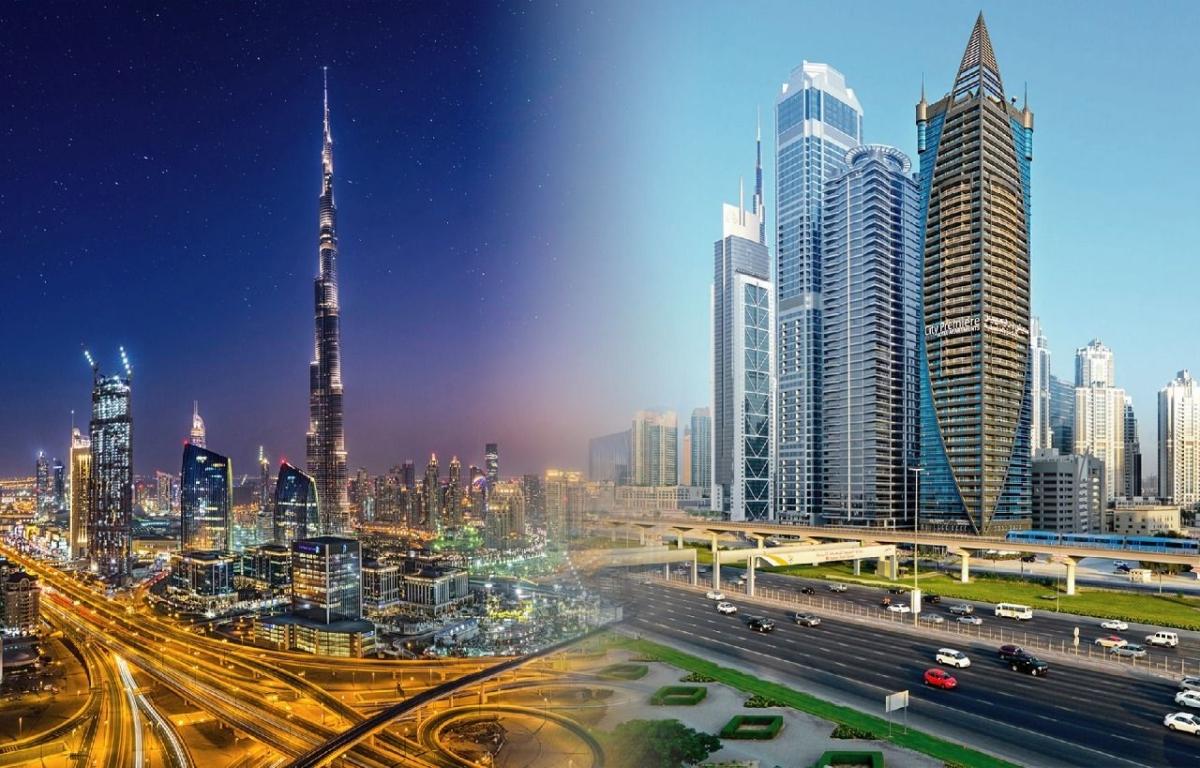
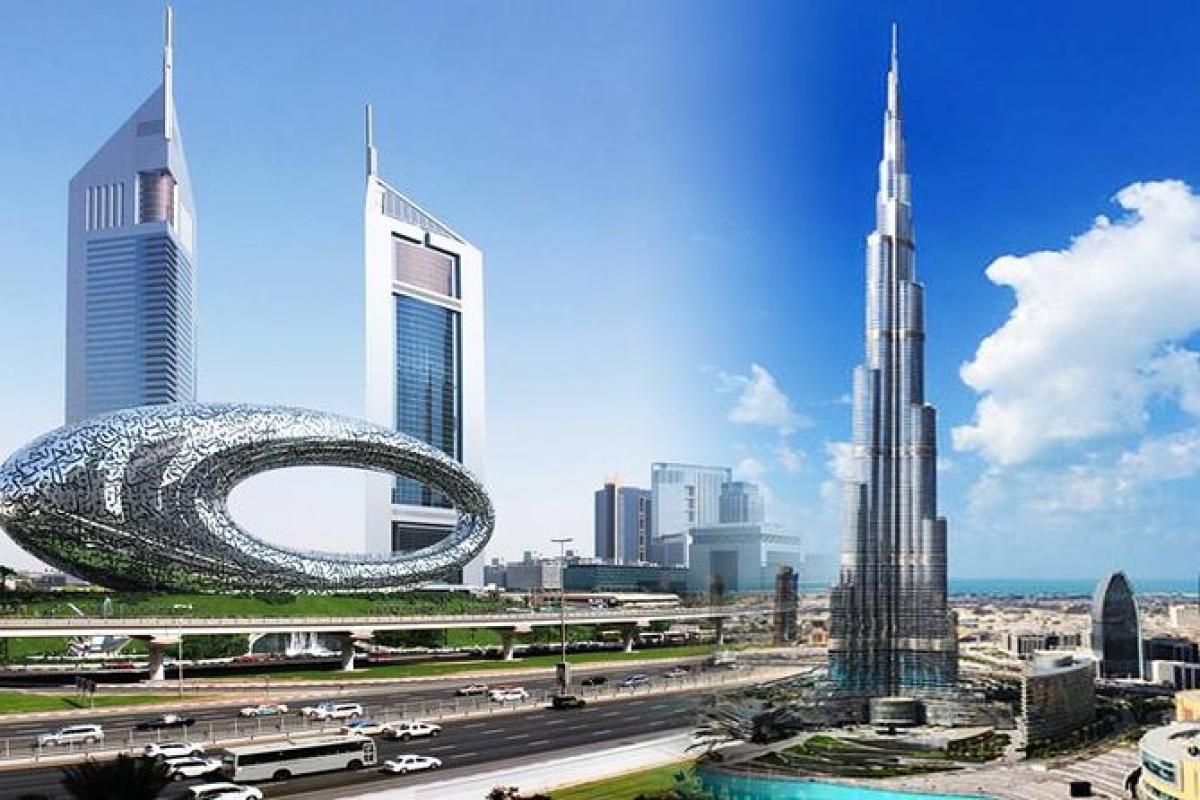
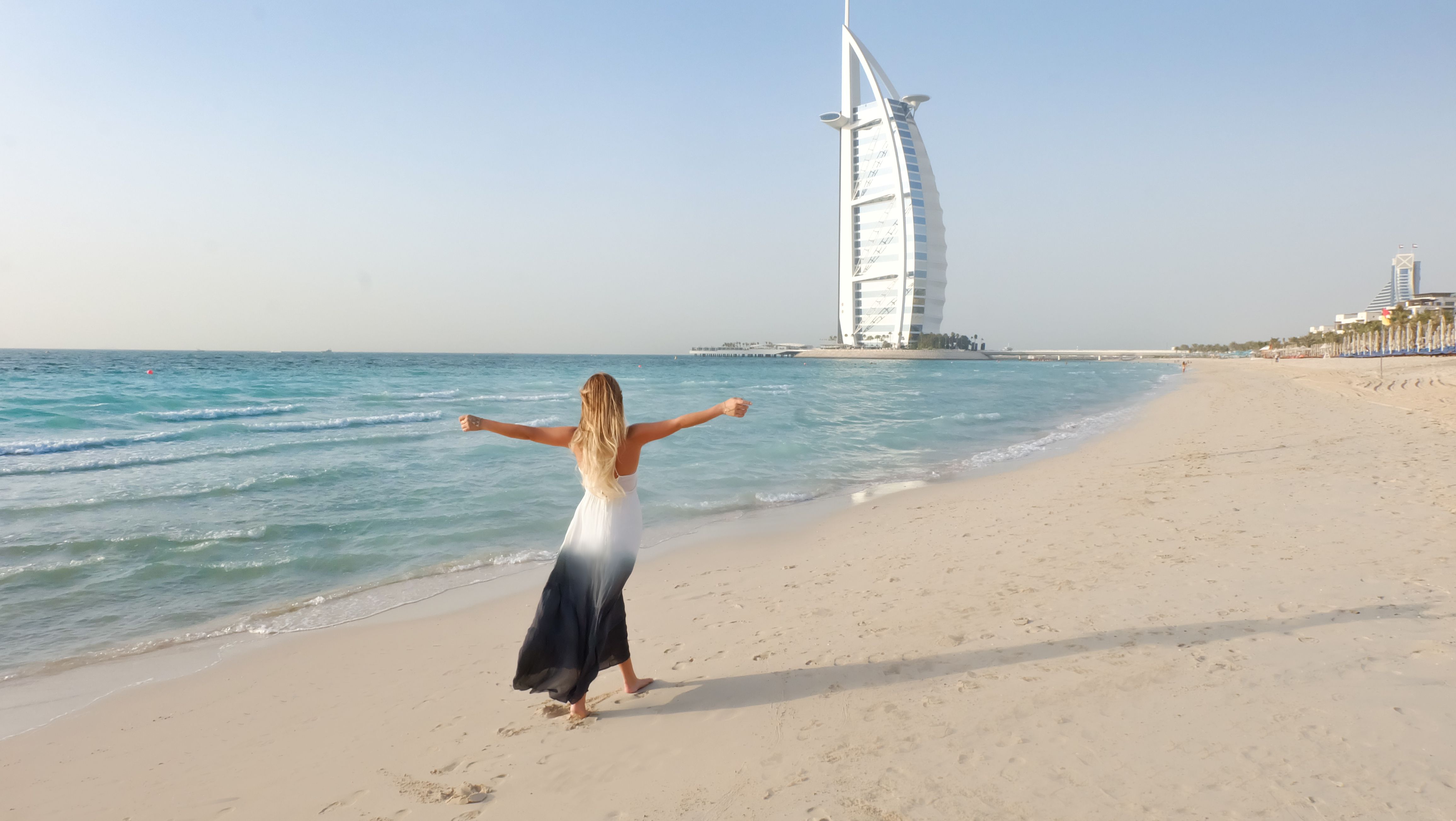
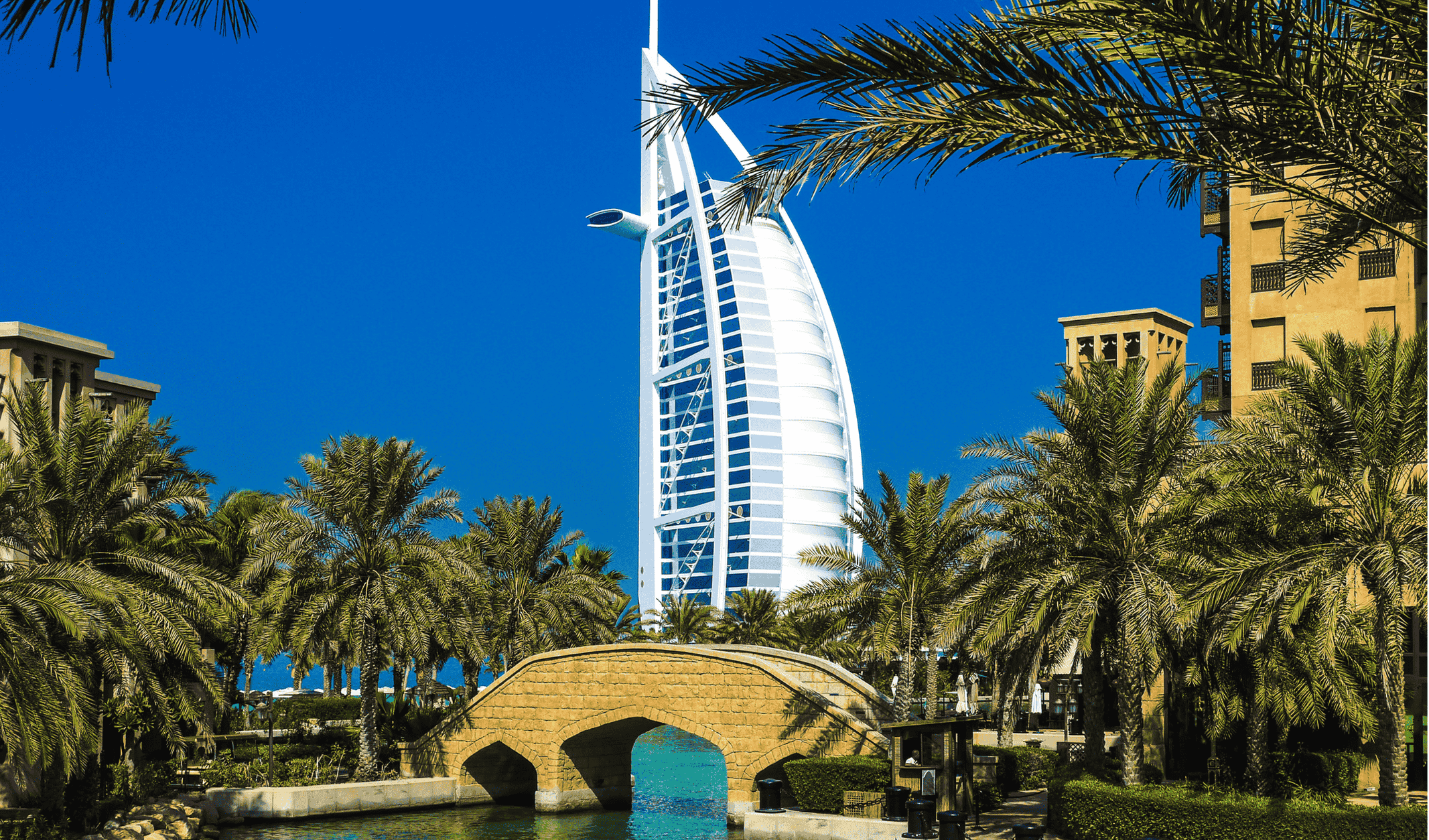
Dubai's skyline centers on the Burj Khalifa, the tallest building in the world at over 828 meters, with an observation deck offering views across the city toward the Gulf, along with the Palm Jumeirah, an artificial archipelago shaped like a palm tree, and the Dubai Mall, one of the largest shopping and entertainment complexes anywhere. Older districts such as Al Fahidi, along Dubai Creek, preserve wind-tower architecture and narrow lanes that offer a contrast to the emirate's modern developments, and an abra, a traditional wooden boat, remains one of the cheapest and most atmospheric ways to cross the creek. The Dubai Marina and Jumeirah Beach add waterfront promenades and beach clubs to the city's more contemporary side.
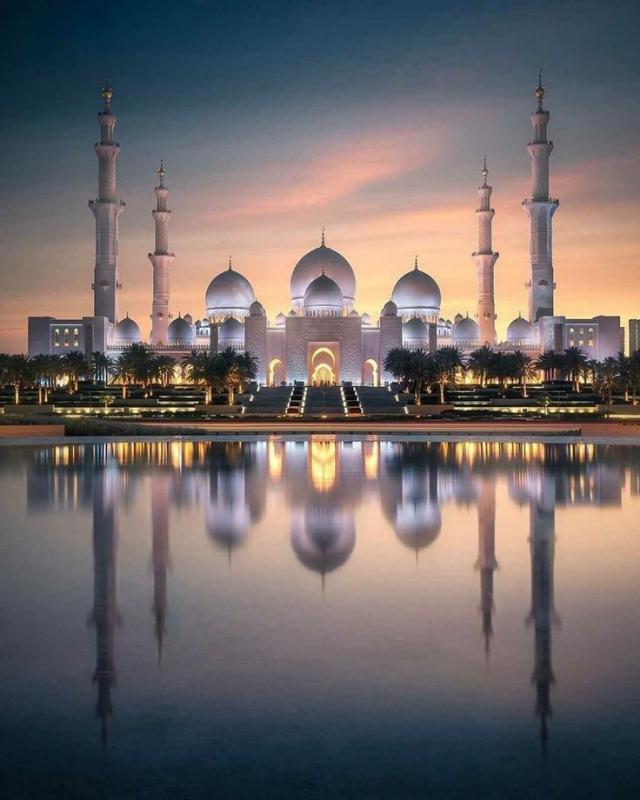
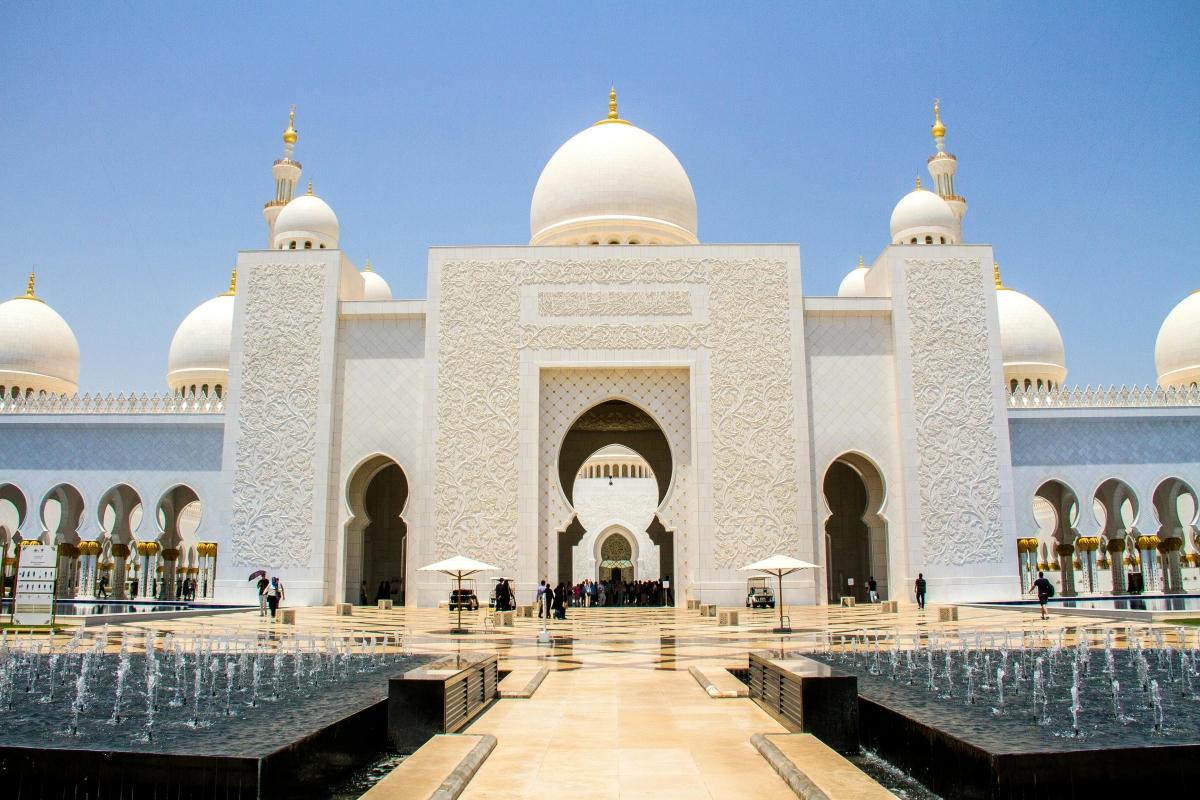
Abu Dhabi, the national capital, places greater emphasis on museums and government landmarks than Dubai's entertainment focus. The Sheikh Zayed Grand Mosque, one of the largest mosques in the world, holds a hand-knotted carpet and chandeliers among the largest of their kind, while the Louvre Abu Dhabi, built in partnership with the French institution, houses a collection spanning global art and history across a domed structure designed to filter light like a canopy of palm leaves. Yas Island adds theme parks and a Formula One circuit for visitors extending their stay in the capital.
Sharjah, adjacent to Dubai, positions itself as the country's cultural capital, with a concentration of museums, heritage areas and a ban on alcohol that gives it a more traditional atmosphere than its neighbors, and it is easily reached as a day trip from Dubai. Farther north, Ras Al Khaimah and Fujairah offer mountain scenery along the Hajar range and a coastline on the Gulf of Oman, an alternative to the Arabian Gulf beaches around Dubai and Abu Dhabi.
Al Ain, an inland oasis city on the border with Oman, holds mudbrick forts, a UNESCO-listed oasis of date palm groves irrigated by a centuries-old falaj channel system, and Jebel Hafeet, a mountain reached by a winding road offering views across the surrounding desert. The city is sometimes called the Garden City for its greenery, a contrast to the coastal emirates' built-up skylines.
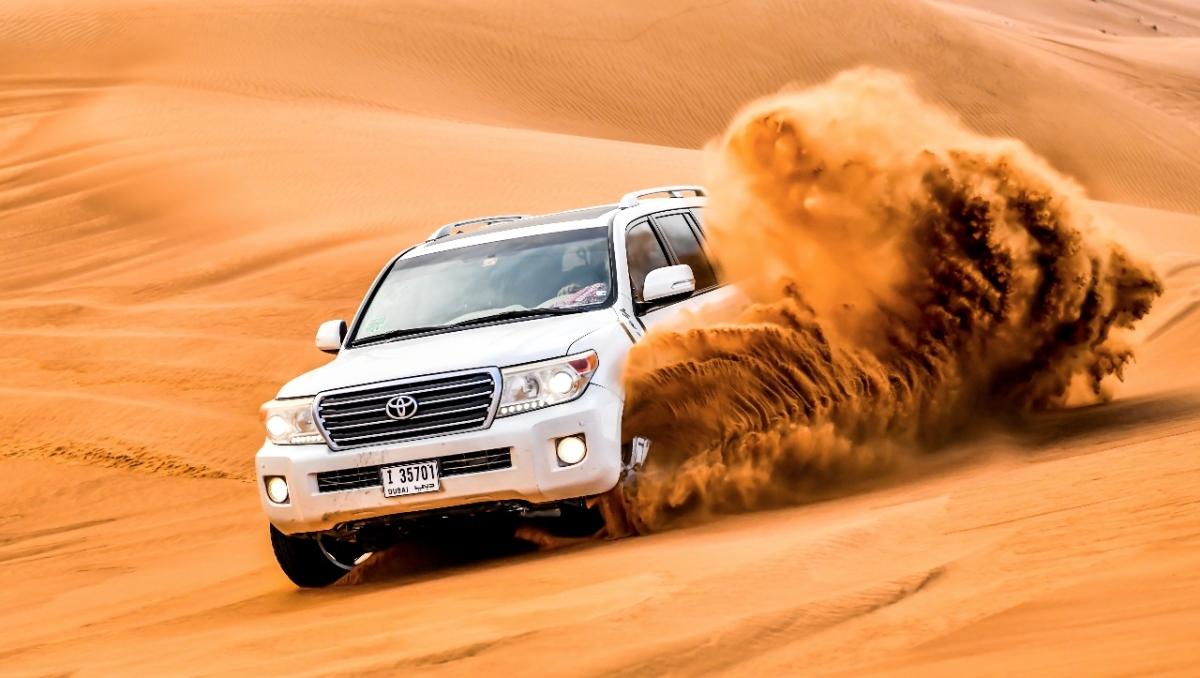
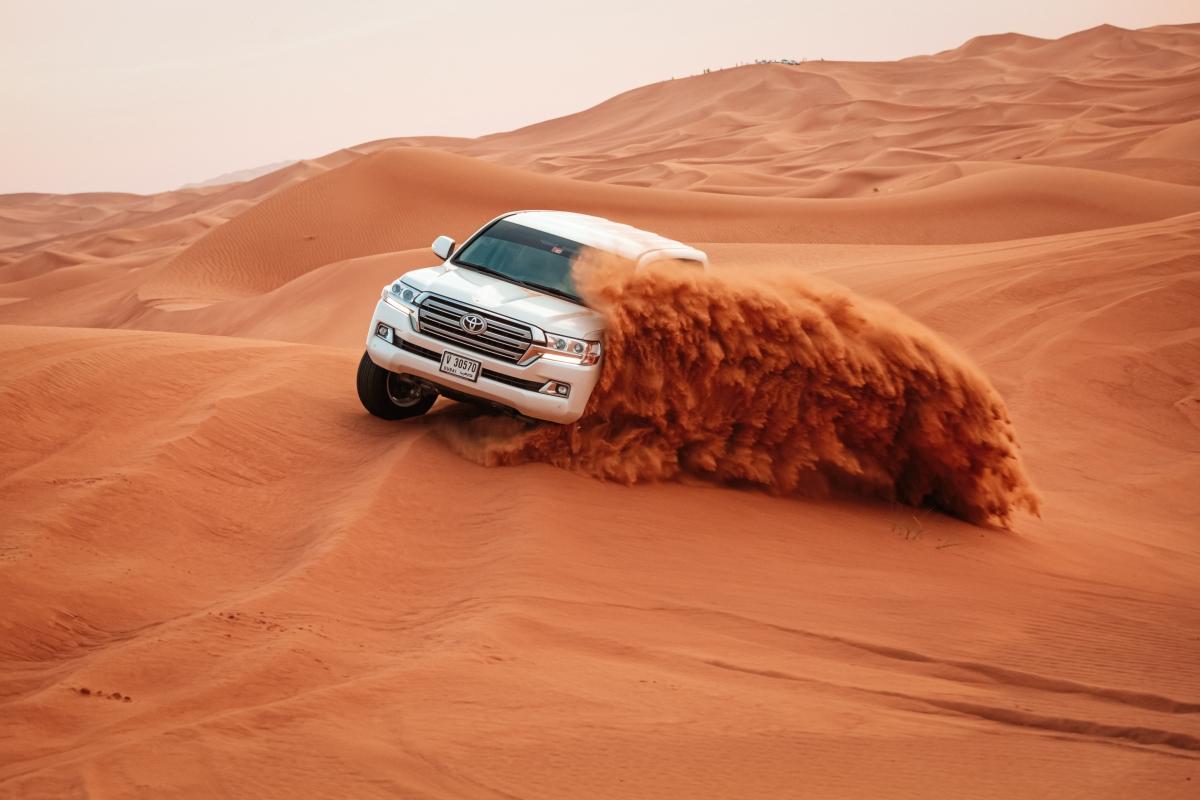
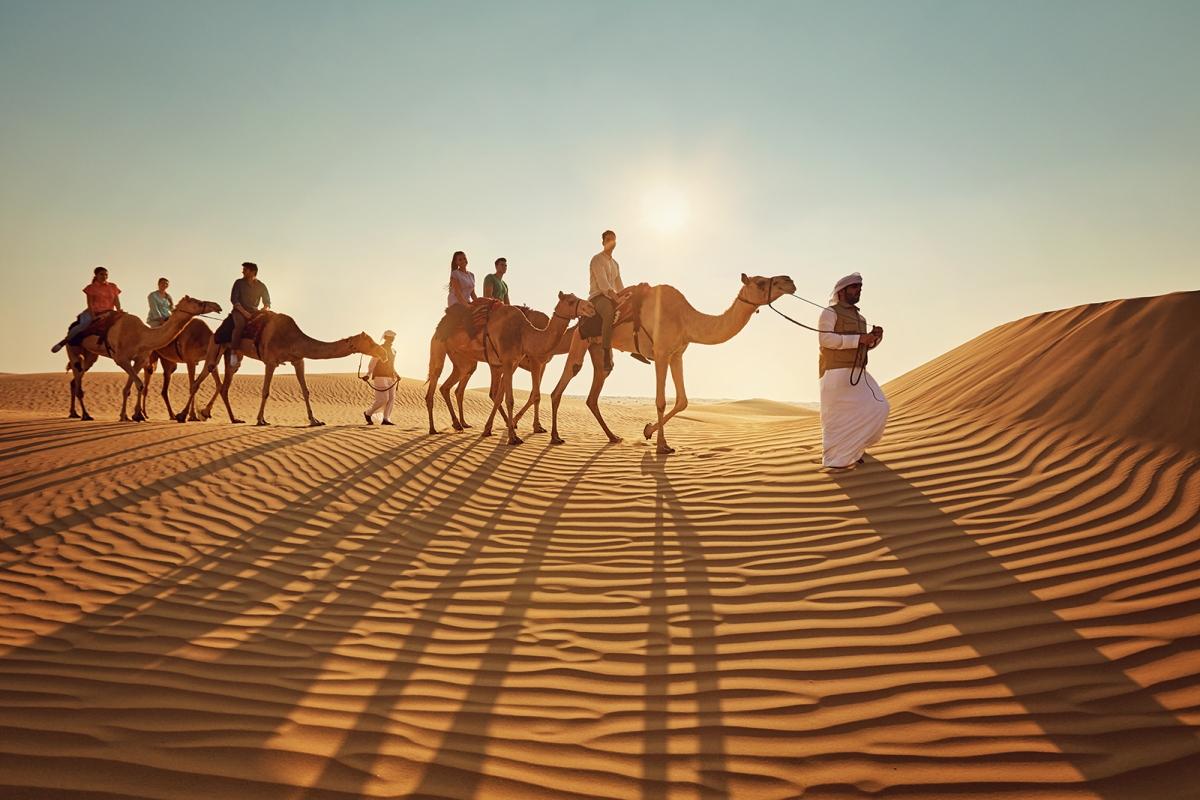
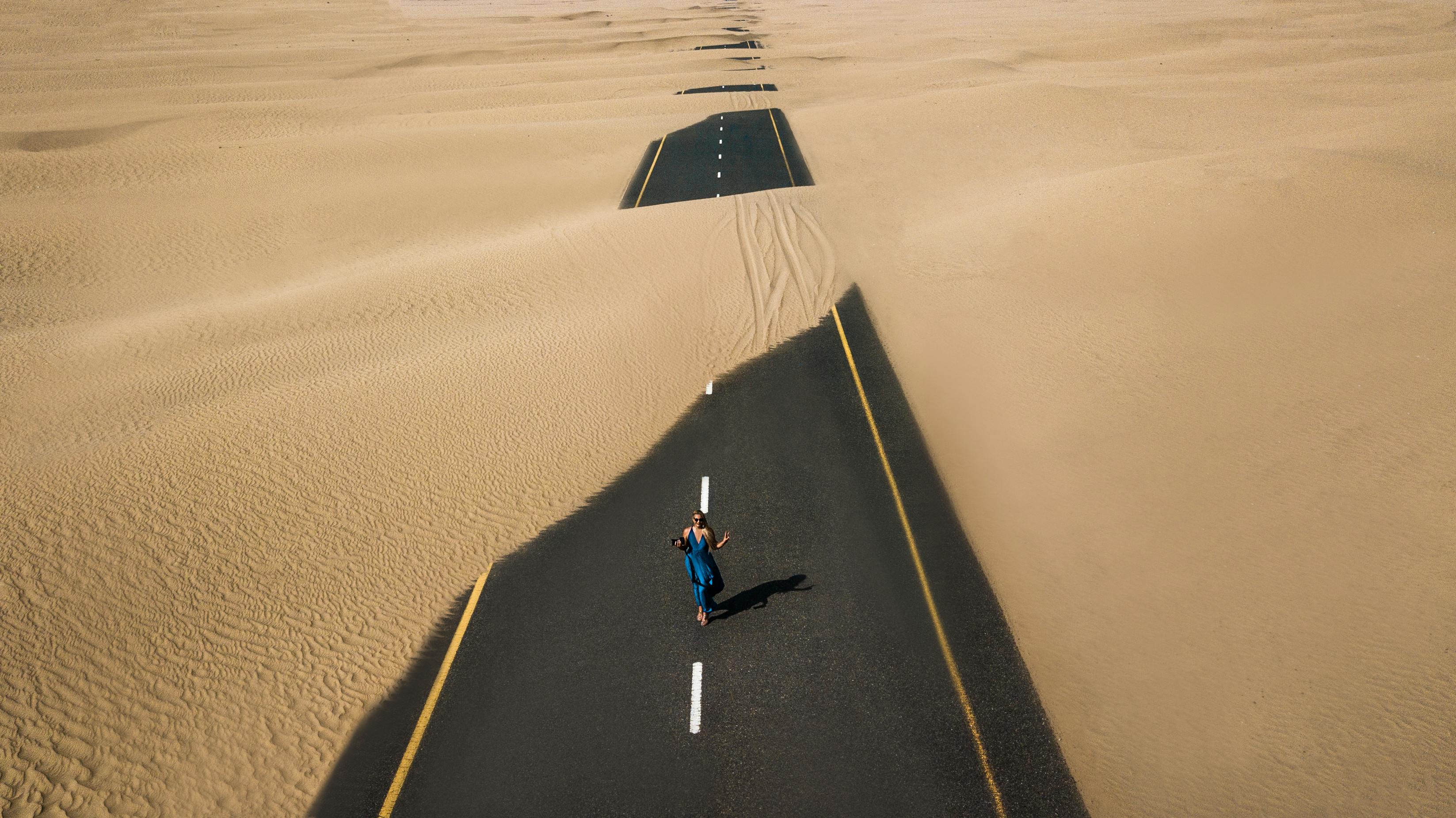
Desert safaris, typically departing from Dubai in the late afternoon, combine dune driving, camel rides and a traditional dinner at a desert camp outside the city, and rank among the most popular half-day additions to a UAE itinerary. Some operators also offer sandboarding, falconry displays or overnight camping for visitors wanting more time away from the city.
Shorter experiences such as the Dubai: The Lost Chambers Aquarium Ticket & Shared Transfer are commonly booked alongside a longer Dubai stay, covering individual attractions with transportation included for visitors building a custom itinerary rather than a full package tour.
Dubai's dining scene ranges from traditional Emirati dishes such as machboos, a spiced rice dish usually served with chicken or lamb, to an international restaurant scene reflecting the city's large expatriate population, while its traditional souks in Deira, particularly the Gold Souk and Spice Souk, remain popular alongside the city's modern malls.
The seven emirates, Abu Dhabi, Dubai, Sharjah, Ajman, Umm Al Quwain, Ras Al Khaimah and Fujairah, united as a single federation in 1971, and Dubai in particular transformed from a modest trading and pearling port into a global travel and business hub within a few decades, largely by diversifying beyond oil revenue into tourism, finance and trade. That rapid development remains visible in the contrast between older creek-side neighborhoods and the glass towers built in the years since. Expatriates make up the large majority of the UAE's population, a mix reflected in the range of cuisines, languages and places of worship found across Dubai and Abu Dhabi alongside the country's Emirati culture. Arabic remains the official language, though English functions as the working language of business and tourism throughout the country, making it straightforward for most international visitors to get around. The country's hotel and dining sector caters heavily to international travelers, with alcohol available in licensed hotels and restaurants even though public consumption outside those venues remains restricted. Modest dress is generally expected in public areas outside beach resorts and hotel pools, particularly when visiting mosques or more traditional neighborhoods.
Dubai and Abu Dhabi are connected by a highway drive of around ninety minutes, making a combined itinerary straightforward without domestic flights. Within Dubai, the metro system covers many of the main tourist areas, while taxis and ride-hailing services fill in the gaps between neighborhoods.
November through March offers the most comfortable weather for outdoor sightseeing and desert excursions, while summer brings intense heat that limits most outdoor activity to early morning or evening hours, pushing daytime plans toward malls, museums and indoor attractions.