-high.jpg&w=1920&q=75 "Shanghai Hongqiao International Airport to City Center")
Free Cancellation
-high.jpg&w=1920&q=75 "Beijing Daxing International Airport(PKX)----Beijing City")

-high.jpg&w=1920&q=75 "Beijing capital international airport PEK-Beijing urban area")
-high.jpg&w=1920&q=75 "3 Day Guilin City Tour Package from China")
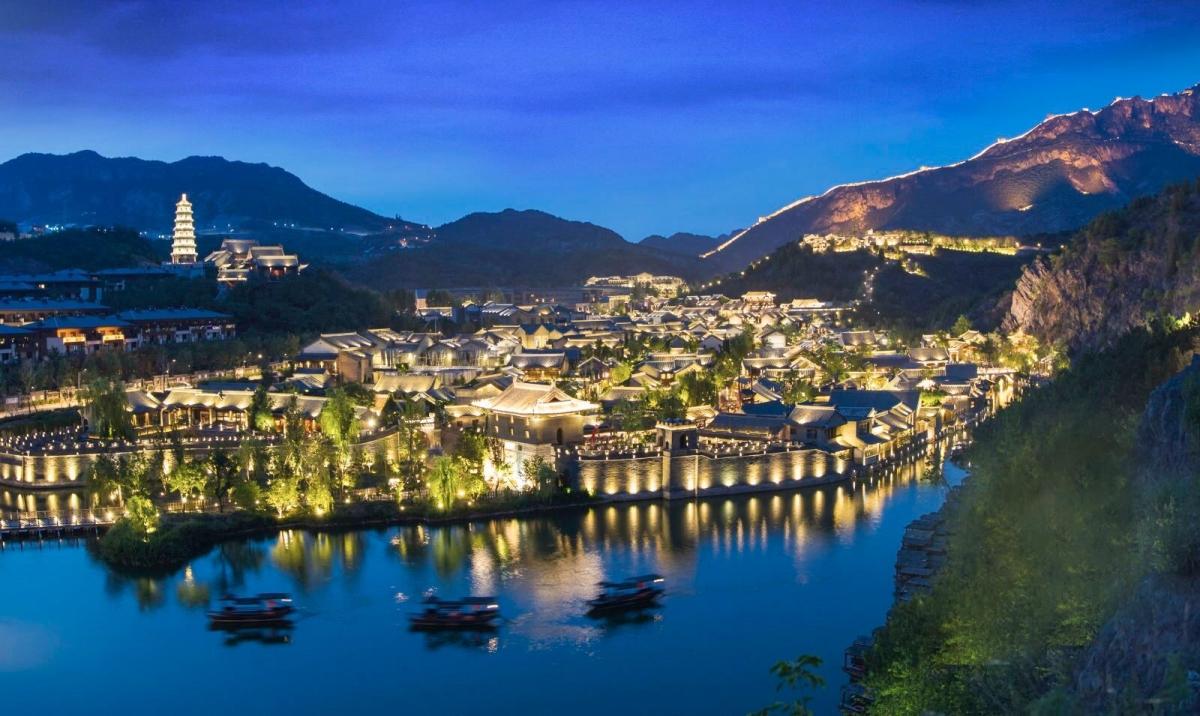
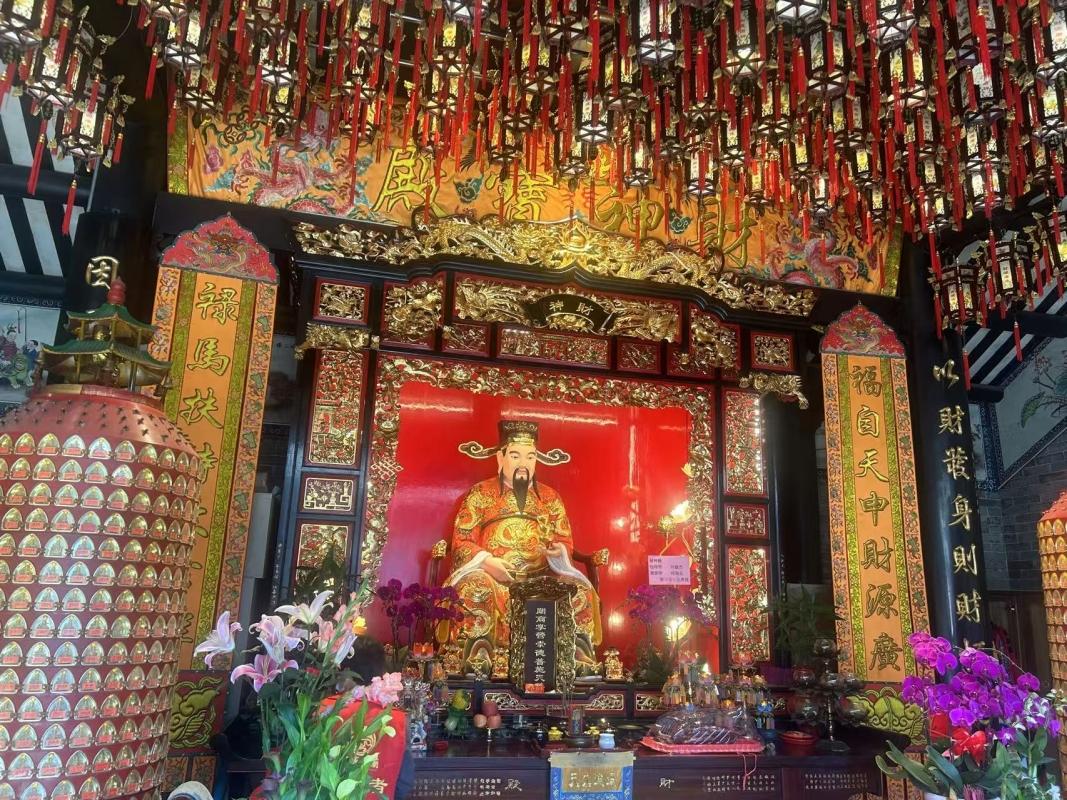
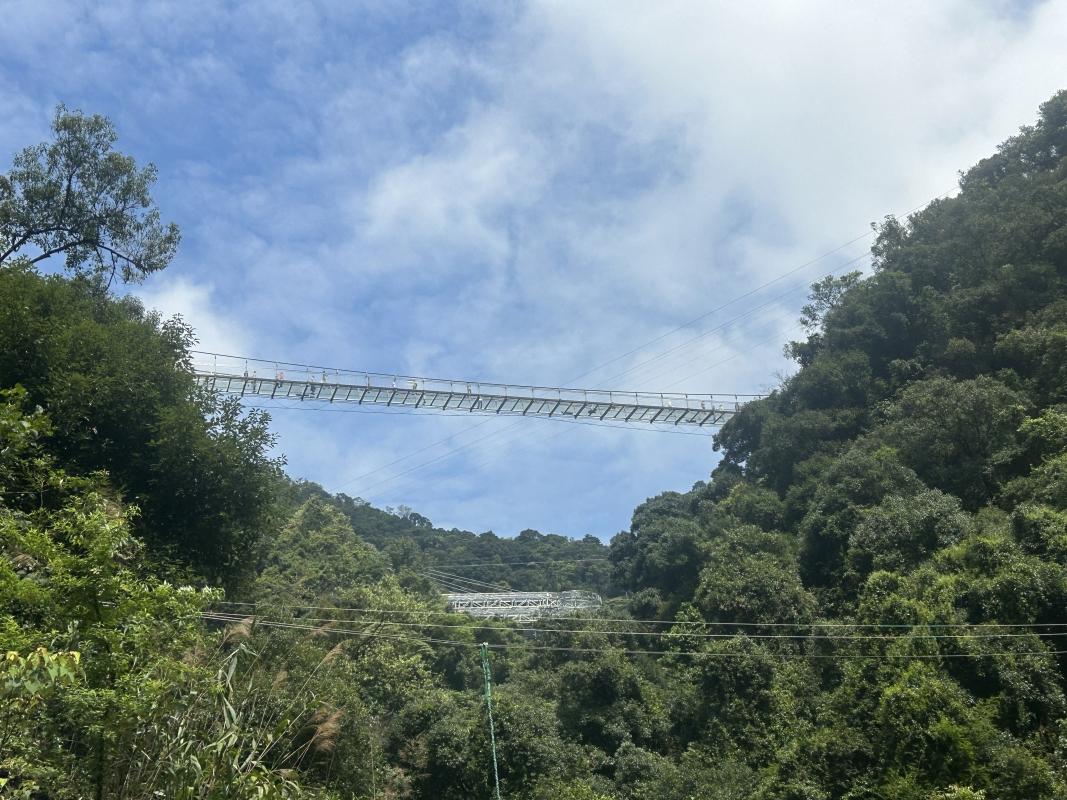
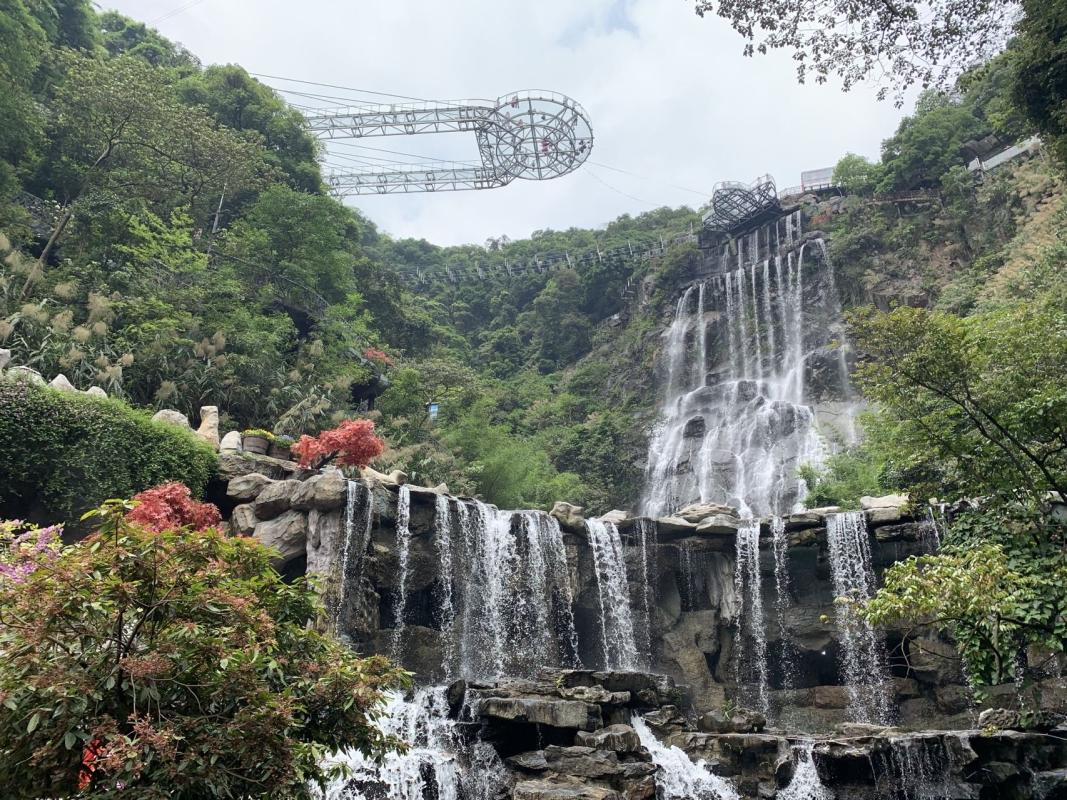
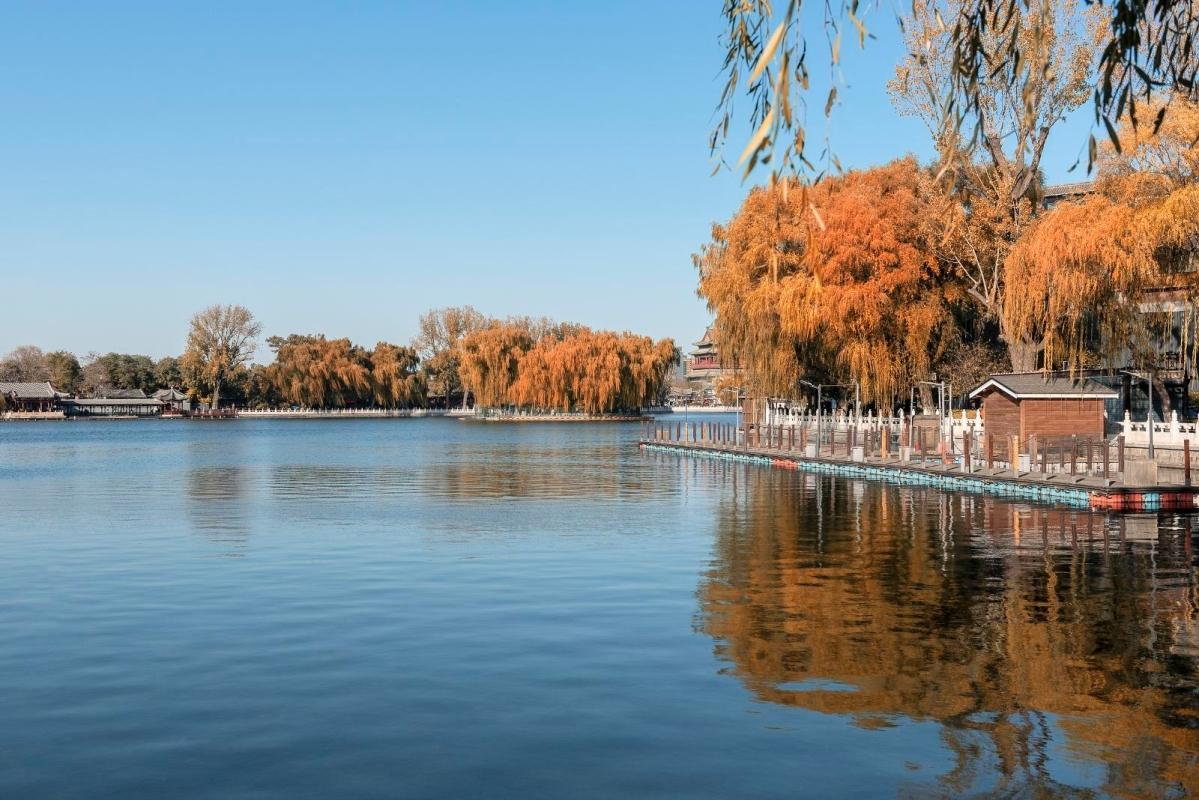
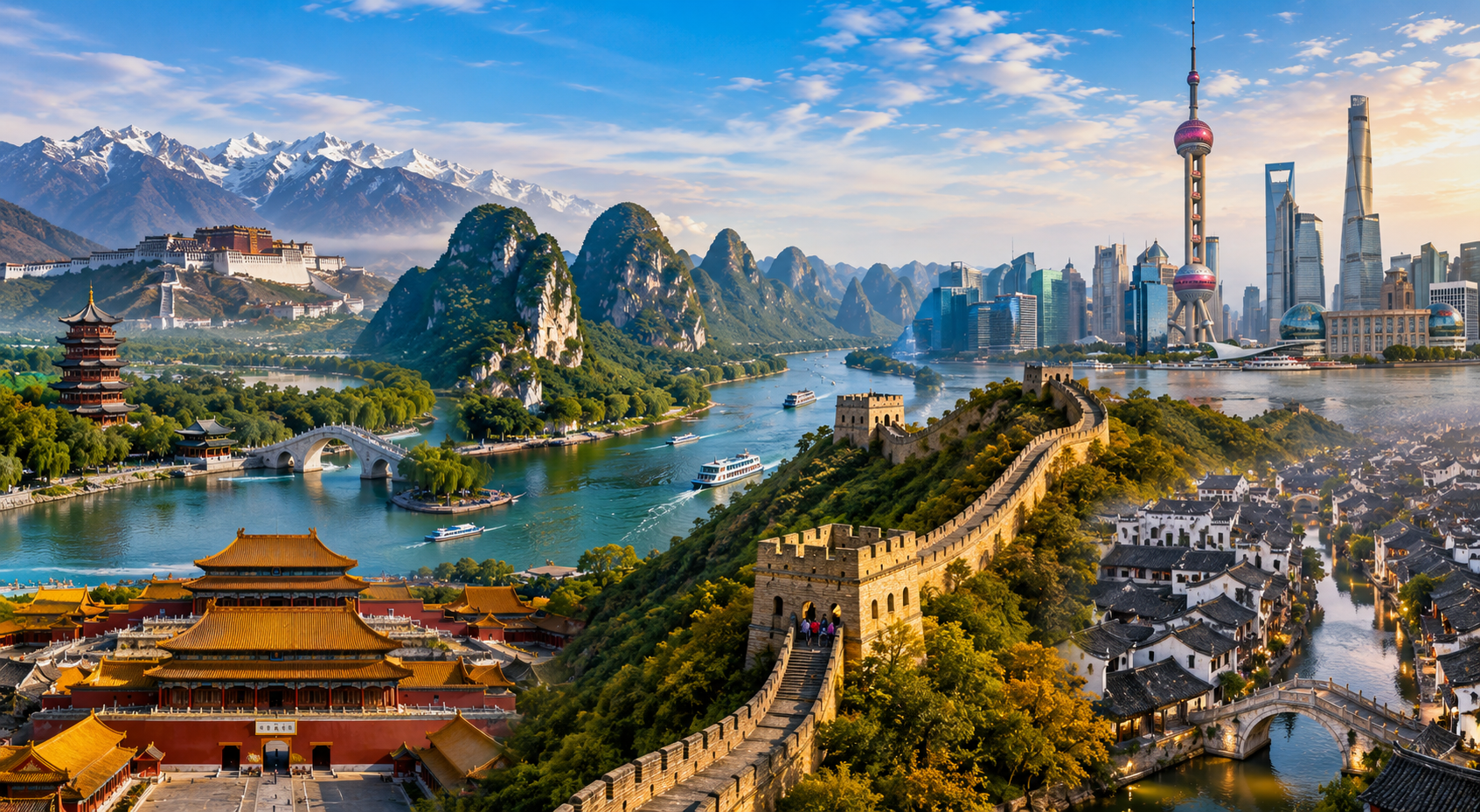
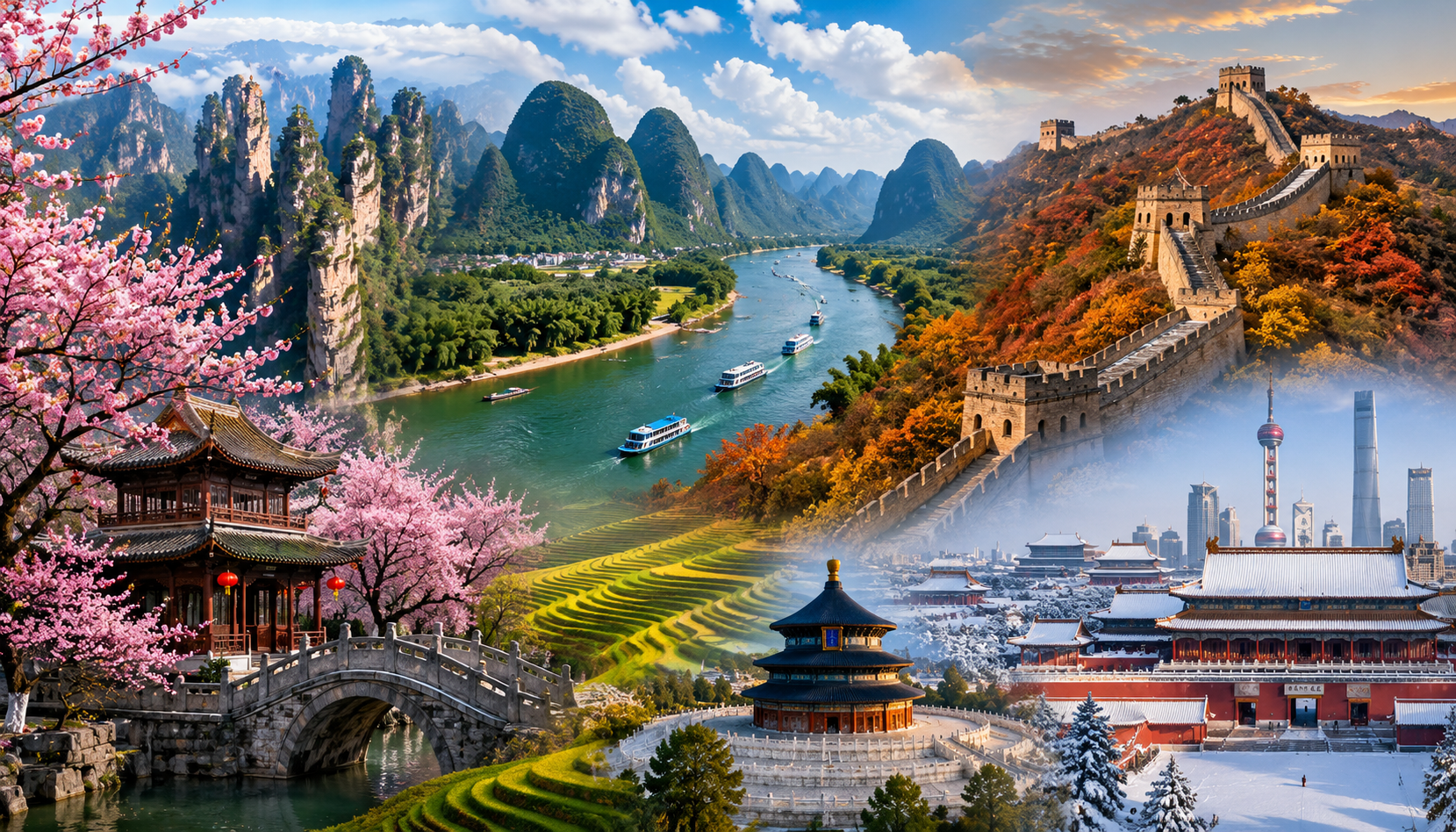
China Tours cover the world's fourth largest country by land area and one of the oldest continuous civilizations, spanning from the Gobi Desert in the north to subtropical Guangxi in the south. Most first time itineraries concentrate on the eastern third of the country, where Beijing, Xi'an and Shanghai hold the majority of sites travelers associate with China, from imperial architecture to a rail network that now connects major cities in a fraction of the time older highways required. Dynastic rule shaped the country for more than two thousand years, from the unification under Qin Shi Huang in 221 BCE through the Han, Tang, Ming and Qing dynasties, each of which left its own architectural and cultural imprint on the cities most tours now visit.
As part of a longer Asia itinerary or as a dedicated China trip, tours generally combine two to four cities linked by high speed rail or short domestic flights. Airport transfer programs such as the Shanghai Pudong Airport to the City Center are a practical addition for travelers arriving in Shanghai who want a guided introduction to the city before a longer itinerary begins.
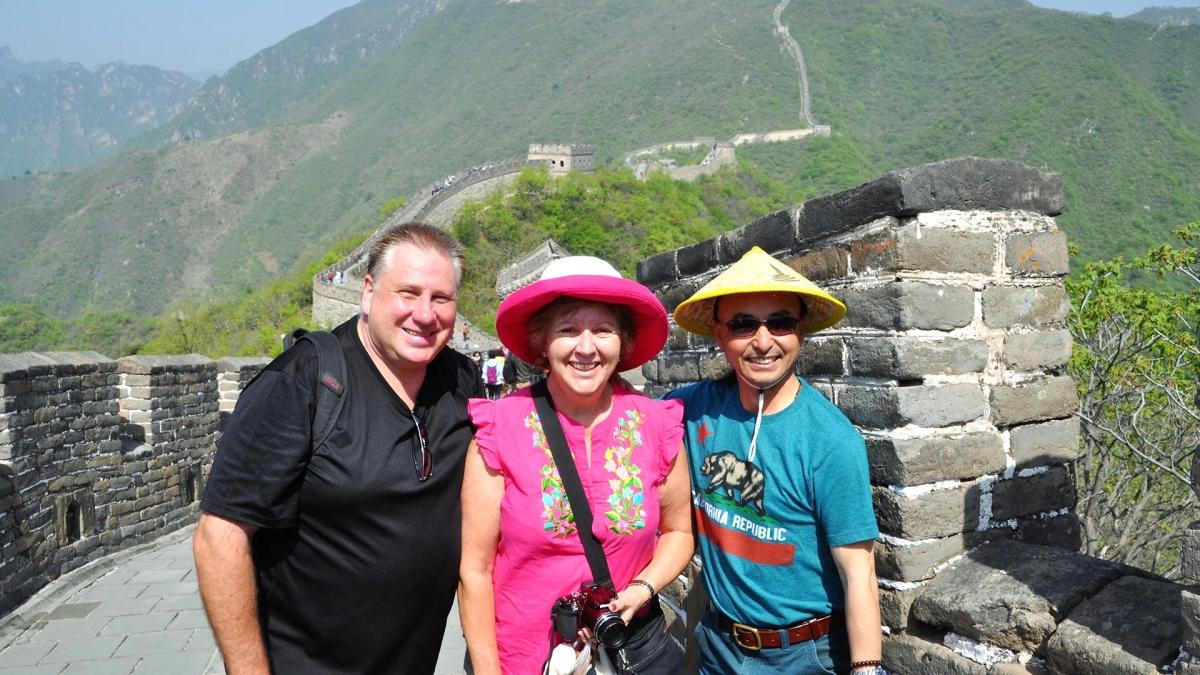
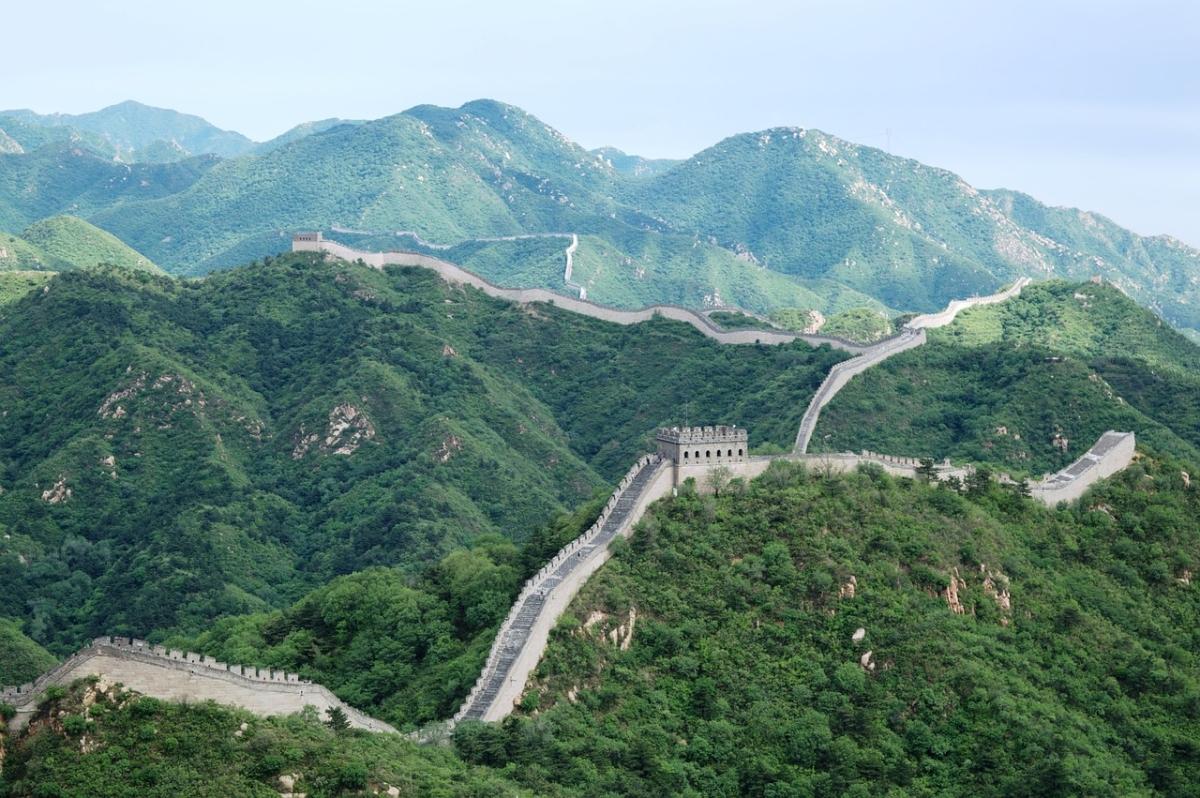
Sections of the Great Wall near Beijing, including Badaling and the less crowded Mutianyu, are typically visited as a half or full day trip from the capital. Construction on the wall spanned more than two thousand years under successive dynasties, and the sections closest to Beijing date primarily from the Ming dynasty.
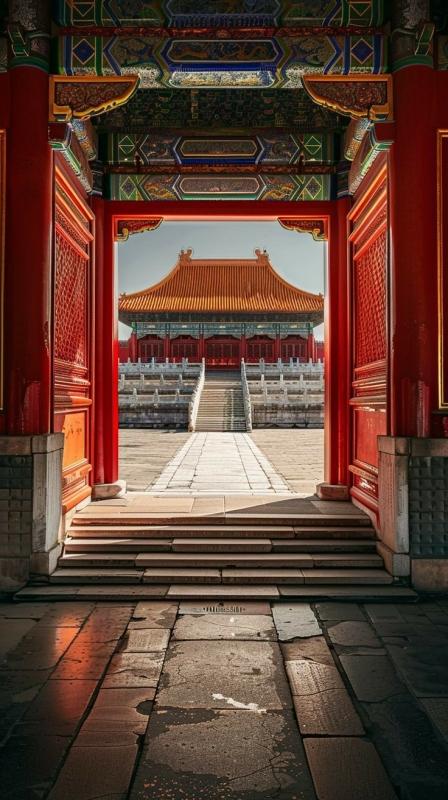
The Forbidden City served as the imperial palace for the Ming and Qing dynasties from 1420 until 1912 and remains one of the best preserved examples of traditional Chinese palace architecture anywhere in the country. It sits directly north of Tiananmen Square, one of the largest public squares in the world, with the Temple of Heaven and the Summer Palace rounding out Beijing's main imperial era sites.
Xi'an served as the capital of China during several dynasties and marks the eastern starting point of the historic Silk Road. Its main draw is the Terracotta Army, discovered by farmers in 1974 and consisting of thousands of individually crafted soldiers, horses and chariots buried to guard the tomb of Qin Shi Huang, China's first emperor, in the third century BCE. The city's well preserved Ming era walls and its Muslim Quarter, centered on the Great Mosque, add further layers to a stop that most first time visitors combine with Beijing and Shanghai.
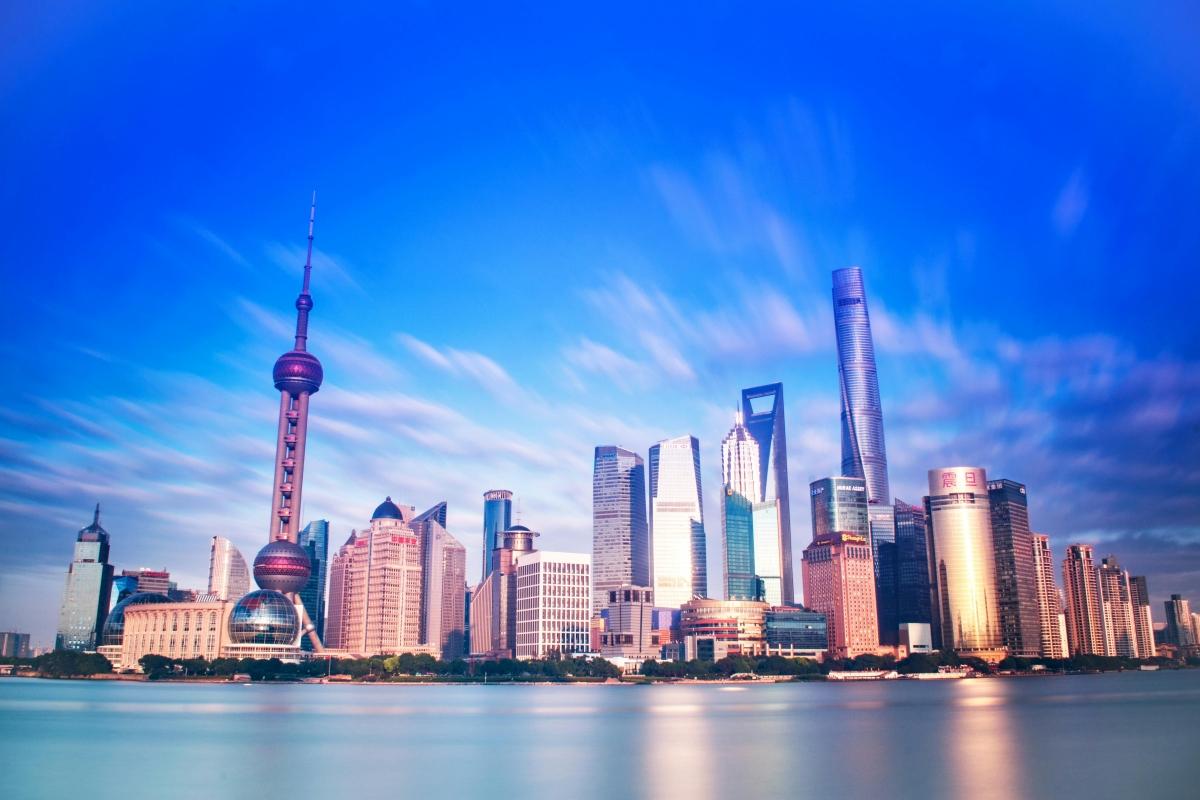
Shanghai contrasts with Beijing and Xi'an through its concentration of early twentieth century architecture along the Bund waterfront and the contemporary skyline of Pudong across the river, including the Oriental Pearl Tower and Shanghai Tower. The city's French Concession district, laid out under foreign administration in the early twentieth century, holds tree lined streets and a different architectural character from the rest of the city, while nearby water towns such as Zhujiajiao offer a half day escape into a more traditional canal based landscape.
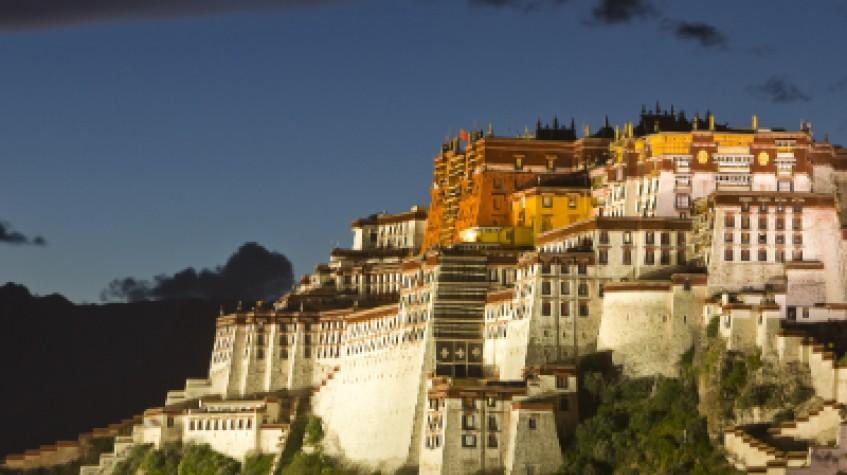
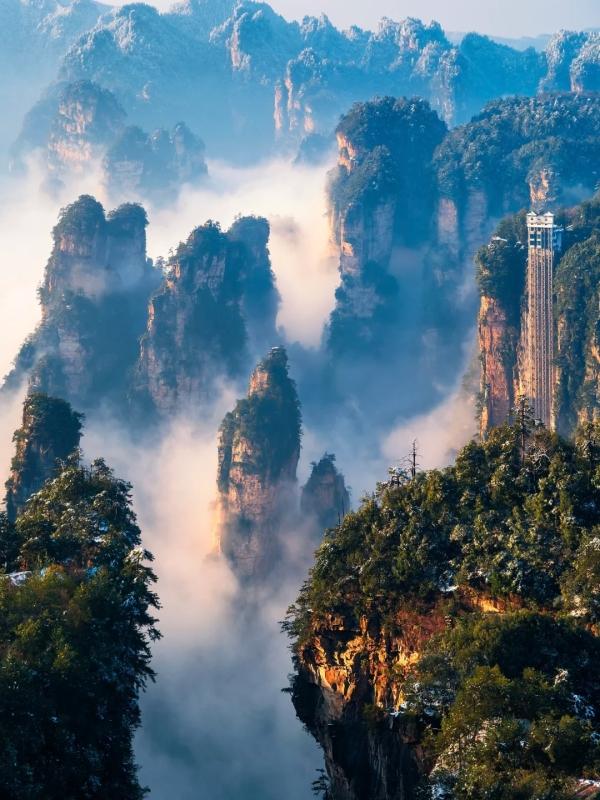
Travelers with additional time often extend into Guilin and Yangshuo for the karst limestone scenery along the Li River, or into Chengdu, home to research bases where giant pandas can be observed. Further west, Tibet and the Silk Road cities of Gansu and Xinjiang require additional permits and planning but offer a substantially different landscape and culture from the eastern cities.
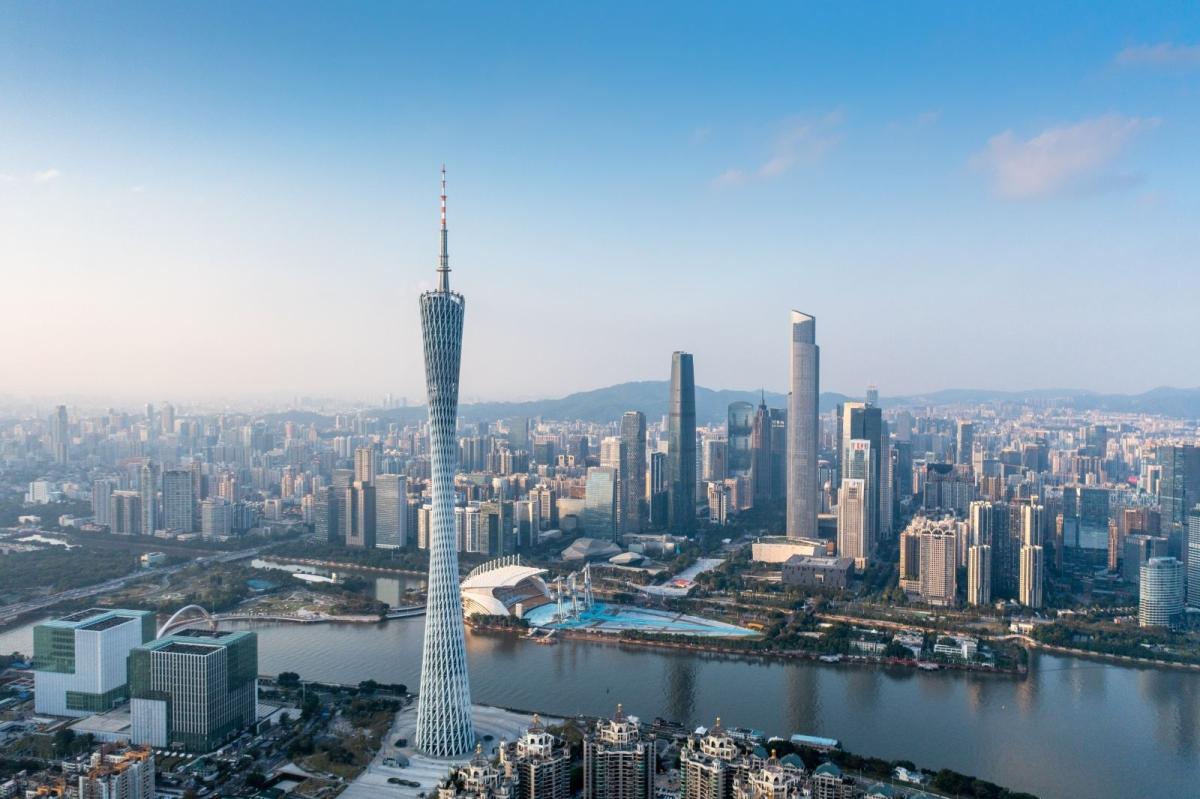
Hong Kong, a special administrative region with its own immigration and currency, is often treated as a separate leg of a China trip rather than an extension of the mainland itinerary, combining a dense skyline around Victoria Harbour with hiking trails and outlying islands. Guangzhou and Shenzhen, both easily reached from Hong Kong by high speed rail, offer a look at the manufacturing and technology centers that have driven much of southern China's growth over the past three decades.
Tea houses remain a fixture of daily life across China, with regional specialties ranging from the green teas of Hangzhou to the fermented pu erh teas associated with Yunnan province. Cuisine varies just as widely by region, from the wheat noodles and dumplings common in the north to the spicier Sichuan cooking centered on Chengdu and the lighter, seafood forward dishes found along the eastern coast around Shanghai.
China's high speed rail network links Beijing, Xi'an and Shanghai in a matter of hours, and is often faster door to door than flying once airport transfer and check in time are factored in. Stations in major cities are large and can require additional time to navigate, particularly for travelers unfamiliar with the security and ticketing process. Most foreign visitors require a visa arranged in advance of travel, though a number of cities now offer limited visa free transit for travelers connecting through on their way to a third country, a policy that has expanded in recent years. Mobile payment systems are used widely across the country, and international visitors sometimes find it useful to set up a local payment option or carry sufficient cash, since some smaller vendors outside major hotels and tourist sites do not accept foreign cards.
Spring and autumn offer the most comfortable conditions for sightseeing across most of eastern China, with mild temperatures in Beijing, Xi'an and Shanghai alike. Summer brings heat and humidity, particularly in the south, while winter is cold in the north but remains a viable time to visit Shanghai and cities further south.