

Beijing
Why Visit Beijing?
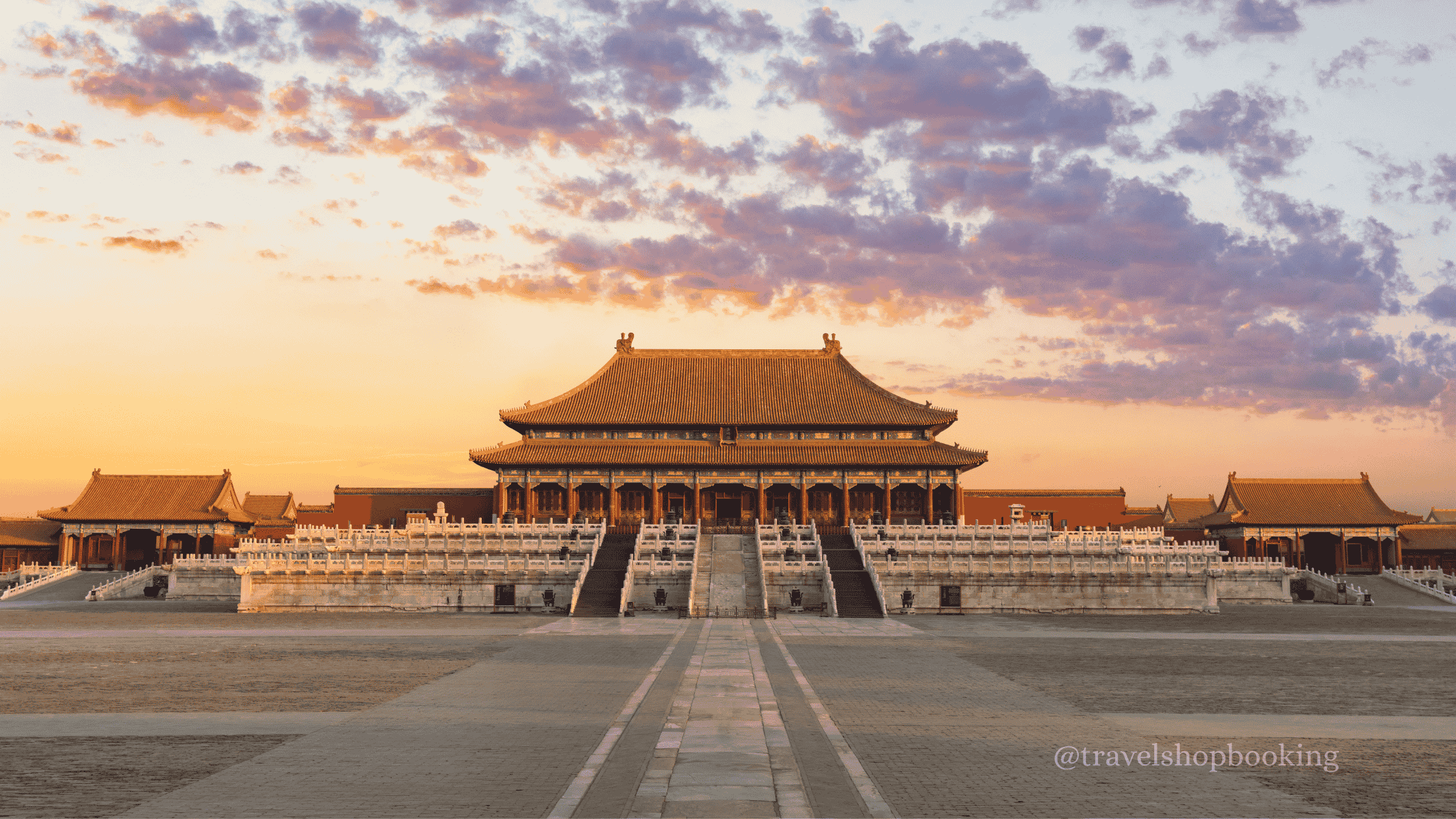
Beijing is the best place to begin a first trip to China if you're interested in the country's imperial history and major landmarks. The capital combines ancient palaces and temples with modern neighborhoods, museums, parks, and an extensive food scene.
Top Attractions
Visit the Forbidden City, Temple of Heaven, Summer Palace, and Tiananmen Square. Beijing is also the main gateway to several sections of the Great Wall of China, including Mutianyu and Badaling.
Spend time exploring hutong neighborhoods for a closer look at traditional Beijing life, and try local specialties such as Peking duck and hand-pulled noodles.
Shanghai
Why Visit Shanghai?
Shanghai is China's most cosmopolitan city and offers a striking contrast between historic neighborhoods and futuristic skyscrapers. The city is particularly appealing to travelers interested in architecture, food, shopping, and contemporary Chinese culture.
Top Attractions
Walk along The Bund, admire the skyline from Pudong, visit the Shanghai Tower, and explore the Yu Garden and surrounding Old City.
The former French Concession is also worth exploring for its tree-lined streets, cafés, historic buildings, and independent boutiques.
Xi'an
Why Visit Xi'an?
Xi'an was one of China's ancient capitals and played a central role in the history of the Silk Road. It is best known for the Terracotta Army but has much more to offer.
Top Attractions
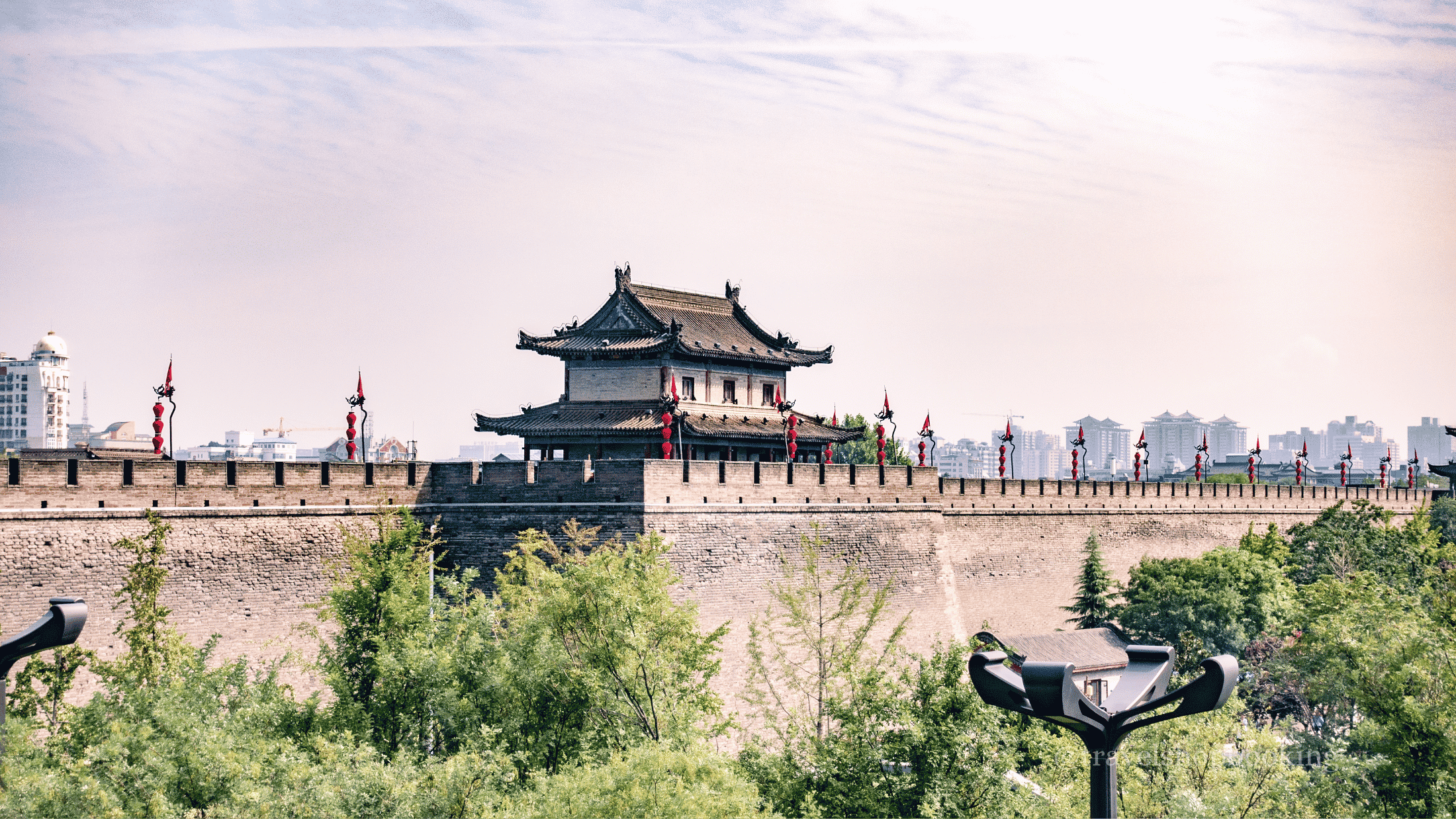
The Terracotta Army is the essential visit, while the Xi'an City Wall, Muslim Quarter, Bell Tower, and Big Wild Goose Pagoda provide a broader picture of the city's history.
The Muslim Quarter is also one of the best places to sample local street food.

The Great Wall of China
Why Visit the Great Wall?
The Great Wall is China's most recognizable landmark and one of the world's most impressive historic structures. Different sections offer very different experiences, from heavily restored areas to quieter mountain sections.
Best Experiences
Mutianyu is a good choice for travelers who want impressive scenery with a more relaxed atmosphere than Badaling. More adventurous visitors can consider less-restored sections, but should check current access and safety conditions before hiking.
Spring and autumn are particularly comfortable seasons for walking the wall.
Chengdu
Why Visit Chengdu?
Chengdu is the capital of Sichuan and one of China's best destinations for food lovers and travelers interested in giant pandas.
Top Attractions
Visit the Chengdu Research Base of Giant Panda Breeding, explore traditional teahouses, and try Sichuan dishes such as mapo tofu and spicy hotpot.
The city also provides a convenient base for exploring nearby Buddhist sites, mountain landscapes, and Sichuan's cultural attractions.
Zhangjiajie
Why Visit Zhangjiajie?
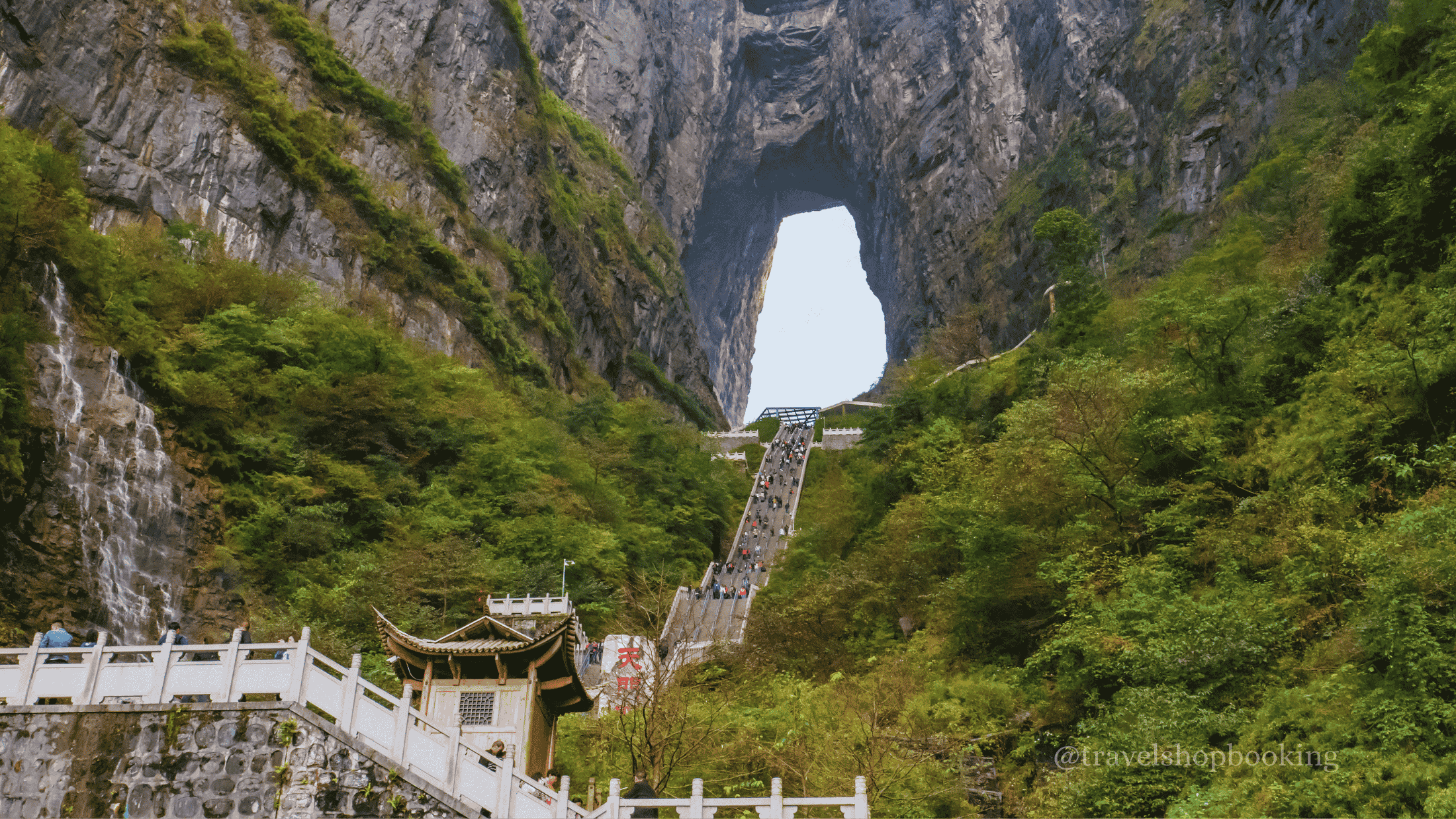
Zhangjiajie is famous for its extraordinary sandstone pillars rising from heavily forested valleys. The landscape is unlike almost anywhere else in China.
Best Experiences
Explore Zhangjiajie National Forest Park, walk along elevated mountain paths, and visit Tianzi Mountain and Yuanjiajie.
The region is particularly popular with photographers and hikers, although major viewpoints can become crowded during public holidays.
Guilin
Why Visit Guilin?
Guilin is surrounded by the distinctive limestone peaks that make southern China famous. The city is the main gateway to the Li River and the countryside around Yangshuo.
Best Experiences
Take a Li River cruise, explore the karst landscapes, visit Reed Flute Cave, and use Guilin as a starting point for trips into the surrounding countryside.
The scenery is especially attractive when mist hangs around the mountains.
Yangshuo
Why Visit Yangshuo?
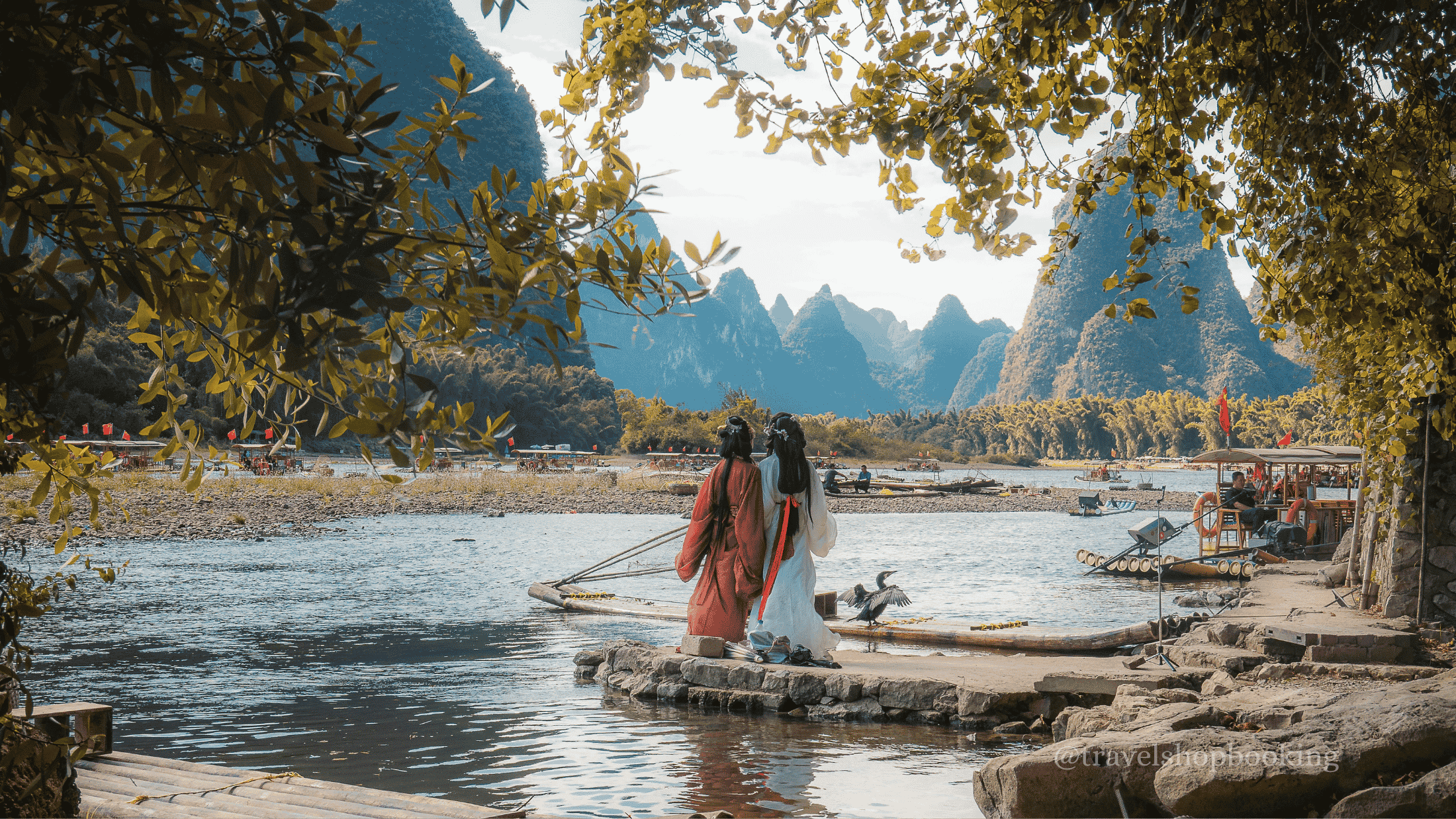
Yangshuo offers a slower-paced alternative to China's major cities. The town is surrounded by limestone peaks, rivers, rice fields, and small rural communities.
Best Experiences
Cycle through the countryside, take a bamboo raft along the Yulong River, explore local villages, and hike to panoramic viewpoints.
Yangshuo is particularly suitable for travelers who want to spend several days outdoors rather than moving between urban attractions.
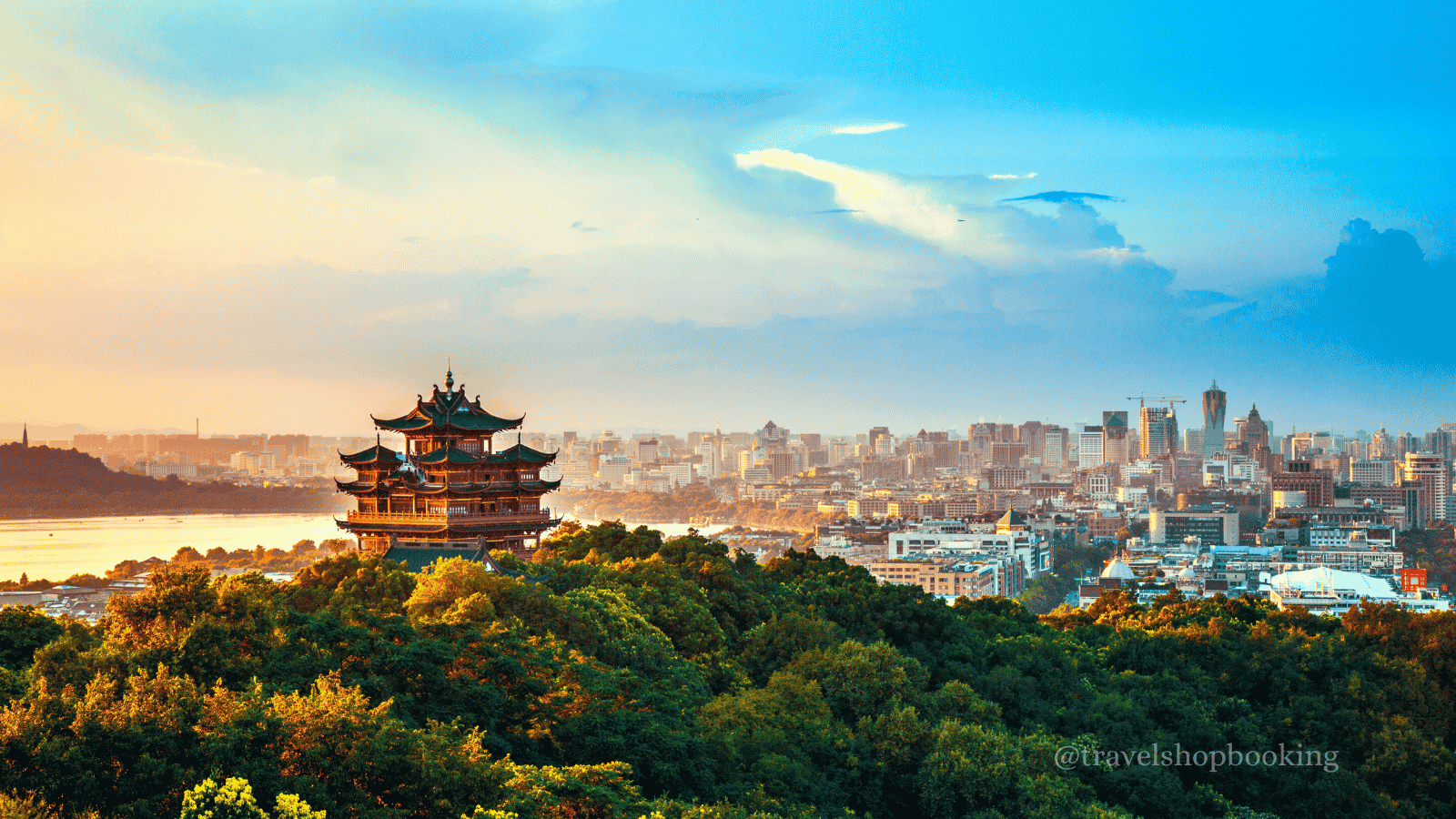
Hangzhou
Why Visit Hangzhou?
Hangzhou is famous for West Lake, traditional gardens, tea plantations, and a more relaxed atmosphere than nearby Shanghai.
Top Attractions
Walk or cycle around West Lake, visit Lingyin Temple, explore traditional tea villages, and discover the city's historic neighborhoods.
Hangzhou is also one of China's best destinations for experiencing Longjing tea culture.
Suzhou
Why Visit Suzhou?
Suzhou is famous for classical Chinese gardens, canals, bridges, and traditional architecture. It is often considered one of the best places to experience historic eastern China.
Top Attractions
Visit the Humble Administrator's Garden, Lingering Garden, and Master of the Nets Garden.
A walk through the old canal districts provides a different perspective on the city and works particularly well as a day or overnight trip from Shanghai.
Huangshan
Why Visit Huangshan?
The Yellow Mountains, or Huangshan, are famous for granite peaks, pine trees, steep cliffs, and misty landscapes. The scenery has influenced Chinese painting and poetry for centuries.
Best Experiences
Hike between mountain viewpoints, watch sunrise from the peaks, and explore the surrounding villages.
Autumn is particularly attractive, while winter can create dramatic snow-covered scenery for travelers prepared for cold conditions.

Lhasa
Why Visit Lhasa?
Lhasa is the cultural and spiritual center of Tibet and one of the most distinctive destinations within China.
Top Attractions
Visit the Potala Palace, Jokhang Temple, and Barkhor Street. The city's high altitude makes acclimatization important, especially during the first days of a trip.
Travelers should check current Tibet entry requirements, permits, transportation arrangements, and local regulations before planning their visit.
Jiuzhaigou
Why Visit Jiuzhaigou?
Jiuzhaigou National Park is known for turquoise lakes, waterfalls, forests, and snow-covered mountains. It is one of China's most impressive nature destinations.
Best Experiences
Explore the park's wooden trails and viewpoints, photograph the colorful lakes, and visit during autumn when the surrounding forests become intensely colorful.
Access and visitor arrangements can vary, so checking current conditions before traveling is important.

Lijiang
Why Visit Lijiang?
Lijiang combines historic architecture with spectacular mountain scenery in Yunnan Province. Its Old Town is known for cobbled streets, canals, wooden houses, and traditional Naxi culture.
Top Attractions
Explore Lijiang Old Town, visit Black Dragon Pool, and take a trip toward Jade Dragon Snow Mountain.
The surrounding countryside is also ideal for travelers interested in hiking and traditional villages.
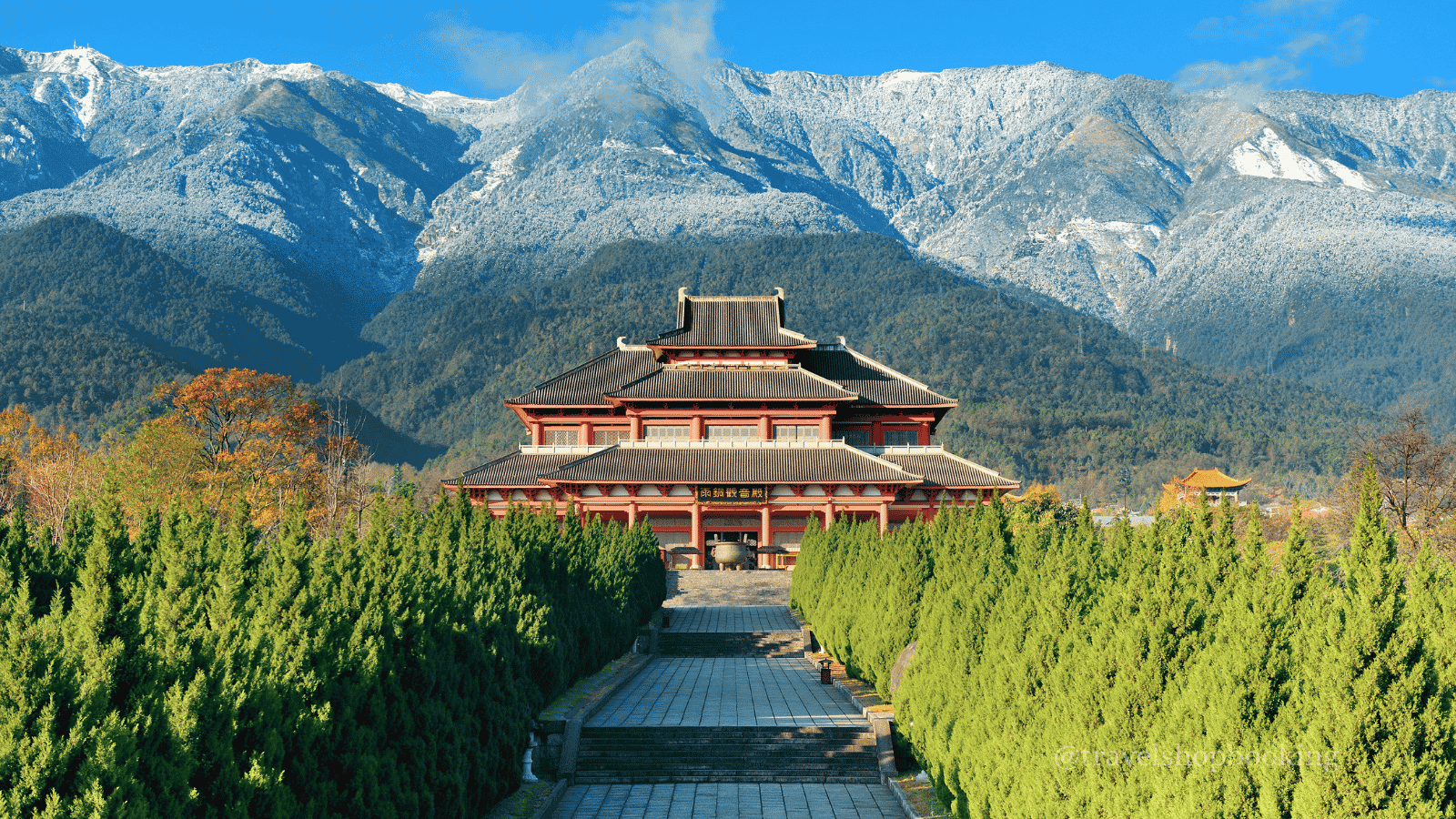
Dali
Why Visit Dali?
Dali sits between Cangshan Mountain and Erhai Lake, offering a relaxed combination of nature, historic architecture, and local culture.
Best Experiences
Explore Dali Ancient Town, cycle around Erhai Lake, visit nearby villages, and take a cable car or hike into the Cangshan Mountains.
Dali is an excellent destination for slowing down after visiting China's larger cities.
Kunming
Why Visit Kunming?
Known as the Spring City, Kunming has a relatively mild climate and is an important gateway to Yunnan Province.
Top Attractions
Visit Stone Forest, explore Green Lake Park, and use the city as a starting point for trips to Dali, Lijiang, and other destinations in Yunnan.
Kunming is particularly useful for travelers building a longer southwestern China itinerary.
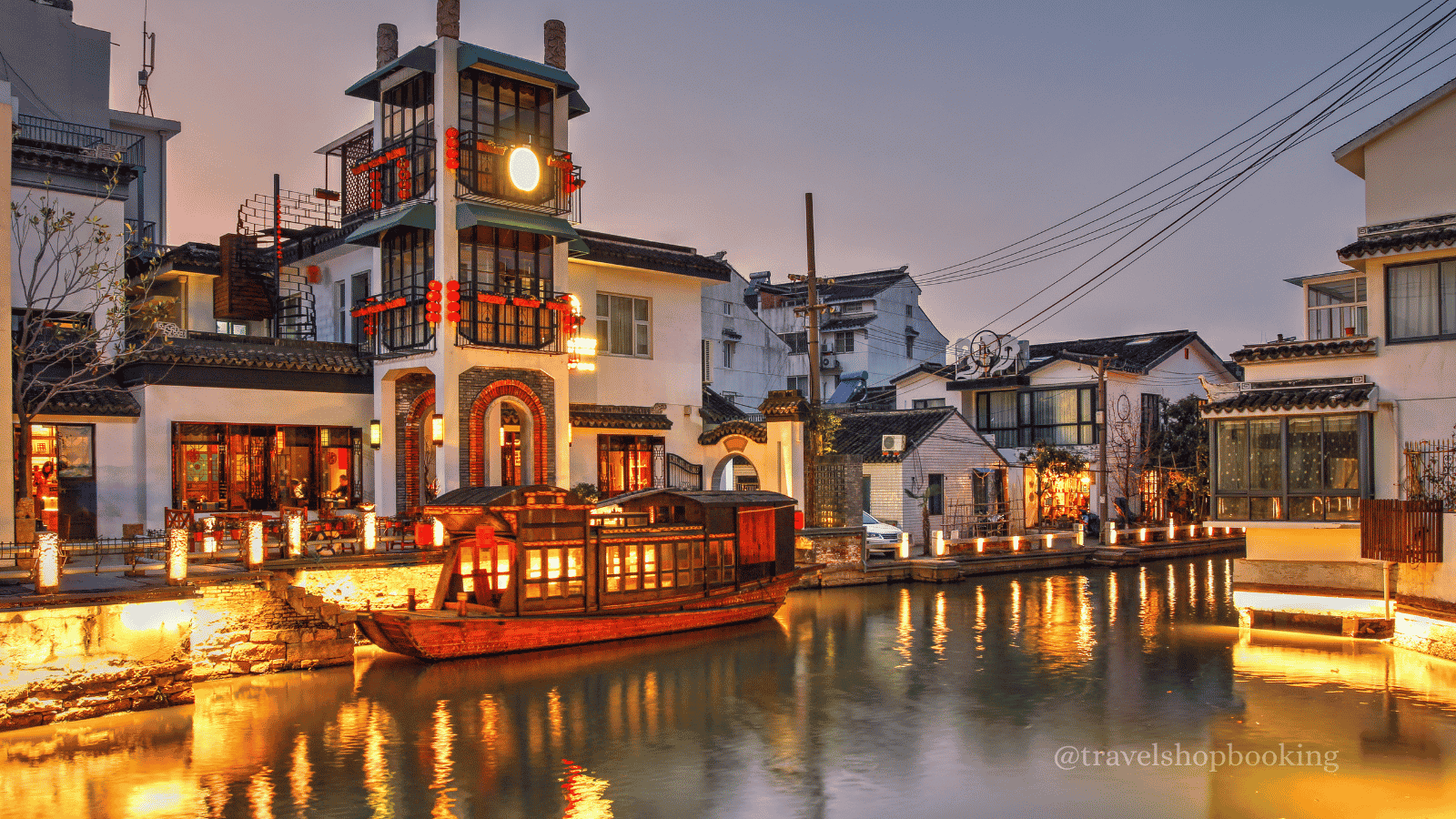
Suzhou Water Towns
Why Visit the Water Towns?
The historic water towns around Shanghai and Suzhou offer a glimpse of traditional life built around canals, bridges, and narrow streets.
Best Experiences
Visit places such as Zhouzhuang, Tongli, and Wuzhen, take a short boat ride through the canals, and explore traditional houses and small local shops.
An overnight stay can be worthwhile because the atmosphere is generally quieter after day-trippers leave.
Chongqing
Why Visit Chongqing?
Chongqing is one of China's most dramatic modern cities, built across steep hills and surrounded by rivers. Its dense skyline and elevated roads create an urban landscape unlike other Chinese cities.
Top Attractions
Explore Hongya Cave, walk through the historic mountain neighborhoods, enjoy views over the Yangtze River, and try Chongqing's famous spicy hotpot.
The city is also a major gateway for Yangtze River cruises.
Hong Kong
Why Visit Hong Kong?
Hong Kong combines Chinese and international influences, dramatic mountains, dense urban neighborhoods, traditional markets, and a famous harbor skyline.
Top Attractions
Visit Victoria Peak, walk along Tsim Sha Tsui, explore Central, and take the Star Ferry across Victoria Harbour.
For a quieter experience, hike the surrounding hills or visit the outlying islands.10. Jiuzhaigou Valley
A UNESCO World Heritage Site featuring crystal-clear lakes, colorful forests, waterfalls, and snow-capped mountains.

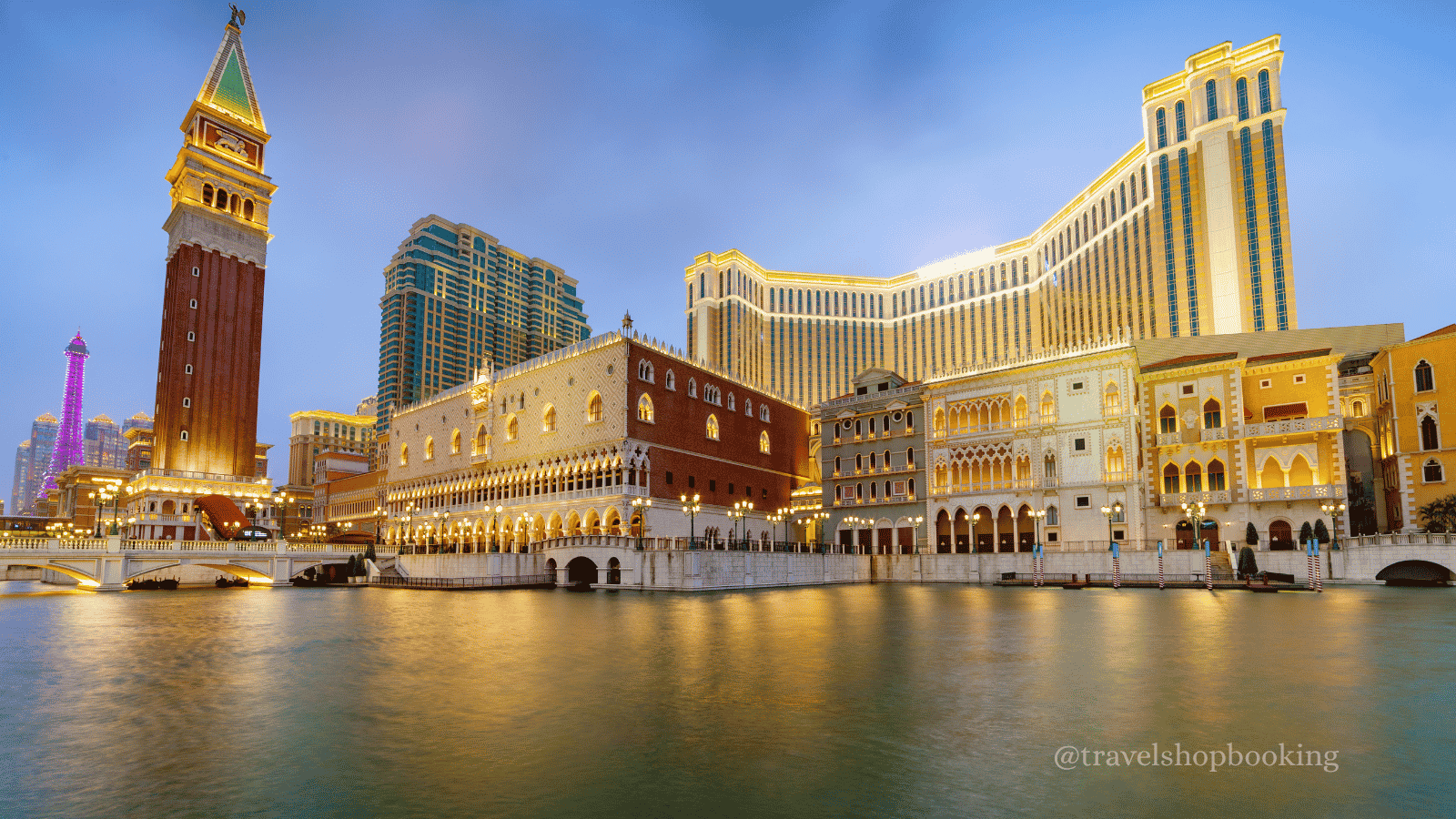
Macau
Why Visit Macau?
Macau offers a distinctive blend of Chinese and Portuguese heritage. Its historic center contains colonial architecture, temples, narrow streets, and traditional food culture.
Top Attractions
Explore the Ruins of St. Paul's, visit Senado Square, see the A-Ma Temple, and try Macanese specialties such as egg tarts and pork chop buns.
Macau is easily combined with Hong Kong for travelers with additional time.
Inner Mongolia
Why Visit Inner Mongolia?
Inner Mongolia offers a very different landscape from China's major eastern cities. Vast grasslands, desert landscapes, and nomadic traditions provide opportunities to experience northern China's open spaces.
Best Experiences
Explore the grasslands, stay in a traditional-style ger camp, experience local food and music, and visit desert landscapes such as the Gobi and Kubuqi regions.
Summer is generally the most comfortable period for grassland travel.

Xinjiang
Why Visit Xinjiang?
Xinjiang is one of China's most geographically diverse regions, combining deserts, mountains, lakes, ancient Silk Road settlements, and dramatic landscapes.
Best Experiences
Explore Kashgar, visit the Tianshan Mountains, discover desert scenery, and travel through historic Silk Road towns.
Because of the region's size and changing travel regulations, check current local access requirements before planning a detailed itinerary.
Mount Emei
Why Visit Mount Emei?
Mount Emei in Sichuan is one of China's most important Buddhist mountains and combines temples, forests, waterfalls, and mountain viewpoints.
Best Experiences
Hike through forested trails, visit historic Buddhist temples, and take advantage of cable cars where available.
The mountain can be combined with a visit to the Leshan Giant Buddha, making it an efficient addition to a Sichuan itinerary.

Leshan Giant Buddha
Why Visit Leshan?
The Leshan Giant Buddha is one of China's most impressive religious monuments. Carved into a cliff overlooking the meeting point of three rivers, the enormous seated Buddha dates back to the Tang dynasty.
Best Experiences
View the Buddha from the river, explore the surrounding temple complex, and combine the visit with Mount Emei.
Allow enough time for both the monument and the surrounding scenic area.
Sanya
Why Visit Sanya?
Sanya, on the southern coast of Hainan Island, offers a tropical side of China with beaches, resorts, palm-lined coastlines, and warm weather.
Best Experiences
Relax at Yalong Bay, explore Wuzhizhou Island, enjoy water sports, and visit nearby cultural attractions.
Sanya is particularly appealing during China's colder months when much of northern China experiences winter weather.
Best Places to Visit in China for History
China's historical attractions span thousands of years, from ancient capitals to imperial palaces and archaeological discoveries.
For a first historical itinerary, focus on Beijing, Xi'an, Luoyang, Hangzhou, and the Great Wall. Beijing is essential for imperial history, while Xi'an provides an introduction to the Qin and Tang periods and the Silk Road.
Best Places to Visit in China for Nature
China's natural landscapes are remarkably diverse.
Zhangjiajie, Jiuzhaigou, Huangshan, Guilin, Yangshuo, Yunnan, Tibet, and Mount Emei offer mountains, forests, rivers, lakes, glaciers, and karst scenery.
Travelers should choose destinations according to the season because conditions can vary considerably between regions.
Best Places to Visit in China for Food
China's regional cuisine is one of the strongest reasons to travel beyond the major landmarks.
Try Sichuan cuisine in Chengdu and Chongqing, dim sum and Cantonese food in southern China, Peking duck in Beijing, Xi'an's noodles and street food, and Yunnan's distinctive mushroom and rice-based dishes.
Rather than searching only for famous restaurants, explore local markets and neighborhood eateries where regional specialties are often easier to find.

How Many Days Do You Need in China?
A 7-day trip is best focused on one region, such as Beijing and the Great Wall or Shanghai and nearby water towns.
With 10 to 14 days, you can combine major destinations such as Beijing, Xi'an, Shanghai, and Chengdu.
A three-week itinerary provides more flexibility for adding Guilin and Yangshuo, Zhangjiajie, Yunnan, or another regional destination.
China is enormous, so trying to cover too much territory in a short trip can result in long journeys and less time at the destinations themselves.
Best Time to Visit China's Top Destinations
For general sightseeing, April to May and September to October are among the best periods.
Spring is particularly good for cities, gardens, and countryside landscapes, while autumn brings comfortable temperatures and colorful scenery.
Summer is useful for Tibet, northern grasslands, and some high-altitude destinations, while winter is ideal for Harbin's ice festival, southern China, and travelers seeking fewer crowds.
Avoid major public holidays if possible, particularly the Chinese New Year travel period and the National Day holiday in early October, when transportation hubs and major attractions can become exceptionally busy.
Frequently Asked Questions
What are the best places to visit in China?
For a first trip, prioritize Beijing, Shanghai, Xi'an, Chengdu, Guilin, Yangshuo, Zhangjiajie, and the Great Wall of China.
What should I not miss in China?
The Great Wall, Forbidden City, Terracotta Army, Shanghai skyline, Chengdu's pandas, Guilin's karst landscapes, and Zhangjiajie's mountains are among the country's most memorable experiences.
How many days are enough for China?
10 to 14 days is a good starting point for a first trip focused on several major destinations. Three weeks or longer is better if you want to explore multiple regions.
Which city is best for first-time visitors?
Beijing is the strongest starting point for first-time visitors because it combines imperial landmarks, the Great Wall, museums, traditional neighborhoods, and modern Chinese culture.
Where is the best scenery in China?
Zhangjiajie, Guilin and Yangshuo, Huangshan, Jiuzhaigou, Tibet, and Yunnan are among the country's most spectacular destinations for natural scenery.
Is China good for nature lovers?
Yes. China has enormous mountains, national parks, deserts, forests, rivers, glaciers, karst landscapes, and high-altitude environments.
What is the best way to travel around China?
For long distances, high-speed trains and domestic flights are the most practical options. Trains are particularly useful between major eastern and central Chinese cities, while flights save significant time when traveling between distant regions.
When is the best time to visit China?
April to May and September to October are generally the best periods for a first trip, although the ideal season depends heavily on the specific region and activities you plan to experience.
Loading comments…