
Free Cancellation


-high.jpg&w=1920&q=75 "All-Inclusive Private 3-Day Bali Highlights Tour")

-high.jpg&w=1920&q=75 "Golong Countryside Bike Ride to Ranget Spring and Lingsar Temple")
Indonesia Tours explore one of Southeast Asia's most diverse destinations through its islands, temples, beaches, volcanoes, rainforests and cultural regions. Spread across thousands of islands between the Indian and Pacific Oceans, Indonesia offers travel experiences ranging from the temples and traditional villages of Bali and Java to the wildlife of Komodo National Park and the tropical landscapes of Sumatra.
Tours can focus on a single destination such as Bali or combine several islands within a longer itinerary. Popular routes connect Bali with Java, Lombok, the Gili Islands and Komodo, while extended Indonesia tours can include Sumatra and other regions of the archipelago.
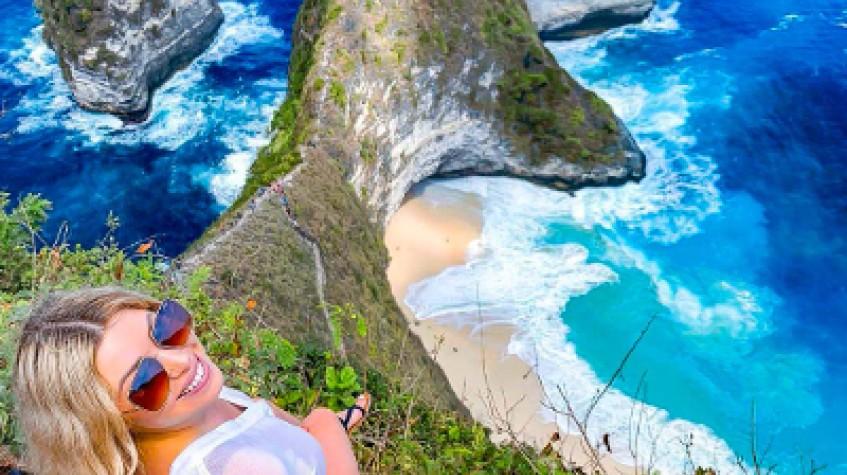
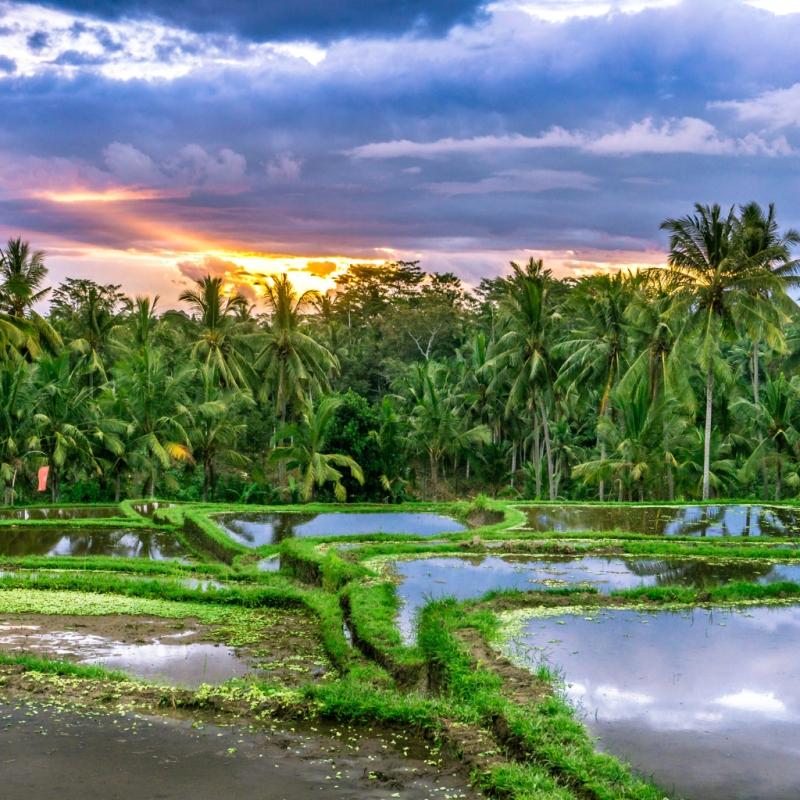
Bali is Indonesia's best-known tourism destination and a major starting point for cultural, nature and beach tours. The island combines Hindu temples, rice terraces, volcanic landscapes, traditional villages and coastal resort areas.
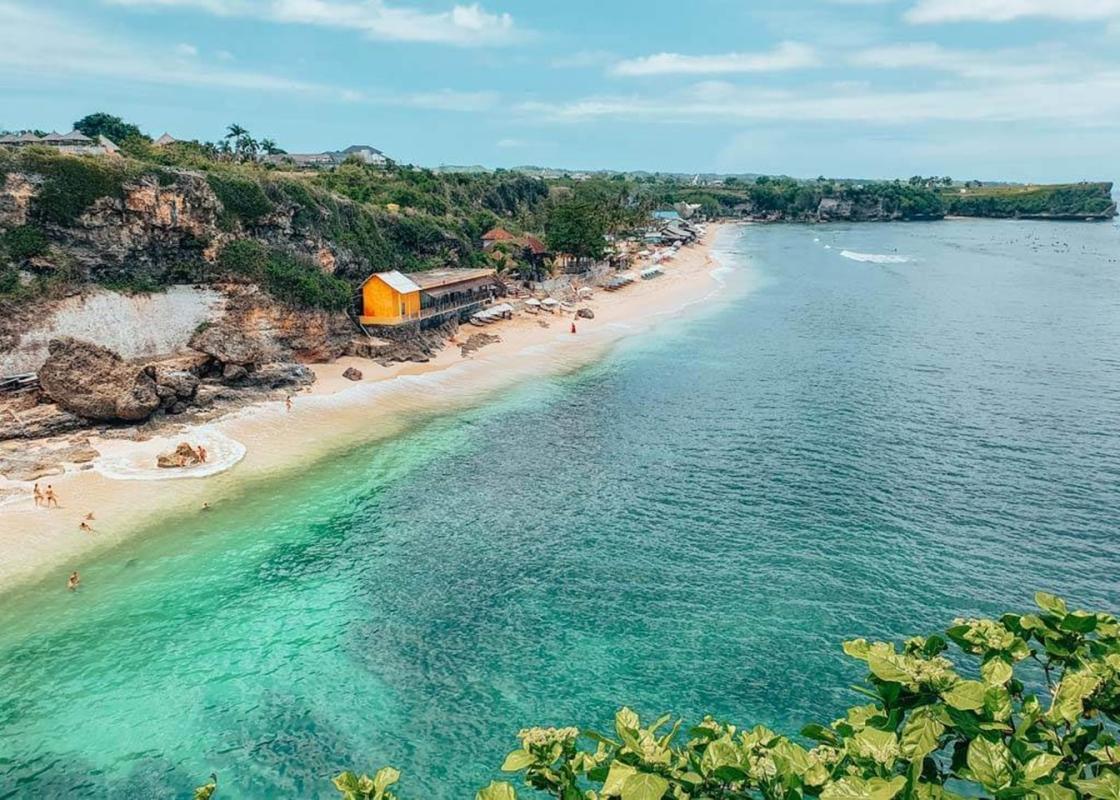
Ubud is one of Bali's principal cultural centers and provides access to temples, art communities and surrounding rice fields. Southern Bali includes popular coastal areas such as Seminyak, Nusa Dua and Uluwatu, while northern and central regions provide opportunities for waterfalls, mountains and rural experiences.
Bali can be visited independently or combined with Java, Lombok and other Indonesian islands.
Jakarta is Indonesia's capital and largest metropolitan area, located on the island of Java. The city provides an introduction to the country's modern urban culture alongside historical districts connected with the colonial period.
Sightseeing can include Kota Tua, museums, markets and major national landmarks. Jakarta is also an important transportation hub for travelers continuing to other parts of Java and the Indonesian archipelago.
Yogyakarta is one of Indonesia's principal cultural destinations and an important center of Javanese art, history and traditional culture.
The city is particularly well positioned for visiting Borobudur and Prambanan, two of Indonesia's most significant temple complexes. Travelers can also explore the Sultan's Palace, traditional markets and workshops specializing in batik and other local crafts.
Yogyakarta is commonly included in Java itineraries before travelers continue toward eastern Java or Bali.
Java combines major cities, ancient temples, volcanic landscapes and important cultural centers within one island. It is home to Jakarta and Yogyakarta as well as some of Indonesia's most famous natural attractions.
Mount Bromo is a major destination in eastern Java, known for its volcanic landscape and sunrise viewpoints. Farther east, the Ijen volcanic area is another popular stop on overland itineraries traveling toward Bali.
Java tours can therefore combine history, culture and outdoor experiences within a single multi-day journey.
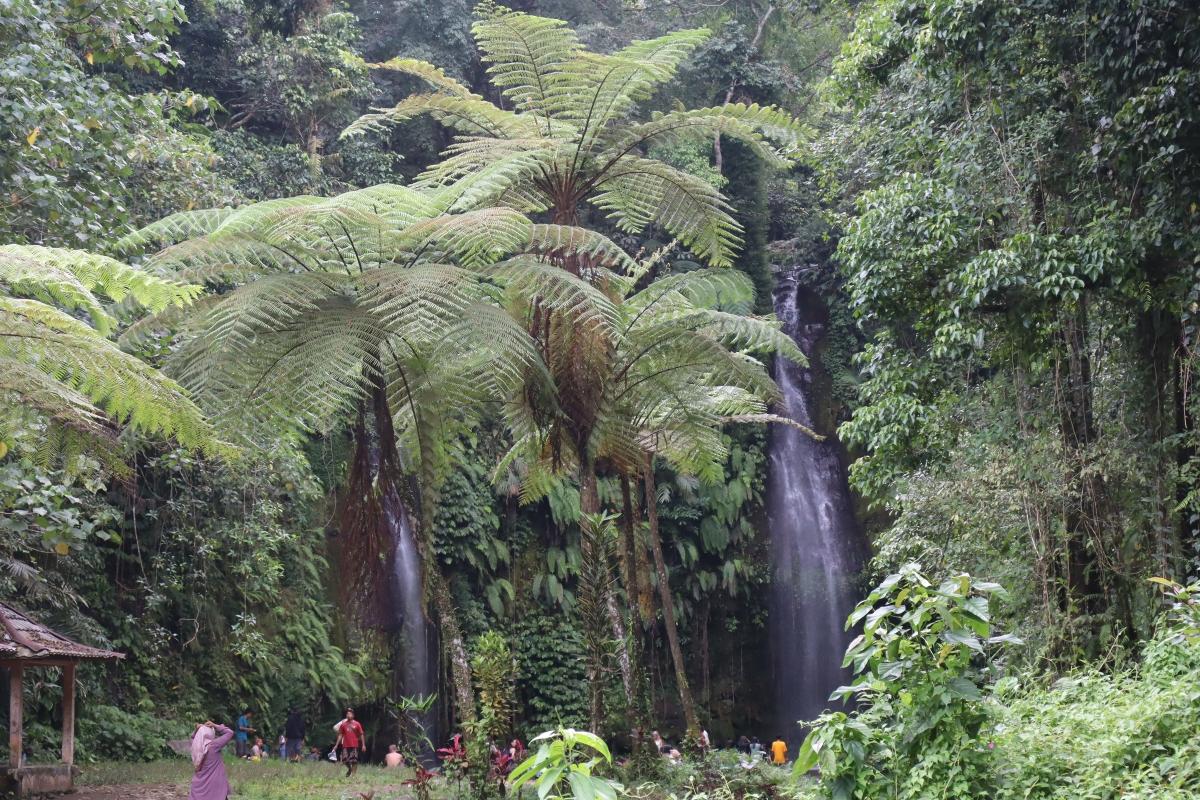
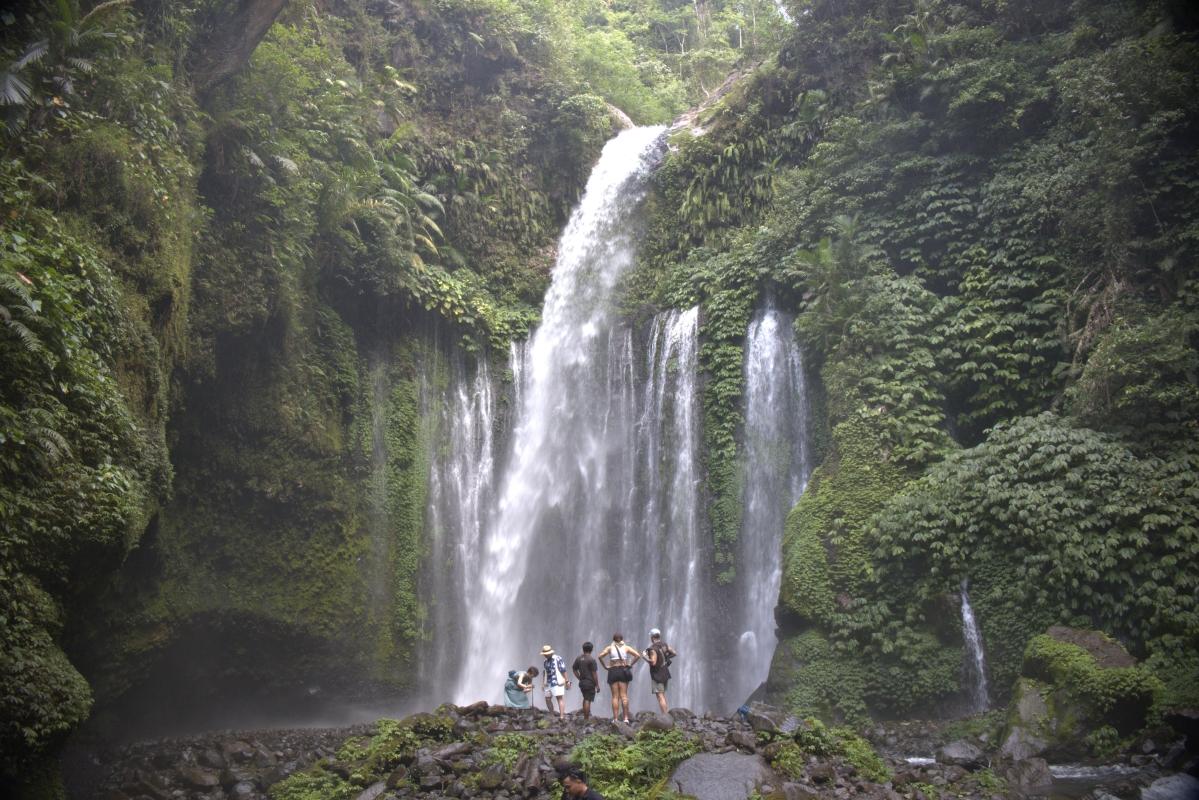
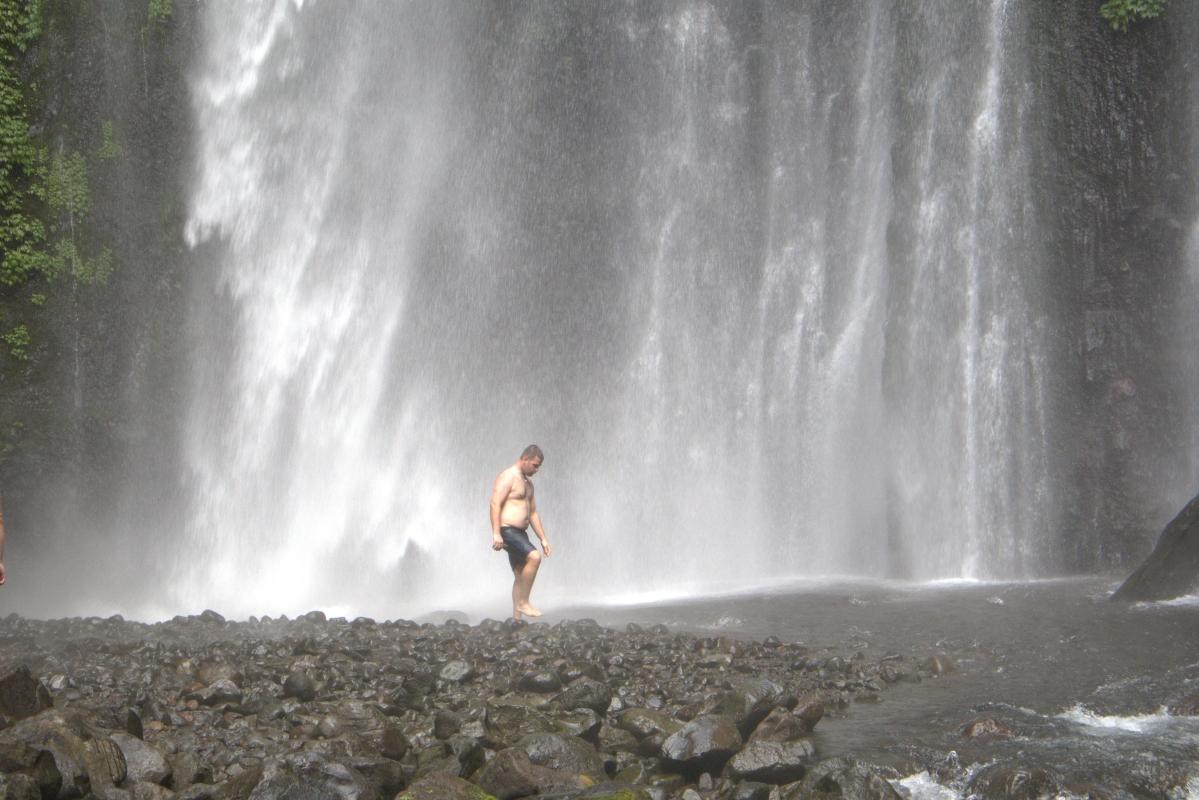
Lombok lies east of Bali and offers beaches, waterfalls, traditional villages and mountain landscapes. The island is particularly associated with Mount Rinjani, one of Indonesia's major volcanoes and trekking destinations.
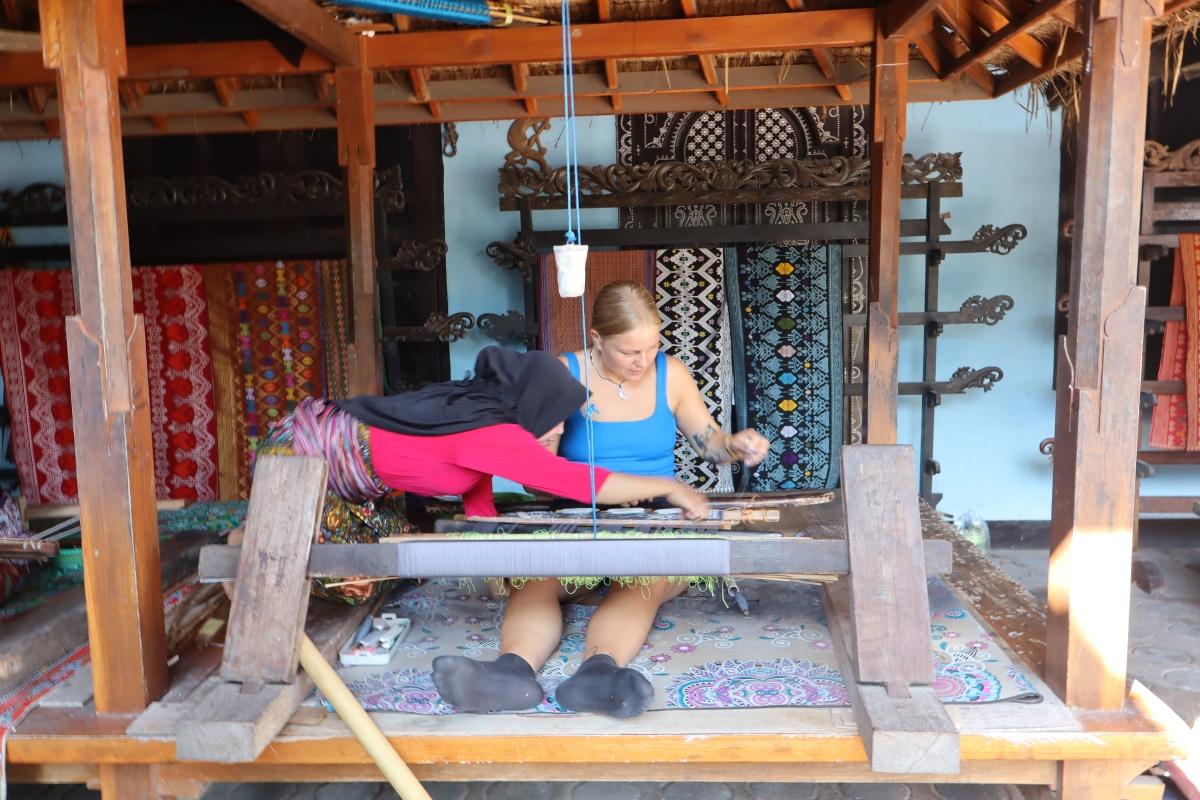
Coastal areas provide opportunities for swimming and relaxation, while inland tours can explore Sasak culture, rural communities and natural attractions.
Lombok can be combined with Bali and the nearby Gili Islands as part of an island-focused Indonesia itinerary.
Komodo National Park is located in eastern Indonesia and is internationally known as the natural habitat of the Komodo dragon. The protected area includes several islands and surrounding marine environments and is recognized as a UNESCO World Heritage Site.
Tours generally operate by boat from Labuan Bajo on Flores. Programs can include guided wildlife walks, viewpoints, snorkeling and visits to different islands within the national park.
The combination of wildlife and marine landscapes makes Komodo one of Indonesia's most distinctive nature destinations.
The Gili Islands are a small group of tropical islands located near Lombok. Gili Trawangan, Gili Air and Gili Meno are known for beaches, clear water and marine activities.
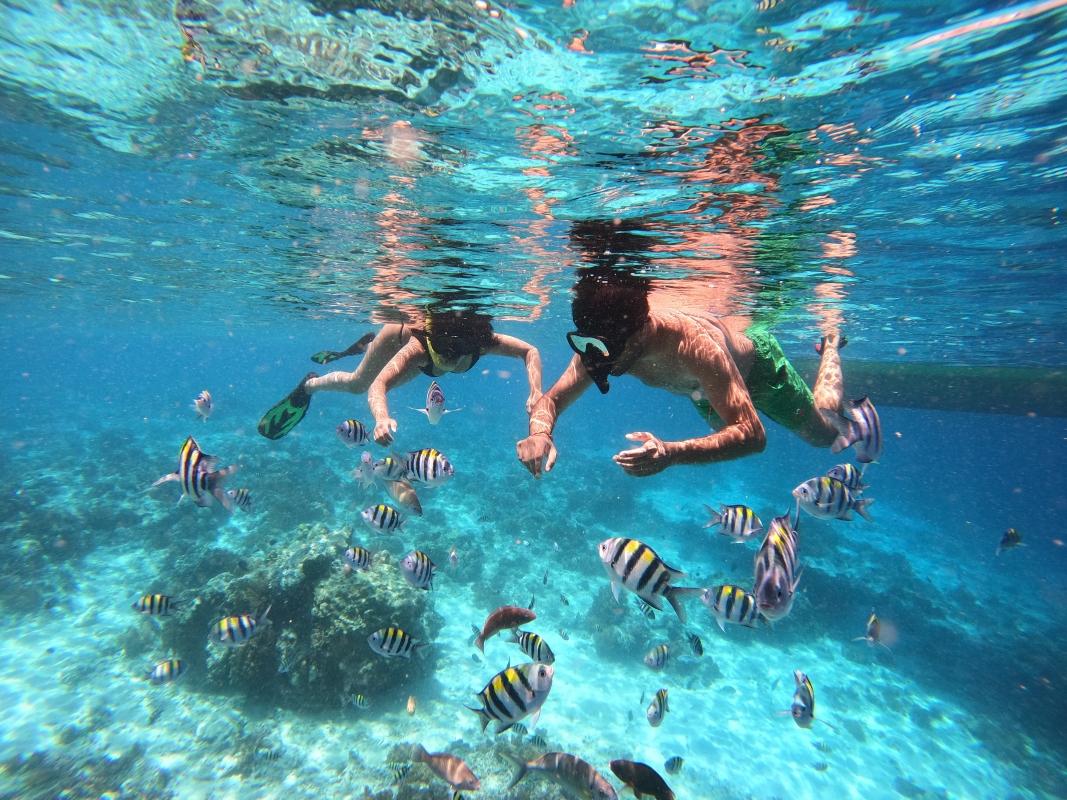
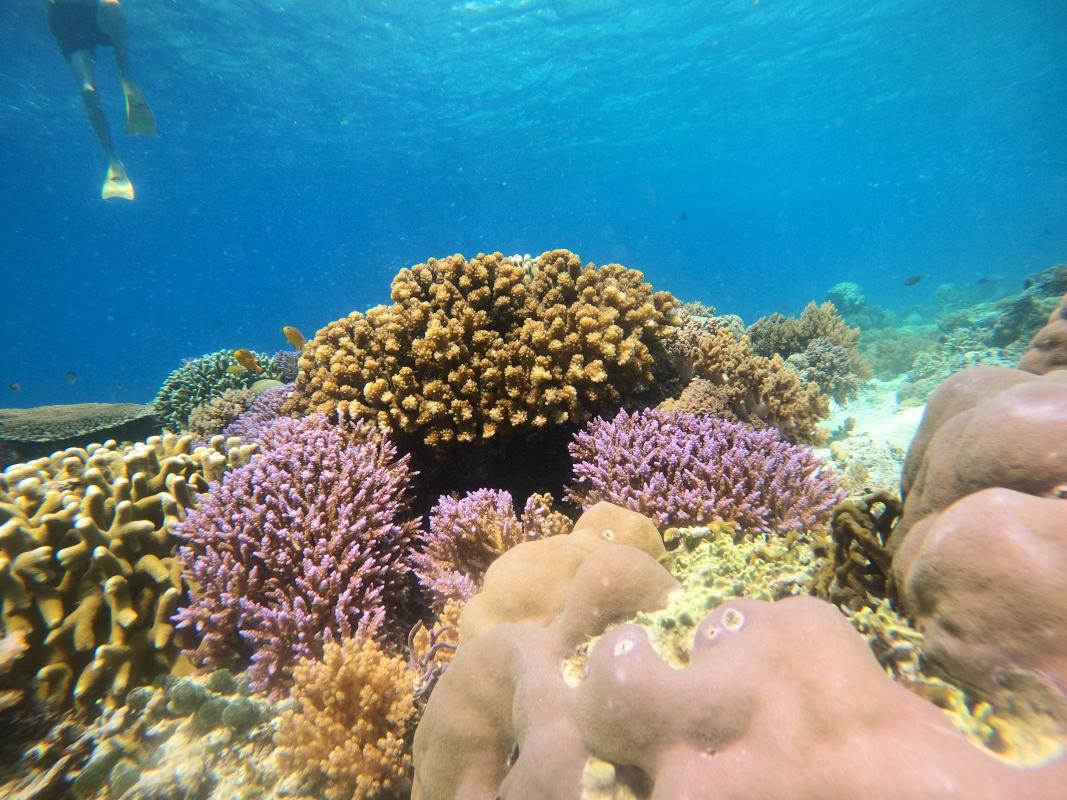
Snorkeling and diving are among the principal activities, with opportunities to observe coral reefs and marine life. The islands can be reached from Bali or Lombok and are frequently included as a relaxing section of longer Indonesia tours.
Sumatra is one of Indonesia's largest islands and is particularly suitable for travelers interested in wildlife, rainforests and less urbanized landscapes.
Northern Sumatra is known for Lake Toba and areas where travelers can experience Batak culture. The island also contains important rainforest habitats associated with species such as the Sumatran orangutan.
Sumatra tours generally require more travel time than standard Bali-based itineraries but provide a different perspective on Indonesia's natural and cultural diversity.
Indonesia Tour Packages combine accommodation, transportation and organized sightseeing across one or several islands. Short packages may focus entirely on Bali, while longer programs can connect Bali with Java, Lombok, the Gili Islands or Komodo National Park.
A cultural itinerary might combine Yogyakarta and its major temple sites with several days in Bali. Nature-focused programs can add volcanic landscapes in eastern Java or wildlife experiences around Komodo.
Longer packages provide more time to experience different regions without attempting to cover large distances too quickly. Because Indonesia is geographically extensive, domestic flights, ferries and private road transfers may all form part of a multi-destination itinerary.
Indonesia Island Tours are designed around the country's extensive archipelago and can combine destinations with very different landscapes and cultures.
Bali and Lombok are a popular combination because of their relative proximity. Travelers can add the Gili Islands for beaches and snorkeling or continue farther east toward Flores and Komodo National Park.
Another popular route combines Java and Bali. Travelers can explore Yogyakarta and the temples of central Java before continuing through volcanic landscapes toward Bali.
Island-hopping programs can be adapted according to travel duration, preferred activities and transportation connections.
Indonesia Cultural & Historical Tours explore temples, royal heritage, traditional villages, local crafts and the diverse cultures found across the archipelago.
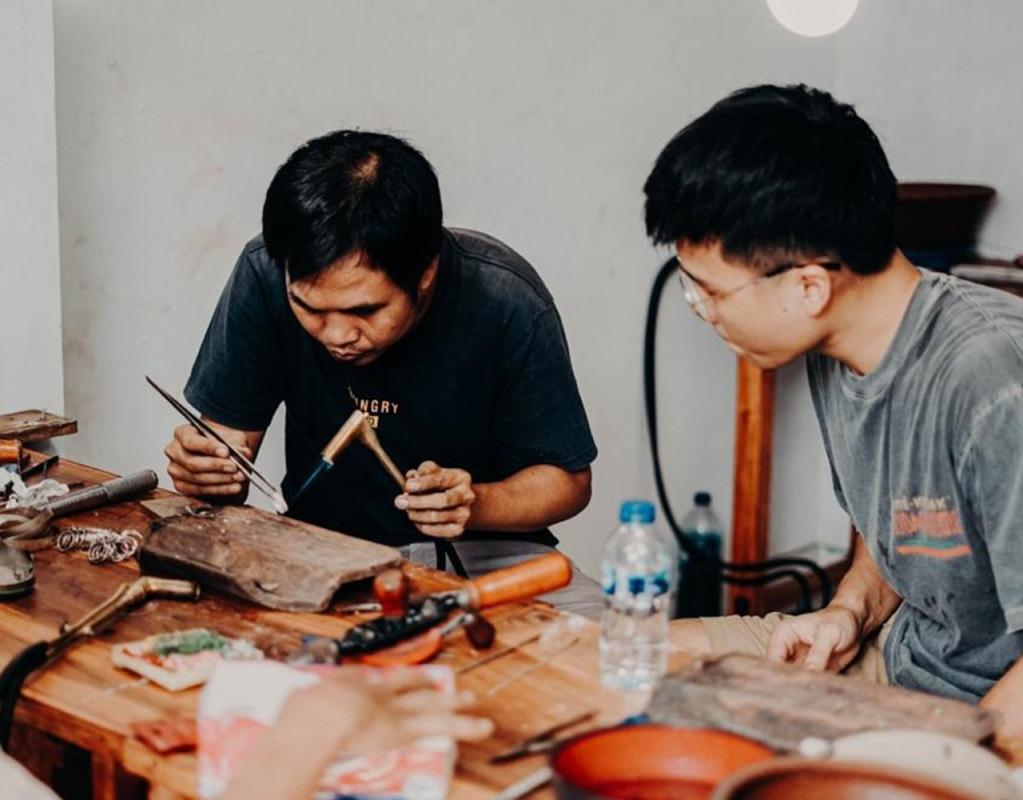
Java is particularly important for historical sightseeing. Borobudur is a major Buddhist monument, while Prambanan represents an important Hindu temple complex. Yogyakarta remains a center of Javanese cultural traditions and provides opportunities to experience batik, performing arts and local cuisine.
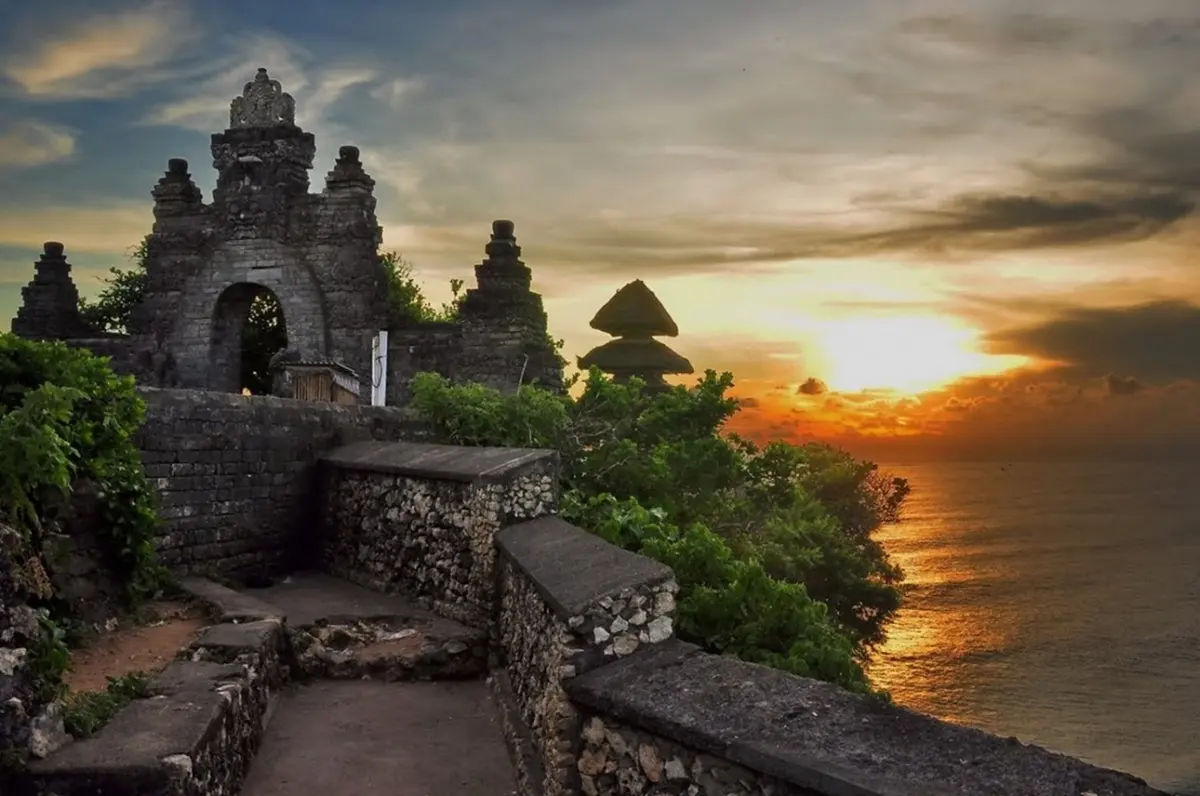
Bali offers another distinct cultural environment shaped strongly by Balinese Hindu traditions. Temple ceremonies, traditional architecture, dance, art and village life remain important parts of the island's cultural identity.
Longer cultural programs can combine several islands to demonstrate the considerable differences between Indonesia's regional traditions.
Private Indonesia Tours provide personalized itineraries based on preferred destinations, travel dates and interests. Programs can focus on culture, beaches, wildlife, photography, food, hiking or combinations of several experiences.
Private transportation is particularly useful for sightseeing on larger islands such as Bali and Java, where attractions can be spread across different regions.
Multi-island private tours can also incorporate domestic flights, ferries and boat journeys while maintaining a structured itinerary between destinations.
Private programs are suitable for couples, families and small groups who prefer greater flexibility over sightseeing schedules and travel pace.
Multi-Day Indonesia Tours provide enough time to explore several destinations while accounting for travel between islands. Programs can range from short four or five-day regional trips to comprehensive journeys lasting two weeks or longer.
A seven-day itinerary might focus primarily on Bali, while ten to fourteen days allows travelers to combine Bali with Java, Lombok or Komodo National Park.
Longer journeys can incorporate Sumatra or additional Indonesian islands. The appropriate duration depends heavily on the number of regions included because distances across the Indonesian archipelago can be substantial.
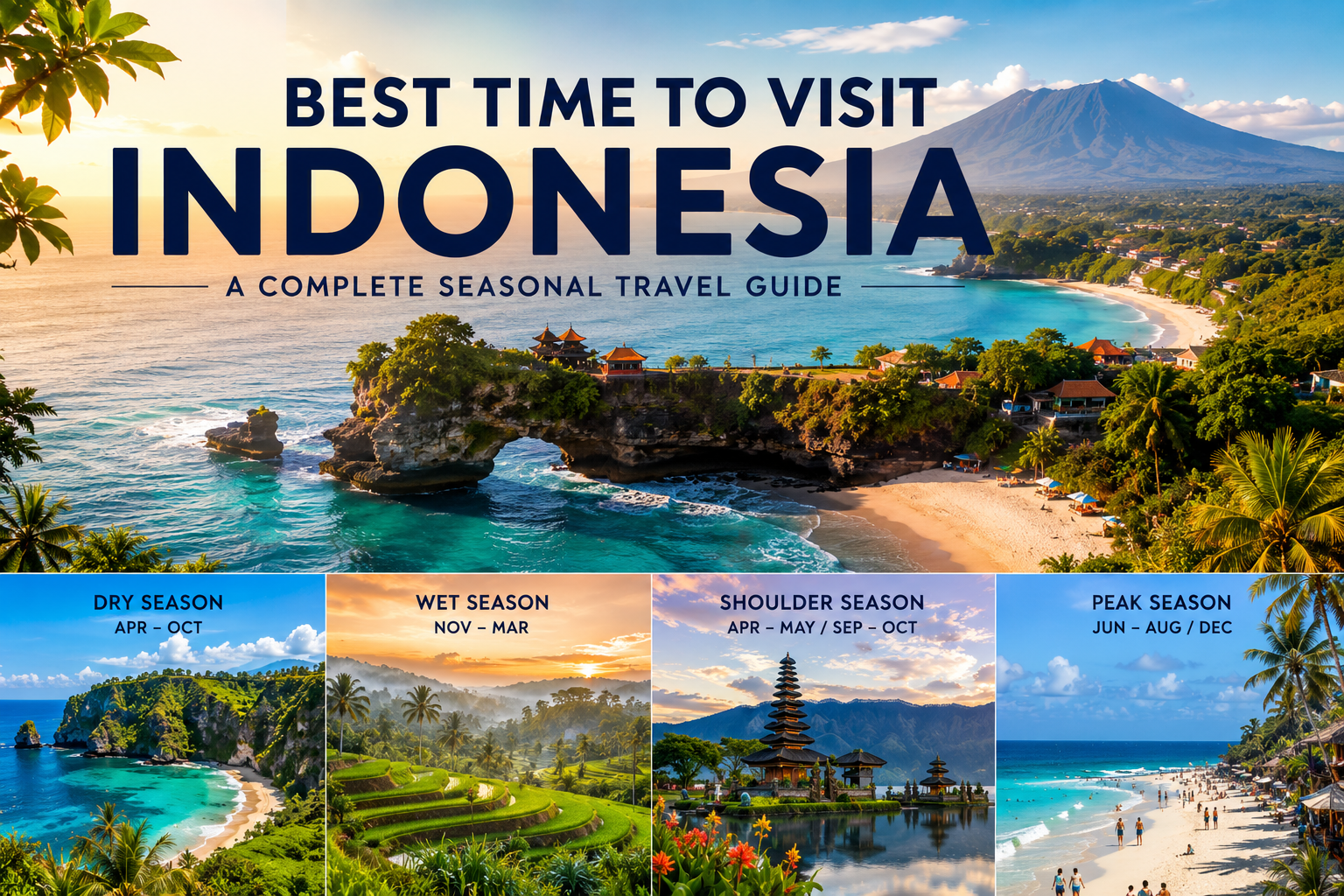
The best time to visit Indonesia varies between regions because the country covers a large geographical area. For many popular destinations including Bali, Java and Lombok, the drier period generally falls between approximately May and October.
These months are popular for beaches, sightseeing, hiking and island travel. July and August are particularly busy in major tourism destinations such as Bali.
The wetter period generally occurs between approximately November and April in many western and central regions. Travel remains possible during this period, although tropical rainfall can affect outdoor activities and transportation schedules.
Regional conditions differ considerably, so travelers planning multi-island Indonesia tours should consider the climate of each destination included in their itinerary.
.png)