Free Cancellation




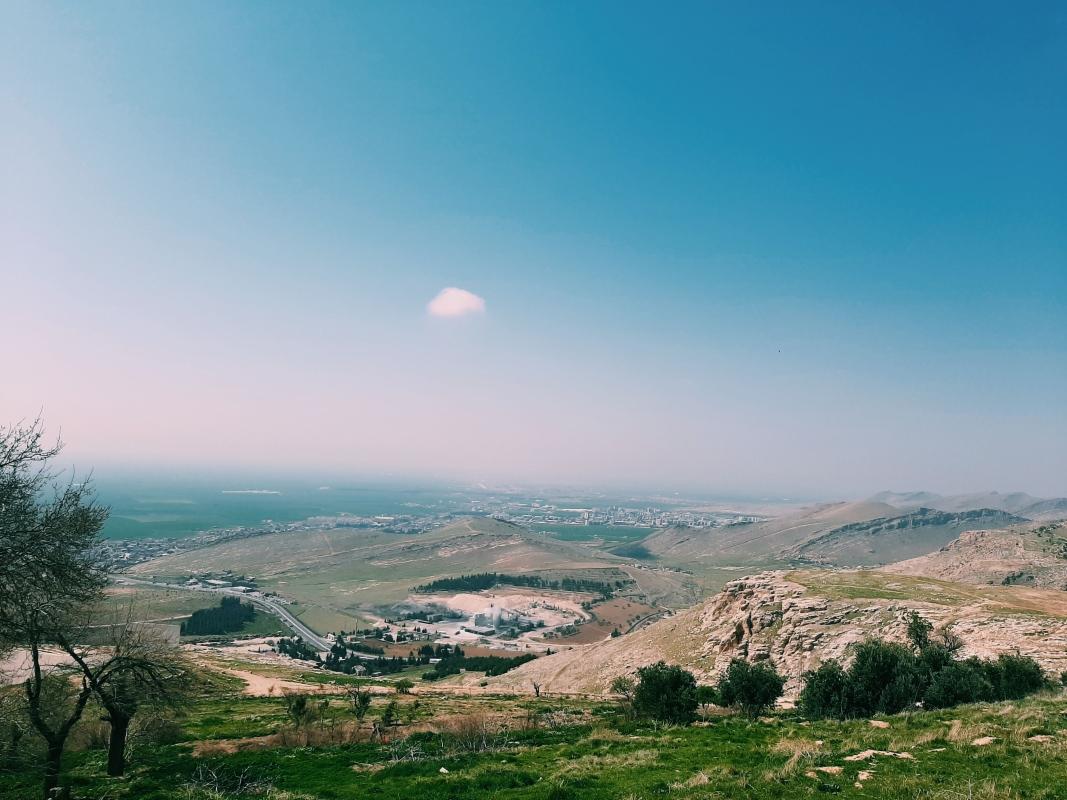
Israel Tours cover a country compact enough that most major sites sit within a few hours' drive of each other, despite the range of landscapes packed into its borders. The Mediterranean coast, the hills of Jerusalem, the Sea of Galilee and the Dead Sea, the lowest point on the earth's surface, all sit within a country roughly the size of New Jersey, making it possible to move between very different environments within a single day's itinerary. The land holds deep significance across Judaism, Christianity and Islam, and Jerusalem in particular has been fought over and rebuilt many times over roughly three thousand years, a layered history that most itineraries approach through its archaeology as much as its living religious communities.
As part of a wider Asia trip or as a dedicated Israel itinerary, tours generally run six to nine days and combine Jerusalem, the Dead Sea, the Galilee and Tel Aviv. Structured programs such as the 8 Days Highlights Tour of Israel cover this core route with a guide throughout, which is the standard way most visitors see the country's religious and historic sites.
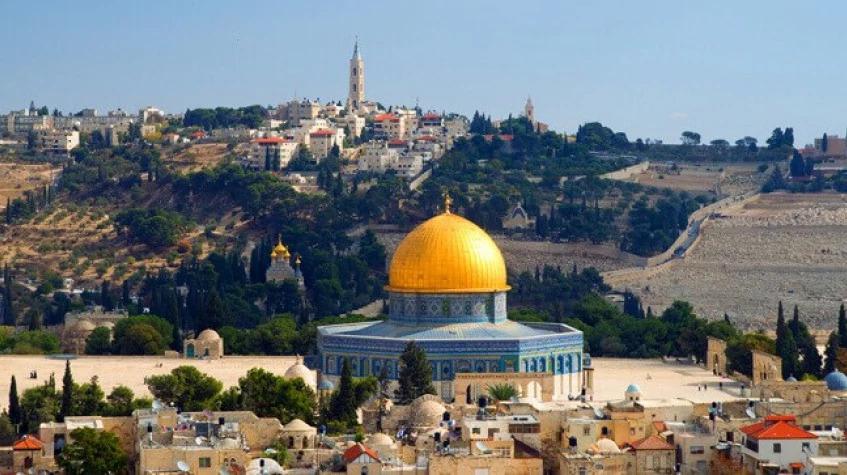
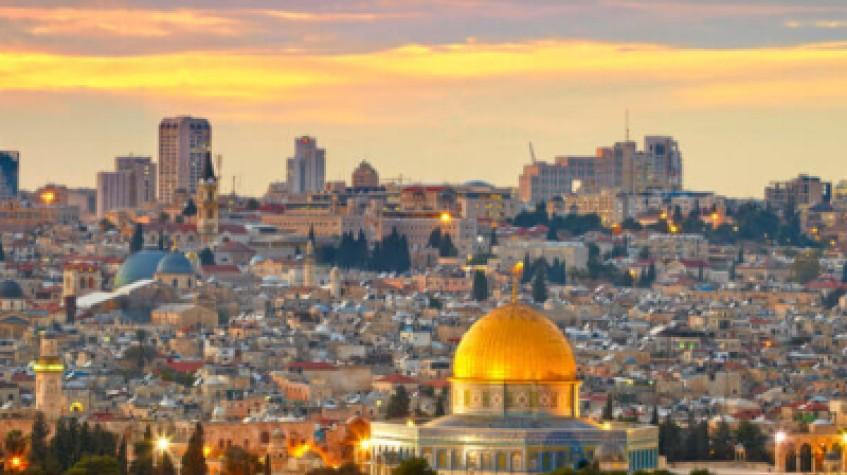
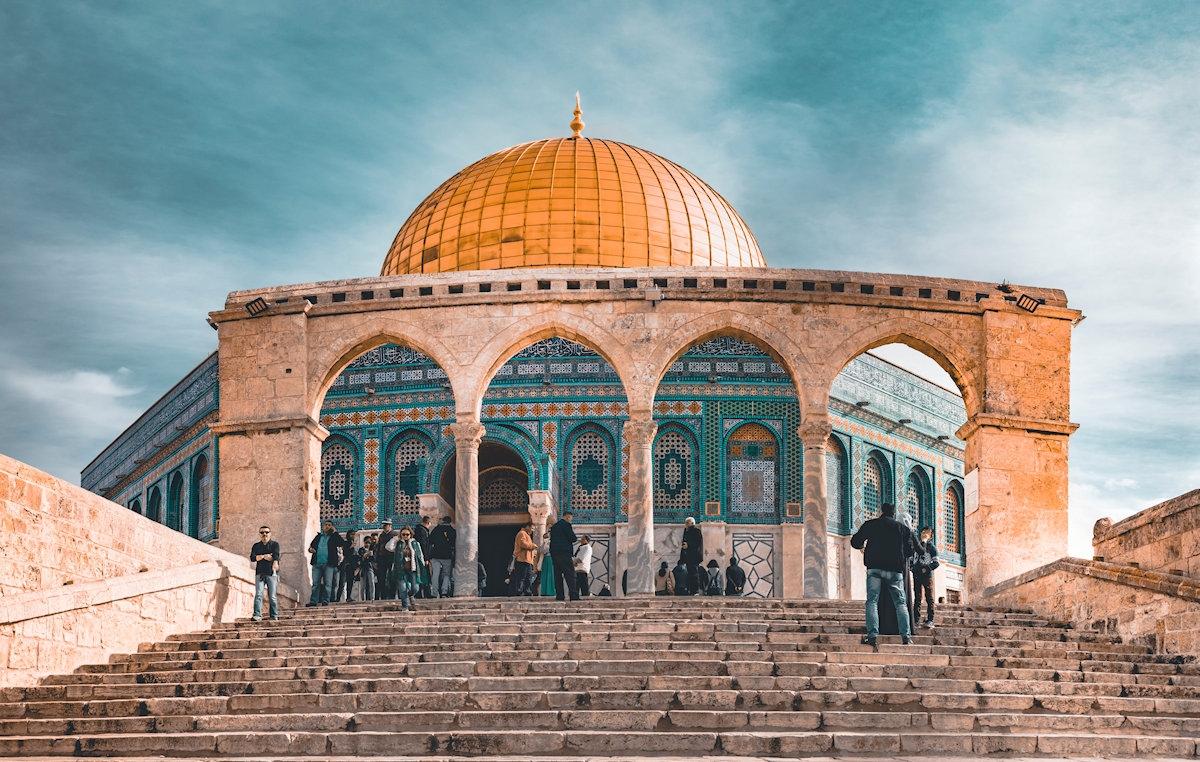
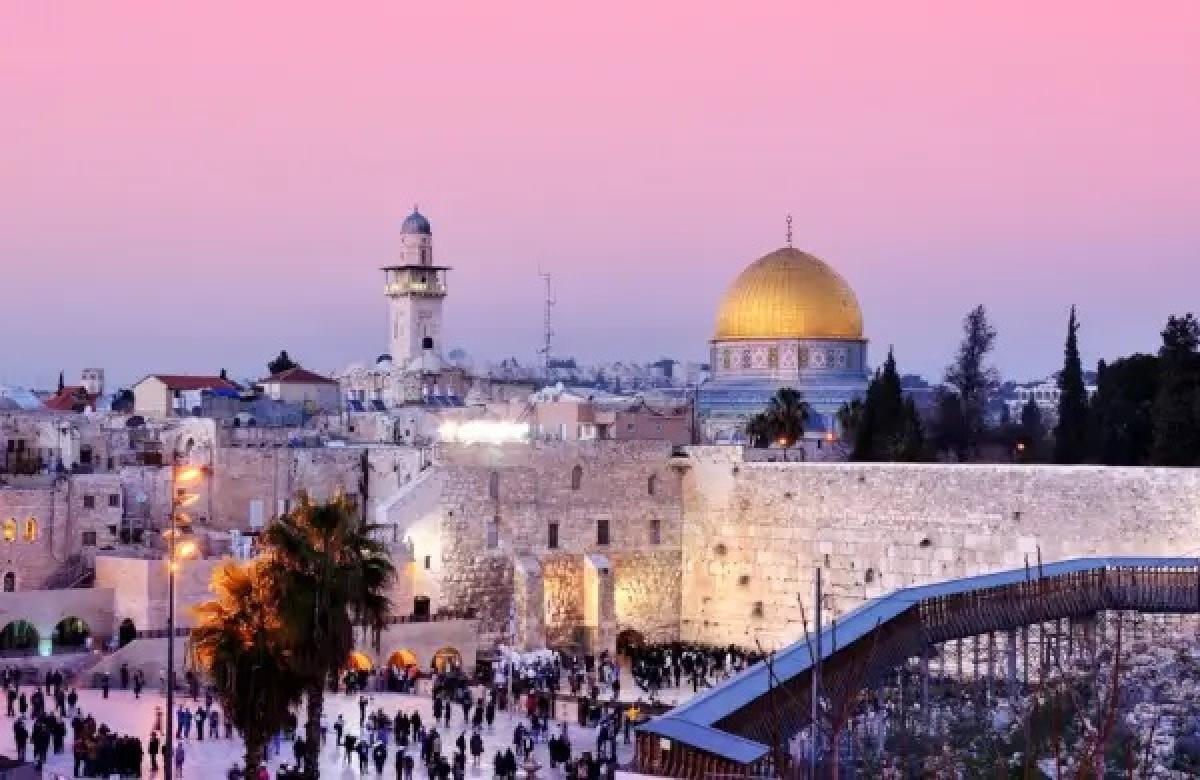
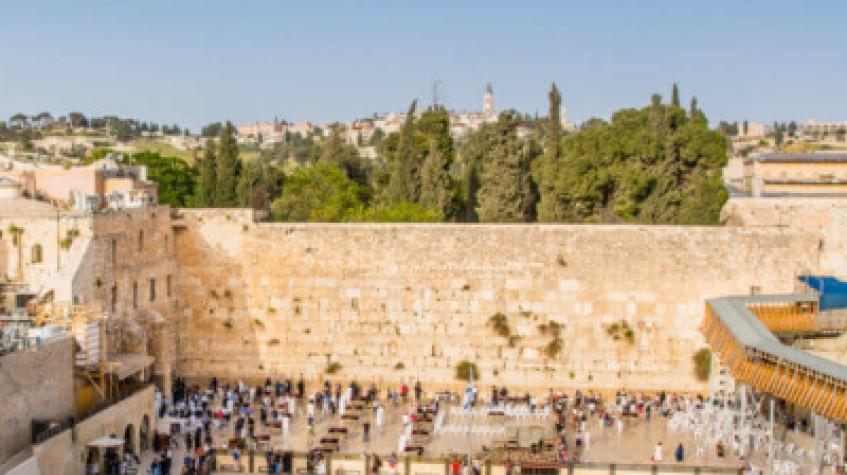
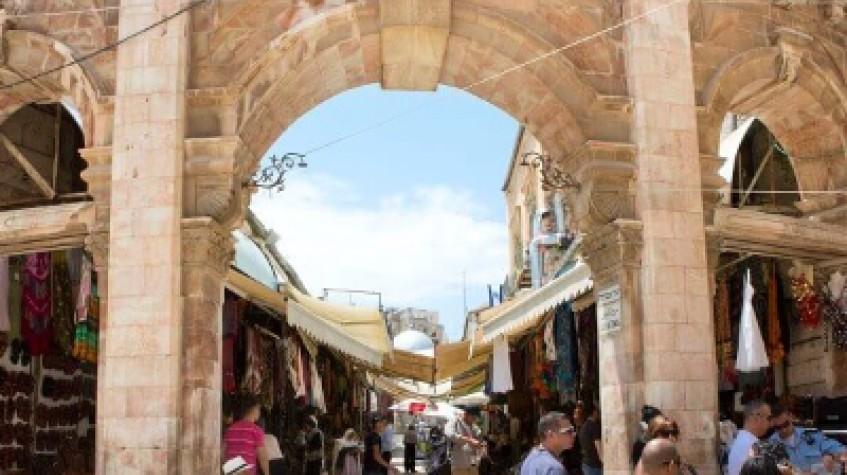
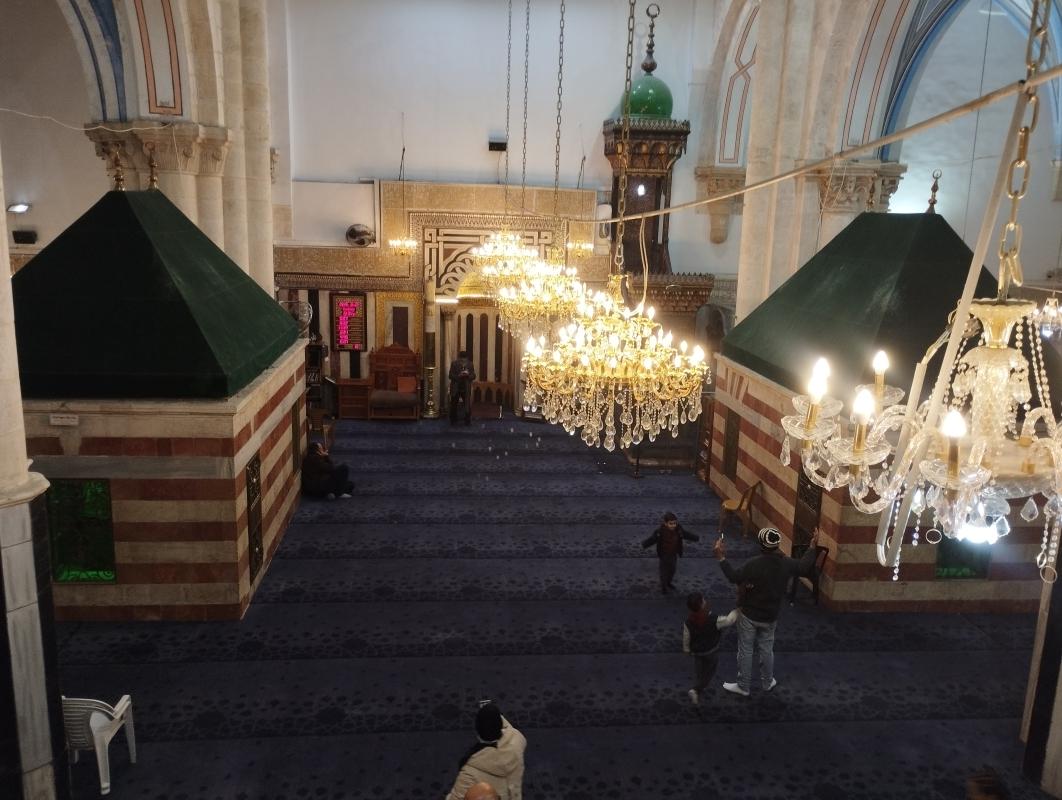
Jerusalem's Old City, enclosed within Ottoman era walls, is divided into Jewish, Muslim, Christian and Armenian quarters and holds sites central to all three Abrahamic religions within a few hundred meters of each other. The Western Wall, the last remaining retaining wall of the Second Temple, draws visitors and worshippers throughout the day, while the Church of the Holy Sepulchre and the Dome of the Rock on the Temple Mount round out the Old City's principal religious sites.
Yad Vashem, Israel's official memorial to the victims of the Holocaust, sits on Mount Herzl on the western edge of Jerusalem and combines a historical museum with memorial spaces including the Children's Memorial and the Hall of Names.
At more than 400 meters below sea level, the Dead Sea's high salt content makes floating effortless and has drawn visitors for its mineral rich mud and water since antiquity. Masada, a fortress built atop an isolated plateau by Herod the Great and the site of a first century siege by Roman forces, overlooks the sea from its western shore and is generally visited by cable car or, for more energetic travelers, a pre dawn hike up the Snake Path.
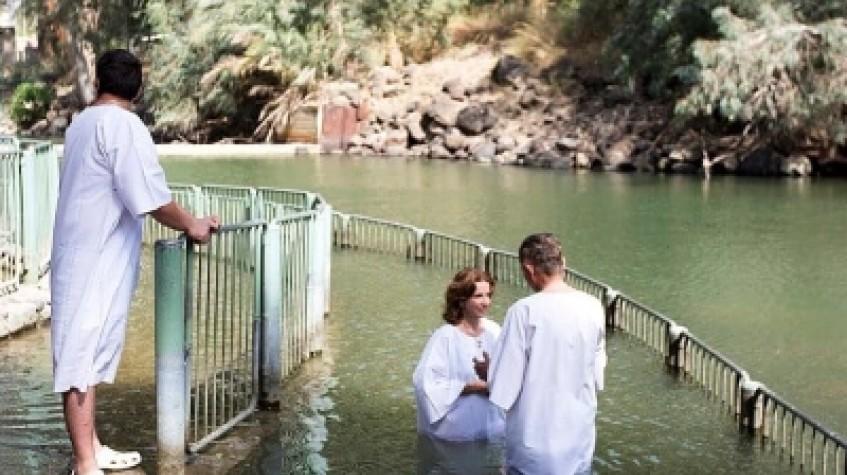
The Sea of Galilee and its surrounding towns, including Capernaum, Nazareth and Tiberias, hold significance in the New Testament narrative and remain a focus of pilgrimage oriented itineraries. Further north, the Golan Heights offer vineyards and volcanic landscape near the Syrian border, while the port city of Haifa, home to the terraced Bahai Gardens, provides a coastal counterpoint to the inland religious sites.
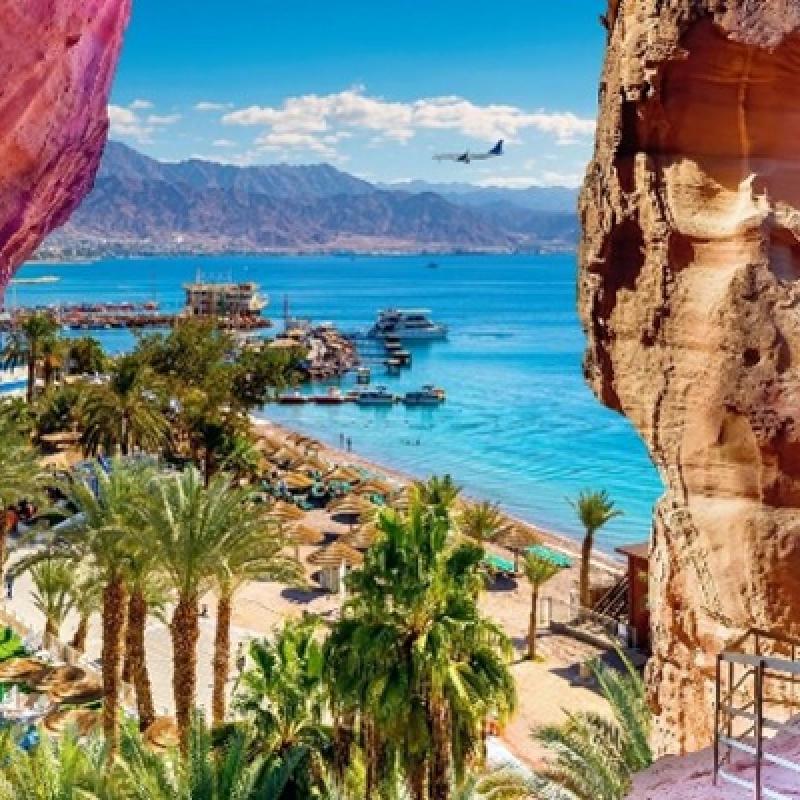
At Israel's southern tip, Eilat sits on the Red Sea across from Jordan and Egypt, offering coral reef snorkeling and diving in a desert setting quite different from the rest of the country. The surrounding Negev desert holds Timna Park, with its copper mining history and distinctive rock formations, along with the crater of Makhtesh Ramon, a geological formation found almost nowhere else in the world.
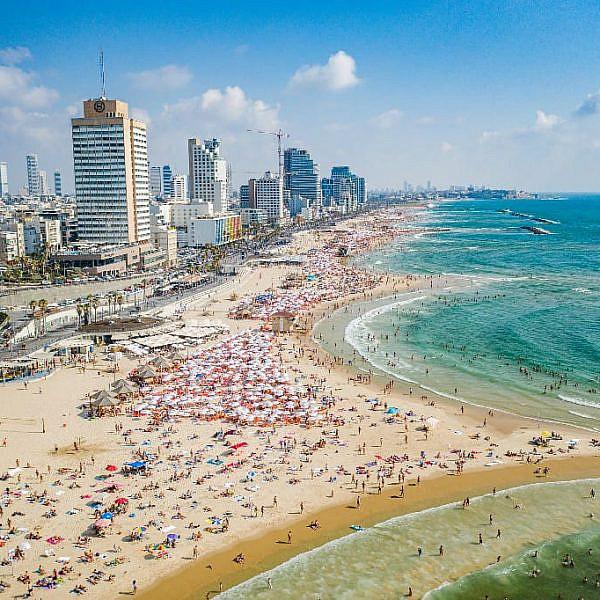
Tel Aviv contrasts sharply with Jerusalem's historic character, built largely in the twentieth century and known for its Bauhaus architecture, a collection recognized by UNESCO as the White City, along with its Mediterranean beaches and nightlife. Adjoining Jaffa, one of the oldest port cities in the world, adds an older layer of stone alleys and a flea market to a stop that most itineraries treat as a lighter counterpart to Jerusalem's more intensive sightseeing.
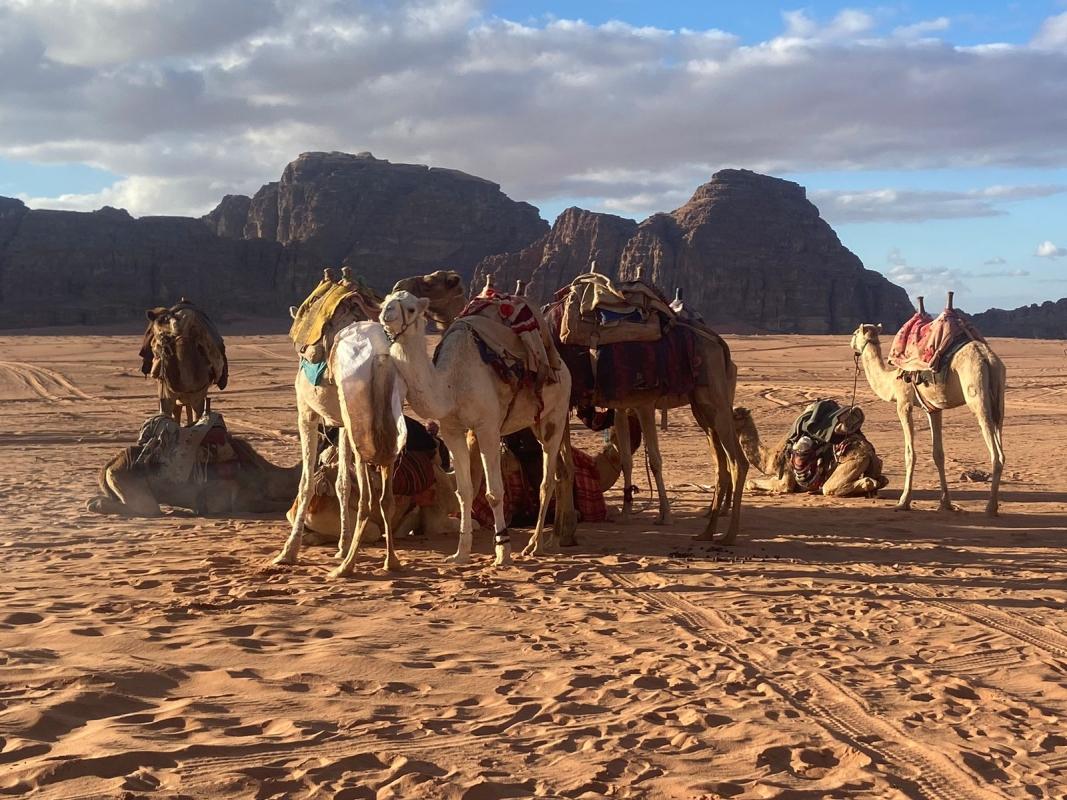
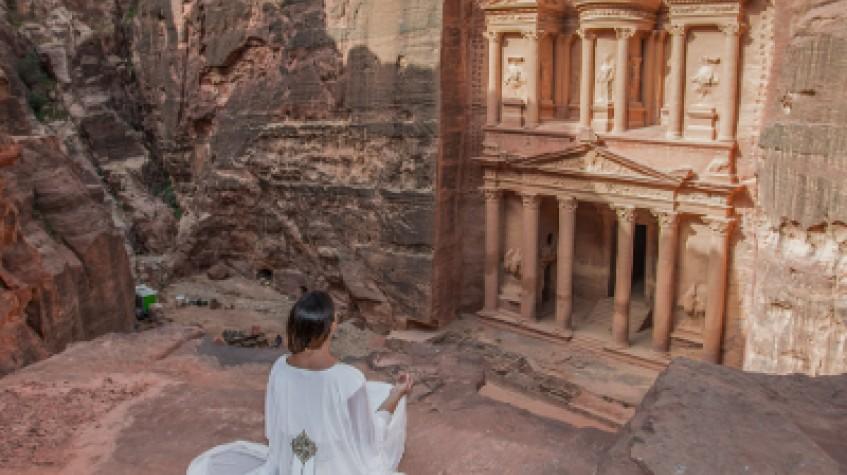
Many longer Israel itineraries cross the border near Eilat, on the Red Sea, to include Petra and other sites in Jordan as part of the same trip, taking advantage of the short distance between the two countries' southern regions.
Israeli food draws on Middle Eastern, Mediterranean and Jewish diaspora traditions, with hummus, falafel and shakshuka appearing on menus throughout the country alongside dishes brought by immigrant communities from North Africa, Eastern Europe and Yemen. Markets such as Jerusalem's Mahane Yehuda and Tel Aviv's Carmel Market are common stops for sampling this range of cooking in a single visit, often in the late afternoon when stalls are busiest.
Israel's compact size makes intercity travel relatively quick, with trains connecting Tel Aviv, Jerusalem, Haifa and cities along the coast, and buses reaching most towns not served by rail. Rental cars are a common choice for itineraries that include the Dead Sea, the Negev or the Galilee, where public transportation options are more limited between individual sites. Public transportation, including trains and most bus lines, does not operate from Friday afternoon through Saturday evening in observance of the Jewish Sabbath, a detail that guided itineraries generally plan around in advance. Ben Gurion Airport, near Tel Aviv, serves as the main international gateway, with most Israel tours beginning and ending there regardless of which cities fall in between. Hebrew and Arabic are both official languages, though English is widely understood in hotels, restaurants and most tourist sites throughout the country.
Spring and fall offer the most comfortable temperatures for walking heavy itineraries in Jerusalem and the Galilee, while summer can be quite hot away from the coast, particularly around the Dead Sea and in the south. Winter brings cooler temperatures and occasional rain to Jerusalem but remains mild along the Tel Aviv coastline.