
Free Cancellation

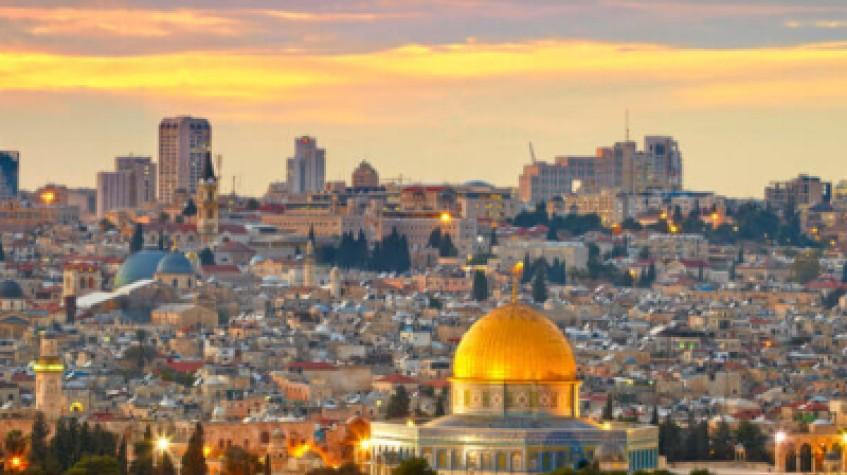
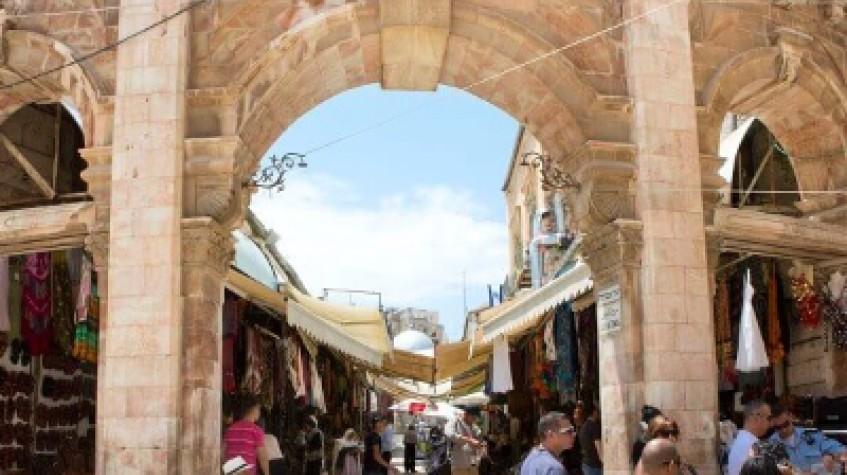
Jerusalem holds a place at the center of Judaism, Christianity and Islam, and its walled Old City, still enclosed by fortifications built under Suleiman the Magnificent between 1535 and 1538, packs holy sites from all three faiths into less than one square kilometer. Narrow stone lanes divide the Old City into four traditional quarters, Muslim, Christian, Armenian and Jewish, each with its own markets, churches, synagogues and mosques.
The city anchors most itineraries in the region and is often visited as the centerpiece of a broader Israel Tours route. Two to three days in the city allow time to see its major religious sites along with the neighborhoods and viewpoints just beyond the walls.
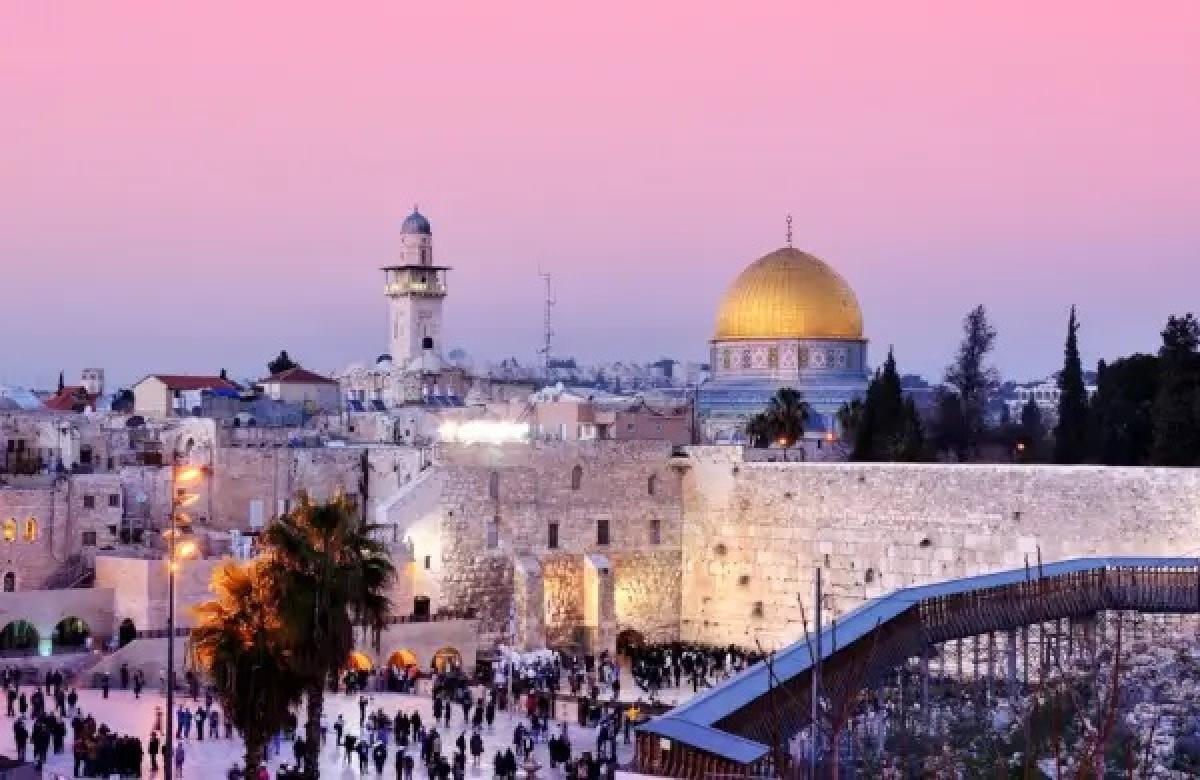
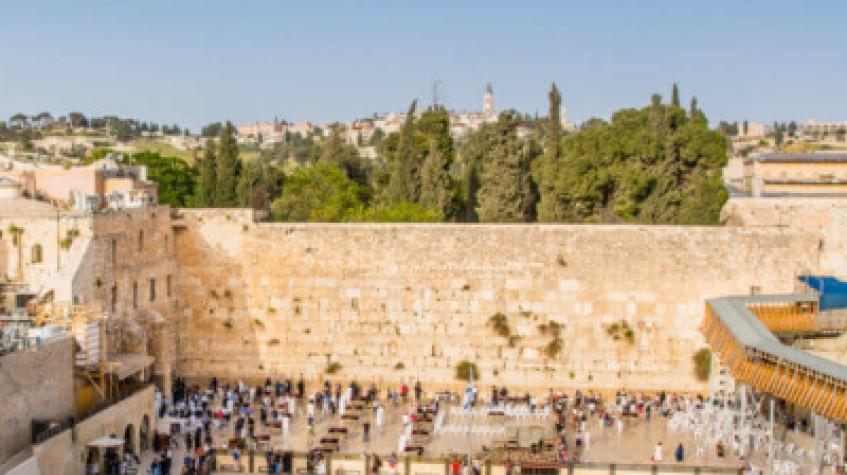
The Western Wall, a remnant of the retaining wall built by Herod the Great around the Second Temple in the 1st century BC, stands as the holiest site in Judaism where public prayer is permitted. Visitors gather at the plaza in front of it throughout the day and night, and many tuck written prayers into gaps between its stones.
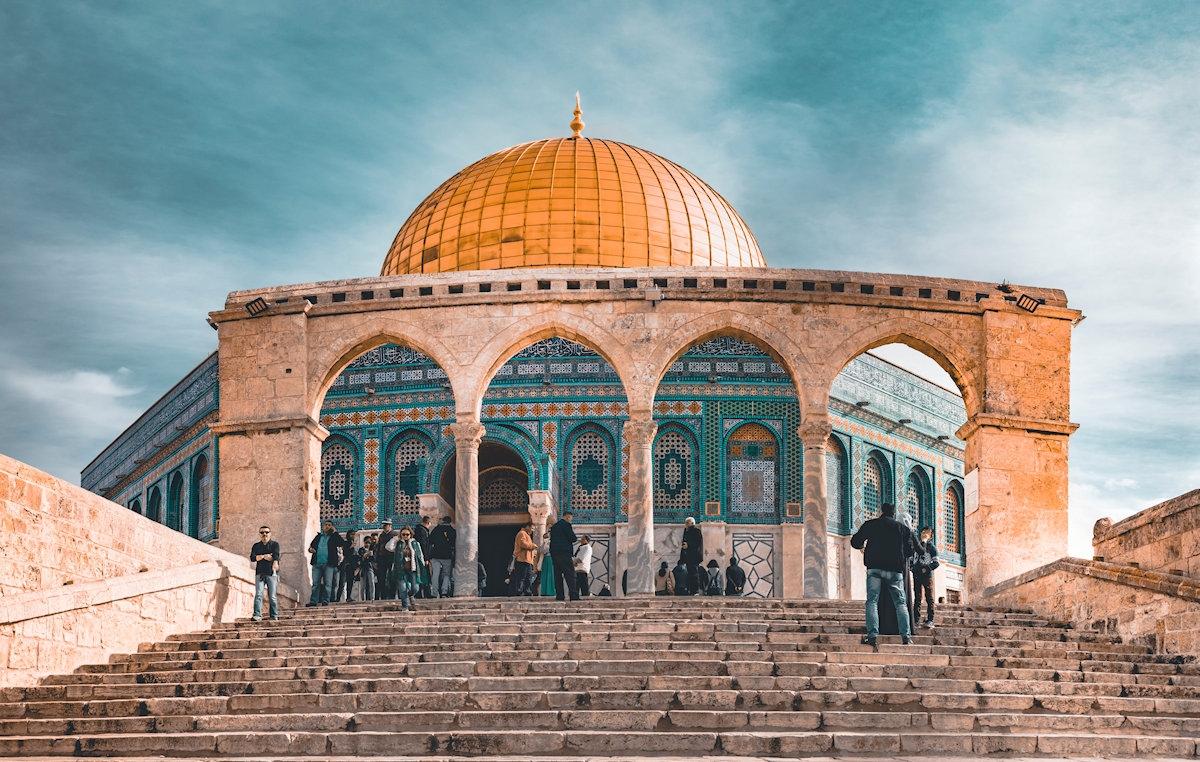
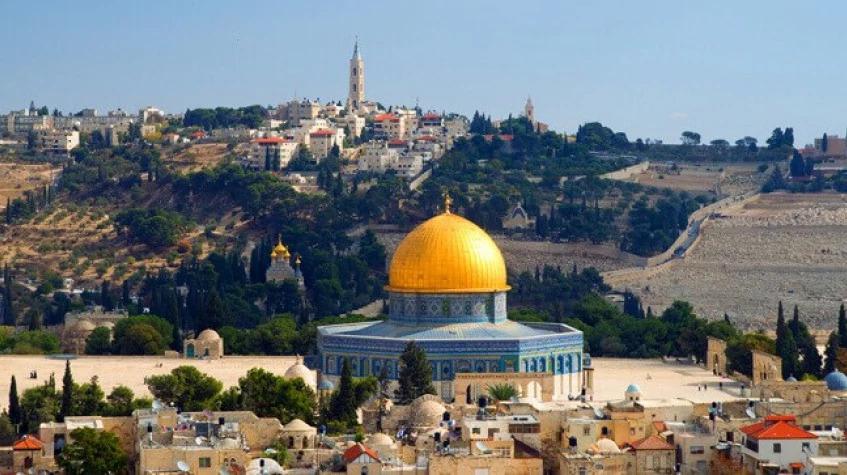
Above the Western Wall, the elevated compound known to Muslims as Haram al-Sharif and to Jews as the Temple Mount holds the Dome of the Rock, completed in 691 AD with its distinctive gold dome, and the Al-Aqsa Mosque, the third holiest site in Islam. Access to the compound follows specific rules and hours that vary by faith and season.
In the Christian Quarter, the Church of the Holy Sepulchre marks the traditional sites of the crucifixion and burial of Jesus and has drawn pilgrims since the 4th century, when Constantine's mother Helena identified the location. The Via Dolorosa, the traditional route Jesus is believed to have walked to his crucifixion, threads through the Old City's lanes toward the church's entrance.
East of the Old City, the Mount of Olives offers a wide view over the walls and the Dome of the Rock's gold roof, and its slopes hold Jewish cemeteries dating back thousands of years along with churches marking events from the Gospels. South of the walls, the City of David excavations trace Jerusalem's origins to the Bronze Age settlement that predates the current Old City by centuries, with ongoing digs revealing tunnels and structures tied to the biblical account of the city.
Most international visitors fly into Ben Gurion Airport near Tel Aviv, roughly an hour's drive from Jerusalem along a well-traveled highway. Trains and shared taxis, known locally as sherut, also run regularly between the two cities, making Jerusalem an easy add-on to a coastal itinerary rather than a destination requiring separate long-distance travel within the country.
Jerusalem's calendar of religious observance shapes the rhythm of a visit more than in most cities, with the Jewish, Christian and Muslim calendars each bringing periods of higher pilgrim traffic. Easter week draws large numbers of Christian visitors to the Via Dolorosa and the Church of the Holy Sepulchre, while Passover and the month of Ramadan bring their own shifts in opening hours and crowd patterns at the relevant sites. Travelers planning a visit around a specific holiday should confirm site access in advance, since some areas restrict entry to worshippers during major observances.
The Ottoman-era walls that ring the Old City run for about 4.5 kilometers and hold eight historic gates, including Jaffa Gate to the west and Damascus Gate to the north, both still used as main entry points today. Inside, the Muristan and the covered markets of the Muslim Quarter sell spices, pastries and religious souvenirs along narrow lanes that have followed roughly the same layout since Roman and Byzantine times. The Armenian Quarter, the smallest of the four, centers on the Cathedral of St. James and has housed an Armenian Christian community in Jerusalem since at least the 4th century.
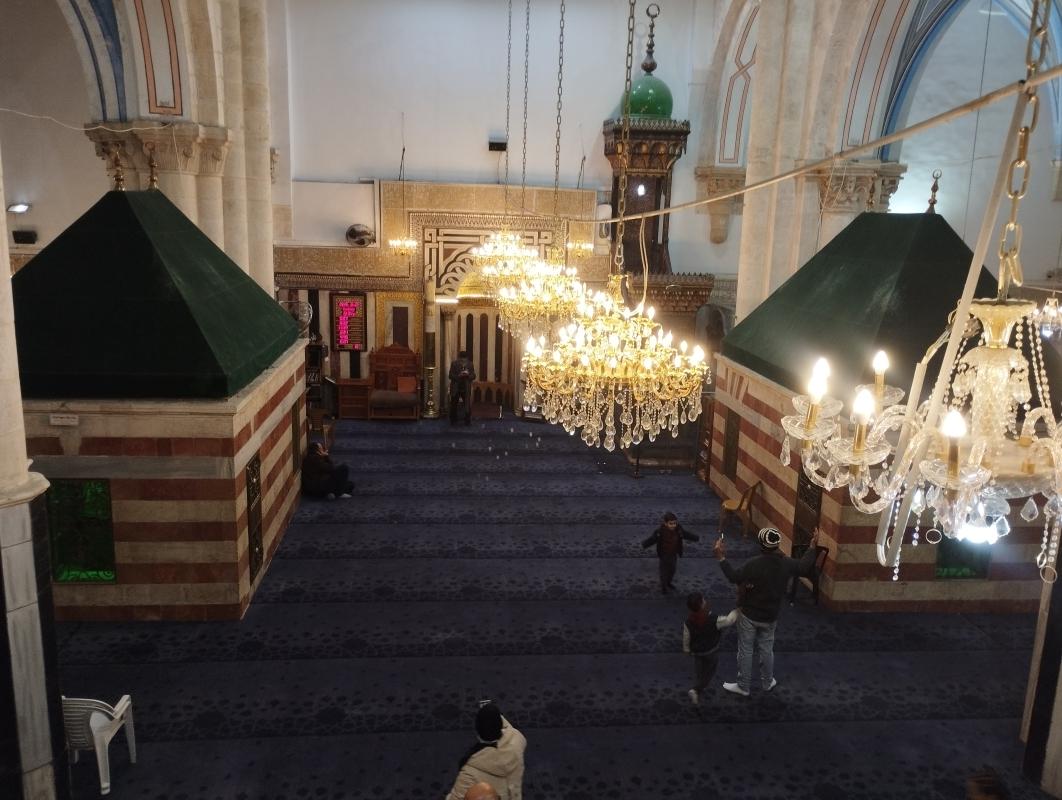
Jerusalem's location makes it a practical base for short trips into the surrounding hill country. South of the city, Hebron holds the Cave of the Patriarchs, also known as the Ibrahimi Mosque, a site sacred to Jews, Christians and Muslims as the burial place of Abraham and his family. Travelers wanting to add this site to their trip can look at the Hebron Tour, a common half-day or full-day extension from Jerusalem.
Food in Jerusalem reflects the mix of communities living within and around the walls, from the sesame-crusted bread rings called ka'ak sold by street vendors near Damascus Gate to the stuffed pastries and knafeh, a syrup-soaked cheese pastry, found in the Muslim Quarter's markets. Hummus and falafel stands operate throughout the Old City and the newer neighborhoods beyond it, and several long-running establishments near Zion Gate have served the same recipes for multiple generations. Fresh pomegranate juice, pressed on the spot at stalls throughout the markets, remains one of the simplest and most common street refreshments in the Old City.
Spring, from March to May, and autumn, from September to November, bring mild, dry weather well suited to walking the Old City's uneven stone streets. Summer stays hot but rarely humid, while winter is cooler and occasionally wet, with light snow possible in January or February.