
Best Time to Visit Israel
Israel can be visited year-round, but the best time depends on your travel plans. For most travelers, spring (March to May) and autumn (September to November) offer the most pleasant weather, fewer extremes, and ideal conditions for sightseeing.
Spring (March to May): Best Overall
Spring is widely considered the best season to visit Israel.
Temperatures range from 18°C to 28°C (64°F to 82°F).
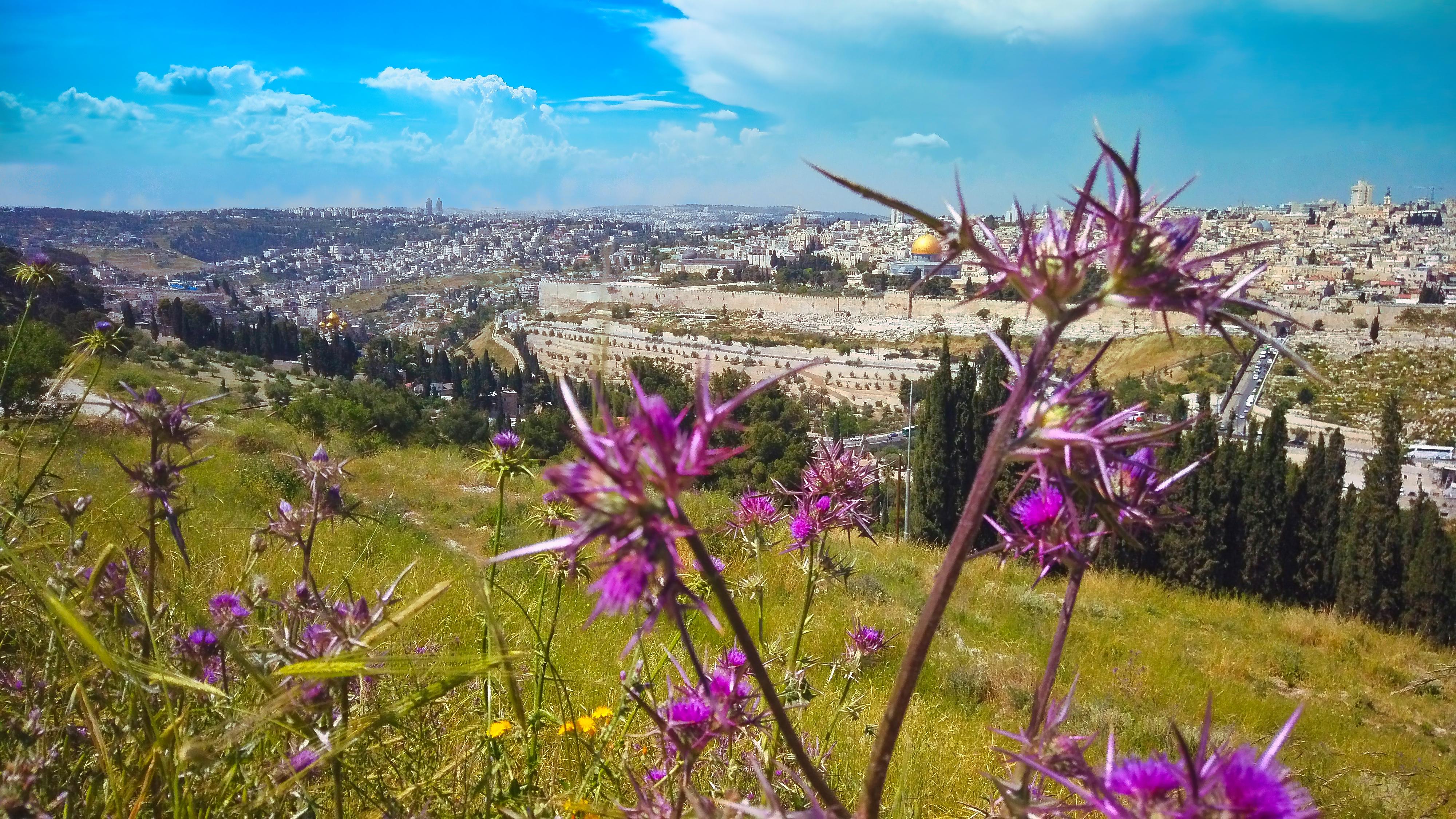
Wildflowers bloom across the countryside.
Comfortable weather for exploring Jerusalem, Tel Aviv, the Dead Sea, and the Galilee.
Beaches begin to warm up without the intense summer heat.
This is an excellent time for hiking in the Negev Desert and visiting national parks.
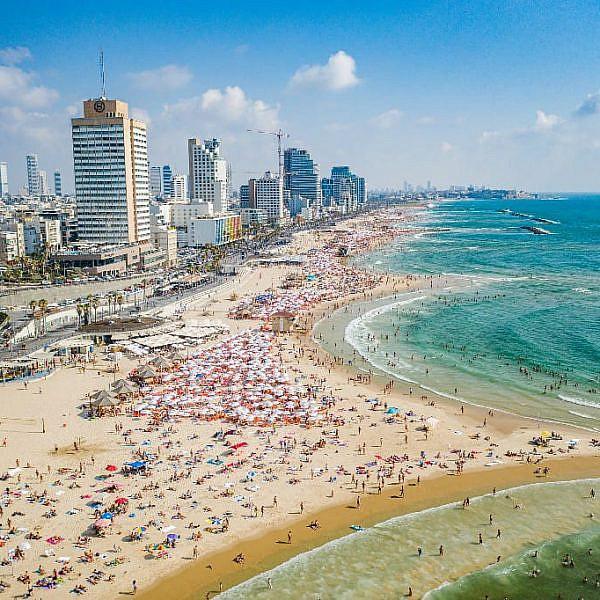
Summer (June to August): Best for Beaches
Summer is hot, especially inland.
Tel Aviv and Haifa: 28°C–33°C (82°F–91°F)
Jerusalem: Slightly cooler due to higher elevation.
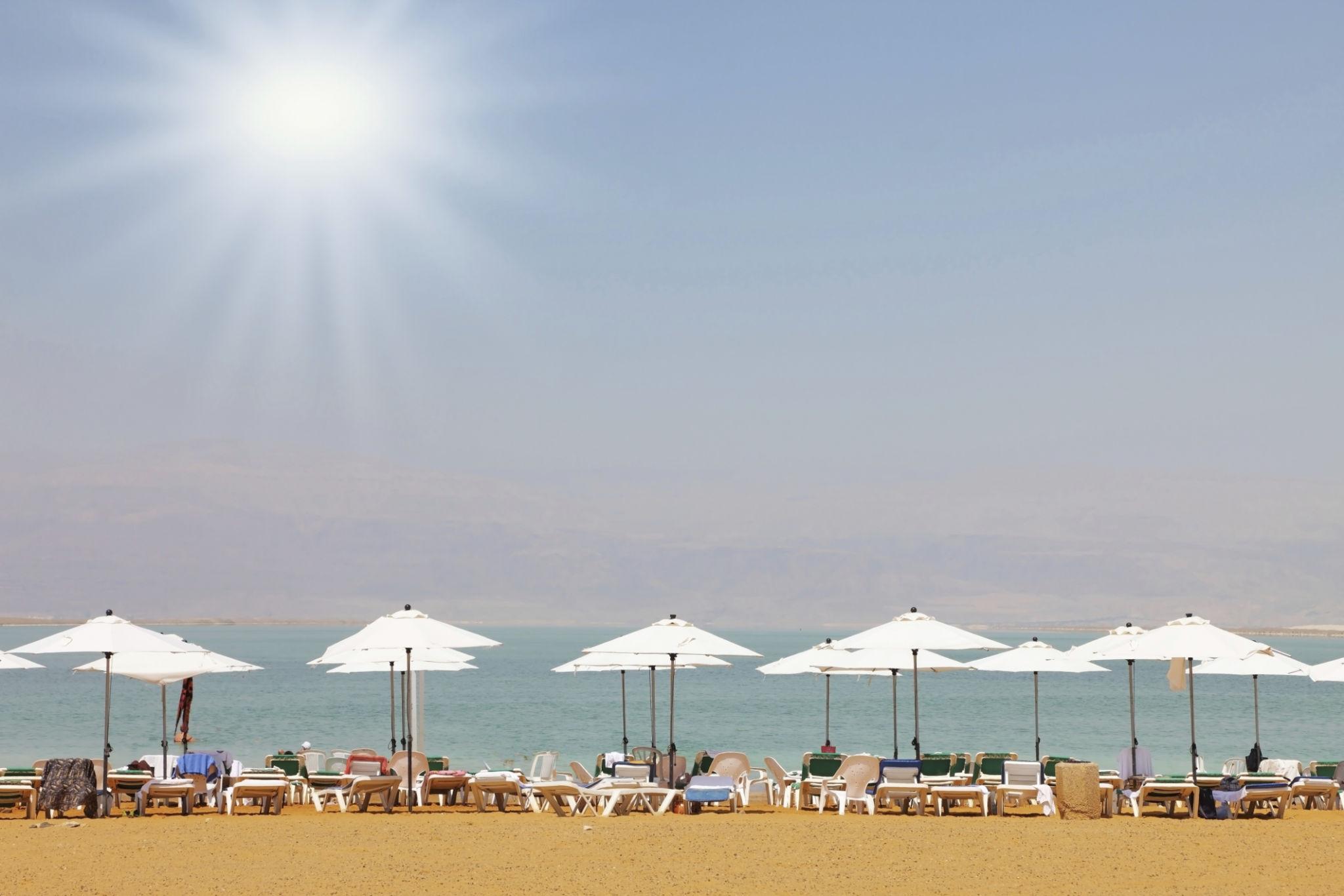
Dead Sea and Eilat: Often exceed 40°C (104°F).
This season is ideal if you plan to:
Enjoy Mediterranean beaches.
Dive or snorkel in Eilat.
Experience nightlife and summer festivals.
However, sightseeing during midday can be uncomfortable because of the heat.
Autumn (September to November): Great for Sightseeing
Autumn offers warm days and cooler evenings.
Temperatures range from 20°C to 30°C (68°F to 86°F).
Sea temperatures remain warm enough for swimming.
Tourist crowds decrease after summer.
Excellent conditions for historical sites and outdoor activities.
Many travelers consider October one of the best months to visit Israel.
Winter (December to February): Best for Budget Travelers
Winter is mild compared to much of Europe and North America.
Coastal cities: 10°C–20°C (50°F–68°F)
Jerusalem can experience cold nights and occasional snowfall.
Rain is most common from December through February.
Winter is ideal for:
Lower hotel prices.
Visiting museums and historical attractions.
Avoiding peak tourist crowds.
Swimming is generally limited to Eilat, where temperatures remain relatively warm.
Best Time by Activity
The best time for sightseeing in Israel is during March to May and September to November, when temperatures are comfortable for exploring cities such as Jerusalem, Tel Aviv, and Nazareth. If you're planning a beach holiday, the ideal period is May to October, when the Mediterranean coast enjoys warm weather and excellent swimming conditions. For a visit to the Dead Sea, spring (March to May) and autumn (October to November) offer the most pleasant temperatures, avoiding the extreme summer heat. Travelers interested in hiking should also choose March to May or October to November, as these months provide ideal conditions for trails in the Negev Desert, Galilee, and Golan Heights. Diving and snorkeling in Eilat are best enjoyed between April and November, when the Red Sea is warm and underwater visibility is at its best. If your priority is budget travel, consider visiting between December and February, when accommodation prices are generally lower and popular attractions are less crowded, except during major holidays.
Religious Holidays to Consider
Israel experiences major religious holidays that can affect transportation, accommodation, and opening hours.
These include:
Passover (March or April)
Rosh Hashanah (September or October)
Yom Kippur, when most public transportation stops nationwide.
Sukkot
Hanukkah (December)
If traveling during these periods, book accommodations well in advance and check transportation schedules.
Best Month to Visit
If you can choose just one month, October is often the best balance of pleasant weather, warm sea temperatures, manageable crowds, and excellent sightseeing conditions. April is another outstanding choice thanks to mild temperatures and blooming landscapes.
Frequently Asked Questions
Is Israel too hot in summer?
Many areas become very hot between June and August, especially the Dead Sea and Eilat, where temperatures frequently exceed 40°C (104°F).
What is the cheapest time to visit Israel?
January and February generally offer the lowest hotel rates, except during major holidays.
When is the best time to visit Jerusalem?
Spring (March–May) and autumn (September–November) provide the most comfortable temperatures for exploring the city's historic sites.
Can you swim in the Dead Sea year-round?
Yes, but spring and autumn offer the most comfortable conditions. Summer can be extremely hot.
Does it snow in Israel?
Snow is rare but can occur in Jerusalem and the Golan Heights during winter.
Is Israel crowded during holidays?
Yes. Jewish holidays and the summer vacation period bring larger crowds and higher accommodation prices, so early booking is recommended.
Loading comments…