Free Cancellation
(1)-high.jpg&w=1920&q=75 "All Inclusive Beach Stay")
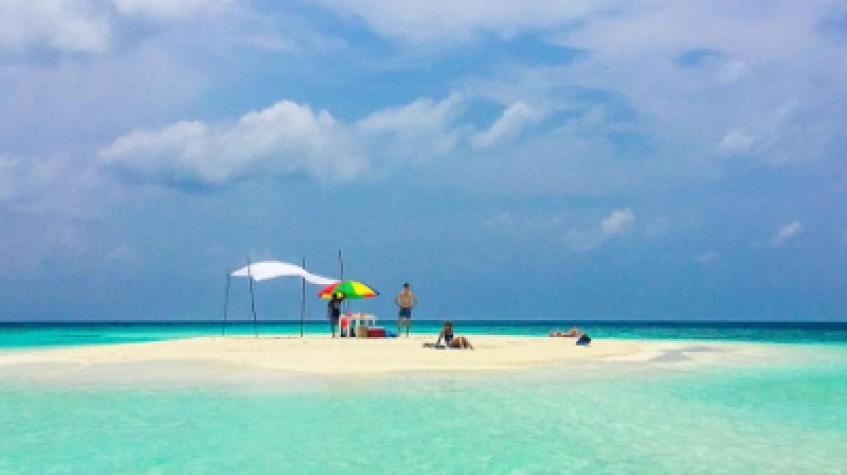
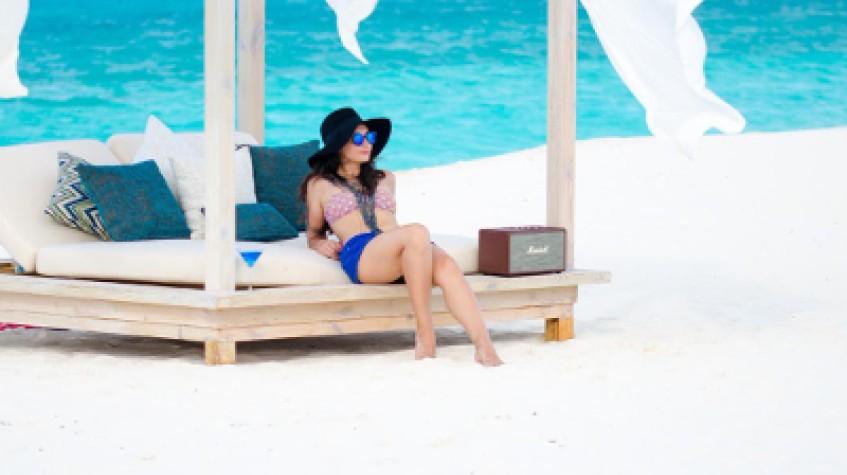
Maldives Tours cover a chain of nearly 1,200 coral islands grouped into 26 atolls in the Indian Ocean, of which only about 200 are inhabited. The capital, Male, occupies one of the most densely built islands in the world, while the rest of the country is spread across resort islands, local island communities and uninhabited sandbars connected by speedboat and seaplane. Nearly every itinerary here is built around one or more island stays rather than a city based tour in the conventional sense. Islam arrived in the Maldives in the twelfth century, replacing an earlier Buddhist tradition whose remains are still occasionally uncovered on outer islands, and the country remained a sultanate for centuries before a period as a British protectorate ended with independence in 1965.
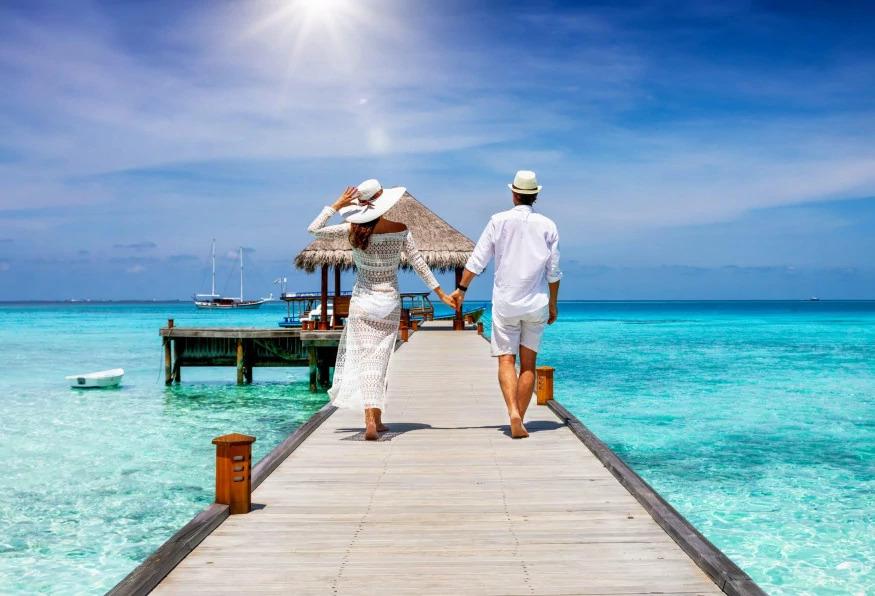
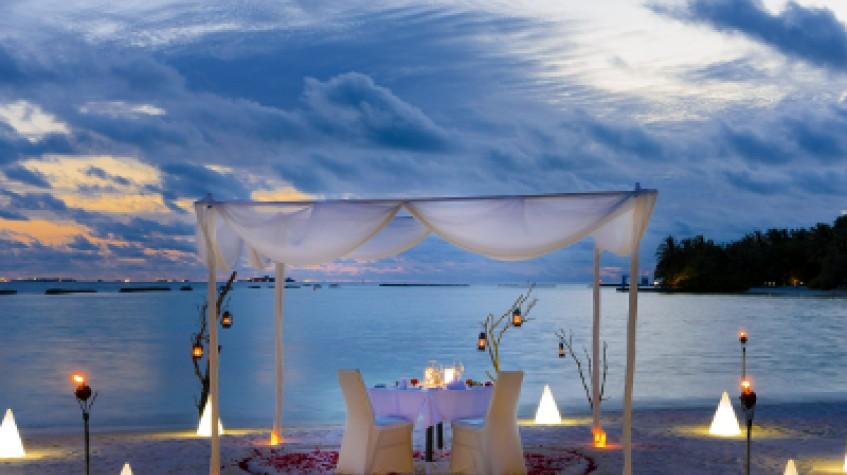
As part of a longer Asia trip or as a dedicated island getaway, Maldives Tours are generally organized around a single resort or a combination of two, since travel between atolls takes time and is arranged through the resorts themselves. Packages such as the 5 Days Paradise of Honeymooners are built specifically around couples, reflecting the destination's long association with honeymoon travel.
Male packs government buildings, markets and mosques into an area of roughly eight square kilometers, making it walkable within a few hours for travelers passing through en route to a resort. Hulhumale, a reclaimed island connected to the airport by a bridge, has developed into a more spacious alternative with its own beaches, hotels and a growing residential population, offering a practical base for a night before or after an island stay.
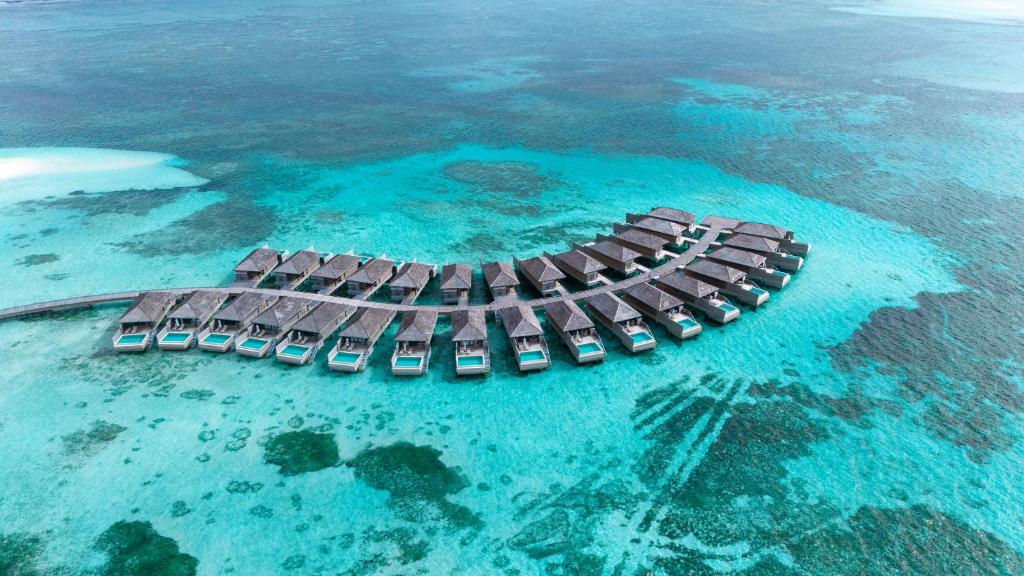
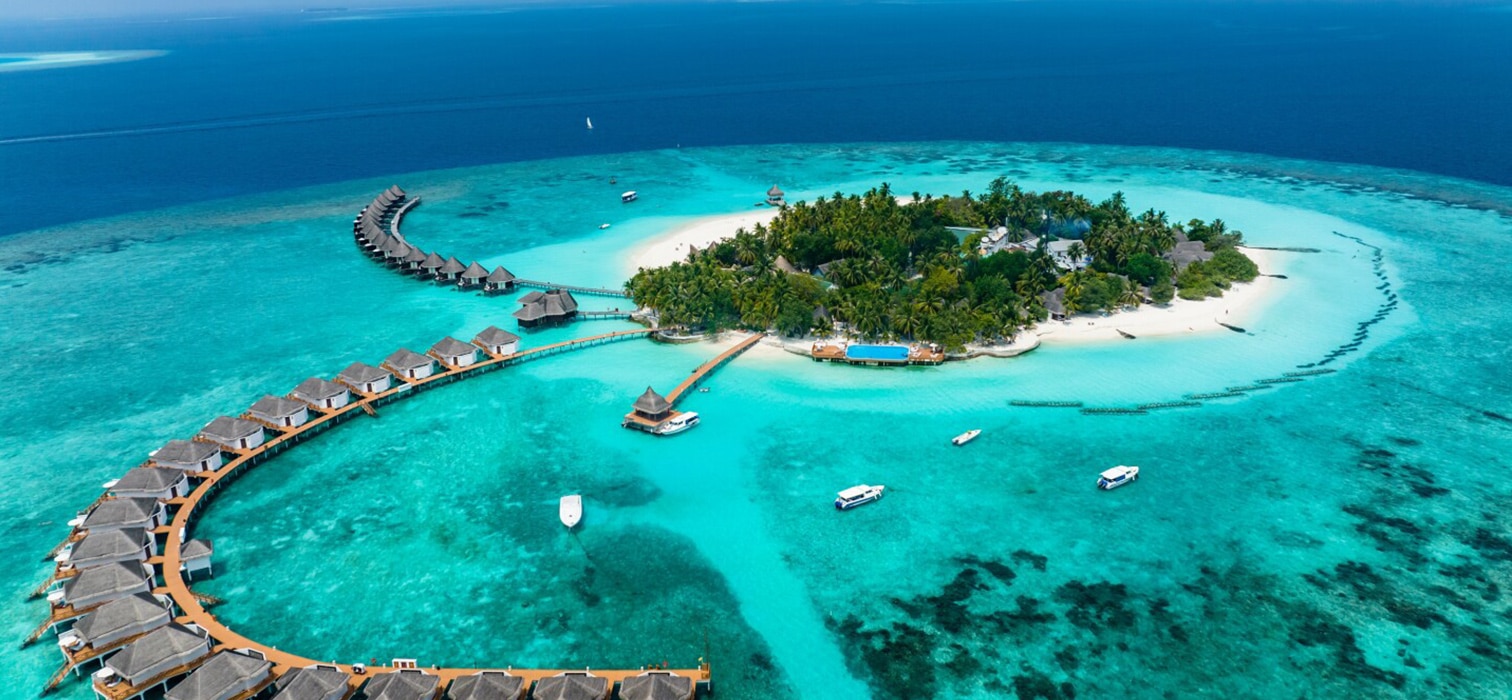
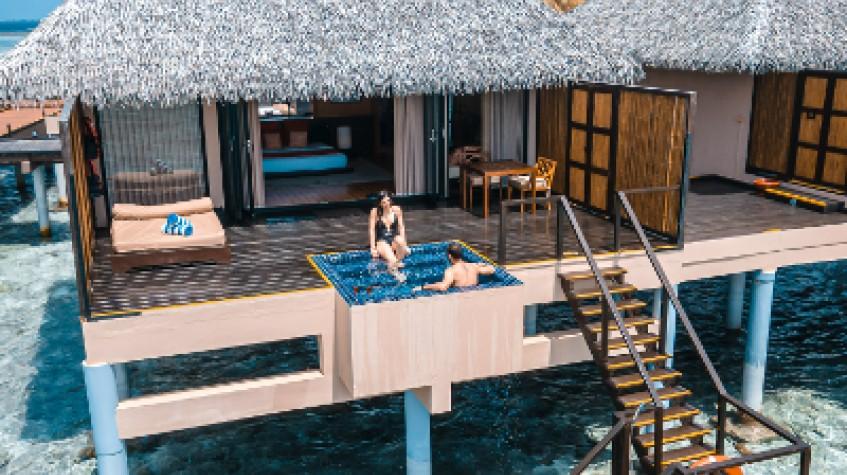
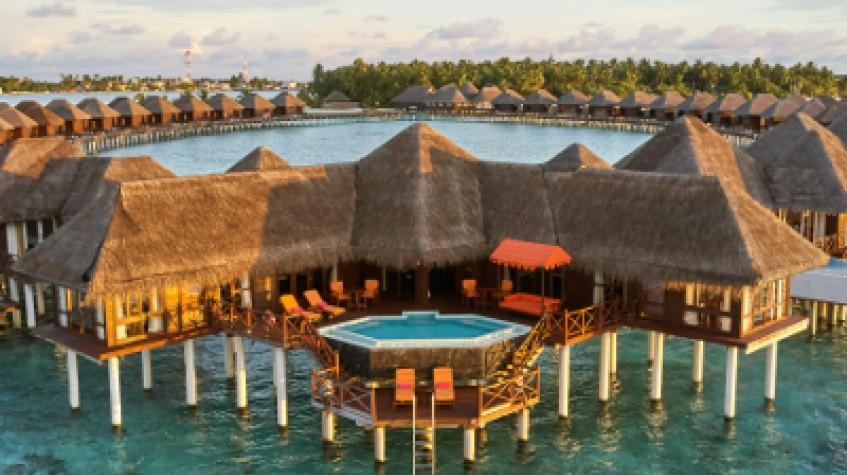
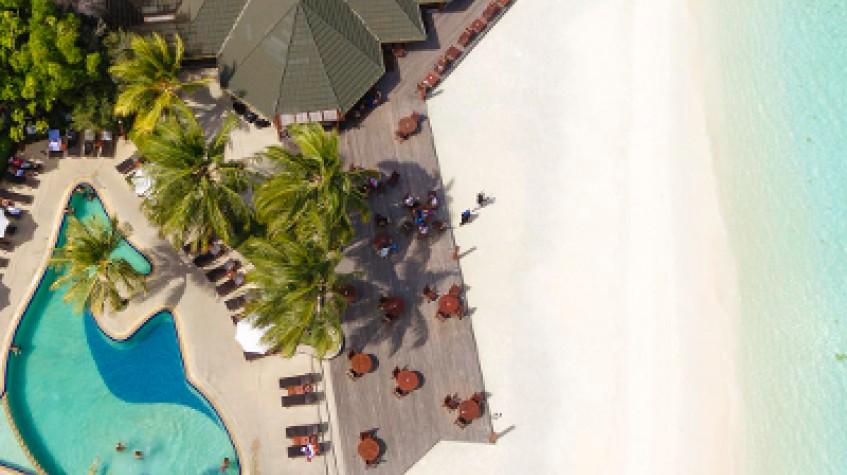
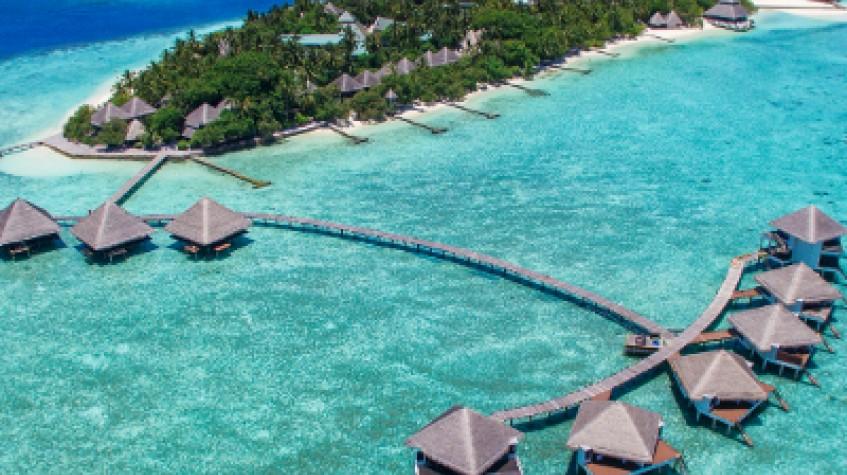
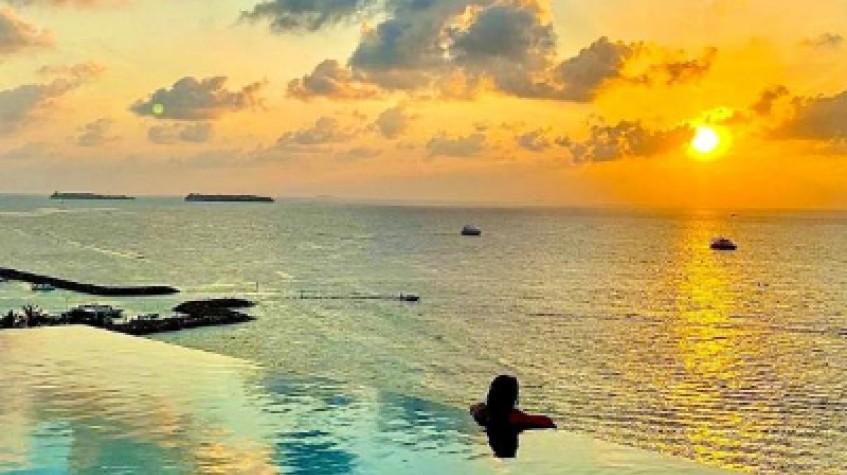
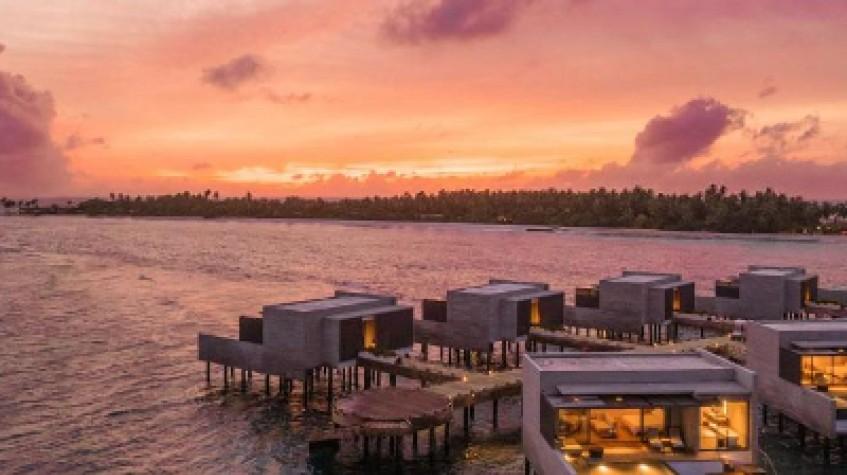
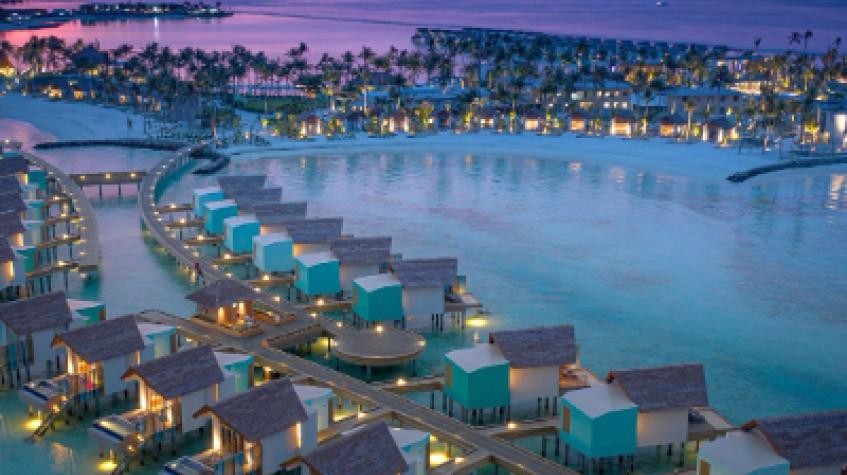
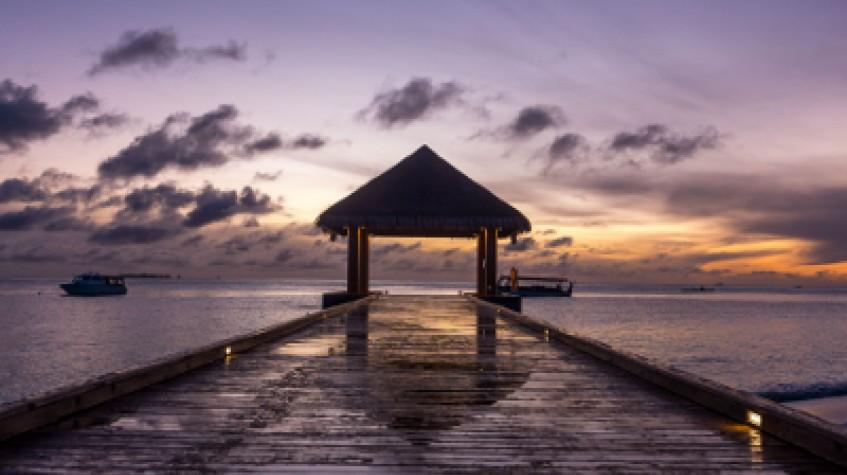
Resorts across the atolls range considerably in style, from compact island properties that can be crossed on foot in a few minutes to larger resorts spread across multiple islets connected by bridges. Overwater villas, generally the most requested room type, sit on stilts above the lagoon with direct water access, while beach villas and bungalows offer a lower priced alternative with equally direct access to the sand and house reef. Many resorts also operate their own dive centers and spa facilities on site, since guests generally do not travel between islands during a stay the way they might move between hotels in a city based trip.
Resort islands typically occupy an entire island as a single private property, with overwater and beach bungalows, house reef snorkeling and full board dining included in the stay. Local islands such as Maafushi, in contrast, are inhabited communities that have opened guesthouses to tourism in recent years, offering a considerably more affordable way to experience the atolls, though with restrictions on alcohol and swimwear in keeping with the country's Islamic customs outside designated tourist areas.
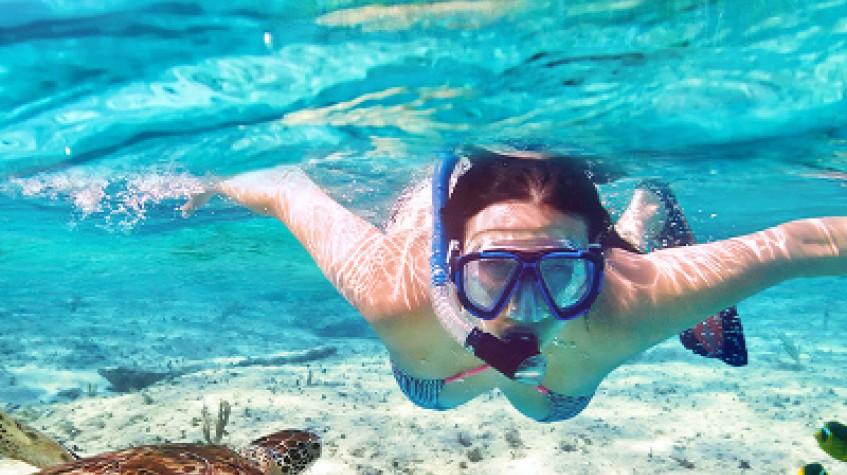
The Maldives is one of the more consistent destinations in the world for encountering manta rays and whale sharks, with South Ari Atoll in particular known for whale shark sightings throughout much of the year. House reefs directly off many resort islands allow snorkeling without a boat, while dive operators throughout the atolls run trips to channels and thilas, submerged reef pinnacles that attract larger pelagic species.
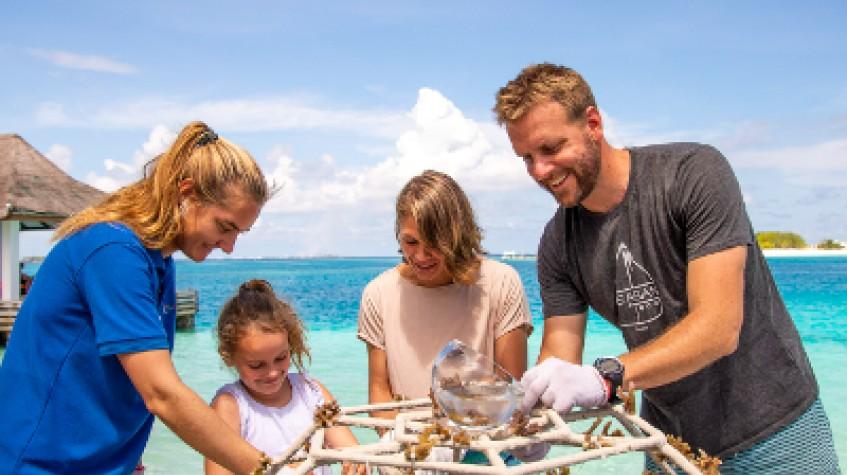
Maldivian culture blends South Asian, Arab and East African influences carried by centuries of trade across the Indian Ocean, with Dhivehi as the national language and Islam as the state religion. The country's low elevation, with an average height above sea level of roughly 1.5 meters, has made it one of the most vocal nations on the international stage regarding rising sea levels, and reef conservation programs run by many resorts now form part of the broader effort to protect the coral systems that draw visitors in the first place.
Maldivian cuisine relies heavily on fish, particularly skipjack tuna, along with coconut and rice, reflecting the islands' limited agricultural land. Garudhiya, a clear fish broth typically served with rice, lime and chili, and mas huni, a breakfast dish of shredded smoked tuna mixed with coconut and onion, are among the dishes most associated with local island cooking rather than resort dining.
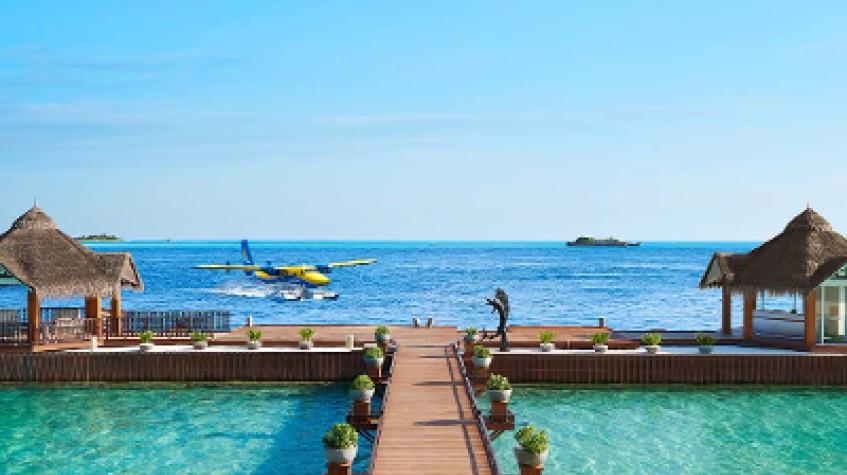
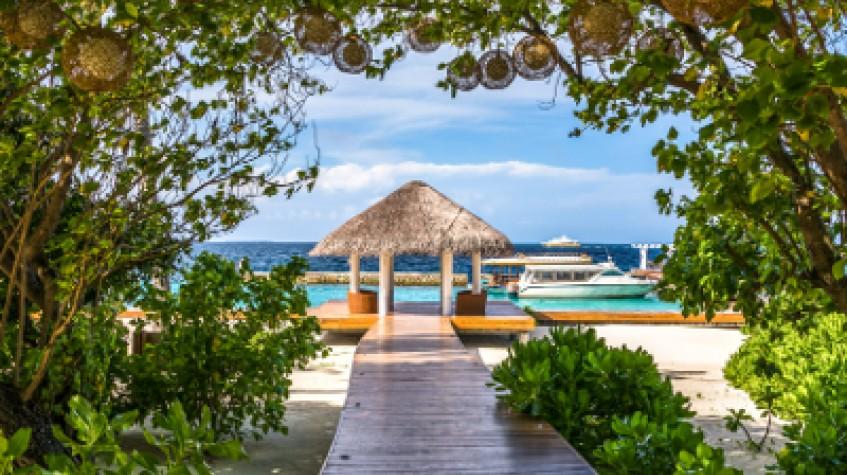
Velana International Airport, near Male, serves as the entry point for nearly all visitors. From there, resorts arrange transfers by speedboat for islands within an hour or so of the airport, or by seaplane for atolls further away, a scenic flight that offers aerial views of the reef formations before landing directly beside the resort. Domestic ferries also connect some of the more accessible local islands at a lower cost, though schedules run less frequently and are more commonly used by residents than by resort bound travelers. Because check in and check out times are tied to speedboat or seaplane schedules rather than a fixed hotel clock, most resorts build some flexibility into arrival and departure days. English is widely spoken across the tourism industry, and the local currency, the Maldivian rufiyaa, is used alongside US dollars, which are commonly accepted at resorts for incidental spending.
The dry northeast monsoon from November through April brings calmer seas, lower humidity and the most reliable sunshine, making it the most popular season for travel and the preferred window for honeymoon and beach focused trips. The wetter southwest monsoon from May through October brings more variable weather but also lower resort rates and, in certain atolls, improved conditions for surfing.