Free Cancellation
-high.jpg&w=1920&q=75 "7 Days Mussoorie Nainital Jim Corbett Tour")
-high.jpg&w=1920&q=75 "7 Days Amazing Uttarakhand Tour")
-high.jpg&w=1920&q=75 "10 Days Char Dham Yatra Package Tour")

-high.jpg&w=1920&q=75 "Sunrise Taj Mahal Trip from Delhi All Inclusive")
-high.jpg&w=1920&q=75 "From New Delhi: Same Day Jaipur Tour By Car")
India Tours cover one of the largest and most historically layered countries in Asia, where Mughal architecture, Hindu and Buddhist pilgrimage sites, colonial-era cities and coastal states each offer a distinct travel experience. The country spans desert, Himalayan foothills, tropical coastline and dense urban centers, so most itineraries focus on one or two regions rather than attempting to cover the entire subcontinent in a single trip. Distances between regions are considerable, and India's twenty-eight states each carry their own languages, cuisines and architectural traditions, which is why most first-time visitors let one theme, whether Mughal history, Himalayan scenery or southern backwaters, guide the itinerary rather than trying to see everything at once.
India forms part of the wider region covered under Asia Tours, and first-time visitors typically begin in the north, where the country's most recognized historical monuments sit within a few hours' drive of one another. From there, itineraries commonly branch toward Rajasthan's desert forts, the Himalayan foothills or the tropical south, depending on how much time is available.
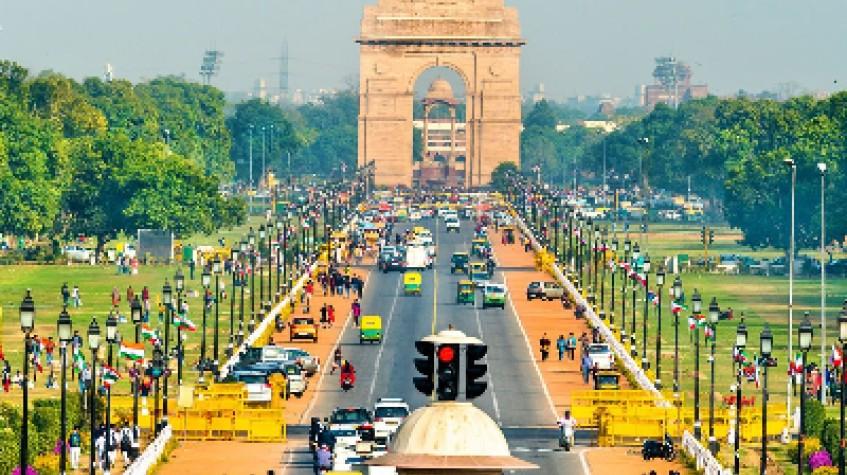
Delhi combines Old Delhi's narrow lanes, built around the Mughal-era Red Fort and Jama Masjid, with the wide colonial boulevards of New Delhi laid out by British architects in the early twentieth century. The Qutub Minar, a soaring twelfth-century minaret built from red sandstone and marble, and Humayun's Tomb, an early example of Mughal garden architecture that later influenced the design of the Taj Mahal, both rank among the capital's UNESCO-listed sites, alongside India Gate and the government buildings along Rajpath.
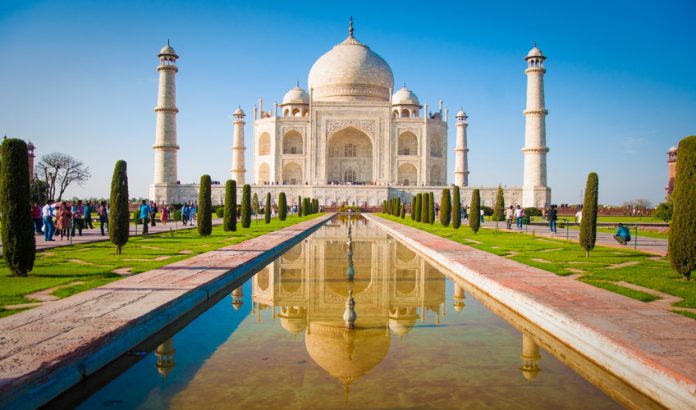
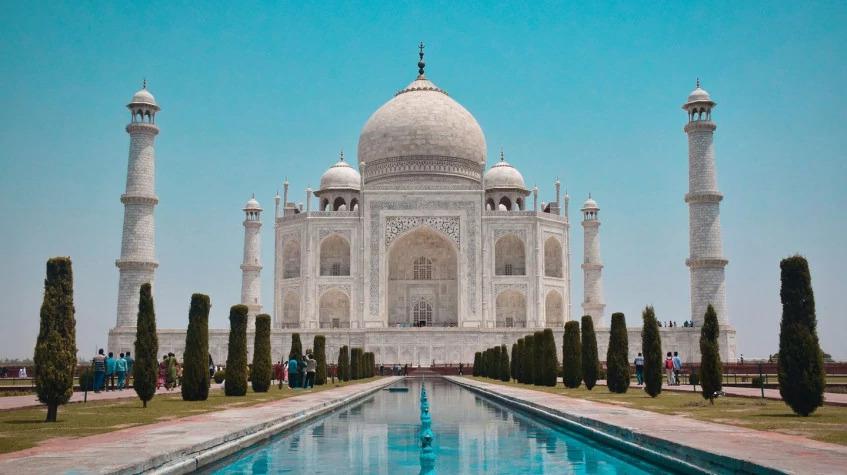
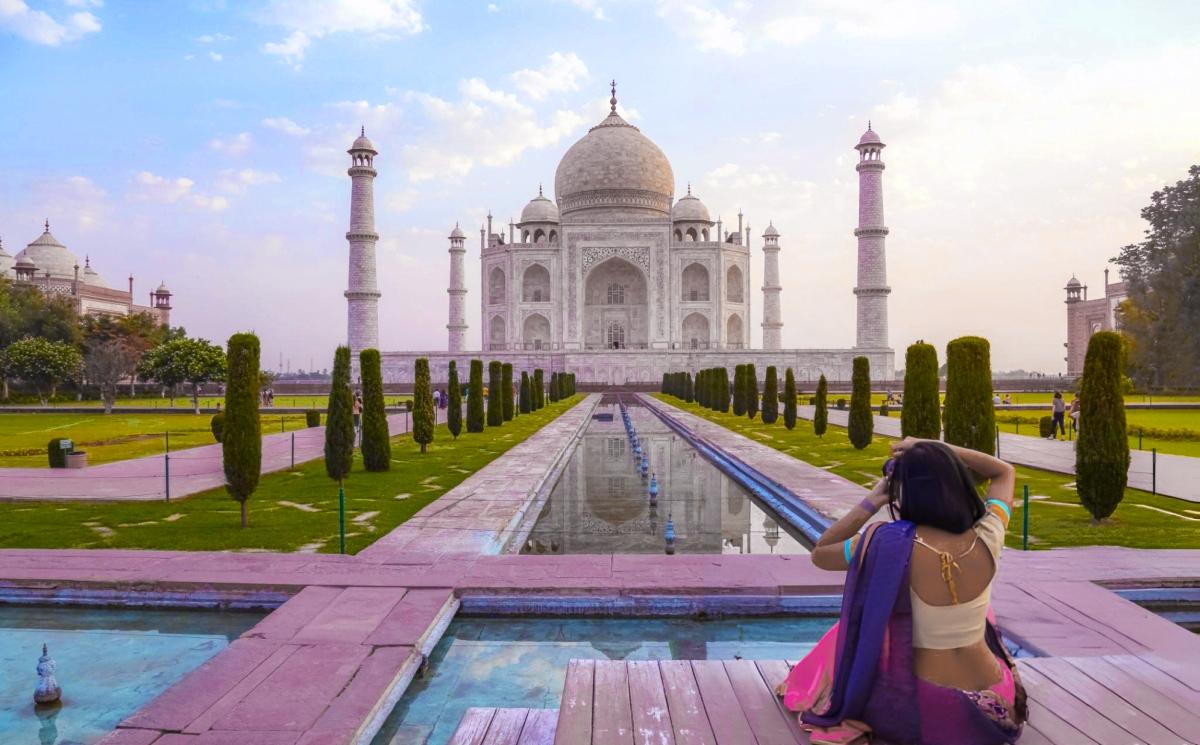
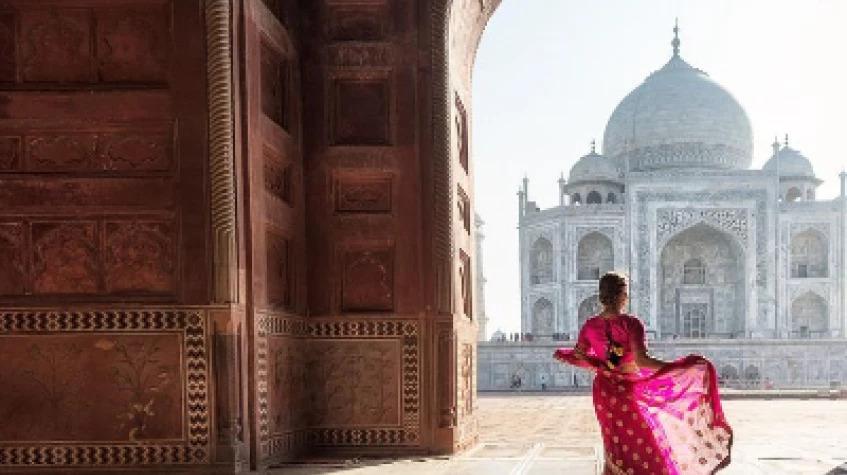
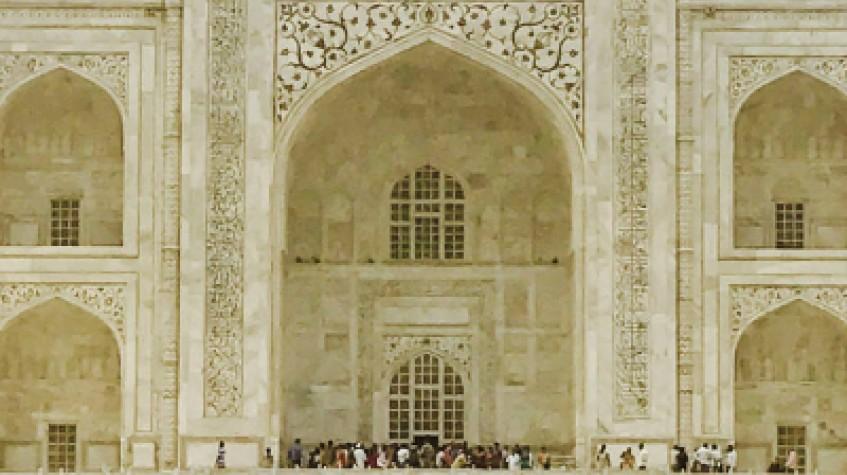
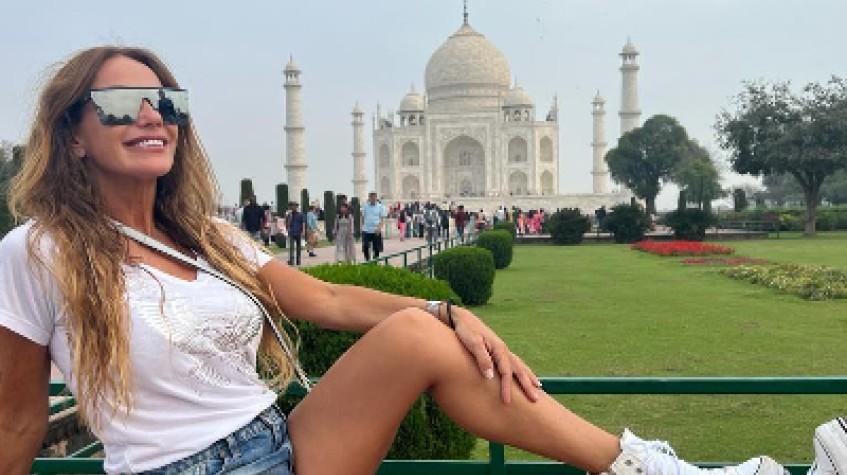
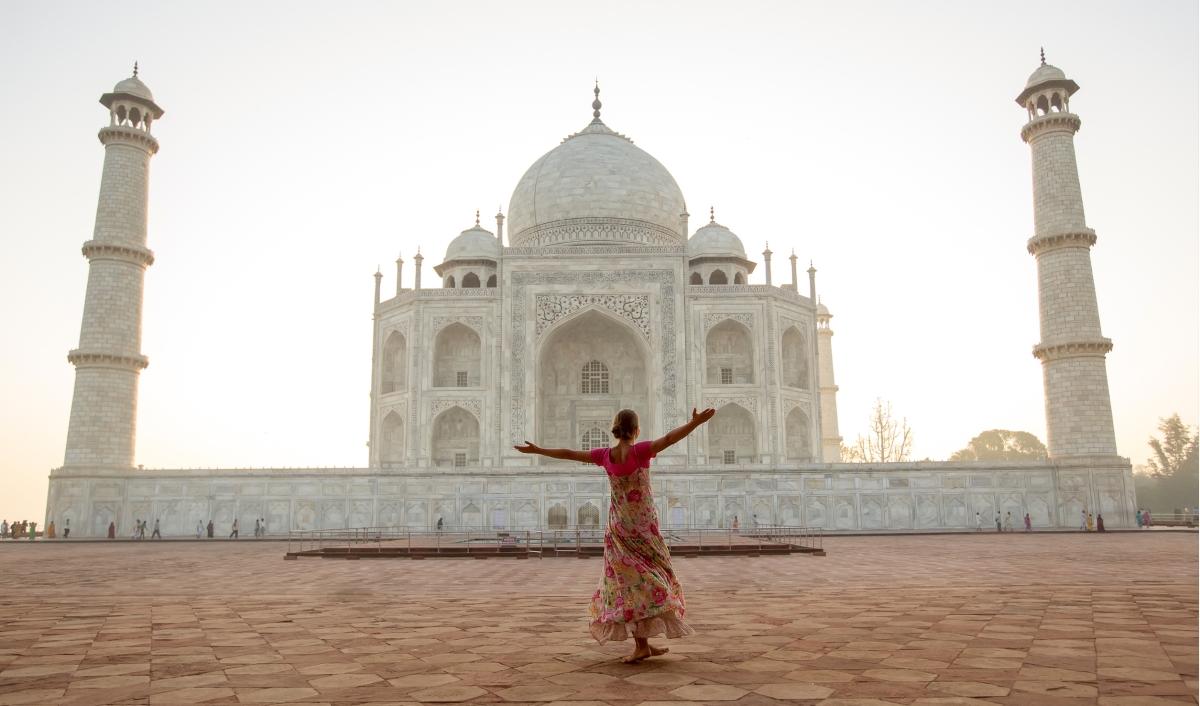
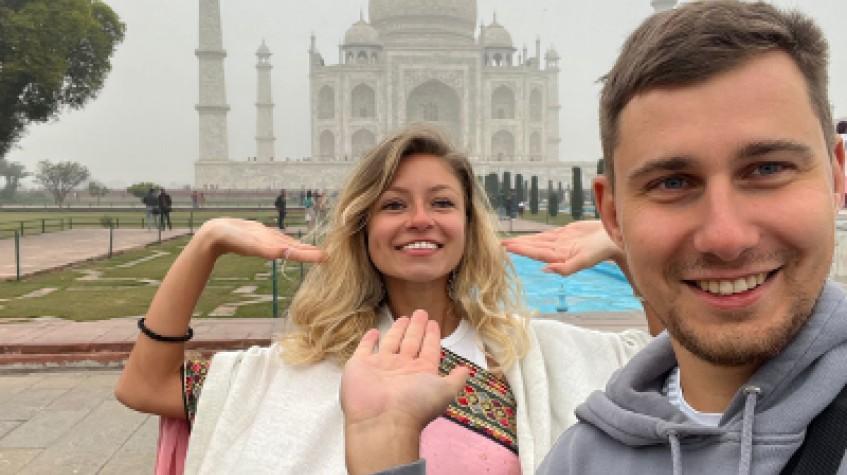
Agra is built around the Taj Mahal, the white marble mausoleum completed in 1653 by Emperor Shah Jahan for his wife Mumtaz Mahal, its inlaid stonework and symmetrical gardens considered a high point of Mughal architecture. Agra Fort, a red sandstone complex on the banks of the Yamuna River from where Shah Jahan reportedly viewed the Taj during his later years of house arrest, and Fatehpur Sikri, a former Mughal capital abandoned within decades of its construction due to water shortages, are usually visited alongside the Taj on the same stop.
Jaipur takes its nickname from the terracotta-pink wash applied to its old city buildings in the nineteenth century to welcome a visiting British prince, a color scheme the municipality has maintained ever since. The Amber Fort, set on a hillside above Maota Lake and reached by a climbing road through the surrounding hills, the City Palace, still partly home to Jaipur's former royal family, and the ornate honeycomb facade of Hawa Mahal, the Palace of Winds, built so that royal women could observe street life unseen, are the district's principal landmarks. The Jantar Mantar observatory, with its oversized stone astronomical instruments, adds a scientific dimension to the city's Mughal and Rajput heritage.
Udaipur, built around Lake Pichola and often called the City of Lakes, adds the City Palace complex and the lake-island Jag Mandir to a Rajasthan itinerary, its whitewashed buildings and hillside setting giving it a markedly different character from Jaipur's desert-city feel. Jodhpur, known as the Blue City for the indigo-washed houses clustered beneath its walls, centers on Mehrangarh Fort, one of India's largest fort complexes, rising directly above the old town. Pushkar, a small pilgrimage town built around a sacred lake, draws visitors for its camel fair each autumn and for one of the few temples in India dedicated to the Hindu god Brahma.
South of Rajasthan, Kerala's backwaters offer a slower pace, with houseboat cruises through palm-lined canals and lagoons near Alappuzha and Kumarakom, and hill stations such as Munnar adding tea plantation scenery at higher elevation. Goa, on the western coast, combines Portuguese colonial churches in Old Goa, including the Basilica of Bom Jesus, with beach towns along the Arabian Sea that range from lively resorts to quiet fishing villages. Mumbai, India's financial capital, adds the Gateway of India, colonial-era architecture around Chhatrapati Shivaji Maharaj Terminus and the rock-cut Elephanta Caves on an island in Mumbai Harbour, reachable by a short ferry ride from the city center.
Varanasi, on the Ganges River in Uttar Pradesh, is one of Hinduism's holiest cities and among the oldest continuously inhabited settlements in the world, where pilgrims gather at riverside ghats for ritual bathing and evening aarti ceremonies performed with fire and chanting. Boat rides along the river at sunrise, when the ghats fill with worshippers and the light turns the sandstone facades gold, are among the most commonly recommended experiences in the city, and many visitors pair Varanasi with a side trip to nearby Sarnath, where Buddha is said to have delivered his first sermon.
Most India Tour Packages are built around the Golden Triangle circuit, with itineraries such as the 7 Days Golden Triangle Tour covering Delhi, Agra and Jaipur across a week, typically including private transportation, hotel stays and guided visits to each city's main monuments. Longer packages extend into Rajasthan's desert cities, add a Varanasi pilgrimage segment or continue south toward Kerala for a backwater cruise.
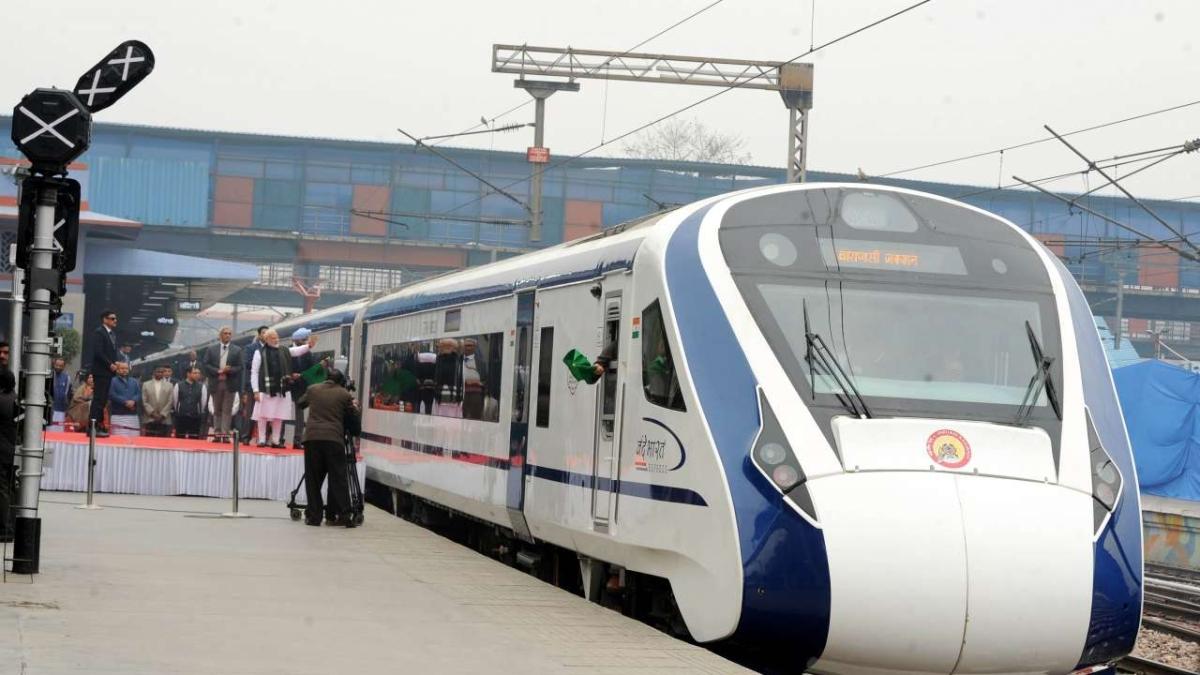
Domestic flights connect major cities quickly across India's considerable distances, while the rail network remains the most common way to travel between closer destinations such as Delhi, Agra and Jaipur, with several express trains covering the route in under two hours. Private drivers and organized coach transport are standard on guided tours, reducing the logistics of navigating train schedules or city traffic independently.
Northern Indian cuisine, centered on tandoori cooking, wheat-based breads and dairy-rich curries, dominates menus around Delhi and Rajasthan, while southern regions such as Kerala favor rice, coconut and seafood, and street food varies sharply by city, from Delhi's chaat stalls to Mumbai's vada pav. Festivals shape the travel calendar as much as the weather does, with Diwali, the festival of lights celebrated with oil lamps and fireworks in autumn, and Holi, the spring festival marked by the throwing of colored powder, drawing visitors who plan trips specifically around these dates.
Autumn and spring, roughly October through March, bring the most comfortable temperatures for sightseeing across northern India, including the Golden Triangle, with clear skies and cooler evenings well suited to walking around forts and monuments. The monsoon season, generally June through September, brings heavy rainfall to much of the country and is best avoided for itineraries focused on outdoor monuments, although Kerala's backwaters can still be visited in the shoulder months around the rains.