
Free Cancellation

Mount Abu is Rajasthan's only hill station, set in the Aravalli range near the state's border with Gujarat. Its elevation, above 1,200 meters, gives it a cooler climate than the desert plains below, and its main sites center on a cluster of marble Jain temples and a small lake at the heart of town.
Mount Abu is often visited as one stop on a longer Rajasthan itinerary, paired with the desert forts and cities further into the state.
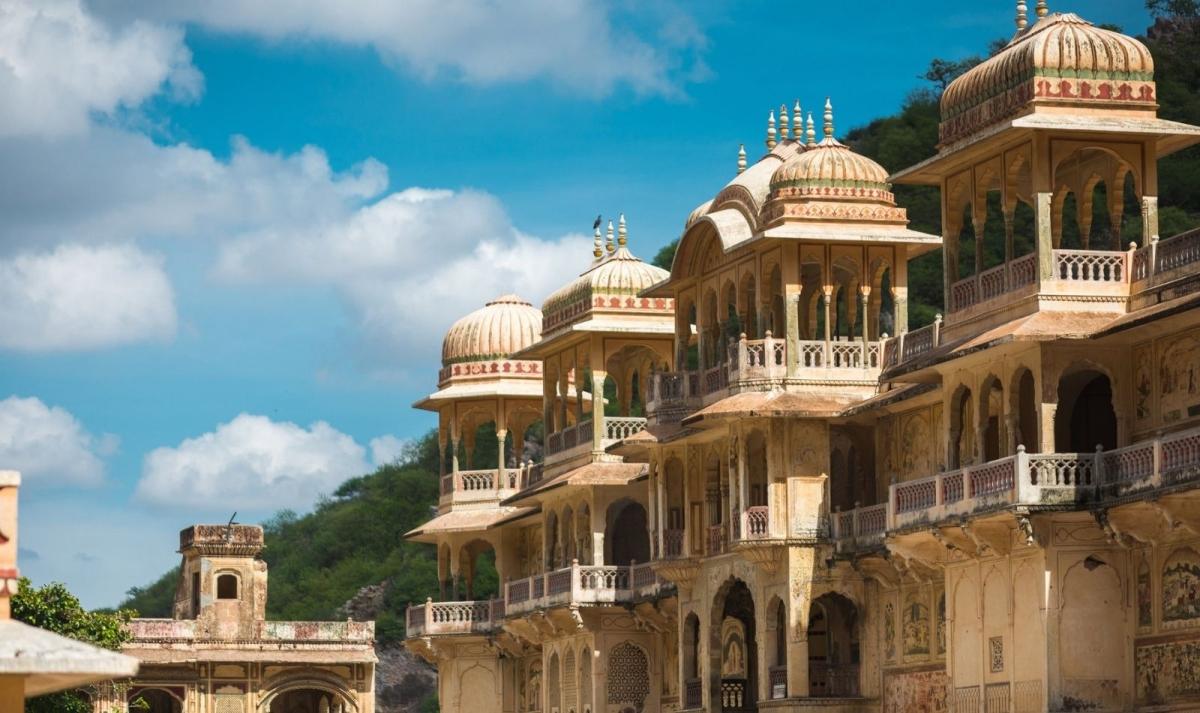
The Dilwara Temples, built between the 11th and 13th centuries, are known for marble carving of exceptional detail, with ceilings, pillars and door frames cut into intricate floral and figural patterns rather than left as plain stone surfaces. The complex consists of five main temples, dedicated to different Jain Tirthankaras, and the Vimal Vasahi and Luna Vasahi temples in particular are cited for the depth and precision of their marble work. Vimal Vasahi, the oldest of the five, was commissioned in 1031 by Vimal Shah, a minister serving the Solanki dynasty, and construction of the complex continued under different patrons over the following two centuries.
Nakki Lake sits at the center of Mount Abu town and gives the settlement its focal point, with a paved path circling the water and rock formations, including one known as Toad Rock, rising along its edges. Boating on the lake is a standard activity for visitors, and the surrounding promenade is where much of the town's evening activity concentrates.
A short drive from town, Guru Shikhar rises to just over 1,700 meters and is the highest point in the Aravalli range, a chain of hills considered among the oldest in India. A small temple dedicated to Dattatreya sits at the summit, reached by a flight of steps from the parking area, and the peak offers views across the surrounding hills toward the Gujarat plains, particularly clear in the early morning before haze builds up over the lower ground.
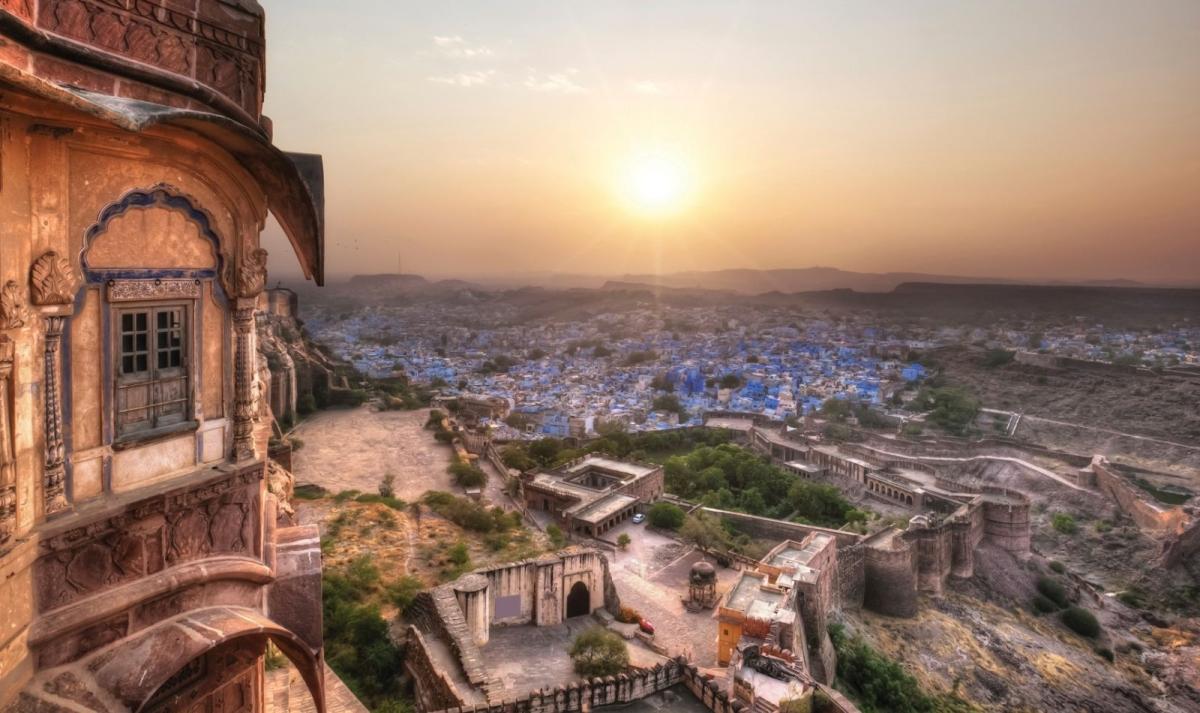
North of the main town, Achalgarh Fort was built in the 14th century and later strengthened by the Mewar ruler Rana Kumbha in the 15th century as part of a chain of hill defenses across the Aravallis. Within its walls stands the Achaleshwar Mahadev Temple, dedicated to Shiva, along with the Kantinath Jain Temple, giving the site a mix of fortification and pilgrimage history rarely found together on the same hilltop.
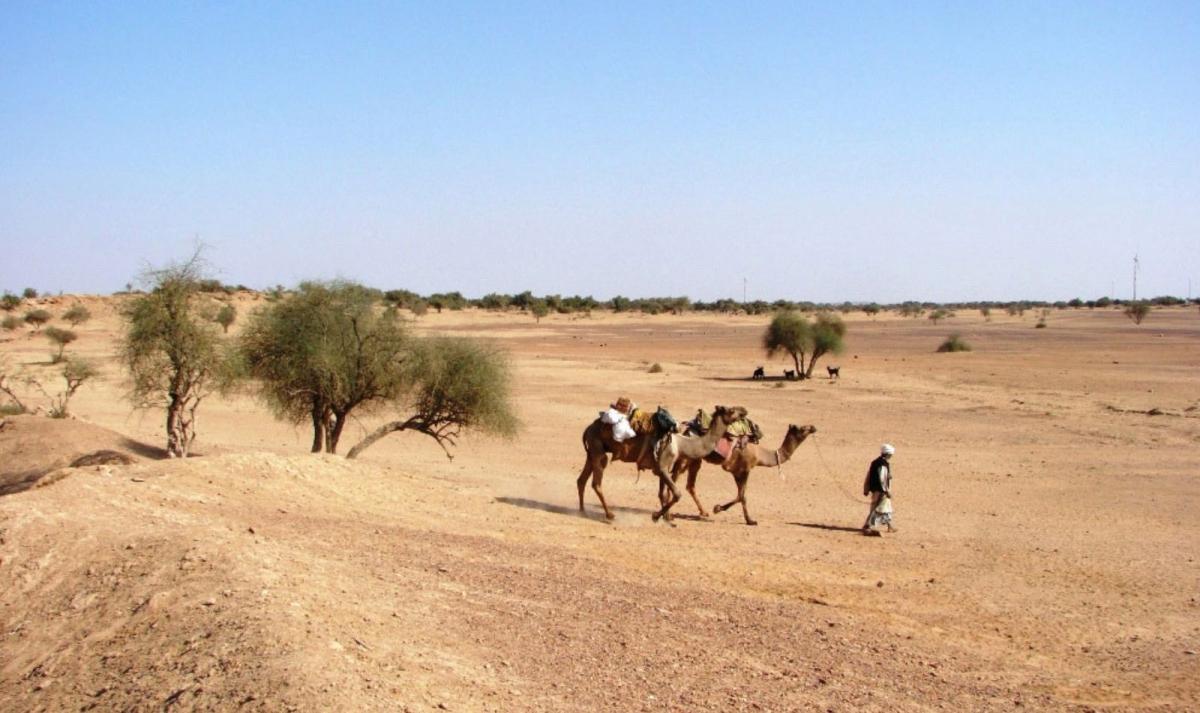
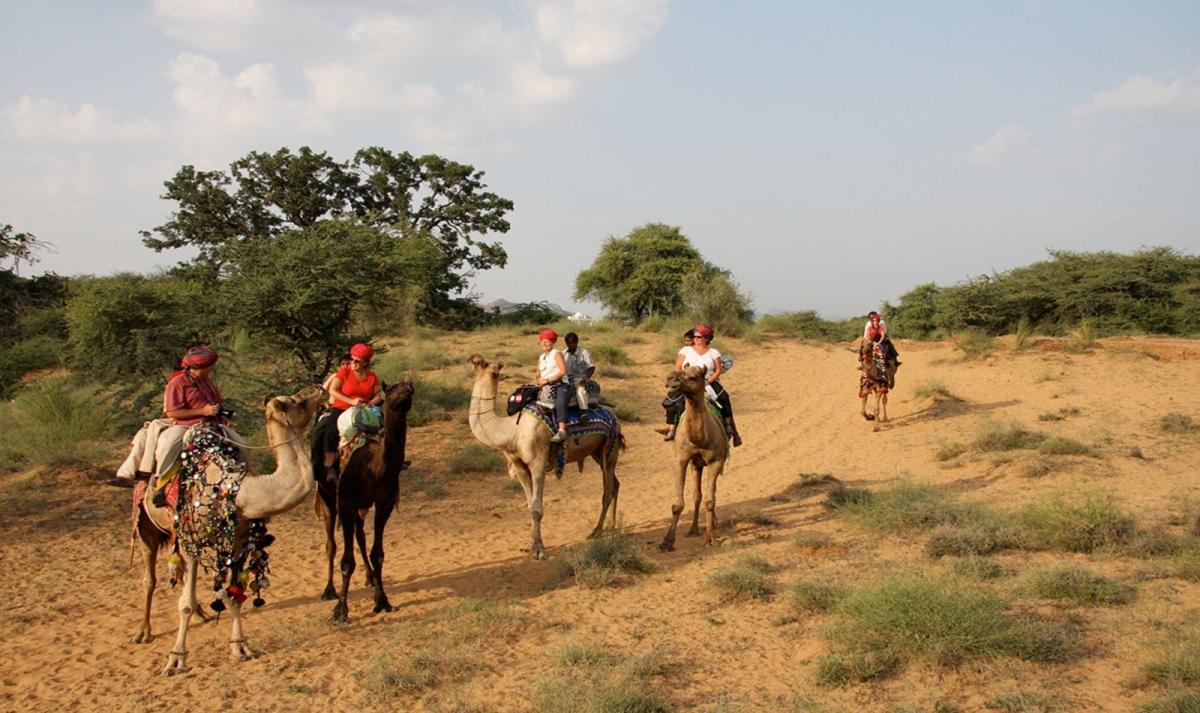
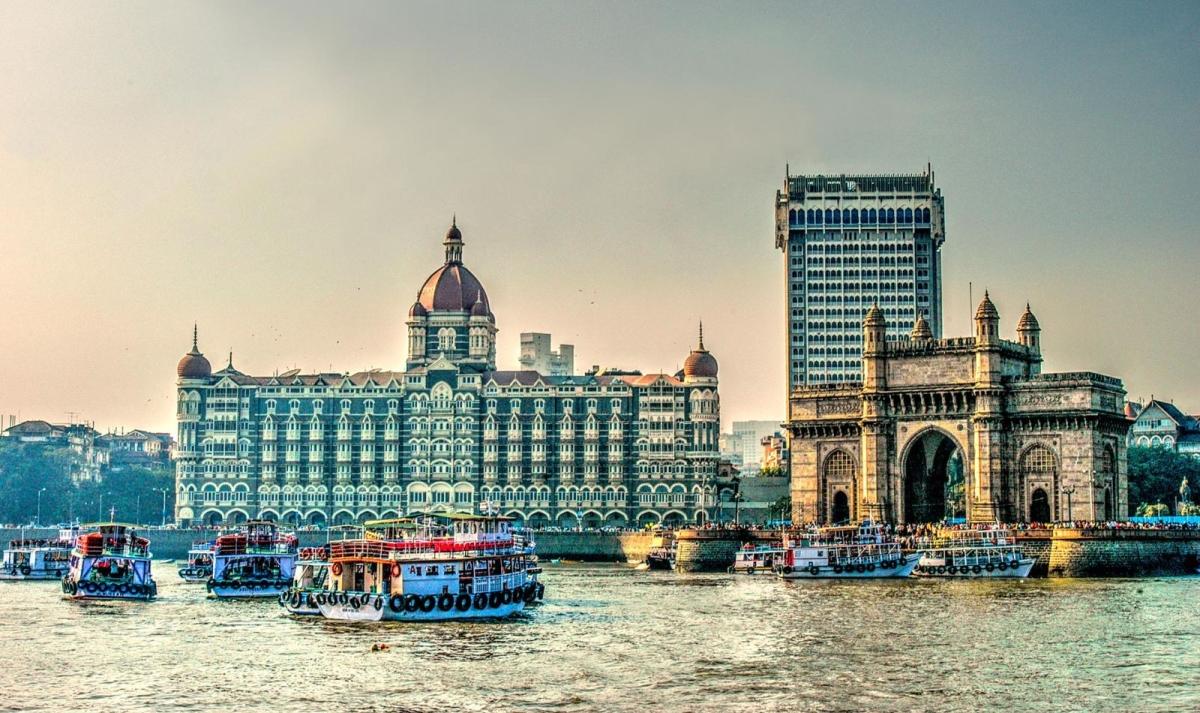
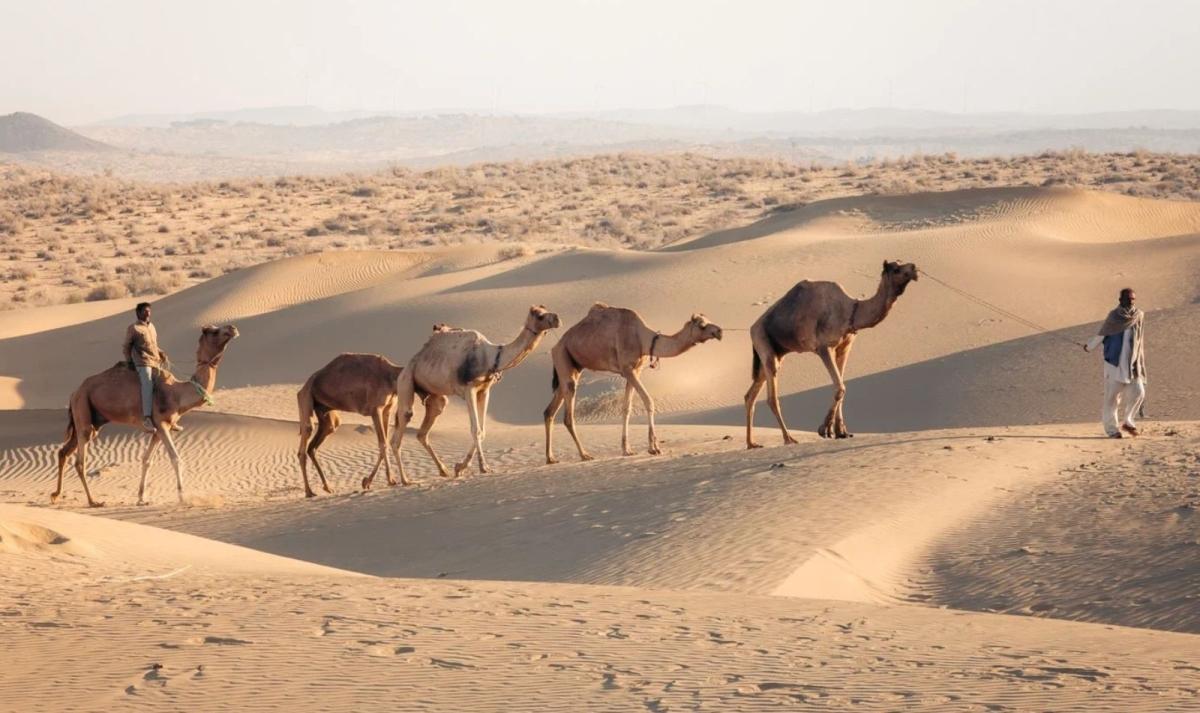
Packages that include Mount Abu generally combine it with Rajasthan's desert cities and forts, using the hill station as a cooler stop within a longer circuit. Rajasthan Forts & Desert Experience from Mumbai is one itinerary that routes through the state's forts and desert landscapes.
October through March brings the most comfortable temperatures for walking around Nakki Lake and visiting the Dilwara Temples, with cool evenings typical of the hill station's elevation. Summer remains milder than the Rajasthan plains below, part of why the town developed as a retreat in the first place.