
Free Cancellation
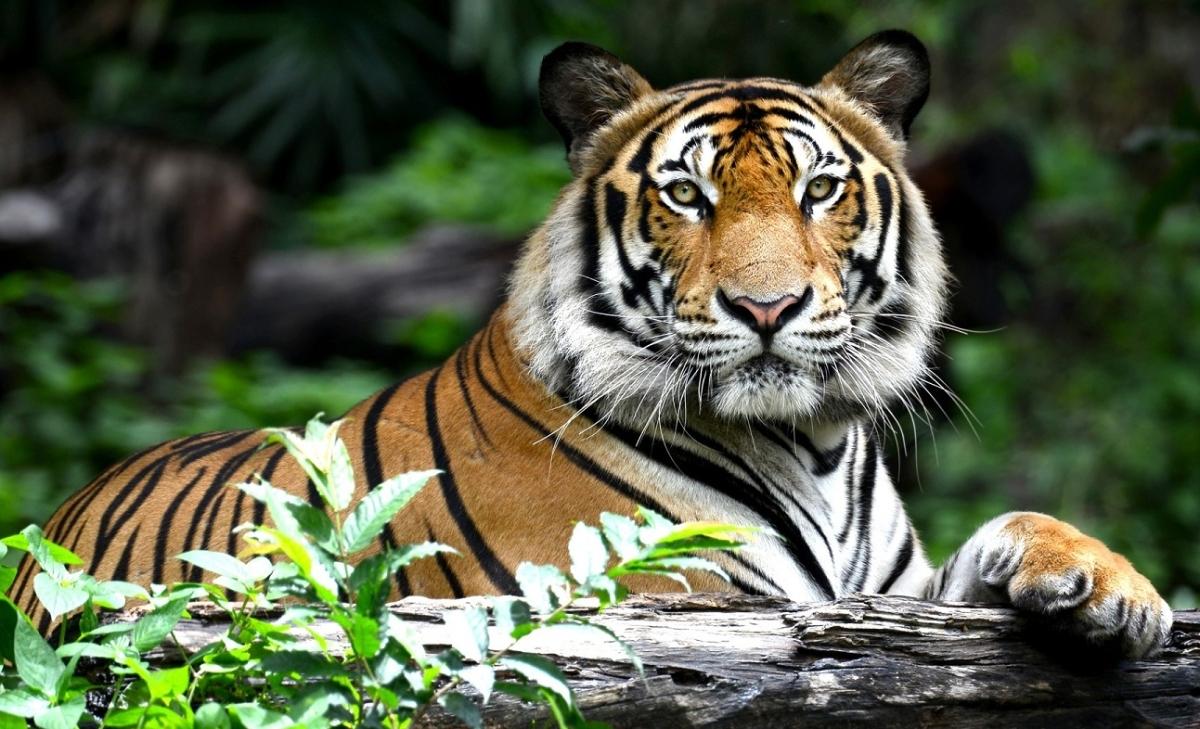
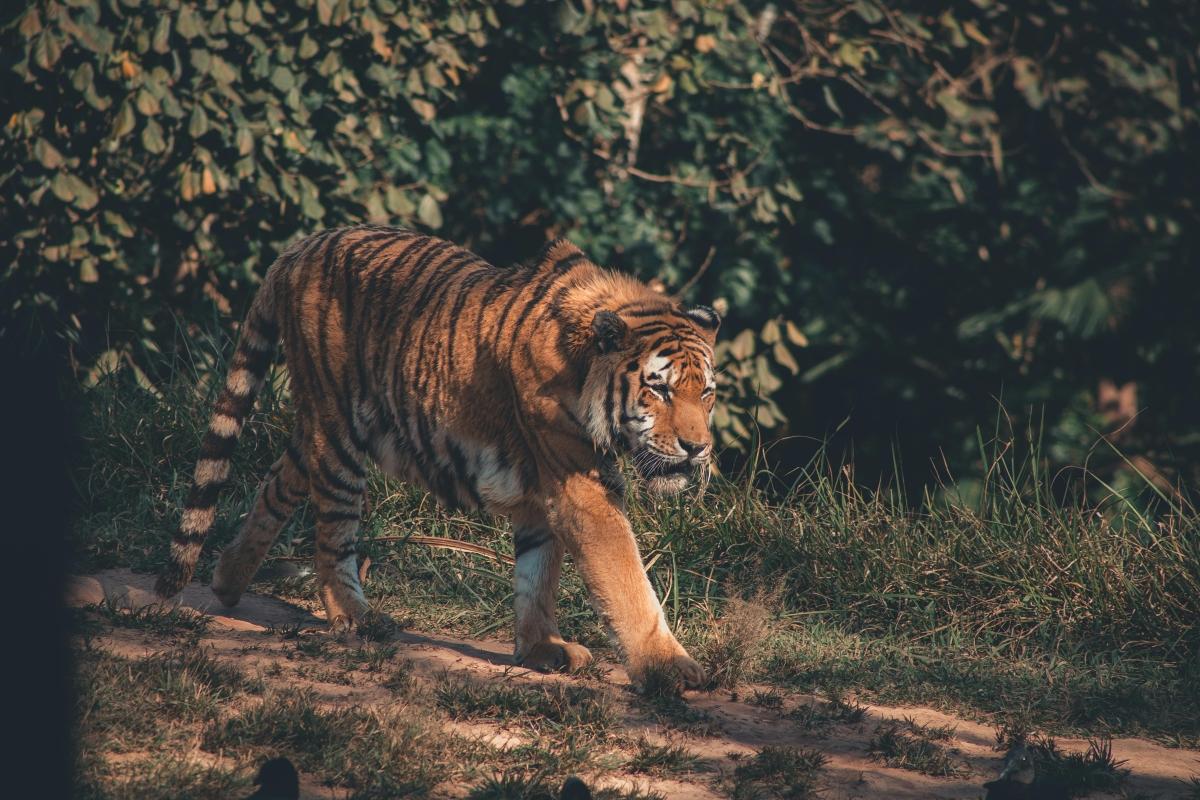
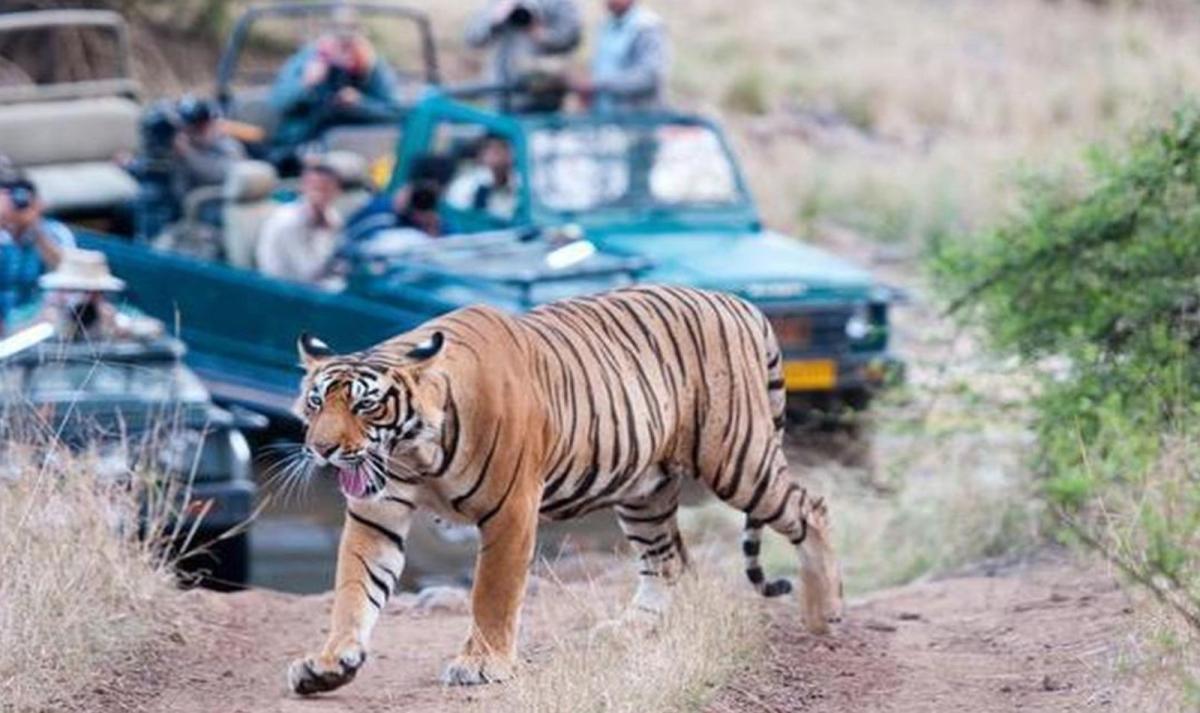
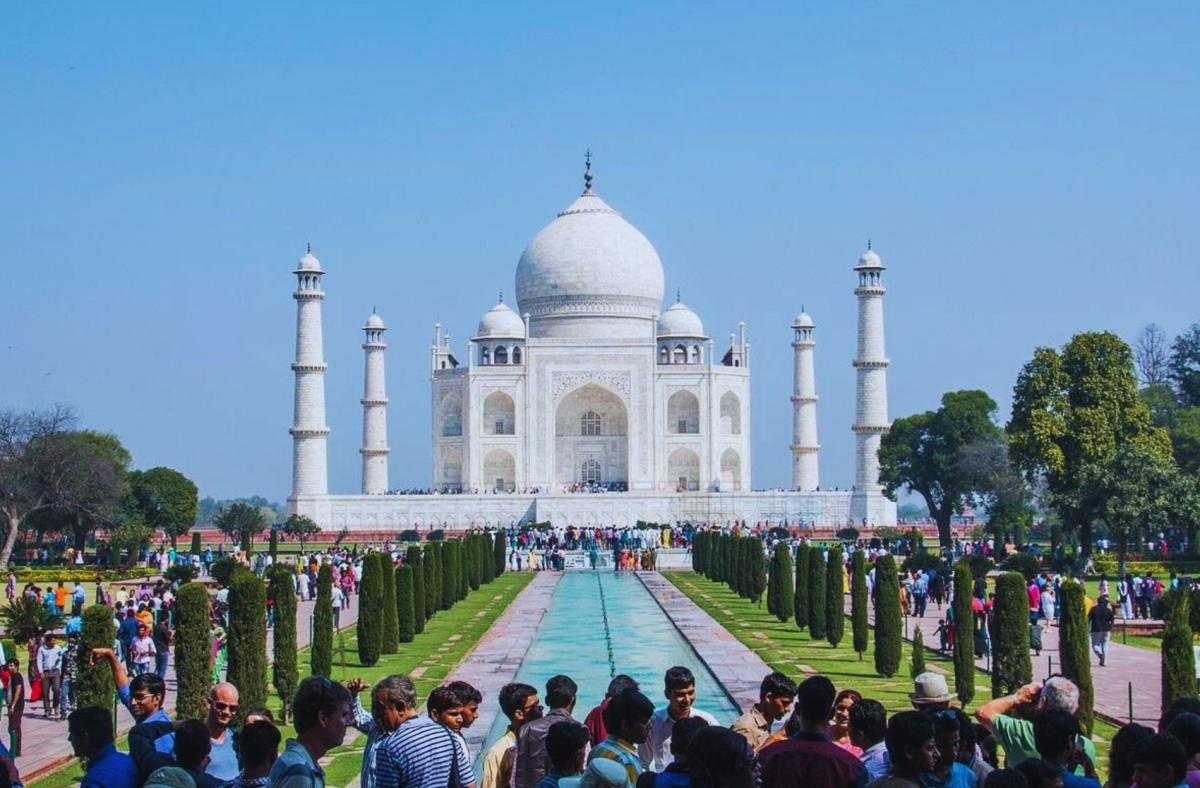
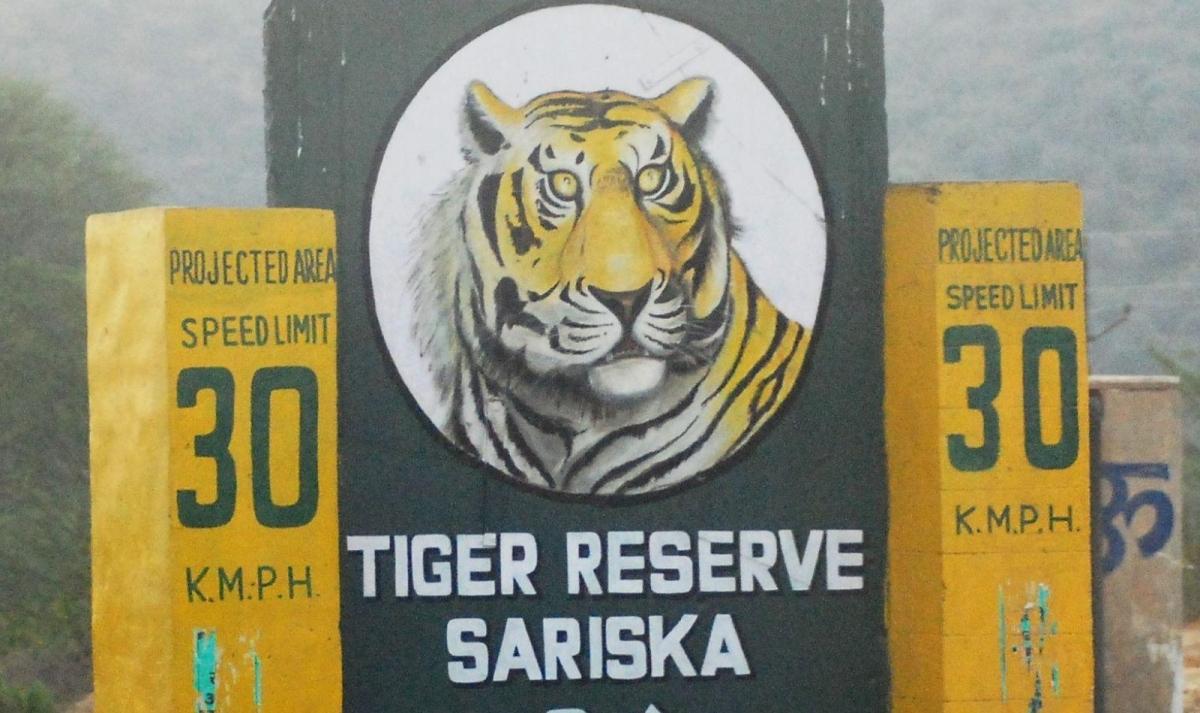
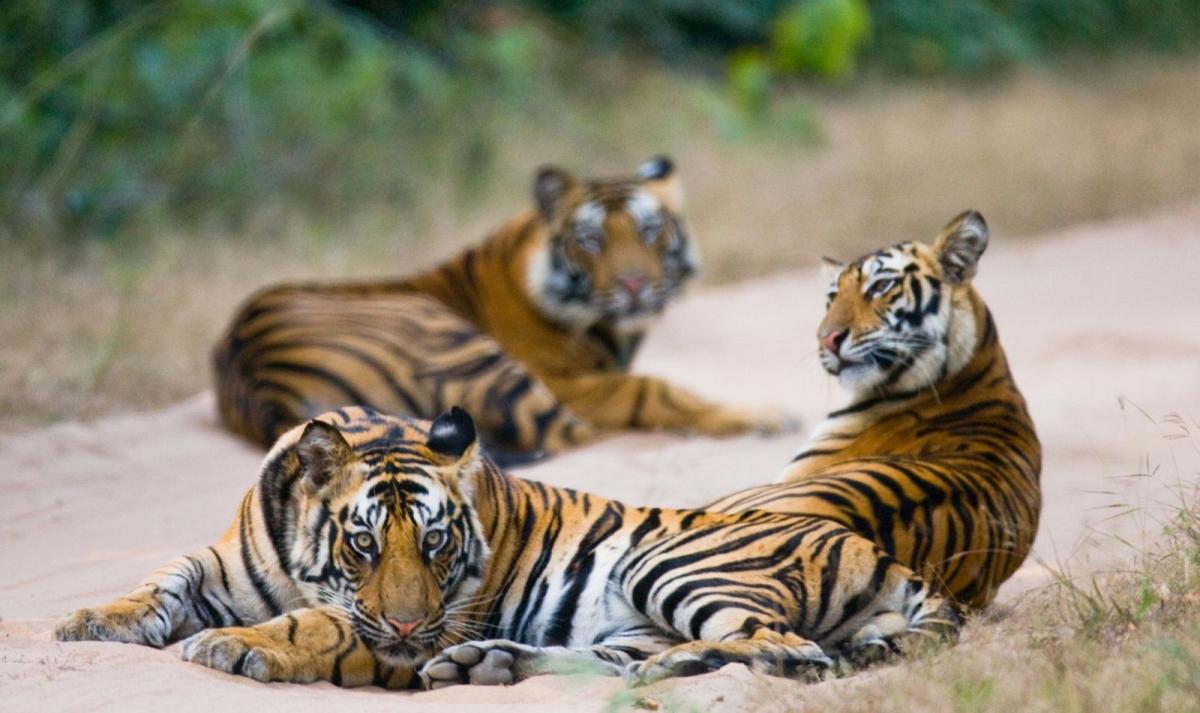
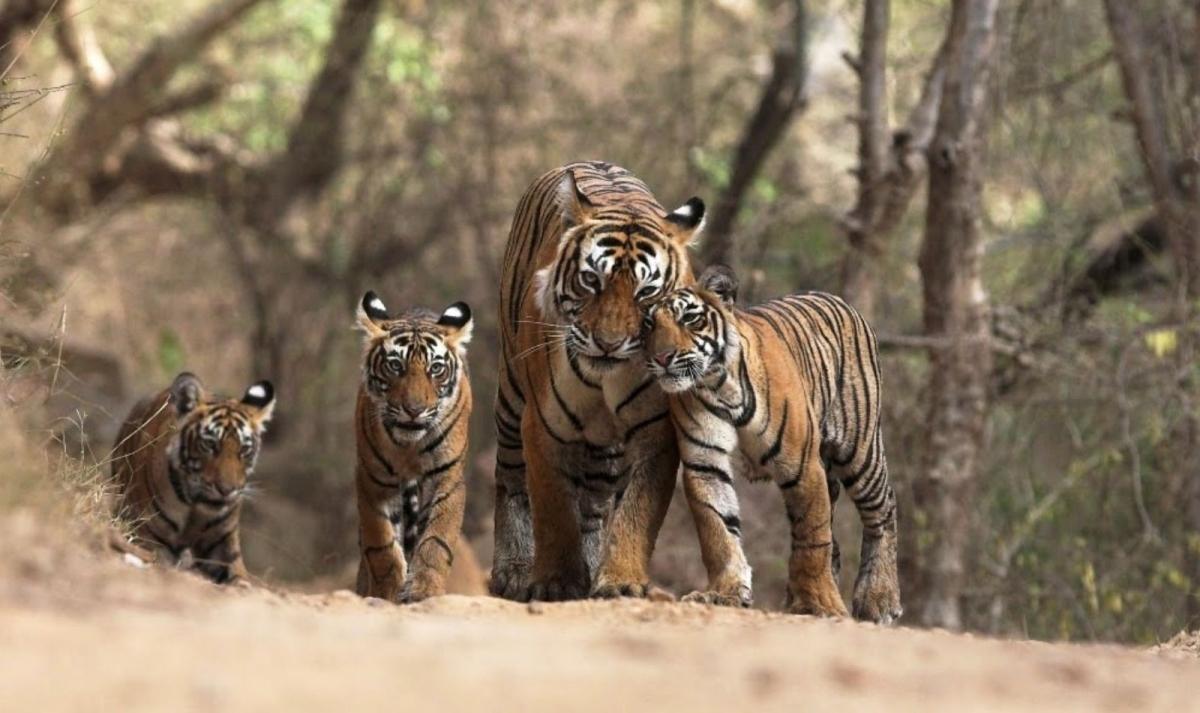
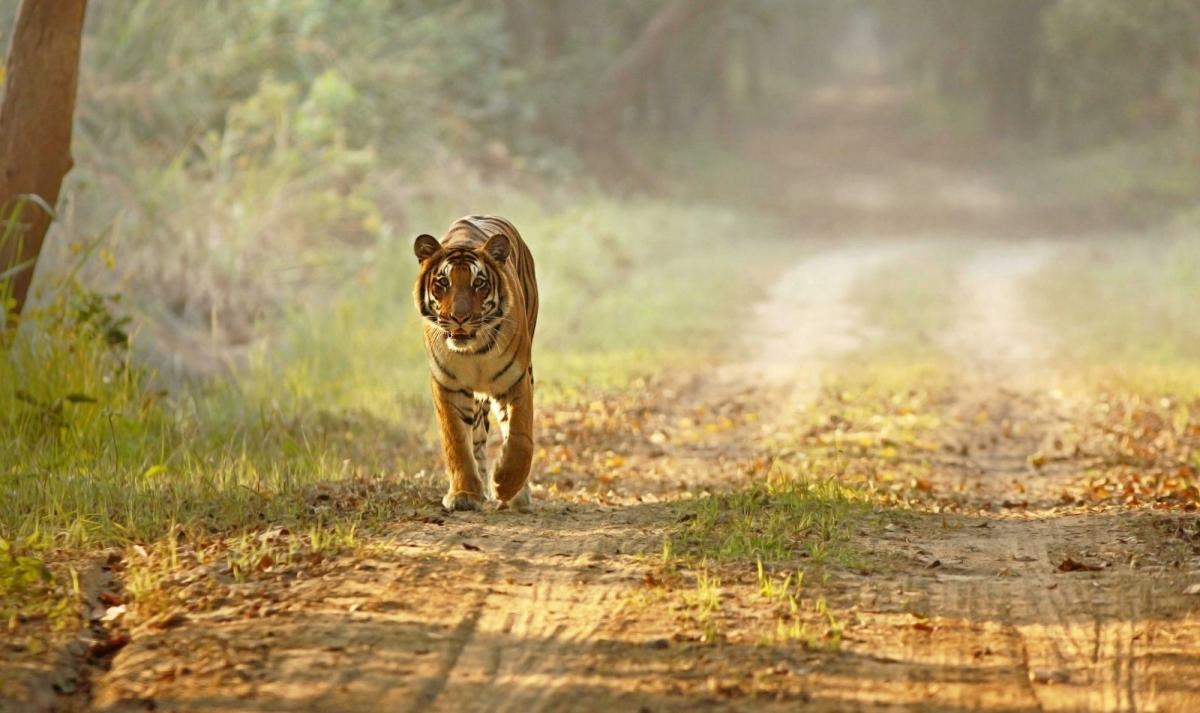
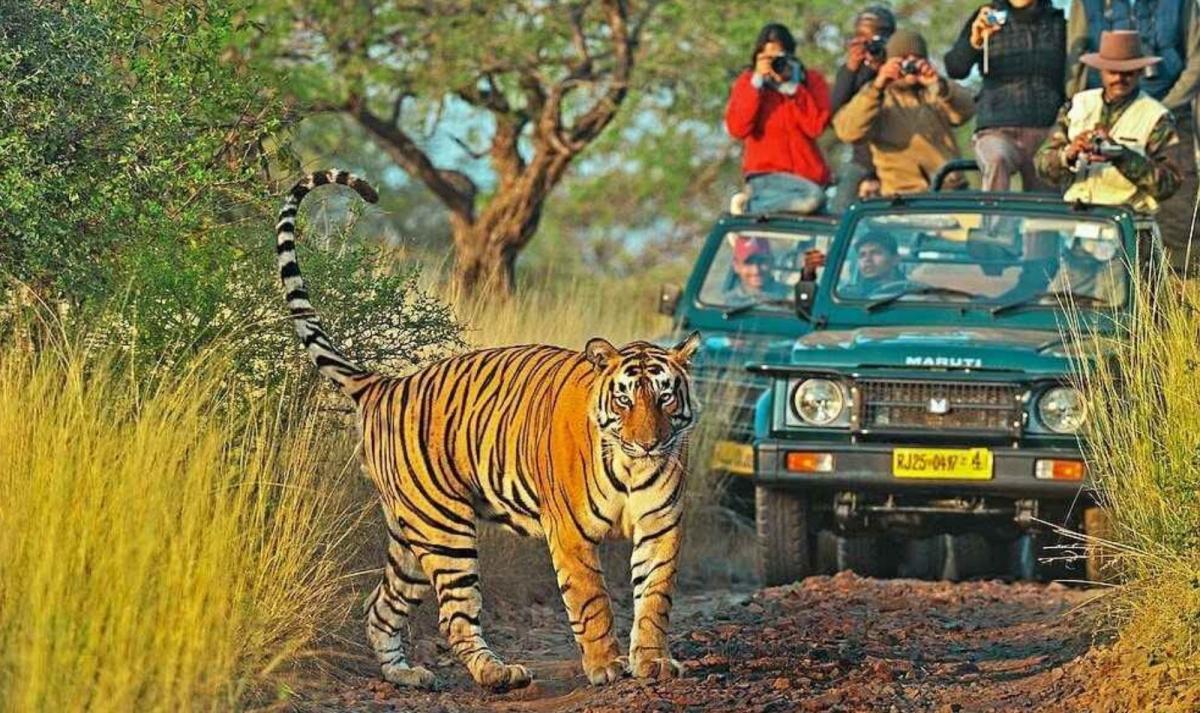
Ranthambore National Park lies in eastern Rajasthan and ranks among India's more reliable places to see a tiger in the wild. Dry deciduous forest covers most of the reserve, broken up by three linked lakes, stands of ancient banyan trees and the ruins of a fortress that has watched over the landscape for close to a thousand years. Open-jeep and canter safaris move through numbered zones at dawn and dusk, when the big cats are most active and the forest is at its coolest.
Tours of the park work well as a standalone wildlife trip or as one stop on a longer India itinerary that pairs Ranthambore with Rajasthan's cities and forts. The reserve sits close enough to Jaipur to be visited on a short detour, and its combination of wildlife, ruins and open grassland sets it apart from the desert forts further west.
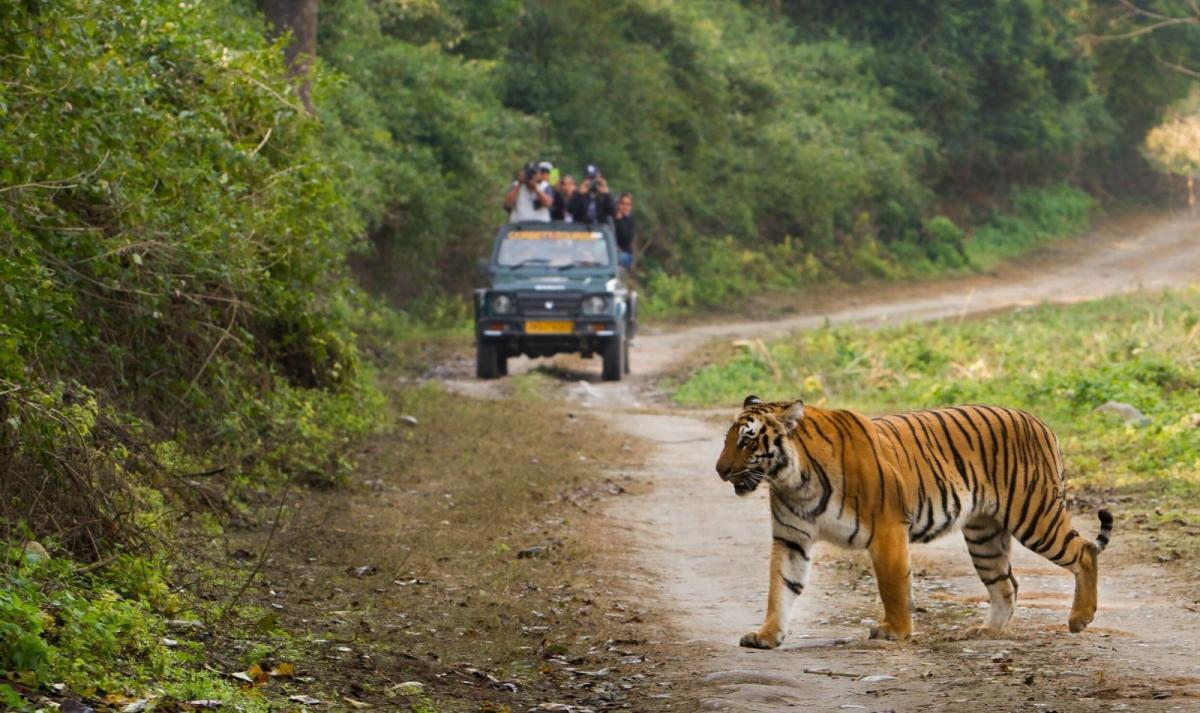
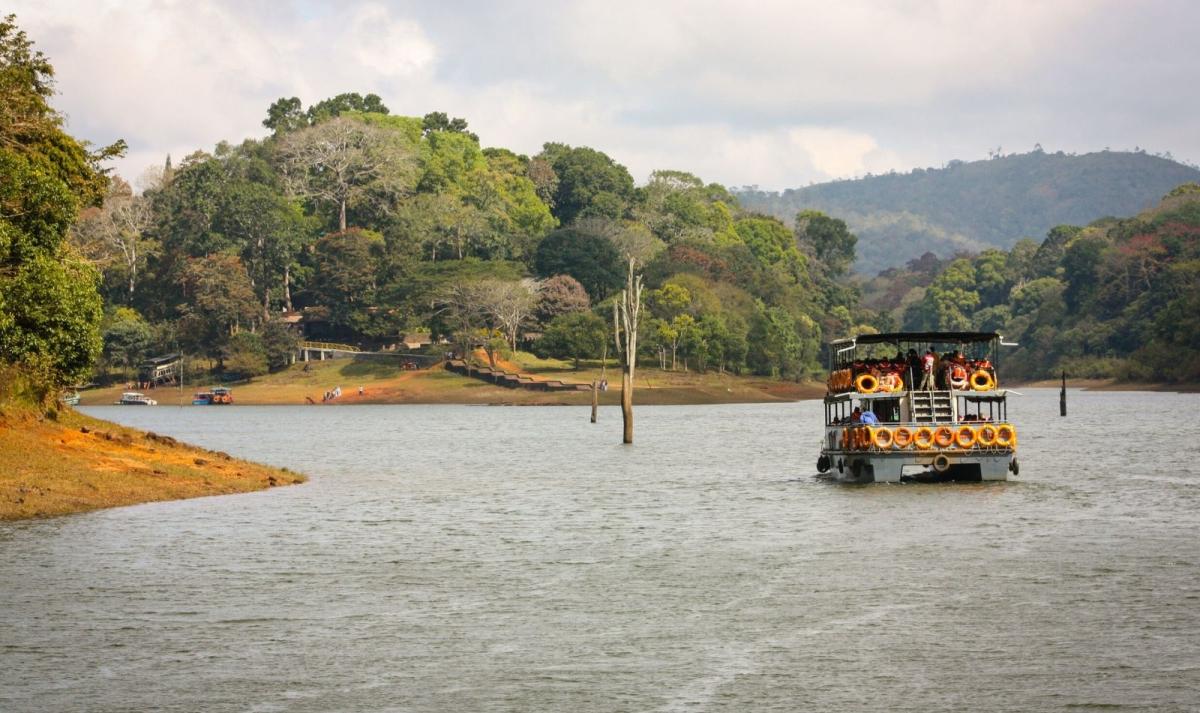
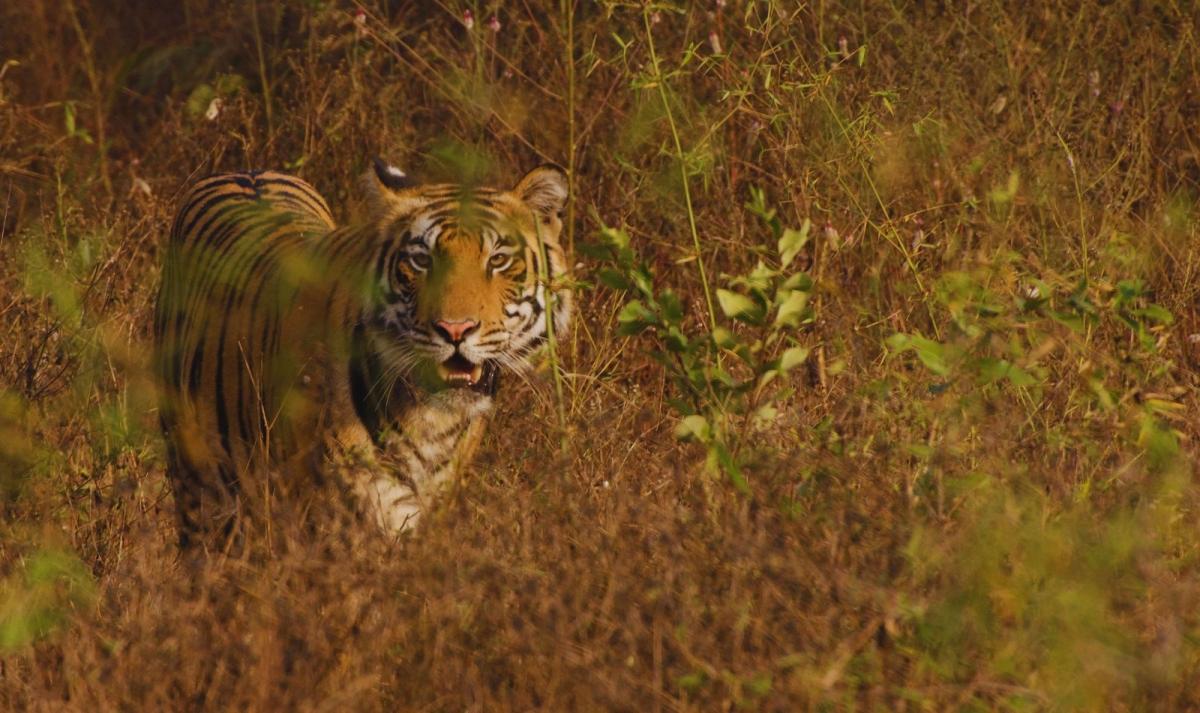
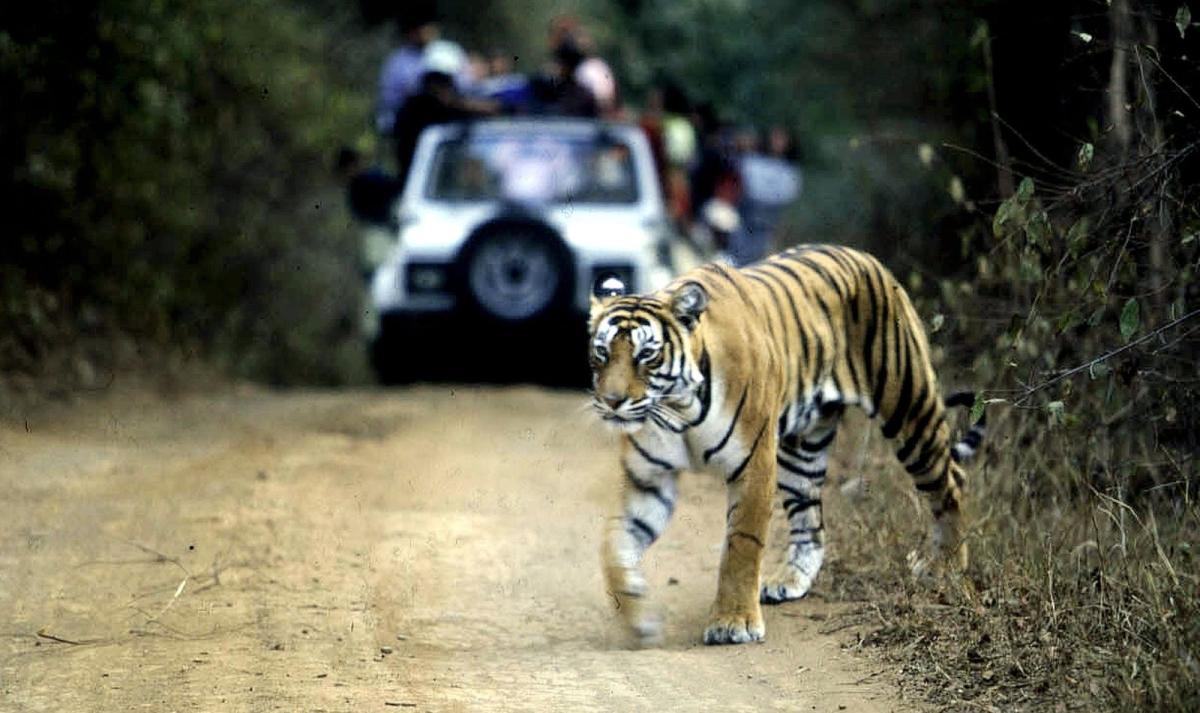
Ranthambore's tiger population is spread across roughly ten safari zones, each with its own mix of lakes, grassland and rocky ridges. Sightings are never guaranteed, but the park's relatively open terrain and low ground cover give visitors a fair chance compared with denser forests elsewhere in India. Beyond tigers, the jeeps regularly turn up leopards, sloth bears, marsh crocodiles basking on the lake banks, and large herds of spotted deer and sambar that make up much of the tiger's diet. Padam Talab and Rajbagh, the two largest lakes, draw both predators and a wide range of waterbirds through the cooler months.
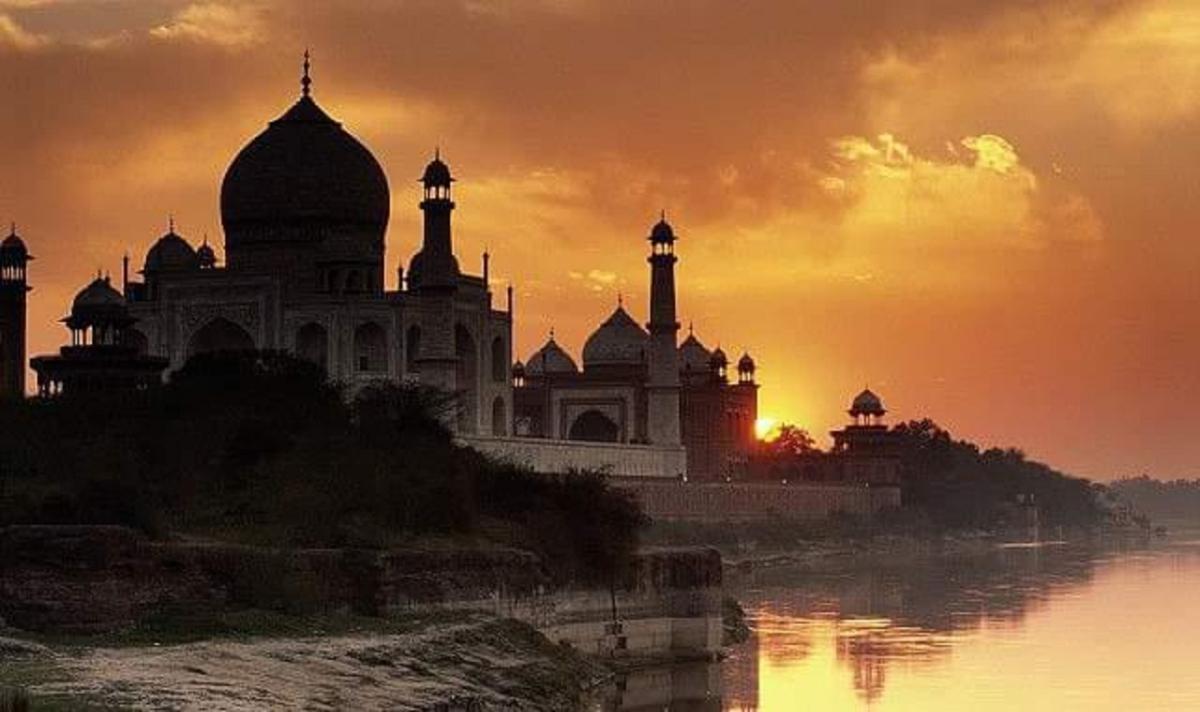
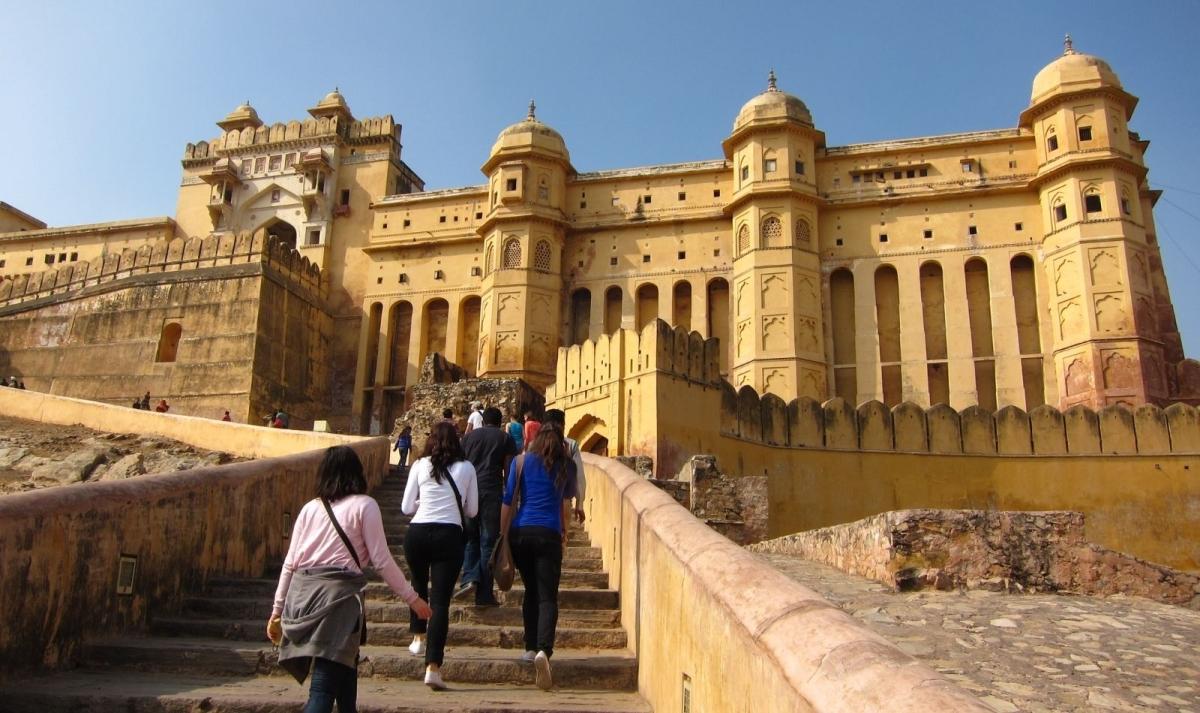
Set on a hilltop within the park boundary, Ranthambore Fort dates to the 10th century and was fought over for generations by the rulers of Delhi, Mewar and Ranthambore itself. It is included, alongside five other Rajasthani strongholds, in the UNESCO World Heritage listing for the Hill Forts of Rajasthan. Temples, stepwells and a banyan tree said to be among the largest in India stand within its walls, and the ramparts give a wide view over the forest and lakes below, often a useful vantage point for spotting movement in the grassland.
The park is split into ten numbered safari zones, five within the older core area and five in the surrounding buffer forest, and permits are allocated to a specific zone and vehicle rather than left open. Visitors travel either in a six-seat open-top Gypsy or a larger twenty-seat canter, with Gypsies generally offering a better chance of spotting animals thanks to their size and maneuverability. Safaris run in two shifts a day, one starting shortly after sunrise and the other in the mid-afternoon, and shift timings shift by an hour or so across the seasons to match daylight.
Most visits are arranged as multi-day wildlife packages that combine two or more safari drives with accommodation near the park gates, and some extend into broader Rajasthan circuits that take in Jaipur, Udaipur or Jodhpur. The platform's wider catalog also includes safari-style itineraries in other parts of the world, such as the Safari Wildlife Tour African Adventure Experience, for travelers comparing wildlife trips across regions rather than staying within India alone.
The nearest railhead and town, Sawai Madhopur, sits about three to four hours from Jaipur by road or a similar stretch by train, which makes Ranthambore a practical add-on rather than a separate expedition. The park closes each year during the monsoon, from July through September, and reopens in October. Sightings tend to improve from April to June, when the heat thins the undergrowth and pushes animals toward the remaining water sources, though early morning safaris in the cooler months of November through February remain popular with visitors who prioritize comfort over sighting odds.