
Free Cancellation


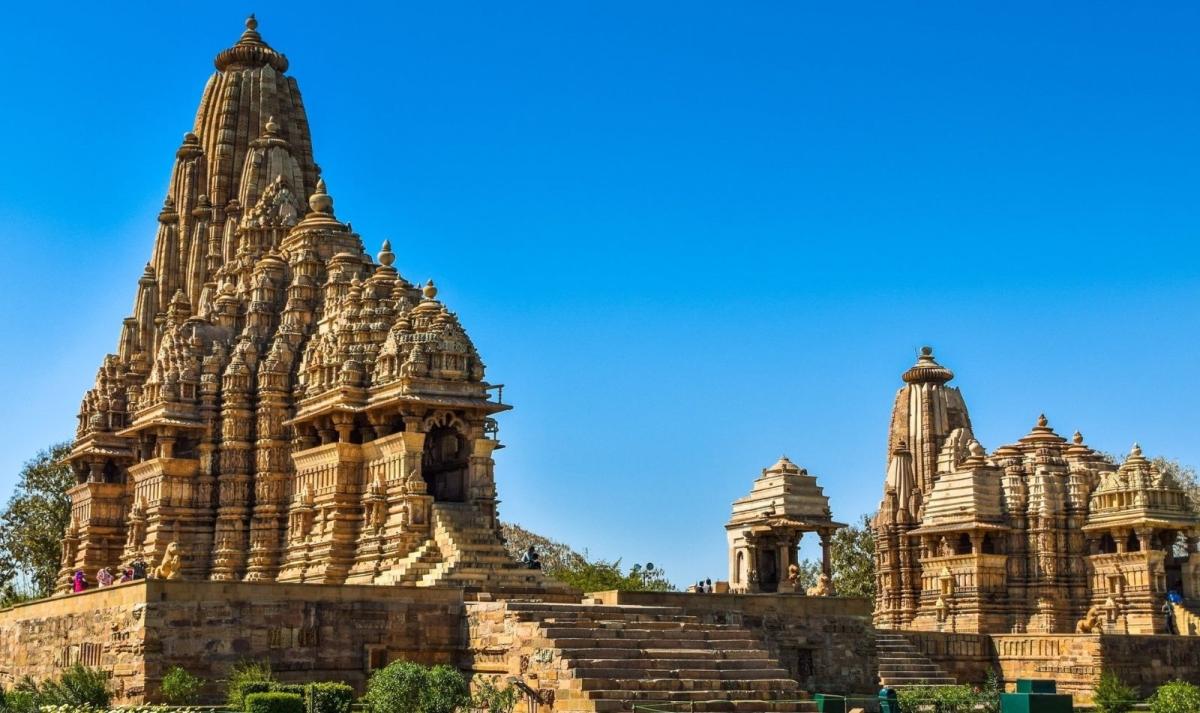
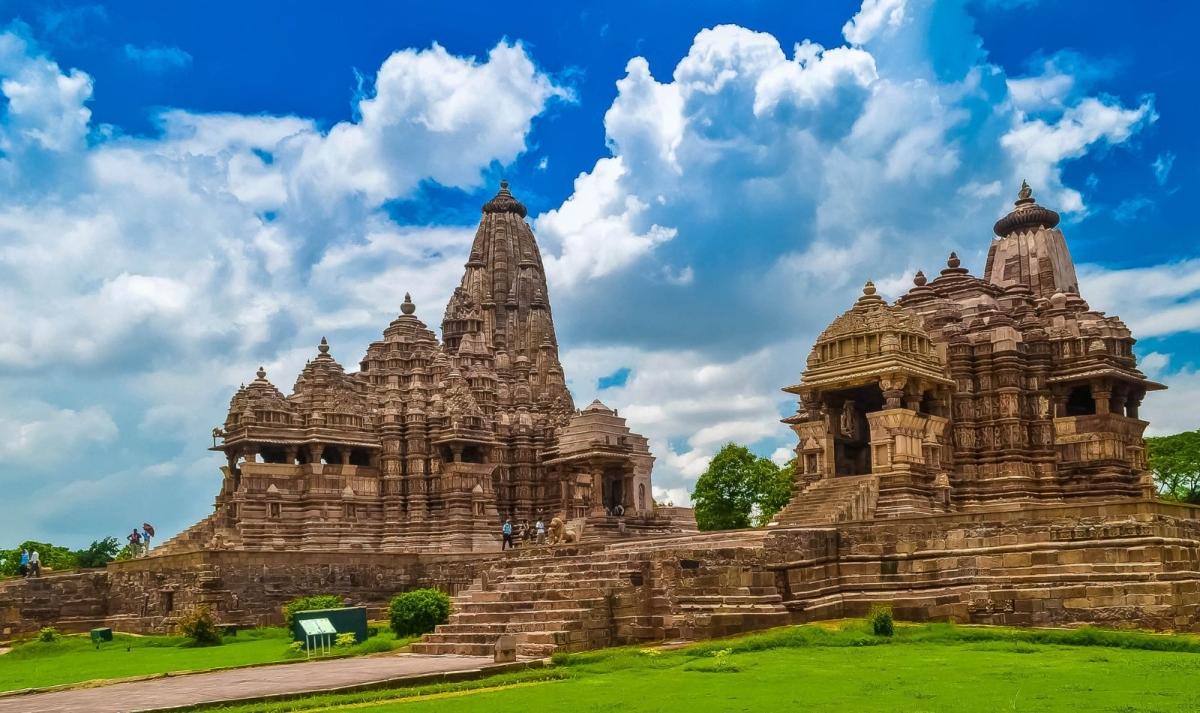
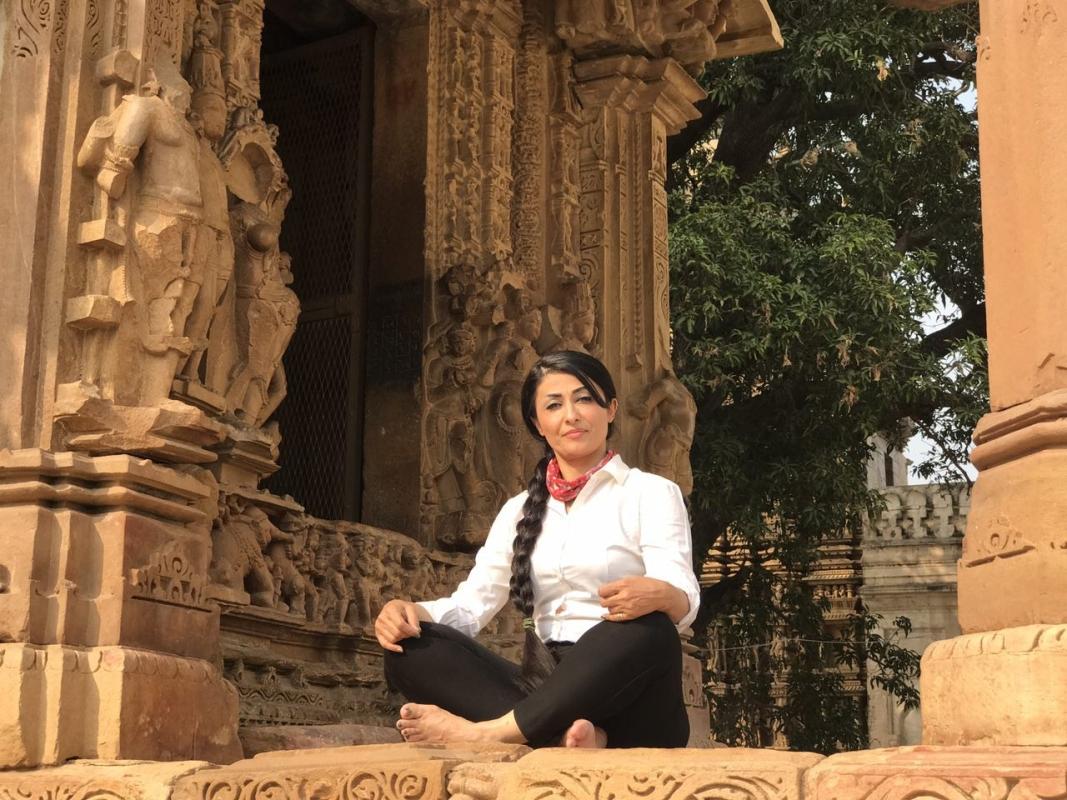
Khajuraho Tours visit one of central India's most significant architectural sites, a group of medieval temples in the state of Madhya Pradesh recognized by UNESCO as a World Heritage Site. Built by the Chandela dynasty between roughly 950 and 1050 AD, the temples of Khajuraho represent one of the most complete surviving examples of North Indian temple architecture from the period.
Khajuraho fits naturally into a broader India itinerary, often linked with Agra and the Golden Triangle circuit, though its temple complexes alone are substantial enough to warrant a dedicated stop of a day or two.
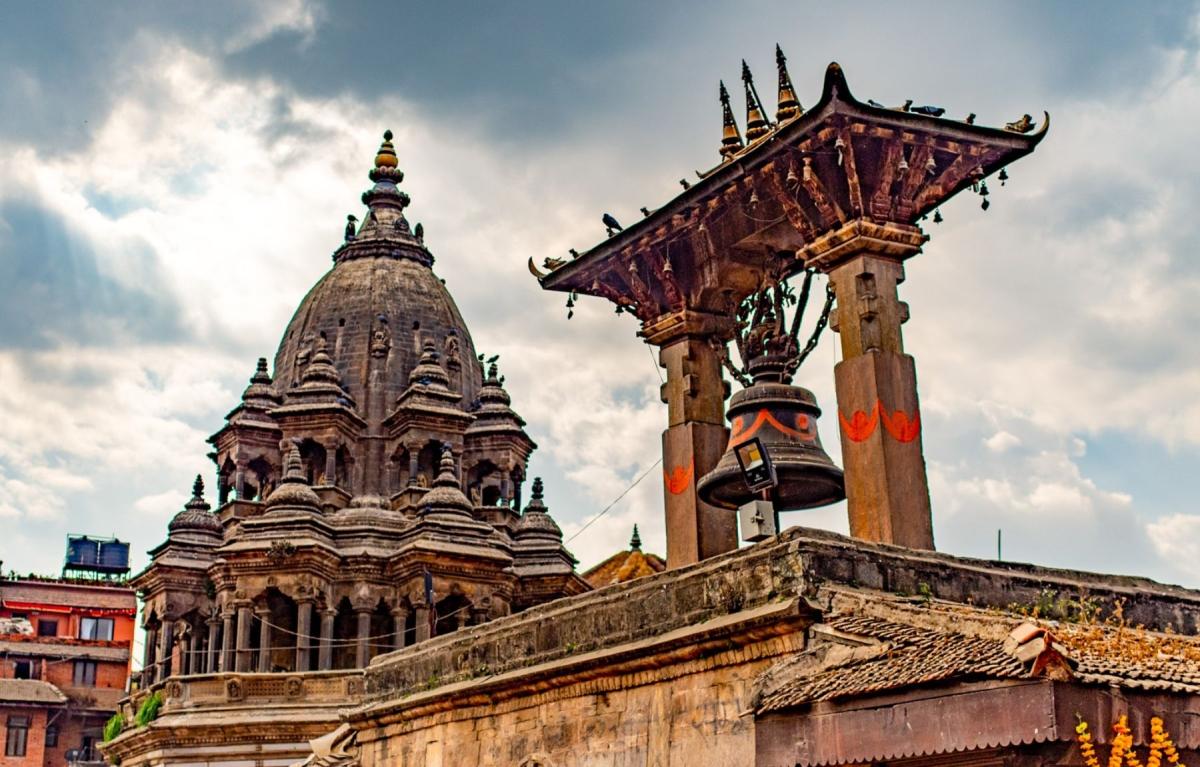
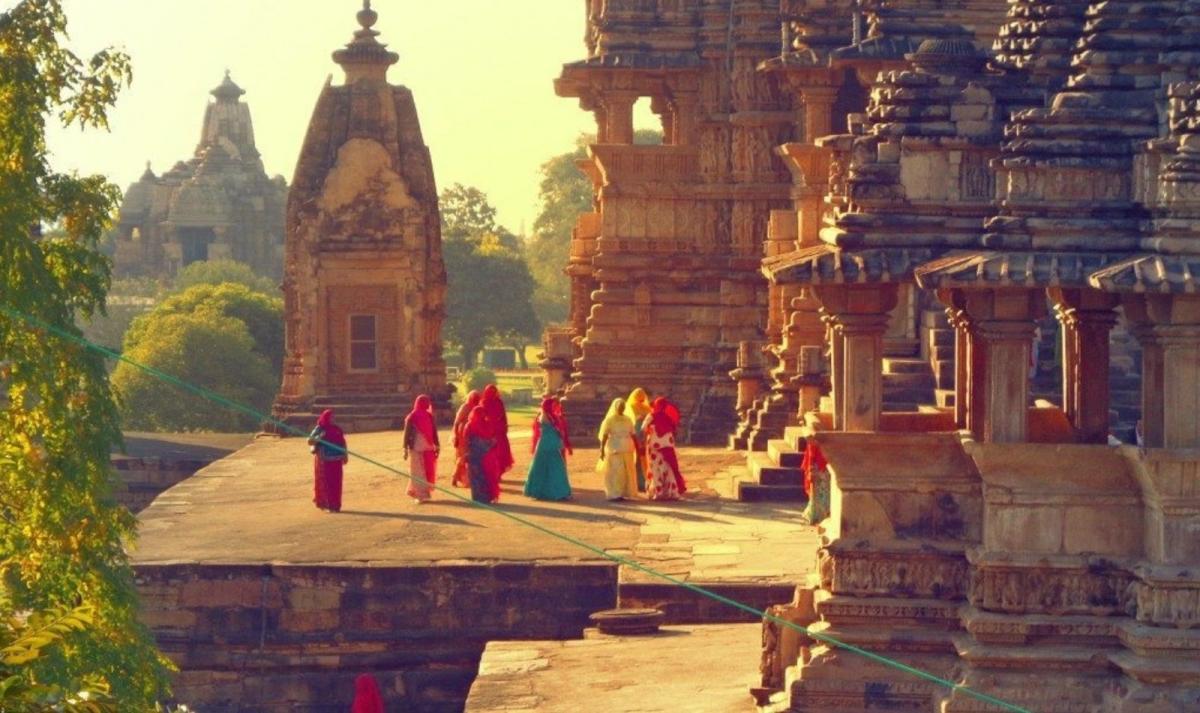
The Western Group is the largest and best preserved cluster at Khajuraho, containing the Kandariya Mahadeva Temple, considered the finest example of Chandela-era architecture for its scale and the density of its carved sculpture. The temples in this group are built on raised platforms, with soaring towers, or shikharas, that rise in stacked tiers above the main sanctuary.
Khajuraho's temples are covered in carved sculpture that runs across several bands, depicting deities, celestial figures, musicians, animals and scenes of daily life alongside a smaller set of intimate carvings that have drawn particular attention over the years. Scholars generally read the full sculptural program as an expression of a worldview that treated everyday life, ritual and the divine as connected, rather than separating them, and the intimate carvings represent one strand within a far larger and more varied body of work.
Away from the main tourist route, the Eastern Group includes a set of Jain temples, notably the Parshvanath Temple, with carving of comparable quality to the Western Group but drawing fewer visitors. Several temples in this group remain active places of worship rather than purely archaeological sites. The Southern Group is smaller still, spread out further from the town center and best reached with additional time set aside, and includes the Duladeo Temple, among the last built at Khajuraho before the Chandela dynasty's decline.
Many of Khajuraho's temples stood abandoned and overtaken by forest for several centuries before a British engineer, T.S. Burt, documented the site in 1838, drawing renewed attention to structures that local communities had continued to maintain on a smaller scale. Of an original group thought to number around 85 temples, roughly 25 survive today, spread across the three groups that visitors can tour.
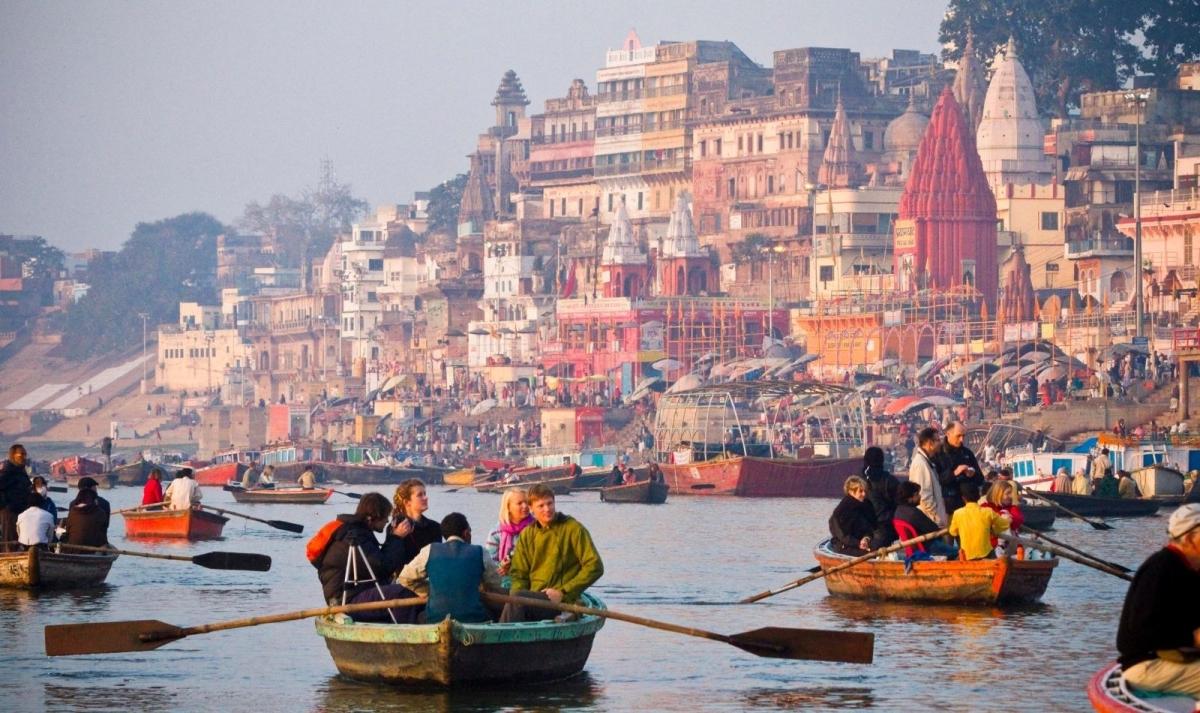
Khajuraho Tour Packages commonly pair the temples with other stops on a central and northern India route, since the site sits within reach of Agra, Varanasi and Delhi by road or short domestic flight.
6-Day Khajuraho to Agra Adventure is one itinerary that connects the temples with Agra's Mughal-era monuments.
Khajuraho has its own small airport with regular flights connecting to Delhi, Varanasi and Agra, while the town is also reachable by rail, though train journeys from major cities typically take considerably longer than flying. Most travelers combine air travel for one leg of the trip with road transport to nearby sites.
The cooler months from October to March suit walking between the temple groups, with daytime temperatures generally comfortable for outdoor sightseeing. Khajuraho also hosts an annual dance festival in late February or early March, when classical Indian dance forms are performed against the backdrop of the illuminated Western Group temples.