
Free Cancellation

-high.jpg&w=1920&q=75 "Sunrise Taj Mahal Trip from Delhi All Inclusive")
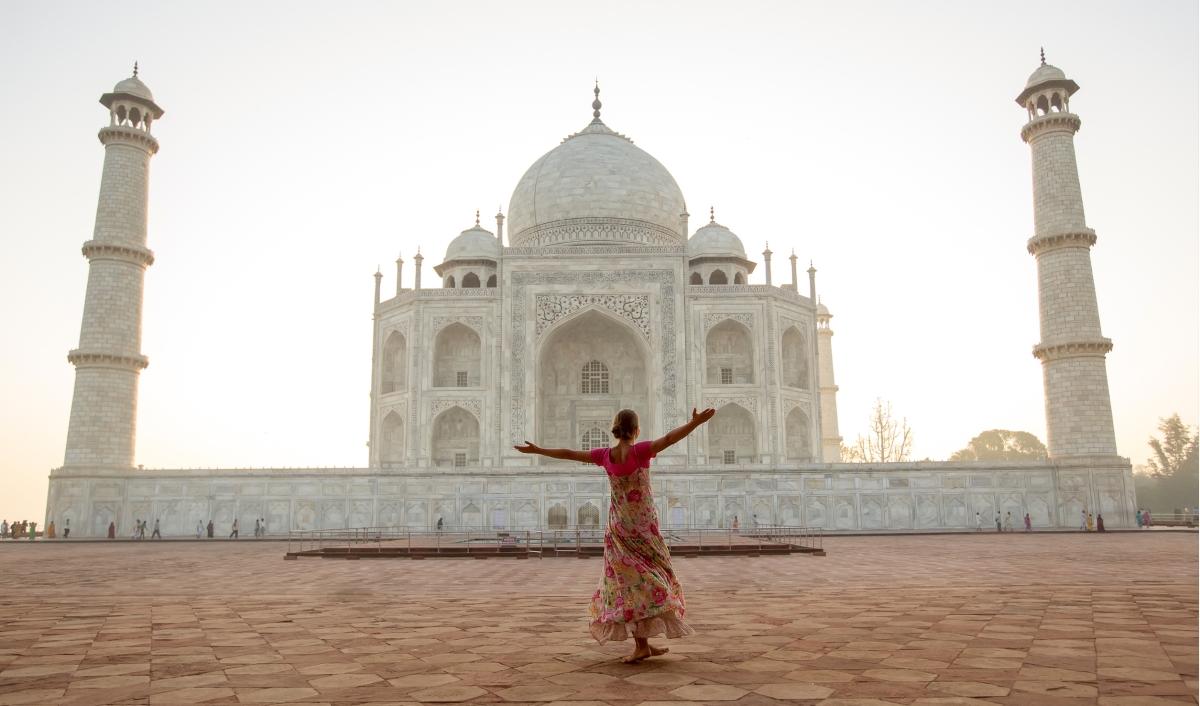

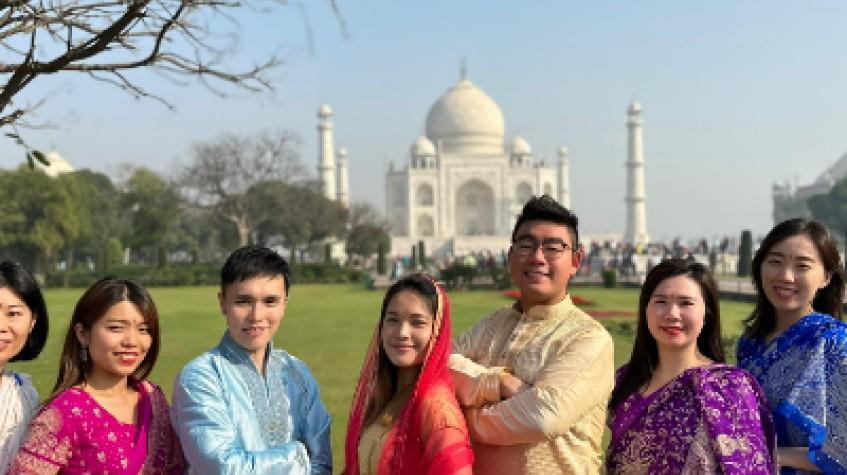

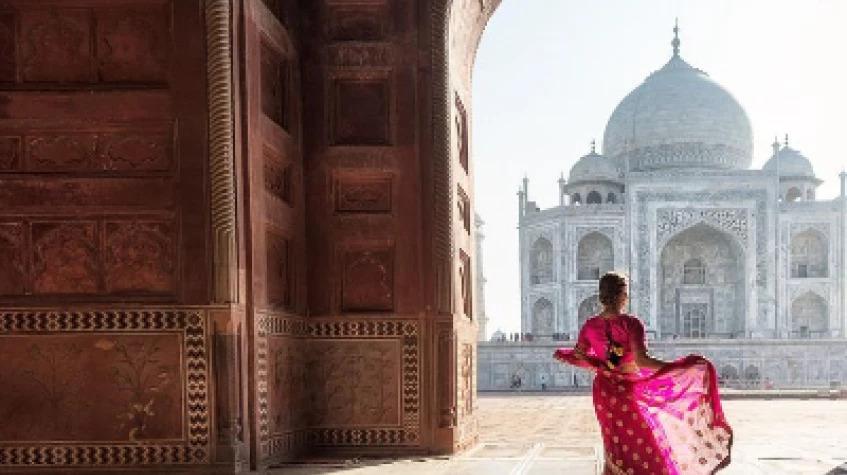
Agra Tours center on one of the most recognized buildings in the world, the Taj Mahal, but the city built around it carries several centuries of Mughal history beyond that single monument. Sitting on the banks of the Yamuna River in the Indian state of Uttar Pradesh, Agra served as a Mughal capital through much of the 16th and 17th centuries, a period that left the city with fortifications, tombs and palace complexes still standing today.
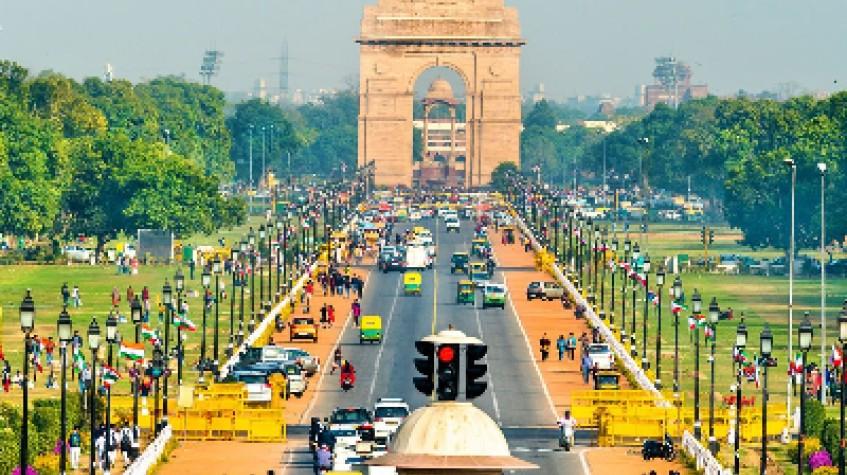
Roughly 230 kilometers south of Delhi, the city sits close enough for a day trip but substantial enough to reward an overnight stay, and forms one corner of India's Golden Triangle circuit alongside Delhi and Jaipur. Most itineraries treat Agra as part of a longer India tour, though its monuments alone justify a dedicated stop.
Agra's rise began under the Lodi dynasty in the late 15th century and continued through three generations of Mughal rulers, Akbar, Jahangir and Shah Jahan, each of whom left major building projects in or around the city before the capital eventually shifted to Delhi. That layered history means a single visit can move from 16th-century fort architecture to the refined marble work of the mid-17th century within a few kilometers.
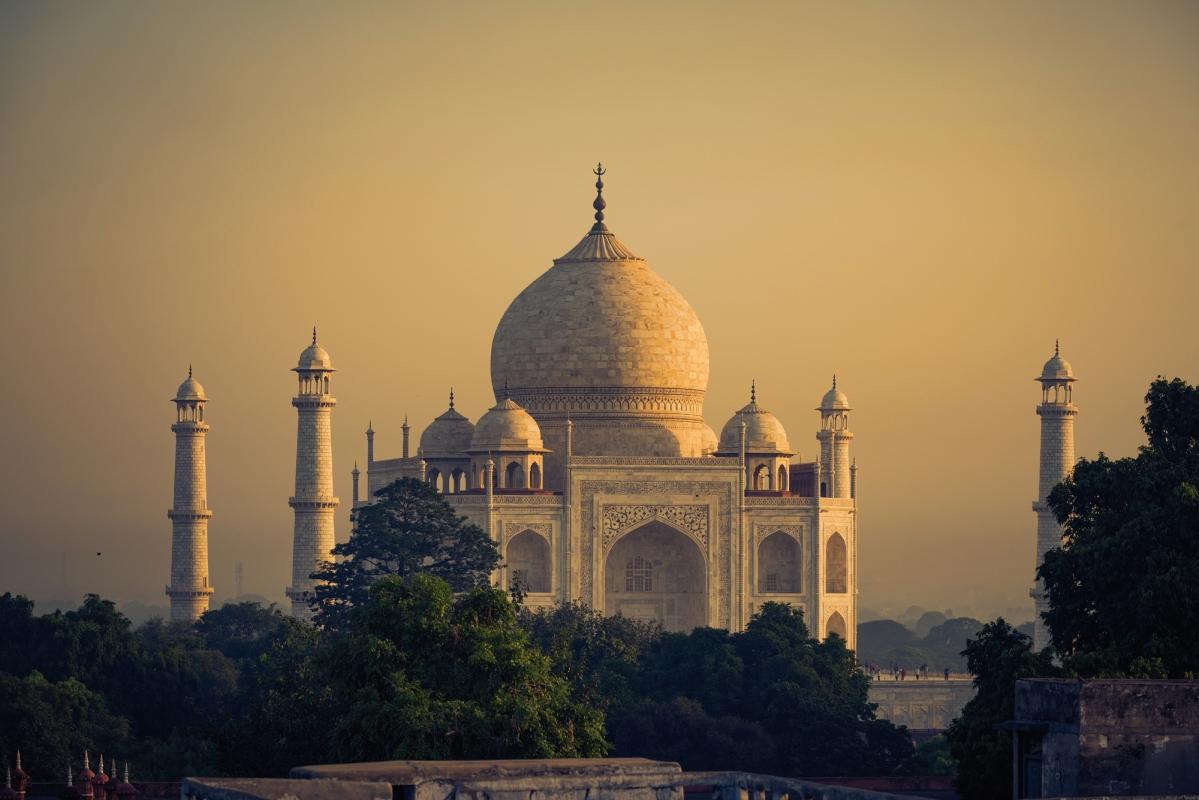
Mughal emperor Shah Jahan commissioned the Taj Mahal as a mausoleum for his wife Mumtaz Mahal, who died in 1631, and construction of the white marble complex was largely complete by around 1653. The building's symmetry, inlaid stonework and riverside setting have made it a UNESCO World Heritage Site and the single most visited monument in India. Sunrise entry is popular both for cooler temperatures and for the way early light changes the color of the marble.
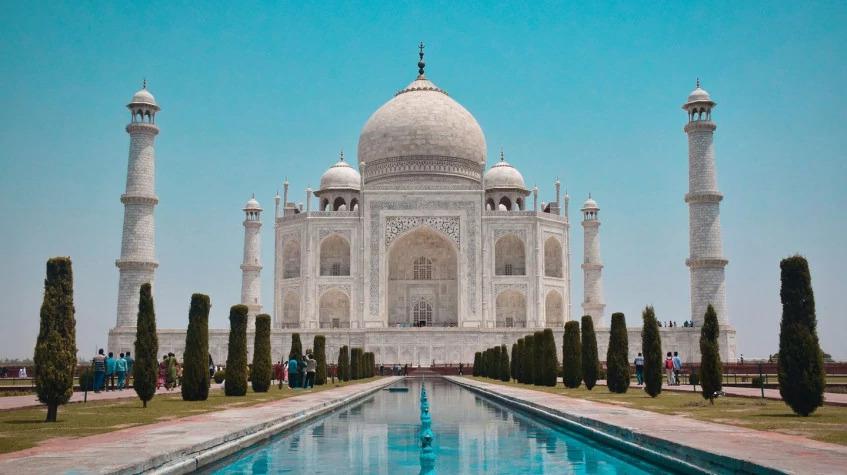
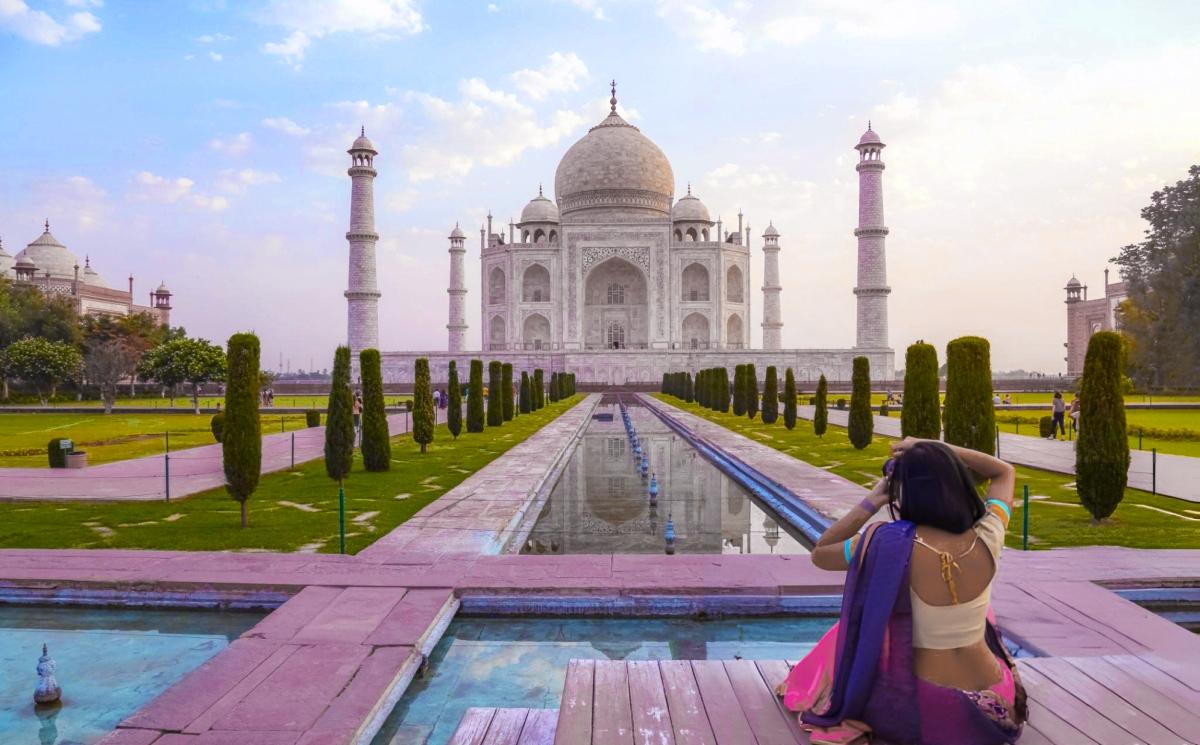
The mausoleum sits at the center of a formal charbagh garden divided into quadrants by long reflecting pools, with a red sandstone mosque on one side and a matching guest house on the other for architectural balance. Four minarets stand at the corners of the raised marble platform, built to lean slightly outward so that, in the event of an earthquake, they would fall away from the central dome rather than onto it. Craftsmen inlaid the marble surfaces with semi-precious stones in a technique known as pietra dura, forming floral patterns that remain a defining detail of the monument up close. The Taj Mahal is closed to visitors on Fridays for prayers held at its mosque, a schedule worth checking before booking a specific date.
Agra Fort predates the Taj Mahal by decades and served as the main Mughal stronghold and residence before the capital shifted fully toward ceremonial building projects. Built primarily under Emperor Akbar in the second half of the 16th century and expanded by his successors, the red sandstone fort contains palaces, audience halls and courtyards, including the section where Shah Jahan was later held under house arrest by his son with a distant view of the Taj Mahal. It too carries UNESCO World Heritage status, distinct from the Taj Mahal listing.
Inside the walls, the Diwan-i-Am, or Hall of Public Audience, once hosted formal court proceedings, while the more intimate Diwan-i-Khas was reserved for Shah Jahan's closest advisors and visiting dignitaries. The Jahangir Mahal, an earlier palace built for Akbar's son, mixes Hindu and Central Asian architectural elements, and the Sheesh Mahal, or Mirror Palace, takes its name from the small mirrored tiles set into its walls and ceiling.
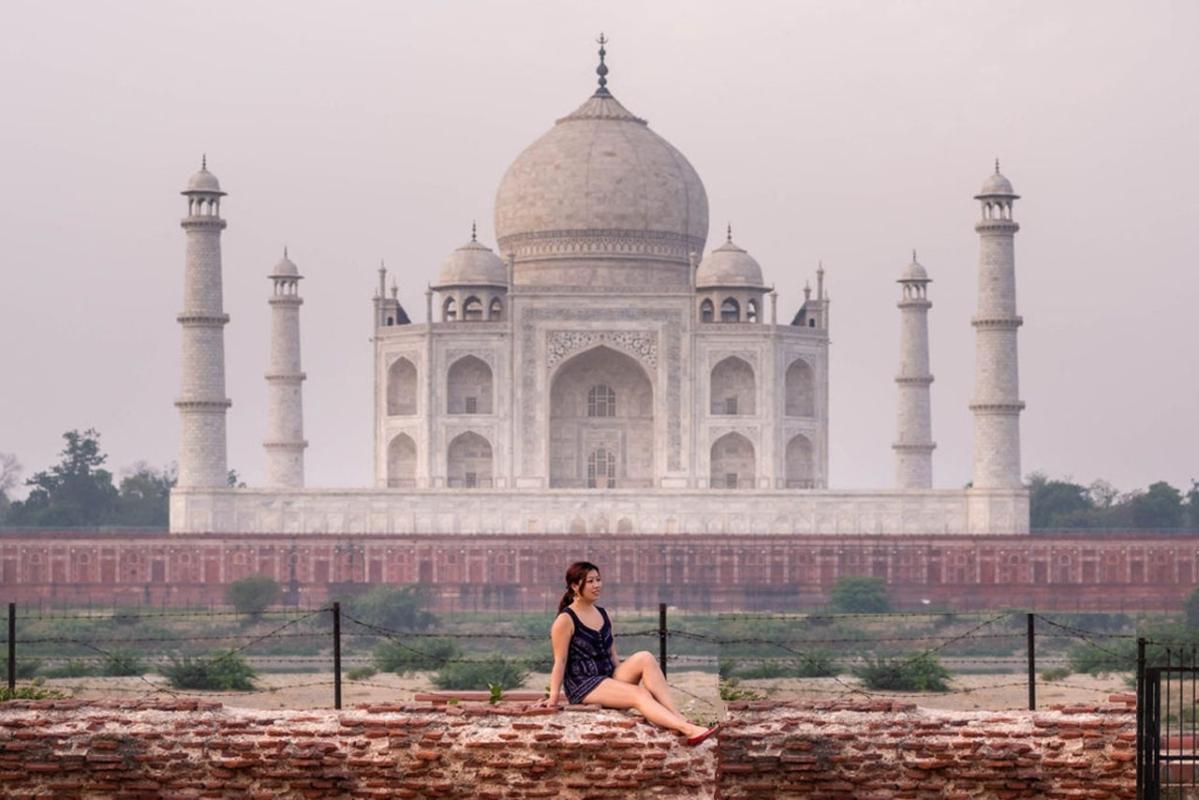
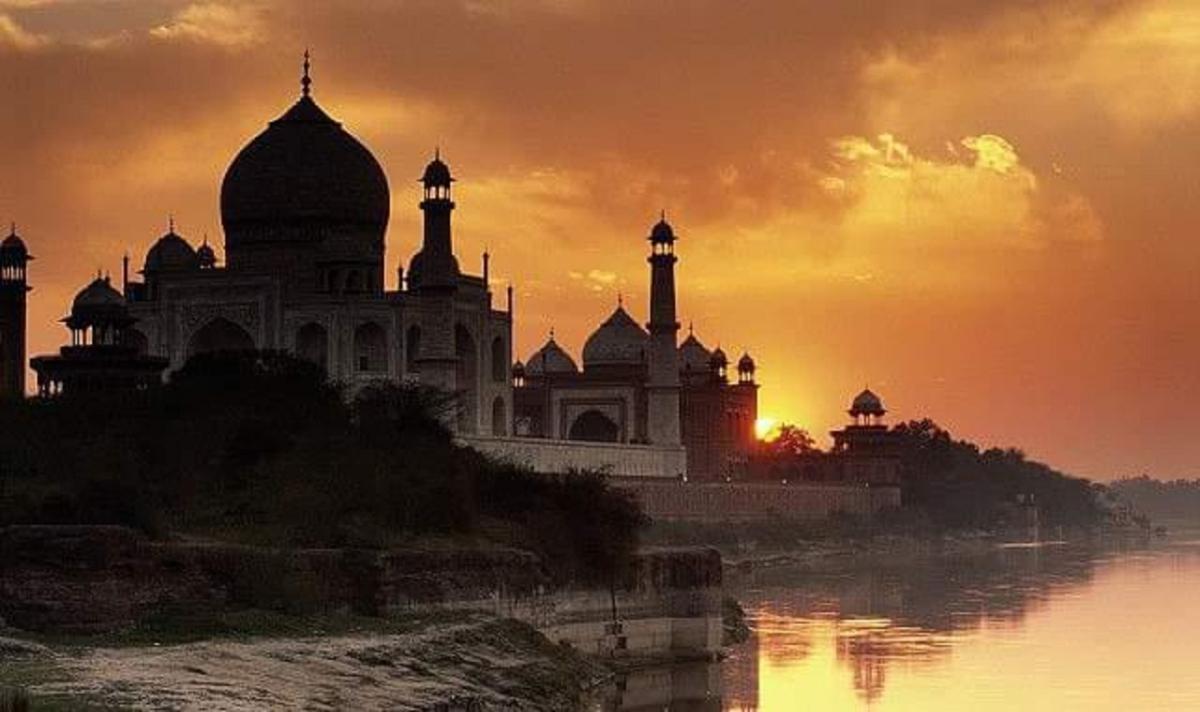
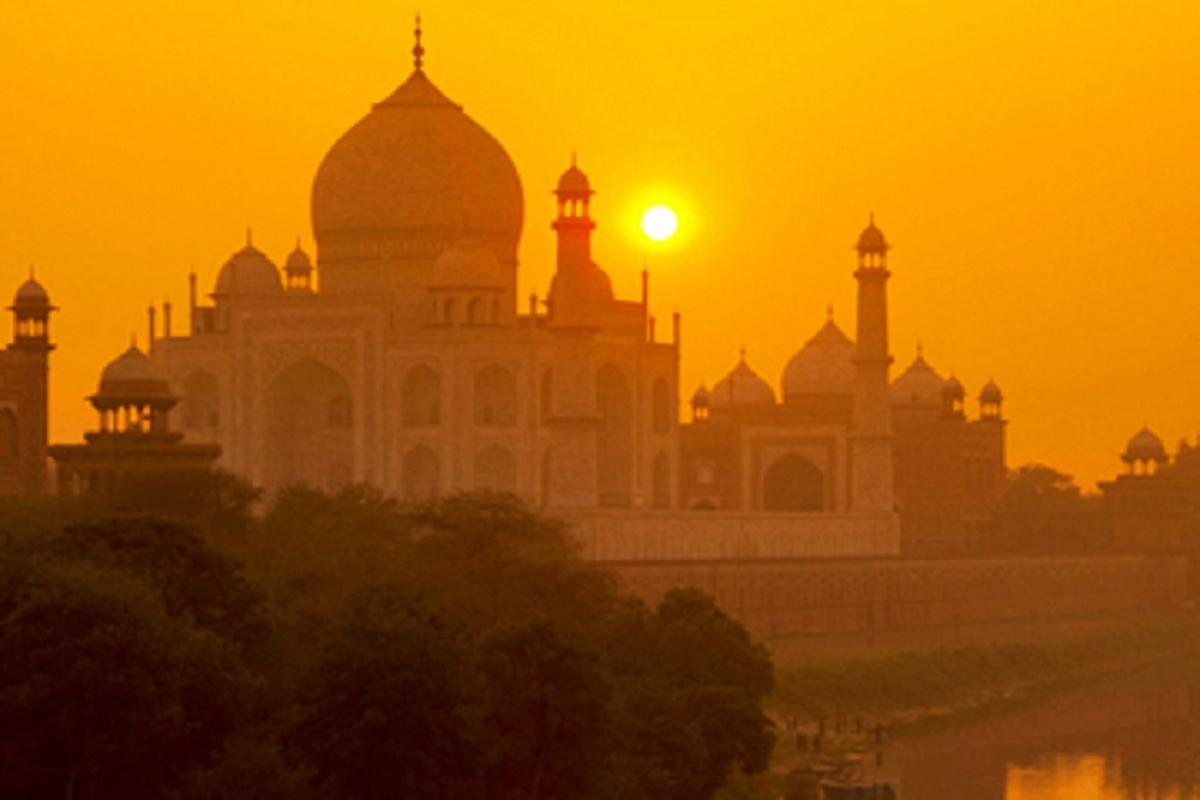
Mehtab Bagh sits directly across the Yamuna River from the Taj Mahal, a garden originally laid out by Shah Jahan as a moonlight viewing point for the monument he had built on the opposite bank. Restored in recent decades, the garden's central axis lines up precisely with the Taj Mahal, offering a symmetrical view across the river that is particularly favored around sunset.
Itmad-ud-Daulah, sometimes called the Baby Taj, is a smaller marble tomb on the opposite bank of the Yamuna, often credited as an architectural precursor to the Taj Mahal's design. Akbar's Tomb at Sikandra, a short distance from central Agra, blends Islamic, Hindu, Jain and Buddhist architectural elements, reflecting the religious tolerance associated with Akbar's rule. Fatehpur Sikri, a red sandstone city built by Akbar around 40 kilometers from Agra, was abandoned not long after its construction due to water shortages and now stands largely intact as a day trip from the city.
Agra Day Tours suit travelers arriving from Delhi or Jaipur who want to see the city's main monuments without an overnight stay. Standard itineraries combine the Taj Mahal and Agra Fort in a single day, sometimes adding Itmad-ud-Daulah or a stop at Mehtab Bagh depending on the available time before the return journey.
Private Agra Tours offer a licensed guide and dedicated vehicle for travelers who prefer a flexible schedule over a fixed group itinerary. Given the volume of visitors the Taj Mahal receives, several private options focus specifically on entry logistics and guided context rather than a broader city itinerary. Taj Mahal Private Guided Tour Bypass The Queue is one such option, pairing a private guide with faster access to the monument.
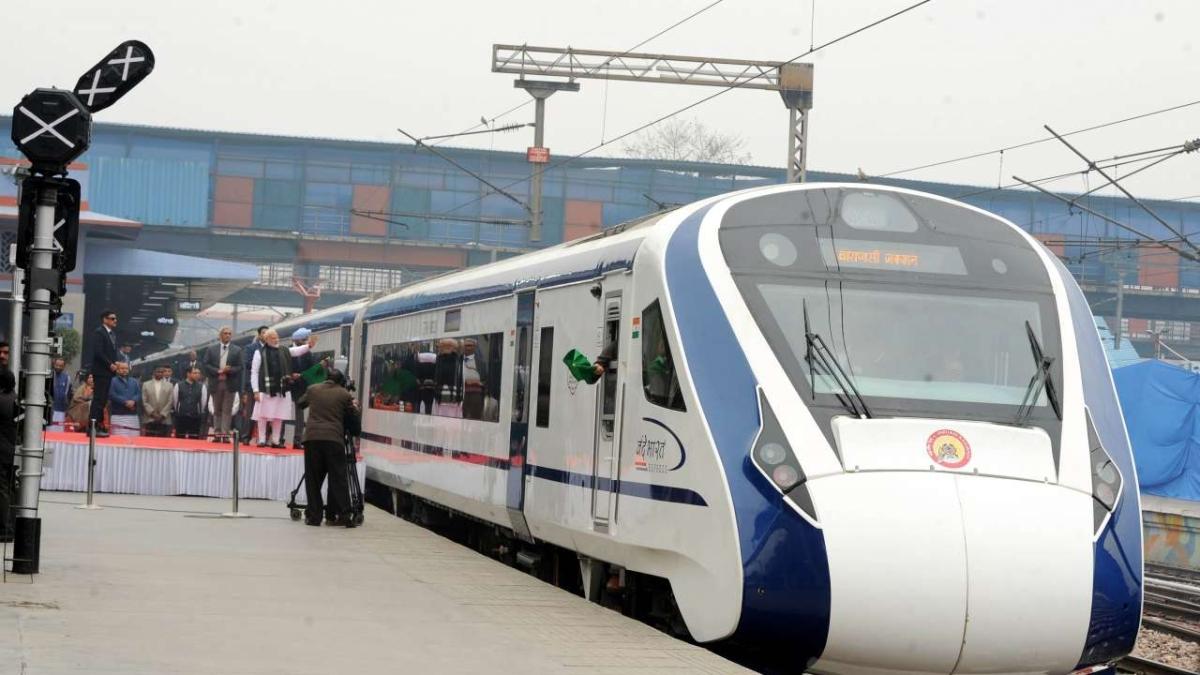
Delhi, Agra and Jaipur form the classic Golden Triangle route, connected by highway and rail links short enough to cover in under a week. The Gatimaan Express, one of India's fastest trains, covers the Delhi to Agra route in around 100 minutes, making a same-day round trip possible even without an organized tour. Travelers commonly arrive from Delhi by train, spend one to two nights in Agra covering the Taj Mahal and Agra Fort, then continue to Jaipur for Rajasthan's forts and palaces.
October through March brings cooler, drier weather better suited to walking around outdoor monuments than the heat of the summer months. December and January can be foggy in the early morning, which occasionally delays the clearest views of the Taj Mahal, while April through June brings temperatures that make midday sightseeing uncomfortable.