
Free Cancellation
Kerala Tours travel through a state on India's southwestern coast known locally as God's Own Country, a strip of land wedged between the Arabian Sea and the Western Ghats. Kerala's geography ranges from a network of coastal backwaters to tea-covered hill country, and its history includes centuries of trade with Arab, Chinese and European merchants drawn by the spice ports along its coast.
Kerala is frequently added to a broader India itinerary, often following Tamil Nadu or Karnataka, though its backwaters, hill stations and coastal towns hold enough variety to support a dedicated multi-day route on their own.
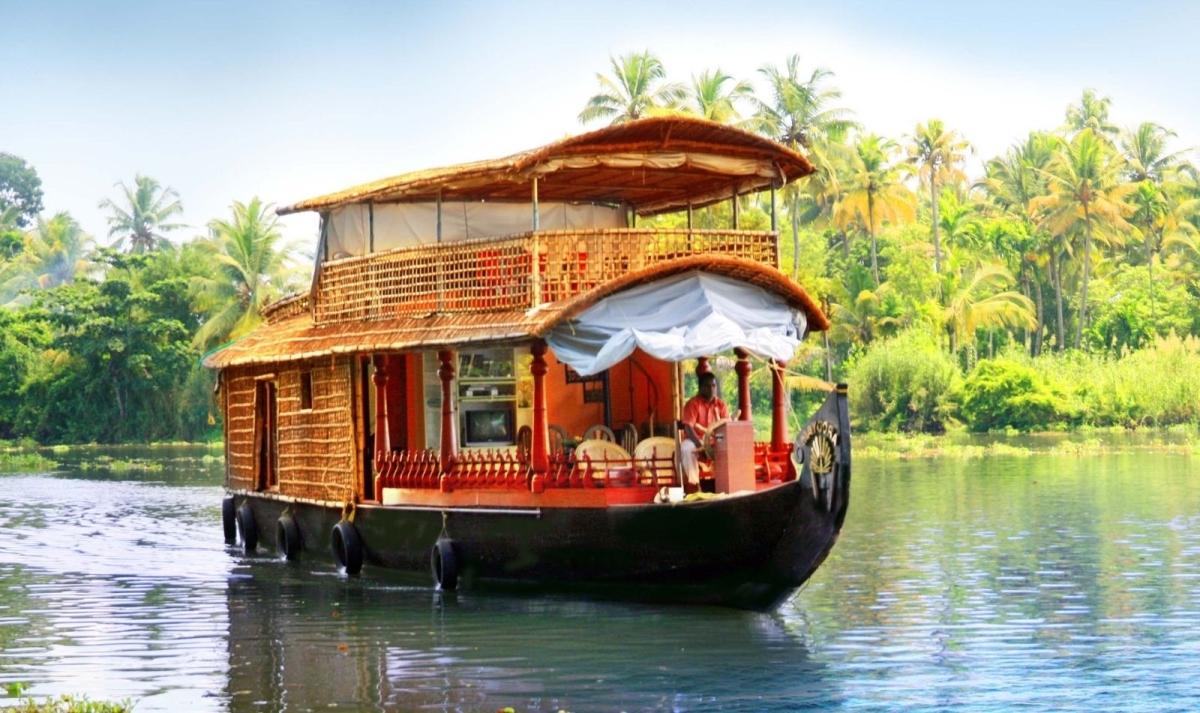
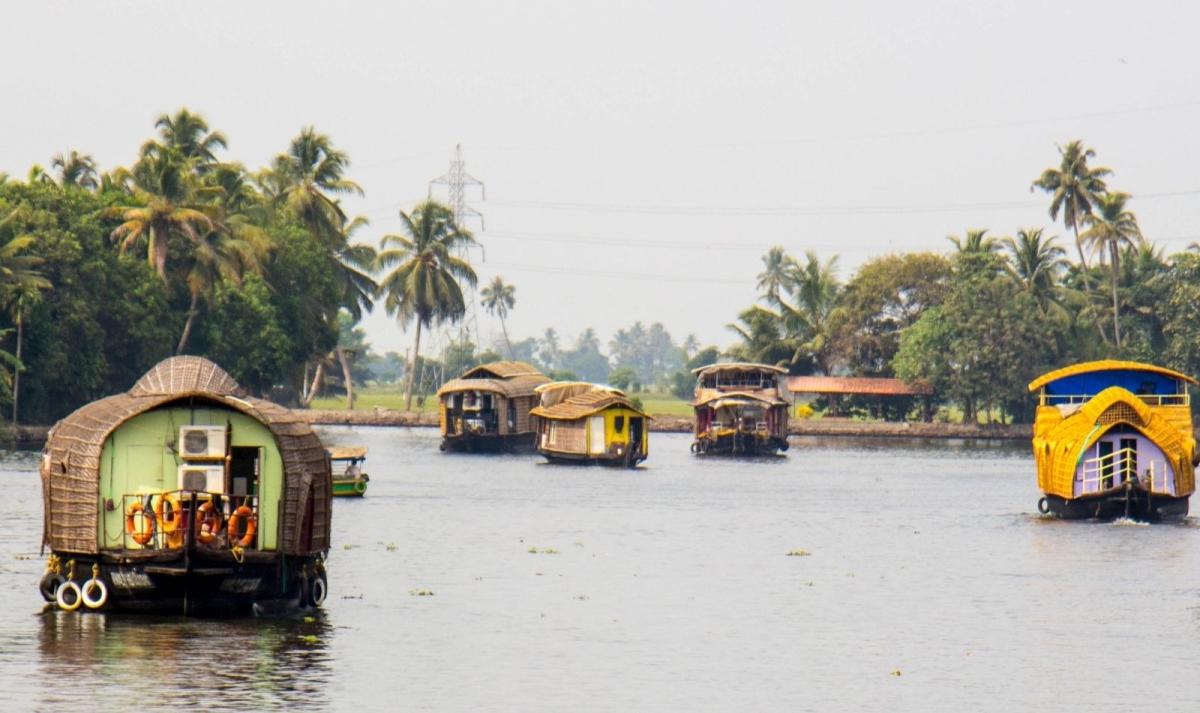
Kerala's backwaters form a network of lagoons, canals and lakes running parallel to the coast, most famously around Alleppey and Kumarakom. Traditional rice barges, known as kettuvallams, have been converted into houseboats that travelers can book for an overnight stay, drifting past paddy fields, coconut groves and small waterside villages along the way.
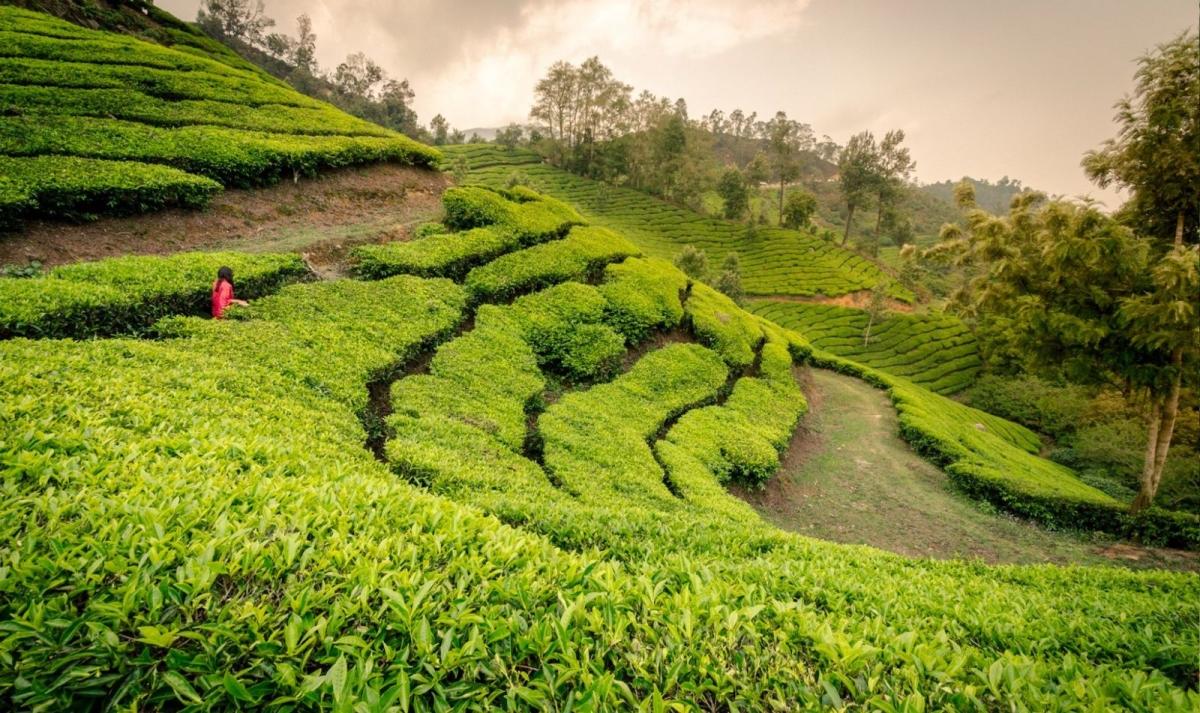
In Kerala's interior, the hill town of Munnar sits at an elevation of around 1,600 meters, surrounded by tea plantations first established under British colonial planters in the 19th century. Rolling estates cover the hillsides in every direction, and the cooler climate, often ten to fifteen degrees below the coastal plains, makes Munnar a common stop for travelers seeking a break from Kerala's heat and humidity.
Fort Kochi, on the coast near Kochi city, carries visible layers of Portuguese, Dutch and British rule dating back to the early 16th century, when European traders first arrived seeking access to Kerala's pepper and spice markets. Chinese fishing nets still line the shore, St. Francis Church holds the original burial site of explorer Vasco da Gama, and the neighborhood's spice warehouses recall the centuries when Kerala's coast was a central node in global trade routes. The nearby Mattancherry district still trades in cardamom, pepper and cloves from wholesale spice shops that have operated for generations.
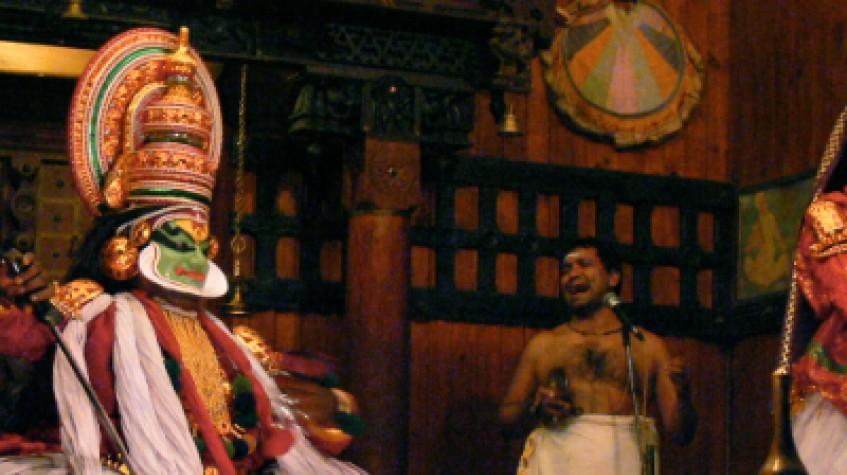
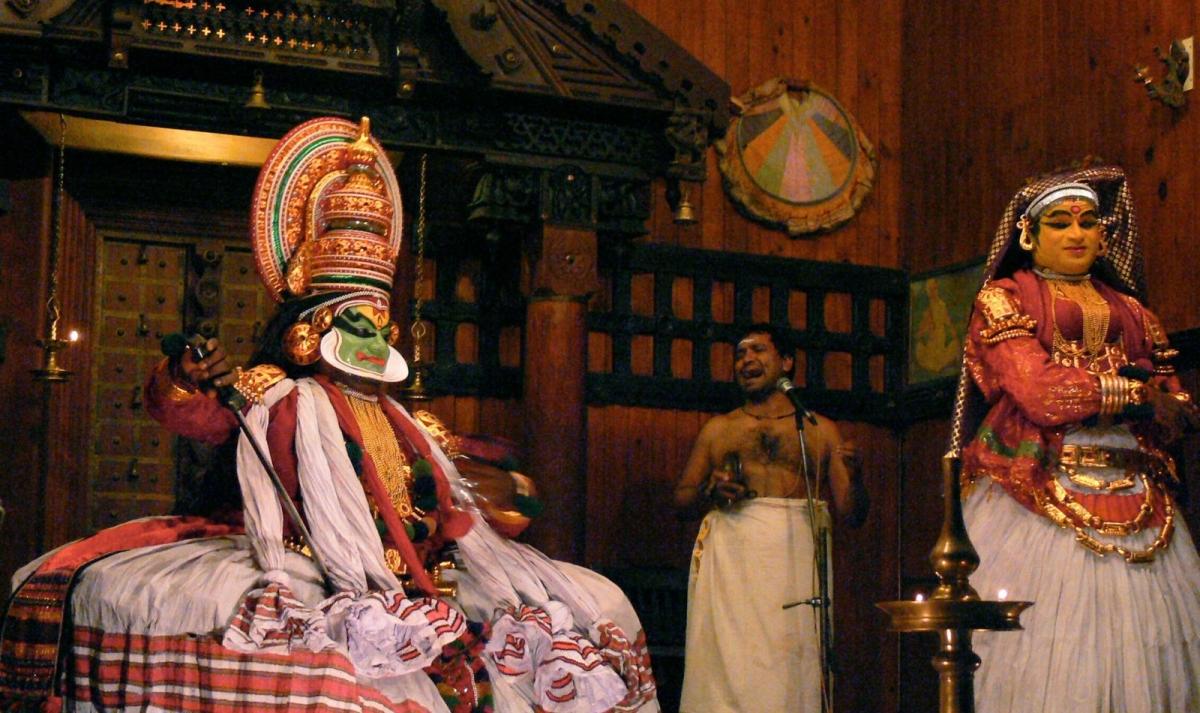
Kerala's classical dance-drama form, Kathakali, combines elaborate face makeup, hand gestures and stylized costume to tell stories drawn from Hindu epics such as the Ramayana and Mahabharata. Evening performances staged in Fort Kochi often open with a demonstration of the makeup process, giving first-time viewers context before the full performance begins. Kalaripayattu, a traditional martial art also native to Kerala, is demonstrated in similar theater settings across the state.
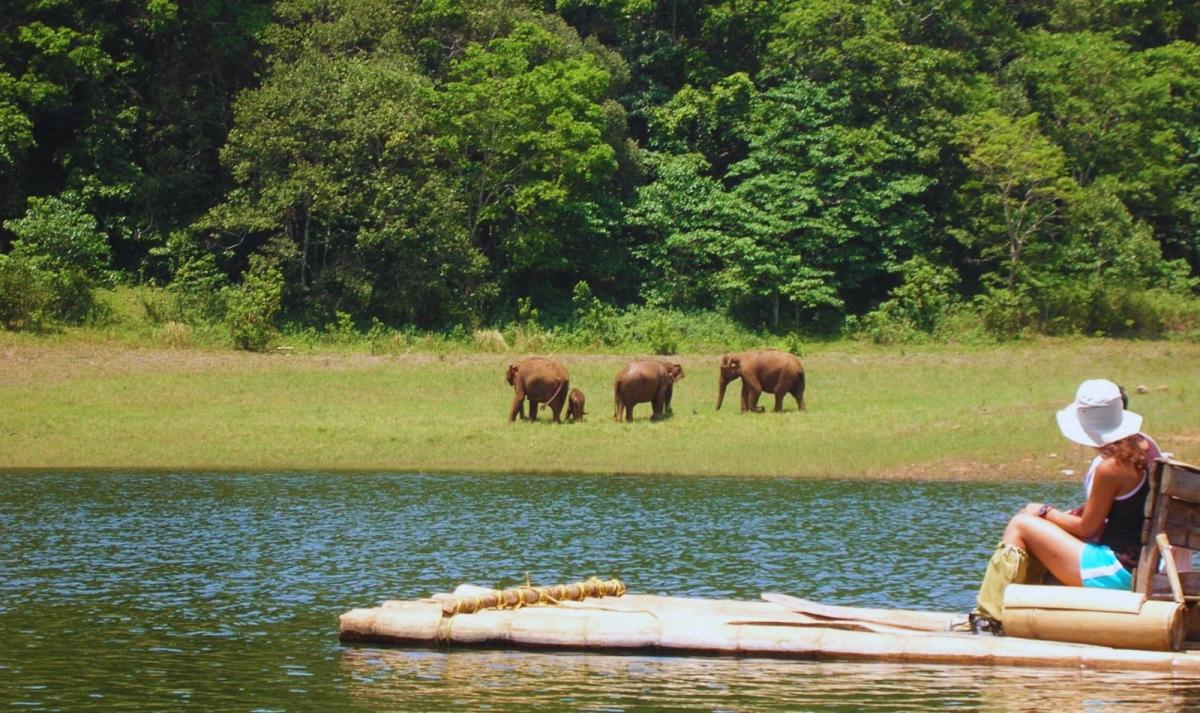
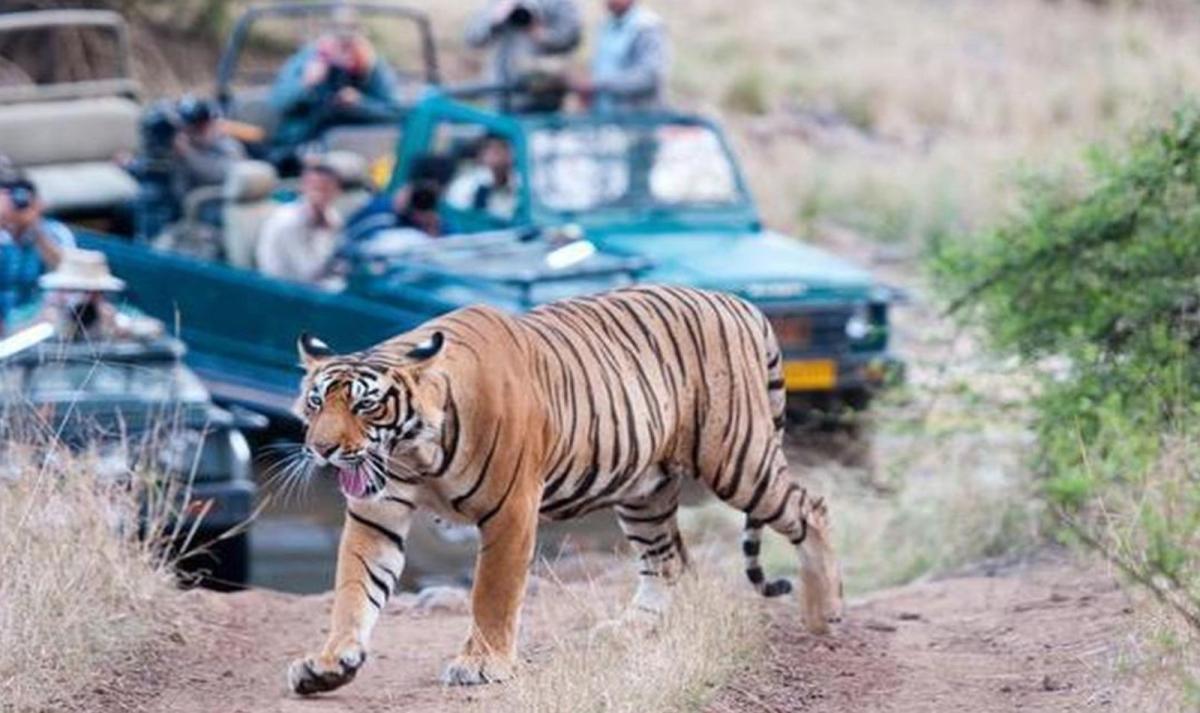
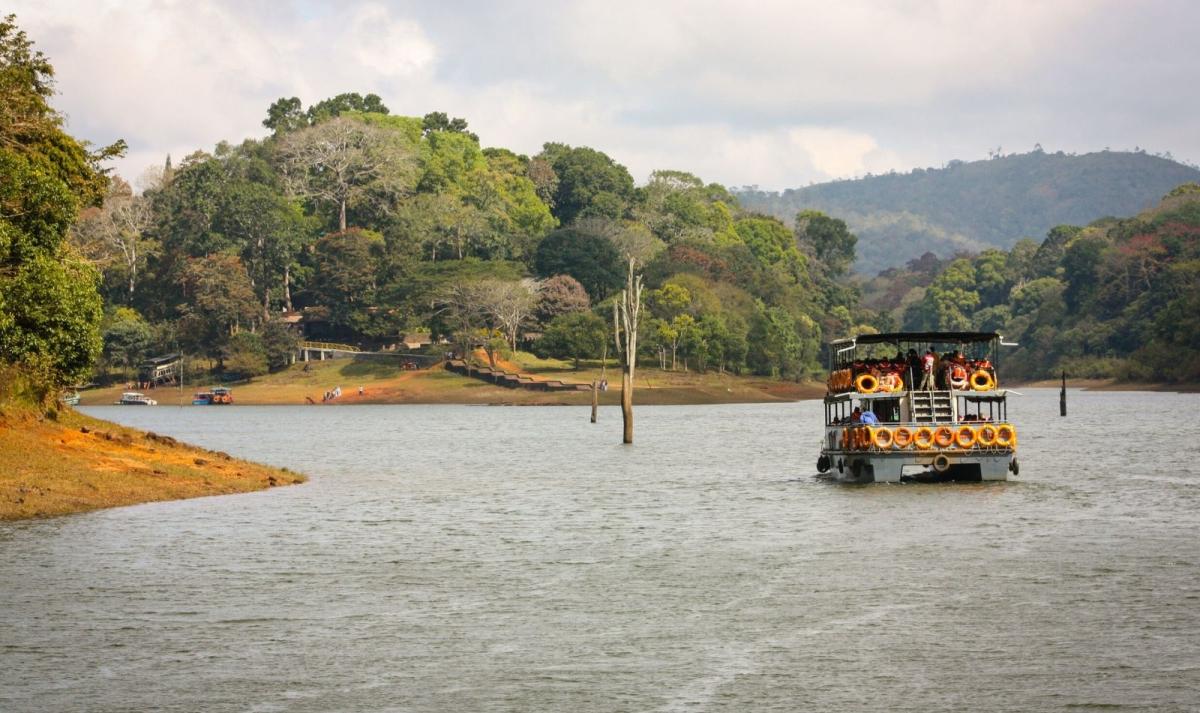
Inland from the coast, the hill town of Thekkady sits within Kerala's spice-growing belt, where cardamom, pepper, cinnamon and clove have been cultivated for centuries. The nearby Periyar Wildlife Sanctuary adds boat safaris on Periyar Lake to the itinerary, with elephants and occasional tiger sightings reported along the forested shoreline.
Kerala is considered the origin point of Ayurveda as a formally practiced medical tradition in India, and the state has built a wellness tourism sector around it, with resorts and dedicated centers offering treatments, massage therapies and longer rejuvenation programs supervised by trained practitioners. Many of these centers are concentrated around Kovalam, Kumarakom and the backwater region, allowing wellness stays to be combined with houseboat trips or hill station visits.
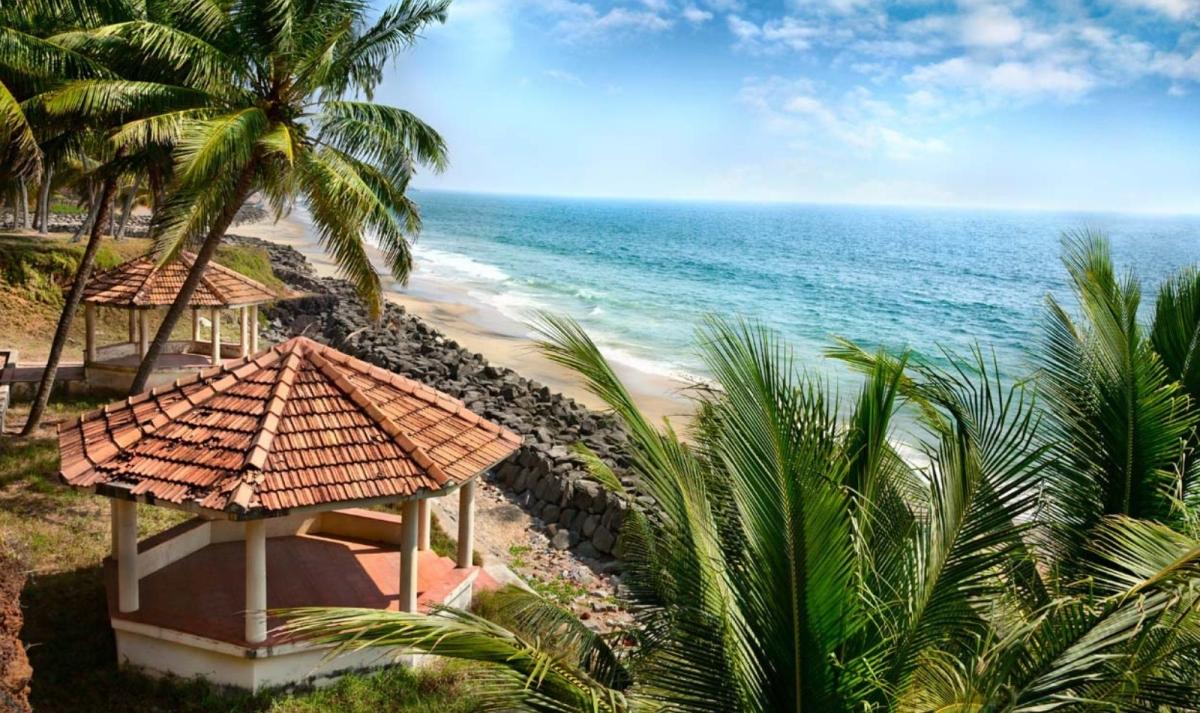
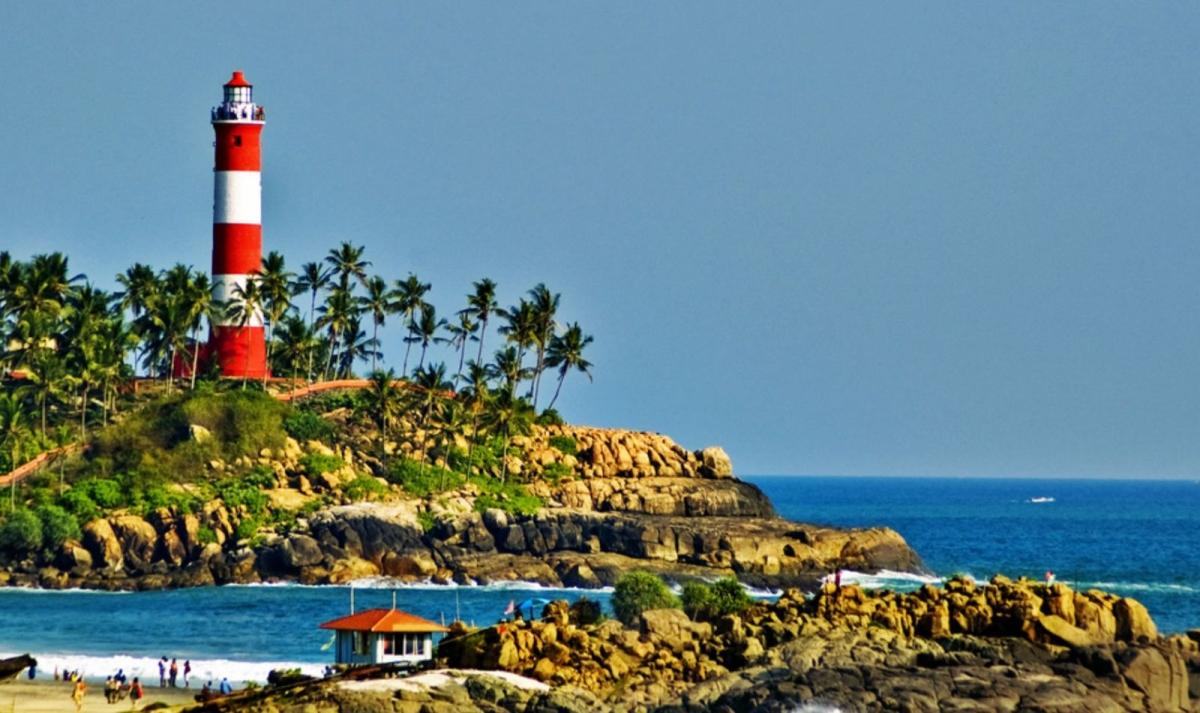
Beyond the backwaters, Kerala's coastline includes beach towns such as Kovalam and Varkala, the latter distinguished by red laterite cliffs that run directly above the shoreline. These coastal stops are often used as a final leg of a Kerala itinerary, offering a slower pace after the backwaters and hill country.
The months from October to March bring the most comfortable weather for touring Kerala, with dry conditions along the coast and mild temperatures in the hills around Munnar. Kerala's monsoon season, typically June through September, brings heavy rainfall that many travelers seek out specifically for Ayurvedic treatments, since the humidity is considered beneficial for certain therapies.