
Free Cancellation
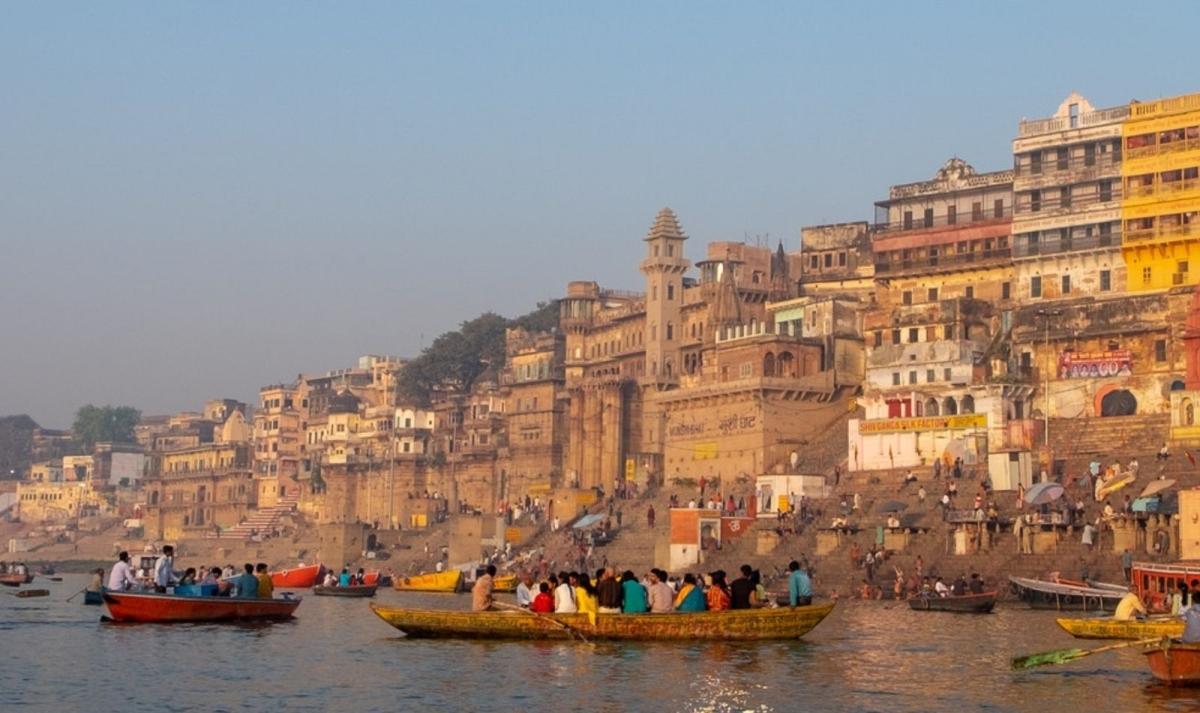
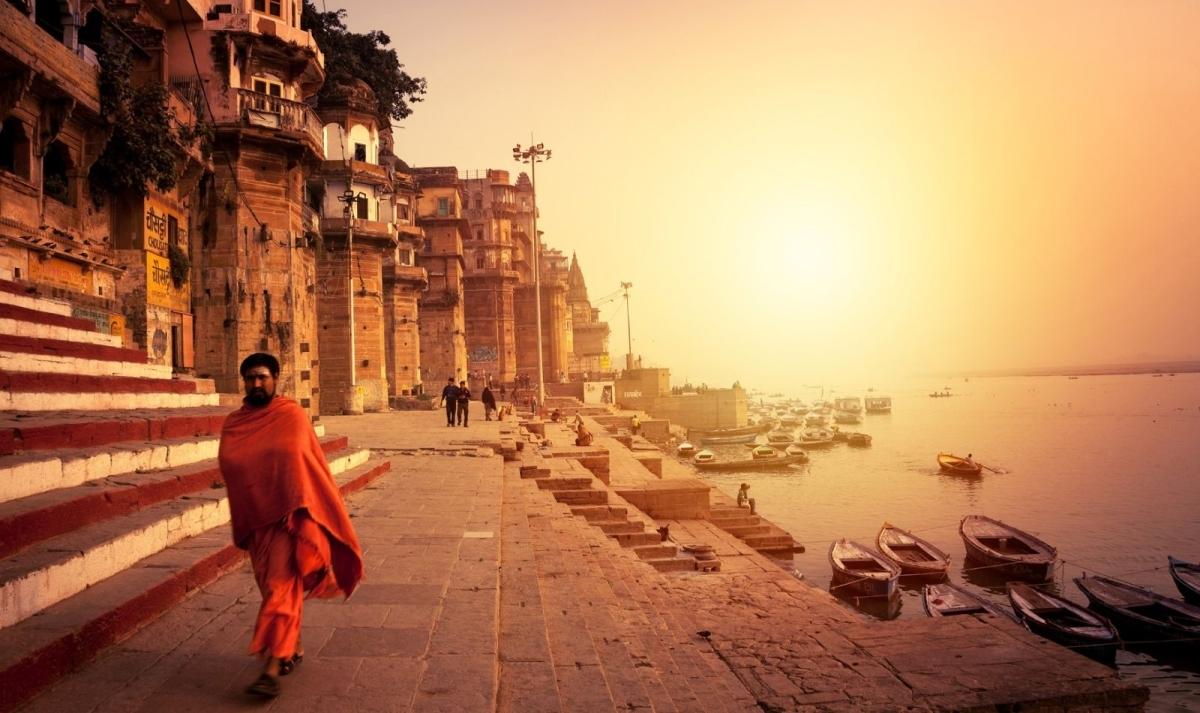
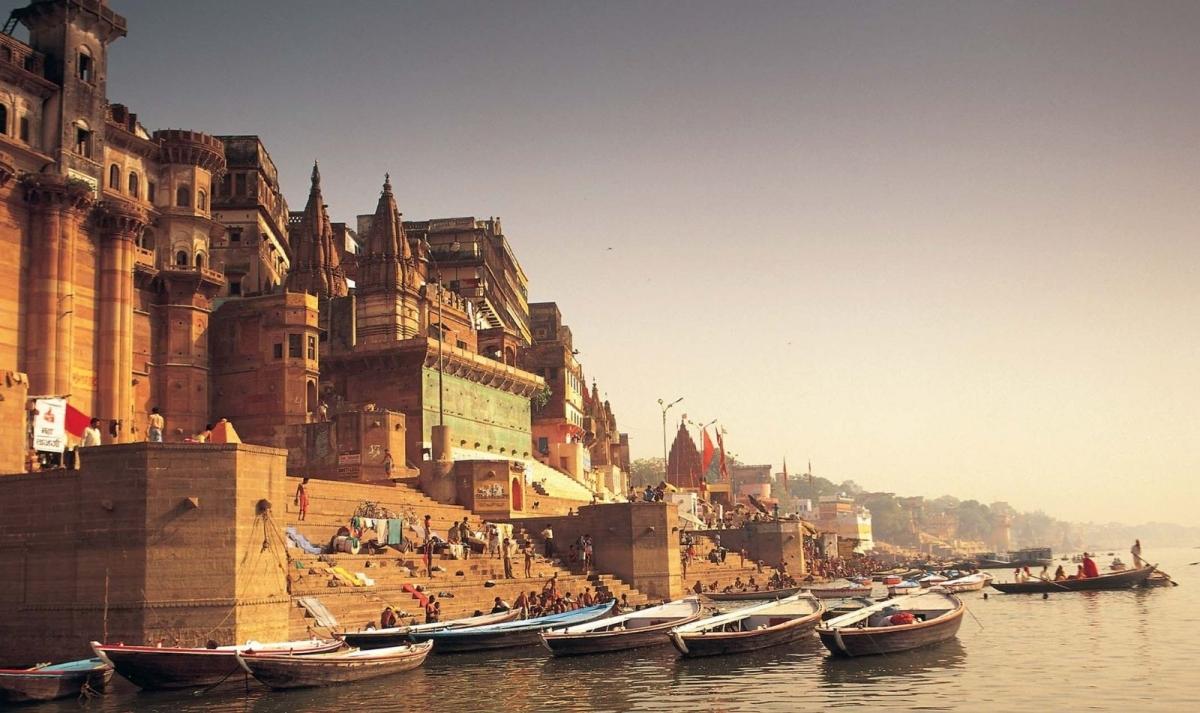
Varanasi sits on the western bank of the Ganges in Uttar Pradesh and ranks among the oldest continuously inhabited cities on earth, with roots that reach back more than three thousand years. Hindus know it as Kashi, the City of Light, and for millions of pilgrims a visit to its riverbank ghats and temples is a lifelong goal rather than a stop on a map.
Travelers usually reach the city as part of a longer India Tours itinerary, pairing a day or two here with Delhi, Agra or the temple towns further south. Even a short stay is enough to take in the two rhythms that define Varanasi: the quiet of early morning on the water and the noise and fire of evening ritual.
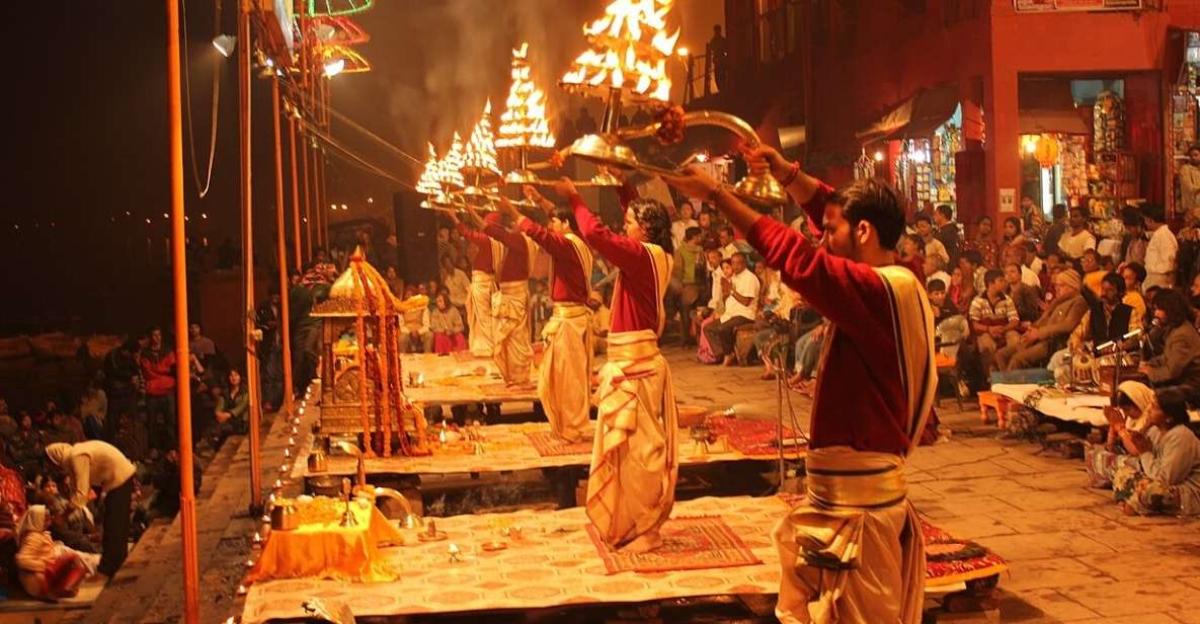
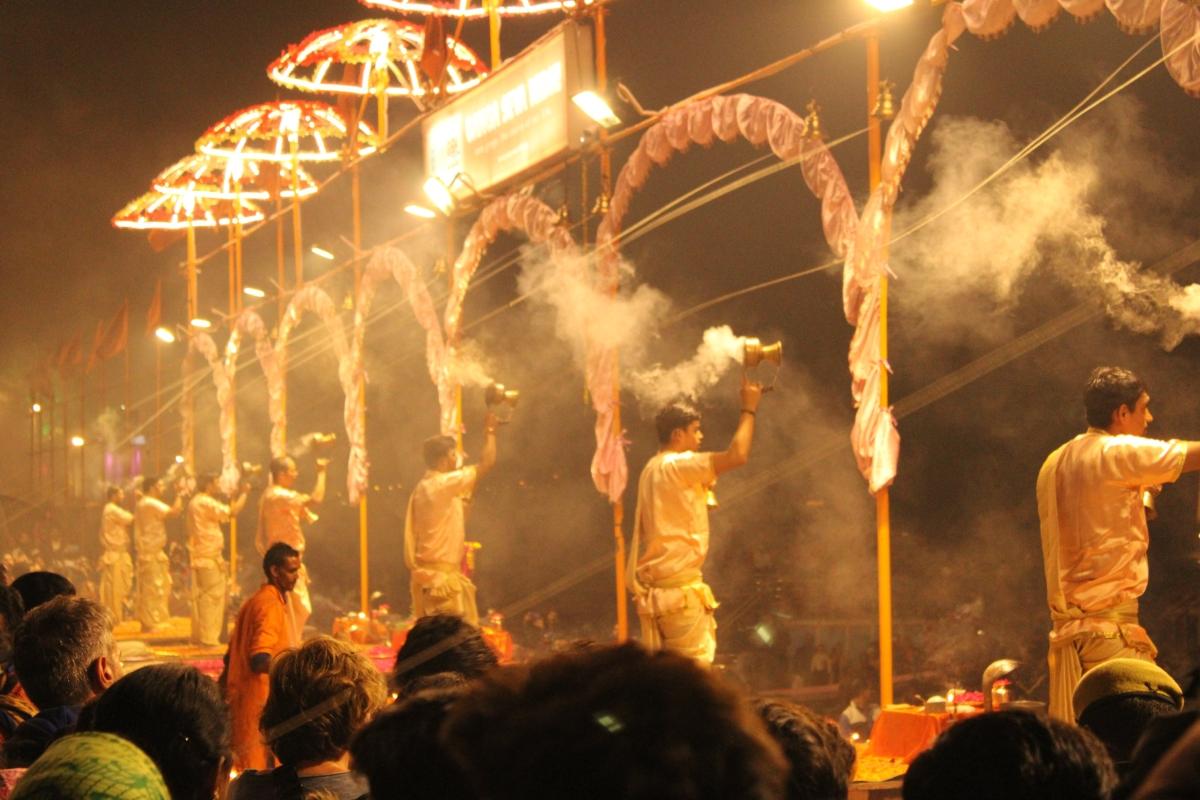
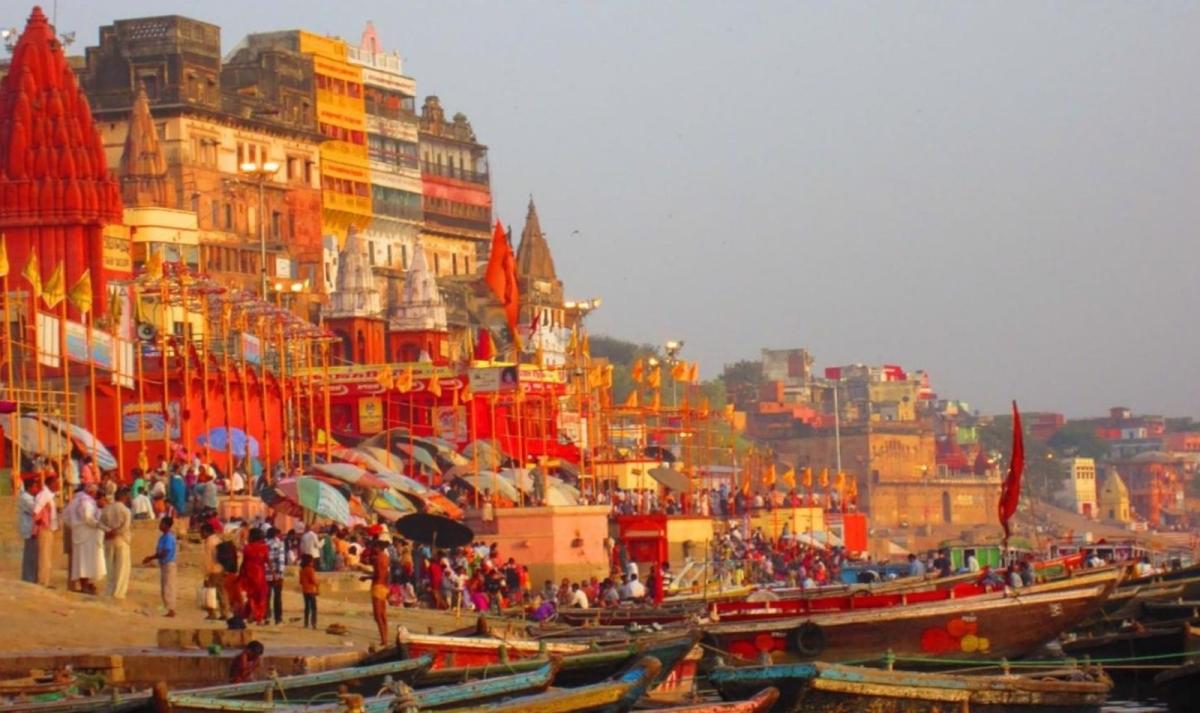
Of the roughly 88 stone ghats lining the river, Dashashwamedh is the busiest and the setting each evening for the Ganga Aarti, a fire ceremony performed by young priests in unison with bells, chanting and brass lamps swung in slow arcs toward the water. The ritual runs about forty-five minutes after sunset and draws large crowds, so arriving early or watching from a boat usually gives a clearer view.
A short walk north, Manikarnika Ghat is one of two cremation ghats in the city, where funeral pyres burn through the day and night as part of Hindu last rites believed to grant moksha, release from the cycle of rebirth. Harishchandra Ghat serves the same purpose on a smaller scale. Both remain active religious sites rather than sightseeing stops, and visitors are expected to watch quietly and avoid photographs.
Behind the ghats, the narrow lanes of the old city, known locally as gali, twist between centuries-old houses, small shrines and shopfronts selling brass, silk and sweets. At their center stands the Kashi Vishwanath Temple, dedicated to Shiva and counted among the twelve Jyotirlinga shrines considered most sacred in the faith. The present structure dates to 1780, built by the Maratha queen Ahilyabai Holkar, with a gold-plated spire added later by Maharaja Ranjit Singh of Punjab. Security checks are routine at the entrance, and bags and phones are normally left outside.
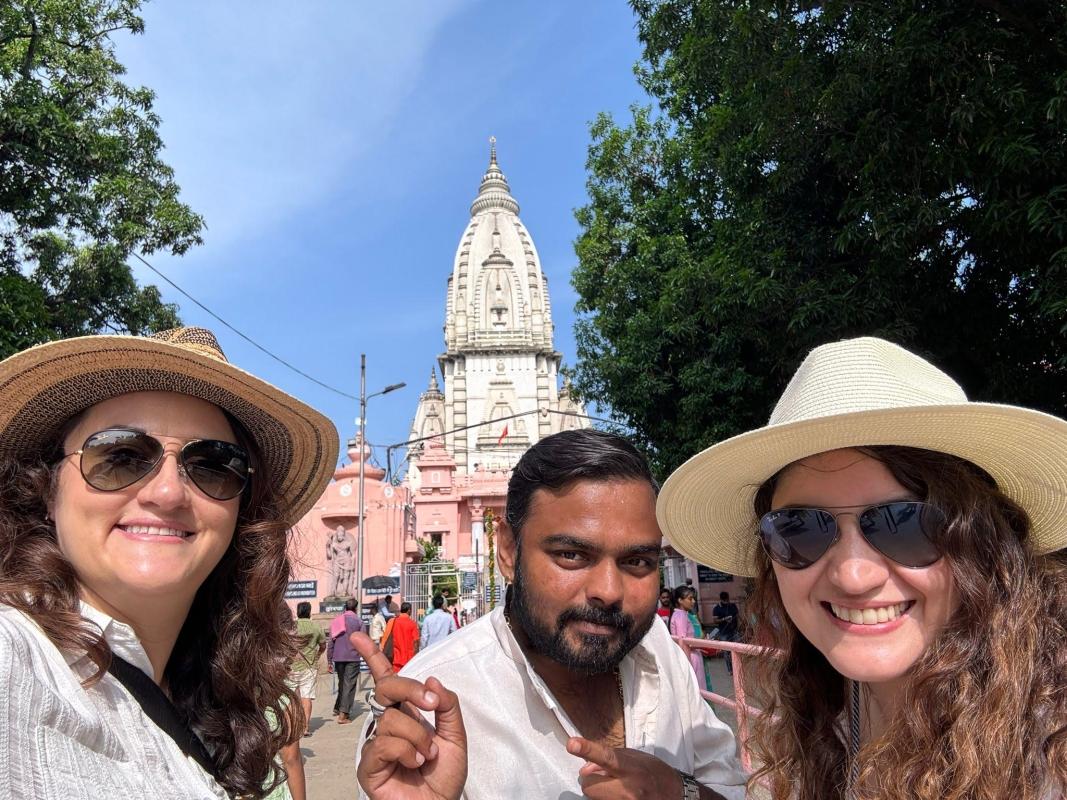
At the southern end of the ghat line, Assi Ghat marks the point where the small Assi stream meets the Ganges and has become the city's main gathering place for early risers, with yoga sessions, group meditation and vendors setting up along the steps well before the temples further north stir awake. The ghat also sits closest to Banaras Hindu University, one of Asia's largest residential universities, whose campus includes the New Vishwanath Temple, a twentieth-century structure open to visitors of all backgrounds.
Across the river from the main ghats, Ramnagar Fort has served as the residence of the Maharaja of Benares since the eighteenth century, built in cream-colored Chunar sandstone on the eastern bank. A museum inside displays vintage cars, palanquins, weapons and an astronomical clock, though the building shows visible wear from decades of monsoon flooding. Boats cross to the fort from the ghats, and the far bank also offers a clearer, less crowded view back across the water toward the temples and steps at sunset.
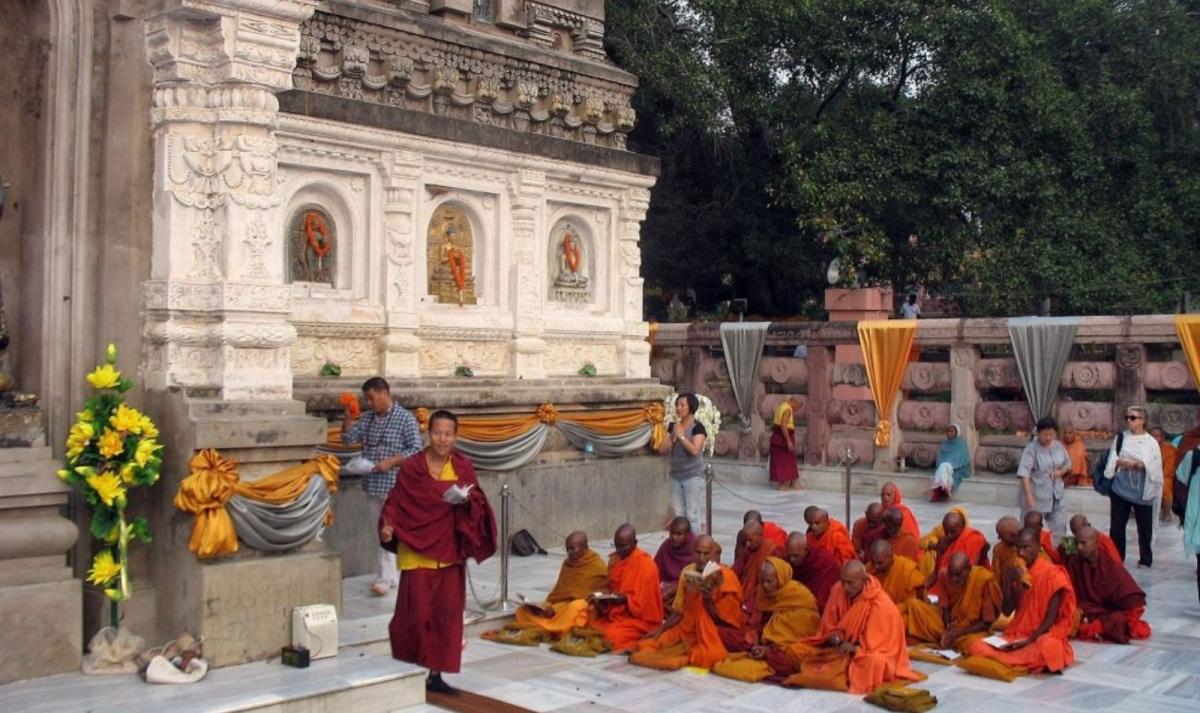
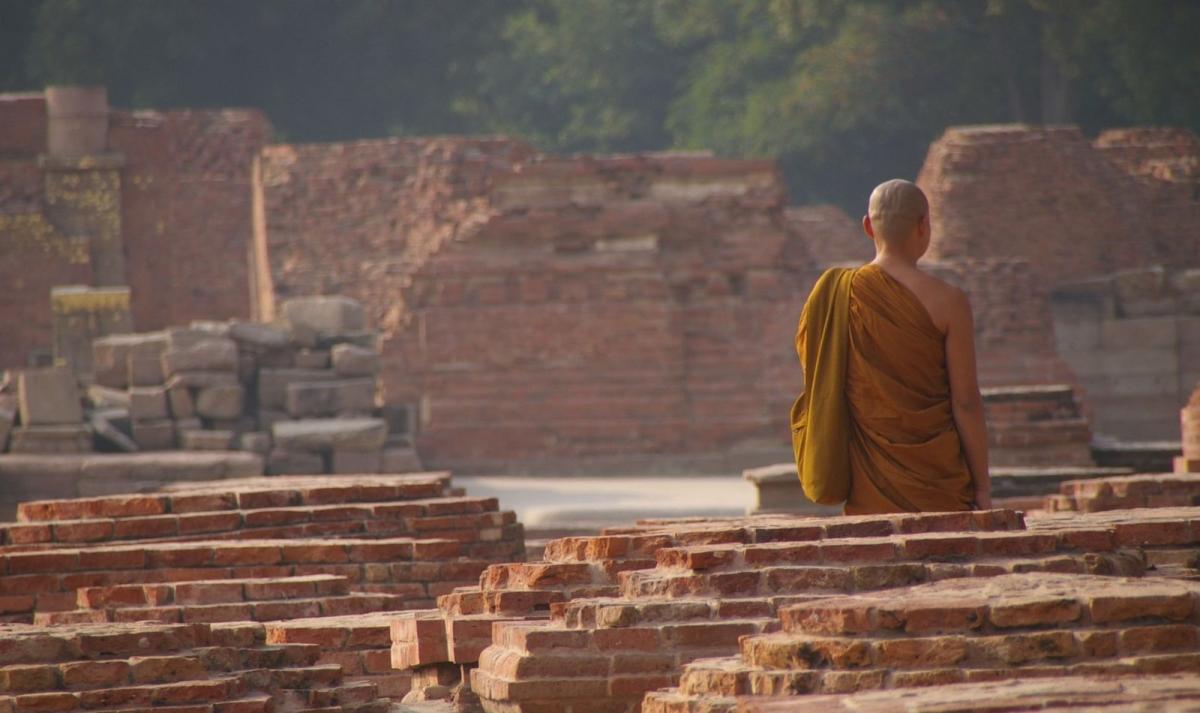
About ten kilometers northeast of the center, Sarnath marks the deer park where the Buddha is said to have delivered his first sermon after reaching enlightenment at Bodh Gaya. The Dhamek Stupa, a cylindrical brick and stone structure roughly 43 meters high, still stands near the ruins of ancient monasteries, and a pillar erected by Emperor Ashoka in the third century BCE sits nearby in a small archaeological museum. The site makes a quiet half-day addition to a Varanasi stay, with none of the ghats' crowds.
The cooler months from October to March bring clear skies and comfortable temperatures for walking the ghats and old city, with daytime highs typically in the low to mid 20s Celsius. April through June turns hot and dry, often past 40 degrees by midday, while the monsoon from July to September brings humidity and occasional flooding along the lower ghats. Dawn, in any season, remains the quietest hour on the river, when the light is soft and the boats are few.
Fifteen days after Diwali, on the full moon of the Hindu month of Kartik, Varanasi marks Dev Deepawali by lining all 88 ghats with an estimated one million oil lamps, turning the riverfront into a single unbroken strip of flame visible from boats out on the water. The festival, usually falling in November, draws far larger crowds than an ordinary evening Aarti, and accommodation in the old city books up well in advance for the days around it.
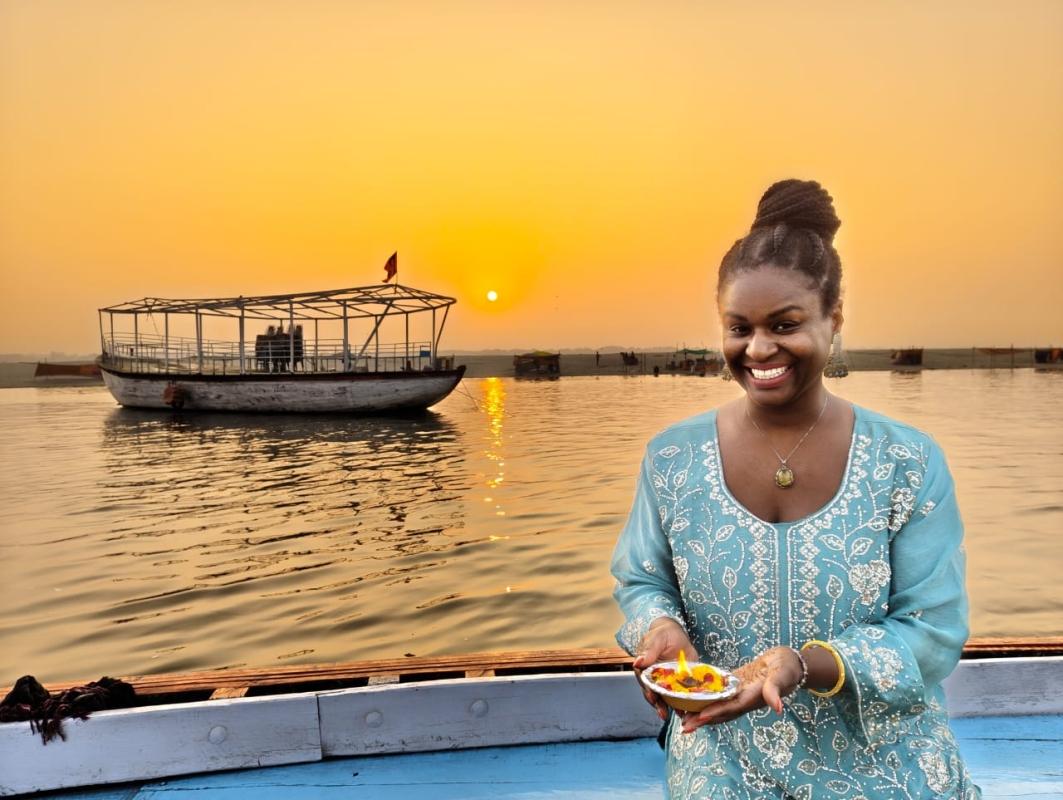
A sunrise boat ride is close to essential here, gliding past the ghats as bathers, priests and laundry workers start their day along the water. Many visitors combine this with a Sarnath excursion and a walk through the old city on a single outing. The Varanasi: Private Fully-Day Tour with Sarnath and Boat Ride is built around that exact combination, with private transport removing the need to arrange rickshaws and boatmen separately.
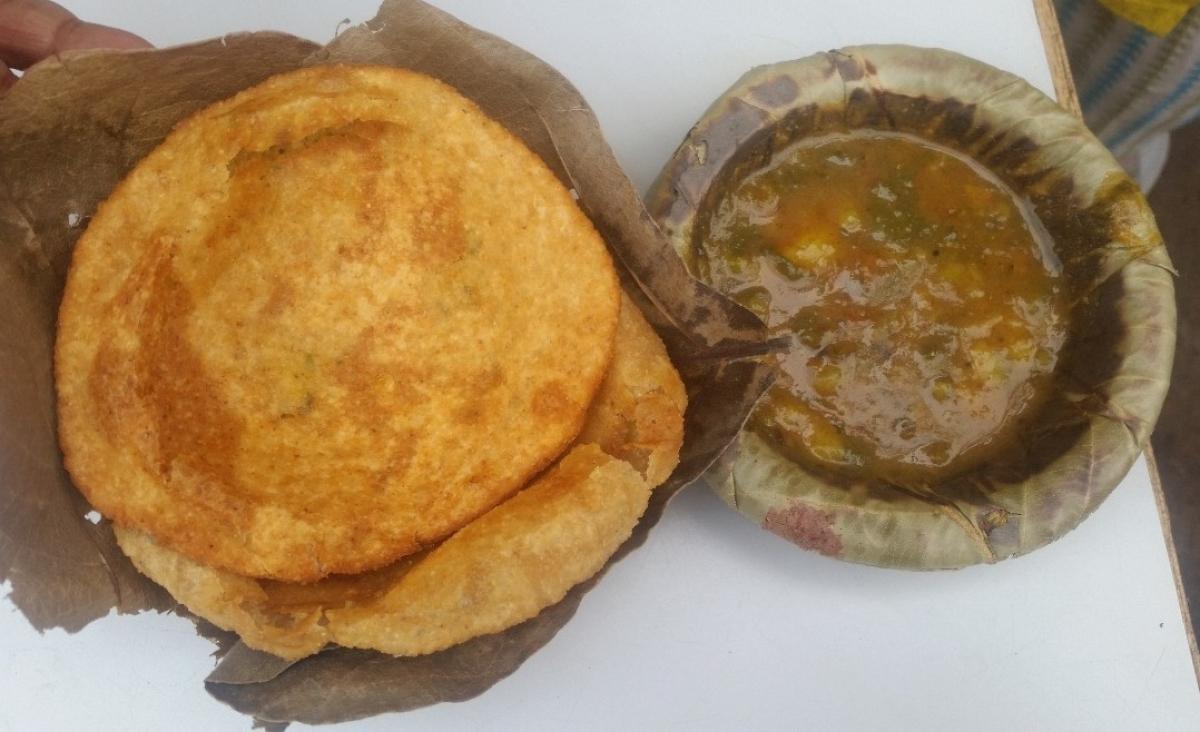
Street food defines meals in Varanasi: kachori sabzi for breakfast, thick lassi served in clay cups at shops such as the well-known Blue Lassi near Manikarnika Ghat, and paan sold from stalls throughout the old city. The city also remains one of India's centers for handloom silk weaving, and Banarasi sarees, woven with gold and silver thread, are still produced in workshops west of the main ghats and remain a common souvenir for visitors.