
Free Cancellation
Madhya Pradesh Tours cover one of India's largest states, a landlocked stretch of the central plateau spanning dense forest, sandstone plains and river valleys far too varied to fit inside a single town or district. Its history runs from the temple-building dynasties of the medieval period through Rajput and Sultanate-era fortification, leaving monuments spread across a territory roughly the size of many countries. The name Madhya Pradesh means central province, reflecting its position at the geographic heart of the country.
As part of a broader India itinerary, Madhya Pradesh Tours typically combine two or three of the state's regions rather than attempting to cover its full territory in one trip, since its major destinations can sit several hours' drive apart across very different landscapes.
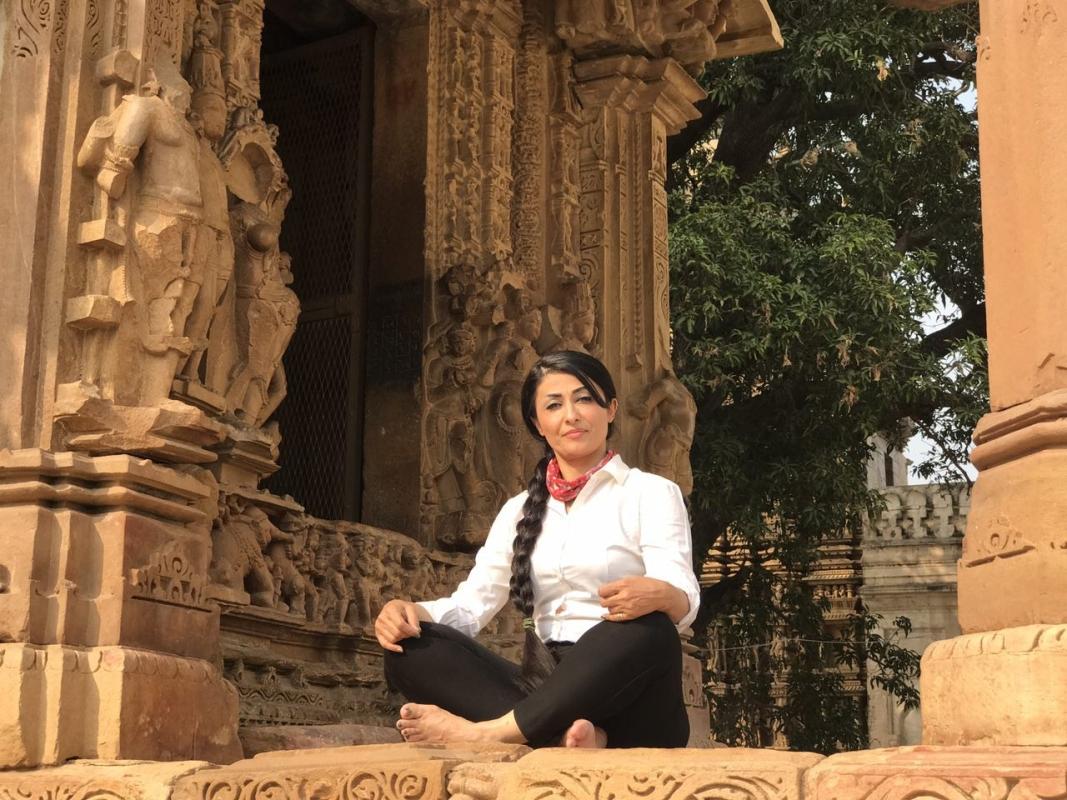
Khajuraho, in the state's north, is known for a group of temples carved between the tenth and twelfth centuries under the Chandela dynasty, celebrated for their detailed stone sculpture and considered among the finest surviving examples of medieval Indian temple art. The surviving structures are traditionally grouped into western, eastern and southern clusters spread across the town. The site is covered in full elsewhere; within a wider Madhya Pradesh itinerary it typically forms one stop among several rather than the sole reason to visit the state.
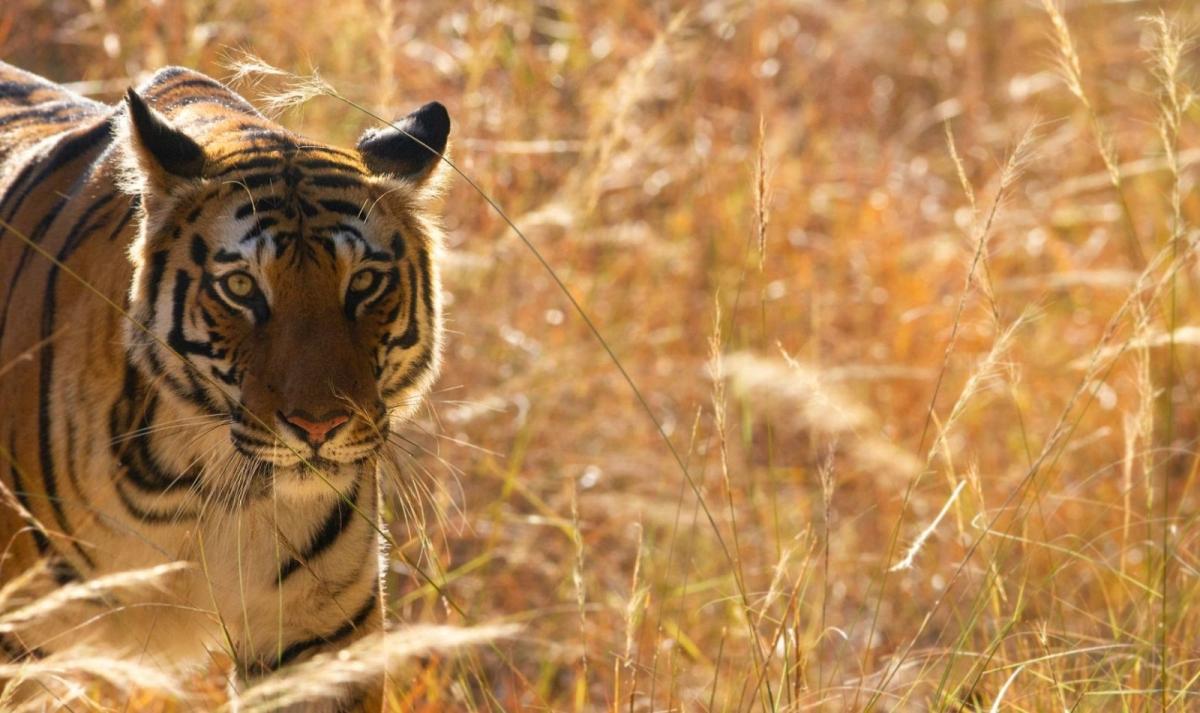
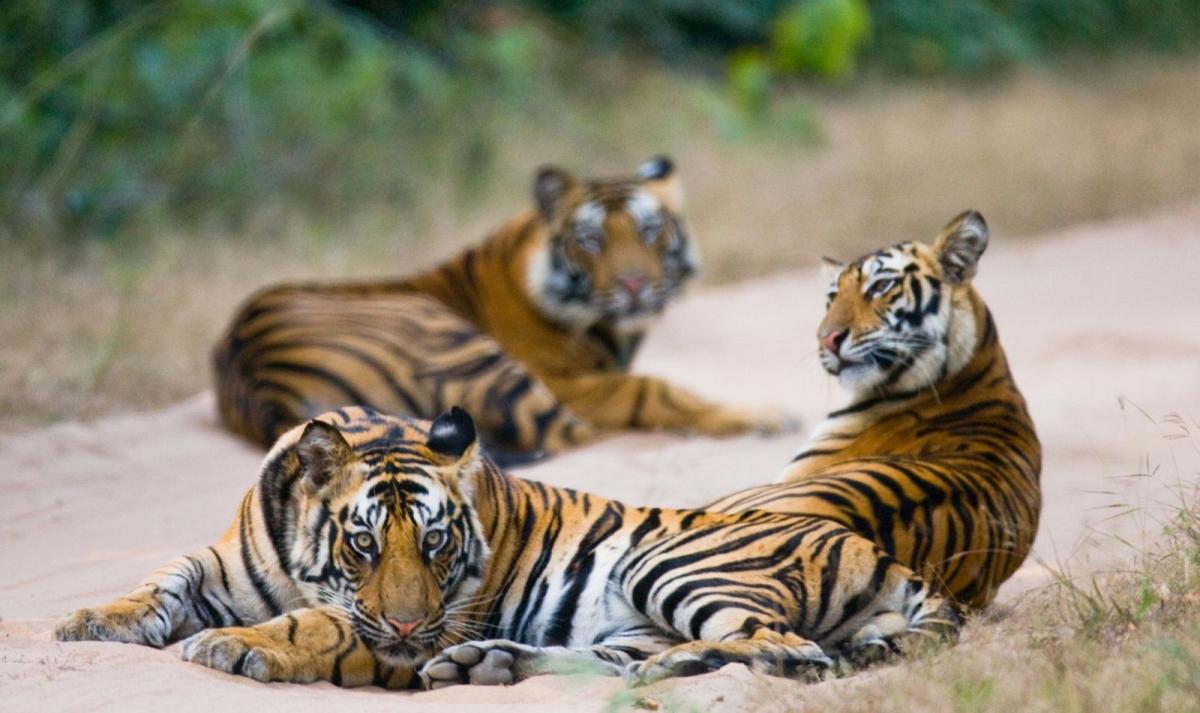
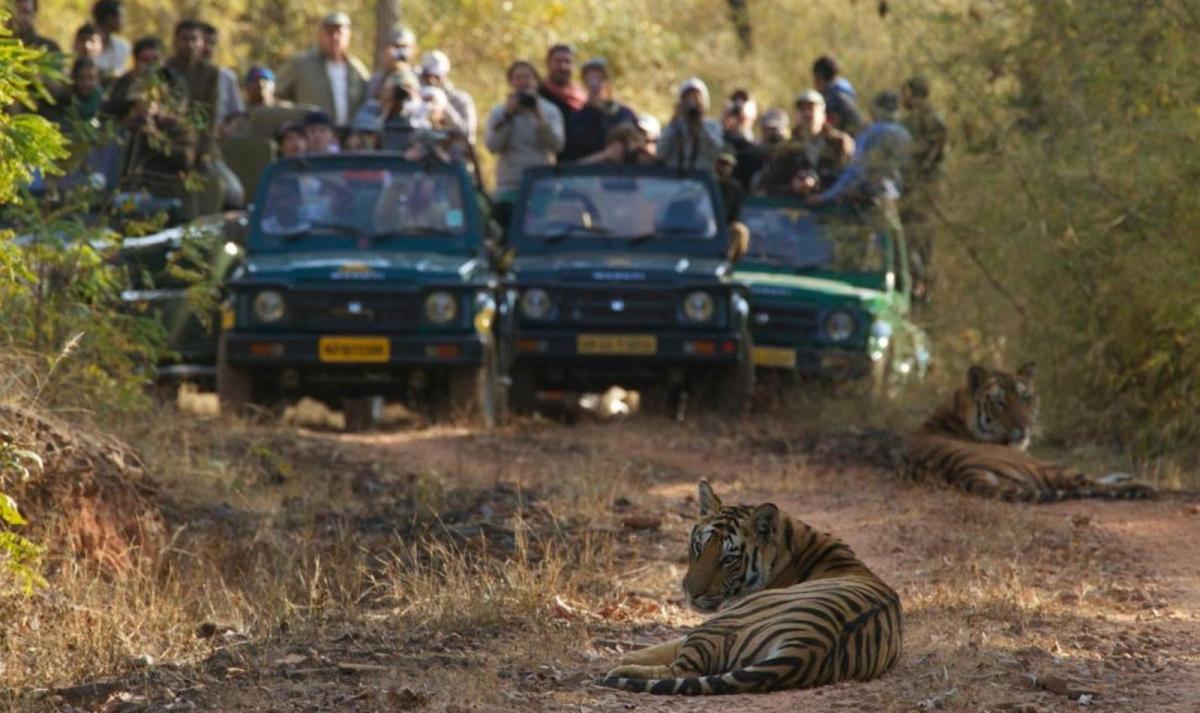
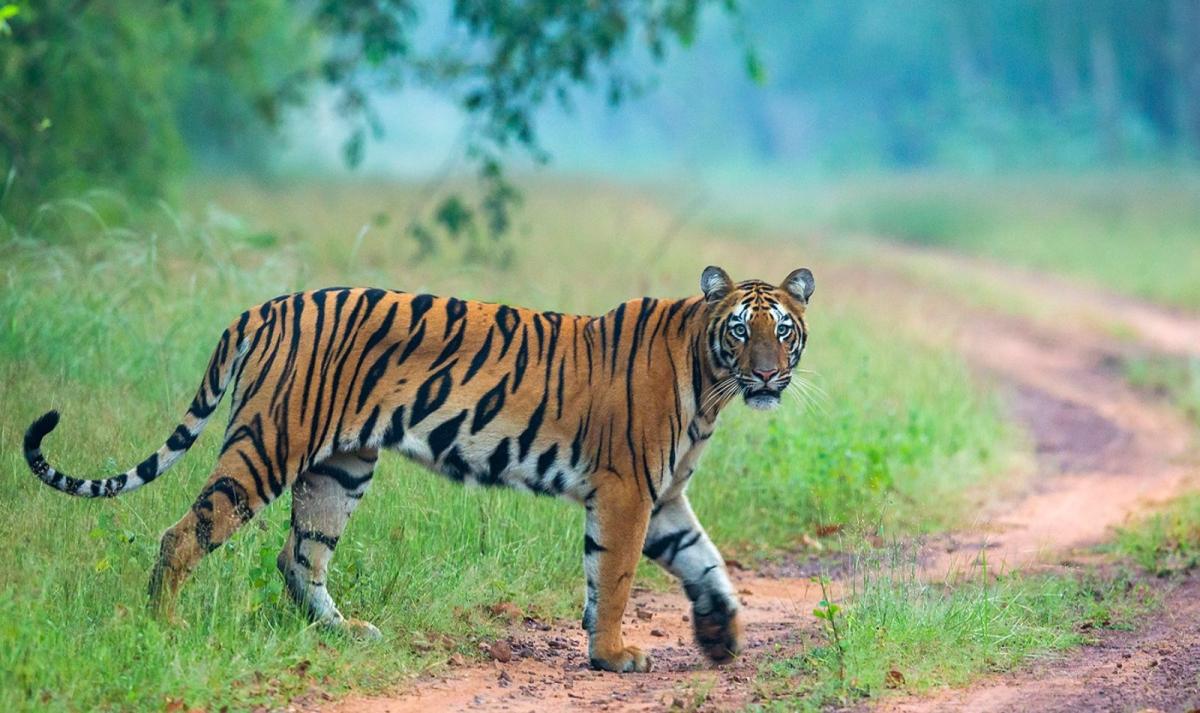
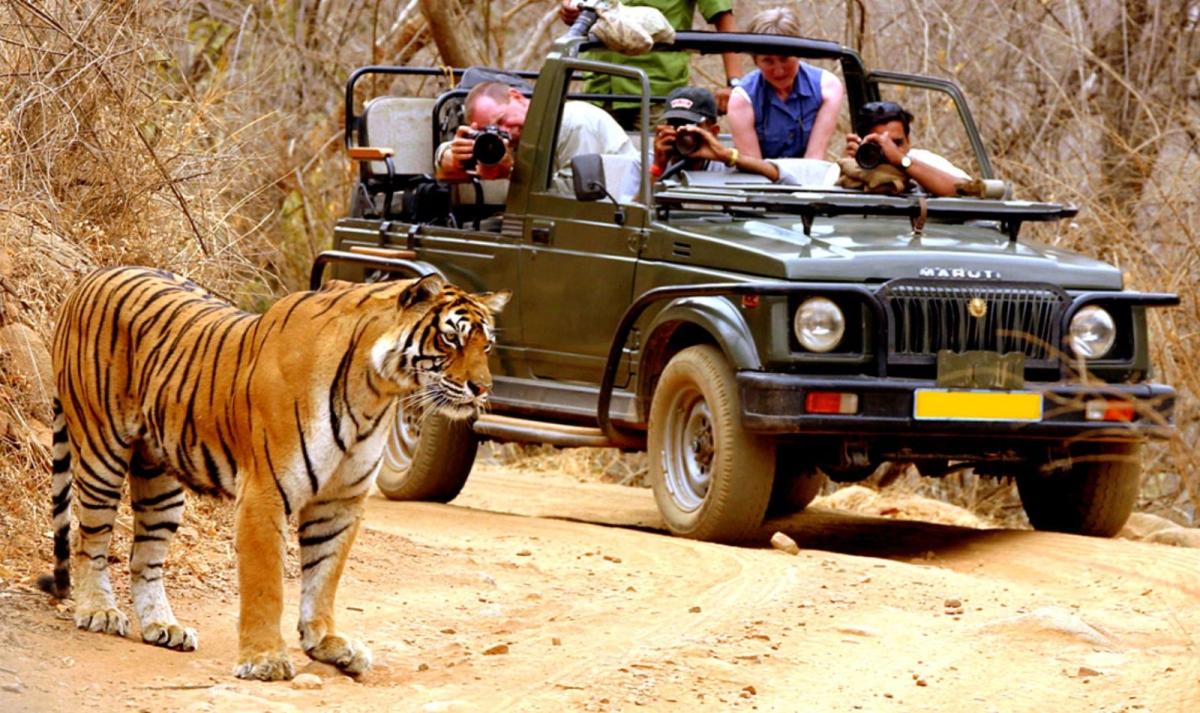
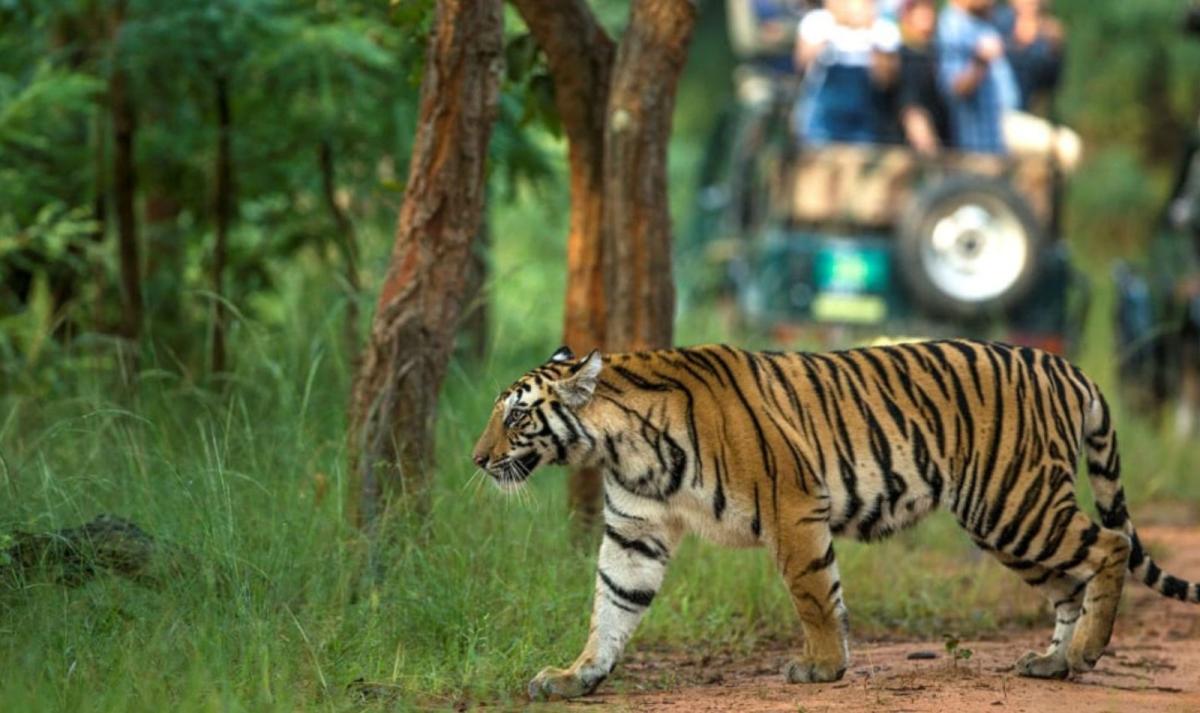
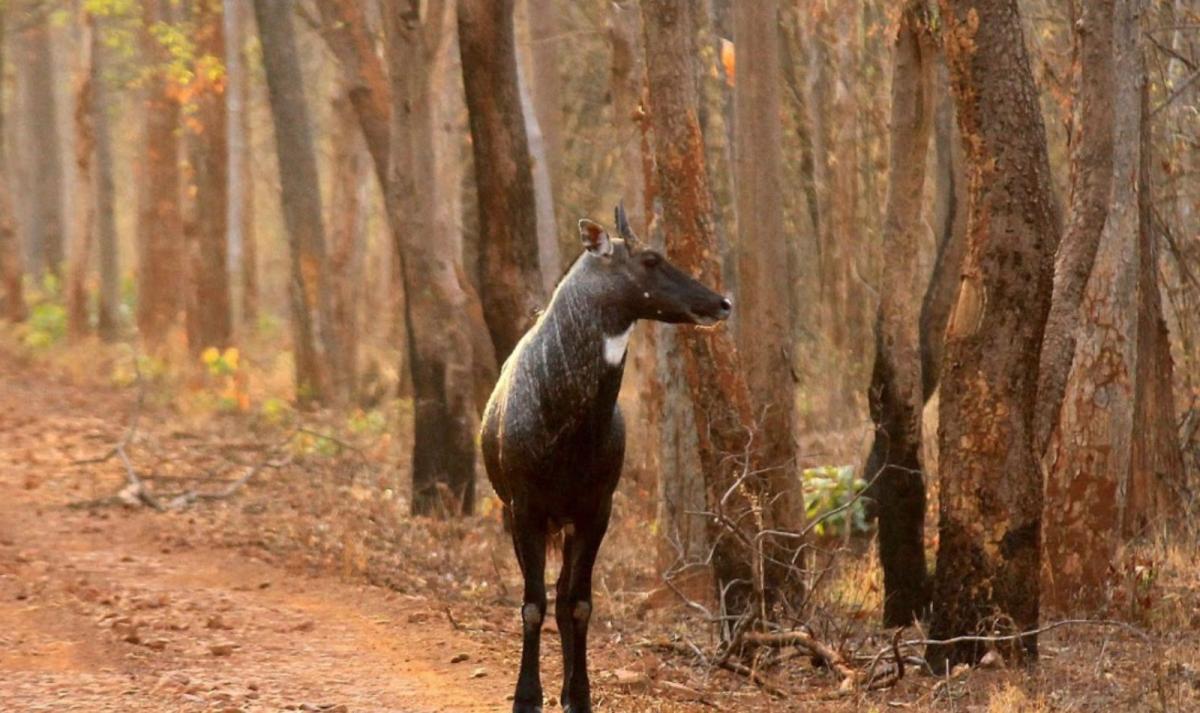
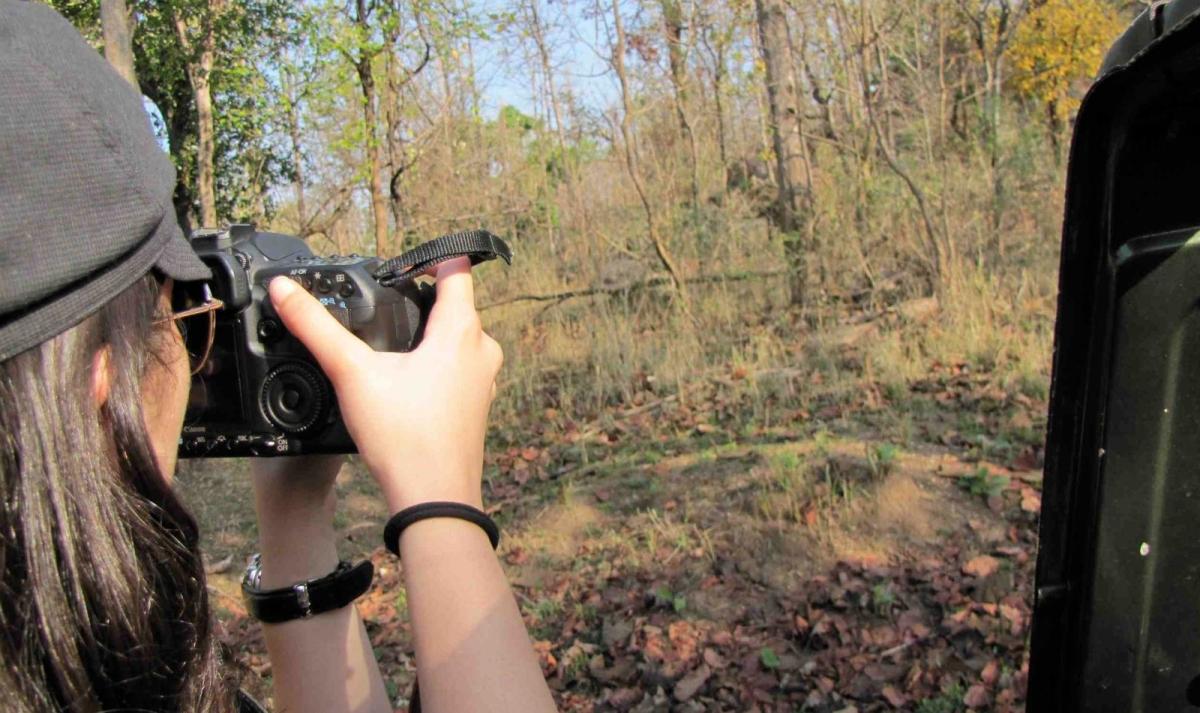
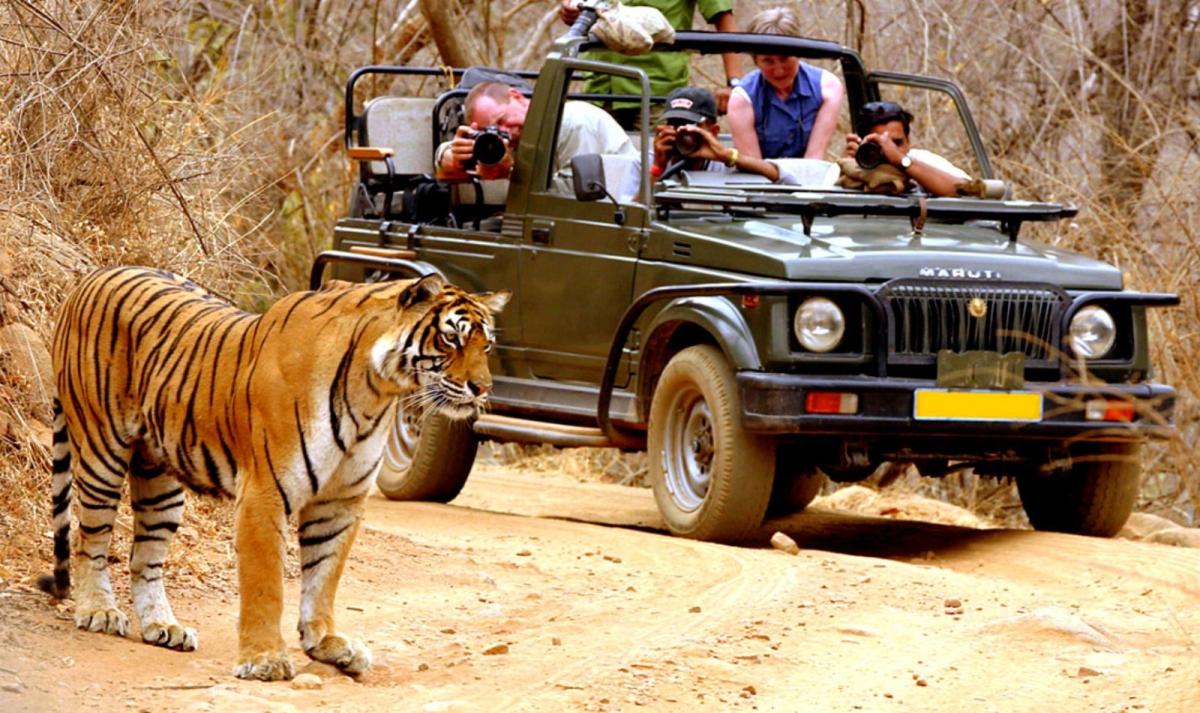
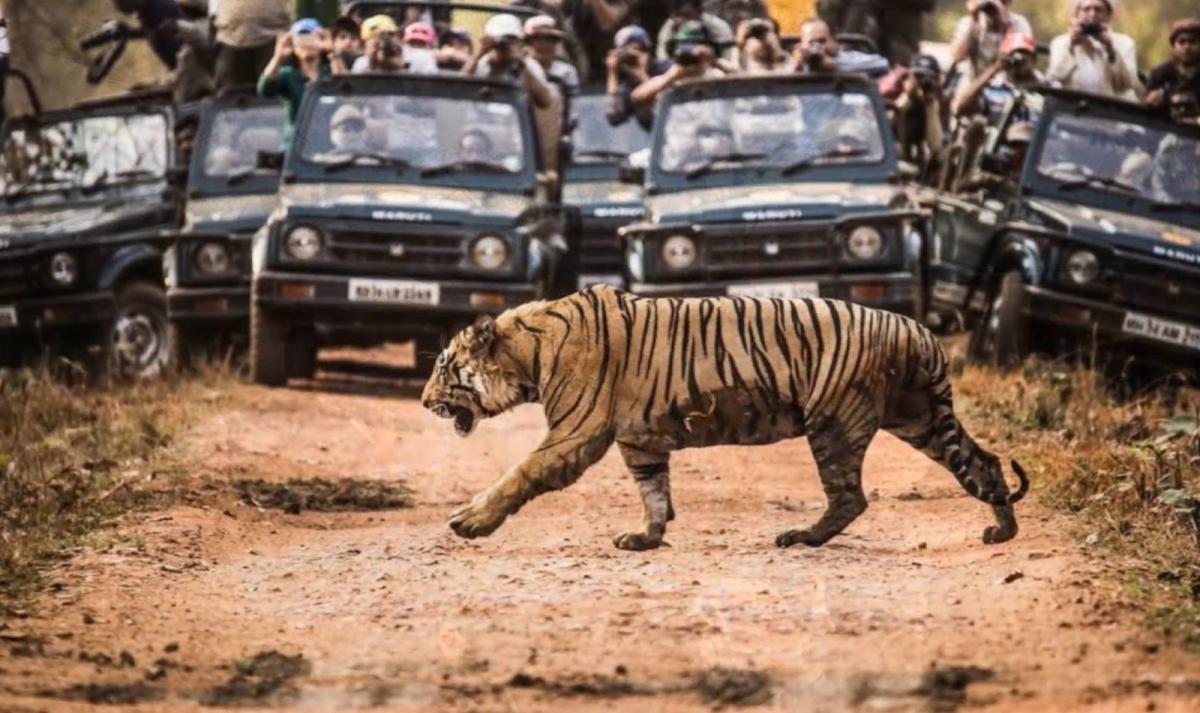
Madhya Pradesh holds some of India's most productive tiger reserves, among them Bandhavgarh and Kanha National Park, both known for comparatively reliable sightings of wild Bengal tigers against many other Indian parks. Both reserves fall within India's Project Tiger conservation network, established in 1973 to protect the country's dwindling tiger population. Kanha's sal forests and open grasslands were also part of the landscape that inspired Rudyard Kipling's Jungle Book, and both parks combine tiger tracking with sightings of deer, langurs, birdlife and, less commonly, leopards across their core and buffer zones.
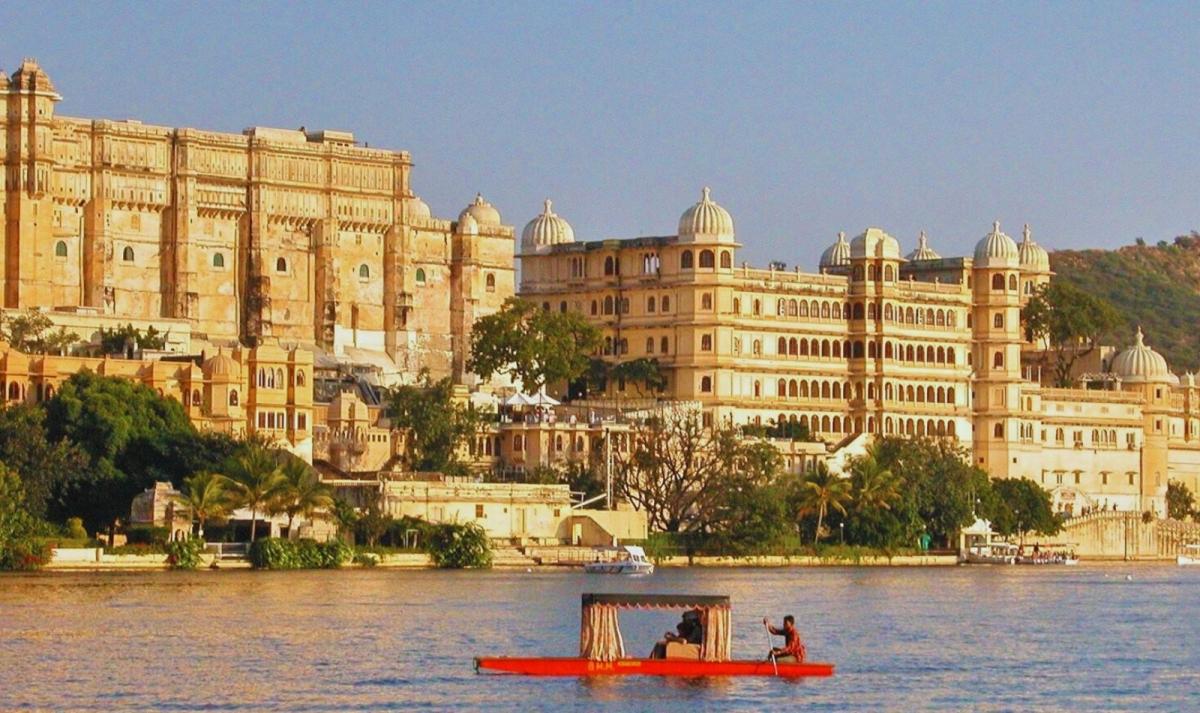
Gwalior Fort sits on a steep sandstone hill above the city of Gwalior, its ramparts and palaces built up over successive Rajput and Mughal rulers and still dominating the skyline for miles around. Carved sandstone facades and tiled surfaces on its palace buildings are considered among the finer examples of Rajput palace architecture in northern India. Further south, the fortified hilltop town of Mandu preserves a different chapter of the same broader period, with Afghan-era palaces, mosques and water reservoirs spread across a plateau that once served as a monsoon retreat for the sultans of Malwa. Both sites reward a half day or more of walking across their scattered structures, and neither is well suited to a rushed visit given the distances between individual buildings.
Distances between Madhya Pradesh's main draws are considerable: Khajuraho, the Bandhavgarh and Kanha reserves, and the forts of Gwalior and Mandu sit in different corners of the state, connected by a mix of rail lines and highway drives rather than any single circuit. Most itineraries fly into one gateway city and travel overland or by internal flight between regions, treating the state as several distinct legs rather than one continuous route. Bhopal, the state capital, and Jabalpur, closer to the eastern wildlife reserves, serve as the two most common gateway cities for organizing a Madhya Pradesh itinerary.
The cooler months from October to March suit both temple and fort visits and wildlife viewing across the state, with mornings the most productive time for tiger sightings in Bandhavgarh and Kanha. Both reserves close for part of the monsoon season, generally from July through September, so travelers focused on wildlife should plan visits outside that window, while fort and temple sites remain accessible throughout the year.