
Free Cancellation
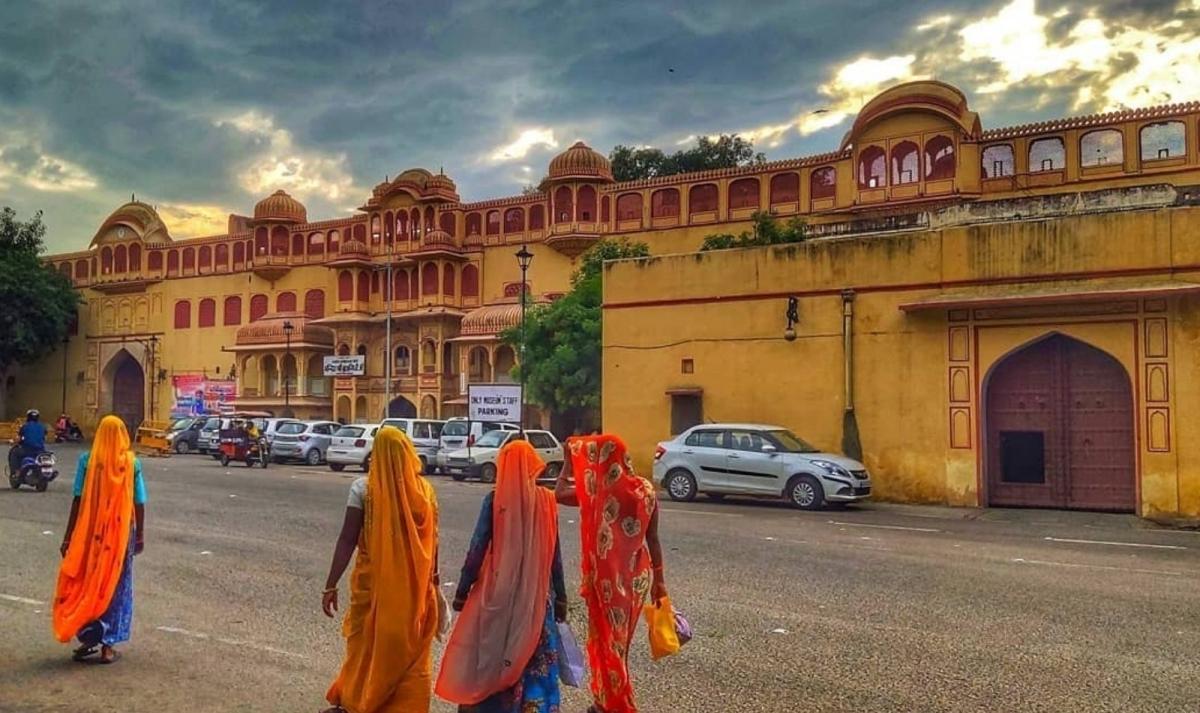
Bikaner Tours introduce travelers to a walled desert city in the northern reaches of Rajasthan, built where camel caravan routes once crossed the Thar Desert. Founded in 1488 by Rao Bika, the city grew into a trading hub known for its red sandstone architecture, ornately carved merchant houses and a fort that has never fallen to an outside army. Visitors exploring Bikaner Tours as part of a longer India itinerary find a quieter, less crowded alternative to Rajasthan's more visited cities.
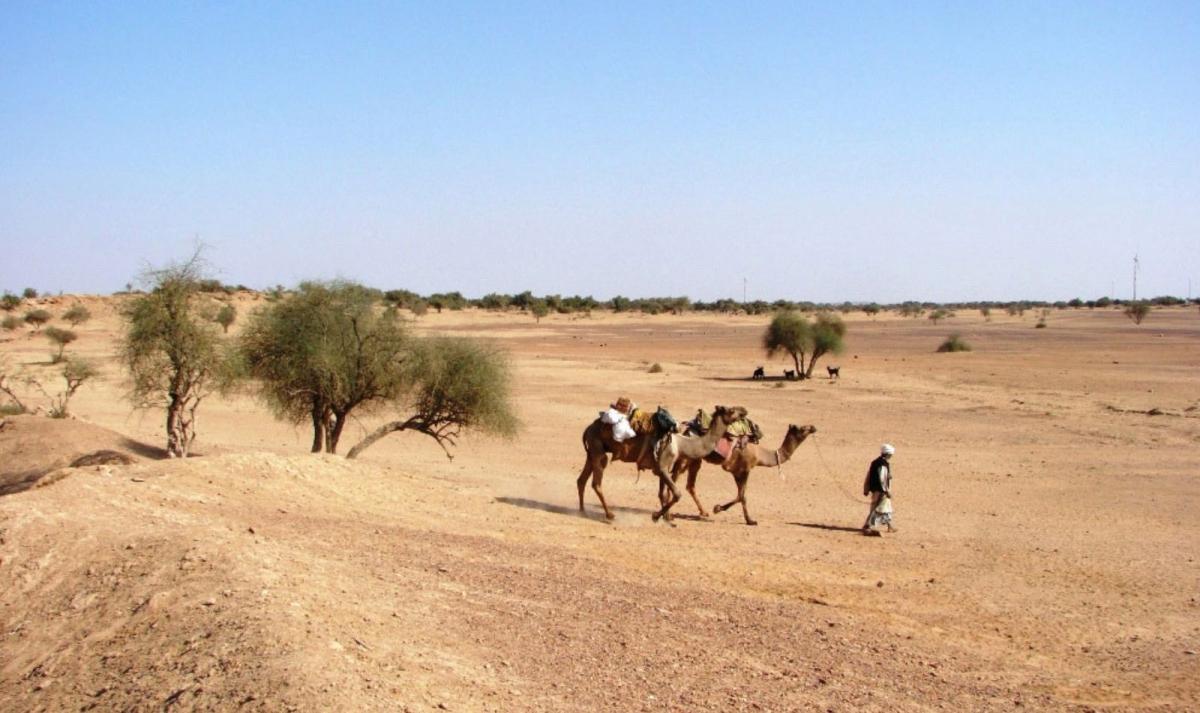
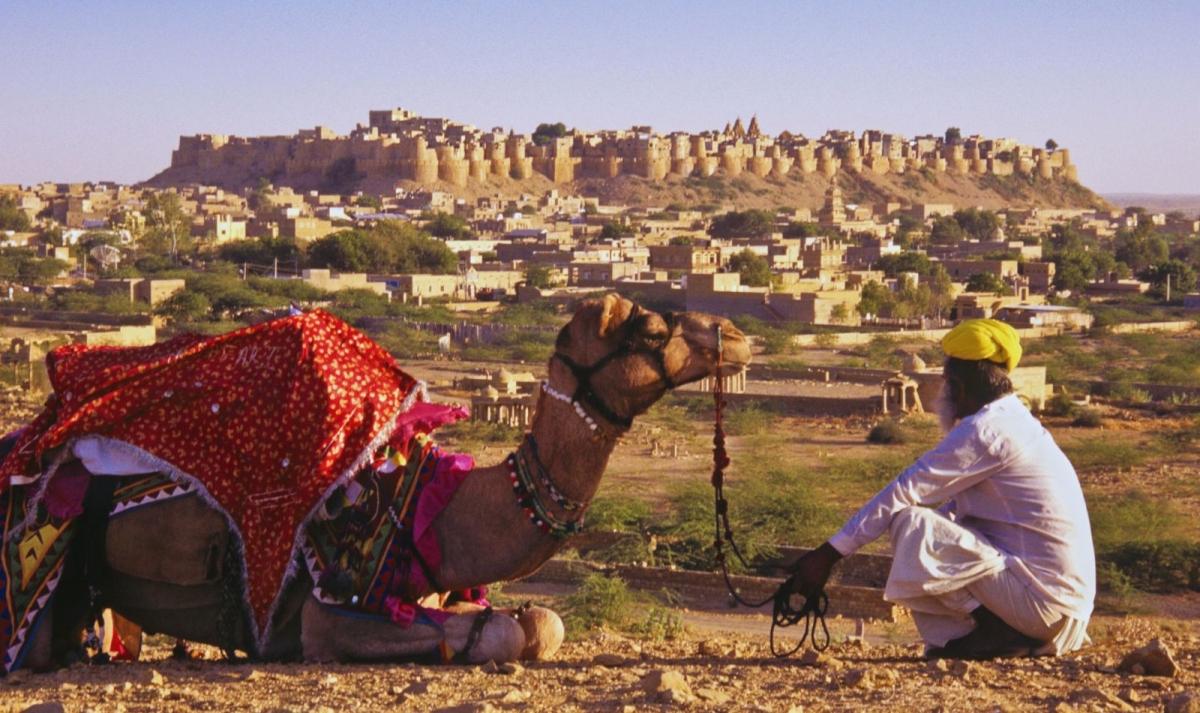
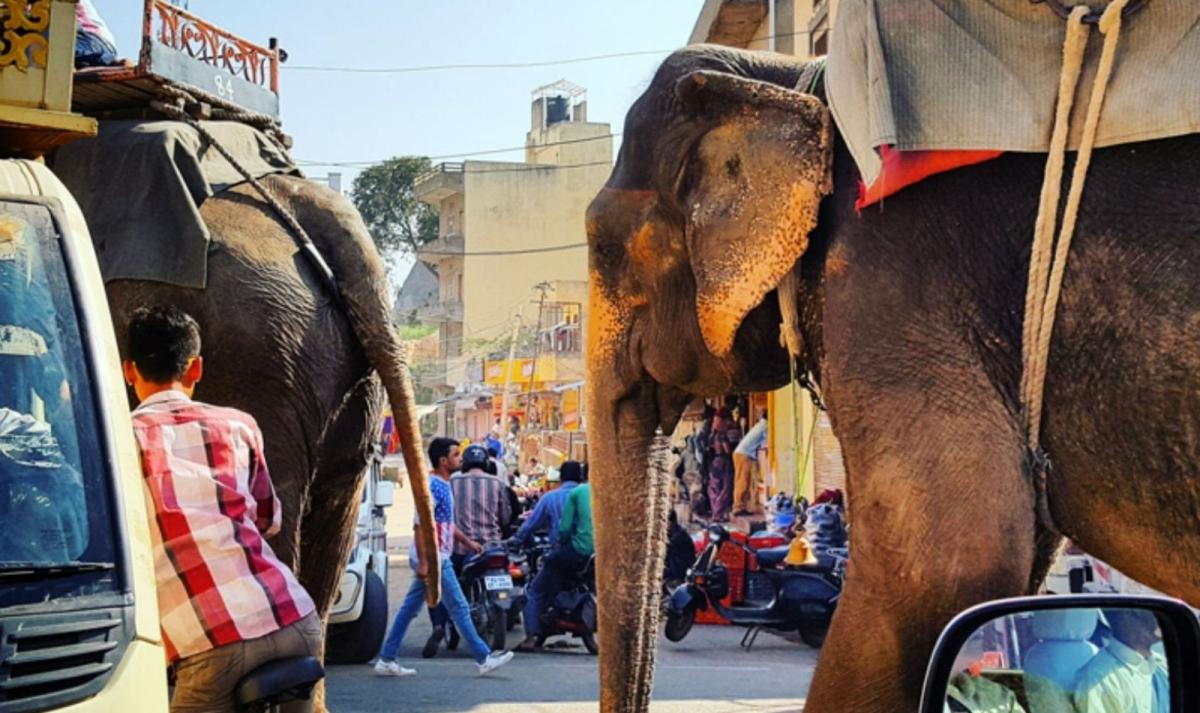
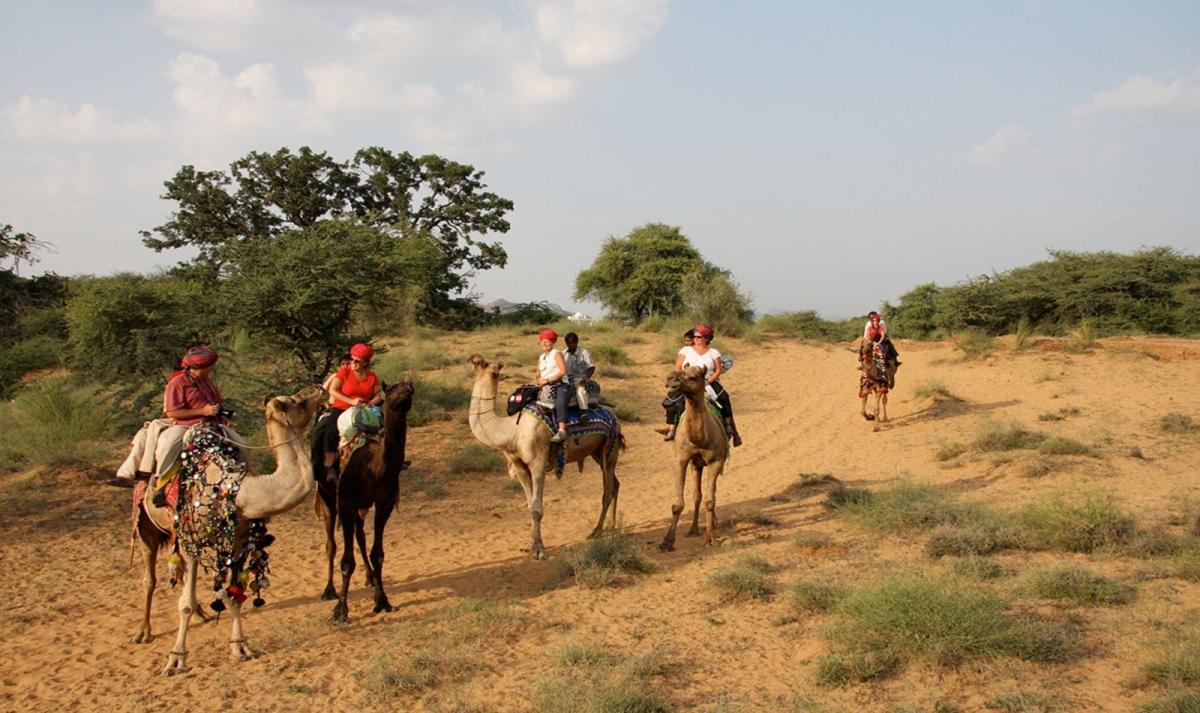
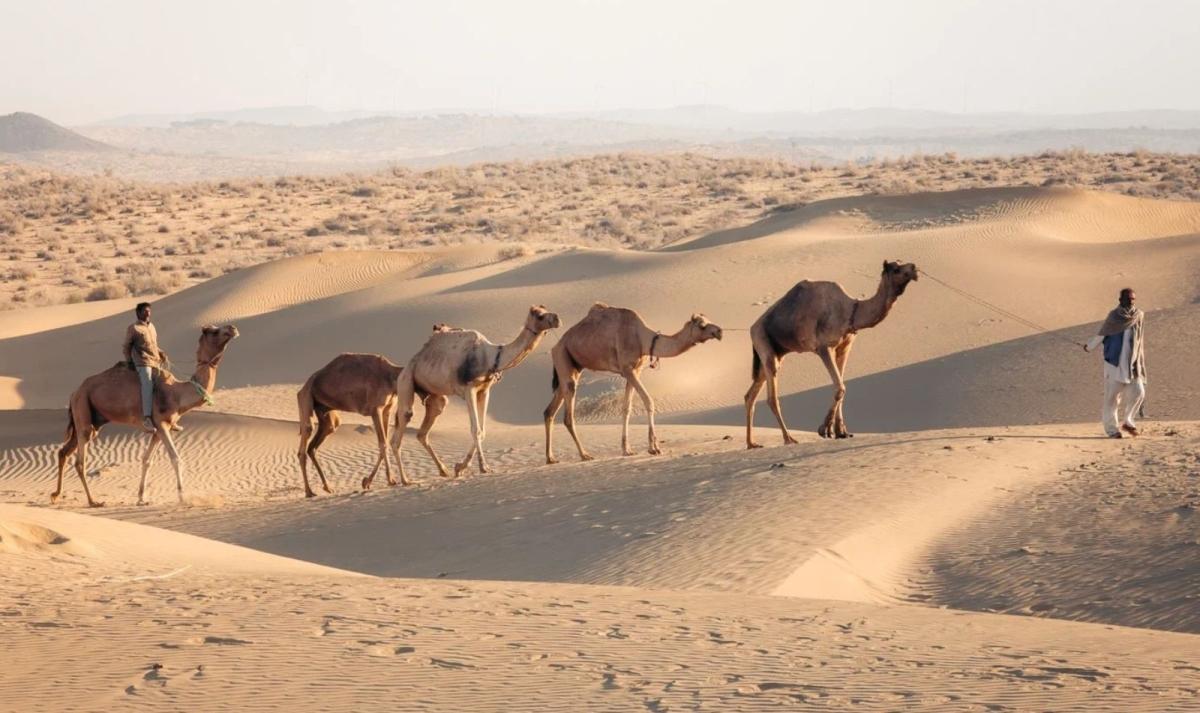
Bikaner Tours combine fort visits, walks through the old city and desert excursions that reveal a side of Rajasthan built around camels rather than elephants. The city's markets, temples and havelis reflect centuries of trade wealth, while its position on the edge of the Thar Desert makes it a starting point for camel safaris and rural village visits.
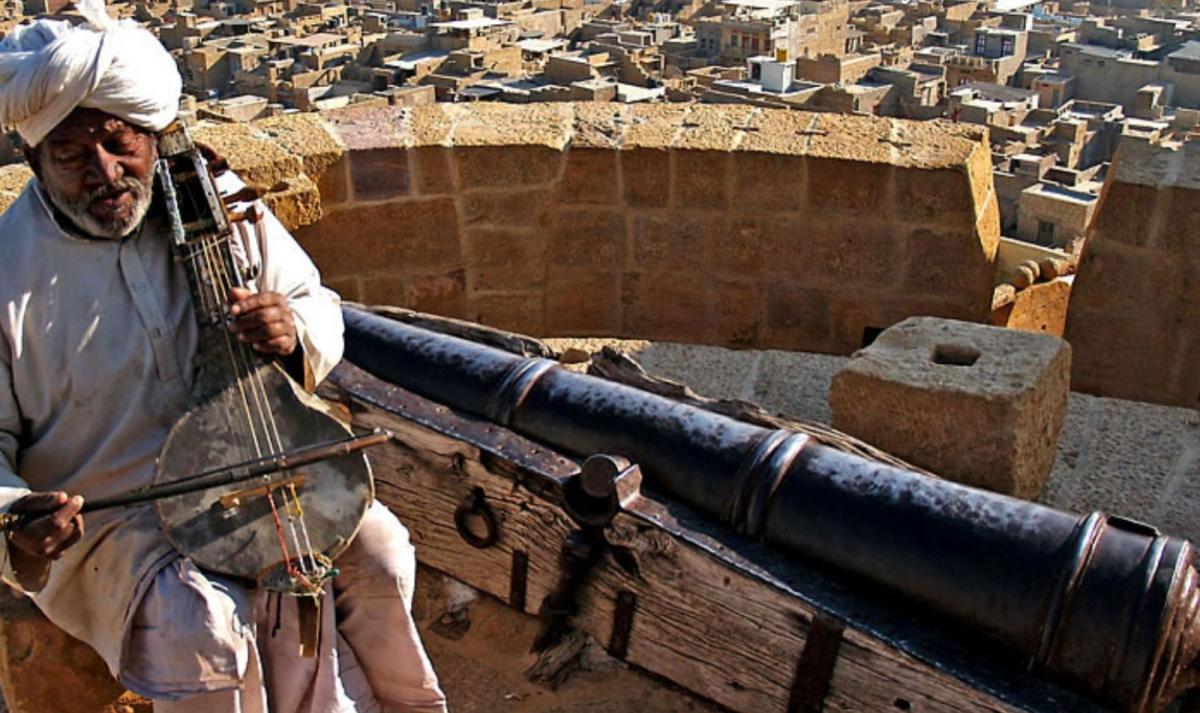
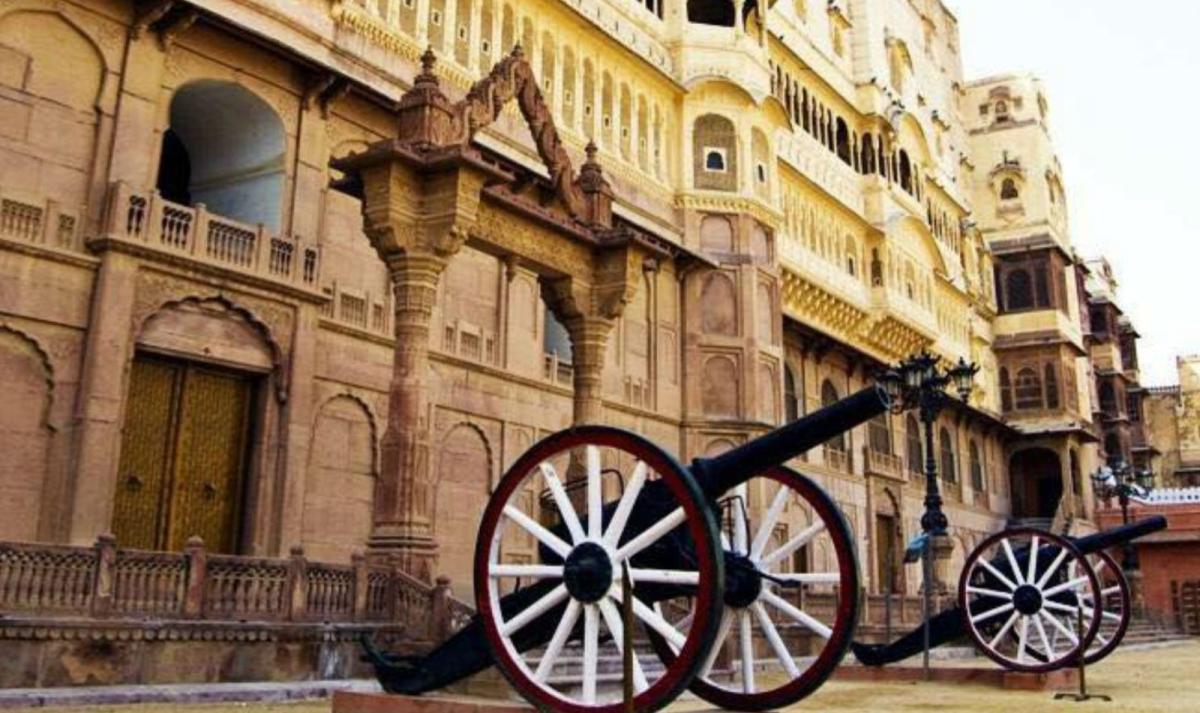
Junagarh Fort sits at the heart of the city and dates to the late sixteenth century, built under the Rathore ruler Rai Singh. Unlike many Rajasthan forts built on hilltops for defense, Junagarh rises from level desert ground, protected instead by a moat and thick sandstone walls. It survived centuries of regional conflict without being taken by force, and today its palace complex houses courtyards, mirrored halls and a museum with a collection of armor, manuscripts and royal artifacts.
Successive rulers added their own quarters inside the fort over three centuries, so the interior mixes styles rather than following one design. The Anup Mahal, used as a coronation hall, is decorated with gold leaf and lacquer work, while the Chandra Mahal holds mirrored ceilings and painted walls that have kept much of their original color thanks to the dry desert climate.
Away from the old fort, Lalgarh Palace was built in the early twentieth century for Maharaja Ganga Singh in the Indo-Saracenic style, blending European planning with Rajput carving traditions. Constructed from the same red sandstone as Junagarh, the palace now functions partly as a heritage hotel and partly as a museum holding hunting trophies, vintage photographs and a library of old manuscripts.
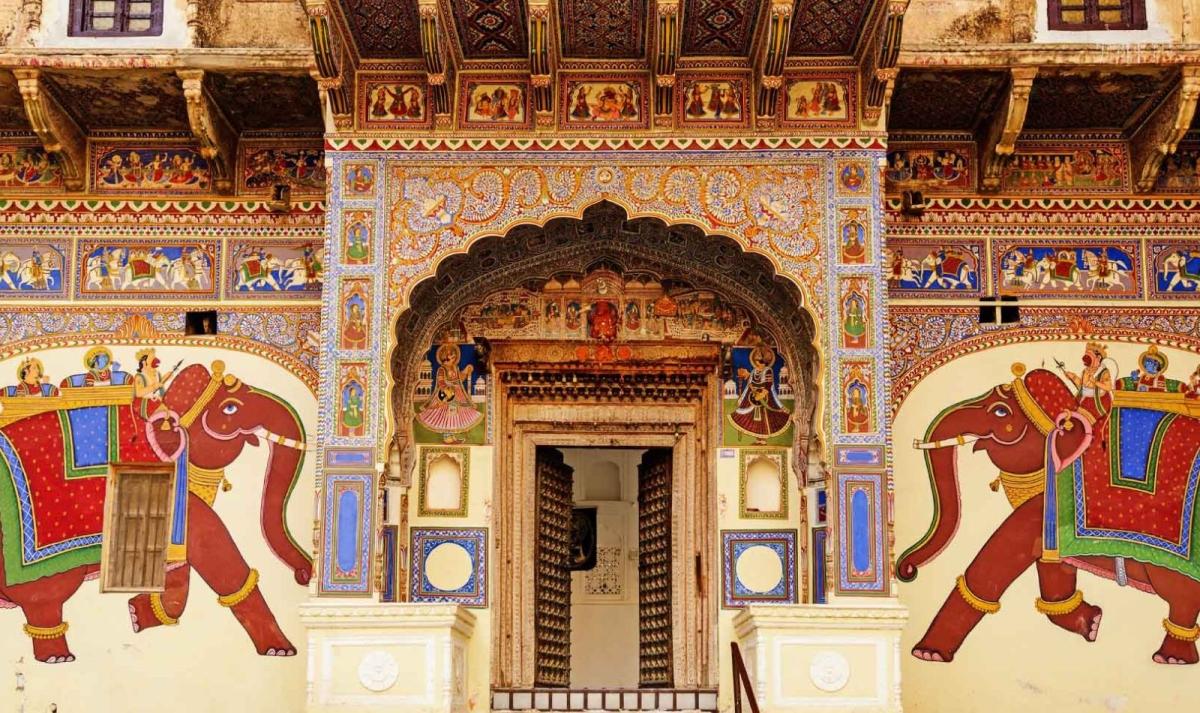
The narrow lanes around Bikaner's old city are lined with havelis built by Marwari merchant families who grew wealthy on the caravan trade between India and Central Asia. Facades carved from local red and yellow sandstone show floral patterns, latticed windows and figures worked in fine detail, with several of the largest examples found in the Rampuria area.
A short drive outside the city, the camel research farm breeds and studies camels for the surrounding desert region, and visitors can walk among the herds and watch them return at dusk. The site also runs a small dairy producing camel milk products unique to the region.
About thirty kilometers south of the city in the town of Deshnoke, the Karni Mata Temple is home to thousands of black rats considered sacred and cared for as an expression of devotion to the goddess Karni Mata. Built from white marble with silver-plated doors, the temple draws pilgrims from across Rajasthan and is a common half-day excursion for travelers based in Bikaner.
Bikaner is known across India for its fried snacks, particularly bhujia, a spiced gram-flour noodle sold in shops throughout the old city that has become one of the town's most recognized exports. Sweet shops nearby sell rasgulla and other regional sweets, and the markets around Kote Gate remain busy with textile and spice traders much as they have for generations.
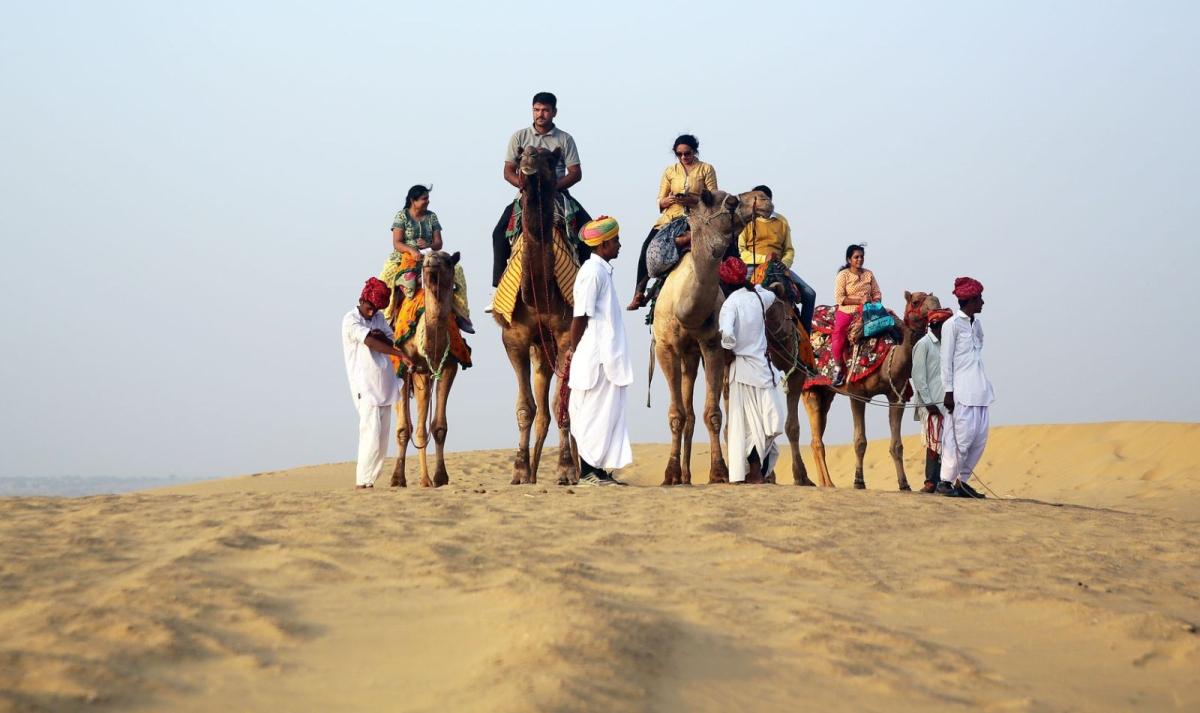
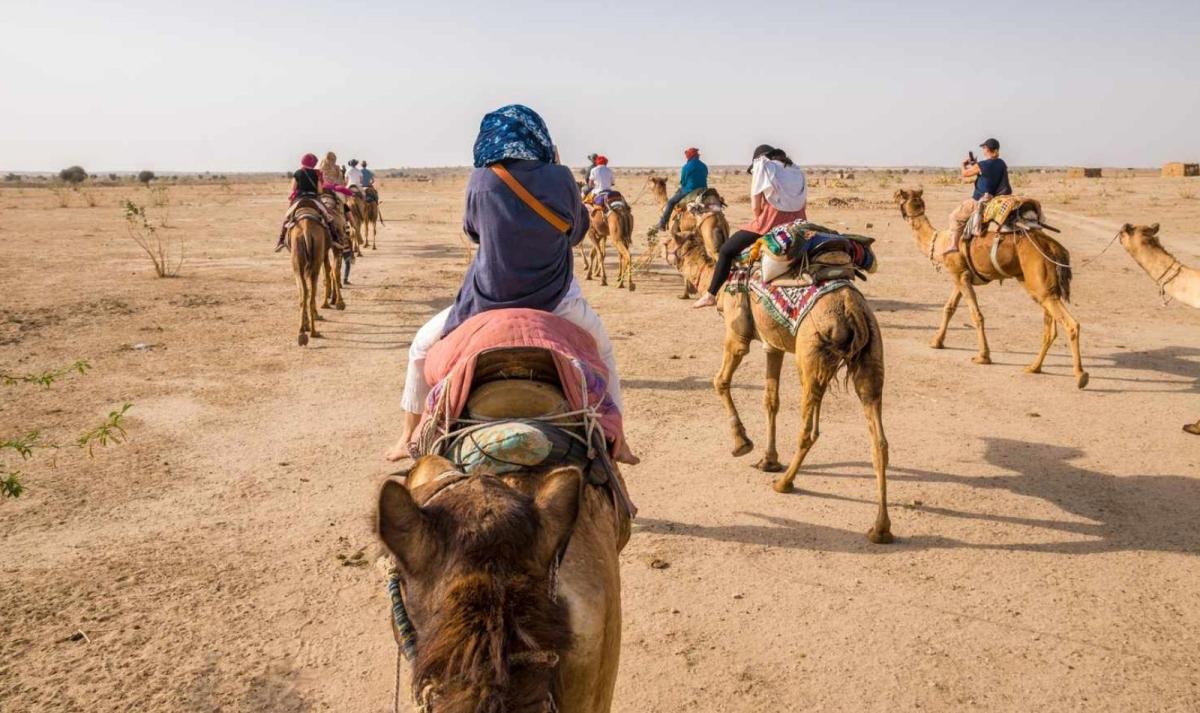
Bikaner Tour Packages typically pair the city with other Rajasthan destinations such as Jaisalmer, Jodhpur and Jaipur, combining fort visits with desert excursions and camel rides on the outskirts of town. Longer regional itineraries fold Bikaner into a wider loop through Rajasthan's desert cities.
The months between October and March bring the most comfortable temperatures for exploring Junagarh Fort and walking the old city, when daytime highs stay well below the desert heat of summer. December and January can turn cold at night, so layers are worth packing even in a desert setting.