
Free Cancellation
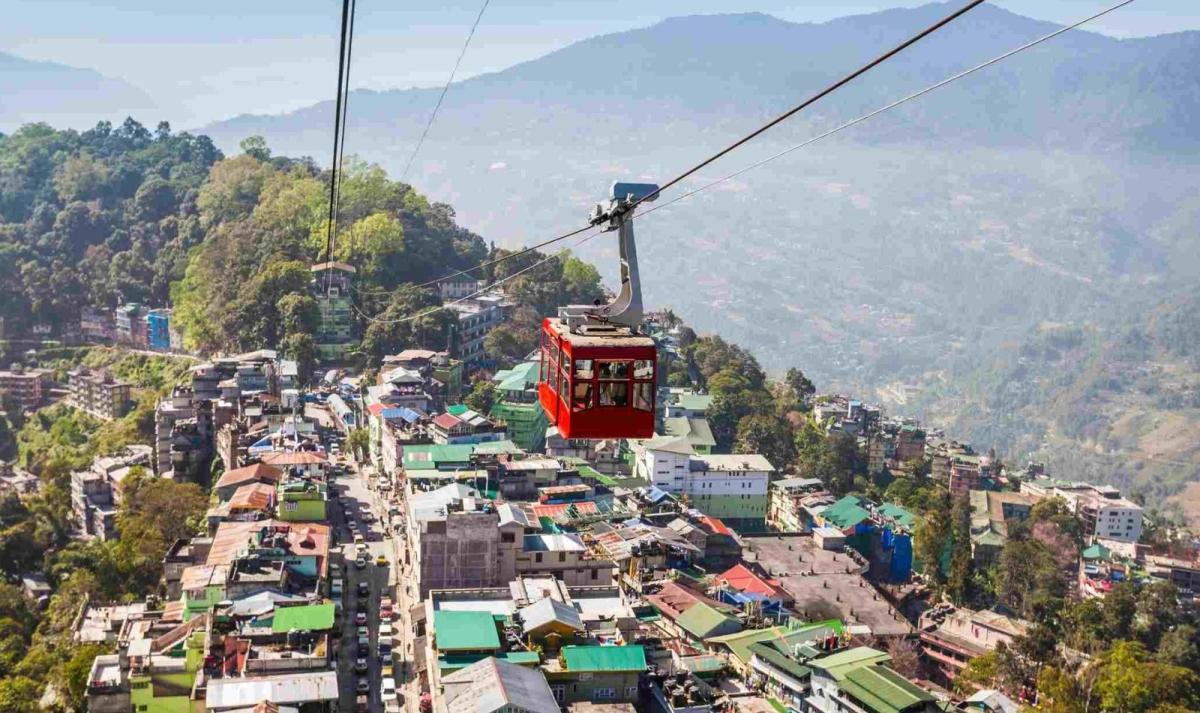
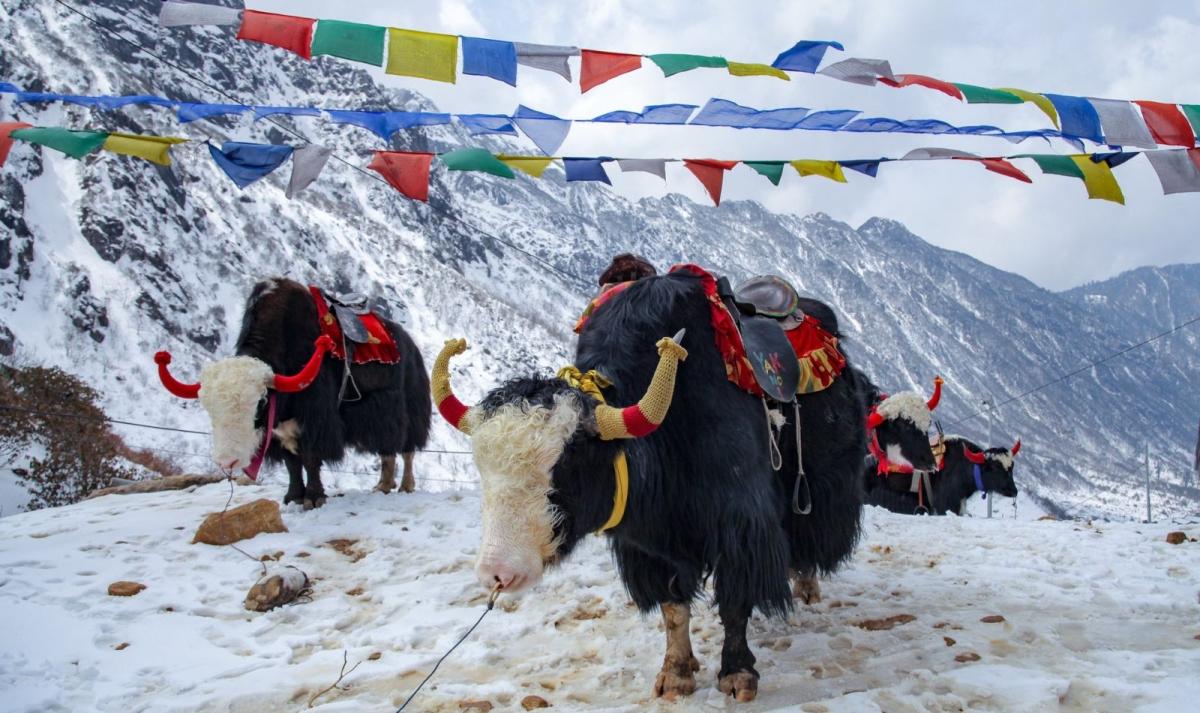
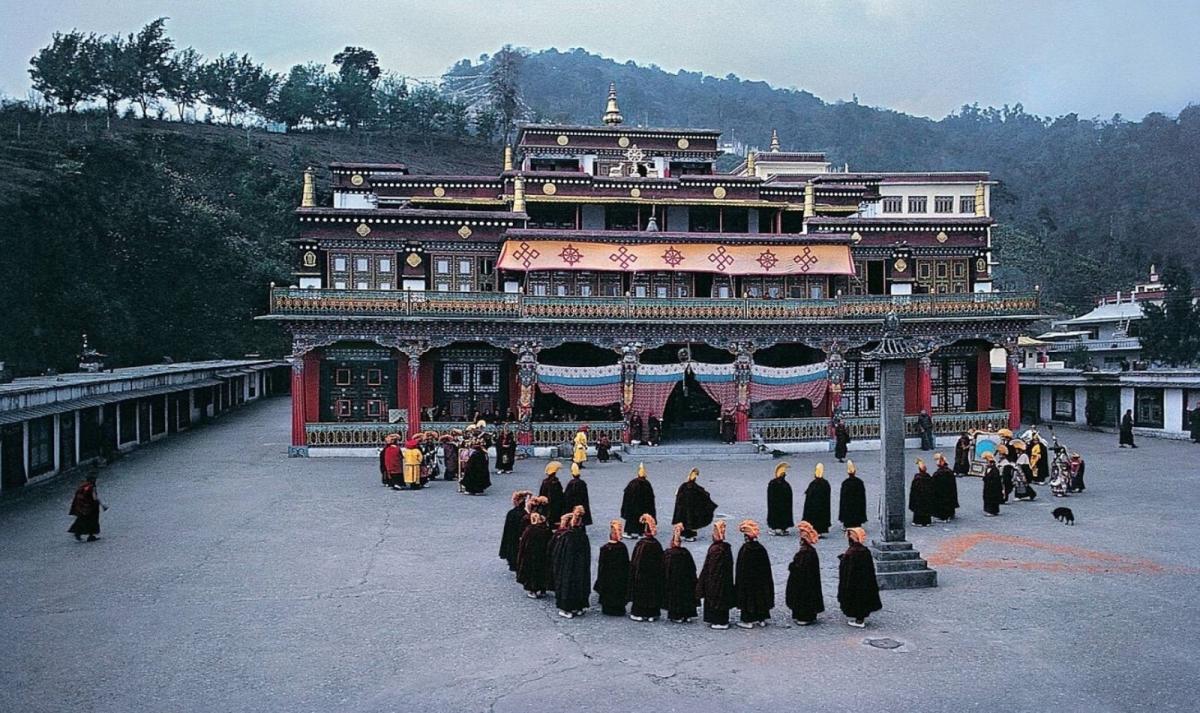
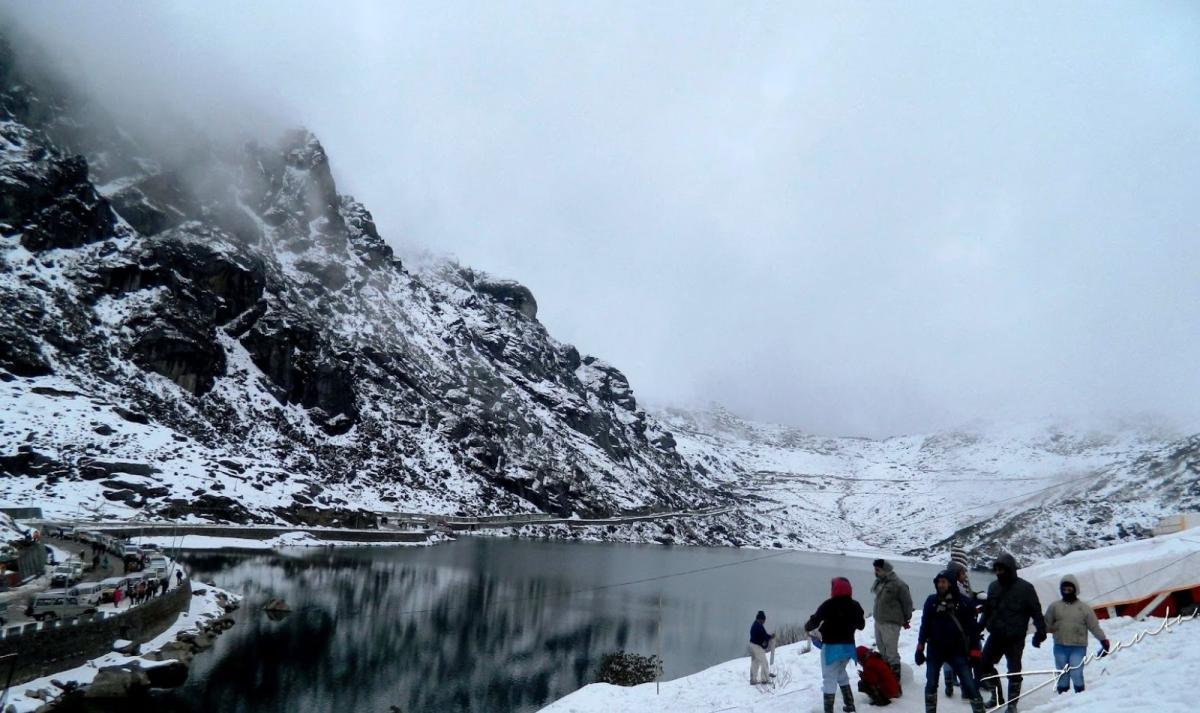
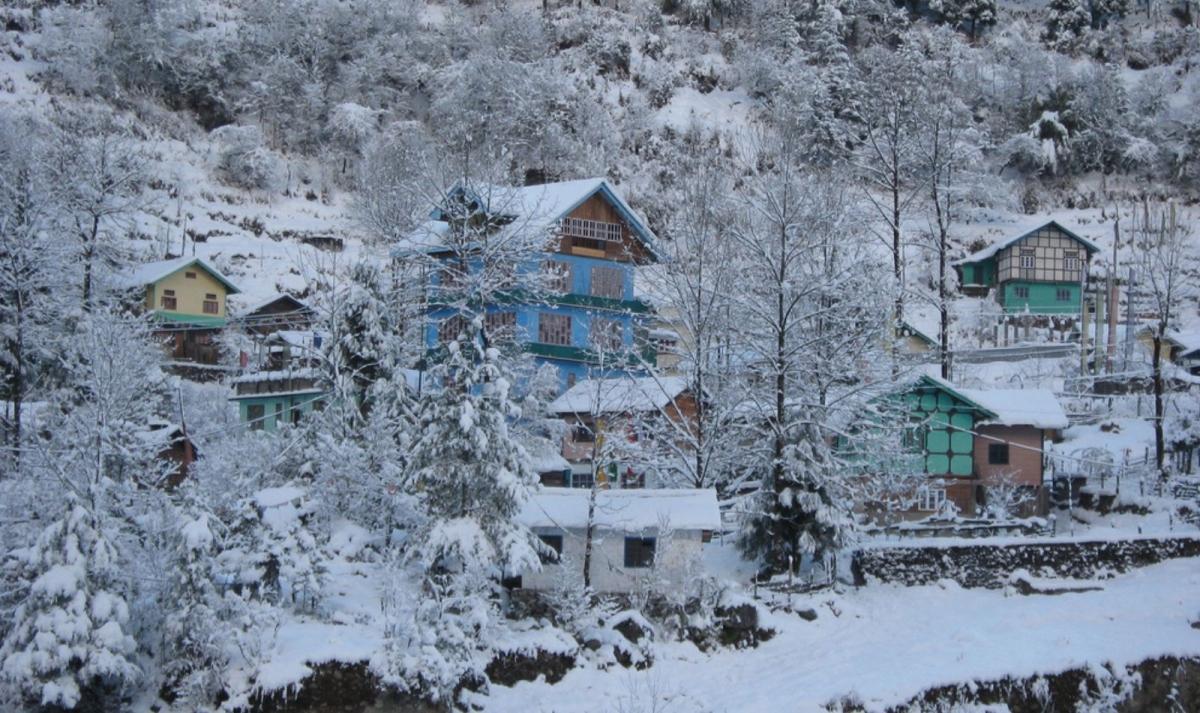
West Bengal stretches from the Bay of Bengal in the south to the Himalayan foothills in the north, and few Indian states pack in a wider range of landscape and history. Kolkata, the state capital, served as the seat of British colonial power in India until 1911, while Darjeeling, a full day's journey to the north, remains one of the world's most recognized tea-growing regions.
Tours here typically fall under a broader India Tours itinerary, combining Kolkata's colonial architecture and museums with a train or road journey up into the hills. The distance between the two, roughly 600 kilometers, usually means a short flight to Bagdogra followed by a drive, since the overland route takes the better part of a day.
Built between 1906 and 1921 in white Makrana marble, the Victoria Memorial stands as the largest monument of its kind from the British era in India, set inside formal gardens near the Maidan park. Howrah Bridge, a cantilever structure completed in 1943, spans the Hooghly River and carries an estimated hundred thousand vehicles and countless pedestrians daily, making the crossing at dusk, with ferries and trams moving below, one of the city's defining sights.
North of the business district, College Street holds one of Asia's largest concentrations of secondhand bookshops, spread along pavements around Presidency University and Calcutta University. Nearby, the Indian Museum, founded in 1814 and the oldest and largest museum in the country, houses Egyptian mummies, Mughal miniatures and a fossil collection alongside Kolkata's long tradition of theater, jazz clubs and Bengali literary culture.
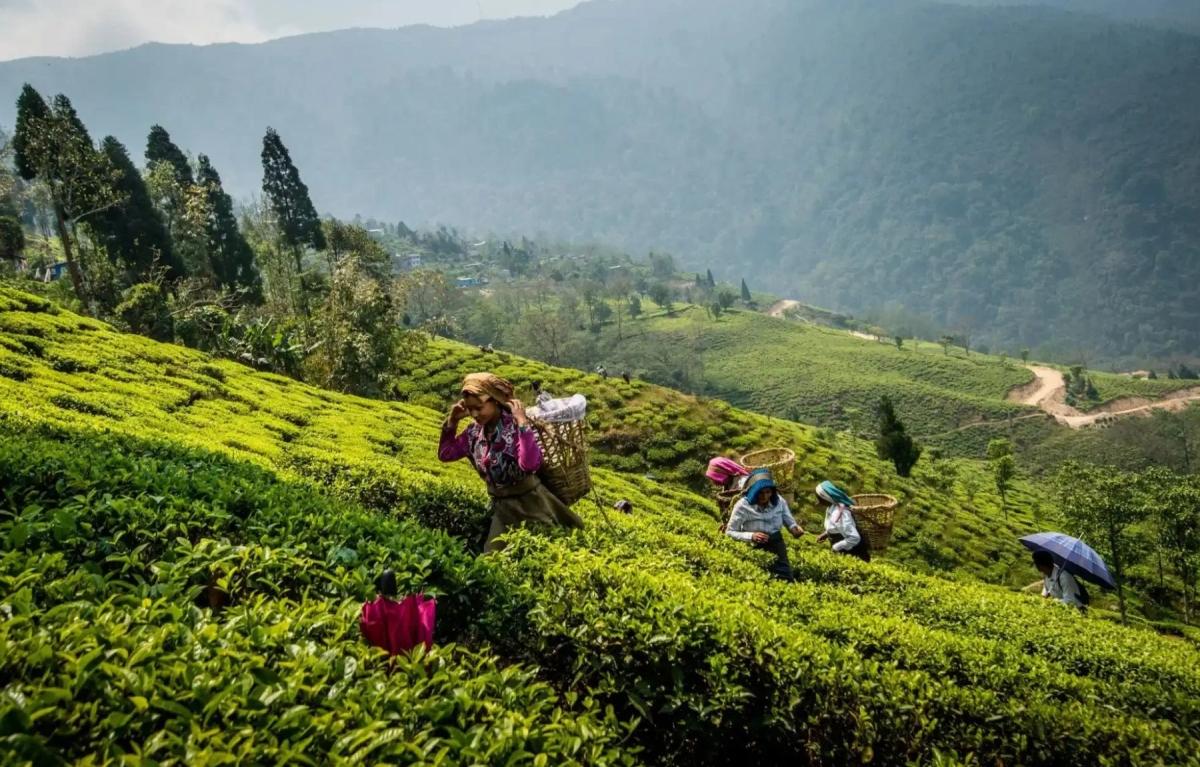
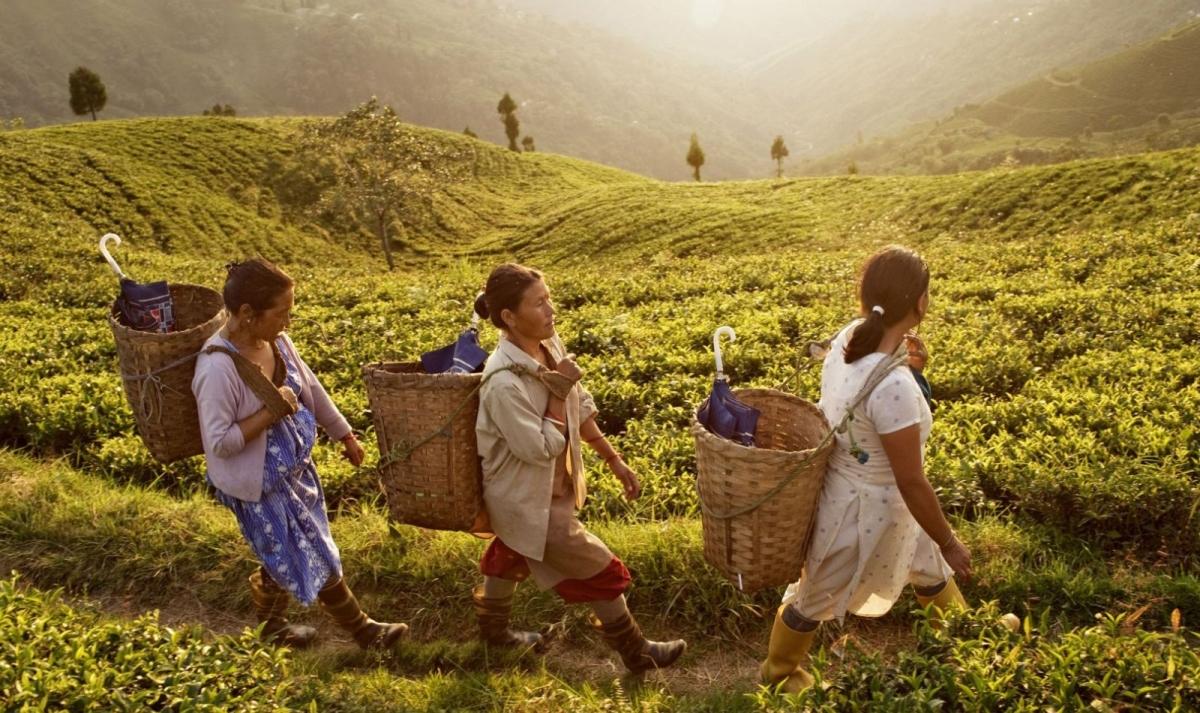
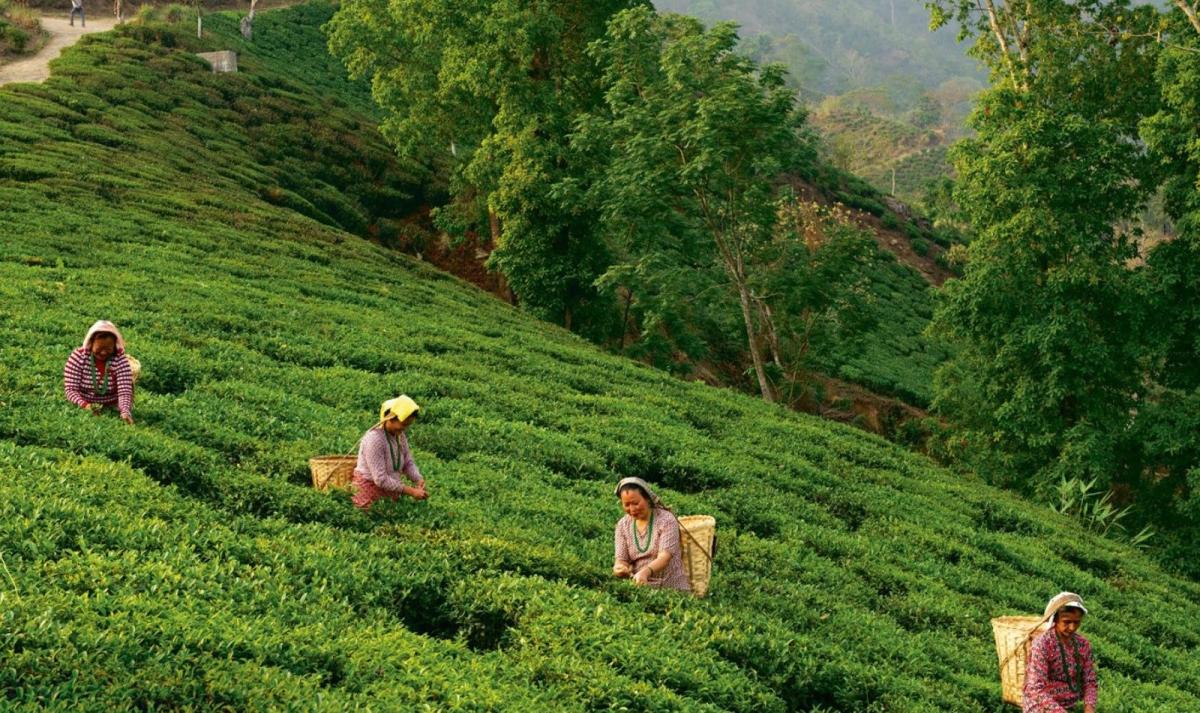
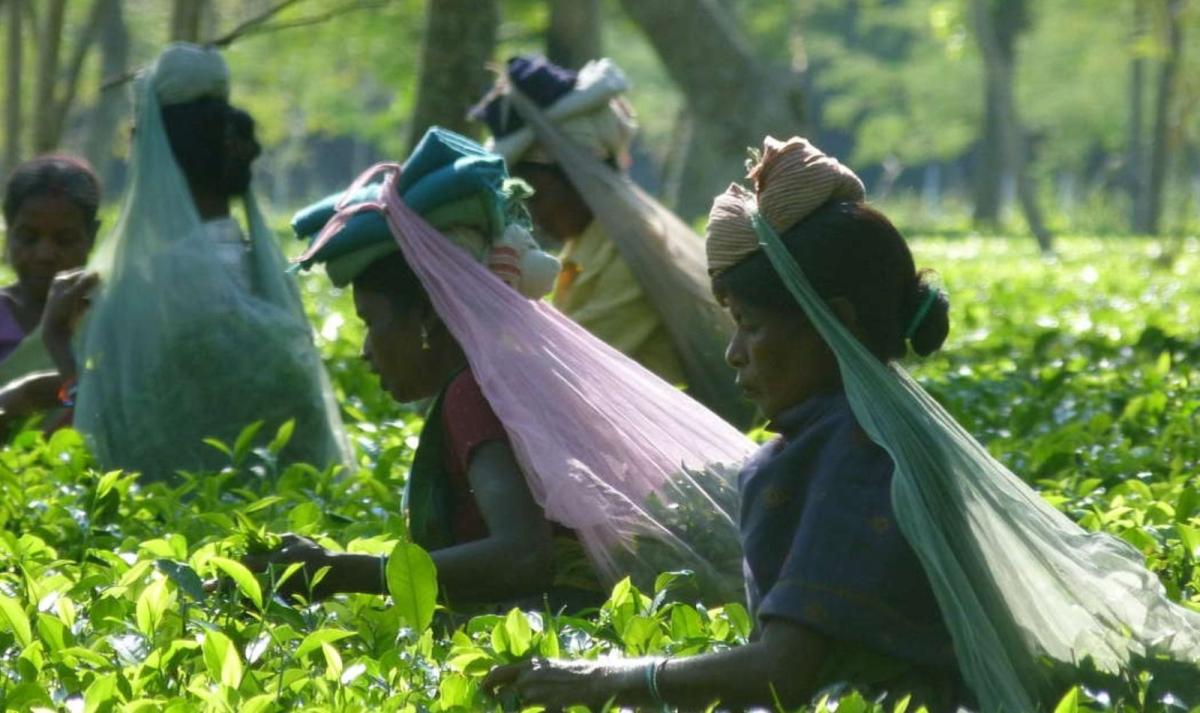
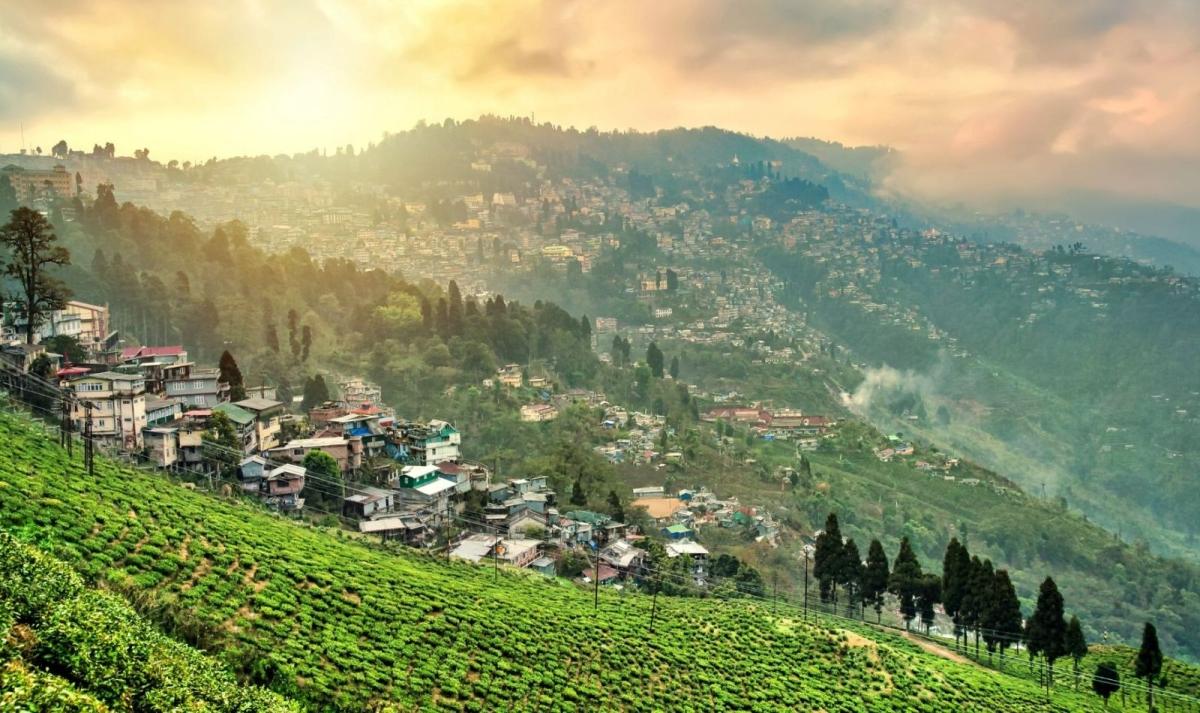
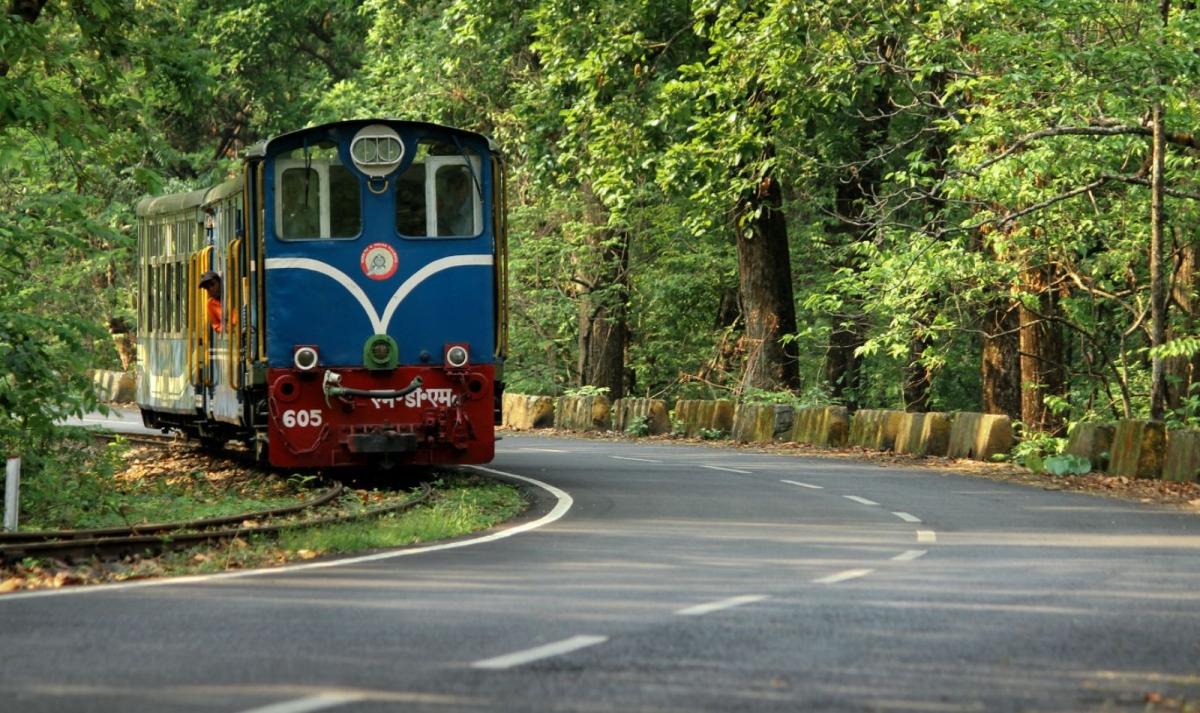
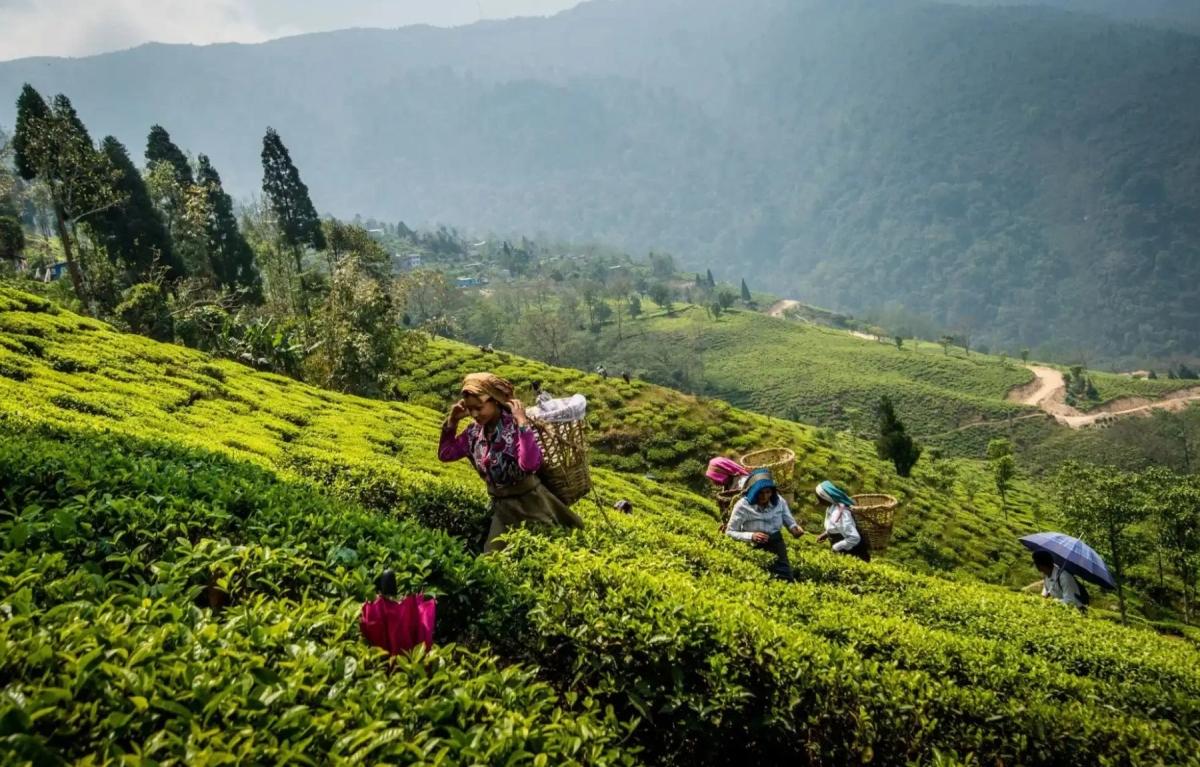
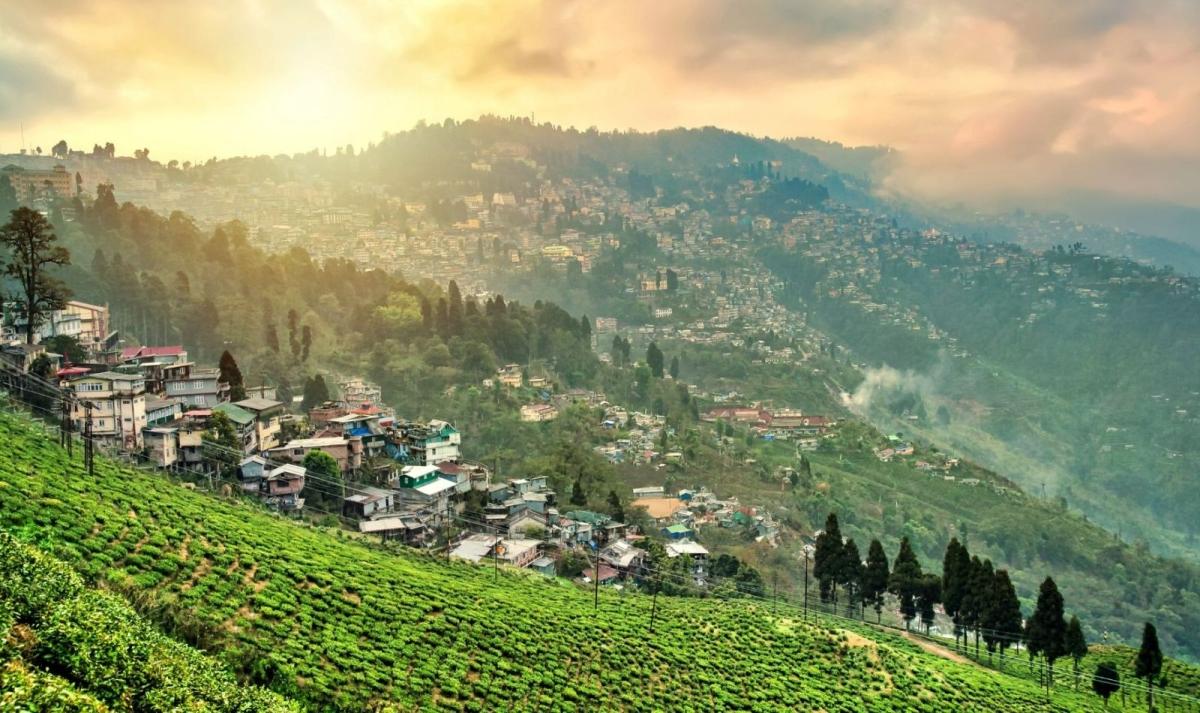
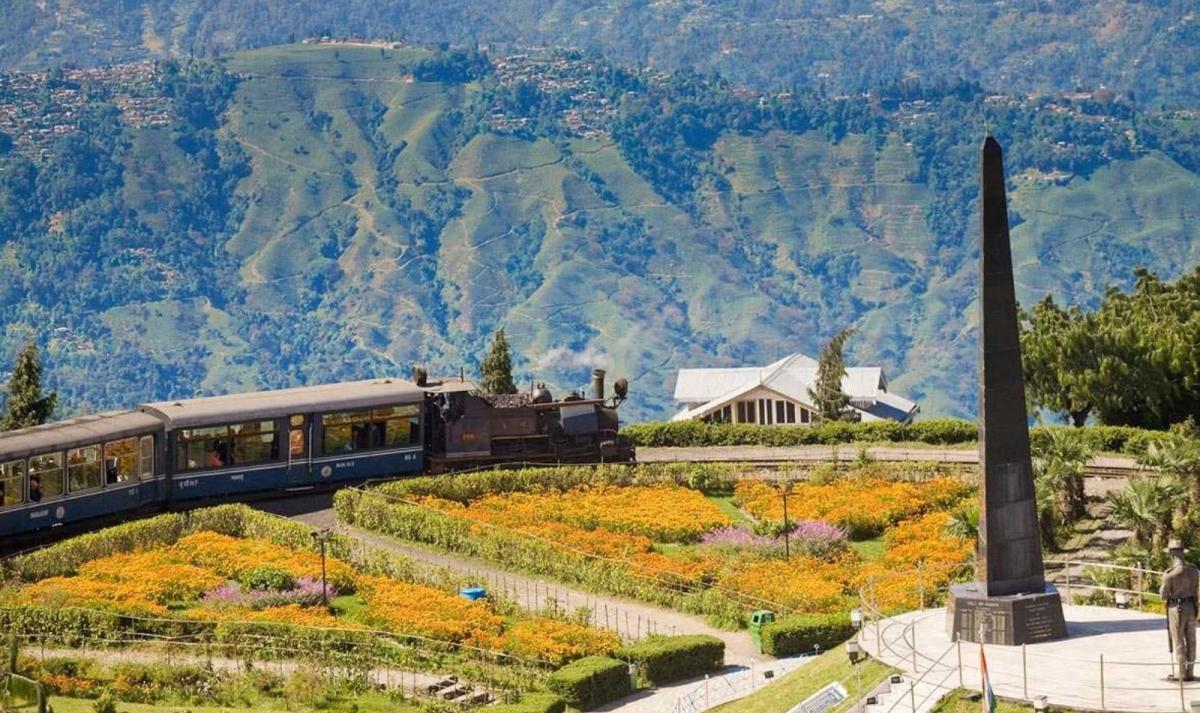
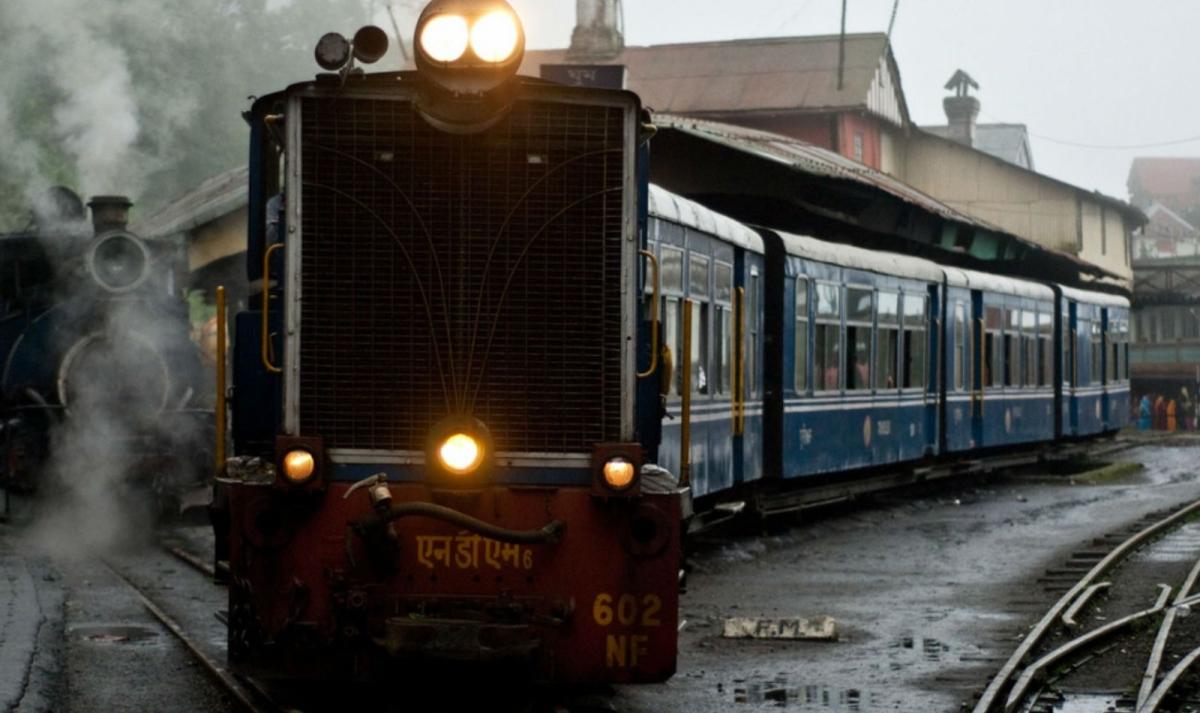
Opened in 1881 and recognized by UNESCO as a World Heritage Site, the narrow-gauge Darjeeling Himalayan Railway, known locally as the toy train, climbs roughly 1,700 meters from the plains through switchbacks and loops on its way to Darjeeling town. The surrounding hillsides are covered in tea estates producing Darjeeling tea, a variety protected by geographical indication status and grown at elevations where cool air and mist slow the leaf's growth.
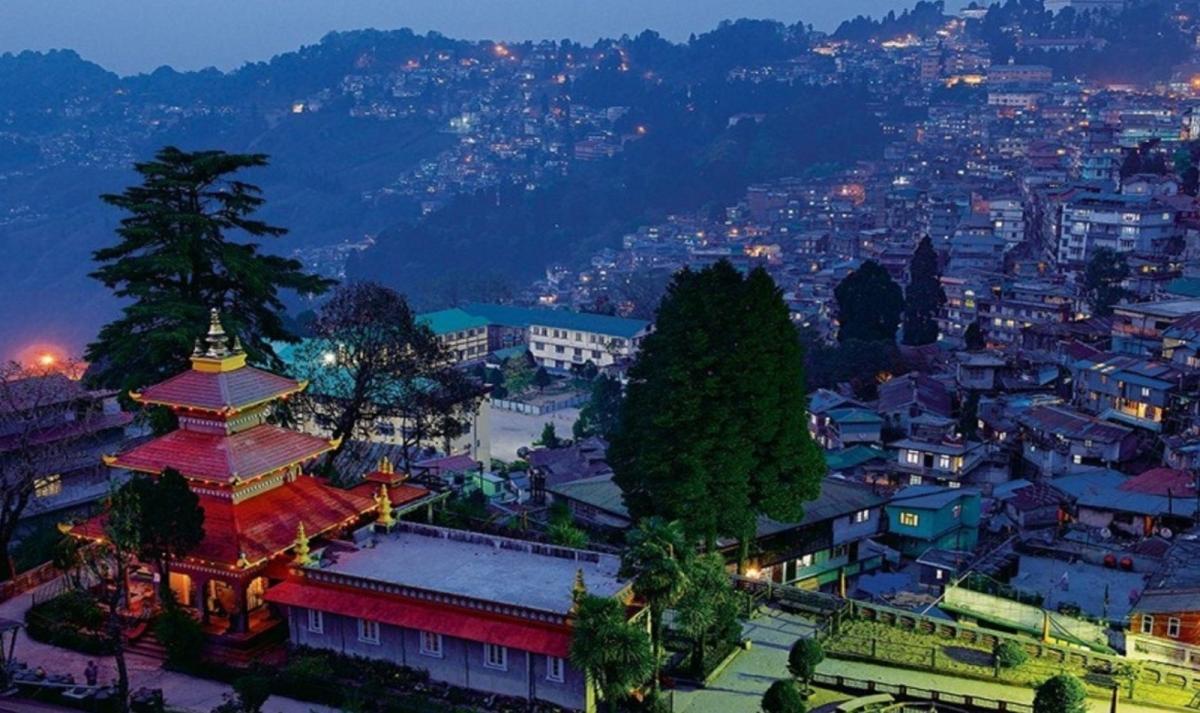
Before dawn, visitors climb to Tiger Hill outside Darjeeling for one of the clearest views in the region of Kanchenjunga, the world's third-highest peak at 8,586 meters, as the first light turns its snow face orange and pink. On clear mornings, even Everest is visible in the distance. Nearby Kalimpong, a smaller hill town with its own monasteries and nurseries, makes a common half-day addition for travelers with extra time.
South of Kolkata, where the Ganges delta meets the Bay of Bengal, the Sunderbans form the largest mangrove forest in the world and a UNESCO World Heritage Site shared with neighboring Bangladesh. The reserve is one of the few remaining habitats of the Bengal tiger, along with saltwater crocodiles and a wide range of waterbirds, and is usually explored by boat over one or two nights from launch points a few hours from the city.
Below Darjeeling's tea slopes, the Dooars and Terai form a belt of grassland and forest along the Bhutan and Nepal borders, home to national parks such as Gorumara and Jaldapara. Both protect populations of the one-horned rhinoceros and Asian elephant, and are usually explored on jeep safari from lodges scattered through the tea estates, making the region a common extension for travelers who add a few extra days beyond Darjeeling itself.
Kolkata's Netaji Subhas Chandra Bose International Airport connects the city directly to hubs across Asia and the Middle East, while Bagdogra, near Siliguri, serves as the gateway to Darjeeling and the northern hills, roughly a three-hour drive or a scenic toy train ride from there. Within Kolkata, the city retains India's only surviving tram network, still running on a handful of routes through the older neighborhoods, alongside a metro system that opened in 1984 as the country's first.
Rice and fish form the base of Bengali cooking, particularly hilsa and rohu prepared in mustard-based curries, alongside sweets such as rosogolla and sandesh that originated in Kolkata's confectionery shops. The city's biggest festival, Durga Puja, takes place over five days in September or October, when elaborate temporary pavilions called pandals go up across every neighborhood to house clay idols of the goddess Durga, drawing crowds that turn the entire city into an open-air celebration recognized by UNESCO as part of humanity's intangible cultural heritage.
About 160 kilometers northwest of Kolkata, Shantiniketan grew around the school founded by Rabindranath Tagore in 1901 and later expanded into Visva-Bharati University, still operating today as a center for the arts, music and rural studies. The open-air classrooms Tagore favored, held under trees rather than inside walls, remain part of the university's identity, and the annual Poush Mela fair each December draws craftspeople and folk musicians from across rural Bengal. The town makes a common day trip or overnight addition for travelers who want to see West Bengal beyond its two main hubs.
October through March brings dry, clear conditions to both Kolkata and the hills, with Darjeeling's cooler air, often in single digits at night, making warm layers necessary even as Kolkata stays comfortably mild. The monsoon, from June to September, brings heavy rain and occasional landslides on the roads into the hills, while April and May turn hot and humid in Kolkata, making the shoulder and winter months the more practical window for combining both destinations.