
Free Cancellation
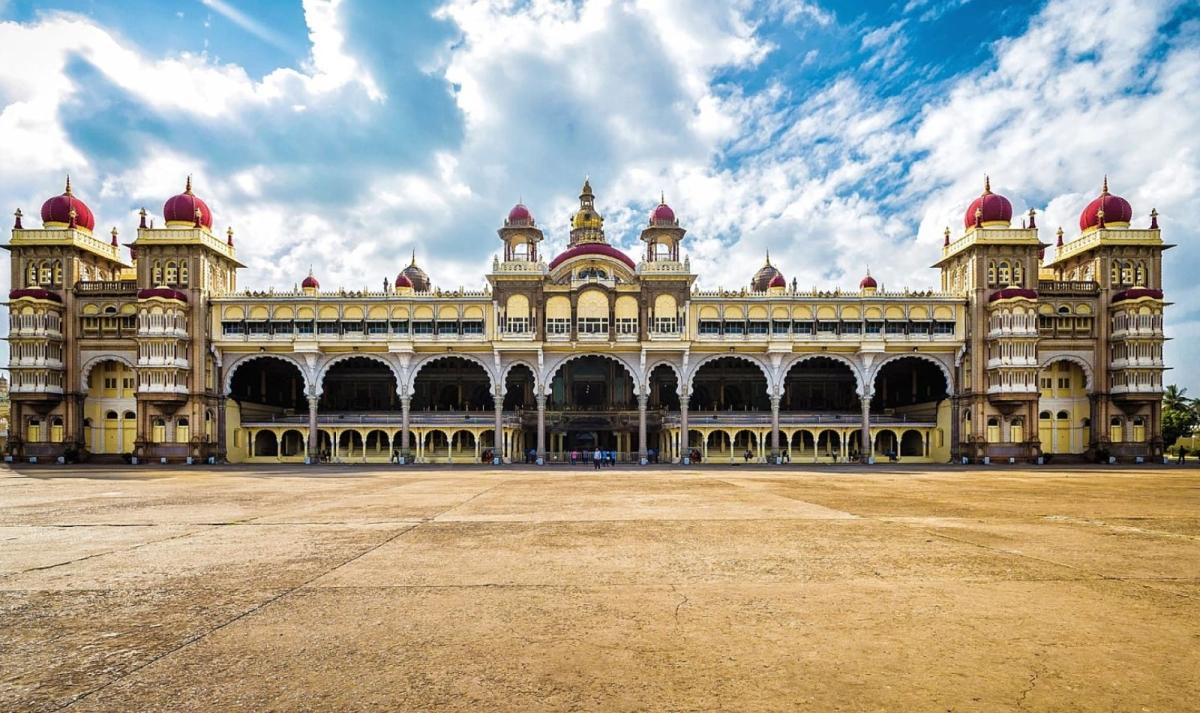
Mysore Tours focus on the former capital of the Wadiyar dynasty, a city in southern Karnataka built around one of India's more elaborate royal palaces. Long before it became a modern city, Mysore served for centuries as the seat of the Kingdom of Mysore, and much of its historic core still reflects that royal past in its architecture and layout.
As part of a broader India itinerary through Karnataka, Mysore Tours go beyond a general regional overview to focus on the city itself: its palace, hilltop temple, cathedral and central market, each within easy reach of one another.
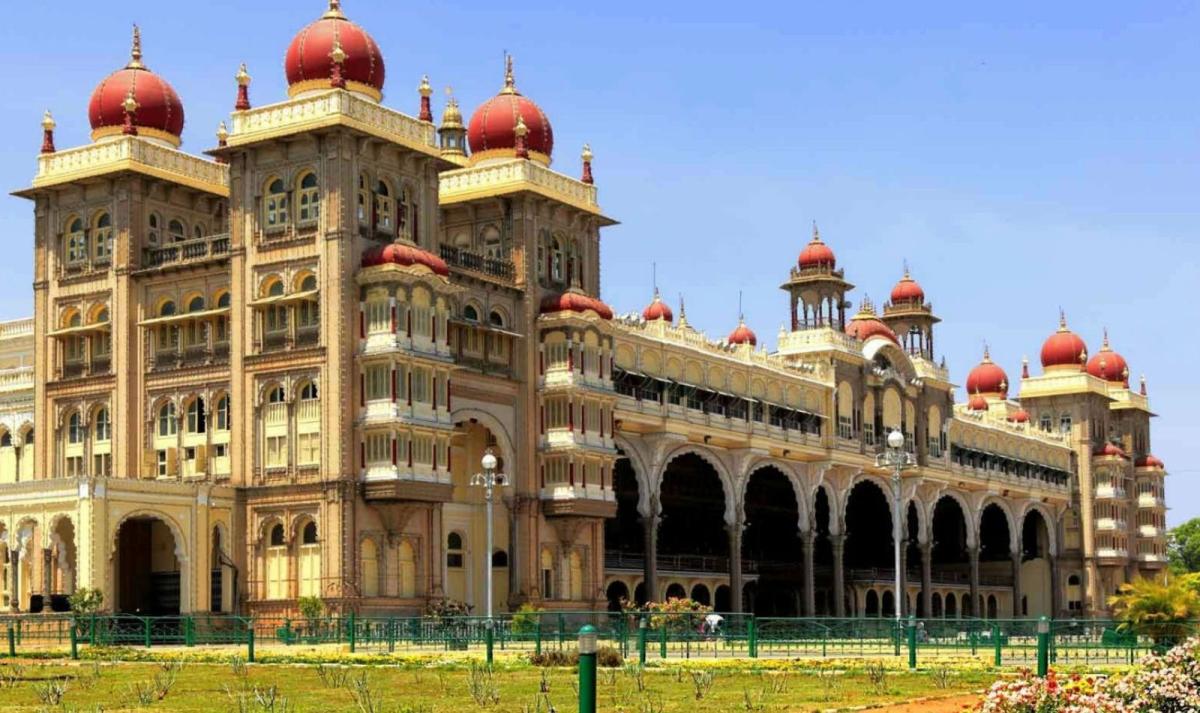
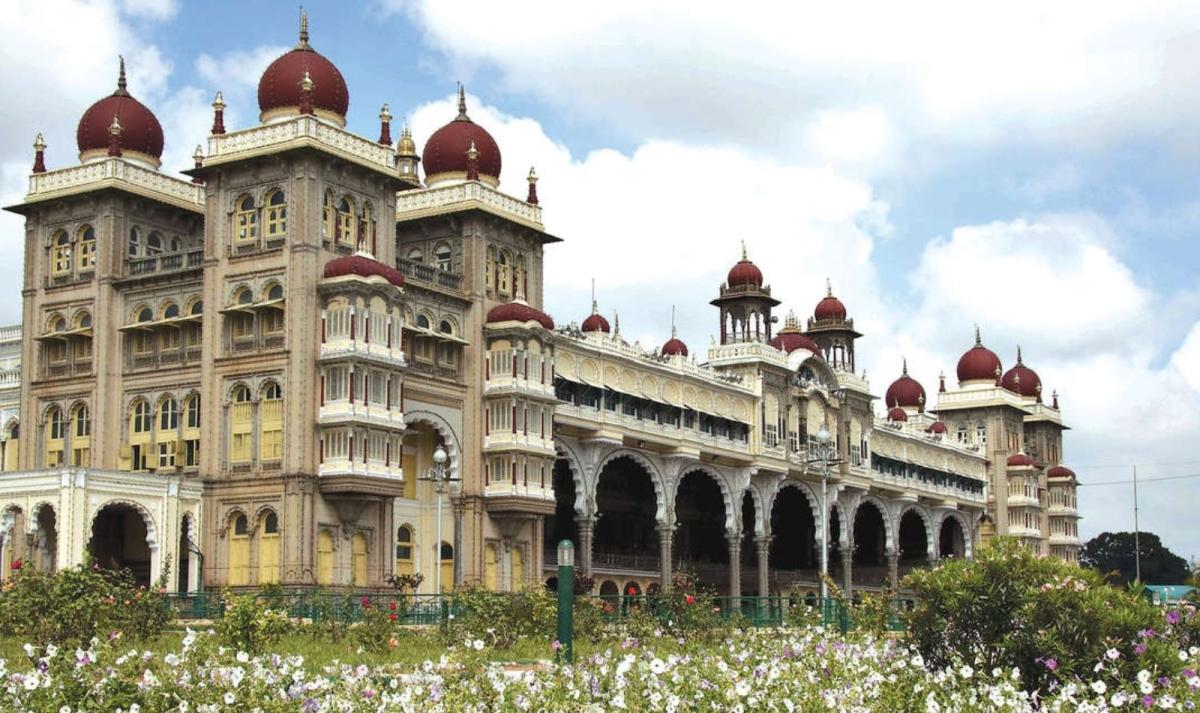
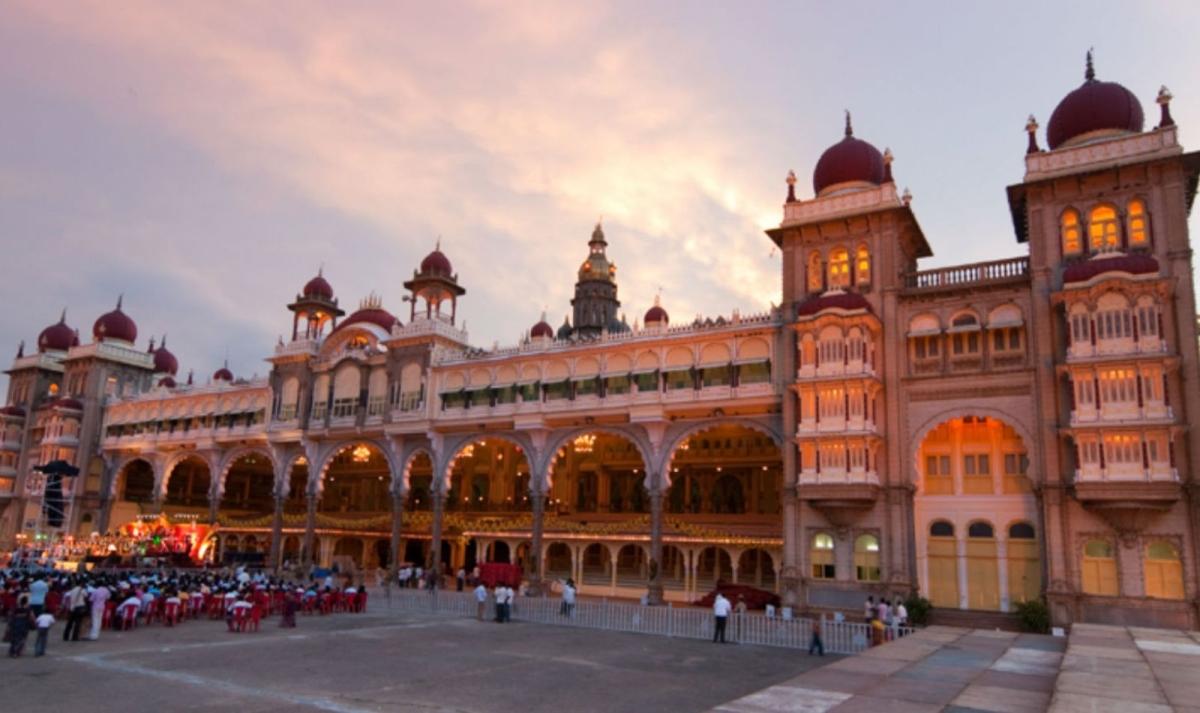
Mysore Palace, the official residence of the Wadiyar rulers, is illuminated with close to a hundred thousand light bulbs on Sunday evenings and public holidays, turning its domes and archways into one of the city's defining nighttime sights. The palace reaches its busiest point each year during Dasara, a ten-day festival held in September or October that closes with a procession of caparisoned elephants and an idol of the goddess Chamundeshwari carried through the streets on the final day.
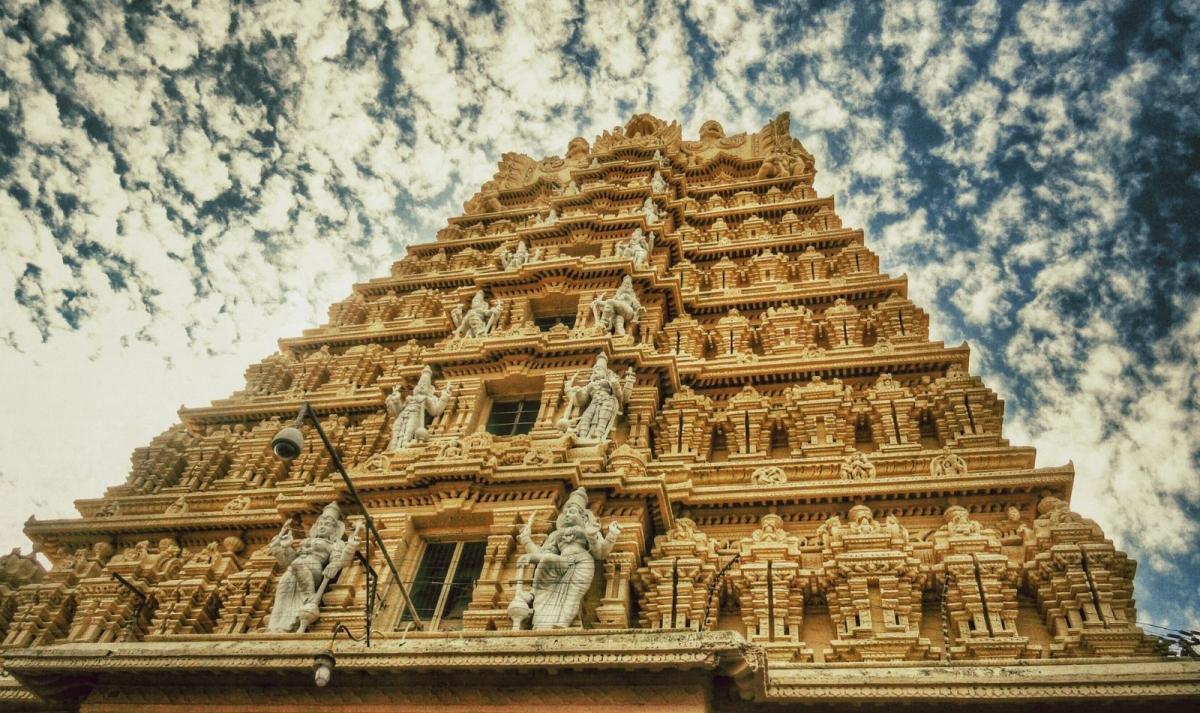
Chamundi Hill rises above the city to the southeast and is topped by the Chamundeshwari Temple, dedicated to the goddess after whom the hill is named and regarded as the guardian deity of the Mysore royal family. A flight of roughly a thousand stone steps climbs the hillside past a large Nandi bull statue, while the summit gives a wide view over the city below.
St. Philomena's Cathedral is a Neo-Gothic church completed in the 1930s, its twin spires rising well above the surrounding rooftops in a design loosely modeled on Cologne Cathedral in Germany. Stained glass windows and a vaulted interior make it one of the larger churches in South India.
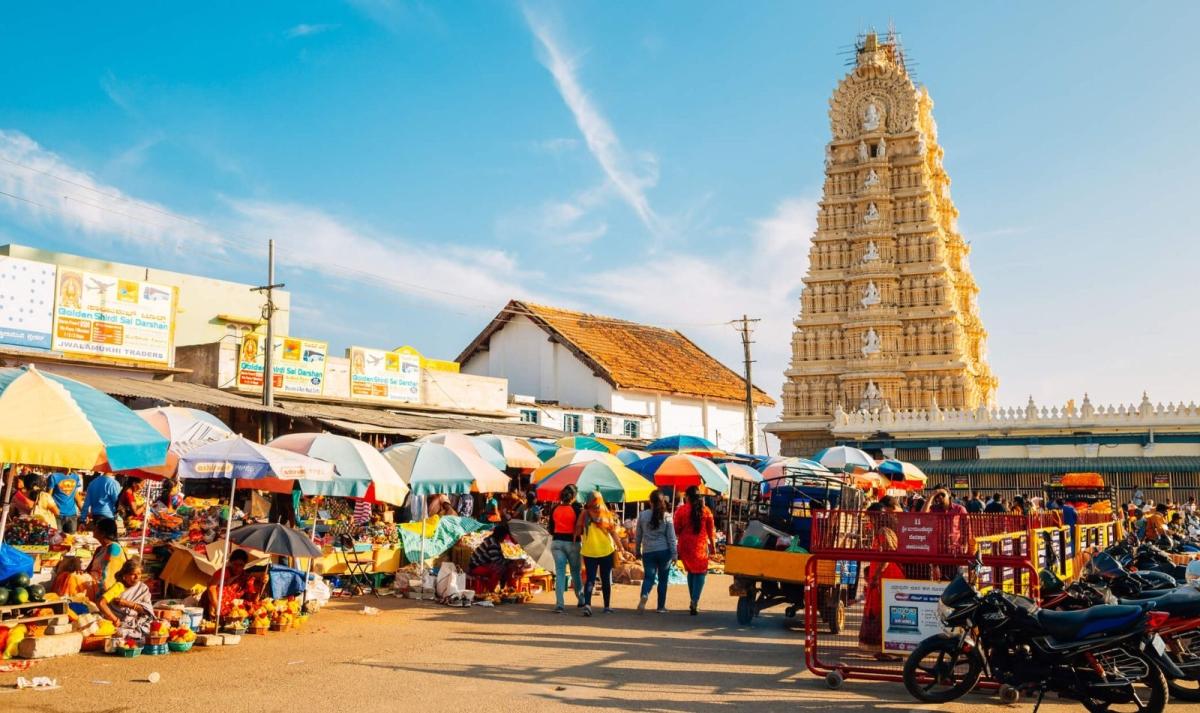
Devaraja Market has operated in the center of Mysore for more than a century, its covered lanes lined with stalls selling flowers, incense, bangles and the colored powders used in local rituals. Vendors here also sell the fruit, vegetables and spices that supply the city's households, making it one of the more direct ways to see daily Mysore life alongside its monuments.
Mysore has produced silk since the reign of the Wadiyars, and the government-run Karnataka Silk Industries Corporation still weaves the pure silk sarees the city is associated with, using a technique of zari work in gold thread. Sandalwood carving is another local craft, tied to the sandalwood oil and soap industry that once made the region one of India's main sources of the wood.
Roughly 18 kilometers outside the city, Brindavan Gardens sits below the Krishna Raja Sagara Dam on the Kaveri River, laid out in the 1930s as a terraced garden with a musical fountain show held after sunset. It is one of the more common half-day additions to a Mysore itinerary, particularly for travelers with an extra evening in the city.
Mysore sits roughly three hours by road from Bangalore, making it a common addition to a Karnataka itinerary rather than a stand-alone flight destination. The city has its own small airport, but most visitors arrive overland from Bangalore or as part of a longer regional route.
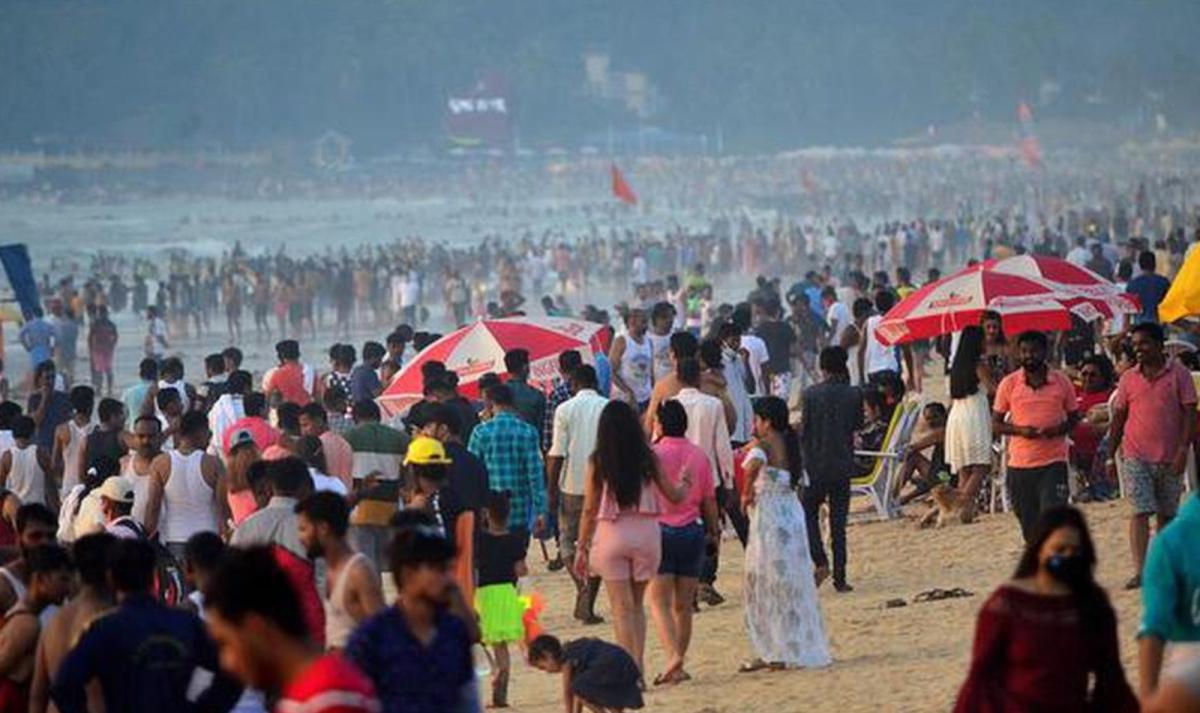
Mysore is often paired with other parts of Karnataka on multi-day routes. Karnataka with Goa combines Mysore's palace and temples with beach time further along India's western coast.