
Free Cancellation
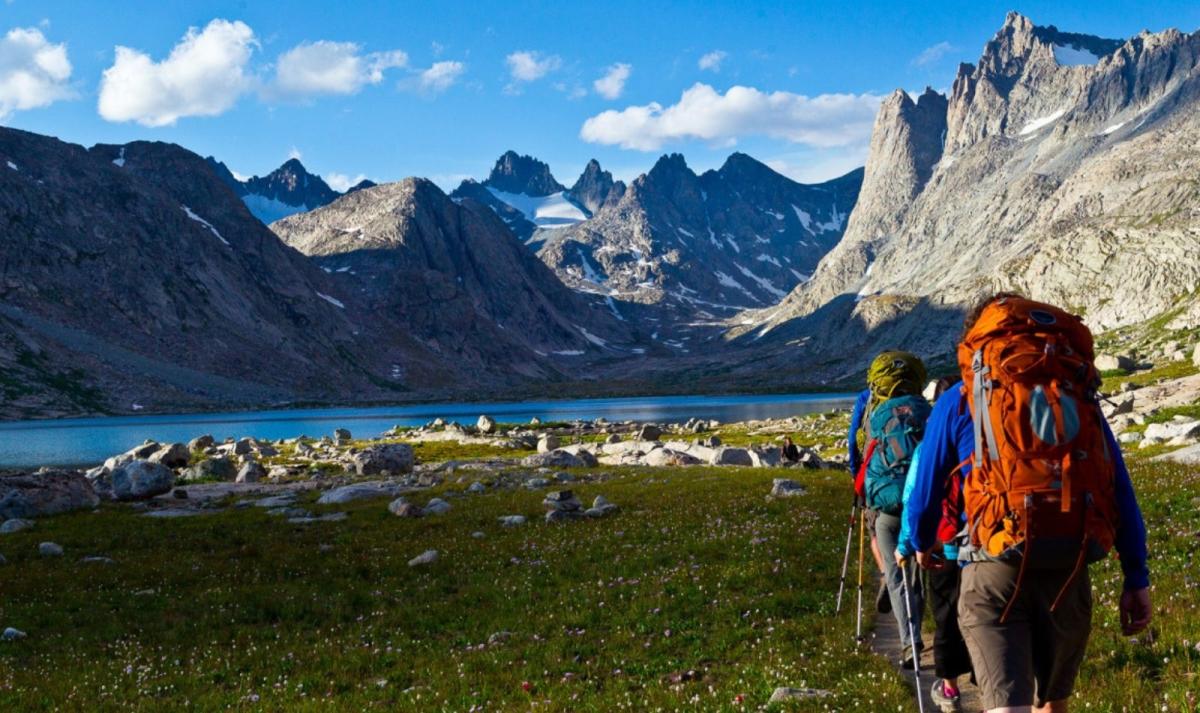
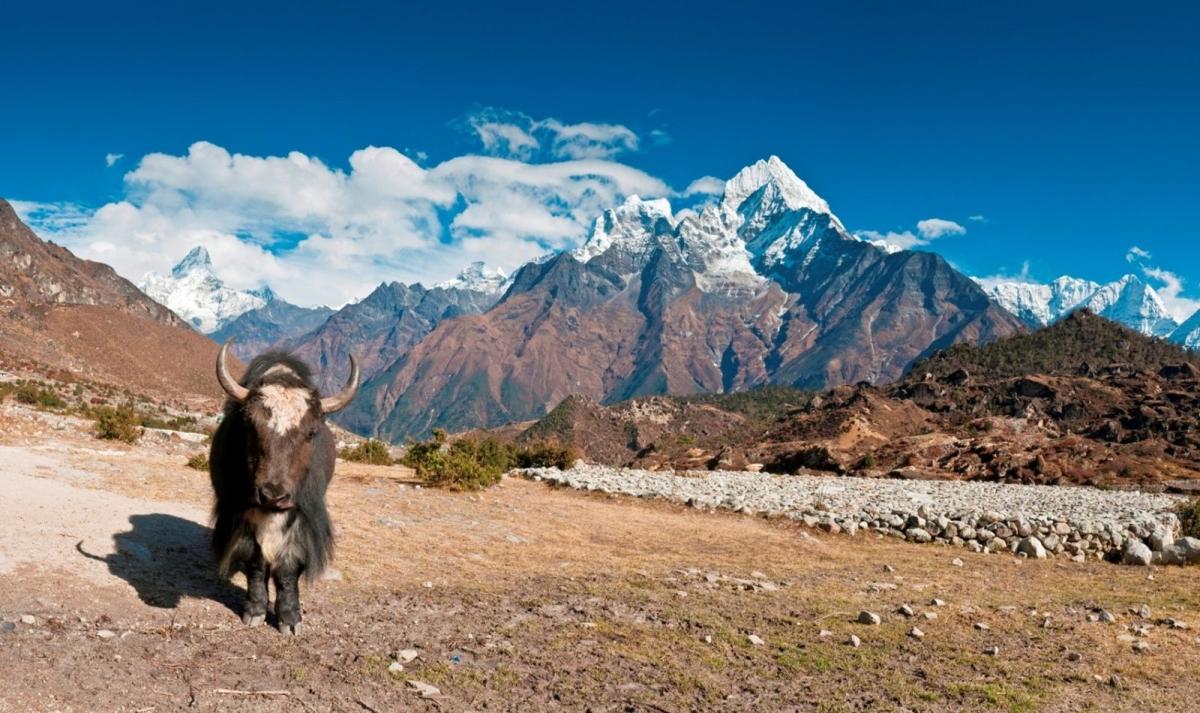
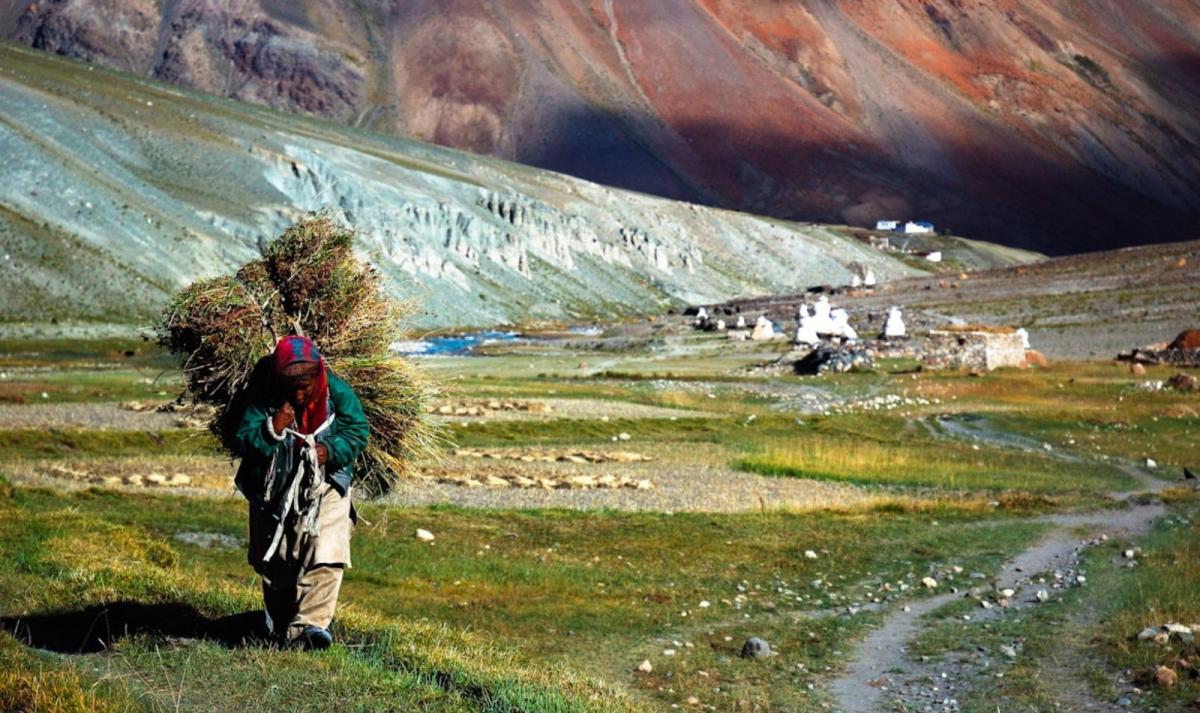
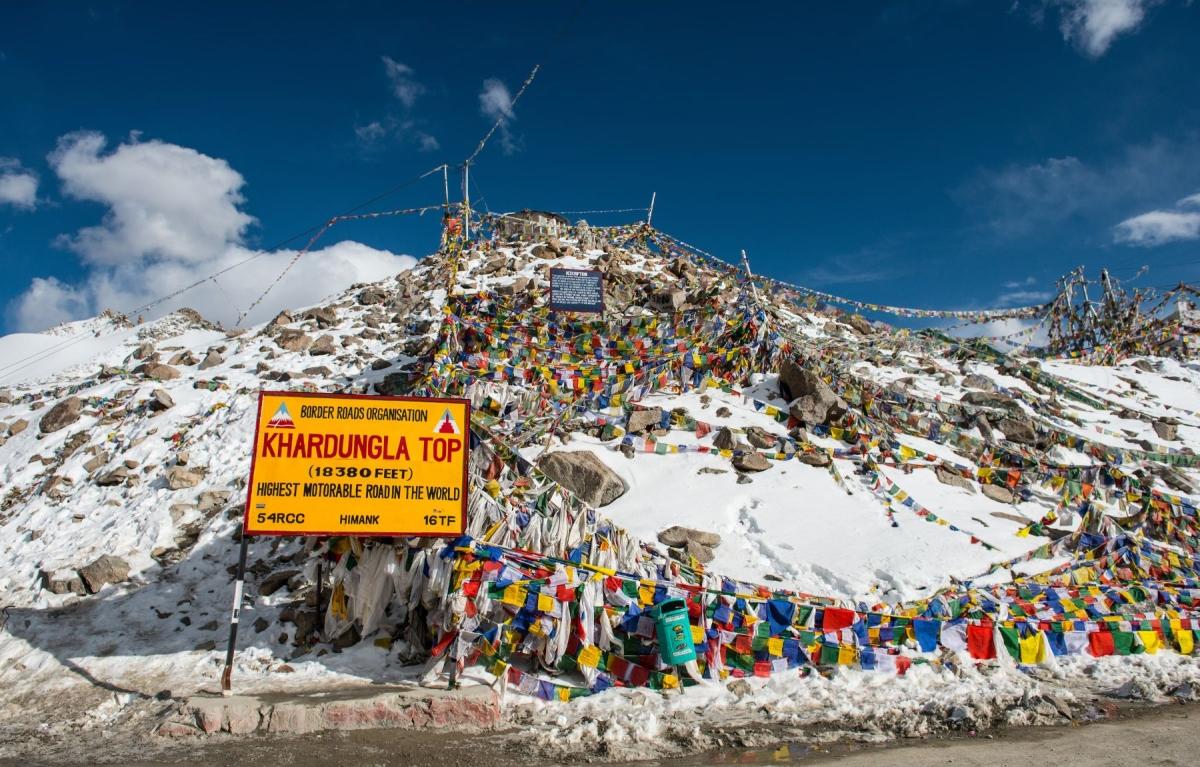
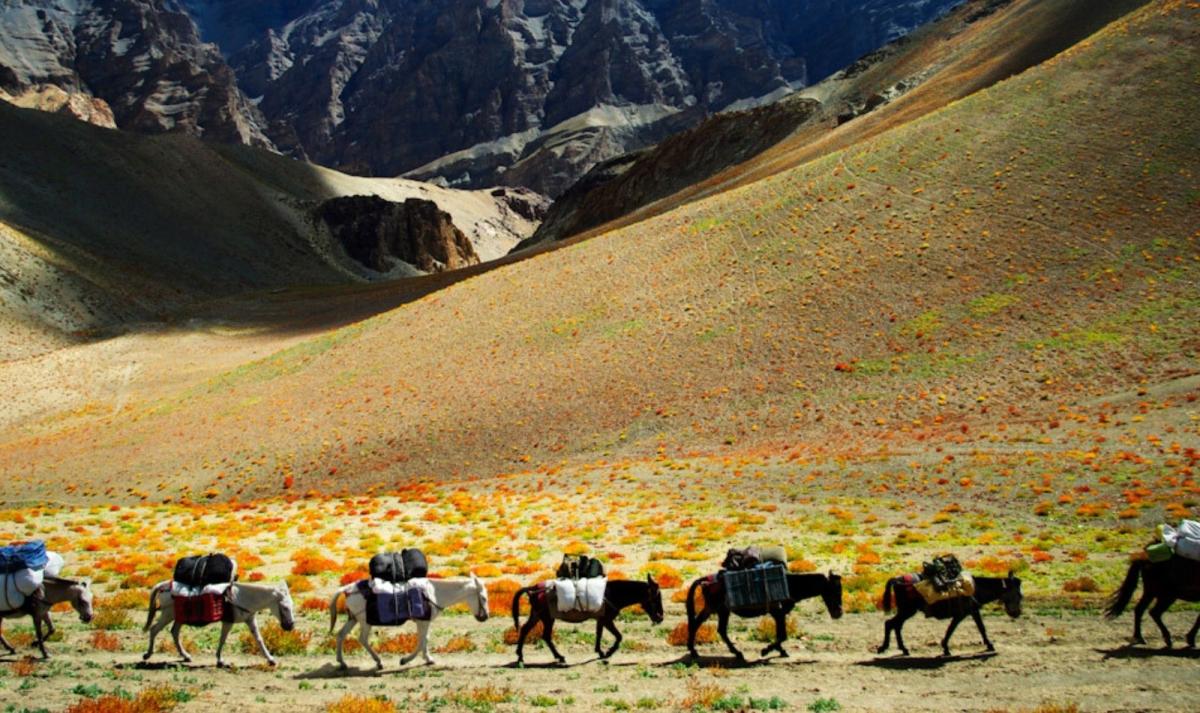
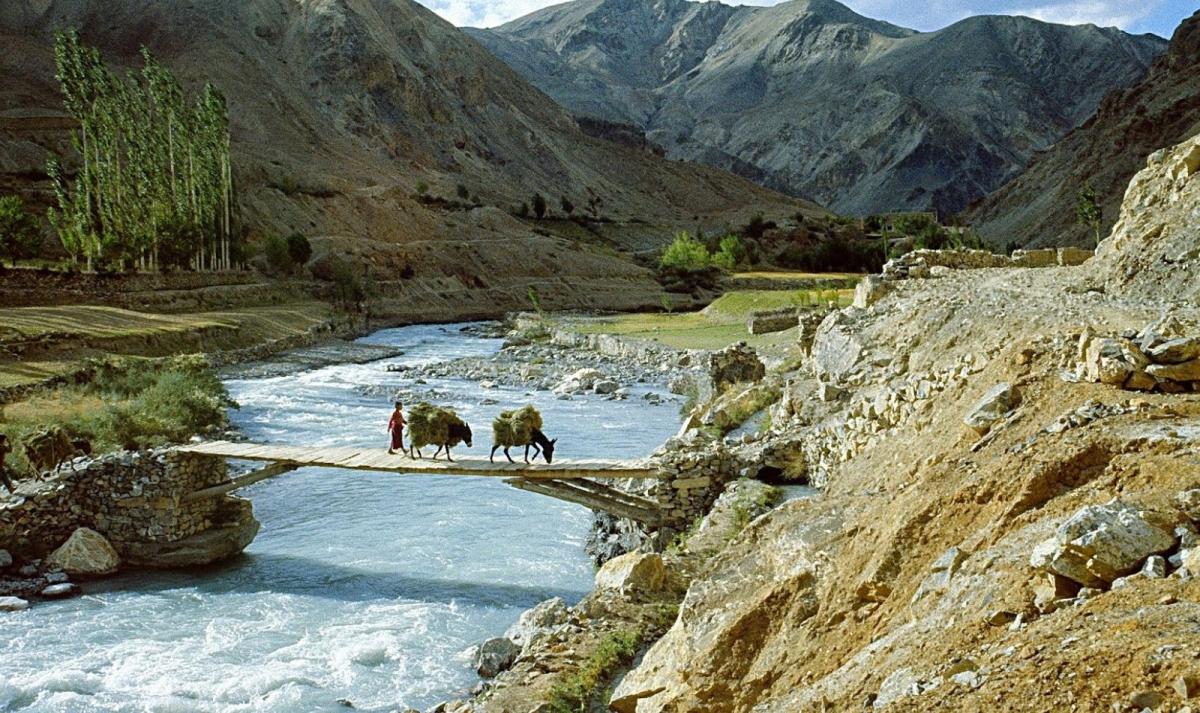
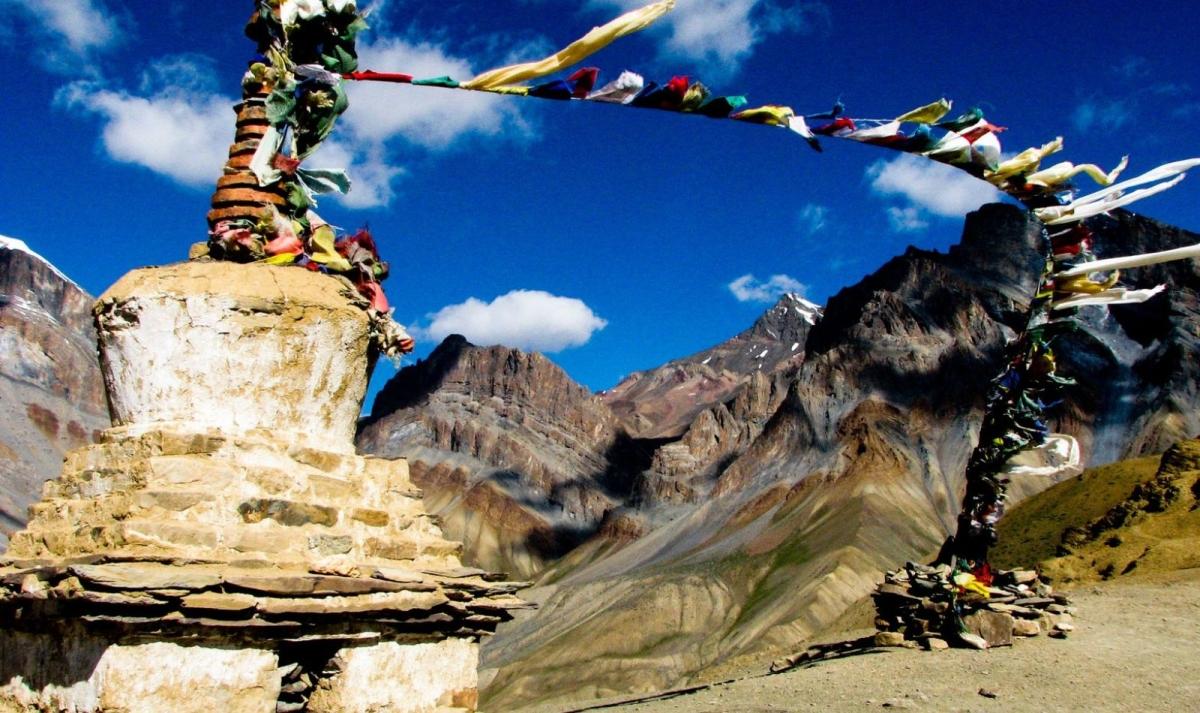
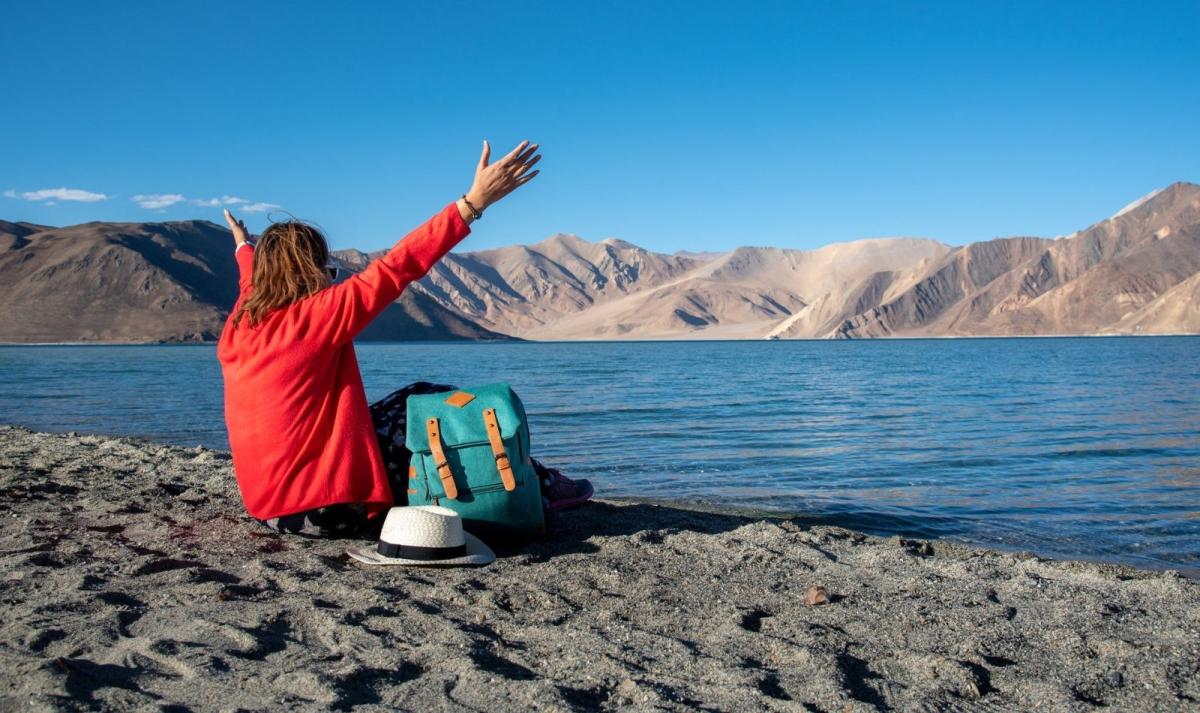
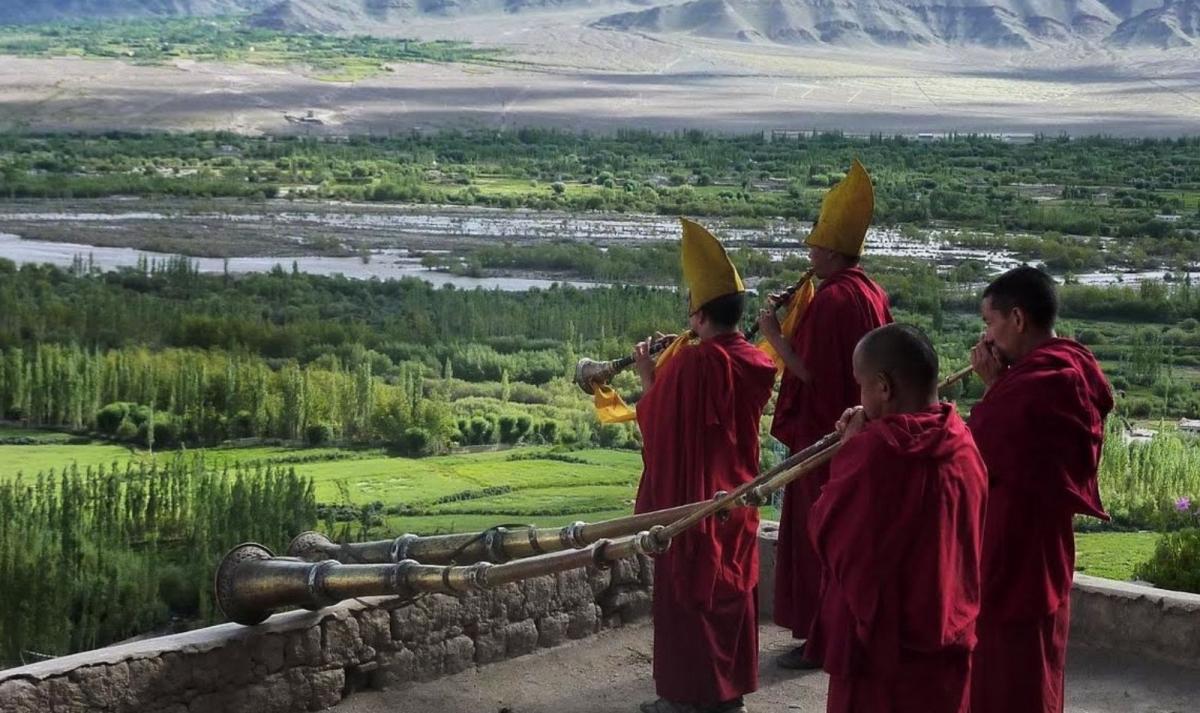
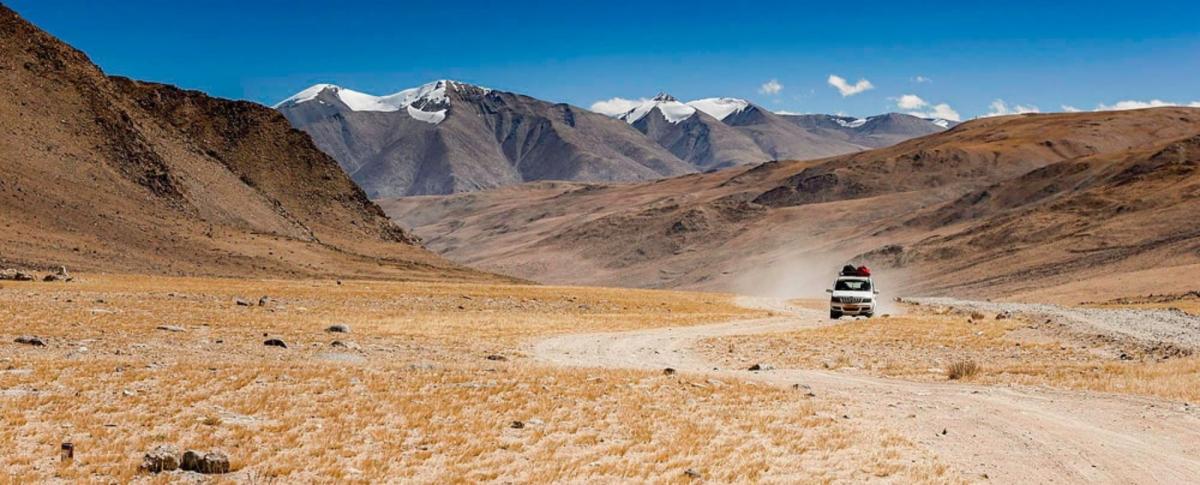
Nubra Valley Tours cover a high-altitude cold desert in Ladakh, reached by crossing the Khardung La pass north of Leh into a landscape that looks markedly different from the rest of the Himalayas: sand dunes, scattered willow and poplar groves, and rivers running through a wide gravel valley floor. At around 10,000 feet, Nubra sits lower than Leh but remains one of the more remote regions travelers reach in Ladakh.
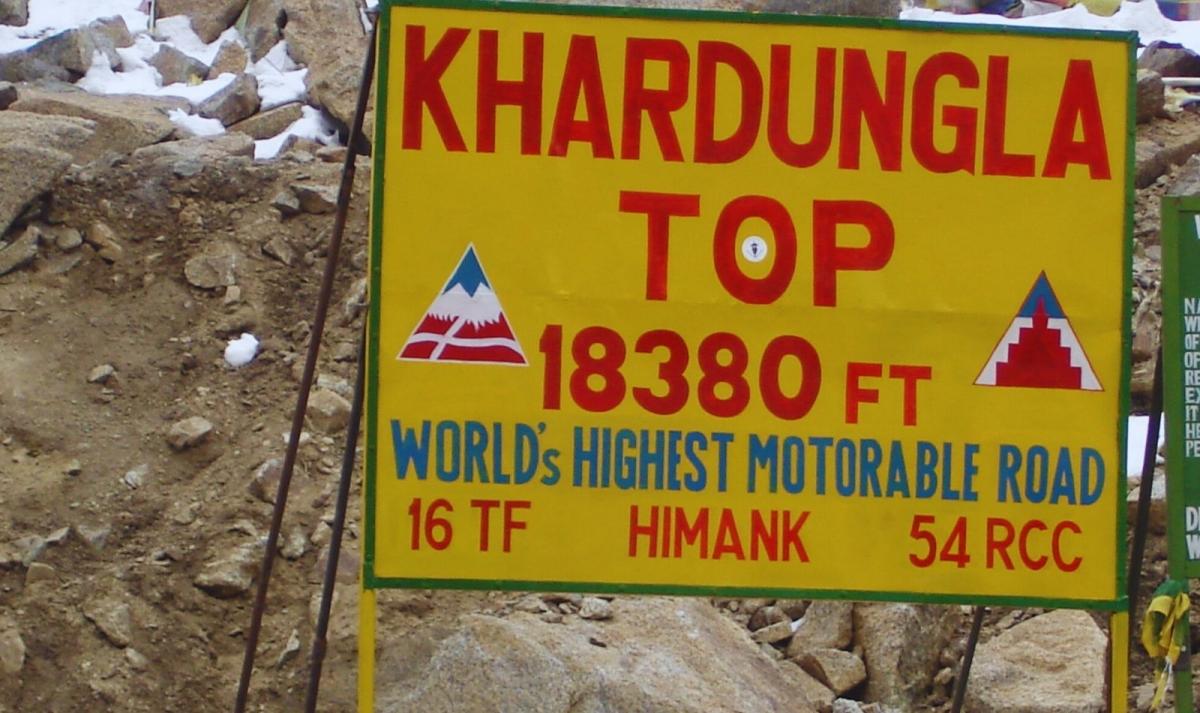
Most visitors add Nubra Valley to a wider Ladakh circuit rather than visiting on its own, and tours here typically depart from Leh, crossing one of the world's higher motorable passes before descending into the valley. As part of a longer India itinerary through the Himalayas, a night or two in Nubra usually follows a short stay in Leh itself.
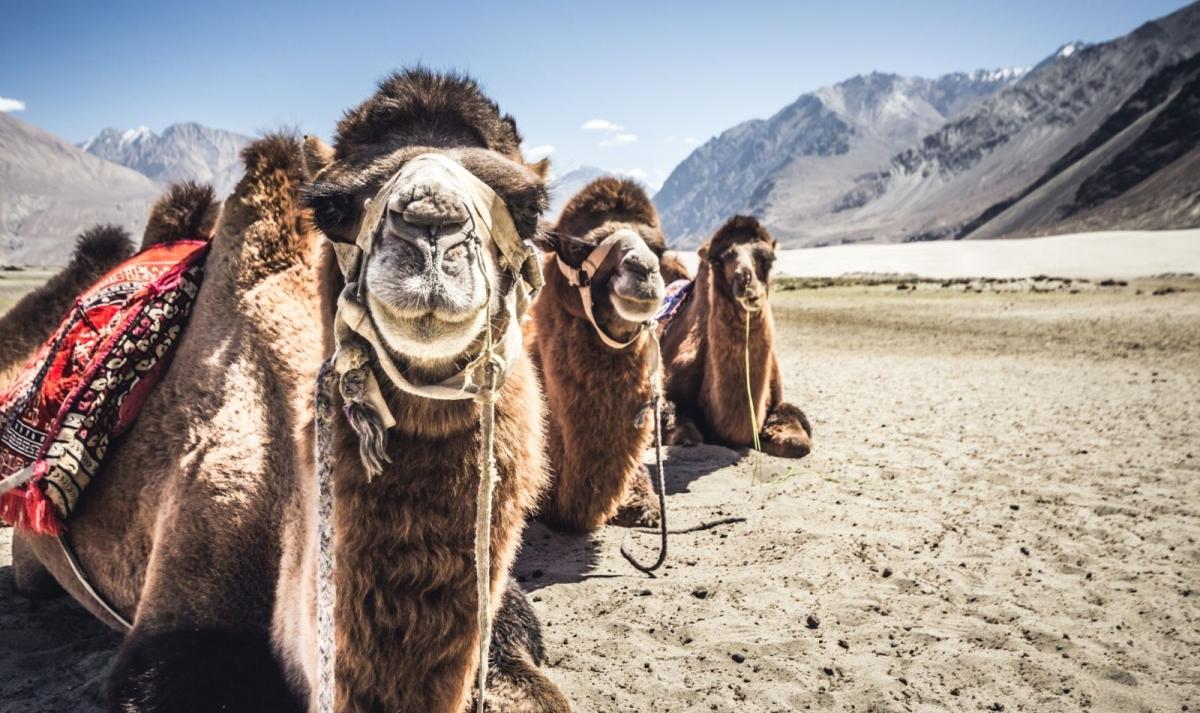
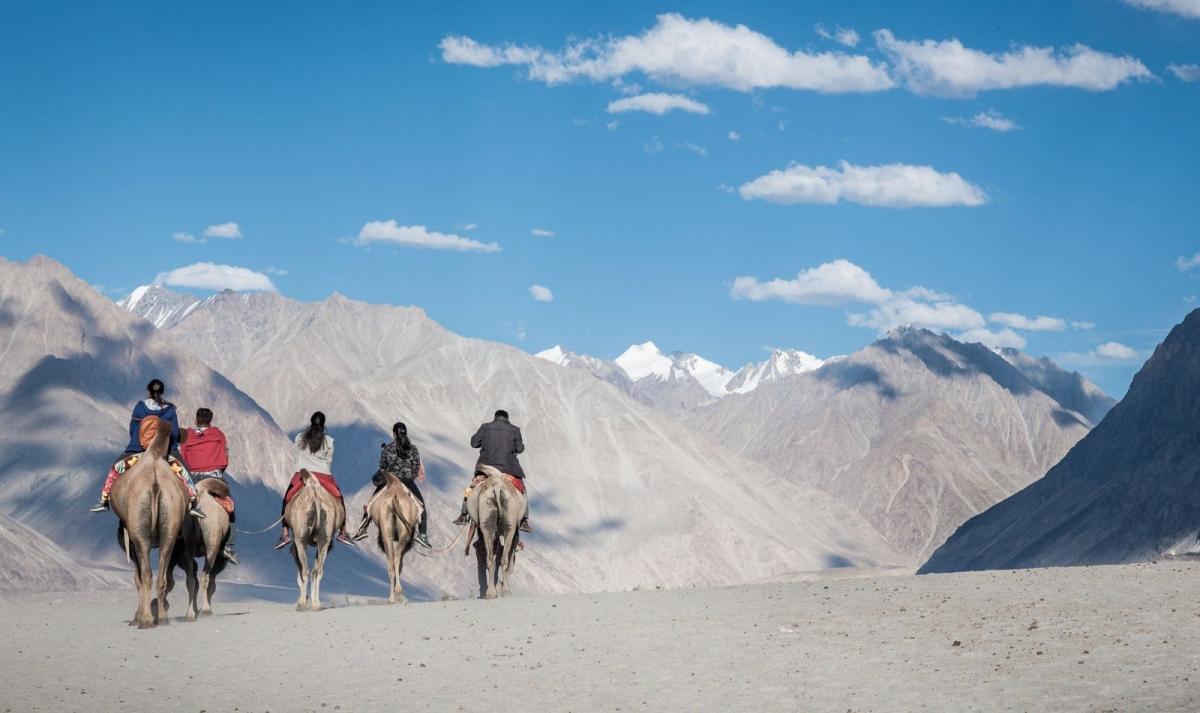
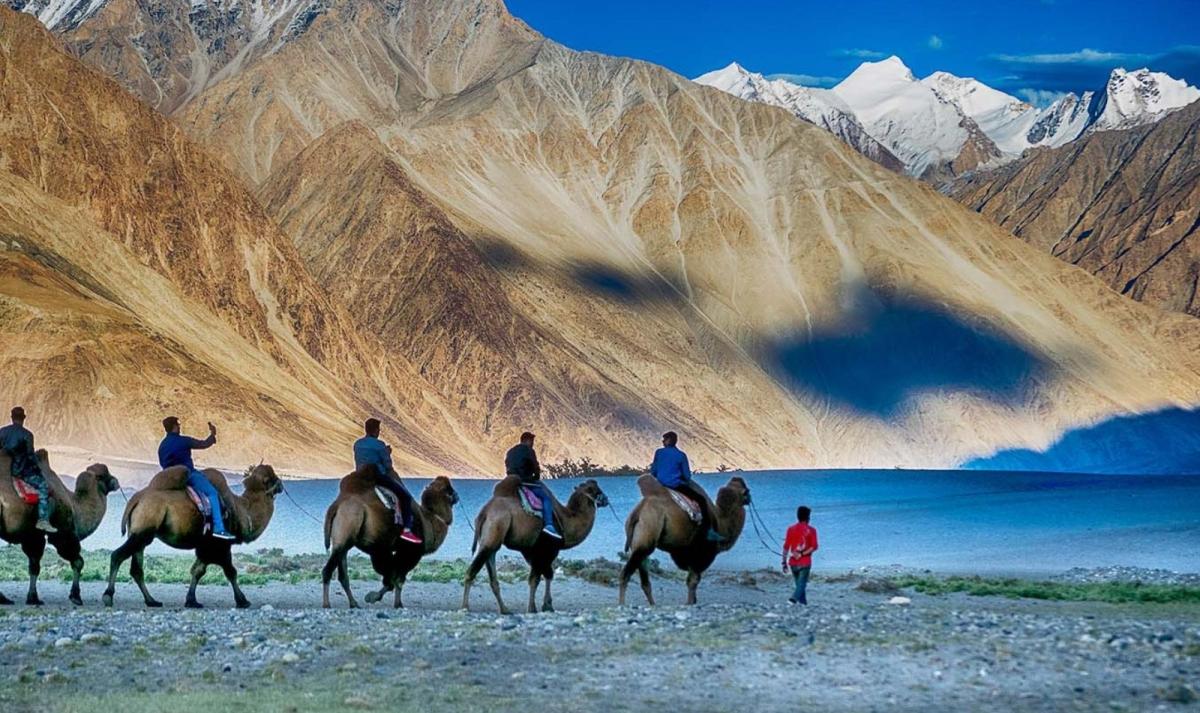
The village of Hunder sits amid stretches of sand dunes unusual at this altitude, where double-humped Bactrian camels are still kept and ridden. The camels are a legacy of the old Silk Road caravan routes that once passed through Nubra, connecting Central Asia with the Indian plains long before the valley became a travel destination in its own right.
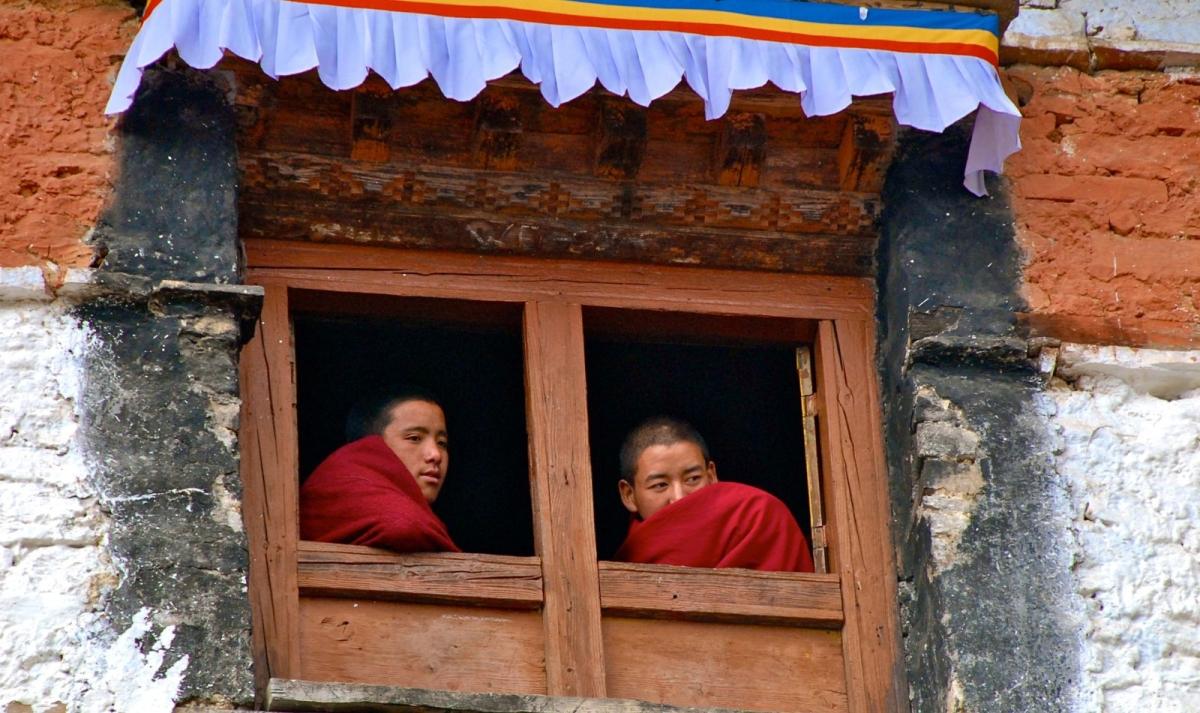
Diskit Monastery, the oldest and largest in the valley, dates to the fourteenth century and sits on a hillside above the village of the same name. A large statue of the Maitreya Buddha, completed in 2010 and standing roughly 32 meters tall, faces down the valley toward the Shyok River and is visible from a considerable distance as visitors approach.
Nubra takes its name from the river that meets the larger Shyok near Diskit, and the confluence of the two shapes much of the valley's geography. Villages and farmland cluster along the water, in contrast to the barren mountainsides that rise on either side of the valley floor.
Further along the Shyok toward the Line of Control, Turtuk is a Balti village that remained closed to travelers until 2010, when the area opened to tourism for the first time since the 1971 war. Its stone houses, apricot orchards and Balti culture, distinct from the rest of Ladakh, make it a common extension for visitors who continue past Hunder and Diskit.
At the northern end of the valley, Panamik is known for natural sulfur hot springs that have long drawn visitors for their reputed therapeutic properties. The village also sits along one branch of the old trade route toward Central Asia, and it makes a quieter final stop for travelers continuing past Diskit and Hunder.
Nubra Valley is usually included within broader Ladakh tours rather than sold as a stand-alone package. Ladakh - Top of Himalayas is one itinerary that combines Nubra with other parts of the region.
Nubra Valley is generally accessible from May through September, when Khardung La is clear of heavy snow. July and August bring the warmest daytime temperatures, though nights stay cool throughout the season given the valley's altitude.