
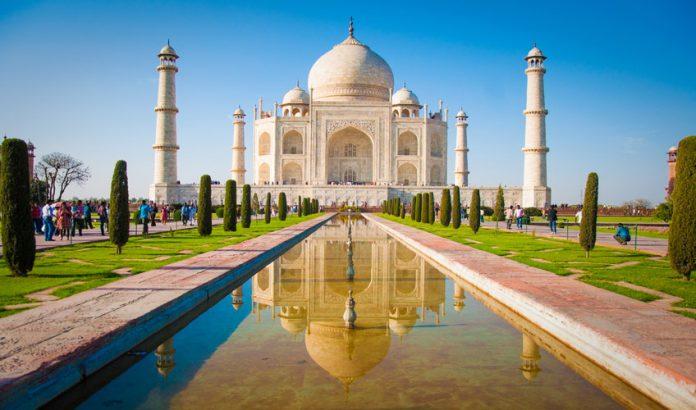
Best Time to Visit India
India is a year-round destination, but the best time to visit depends on the region and the experiences you're looking for. In general, October to March is considered the ideal travel season, offering cooler temperatures and comfortable conditions for sightseeing across most of the country. However, India's diverse geography means that weather varies significantly between the Himalayas, deserts, tropical beaches, and southern states.
Winter (October to March): Best Overall
Winter is the most popular time to visit India. Temperatures are pleasant in most regions, making it ideal for exploring cities, historical landmarks, wildlife parks, and cultural attractions.
Average temperatures: 10°C to 30°C (50°F to 86°F) depending on the region.
Comfortable weather for Delhi, Agra, Jaipur, Varanasi, Mumbai, and Rajasthan.
Excellent conditions for visiting national parks and tiger reserves.
Peak tourist season with higher accommodation prices.
This is also the best season for first-time visitors planning a classic Golden Triangle itinerary.
Summer (April to June): Best for the Himalayas
Summer brings extremely hot temperatures to much of northern and central India, with many areas exceeding 40°C (104°F). However, this is the perfect season to visit hill stations and the Himalayan regions.
Popular summer destinations include:
Shimla
Manali
Darjeeling
Leh-Ladakh
Kashmir
Wildlife enthusiasts also visit national parks before the monsoon, as animals are easier to spot around water sources.
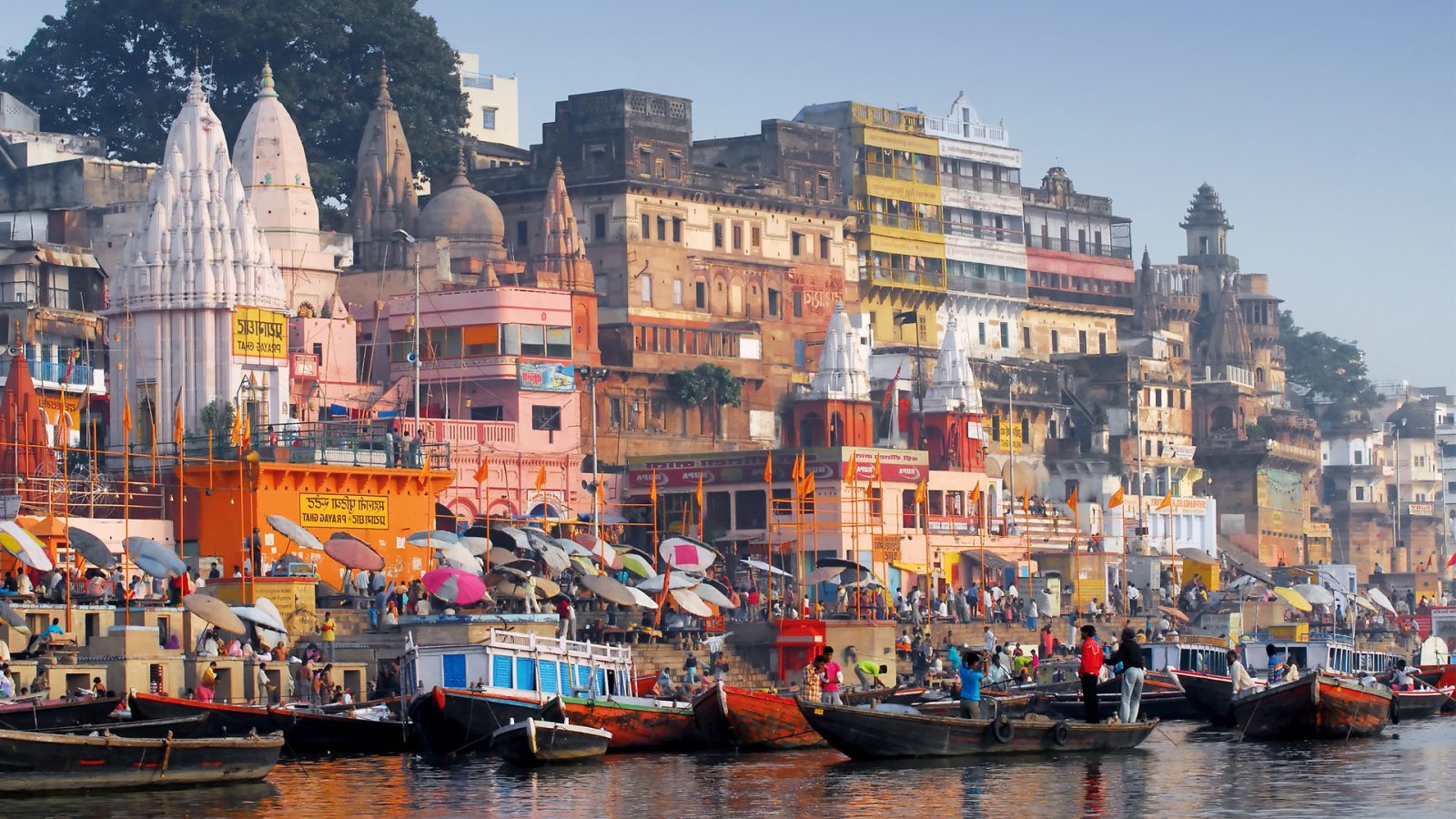
Monsoon Season (June to September): Best for Green Landscapes
The southwest monsoon transforms much of India into lush green scenery. While heavy rainfall can disrupt travel plans in some regions, others become especially beautiful.
Monsoon is ideal for:
Kerala's backwaters and Ayurvedic retreats.
Western Ghats and tea plantations.
Budget travelers seeking lower hotel prices.
Photographers looking for dramatic landscapes.
Some mountain areas may experience landslides, and flooding can occasionally affect transportation.
Regional Weather Differences
India's climate varies greatly by region.
Northern India experiences cool winters and very hot summers. Southern India enjoys a tropical climate throughout the year with warm temperatures and seasonal rainfall. Rajasthan is most comfortable from October to March, while Goa's beach season runs from November through February. The Himalayan regions are best visited between May and September when mountain roads are open and trekking conditions are favorable.
Best Time by Activity
The best time for sightseeing is from October to March, when cooler temperatures make exploring cities and historical landmarks more comfortable. If you're planning a beach holiday in Goa or Kerala, the ideal months are November to February, offering sunny weather and calm seas. Wildlife safaris are best between February and May, when animals gather around water sources before the monsoon begins. Travelers interested in trekking in the Himalayas should visit from May to September, when mountain trails and high-altitude passes are generally accessible. For those seeking Ayurveda and wellness retreats in Kerala, the monsoon season from June to September is considered especially beneficial due to the cool, humid climate. If you're traveling on a budget, July to September often offers lower hotel rates and fewer crowds, although occasional rain should be expected.
Festivals Worth Planning Around
India's festivals are among the country's biggest attractions and can greatly enrich your trip.
Major celebrations include:
Diwali (October or November) – The Festival of Lights.
Holi (March) – The colorful spring festival.
Durga Puja (September or October) – Especially celebrated in Kolkata.
Pushkar Camel Fair (November) – One of Rajasthan's most famous cultural events.
Traveling during major festivals offers unique cultural experiences but also means higher demand for accommodation and transportation.
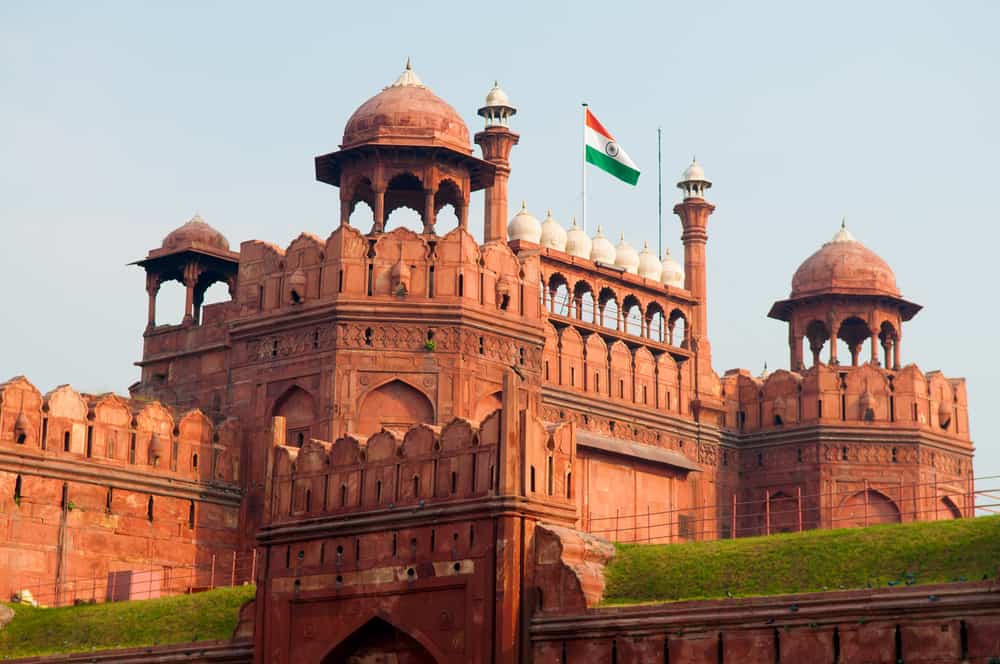
Best Month to Visit
If you're looking for the best overall travel experience, November is often the ideal month. The weather is pleasant across most of the country, humidity is low, wildlife parks are open, beaches are at their best, and many cultural festivals take place during this period.
Frequently Asked Questions
What is the best month to visit India?
November is widely considered the best month thanks to its comfortable weather, clear skies, and excellent conditions for sightseeing across most regions.
When should I avoid visiting India?
May and June can be extremely hot in northern and central India, while some regions experience heavy rainfall during the monsoon season between June and September.
What is the best time to visit the Taj Mahal?
The ideal time is between October and March, when cooler temperatures make visiting Agra much more comfortable.
When is the best time to visit Goa?
Goa is best visited from November to February, when the weather is dry, sunny, and ideal for beaches and water sports.
Is India good to visit during the monsoon?
Yes, especially if you're visiting Kerala, the Western Ghats, or tea plantation regions. However, travelers should be prepared for occasional heavy rain and possible travel disruptions.
What is the cheapest time to visit India?
July through September generally offers the lowest hotel prices and fewer tourists, making it a good option for budget-conscious travelers who don't mind the rainy season.
Loading comments…