
Free Cancellation
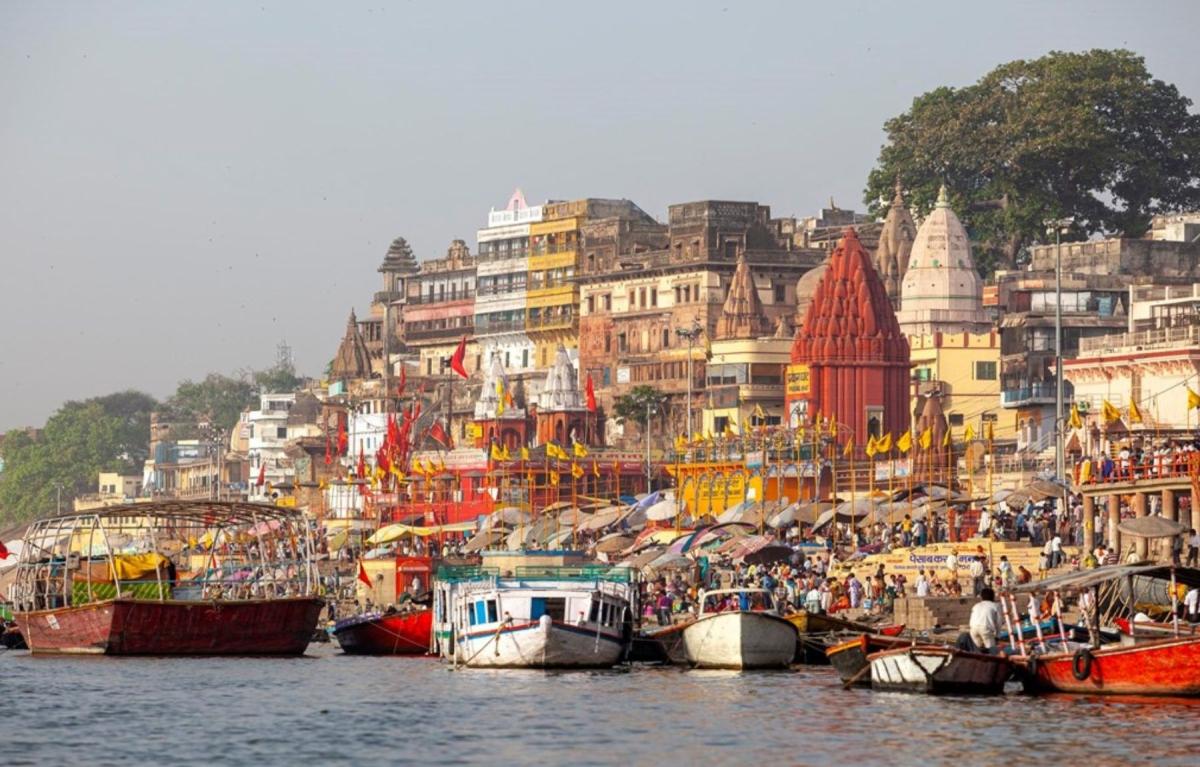
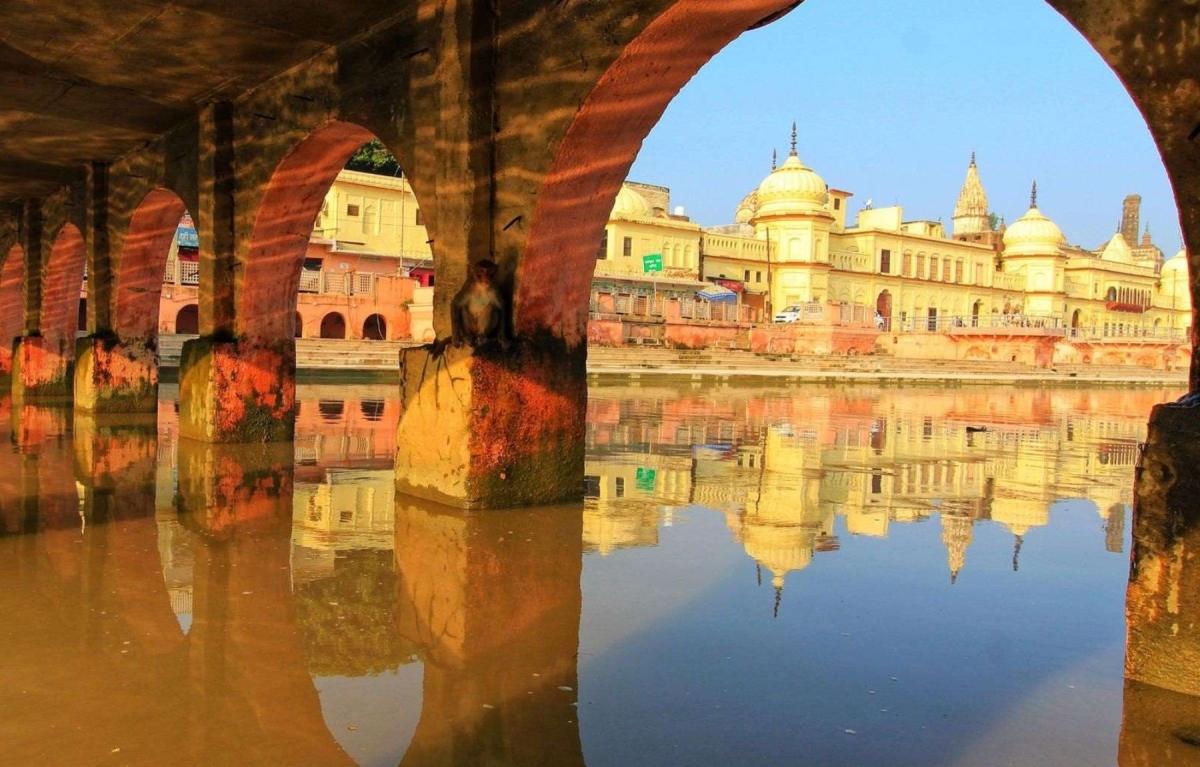
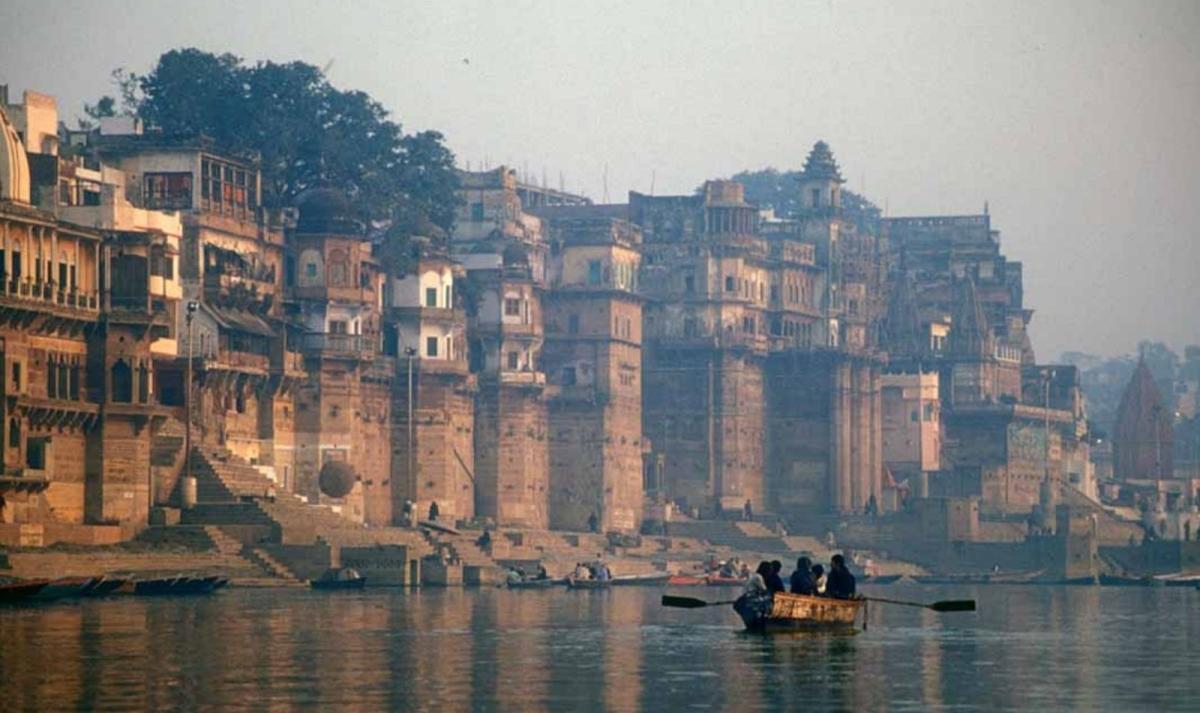
Lucknow Tours explore the capital of Uttar Pradesh and the former seat of the Nawabs of Awadh, a dynasty whose eighteenth and nineteenth century rule left the city with a distinct architectural and culinary identity still visible today. Grand gateways, domed halls and shaded courtyards built under Nawabi patronage sit alongside busy old-city markets that have sold fine embroidery for generations.
Lucknow Tours are often taken as part of a broader India itinerary through Uttar Pradesh, pairing the city's Nawabi heritage with other northern Indian destinations along the way.
The Bara Imambara, commissioned by Nawab Asaf-ud-Daula in the 1780s, was built partly as a famine relief project, employing local laborers during a period of drought while also serving as a working religious and ceremonial hall for the Nawabi court. Its central hall is among the largest structures of its kind, spanning a wide vaulted space without steel or wood beams for support. Its upper level holds the Bhool Bhulaiyaa, a labyrinth of narrow passages and near-identical archways originally built to distribute the weight of the roof above, which visitors now navigate with a guide as one of the building's main attractions. Other Nawabi-era imambaras elsewhere in the city offer smaller-scale examples of the same building tradition.
The Rumi Darwaza, an ornately carved gateway built in the same period as the Bara Imambara, marks one of the entrances to Lucknow's old quarter and remains one of the city's recognizable landmarks. Narrow lanes leading from it connect the old city's mosques, imambaras and embroidery workshops in a compact, walkable district.
Chikankari, a style of white-thread hand embroidery worked into fine cotton and muslin, has been produced in Lucknow since the Mughal period and remains one of the city's defining crafts. Markets around the old city sell chikankari garments directly from workshops where the stitching is still done by hand, a slower and more detailed process than machine embroidery, and visitors can often watch artisans at work in the surrounding lanes. Garments range from simple kurtas to elaborately worked saris, with pricing and quality varying widely between mass-produced pieces and hand-finished work sold in the older markets.
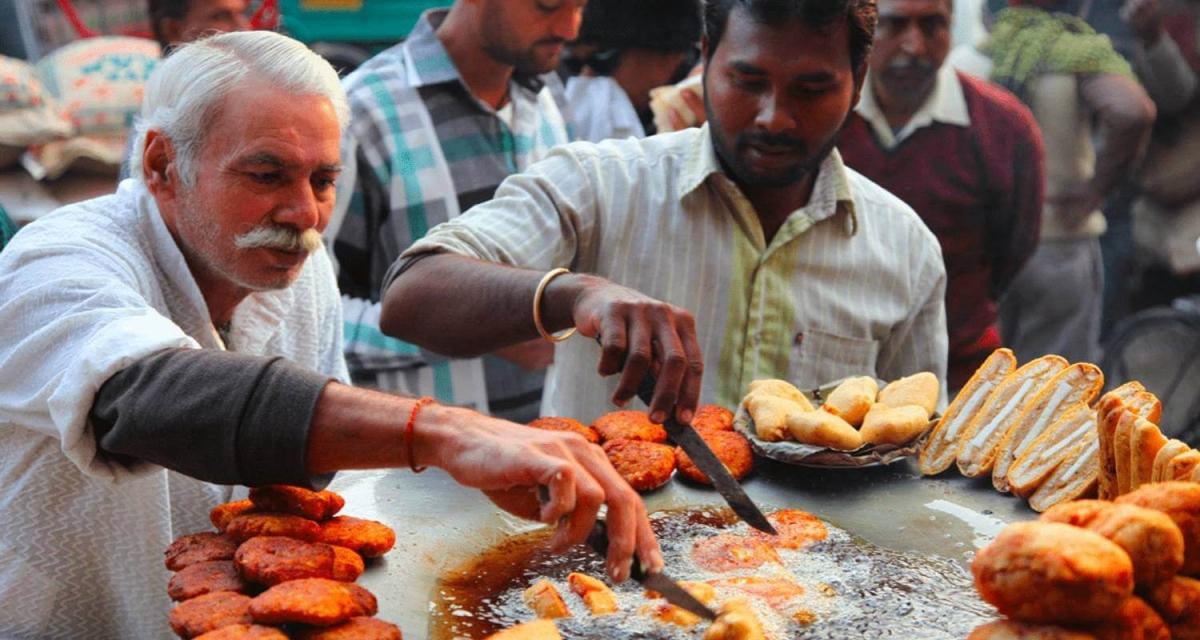
Lucknow's Awadhi cuisine grew out of the kitchens of the Nawabi court and is known for slow-cooked kebabs, richly spiced biryani and dum-style preparation, in which dishes are sealed in their cooking vessel and simmered over a low flame to concentrate flavor. Old-city eateries specializing in these dishes, some family-run across several generations, remain central to any visit and are often as much a draw as the monuments themselves. Galouti kebabs, made from finely minced meat pounded to a smooth texture, are among the dishes most associated with the city's Nawabi-era kitchens.
Travelers interested in Awadhi food alongside the city's monuments can combine Lucknow with other food-focused stops in the region through the North India Food Adventure 10 Days, which builds culinary experiences into a wider northern India route.
October to March offers the most comfortable temperatures for walking through the old city and its markets, with cool mornings well suited to exploring the Bara Imambara complex before the day warms up. Summer months bring intense heat that makes outdoor sightseeing difficult outside the early morning hours, though indoor markets and food stops remain accessible year round.