
Free Cancellation
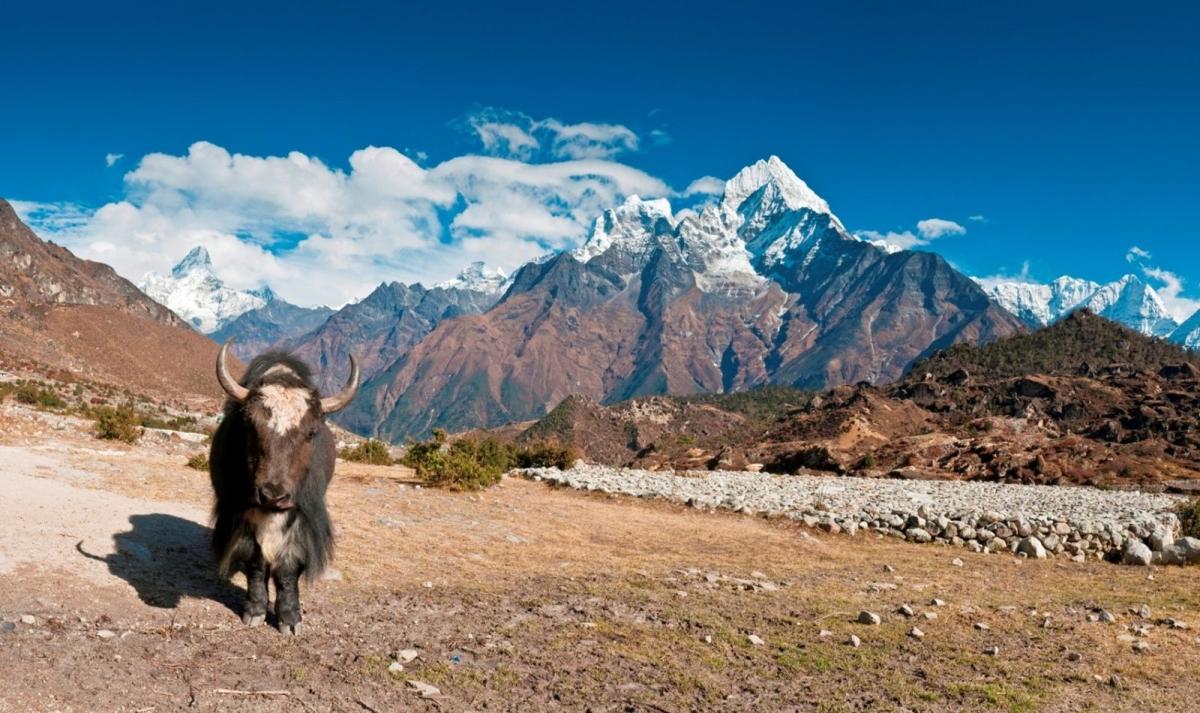
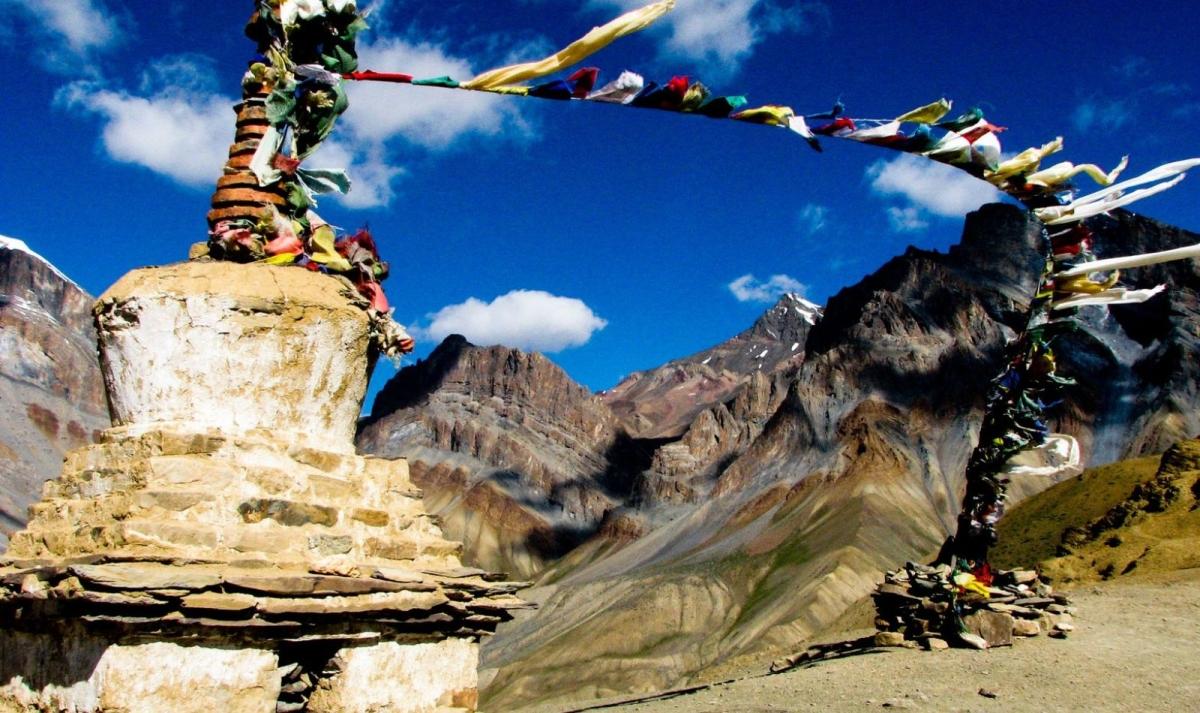
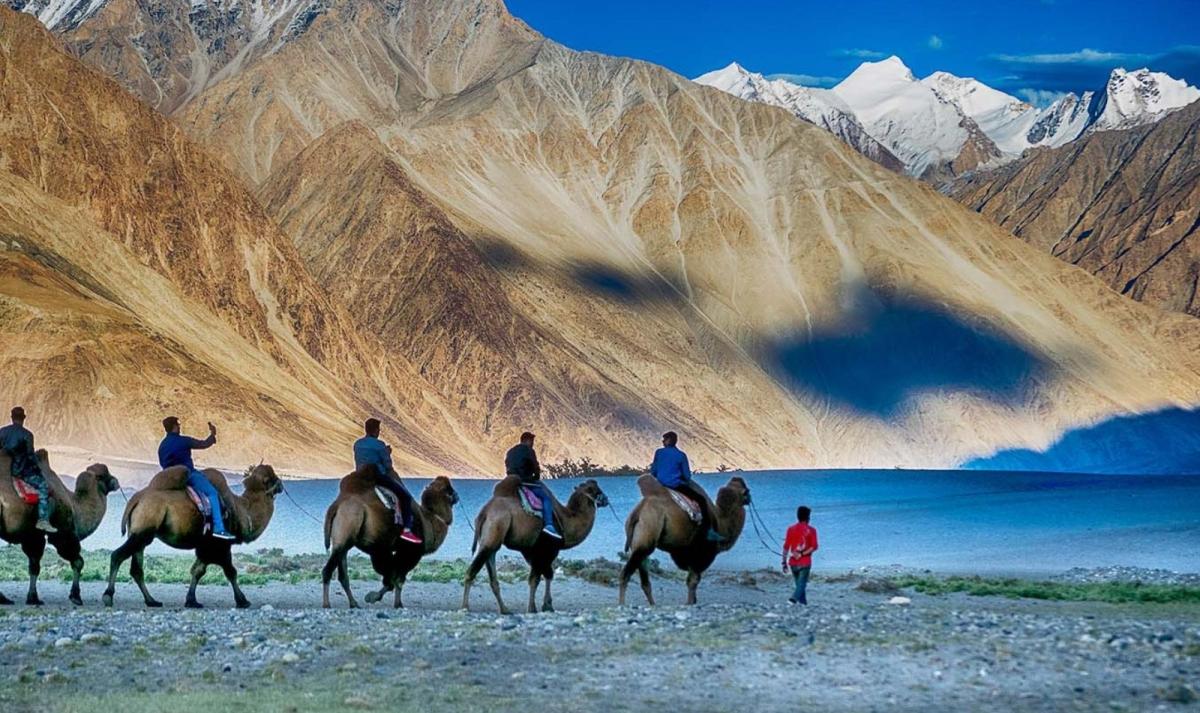
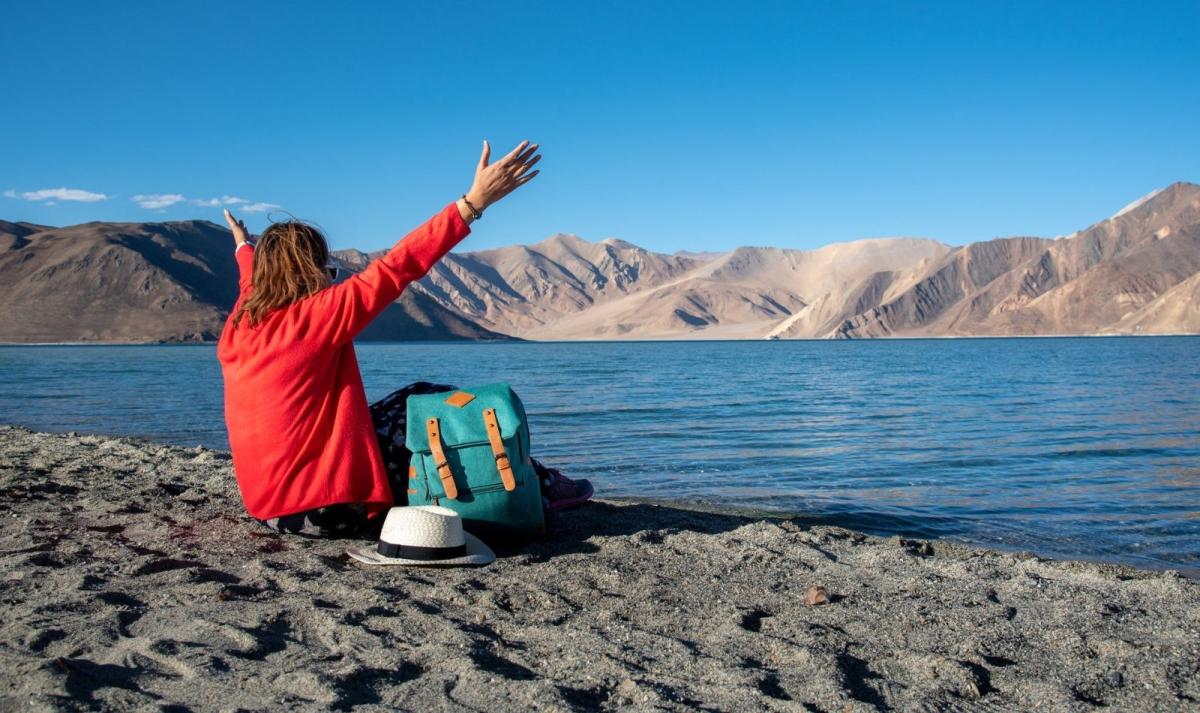
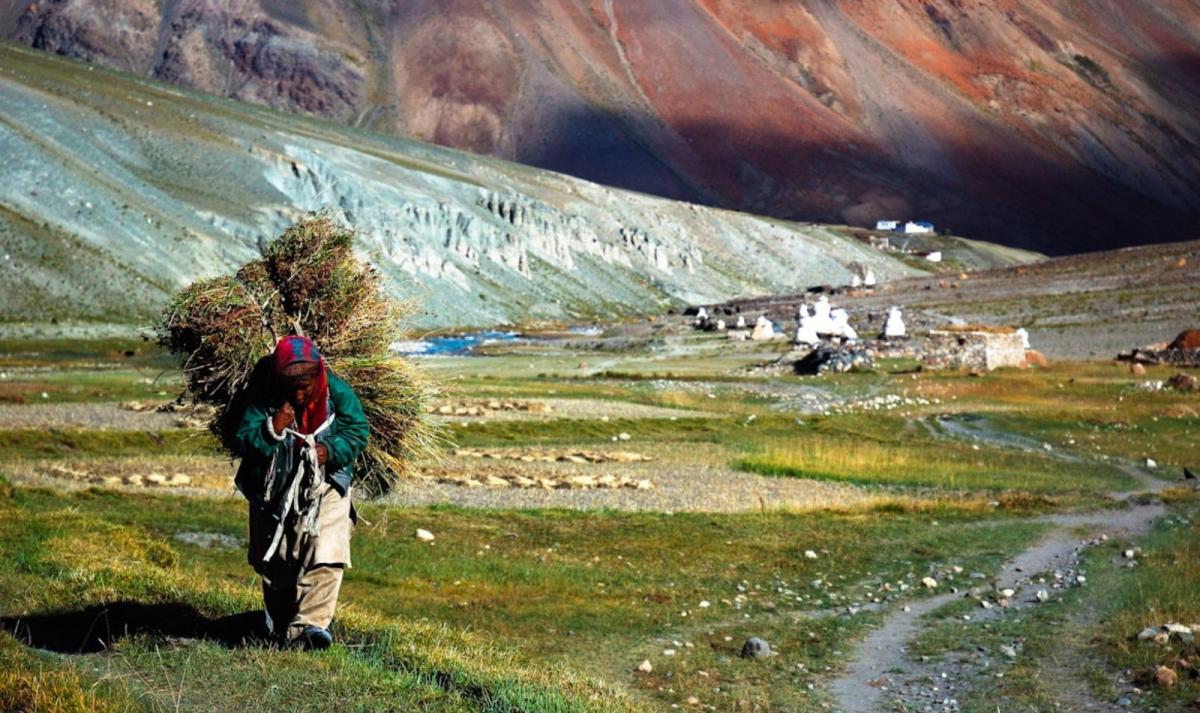
Leh Tours reach one of the highest permanently inhabited towns most travelers will visit, a high-desert settlement in the Himalayan region of Ladakh sitting at roughly 3,500 meters above sea level. Once the capital of the independent Ladakh kingdom, Leh built its wealth on trade routes connecting Tibet, Kashmir and Central Asia, and its old town still keeps the layout of a fortified trading capital rather than a modern city center. Its bazaars and guesthouses still cater heavily to travelers passing through, once on trade routes and today on their way further into the mountains.
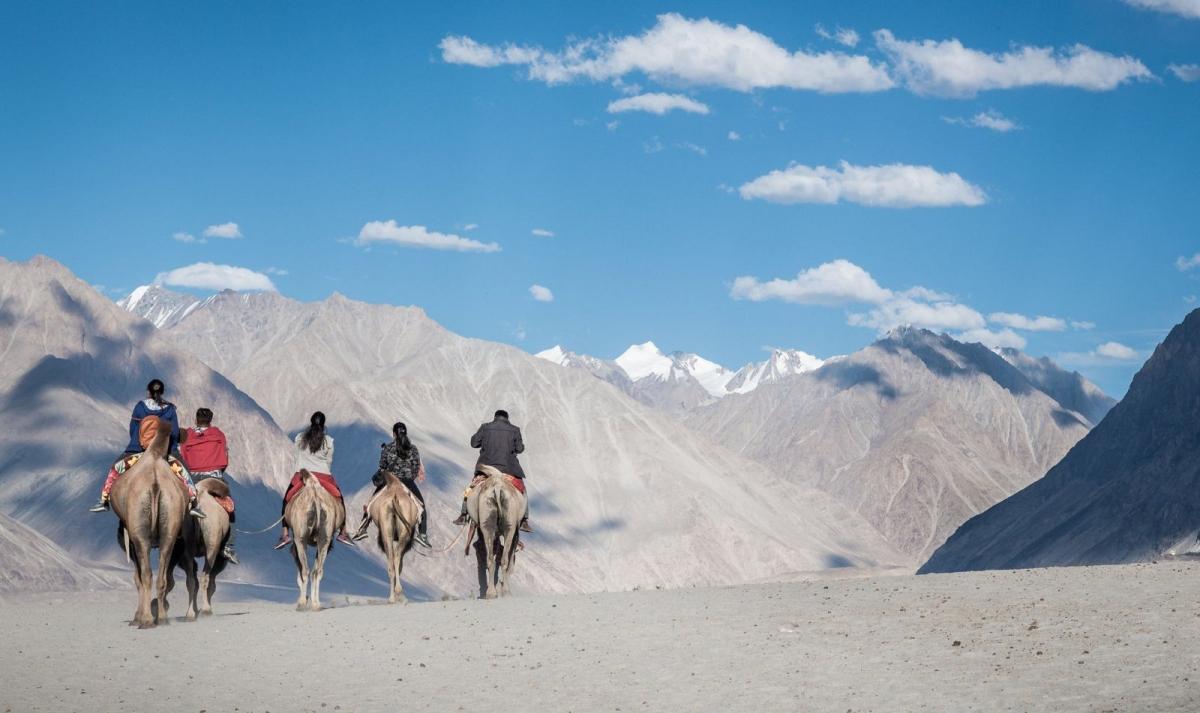
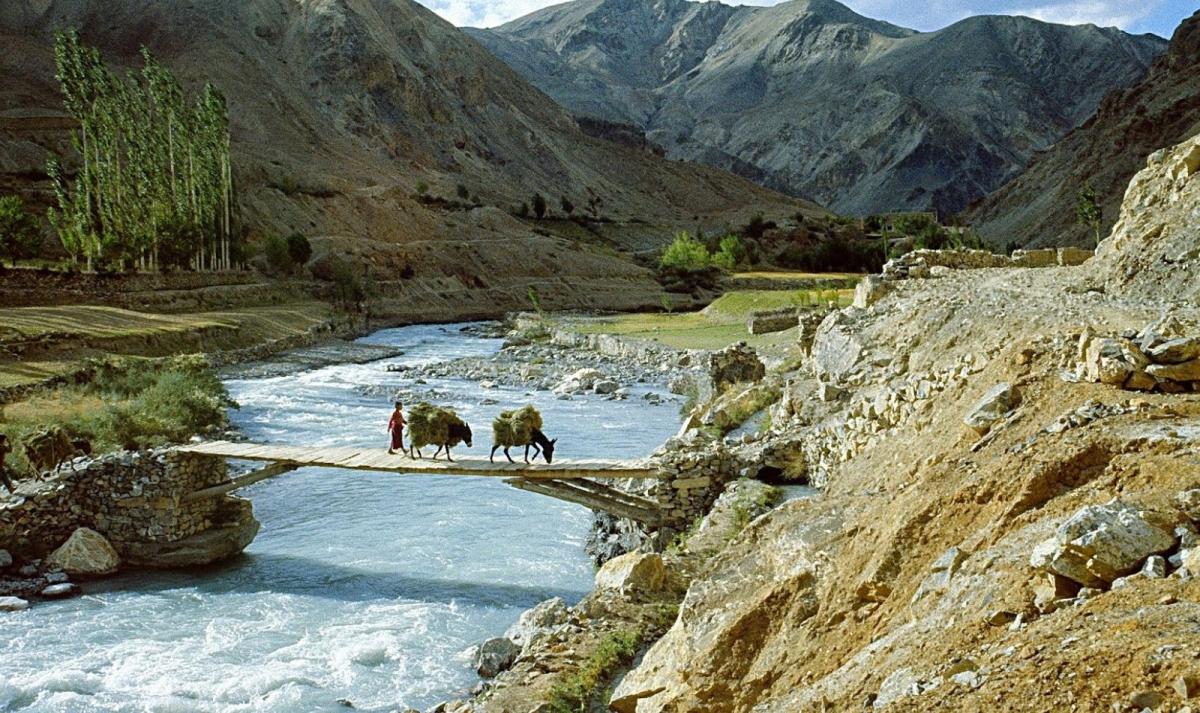
As part of a wider India itinerary, Leh Tours typically combine the town with the surrounding Indus valley, where Buddhist monasteries, high mountain passes and stark desert scenery define the region's character far more than any single monument does. The scale and altitude of the landscape set Ladakh apart from almost anywhere else covered on a standard India route.
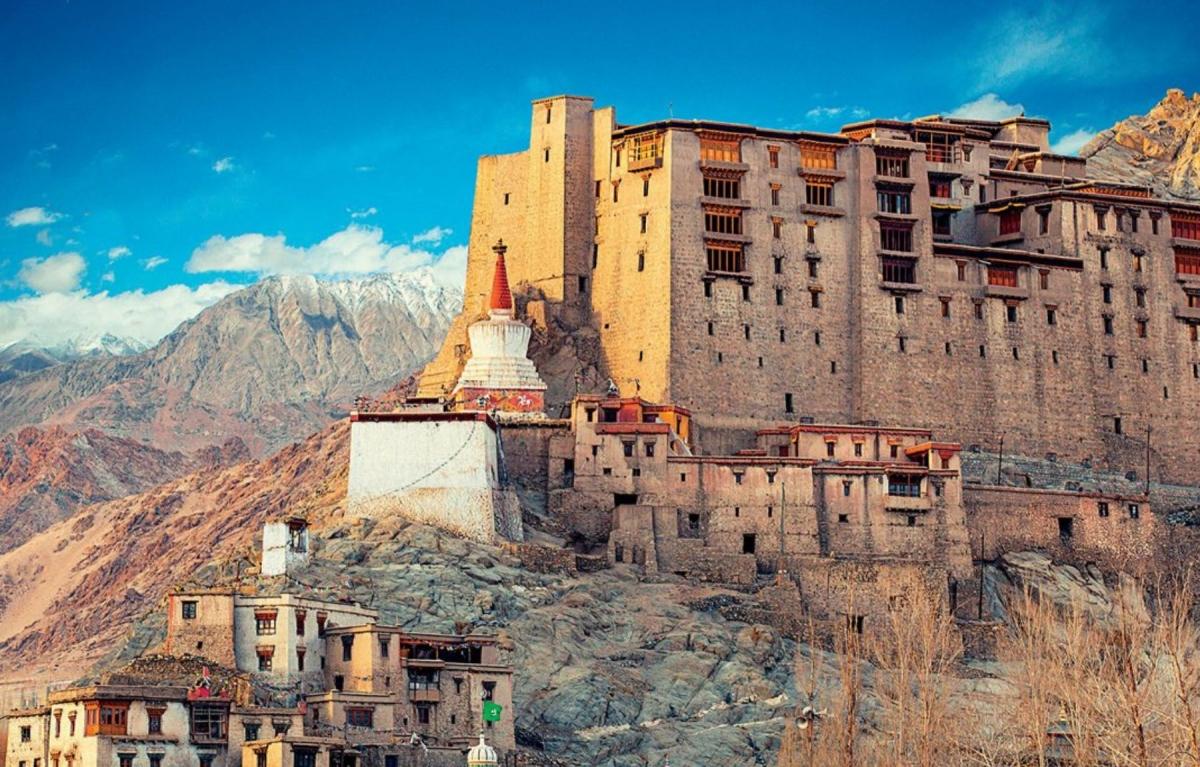
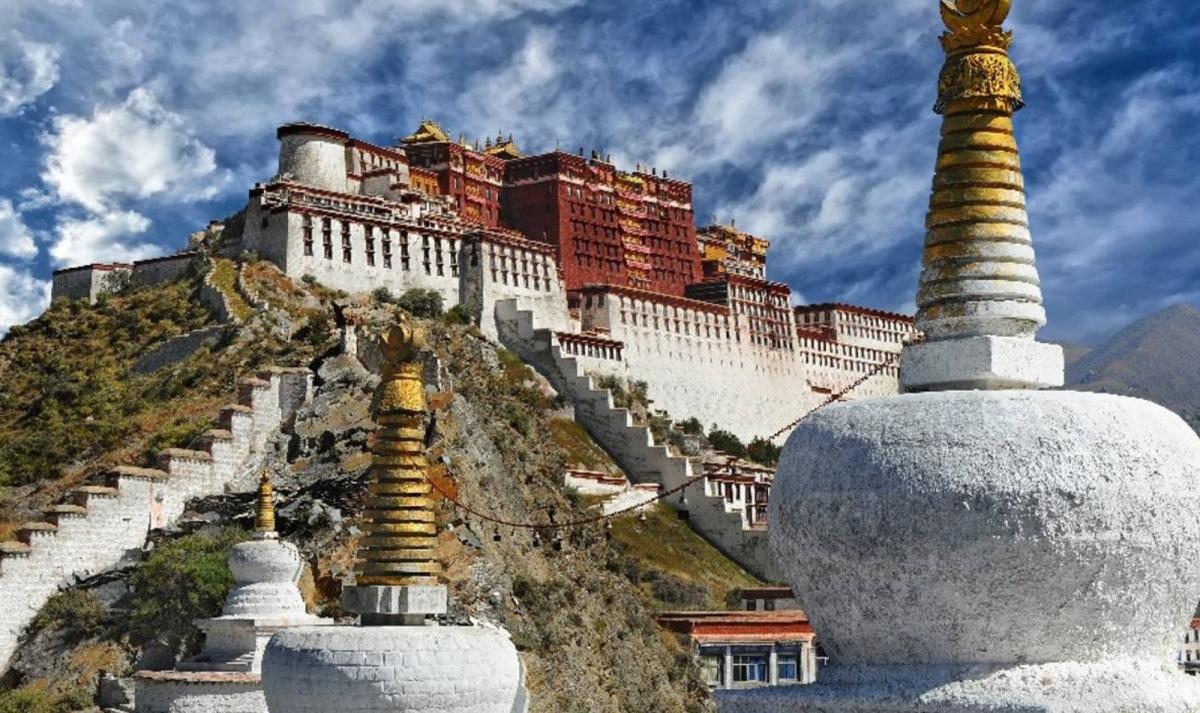
Leh Palace rises above the old town on a ridge, built in the seventeenth century by the kings of Ladakh in a style that echoes the Potala Palace in Lhasa on a smaller scale. Now partly in ruins and under gradual restoration, its upper floors give views across the town toward the surrounding mountains, while the lower levels house a small museum of royal artifacts, thangka paintings and jewelry from the Ladakhi court.
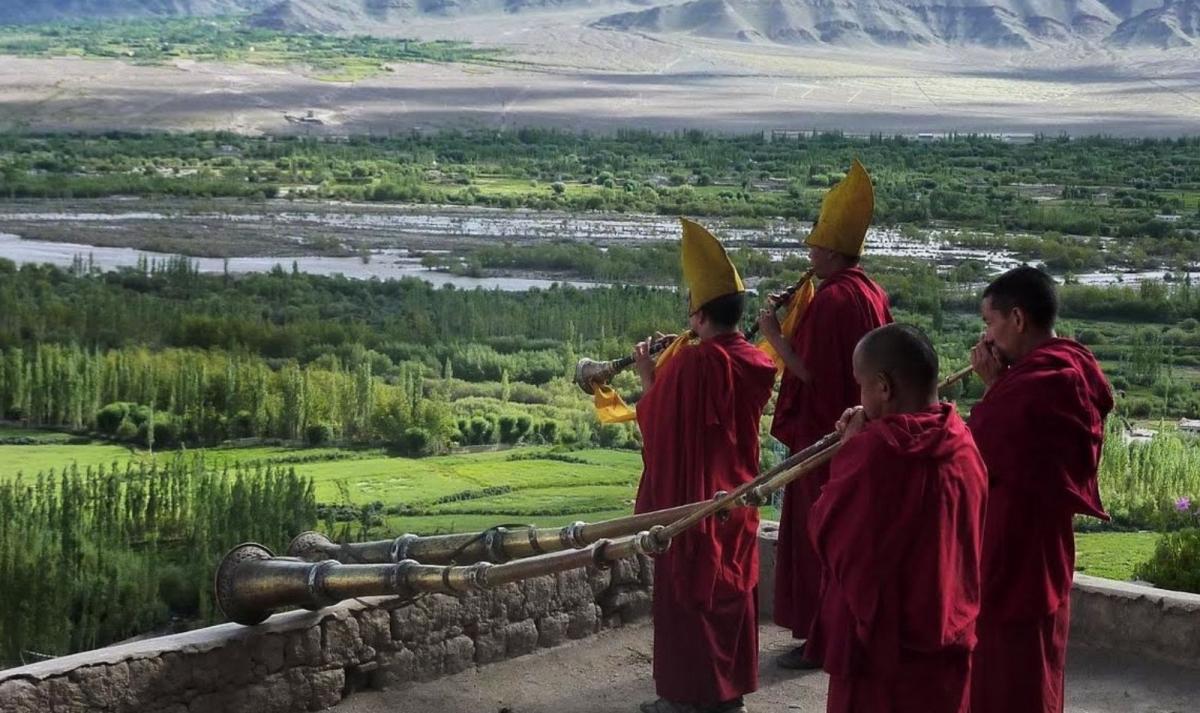
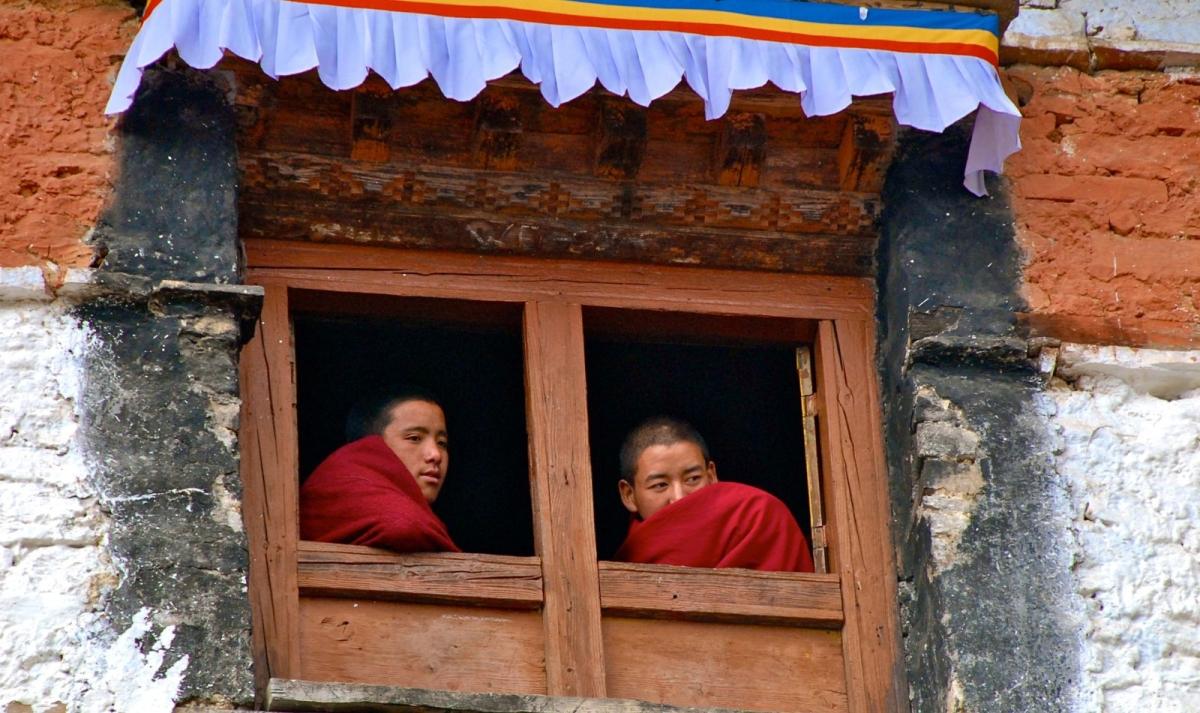
The valleys around Leh hold some of Ladakh's most significant Buddhist monasteries, several of them still active centers of monastic life rather than museum pieces.
Thiksey Monastery, around 20 kilometers from Leh, is built up a hillside in tiers that echo the Potala's stepped design and houses a large seated Maitreya Buddha statue spanning two floors of its main hall.
Hemis Monastery, set in a side valley south of the Indus, is one of the wealthiest and largest monasteries in Ladakh and hosts an annual masked dance festival tied to its Tibetan Buddhist calendar, drawing visitors from across the region.
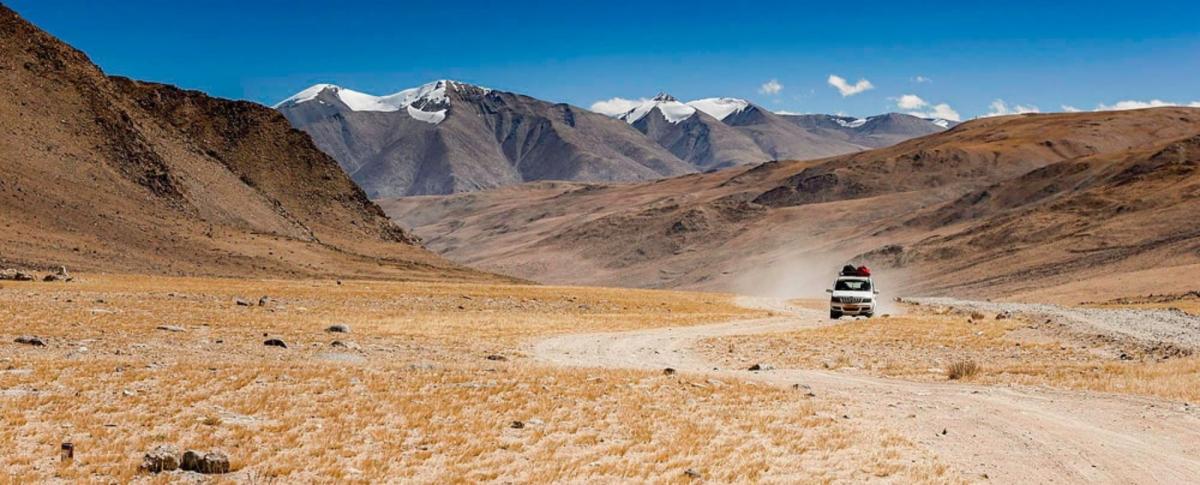
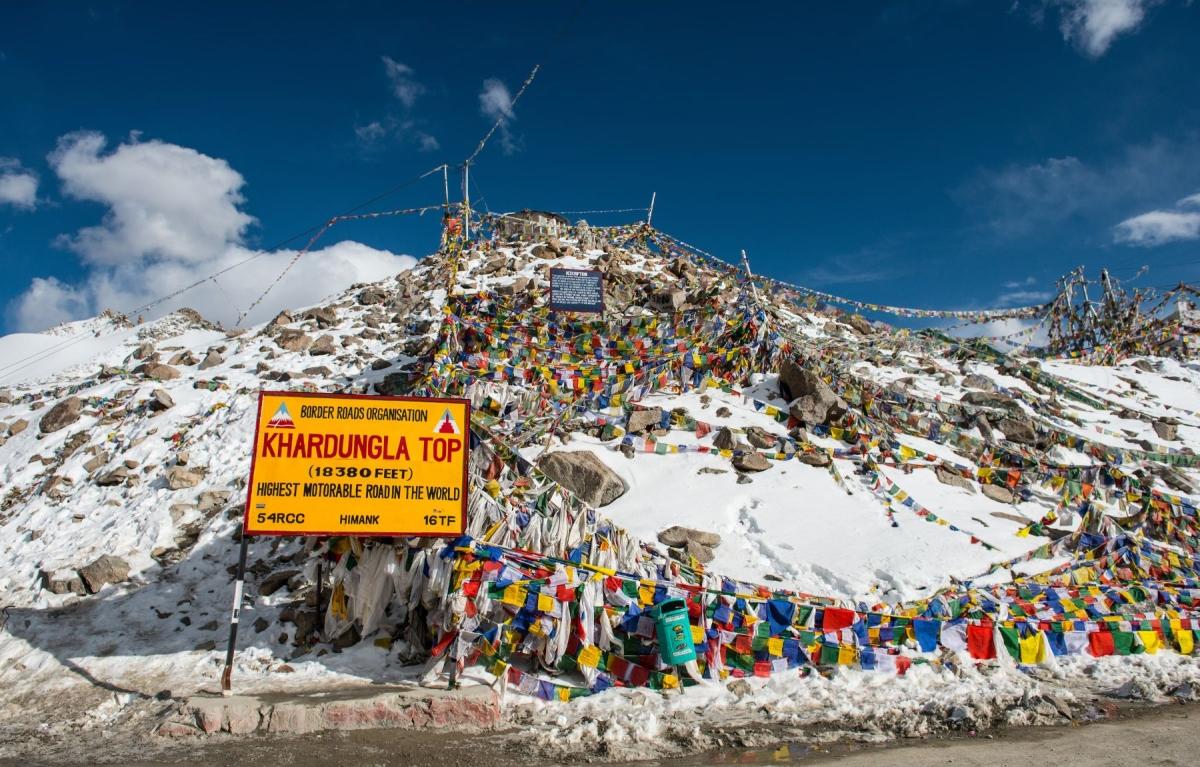
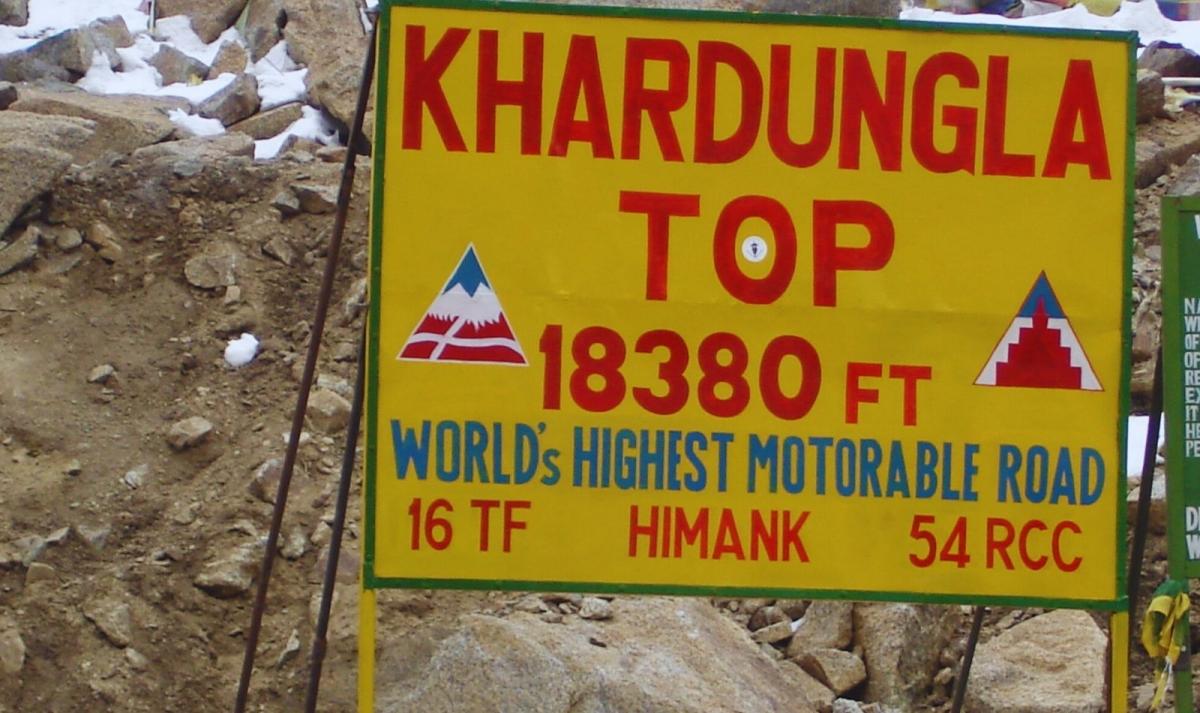
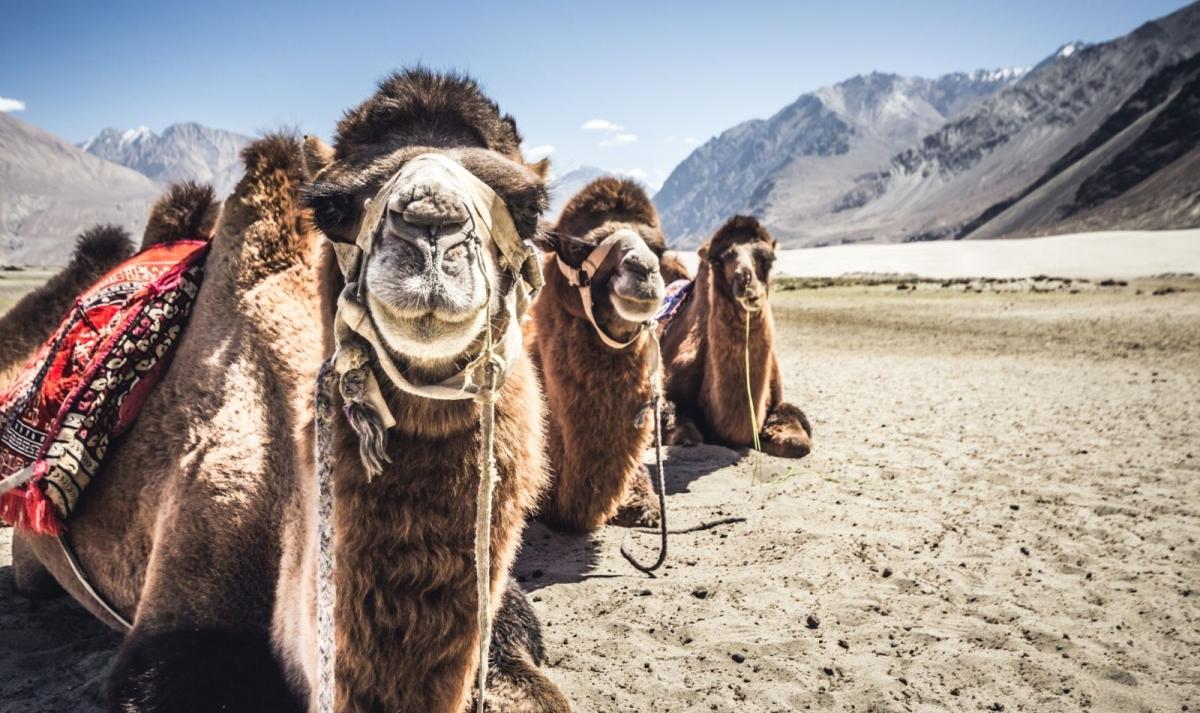
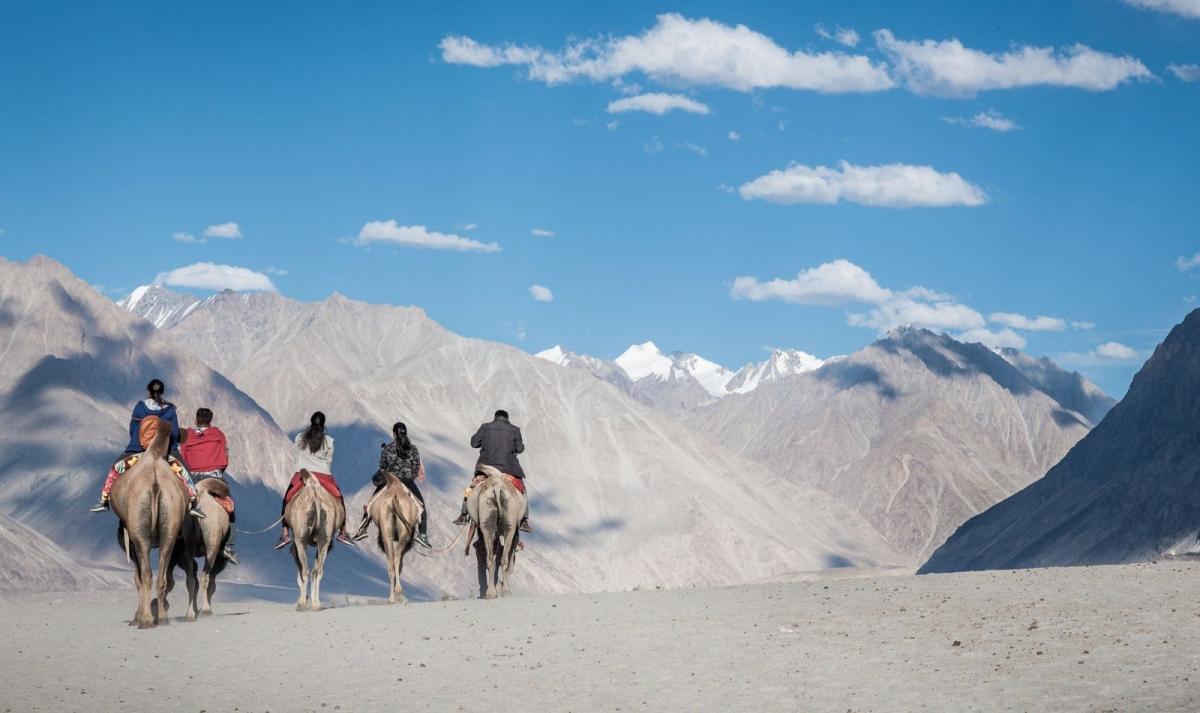
Ladakh's road network includes some of the highest motorable mountain passes in the world, among them Khardung La, which carries traffic north from Leh toward the Nubra Valley at an elevation well above 5,000 meters. These roads are typically open only for part of the year and give access to glacial rivers, high-altitude villages and landscapes found nowhere else on a standard India itinerary, making the drives themselves as much a part of the trip as any single destination.
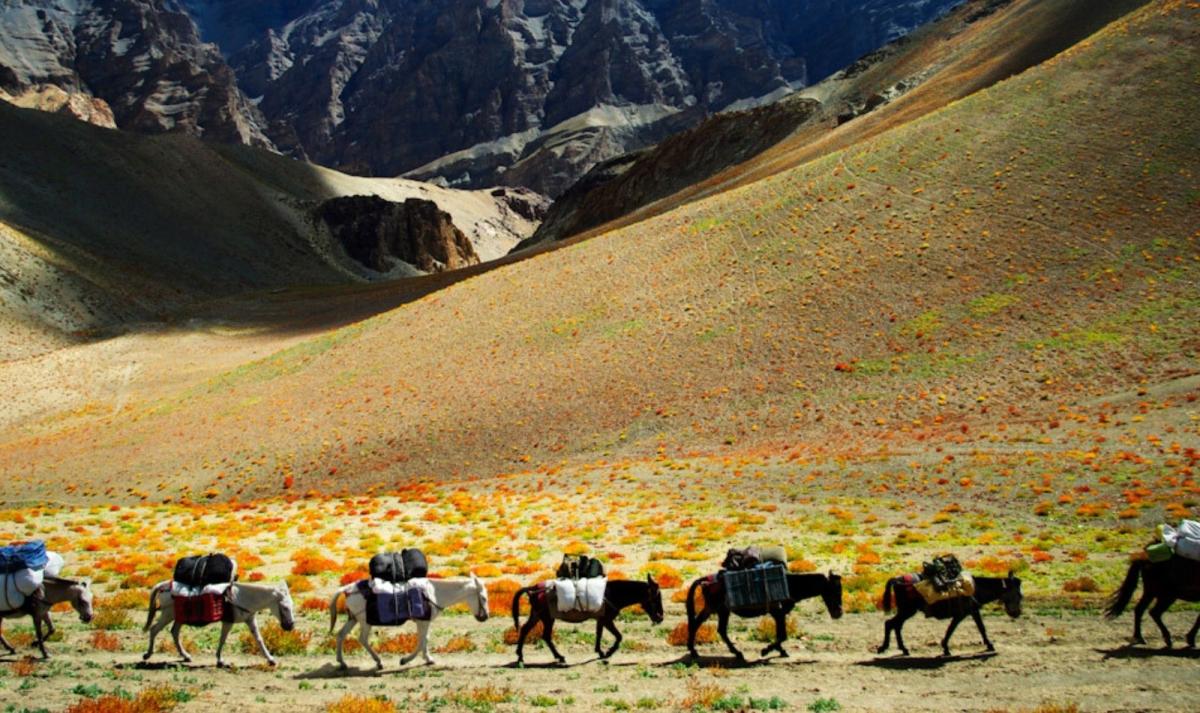
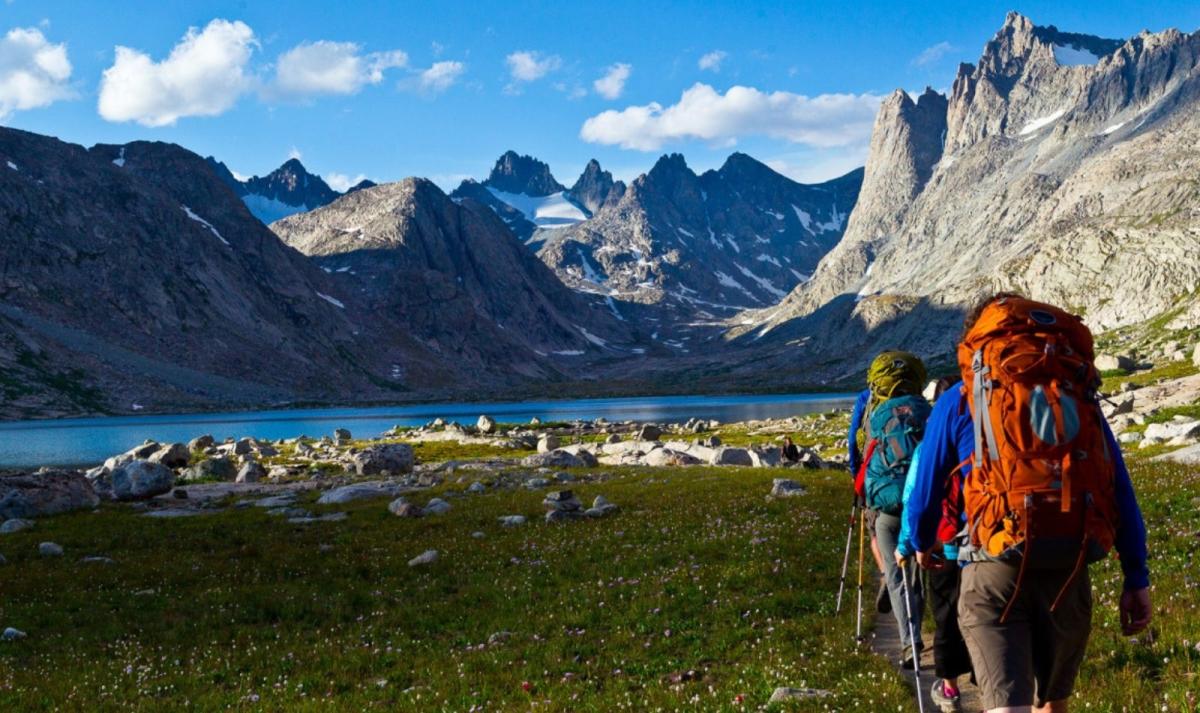
Beyond its monasteries and mountain passes, the region around Leh has become one of India's principal centers for high-altitude trekking, with multi-day routes such as the Markha Valley trek crossing remote villages and grazing pastures inside Hemis National Park. Rafting trips on the Indus and Zanskar rivers and mountain biking descents from Khardung La add to a range of outdoor activities that draw a different kind of traveler than the temple and palace circuits found elsewhere in India.
Given the altitude and distances involved, Leh is generally visited as a multi-day circuit rather than a short stop. The Leh & Ladakh Trails tour links the town's palace and old quarter with the surrounding valley's monasteries and drives up to the high passes.
Leh's main tourist season runs roughly from May to September, when the high passes are open and daytime temperatures are manageable; the rest of the year sees heavy snow that cuts off many routes into the region entirely. Because of the elevation, most itineraries build in a day or two of rest on arrival before any strenuous activity, since altitude sickness is a genuine risk for travelers arriving directly from far lower elevations elsewhere in India.