
Free Cancellation
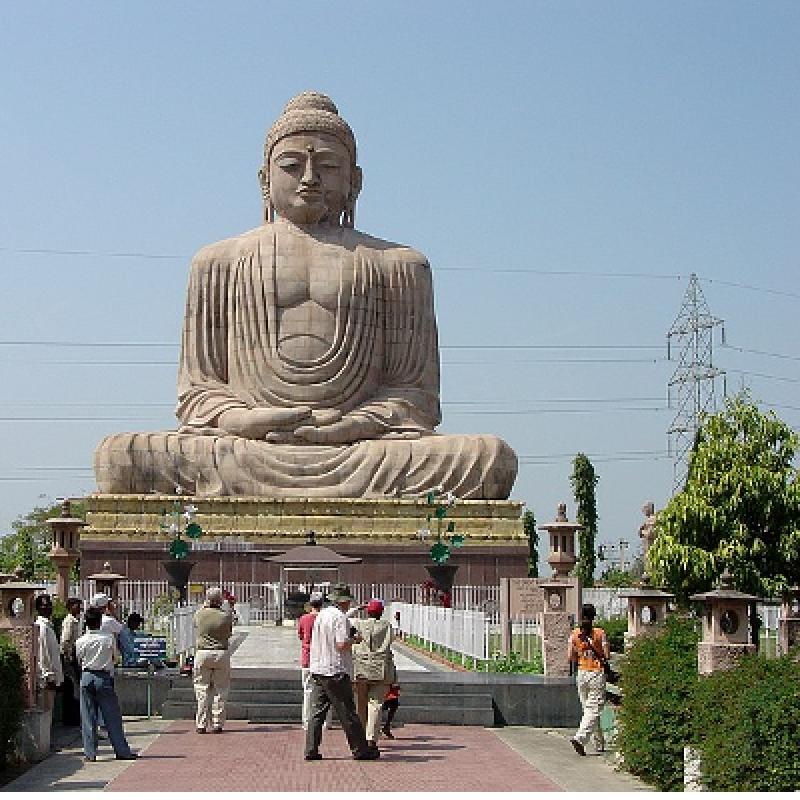
Bihar Tours cover a state in eastern India that holds central importance to Buddhist history, alongside a long Hindu and imperial past stretching back more than two thousand years. Like Assam, Bihar spans a region rather than a single city, with its main sites spread across several towns connected by a few hours of road travel. The Ganges River runs through the state's north, passing through Patna, the state capital and usual starting point for Bihar itineraries.
It pairs naturally with a wider India itinerary, particularly for travelers following a Buddhist heritage route that also takes in sites in Uttar Pradesh and Nepal. Most tours here focus on two towns in particular, Bodh Gaya and Nalanda, both reachable from Patna or Gaya's airport within a couple of hours.
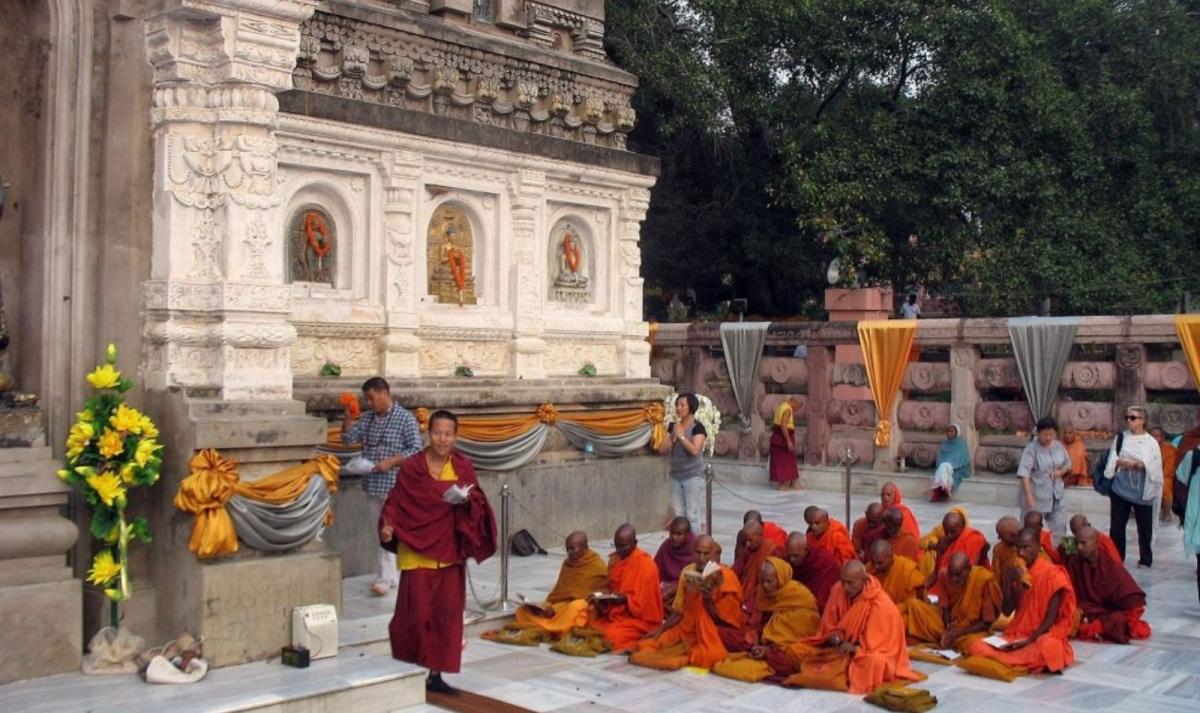
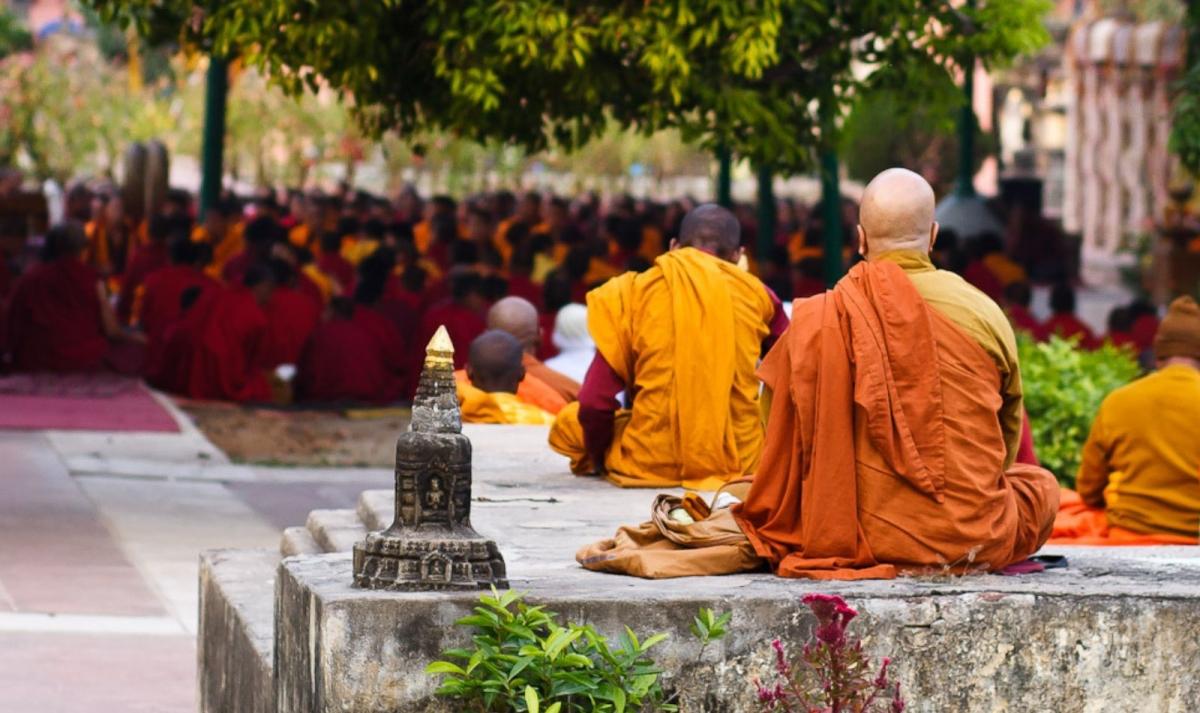
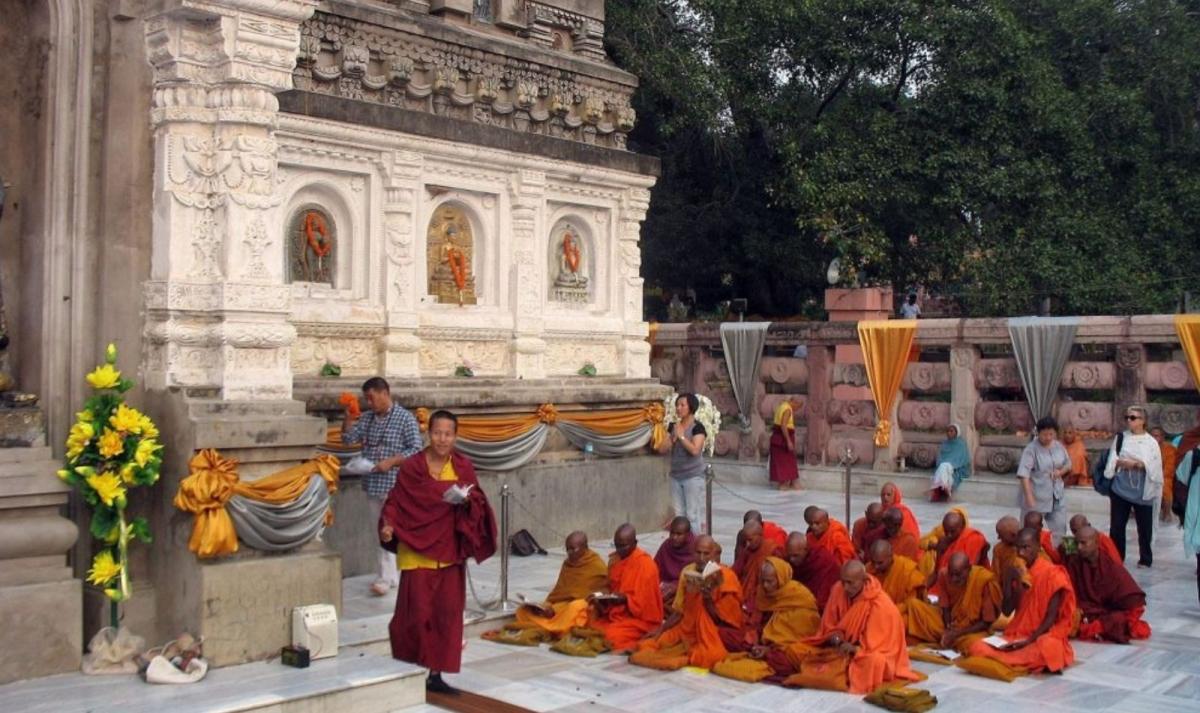
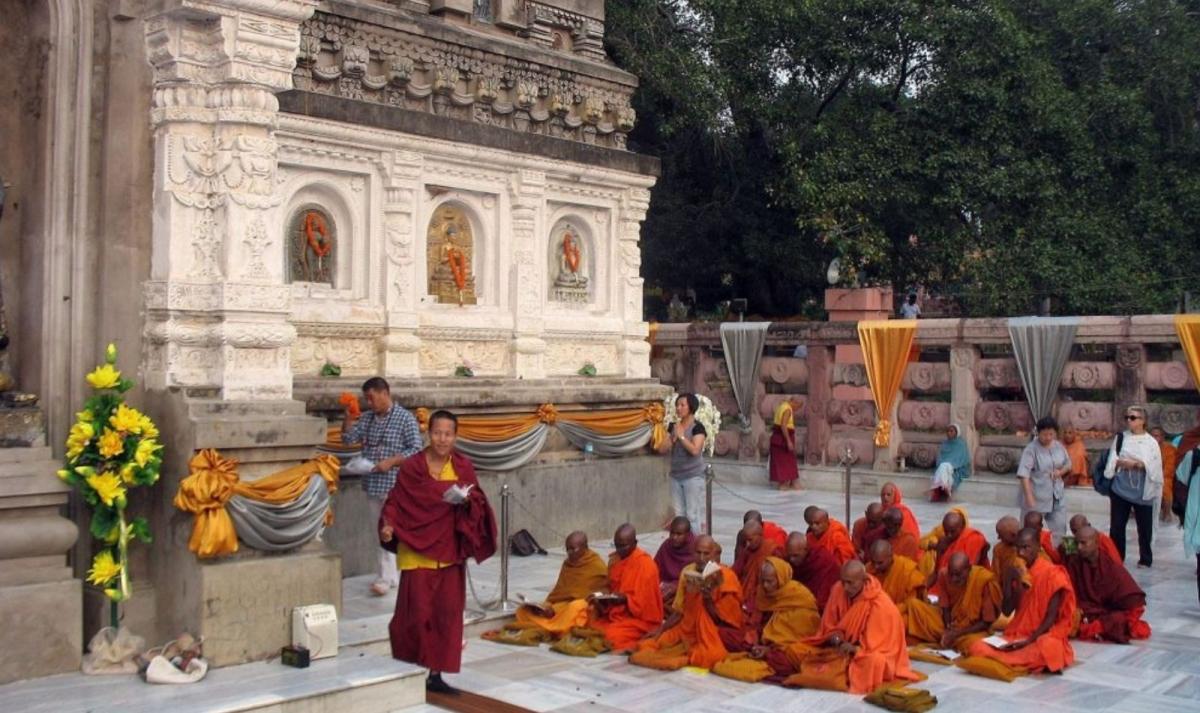
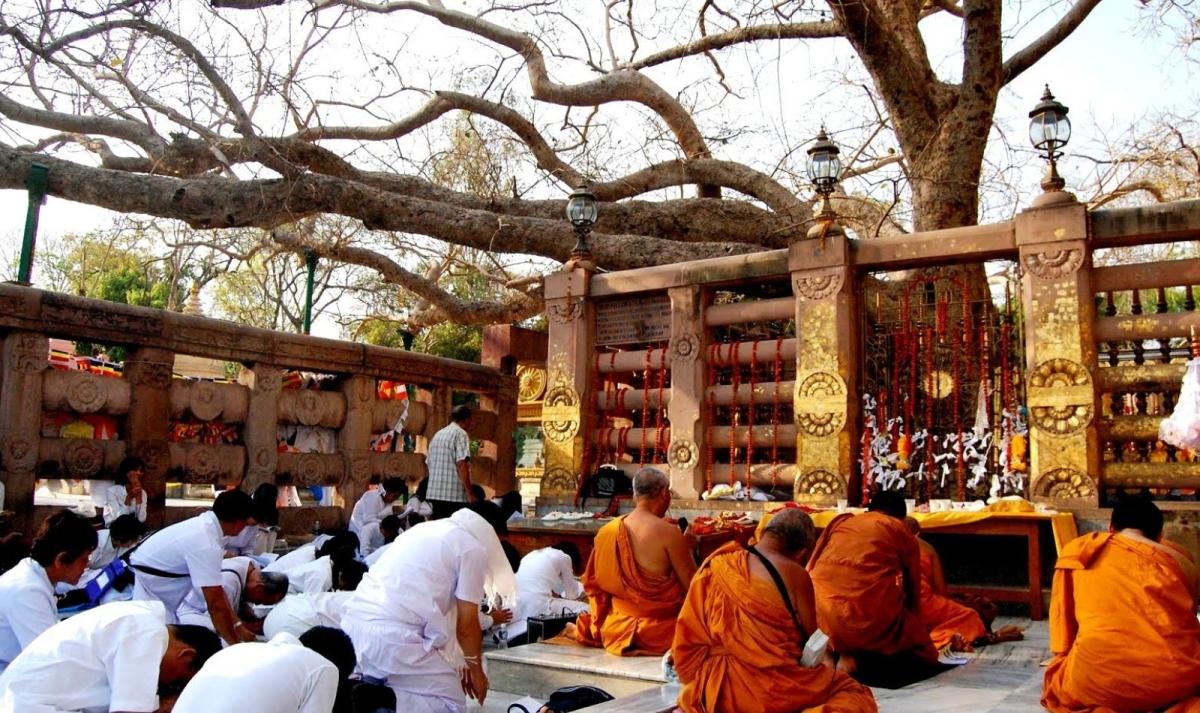
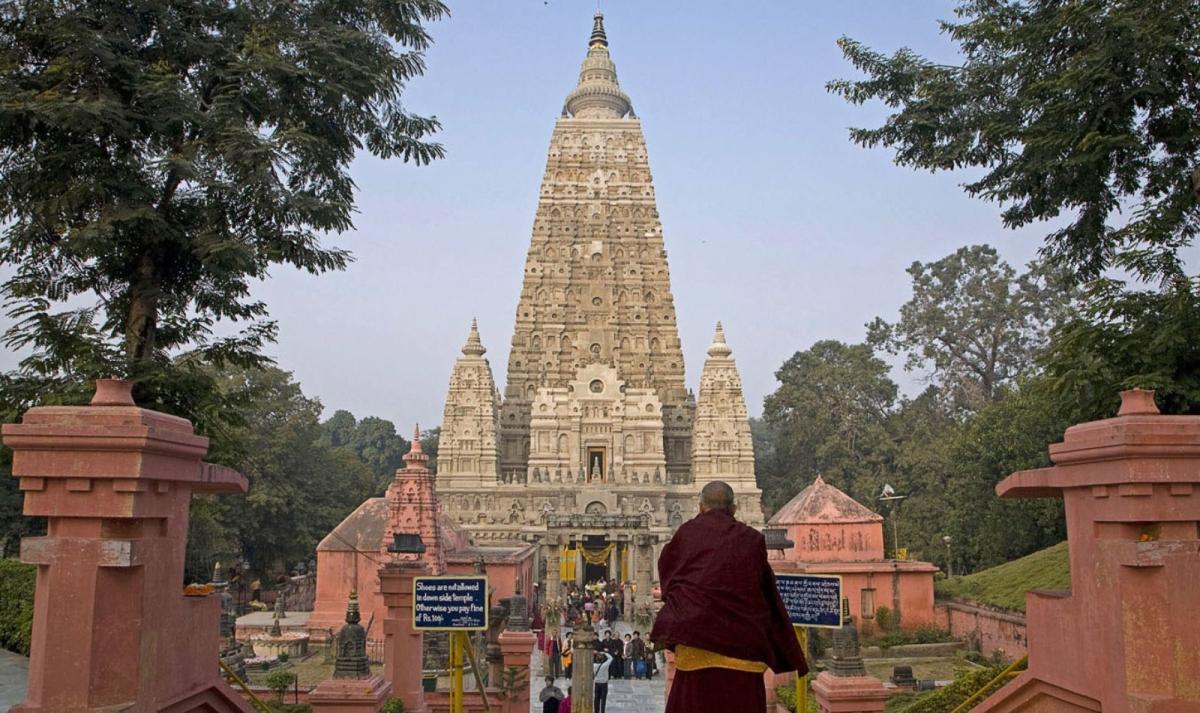
Bodh Gaya is where the Buddha is said to have attained enlightenment while meditating beneath a Bodhi Tree, making it one of Buddhism's four most important pilgrimage sites. The Mahabodhi Temple, built on the spot, is a UNESCO World Heritage Site and one of the earliest Buddhist temples still standing in brick, with sections dating back to the Gupta period. A descendant of the original Bodhi Tree still grows beside the temple, and monasteries built by Buddhist communities from Thailand, Japan, Bhutan and other countries surround the complex, each in its own national architectural style. Bodh Gaya draws large crowds each spring for Buddha Purnima, the holiday marking the Buddha's birth, enlightenment and death, when monks from monasteries around the temple lead processions and ceremonies.
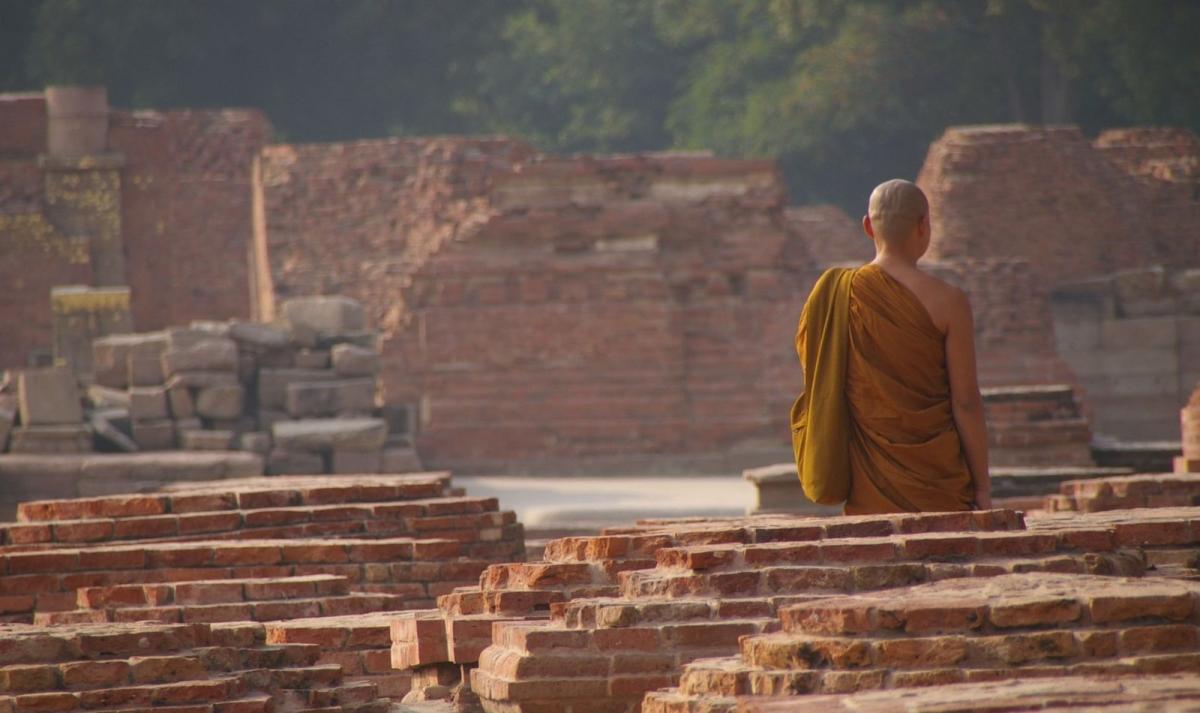
Roughly 100 kilometers from Bodh Gaya, Nalanda holds the ruins of one of the ancient world's largest centers of learning, a Buddhist monastic university that operated from around the 5th century until it was destroyed in the 12th century. The site is UNESCO-listed and includes the excavated remains of monasteries, lecture halls and stupas built from red brick, along with a site museum displaying sculptures and artifacts recovered from the ruins.
Close to Nalanda, Rajgir adds another layer to Bihar's Buddhist heritage, with hot springs, Jain temples on its surrounding hills and the remains of ancient fortifications from when the town served as an early capital of the Magadha kingdom. Vaishali, further north, is linked to one of the Buddha's later sermons and holds a stone pillar erected by the emperor Ashoka. Together with Bodh Gaya and Nalanda, these sites form the core of Bihar's Buddhist circuit, most often visited across a three to four day loop from Patna or Gaya. Further east, the excavated ruins of Vikramshila, another ancient Buddhist university founded in the 8th century, add a quieter stop for travelers extending beyond the main circuit.
Patna sits on the southern bank of the Ganges and serves as Bihar's main transport hub, with its own history stretching back to the ancient city of Pataliputra, once the capital of the Mauryan and Gupta empires. River activity along the Ganges here is less geared toward tourism than in cities such as Varanasi, though ghats along the riverbank remain active for local bathing and religious rituals.
Bihar is most comfortable to visit between October and March, when daytime temperatures are moderate enough for walking around the Mahabodhi Temple grounds and the Nalanda ruins. Summers from April to June bring intense heat, and the monsoon between July and September can disrupt road travel between towns.