Free Cancellation
-high.jpg&w=1920&q=75 "9 Days Iran Culture Tour")
-Mosque%2C-Isfahan-7-high.jpg&w=1920&q=75 "14 Days Persia Classic Tour")
-high.jpg&w=1920&q=75 "Luxury Trip to Iran 8 Days")
-high.jpg&w=1920&q=75 "Compact Iran for Business Travelers 5 Day Tour")
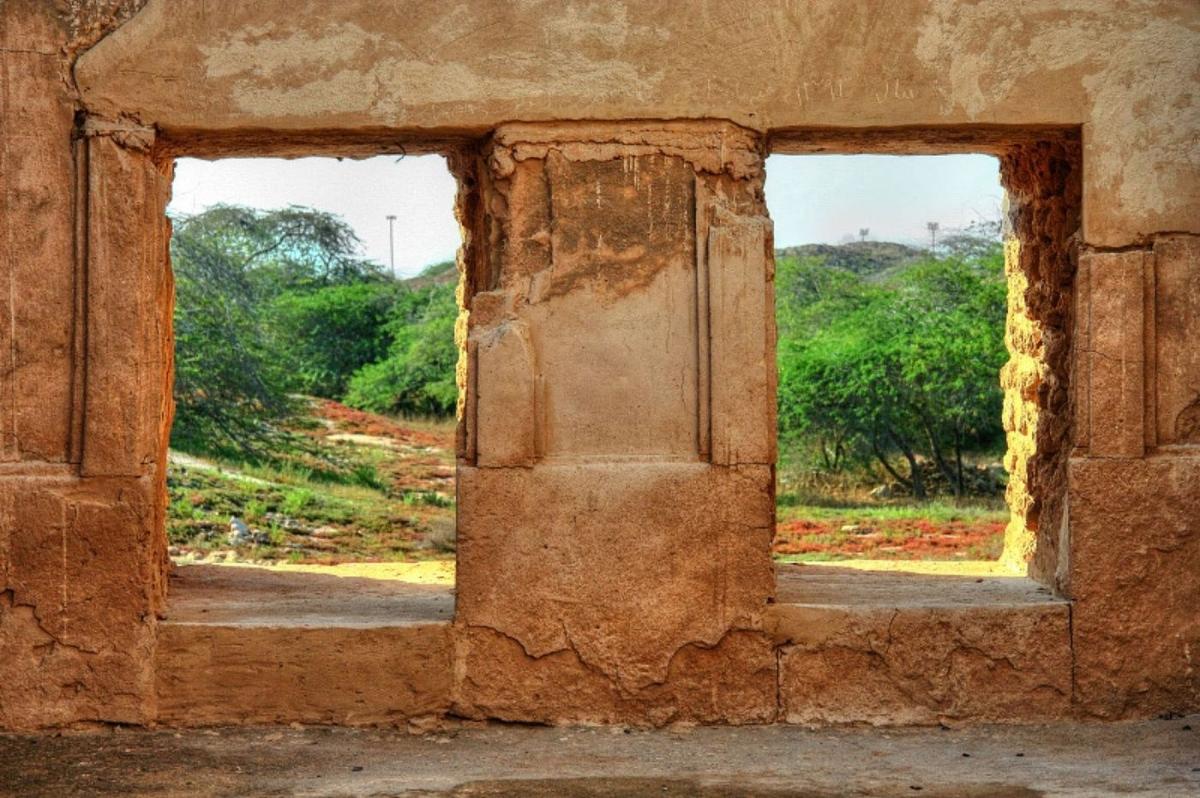

Iran Tours cover a country whose history reaches back to the Achaemenid Empire founded by Cyrus the Great in the sixth century BCE, one of the largest empires the ancient world produced. Modern Iran spans deserts, the Zagros and Alborz mountain ranges and a Caspian coastline in the north, but most itineraries concentrate on the historic core of cities in the country's center and south, where Persian architecture and archaeology are concentrated. Successive empires, from the Achaemenids through the Parthians and Sassanids, and later the Safavid dynasty that made Isfahan its capital in the sixteenth century, each contributed distinct layers of architecture and art that visitors encounter moving between the country's historic cities.
As part of a longer Asia trip or as a dedicated Iran itinerary, tours generally circuit Tehran, Isfahan, Shiraz and Yazd over seven to ten days. Guided programs such as the 7 Days Iran Culture Tour follow this established route, pairing archaeological sites with the country's historic bazaars and religious architecture.
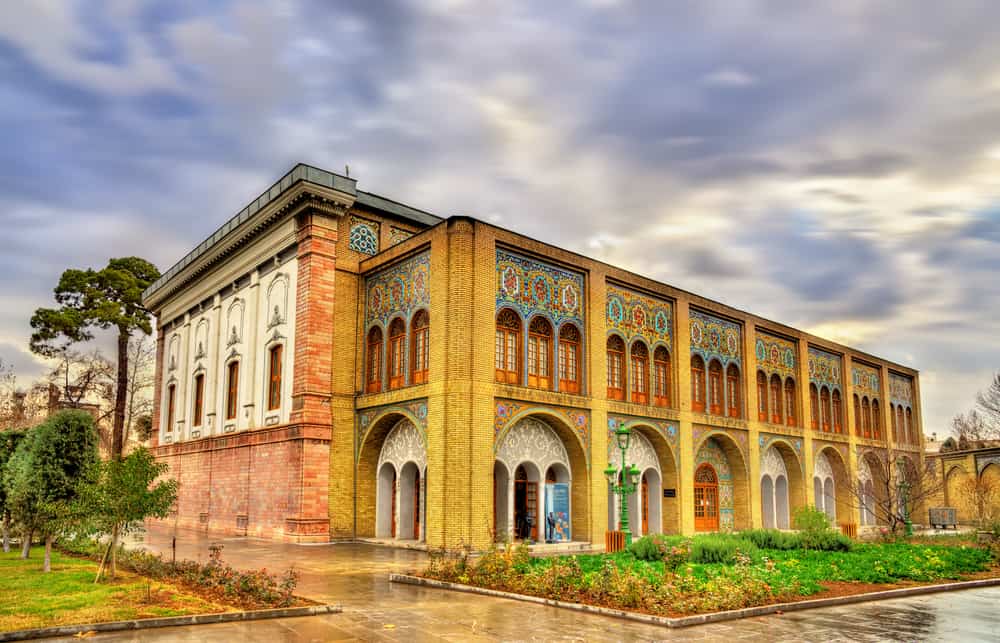
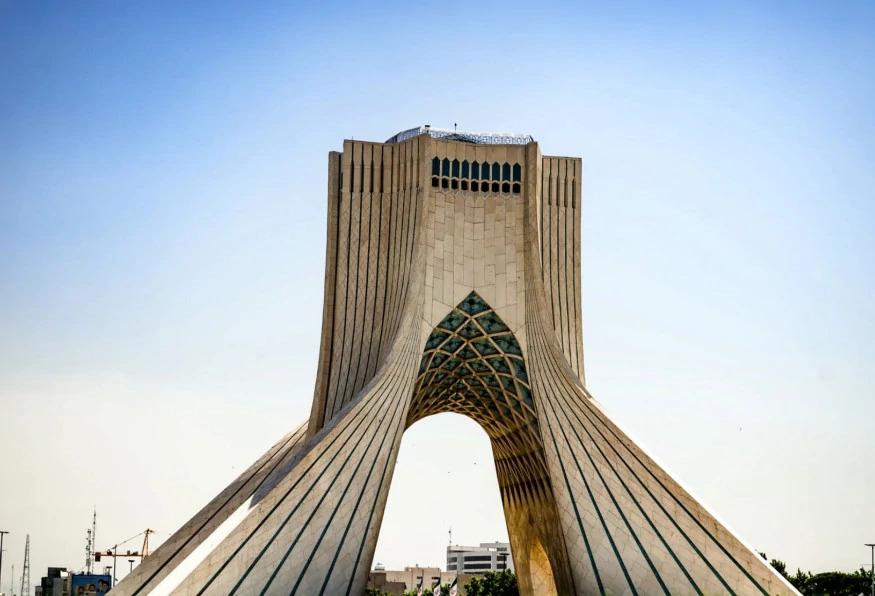
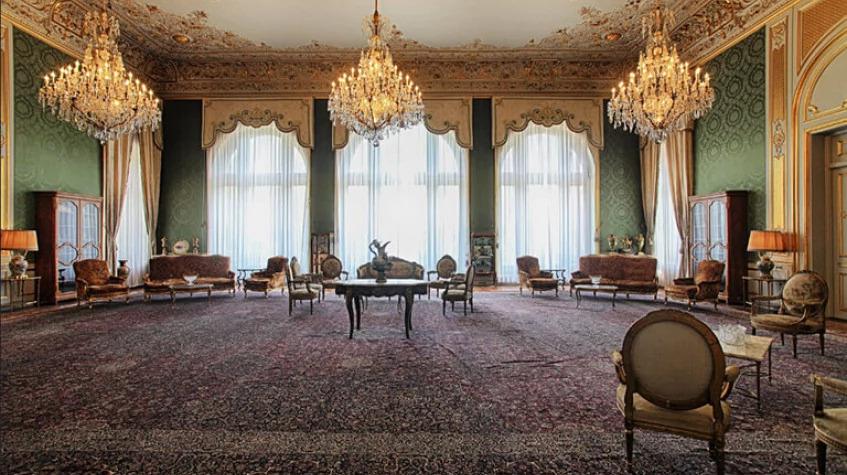
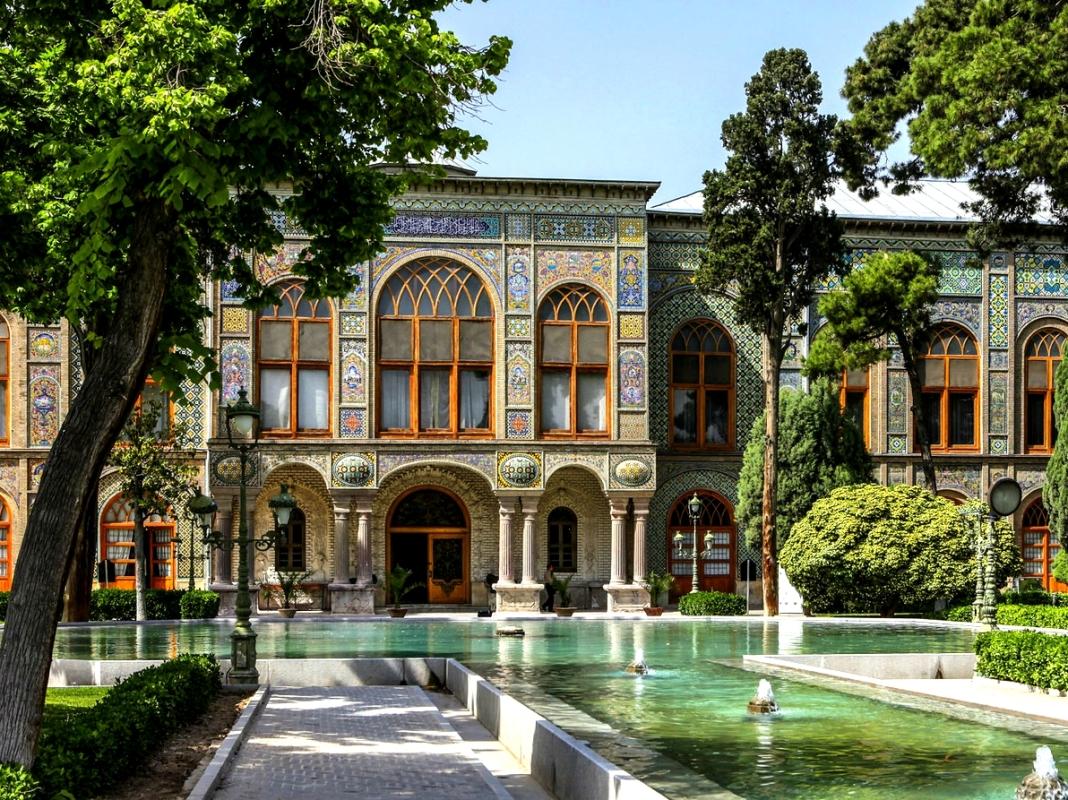
Iran's capital serves mainly as an entry point for most tours, with the National Museum of Iran and the Golestan Palace, a former Qajar era royal complex, giving a first introduction to Persian history and decorative art before travelers head south. The Alborz mountains rise directly north of the city, visible on clear days from much of central Tehran.
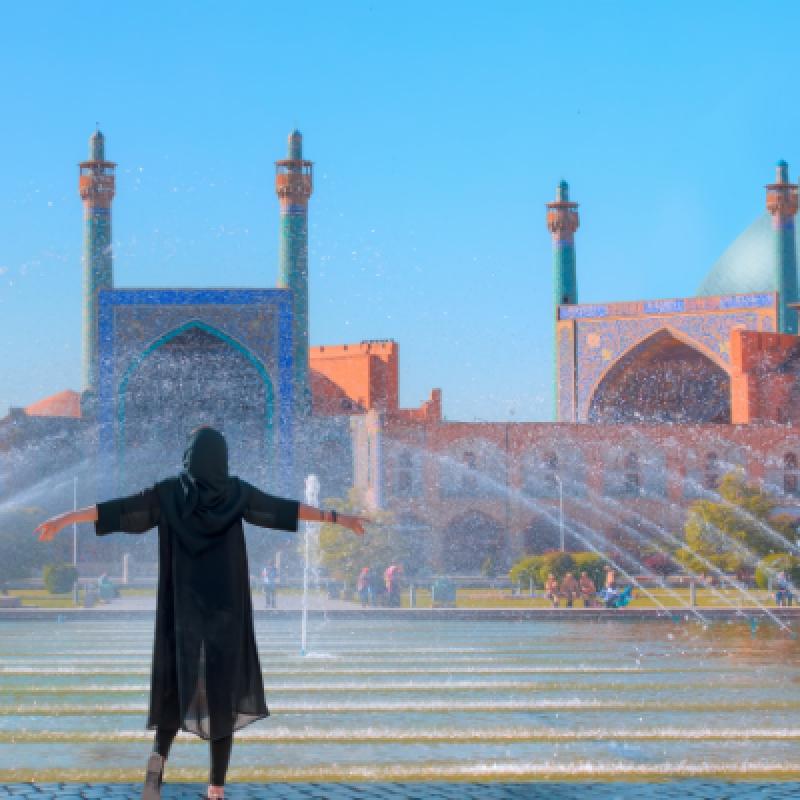
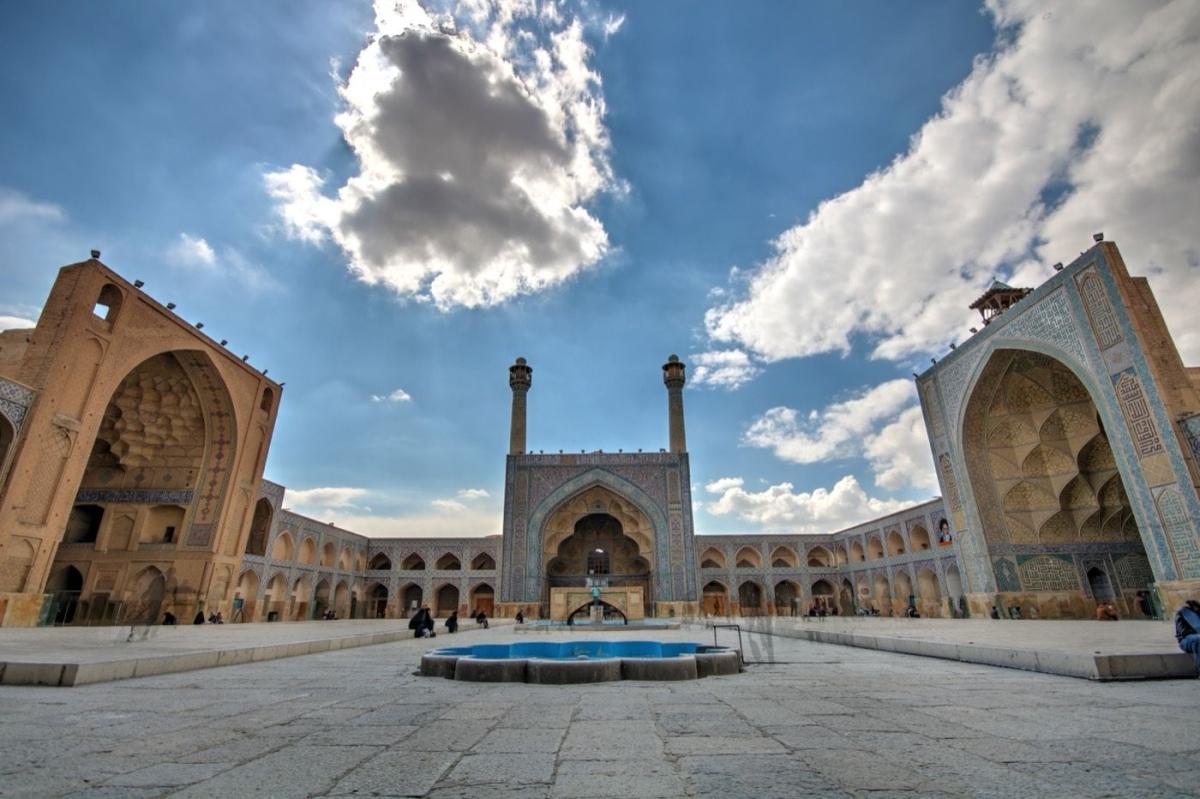
Isfahan centers on Naqsh e Jahan Square, a UNESCO World Heritage Site and one of the largest public squares in the world, surrounded by the Shah Mosque, the Sheikh Lotfollah Mosque and the Ali Qapu Palace. The city's covered bazaar, connected to the square, has operated for centuries and remains one of Iran's most significant centers for traditional crafts, including hand woven carpets, miniature painting and metalwork. Isfahan's bridges over the Zayanderud river, particularly the Si o se pol and Khaju bridges, are also used as gathering points in the evening.
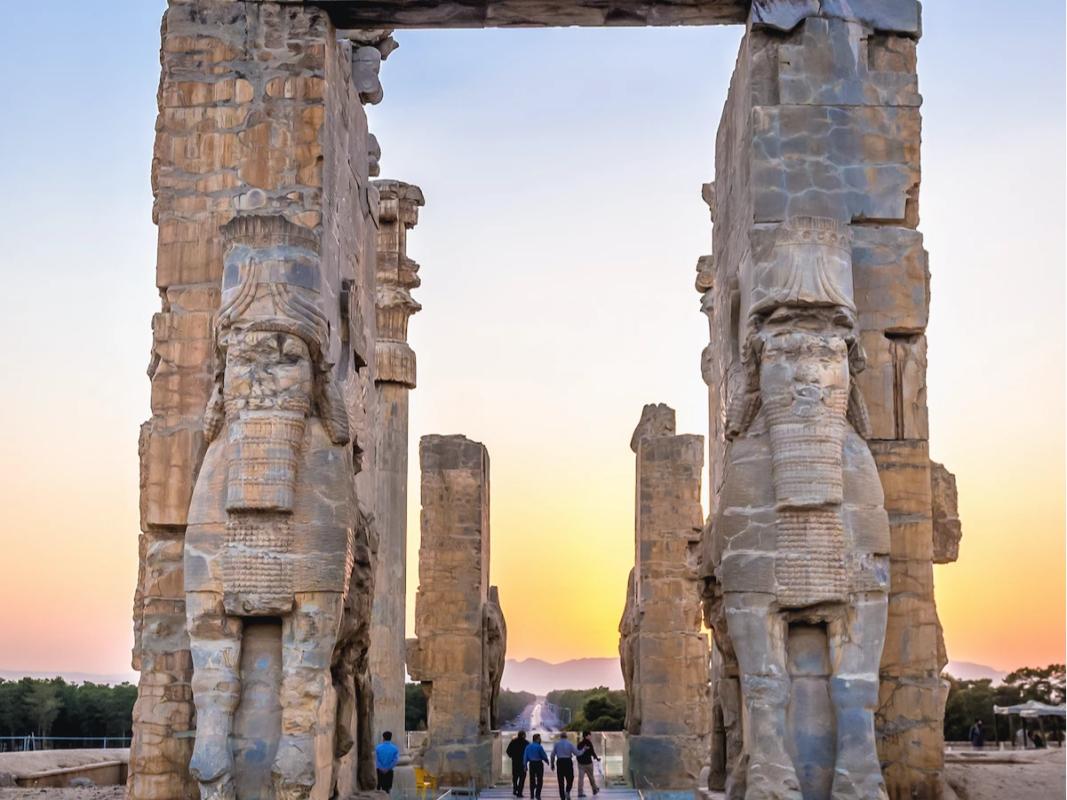
Persepolis, founded in the sixth century BCE as the ceremonial capital of the Achaemenid Empire, lies roughly an hour from Shiraz. Its ruins include monumental stone gateways, columned halls and carved reliefs depicting delegations from across the empire bringing tribute to the Persian king, and the site was inscribed as a UNESCO World Heritage property in 1979.
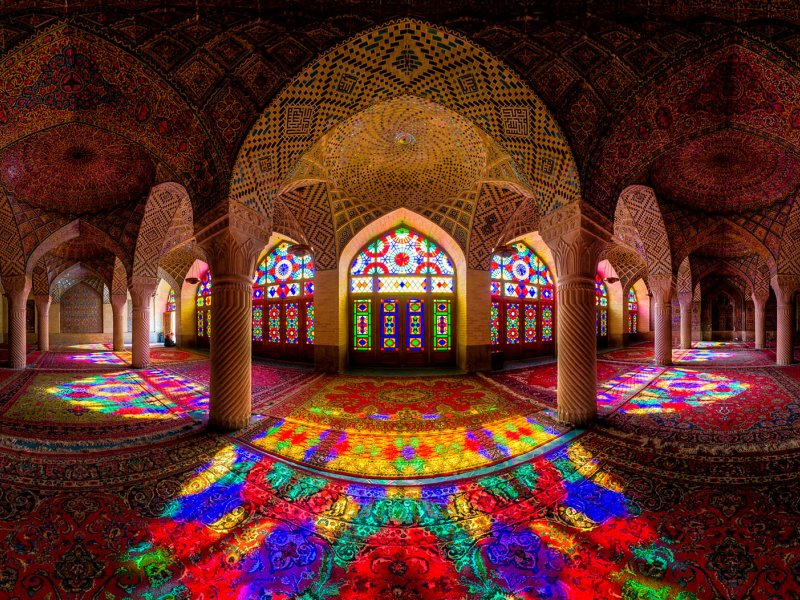
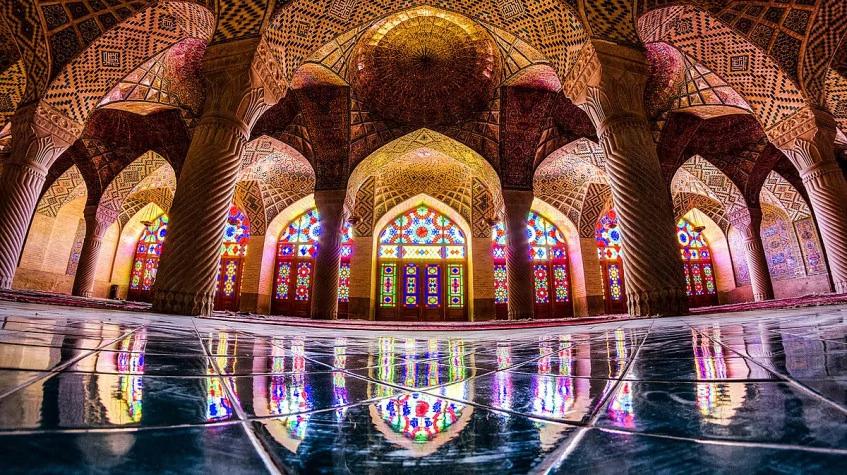
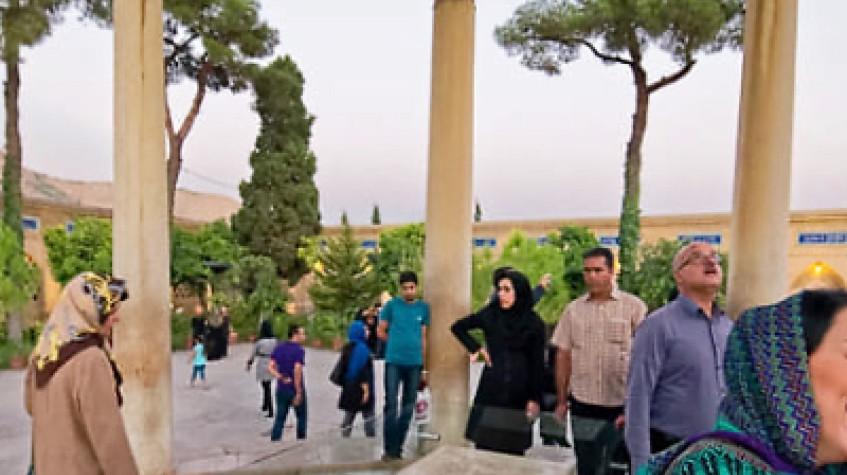
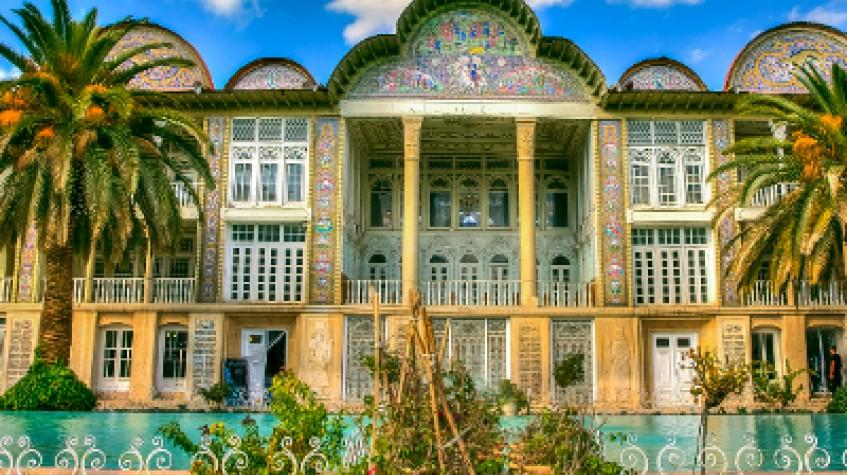
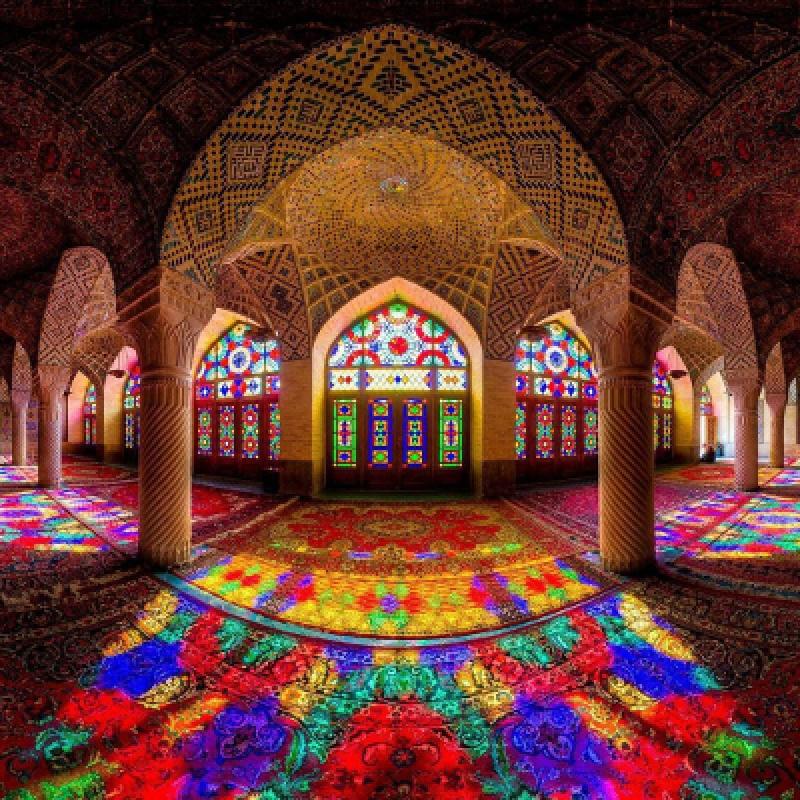
Shiraz itself is closely associated with Persian poetry, home to the tombs of the poets Hafez and Saadi, which remain active gathering points for locals reciting verse. The Nasir al Mulk Mosque, known for the colored light cast through its stained glass windows during the morning hours, and the Eram Garden, one of Iran's classical Persian gardens, round out the city's main sights. Shiraz is also the traditional gateway to the ruins of Pasargadae, the earlier Achaemenid capital and burial site of Cyrus the Great, located roughly ninety minutes north of the city.
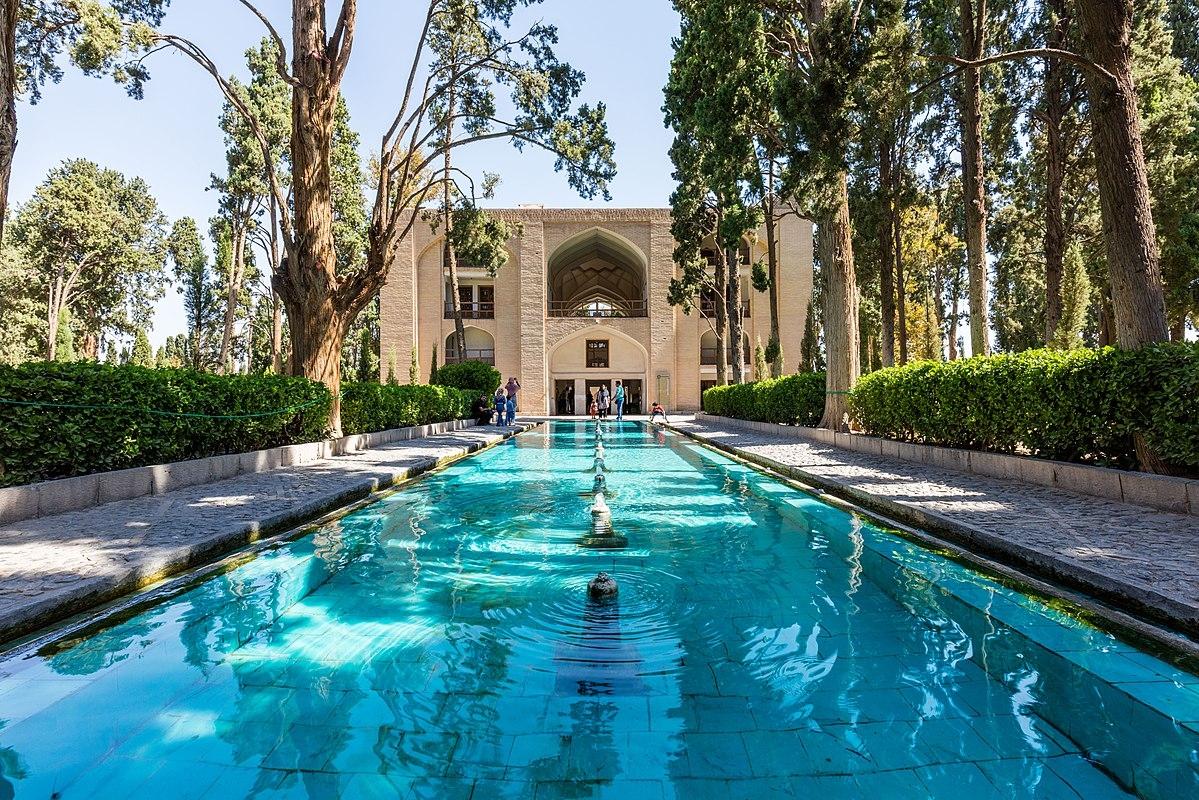
North of Isfahan, Kashan is known for restored merchant houses built around courtyards with wind catchers and reflecting pools, along with the nearby Fin Garden, one of the oldest Persian gardens in the country. Together with Yazd, these desert towns illustrate an architectural adaptation to Iran's arid central plateau distinct from the imperial monuments of Isfahan and Persepolis.
Domestic flights and an extensive long distance bus network connect Tehran, Isfahan, Shiraz and Yazd, with overnight buses a common and comfortable option between the more distant cities. Taxis within cities are inexpensive by international standards, and guided tours generally include private transportation between sites, removing the need for visitors to navigate the system independently. International sanctions have limited the use of foreign bank cards inside Iran, so most travelers carry cash in euros or another major currency to exchange on arrival. Farsi, also known as Persian, is the official language, and while signage in major tourist areas often includes English, a guide remains useful for reading historical inscriptions and navigating outside the largest cities.
Yazd is a desert city built almost entirely from mudbrick, with a historic center of wind catcher towers, known as badgirs, designed to cool buildings before the era of electricity. The city has long been a center of Zoroastrian heritage, home to a Fire Temple said to house a flame burning continuously for over 1,500 years and to the Towers of Silence on its outskirts, once used for traditional Zoroastrian funerary rites.
Persian cuisine centers on rice dishes such as chelow kebab, along with stews known as khoresh that combine meat with fruit, herbs and nuts. Tea culture runs throughout daily life, and travelers are frequently drawn into conversation in bazaars and tea houses, a form of hospitality that visitors to Iran often note as a highlight of the trip.
Spring and autumn offer the most comfortable temperatures for sightseeing in central and southern Iran, avoiding both the intense summer heat of cities like Yazd and the winter cold of the northern mountains. Nowruz, the Persian New Year in late March, is a significant travel period for Iranians themselves and can mean higher demand for transport and accommodation.
Most nationalities require a visa to enter Iran, generally arranged in advance or, for many countries, available as a visa on arrival at major airports. Travelers holding a passport with an Israeli stamp or citizens of a small number of countries face additional restrictions, so requirements are generally confirmed well before booking a trip.