
Free Cancellation
-high.jpg&w=1920&q=75 "9 Days Iran Culture Tour")
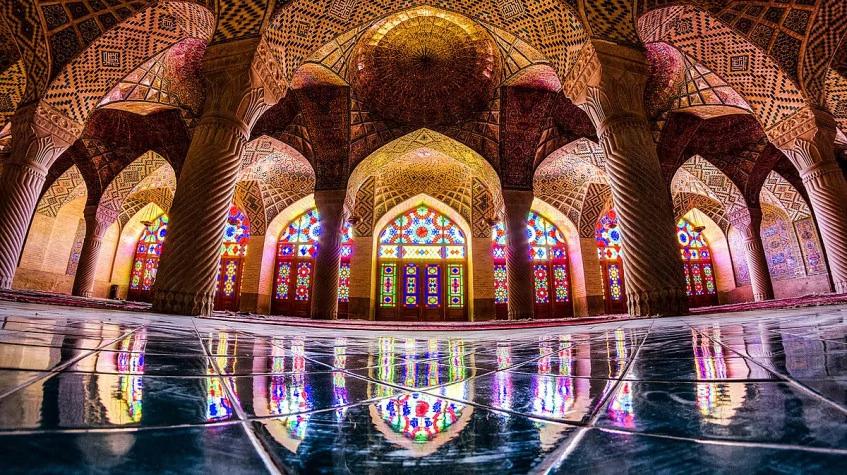
-Mosque%2C-Isfahan-7-high.jpg&w=1920&q=75 "14 Days Persia Classic Tour")
-high.jpg&w=1920&q=75 "Luxury Trip to Iran 8 Days")
-high.jpg&w=1920&q=75 "Compact Iran for Business Travelers 5 Day Tour")
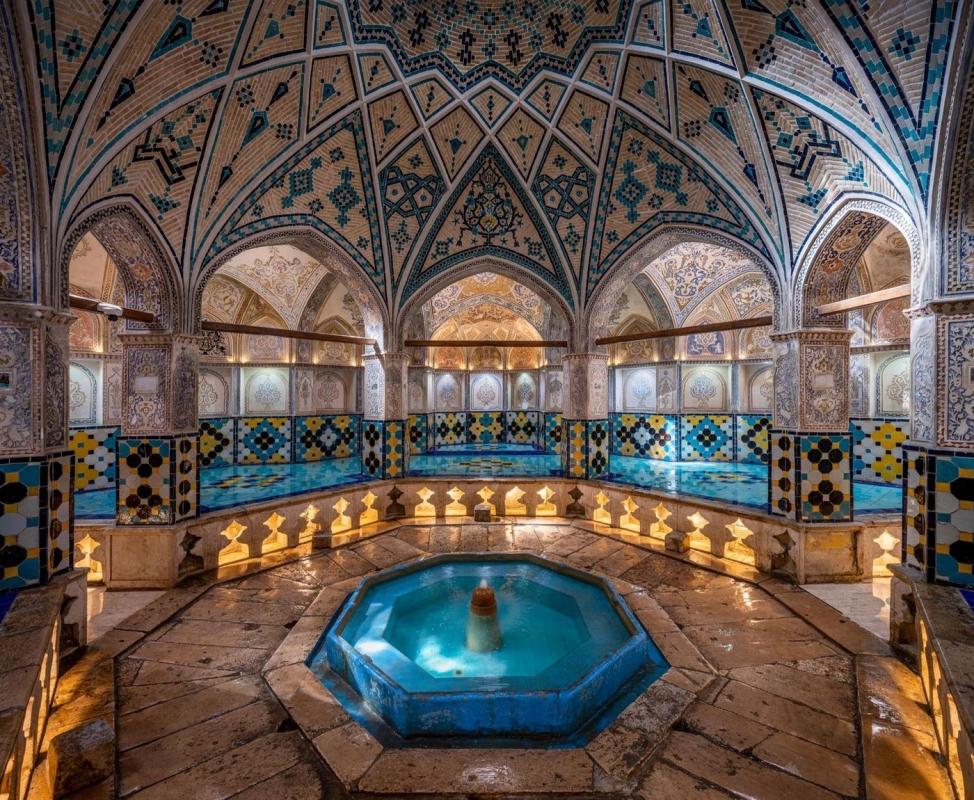
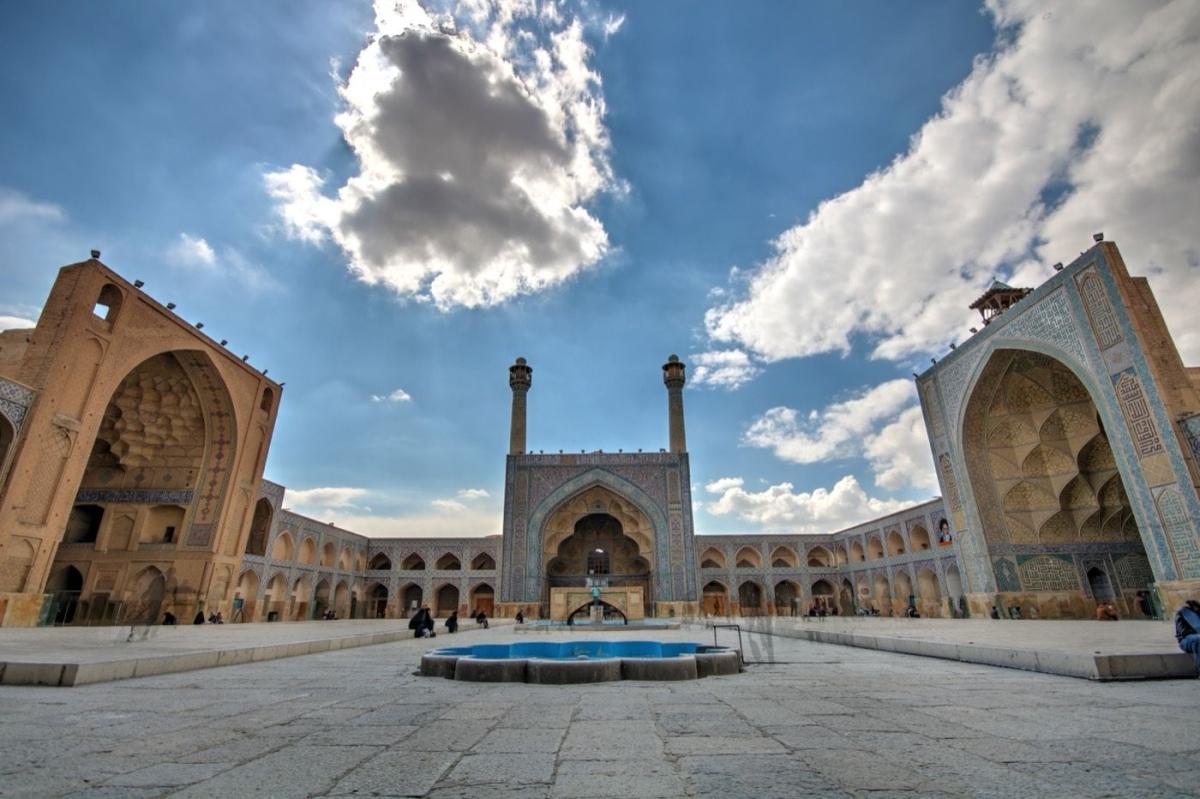
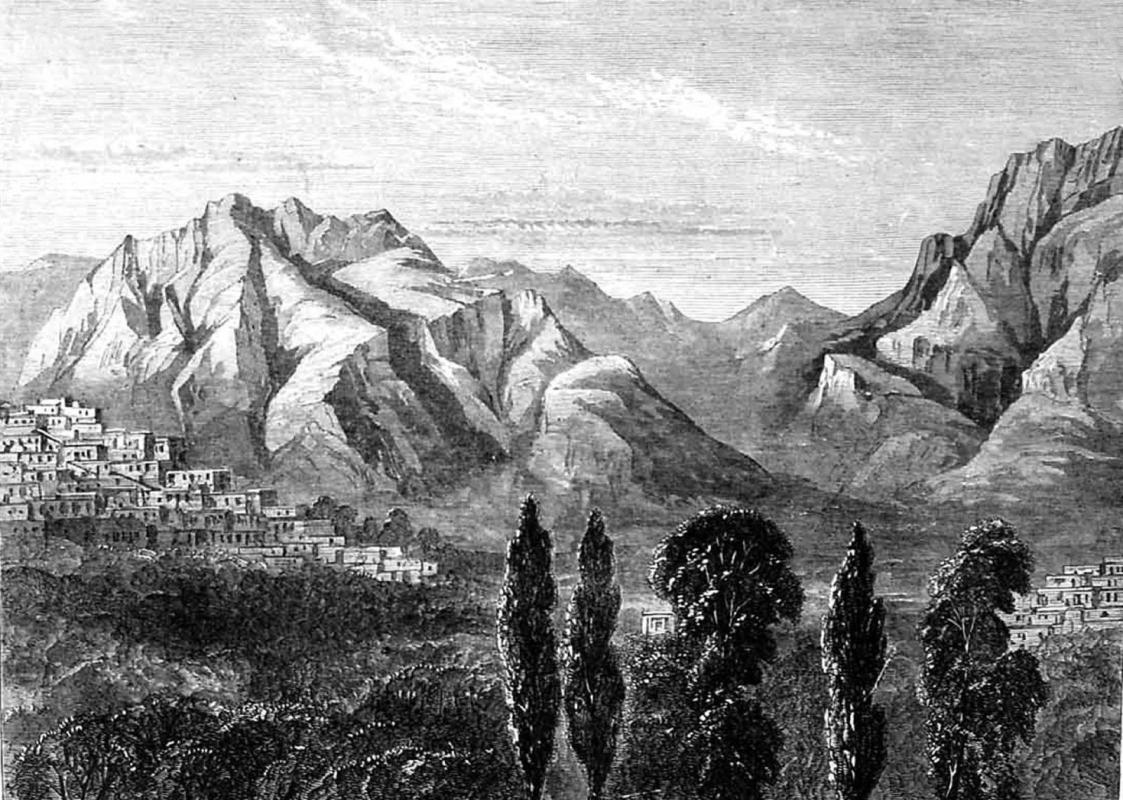
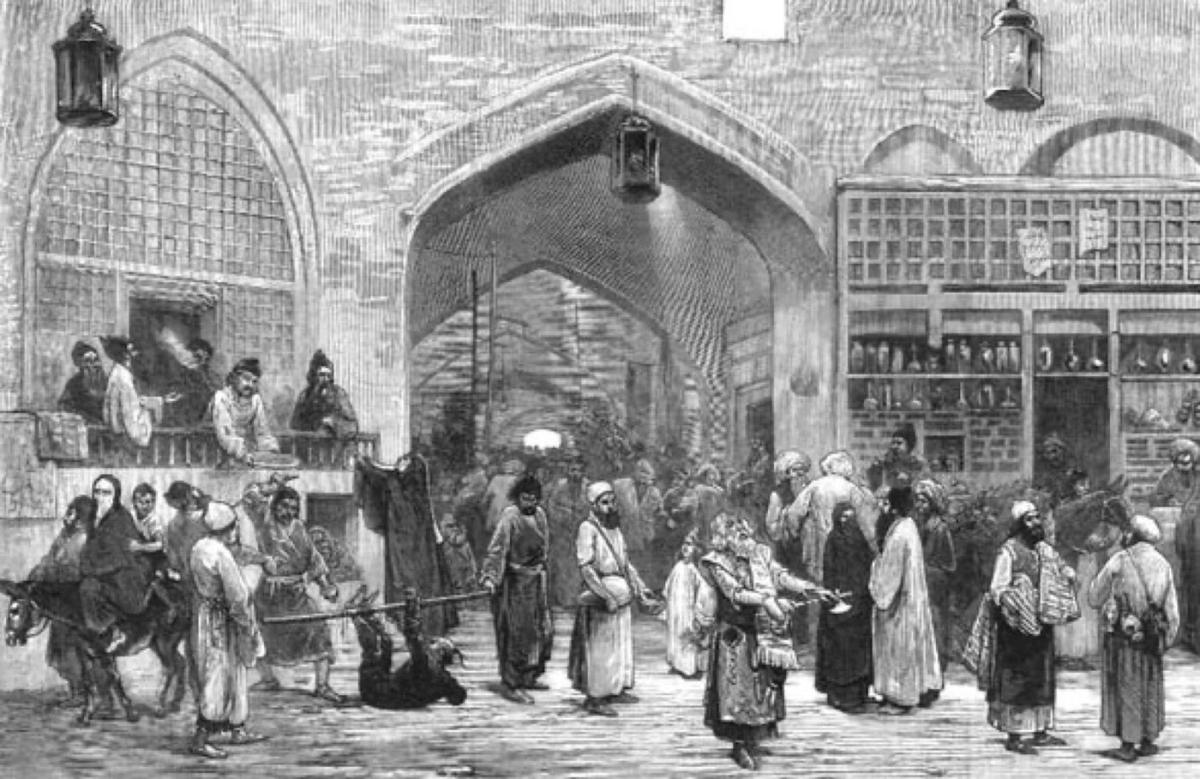
Isfahan sits on the Zayanderud river in central Iran, roughly 440 kilometers south of Tehran, and became the capital of the Safavid Empire in 1598 under Shah Abbas I. Persians have long summed up the city's scale and beauty in a single phrase, "Isfahan nesf-e jahan," meaning Isfahan is half the world, and the description still holds for anyone walking its squares and covered bazaars today.
Most travelers reach Isfahan on a multi-city route that also covers Tehran, Kashan, Yazd and Shiraz, often as one stop on a longer Iran Tours itinerary. The city rewards two or three full days, enough time to see its Safavid-era monuments without rushing between them.
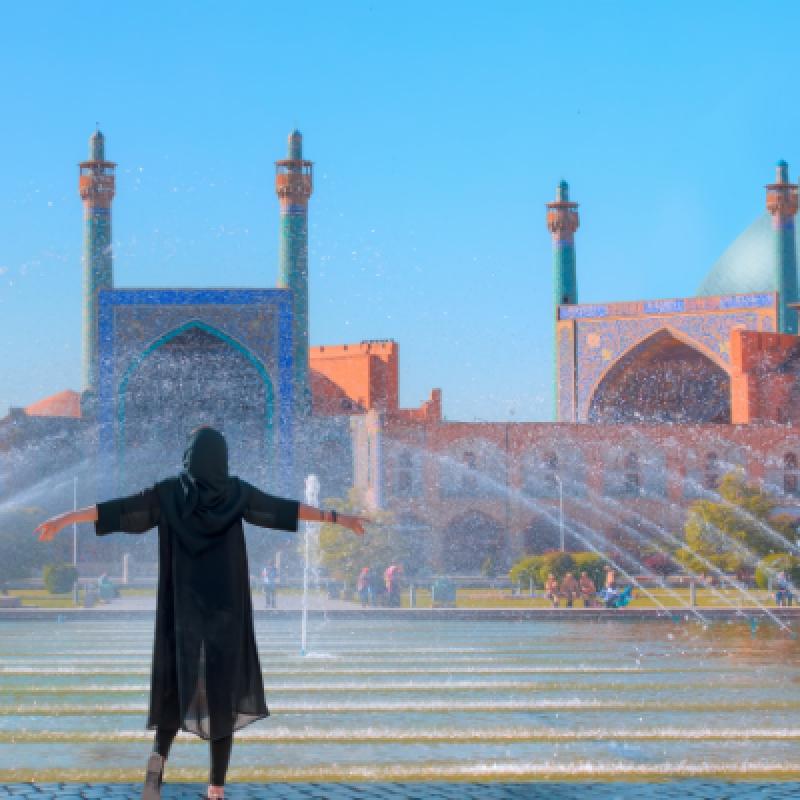
Naqsh-e Jahan Square, also called Imam Square, is a UNESCO World Heritage Site and one of the largest public squares in the world, measuring roughly 160 by 560 meters. Shah Abbas I laid it out at the start of the 17th century as the ceremonial center of his new capital, and four major monuments still frame its perimeter.
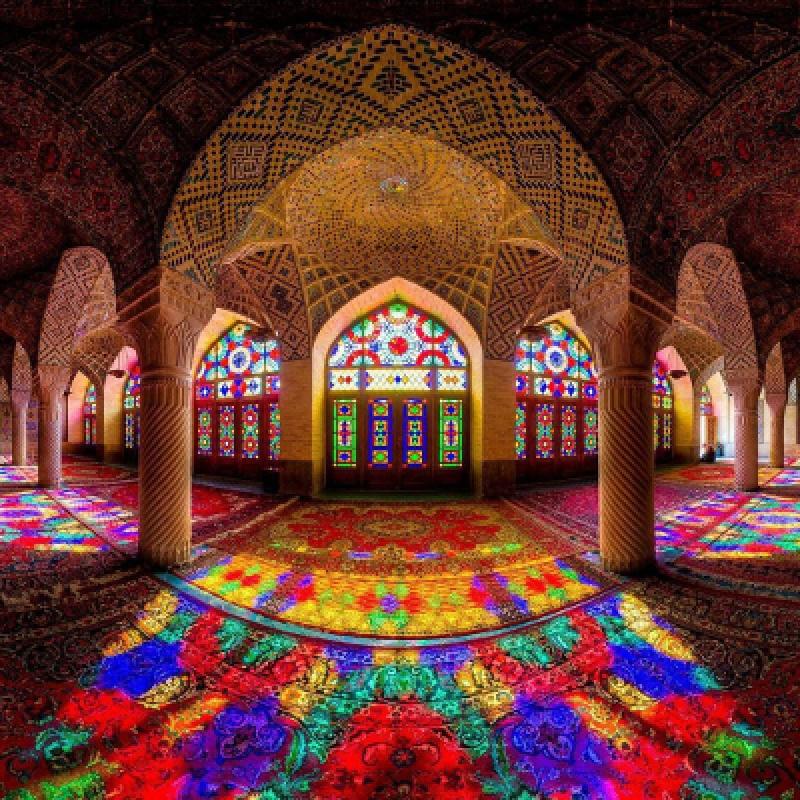
The Shah Mosque, also known as Imam Mosque, closes the southern end of the square with a blue-tiled entrance portal and a dome that reaches about 53 meters. Its interior tilework, completed between 1611 and 1629, remains one of the finest examples of Safavid religious architecture anywhere in Iran.
Sheikh Lotfollah Mosque stands on the eastern side of the square and was built as a private mosque for the royal household rather than for public Friday prayer. Its cream-colored dome shifts tone through the day, and the building has no minaret, which sets it apart from the mosque facing it across the square.
Ali Qapu Palace occupies the western edge of the square and once served as the entrance to the royal grounds behind it. A six-story wooden terrace on the upper floor gives views over the whole square, while a music room near the top has stucco walls carved into instrument shapes to shape the room's acoustics.
Isfahan's Grand Bazaar, known locally as Bazar-e Bozorg, connects Naqsh-e Jahan Square to the older Jameh Mosque, a structure with sections dating back to the 11th century Seljuk period. Along its vaulted corridors, workshops still produce hand-painted miniatures, enamelware known as minakari, and block-printed cotton textiles called qalamkar. The city has also been a center for Persian carpet weaving for generations, and several bazaar shops sell pieces made in the surrounding province.
The Zayanderud is crossed by several historic bridges built for both traffic and public gathering. Si-o-se-pol, the Bridge of 33 Arches, dates to 1602 and stretches nearly 300 meters, while Khaju Bridge, finished around 1650, doubles as a dam and a pavilion where locals still gather in the evening. South of the river, the Jolfa district was settled by Armenian merchants relocated here by Shah Abbas I in the early 1600s, and its Vank Cathedral pairs an Armenian exterior with interior frescoes painted in a Persian-influenced style.
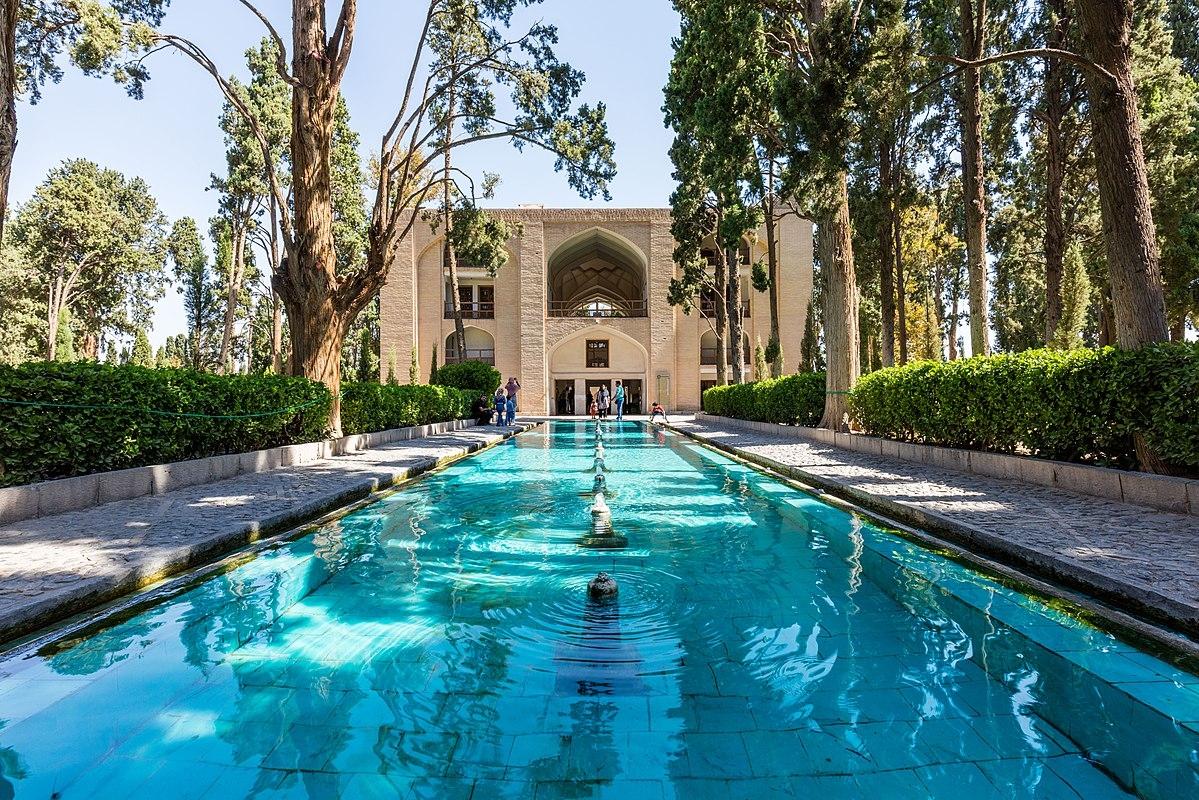
Chehel Sotoun, meaning forty columns, is a pavilion set in a formal garden not far from the main square, built by Shah Abbas II in the mid-17th century as a reception hall for royal guests. Its name refers to the twenty slender wooden columns of its porch, which double in a reflecting pool in front of the building to make forty. Frescoes inside depict Safavid court life and battle scenes, offering a more intimate counterpart to the grand public architecture nearby.
Isfahan International Airport connects to Tehran and several other Iranian cities by short domestic flights, typically under an hour from the capital. Overland, the drive from Tehran covers about 440 kilometers on modern highways and takes roughly five hours, while a rail connection also links the two cities. Most visitors arrive as part of a longer loop rather than flying in and out of Isfahan alone, pairing it with Kashan on the way south and Yazd or Shiraz on the way onward.
Isfahan has its own regional dishes worth seeking out beyond the standard kebabs found across Iran. Beryani, a local specialty of minced and cooked lamb served with flatbread, is typically eaten for lunch near the bazaar, while gaz, a nougat made with pistachios or almonds and flavored with the sap of the local angebin plant, has been produced in the city for generations and makes a popular souvenir. Tea houses set into old bathhouses and caravanserais around the square offer a quieter way to pause between sightseeing, often serving faloodeh, a frozen dessert of thin noodles in a rosewater syrup.
Spring, from March to May, and autumn, from September to November, bring mild temperatures and clear skies, making them the most comfortable seasons for walking between monuments. Summer in Isfahan is hot and dry, often passing 35 degrees Celsius, while winter nights can drop close to freezing even though daytime temperatures stay mild.
Isfahan appears on most multi-city routes across Iran, typically paired with Tehran, Kashan, Yazd and Shiraz on itineraries built around the country's Safavid and pre-Islamic sites. Travelers looking for a compact, budget-conscious route through these cities can consider Explore Iran on a Budget 6 Days, which links Isfahan with other major stops on a single trip.