Free Cancellation
-high.jpg&w=1920&q=75 "Christian Pilgrimage Tour to Jordan 7 Days 6 Nights")

-high.jpg&w=1920&q=75 "Jordan Tour 6 Days 5 Nights Explore Petra Wadi Rum and Float in the Dead Sea")
-high.jpg&w=1920&q=75 "7 Days / 6 Nights History Culture Natural Beauty – All in One Journey to Jordan")
-high.jpg&w=1920&q=75 "2 Day Petra Tours from Amman")
-high.jpg&w=1920&q=75 "3 Days Short Trip to Petra and Wadi Rum")
-high.jpg&w=1920&q=75 "Jordan Private Tour – 5 Days 4 Nights")
-high.jpg&w=1920&q=75 "5 Day Jordan New Year 2027 Tour: Petra, Dead Sea & Wadi Rum Desert Celebration")
-high.jpg&w=1920&q=75 "Epic Jordan: 6 Days of Culture, Desert, and History")
Jordan Tours cover a country whose history stretches from Nabatean rock-cut architecture to Roman provincial cities and Ottoman-era hill towns, concentrated within a relatively small area of the Middle East. Petra, the country's best-known site, anchors most itineraries, though Jordan's landscape also includes the lowest point on earth at the Dead Sea and the red desert scenery of Wadi Rum.
Jordan sits within the region covered under Asia Tours, and most visitors combine Petra with Wadi Rum, the Dead Sea and a stay in Amman across a single trip.
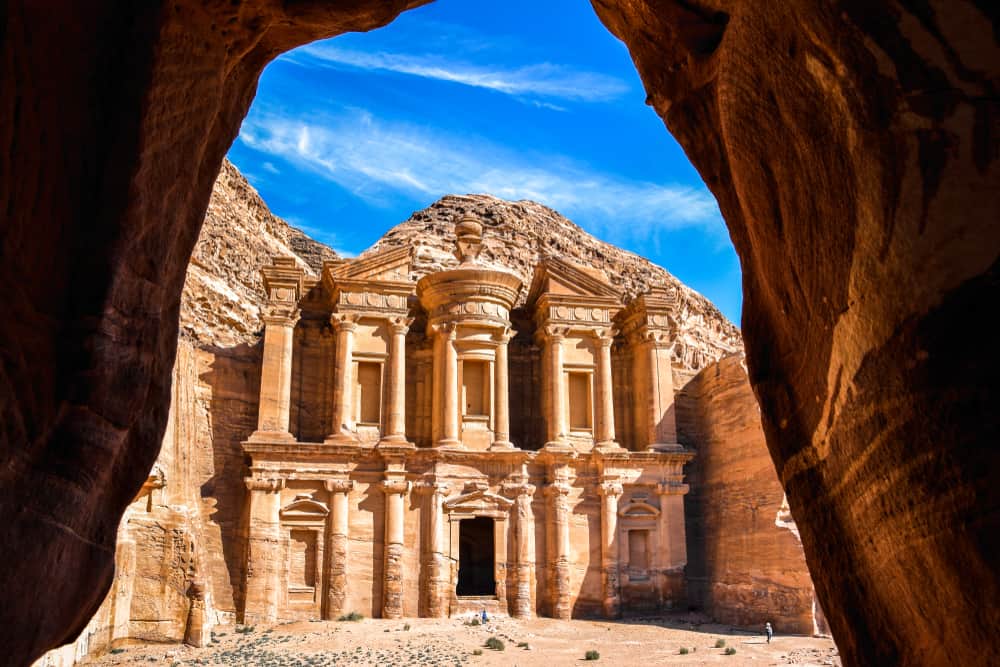
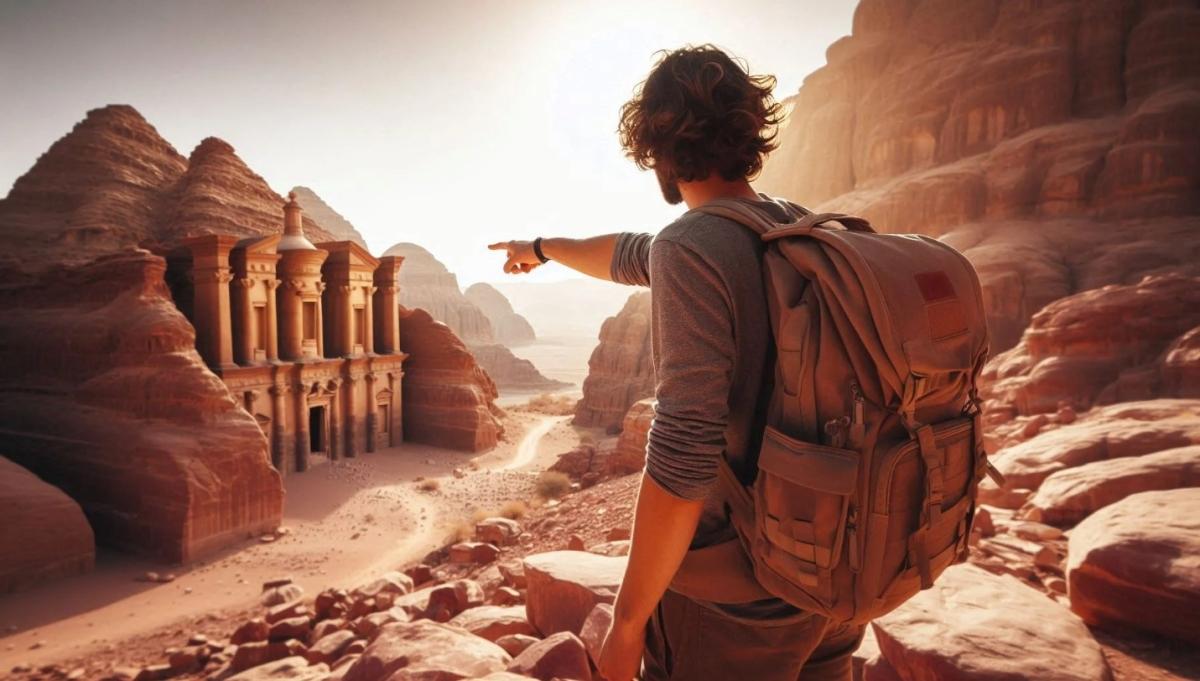
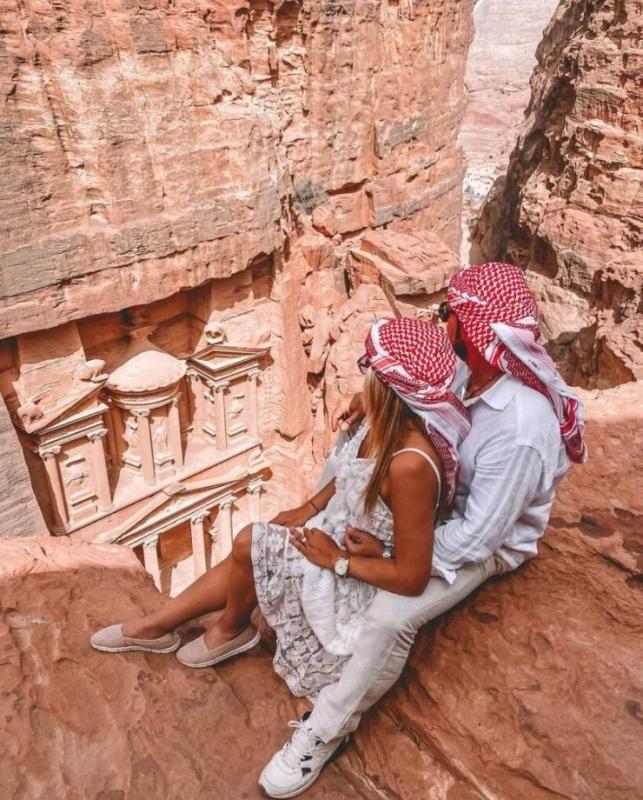
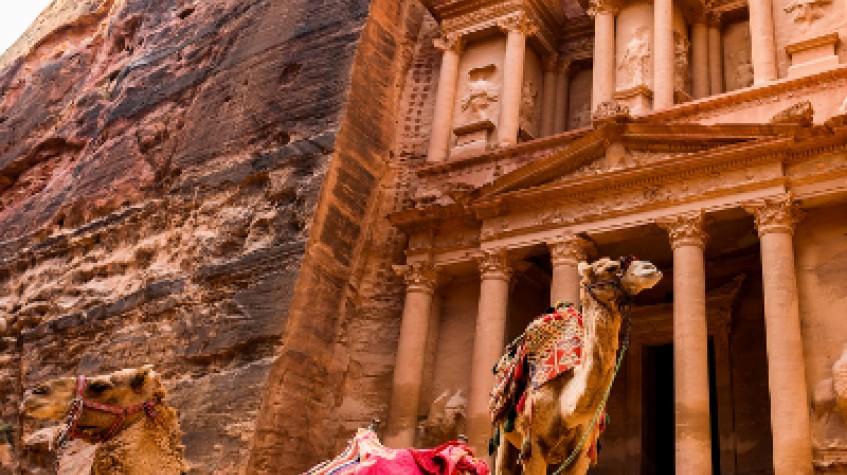
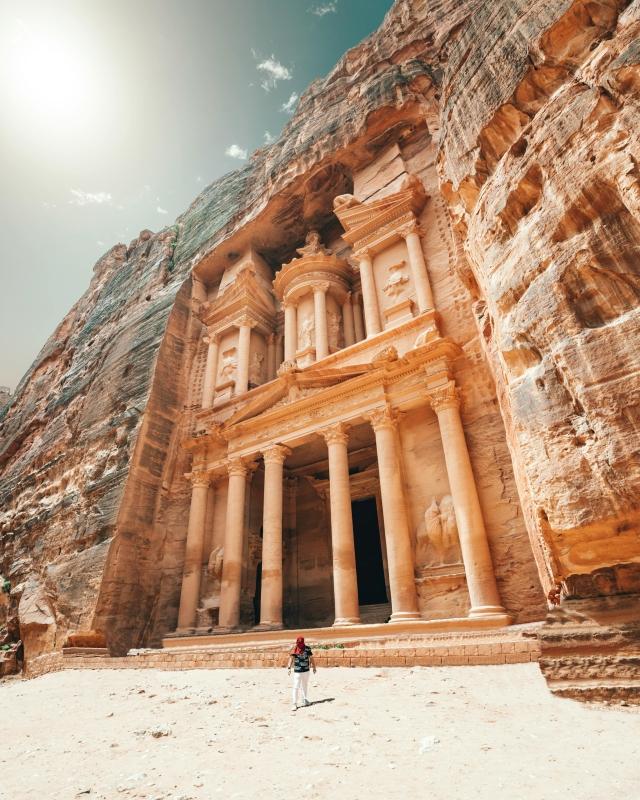
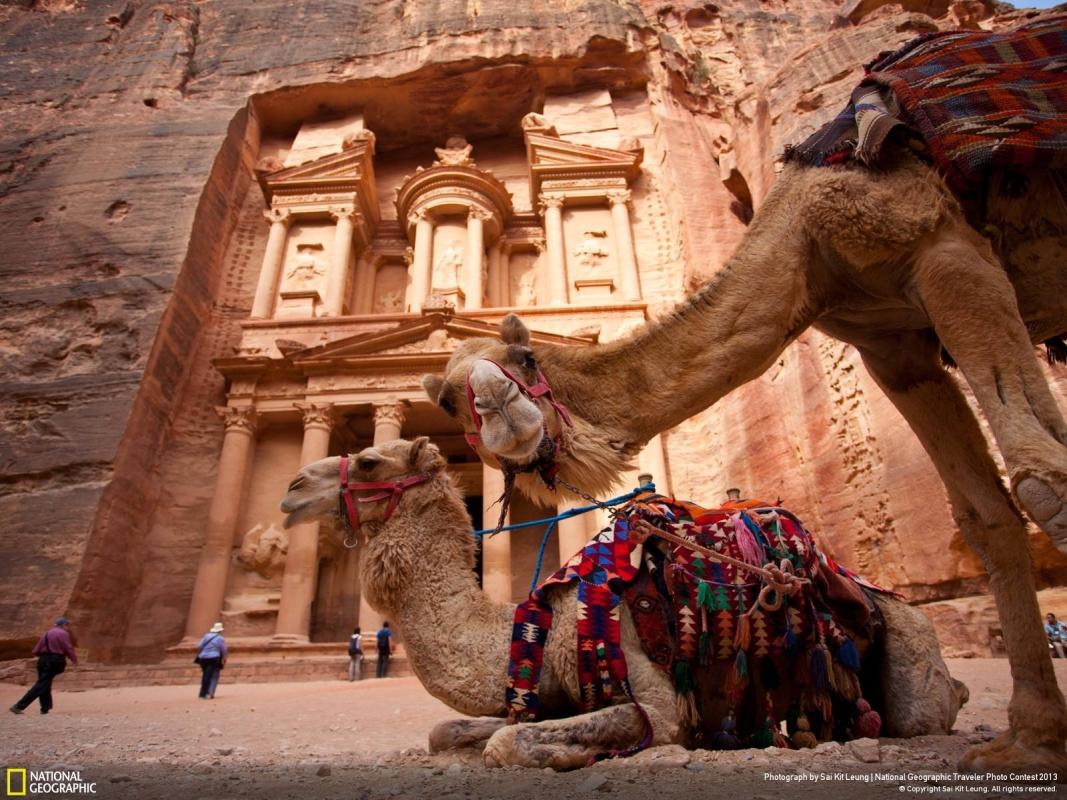
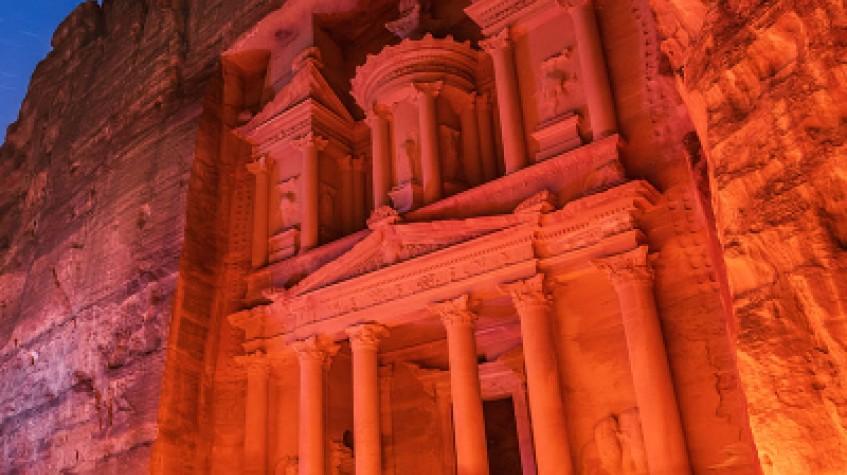
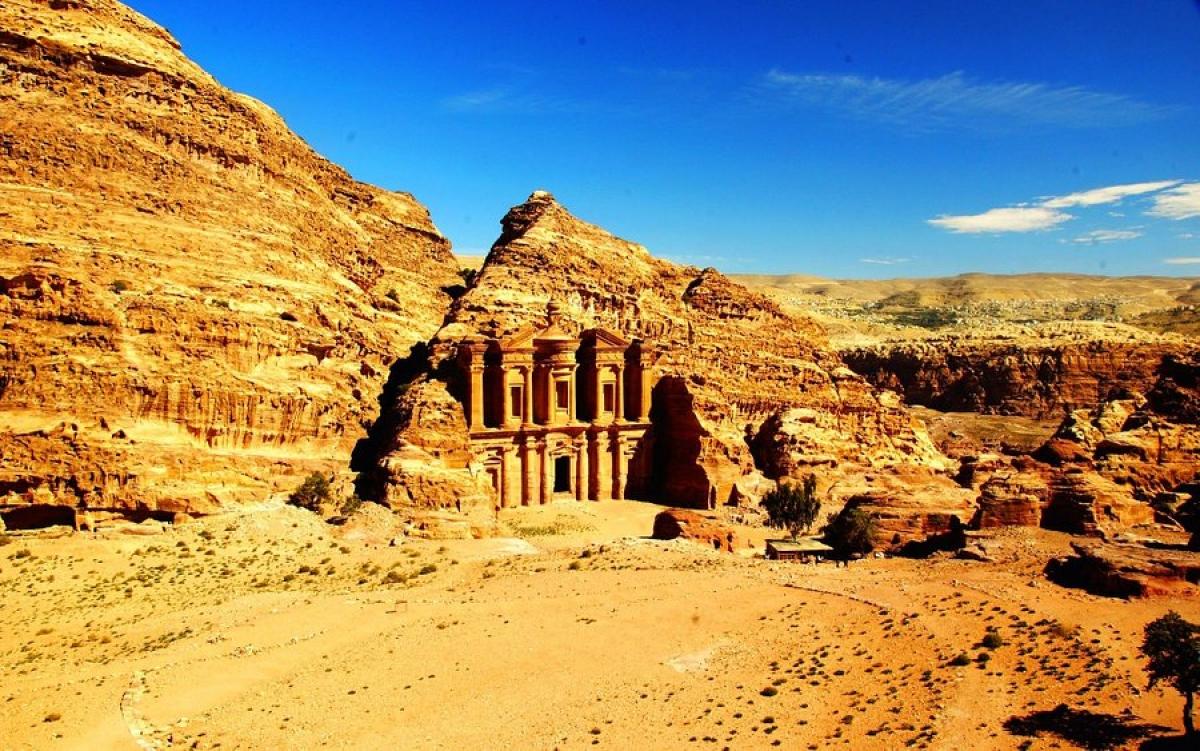
Petra, a UNESCO World Heritage Site and one of the New Seven Wonders of the World, was carved by the Nabateans starting around the third century BC as the capital of their trading kingdom, which controlled caravan routes carrying incense and spices across the ancient Middle East. Visitors enter through the Siq, a narrow sandstone canyon roughly 1.2 kilometers long that opens onto the Treasury, Petra's most photographed facade, with the site extending further to include the Monastery, tombs and a Roman-era theater carved into the rock. A full day allows most visitors to see the main monuments along the Siq and valley floor, while a second day allows time for the longer hike up to the Monastery.
Wadi Rum, a protected desert valley of red sandstone and granite rock formations, was used as a filming location for numerous science fiction and adventure productions because of its otherworldly landscape. Jeep tours and overnight stays in Bedouin-style desert camps are the standard way to explore the valley, with some visitors adding a sunrise or sunset hike among the dunes and rock arches, including the natural stone bridge at Burdah.
The Dead Sea, at over 400 meters below sea level, is the lowest point on the earth's surface and one of the saltiest bodies of water in the world, dense enough that swimmers float without effort. Resorts along the eastern shore offer access to the mineral-rich water and mud, long promoted for its skin benefits, and the sea sits within a short drive of Amman, making it a common day trip or overnight addition to a Jordan itinerary.
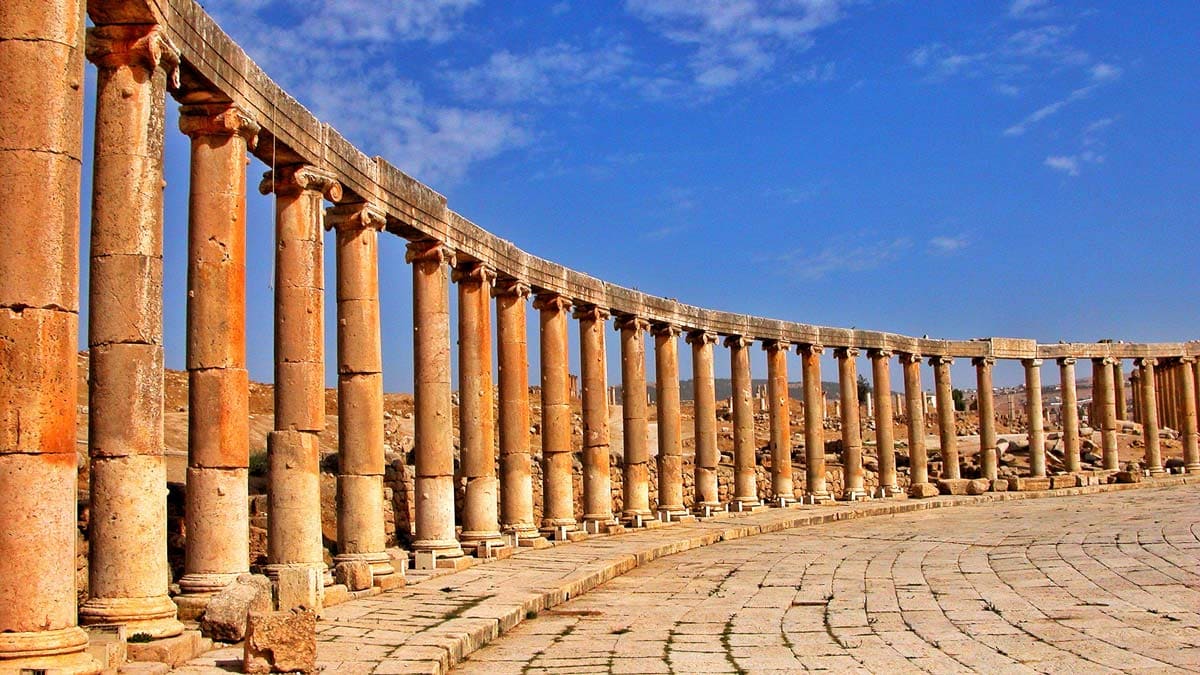
Amman, Jordan's capital, spreads across a series of hills and combines a Roman-era amphitheater and citadel in the downtown area with a growing contemporary art and dining scene in newer districts. Jerash, roughly an hour north of Amman, preserves one of the best-preserved Roman provincial cities in the Middle East, with colonnaded streets, temples and a hippodrome still largely intact after centuries buried beneath desert sand.
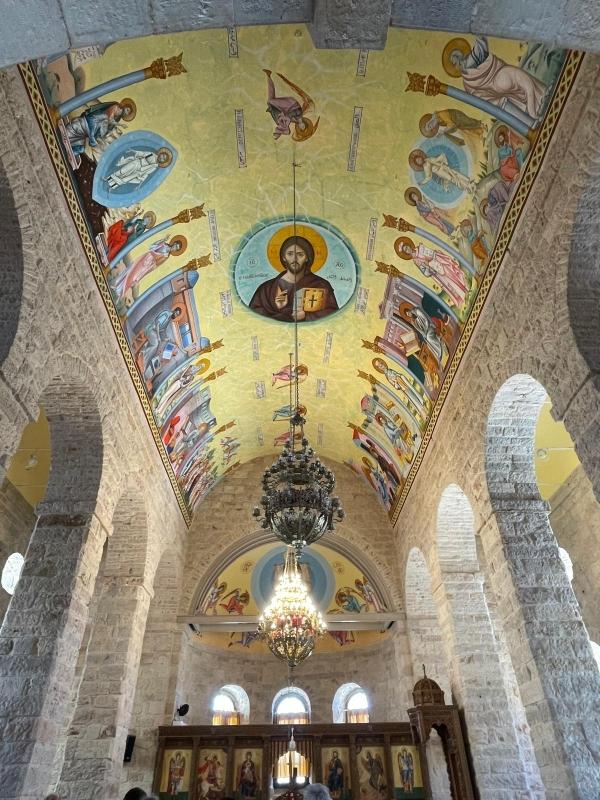
Madaba, known as the City of Mosaics, holds a sixth-century floor mosaic map of the Holy Land inside the Greek Orthodox Church of Saint George, one of the oldest surviving maps of the region. Nearby Mount Nebo, traditionally regarded as the site from which Moses viewed the Promised Land, offers views across the Jordan Valley toward Jerusalem and the Dead Sea on clear days, and is often paired with Madaba as a single half-day excursion from Amman.
Aqaba, Jordan's only coastal city, sits on the Red Sea and offers diving and snorkeling among coral reefs considerably less crowded than those across the water in Egypt. The city also functions as a practical endpoint for itineraries that move south from Petra and Wadi Rum before returning to Amman by air or road.
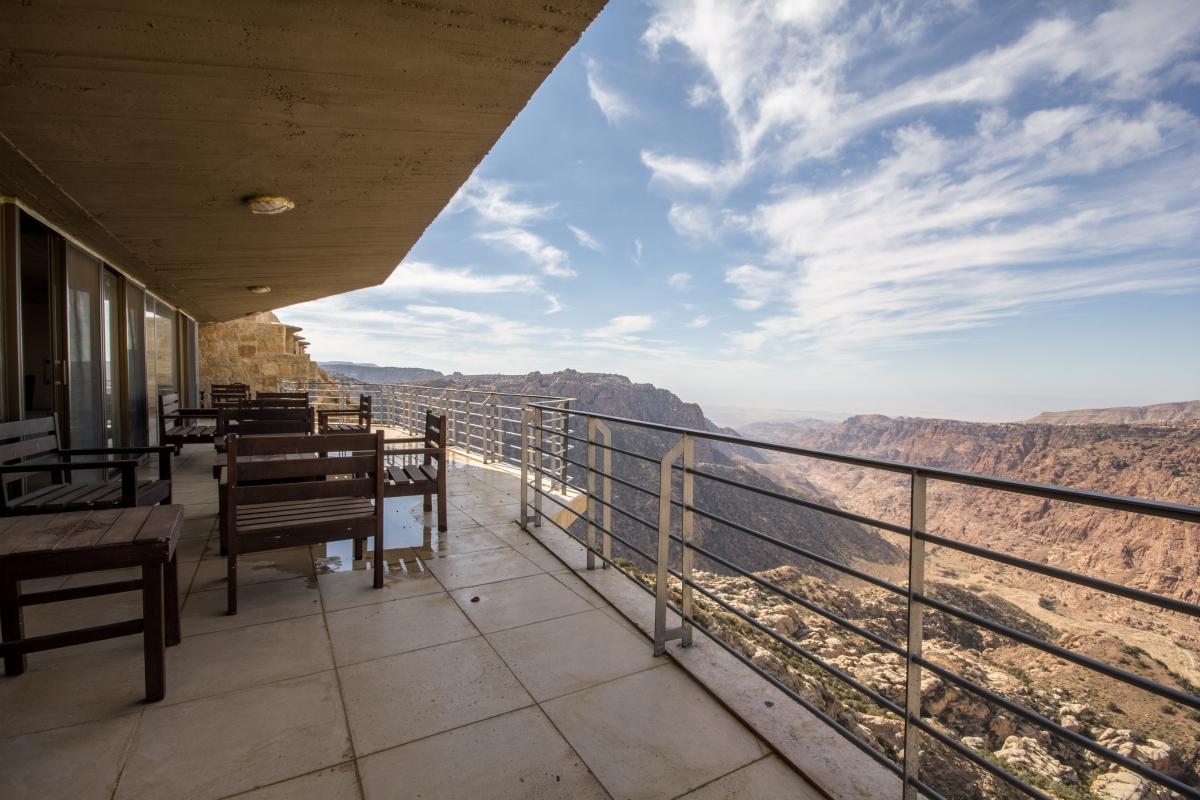
Dana Biosphere Reserve, Jordan's largest nature reserve, spans a series of valleys dropping from highland plateau down toward the desert lowlands near the Dead Sea rift, protecting a range of habitats within a single protected area. Hiking trails through the reserve, including a route connecting toward Petra over several days, appeal to travelers seeking a slower, less touristed side of Jordan's landscape, and a small eco-lodge within the reserve gives hikers a place to overnight partway along the trail.
Itineraries such as the 7 Days Jordan Adventure Tours link Amman, Petra, Wadi Rum and the Dead Sea into a single route, often adding Jerash or Aqaba depending on the length of the trip.
Mansaf, a dish of lamb cooked in a fermented dried yogurt sauce and served over rice, is widely regarded as Jordan's national dish and appears at most celebratory meals, while mezze spreads of hummus, falafel and stuffed vegetables are standard starters throughout the country. Freshly baked flatbread and knafeh, a warm cheese pastry soaked in sweet syrup, round out most traditional Jordanian meals, with Amman's older neighborhoods offering some of the country's longest-running knafeh shops. Jordanian hospitality places strong emphasis on hosting guests, and travelers staying with a Bedouin family or in a desert camp often find a meal offered as a matter of course rather than a paid add-on. Fresh olive oil, pressed from groves that cover much of the country's highlands, is a point of local pride, and small roadside presses open to visitors during the autumn harvest season.
Queen Alia International Airport, near Amman, serves as the main gateway, with road transfers connecting the capital to Petra, Wadi Rum and the Dead Sea, all within a half-day's drive of one another given the country's compact size.
Spring and autumn provide the most comfortable temperatures for sightseeing at Petra and Wadi Rum, avoiding the more intense heat that settles over the desert through summer.