Free Cancellation
-high.jpg&w=1920&q=75 "Thimphu Bhutan Festival 7 Day Tour")
-high.jpg&w=1920&q=75 "Holiday Experience to Bhutan 6 Day Tour")
-high.jpg&w=1920&q=75 "Wonderful Bhutan Tour 5 Days Tours")
Bhutan Tours cover a Himalayan kingdom that opened to international tourism only in 1974 and has since kept a deliberately measured approach to visitor numbers. Wedged between India and China's Tibet Autonomous Region, the country rises from subtropical plains in the south to peaks above 7,000 meters along its northern border, with most travelers concentrating their time in the fertile valleys of the west and center where the majority of towns, monasteries and fortresses are found.
Bhutan Tours are almost always arranged through a licensed local operator, a requirement of the country's tourism policy, and typically combine several valleys connected by mountain roads. As part of a broader Asia trip or as a dedicated Himalayan journey, itineraries commonly run five to ten days and are guided throughout, since Bhutan does not permit independent sightseeing at most religious sites.
Bhutan funds much of its tourism infrastructure through a Sustainable Development Fee charged to each visitor per night, a policy the government describes as supporting the country's long standing commitment to Gross National Happiness over pure economic growth. The same philosophy shapes the country's approach to conservation, with more than half of Bhutan's land area protected as national park or biological corridor and constitutional requirements that at least 60 percent of the country remain forested.
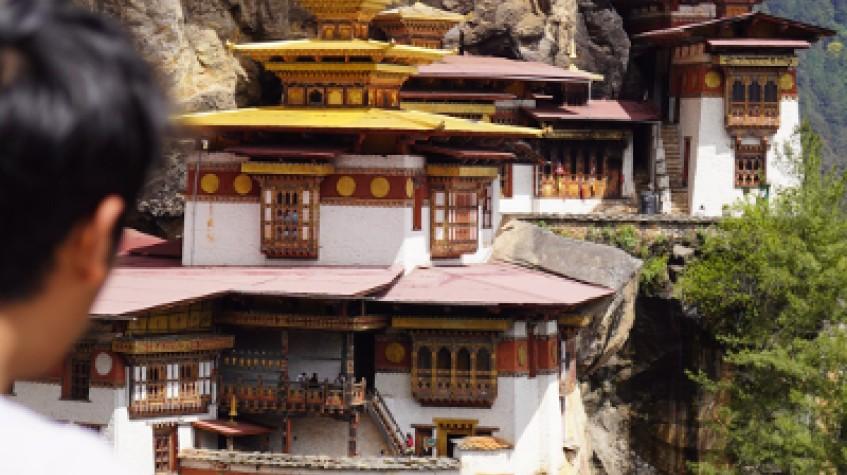
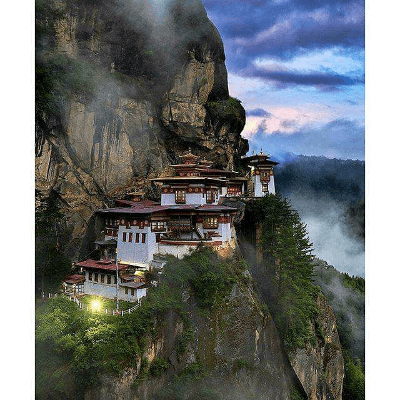
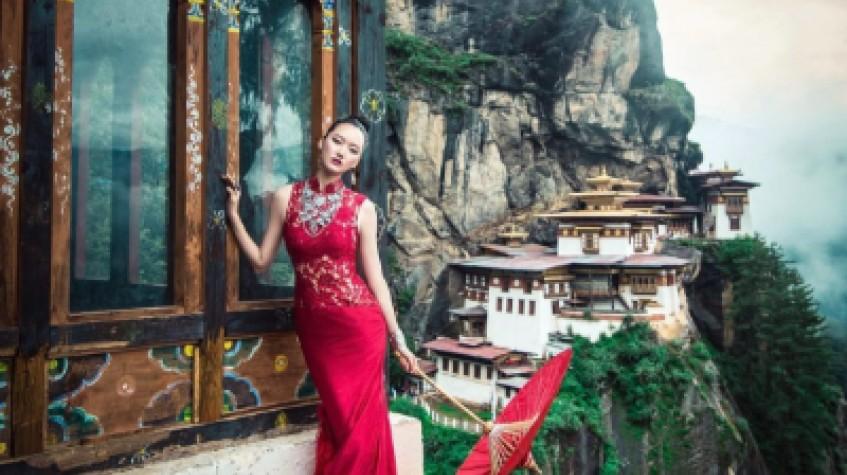
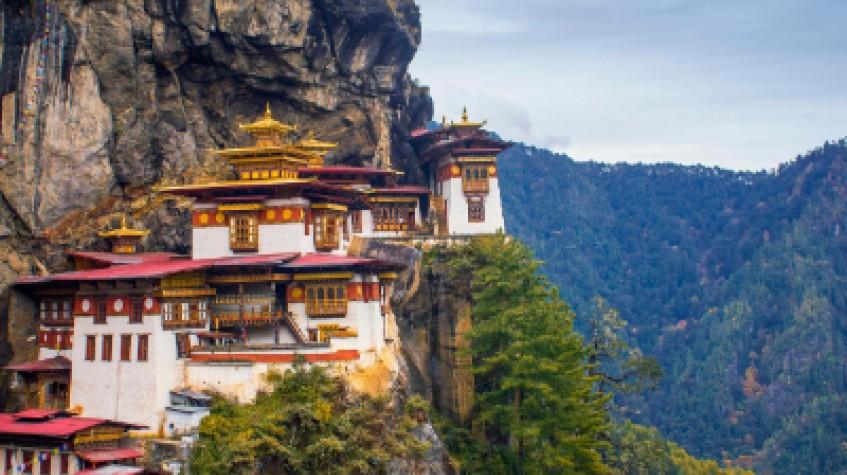
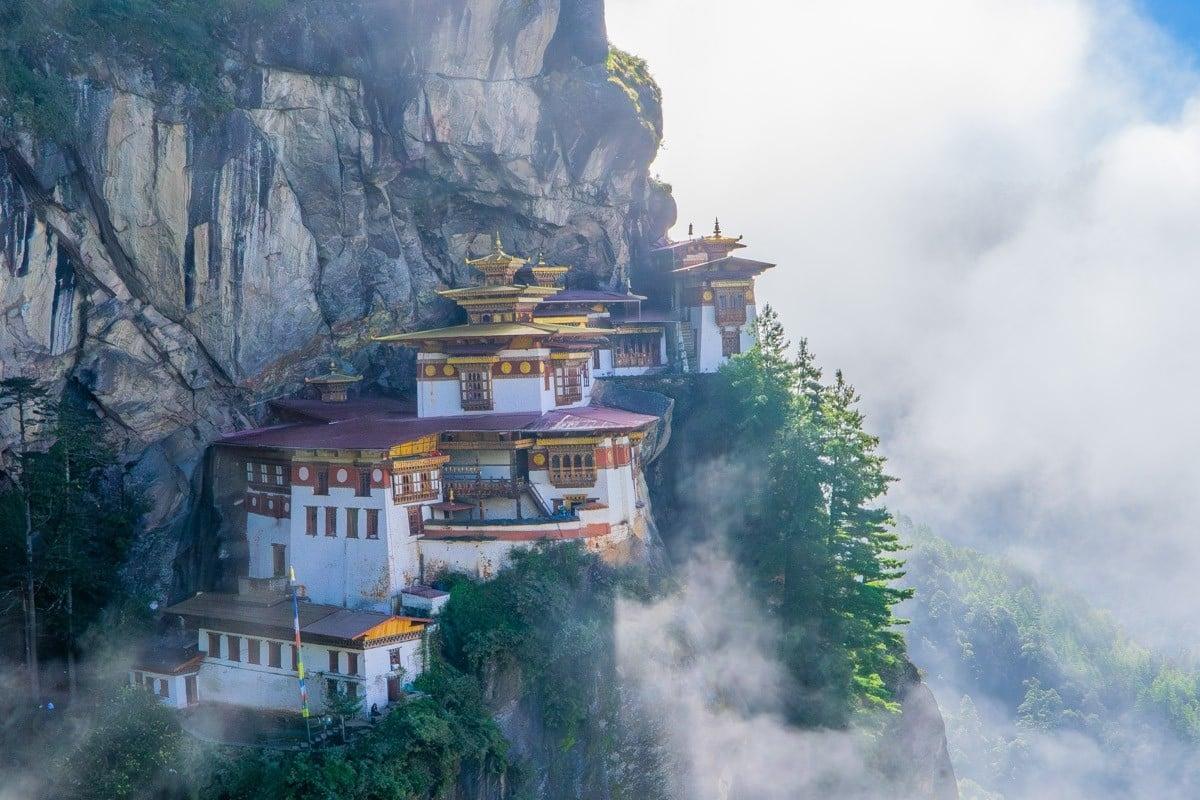
Paro is home to Bhutan's only international airport, one of the more technically demanding approaches in commercial aviation given the surrounding mountains. The valley's principal landmark is Taktsang Monastery, known widely as the Tiger's Nest, built into a cliff face roughly 900 meters above the valley floor. Reaching it requires a hike of two to three hours each way along a forested trail, with the final stretch descending into a gorge and back up to the monastery entrance. Paro Dzong, a fortress monastery overlooking the valley, and the National Museum housed in a former watchtower round out the town's main sights.
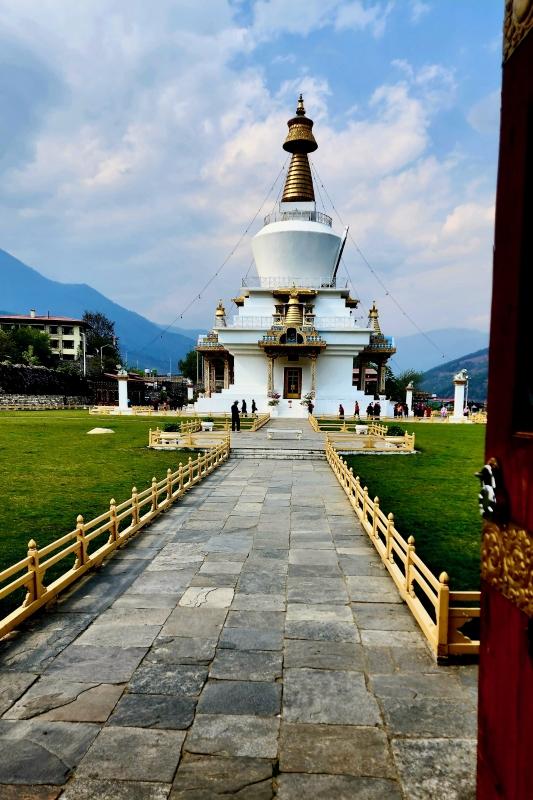
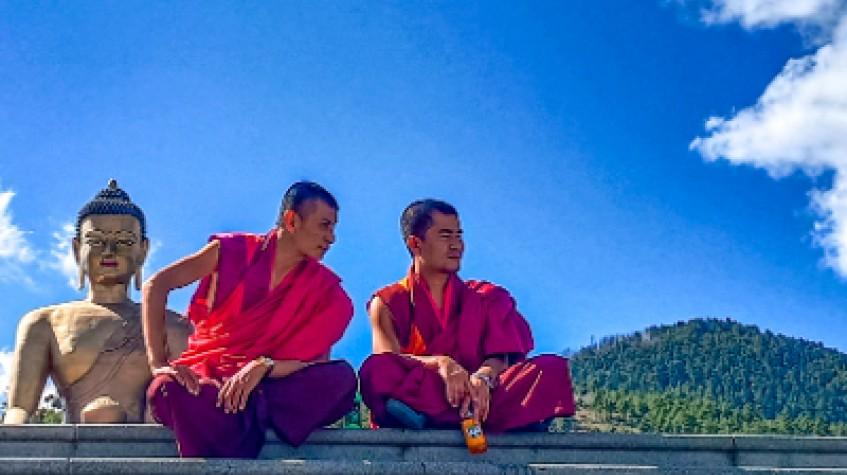
Thimphu is one of the few national capitals in the world without traffic lights, its main intersection still directed by a uniformed officer using hand signals. The city combines government buildings built in traditional Bhutanese style with the Memorial Chorten, a stupa built in honor of the third king, and the Buddha Dordenma, a large gilded statue overlooking the valley from a hillside. Trashi Chhoe Dzong, seat of the national government and the central monk body, is generally open to visitors in the late afternoon once official business has concluded. The weekend market along the Wang Chhu river brings farmers from surrounding valleys into the capital to sell produce, cheese and incense, offering a more everyday view of the city alongside its monuments.
Crossing the Dochula Pass at over 3,000 meters connects the Thimphu valley to Punakha, which served as Bhutan's capital until the mid twentieth century. Punakha Dzong sits at the confluence of the Pho Chhu and Mo Chhu rivers and is widely considered the most photogenic of Bhutan's fortress monasteries, particularly in spring when the jacaranda trees around it bloom. The suspension bridge near the dzong and the nearby Chimi Lhakhang, a fertility temple associated with the Divine Madman Drukpa Kunley, are common additions to a Punakha stop.
Travelers continuing east reach Bumthang, a cluster of valleys regarded as the spiritual heartland of Bhutan and home to some of its oldest temples, including Jambay Lhakhang, said to date to the seventh century. The region's cooler climate also supports Bhutan's small wine and cheese production, a contrast to the rice growing valleys further west. A trip built around the 7 Days Bhutan Holidays Tour itinerary typically covers this fuller west to center route rather than Paro and Thimphu alone.
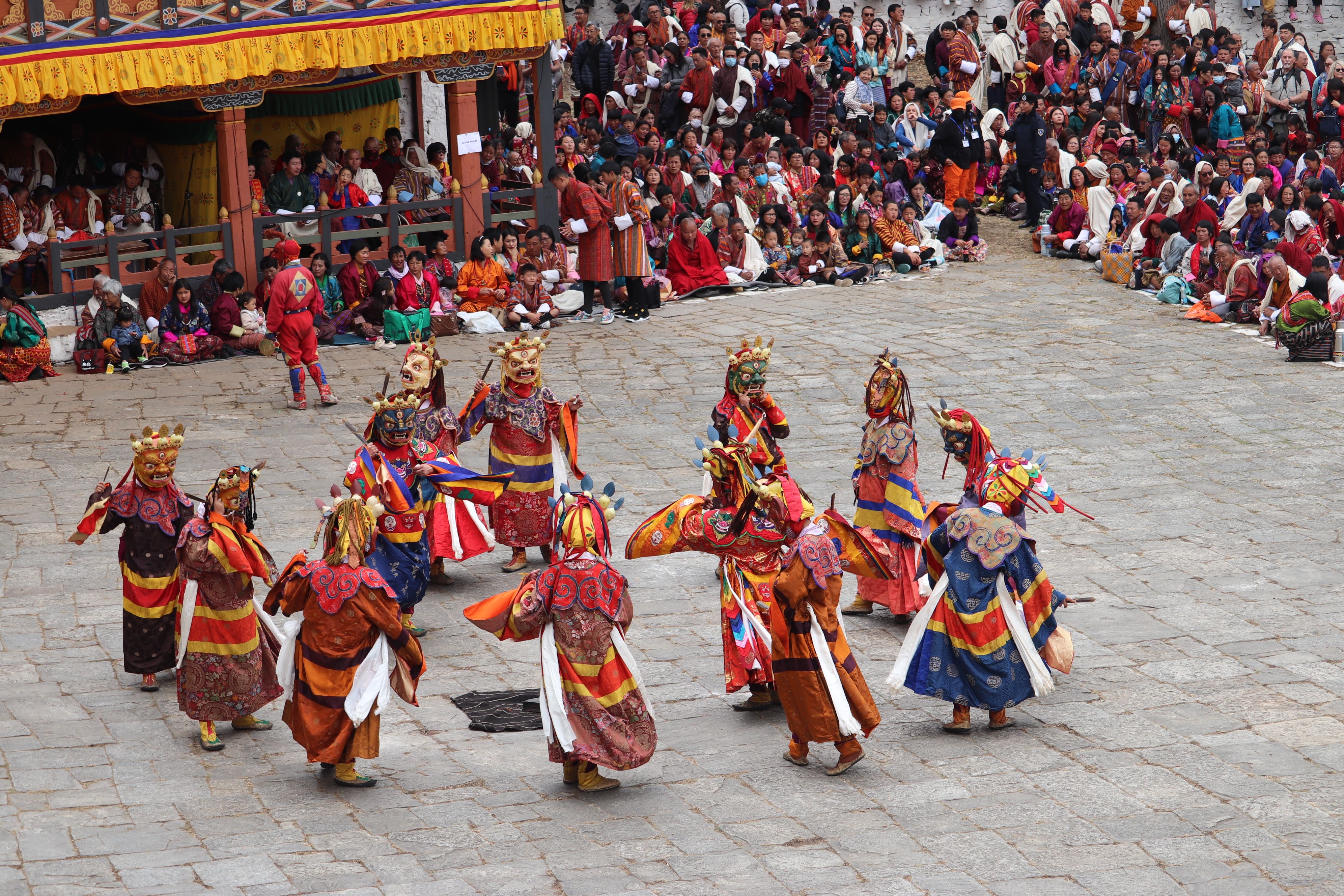
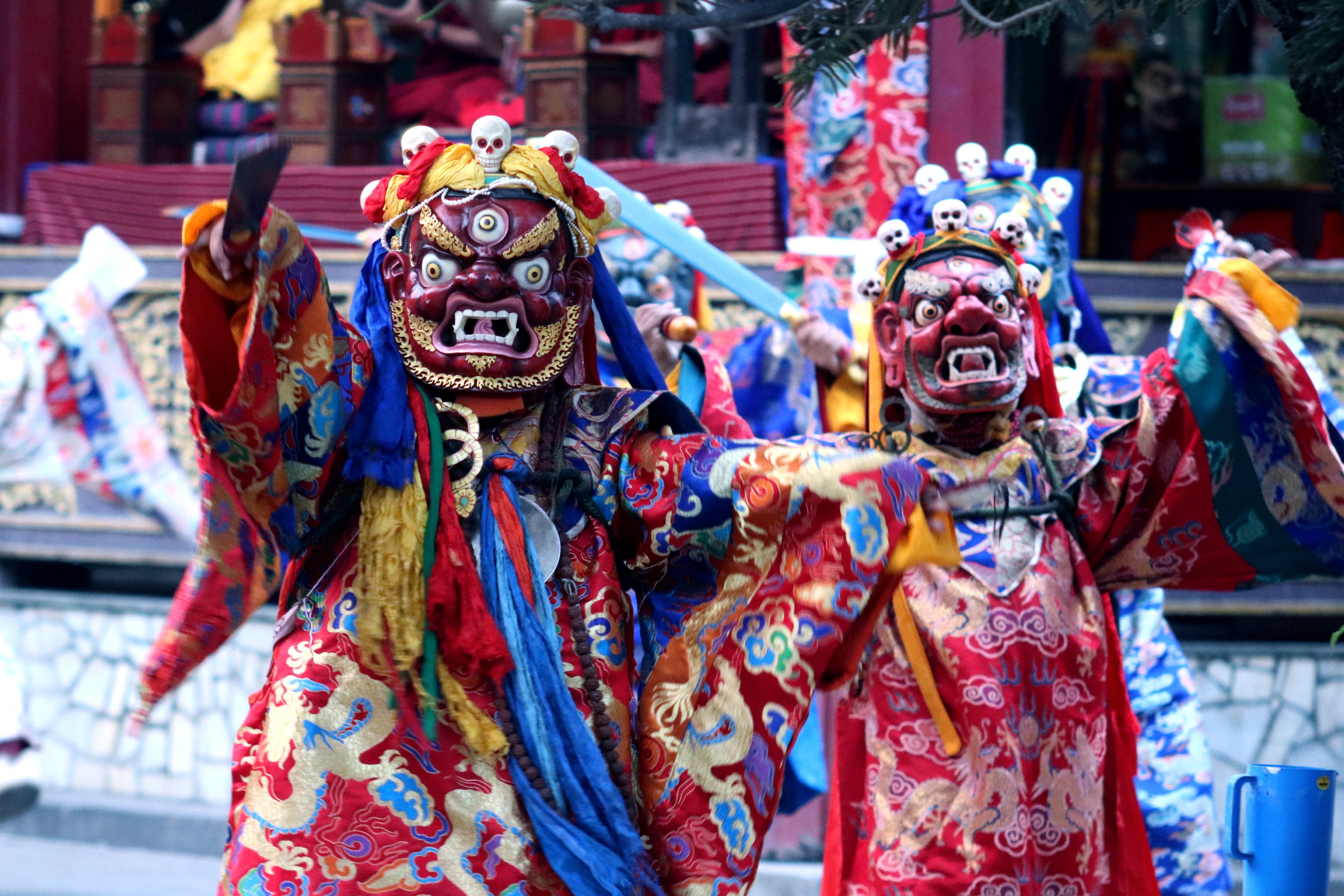
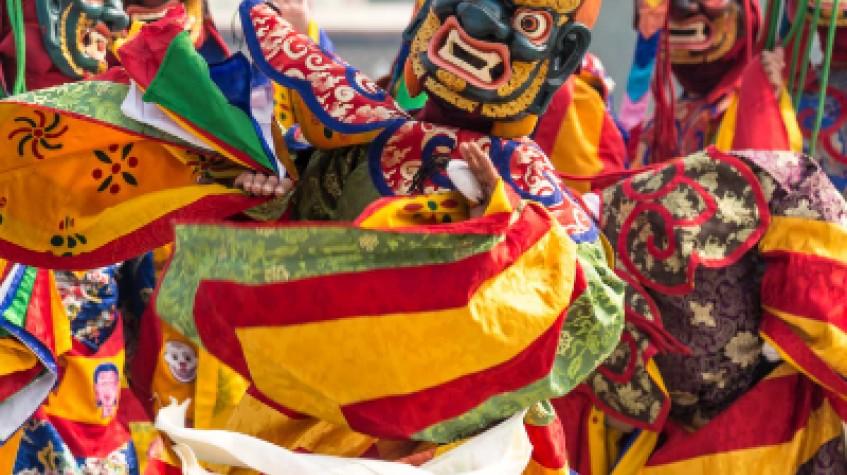
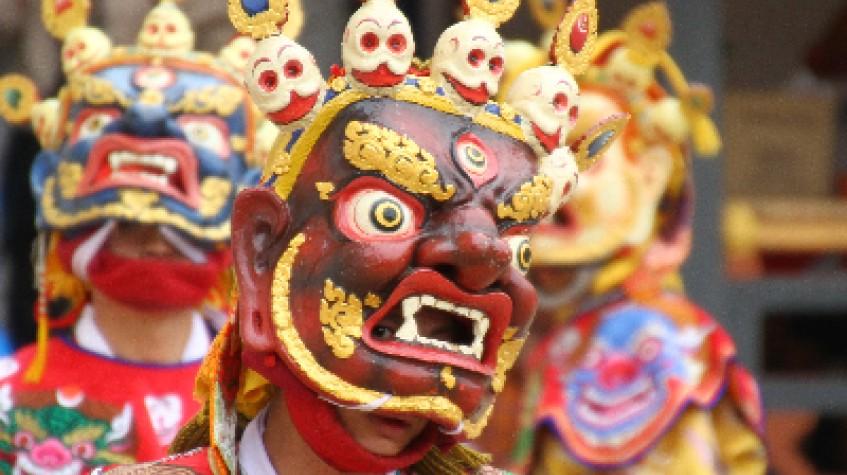
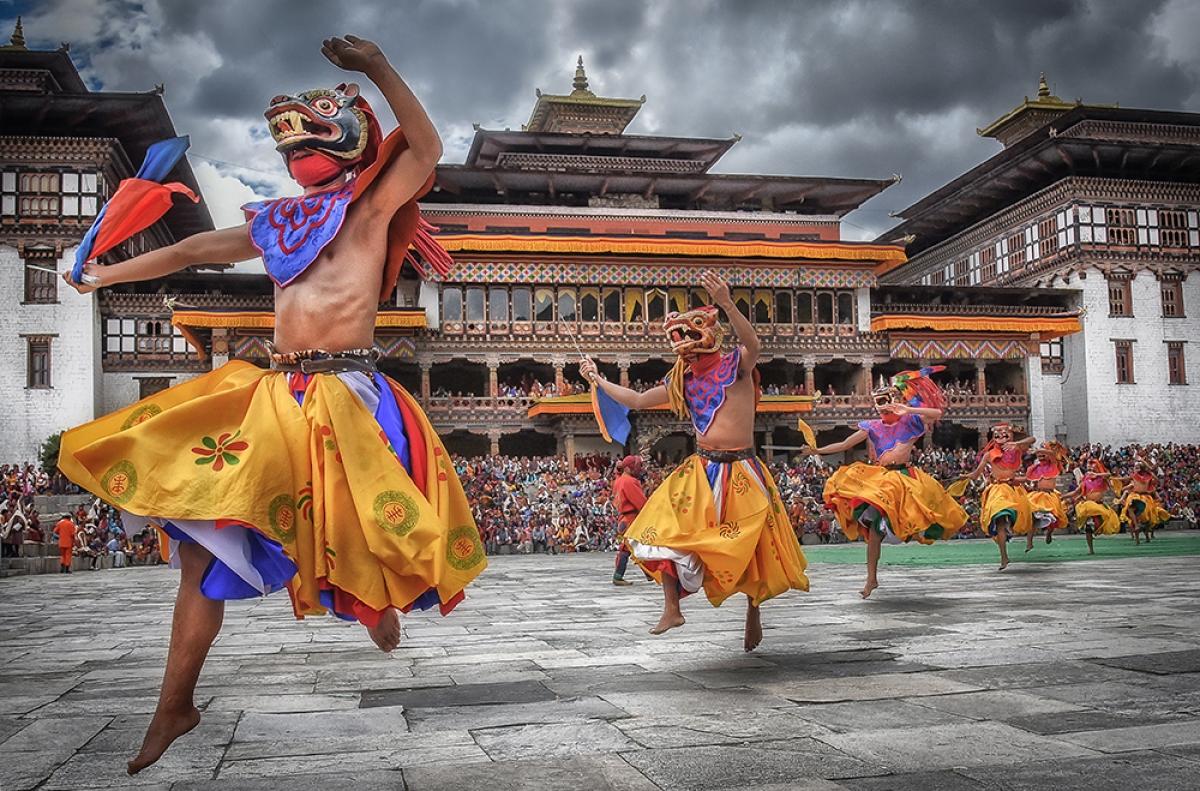
Bhutanese tshechus, religious festivals held at dzongs throughout the year, feature masked dances performed by monks and laypeople depicting stories from Buddhist teaching. The Paro and Thimphu tshechus, generally held in spring and autumn respectively, draw large local crowds in addition to visitors and are often used to plan the timing of a trip.
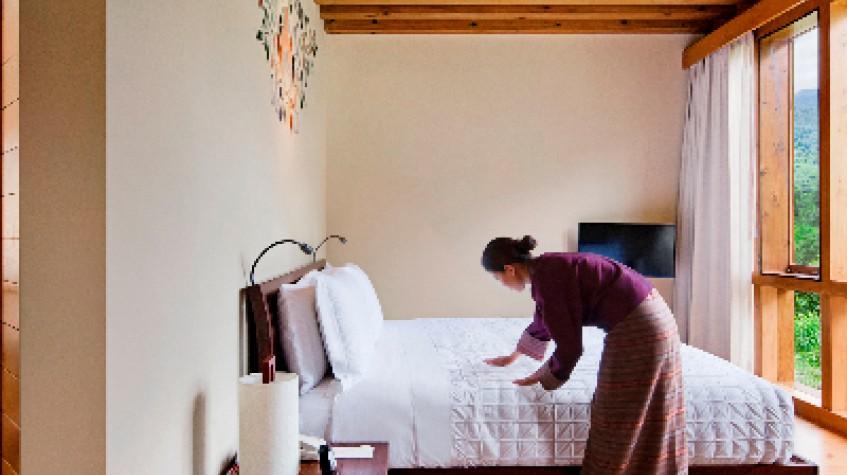
Bhutanese weaving, particularly the intricate patterns produced on backstrap looms in the eastern regions, is considered among the finest textile traditions in the Himalayas, and woven kira and gho, the national dress worn by women and men respectively, remain standard daily wear rather than costume reserved for festivals. Archery holds the status of national sport, and matches held on weekends in Thimphu and other towns, accompanied by singing and dancing between rounds, are often open for visitors to watch.
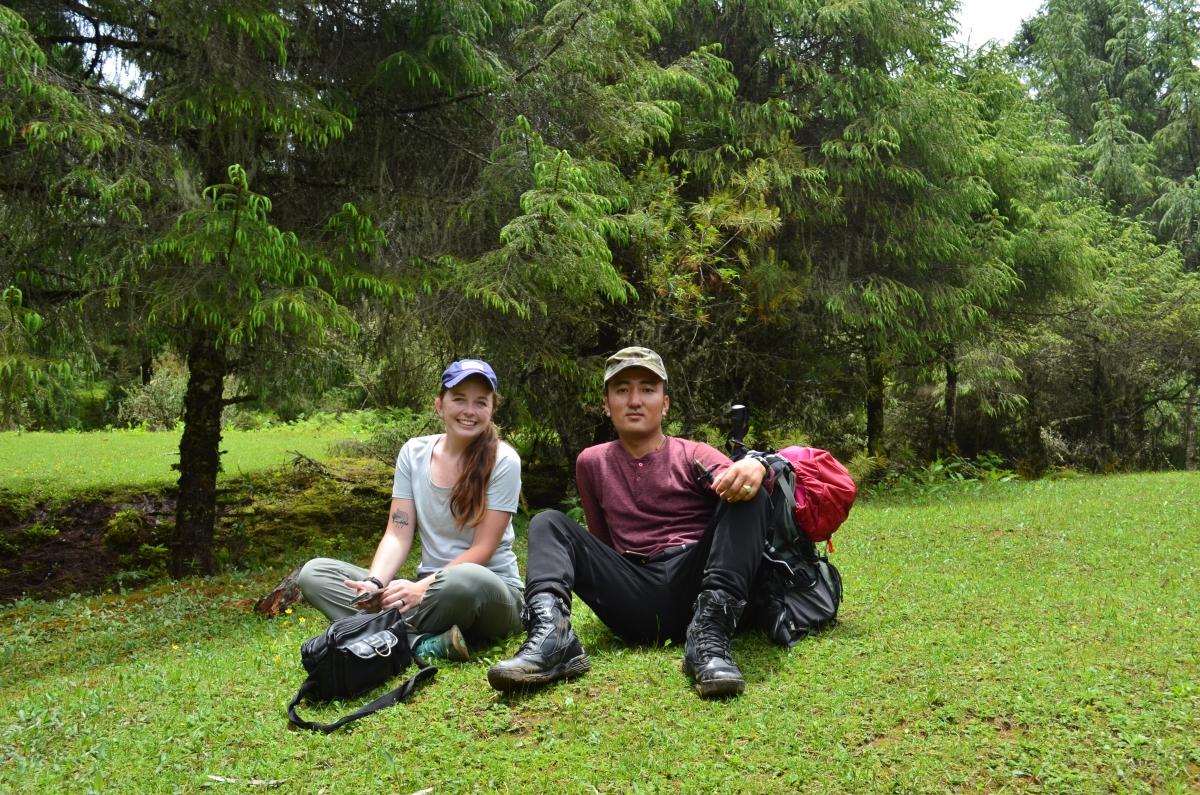
Travelers with more time can extend a Bhutan itinerary into multi day treks, ranging from the relatively accessible Druk Path between Paro and Thimphu to longer routes through Bumthang and the high passes of the Jomolhari region near the Tibetan border. Most treks require camping support and a longer overall trip length than the standard valley circuit, but they reach monasteries and mountain villages rarely visited on shorter itineraries.
Spring, from March through May, and autumn, from September through November, offer the clearest mountain views and the most stable weather for both valley sightseeing and the Taktsang hike. Winter brings cold temperatures but very clear skies, while the summer monsoon from June through August can bring mist and rain that obscures the higher peaks.