

Free Cancellation
-high.jpg&w=1920&q=75 "7 Days 6 Nights USA Tour Packages")
-(2)-high.jpg&w=1920&q=75 "Italian Food Tour of New York")


-high.jpg&w=1920&q=75 "USA Coast to Coast Luxury Tour 13 Days Experience")
-high.jpg&w=1920&q=75 "USA Mega Tour 20 Days East and West Coast Experience")
-high.jpg&w=1920&q=75 "USA National Parks Tour 7 Days Luxury Experience")
-high.jpg&w=1920&q=75 "USA West Coast Luxury Tour 7 Days California Experience")
-high.jpg&w=1920&q=75 "East Coast Luxury Coach Tour 7 Days 6 Nights Fixed Departures")
-high.jpg&w=1920&q=75 "3 Day New York City Tour Package – Manhattan Highlights, Statue of Liberty & Times Square")
-high.jpg&w=1920&q=75 "Costa Rica Tour 8 Days Nature and Wildlife Experience Guaranteed Departures")
-high.jpg&w=1920&q=75 "Canadian Rockies Tour 8 Days Banff Jasper Experience")
-high.jpg&w=1920&q=75 "Canada Tour 14 Days Majestic Experience Guaranteed Departures")
-high.jpg&w=1920&q=75 "Eastern Canada Tour 7 Days Toronto Montreal Quebec Experience")
United States Tours cover a country large enough that most itineraries focus on one region rather than attempting the whole map in a single trip. The Northeast corridor concentrates several major cities within a few hours of each other, the National Park System protects some of the most dramatic landscapes in North America, and the West Coast and Gulf regions each carry a distinct character shaped by geography and history. Most visitors from outside North America build a trip around one of these regions rather than moving coast to coast.
As part of a wider North America itinerary or as a standalone trip, United States Tours typically pair a headline city with day trips to nearby landmarks. New York remains the most common starting point, and shorter programs such as the 2 Days Tour in New York City are frequently used to cover the city's core sights before travelers continue on to other regions.
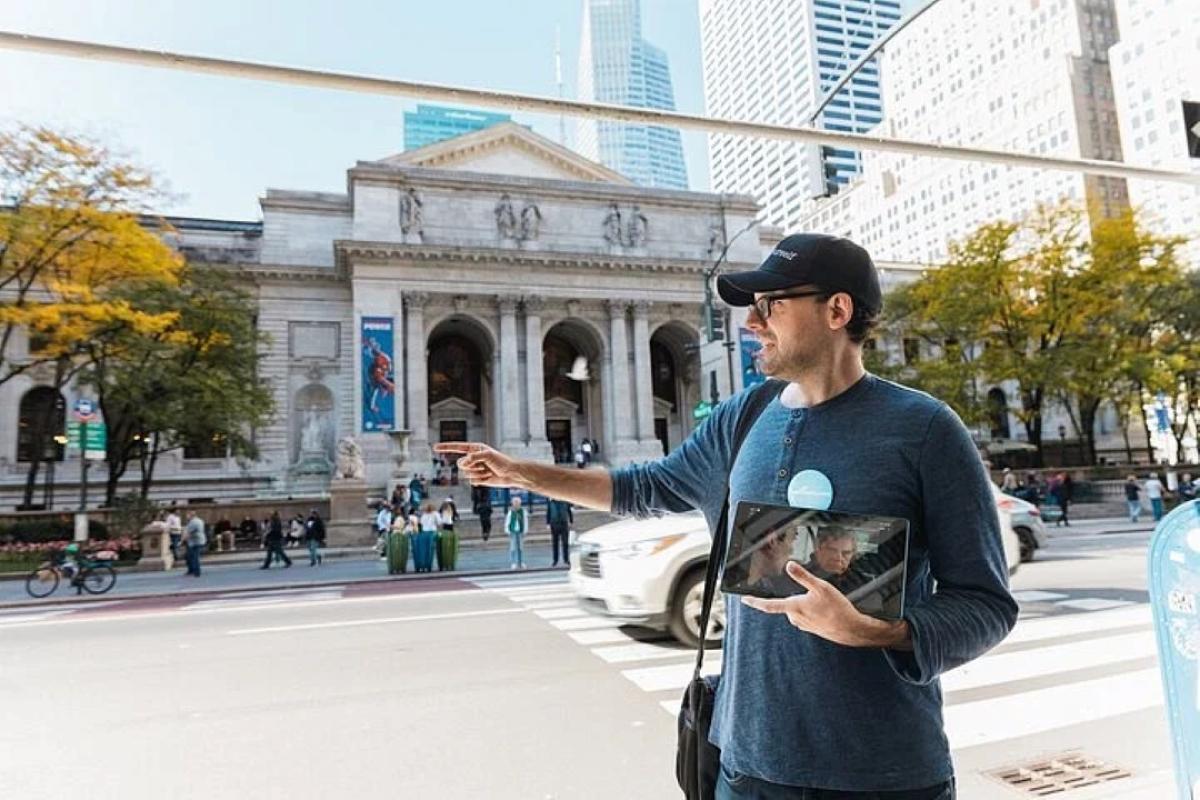
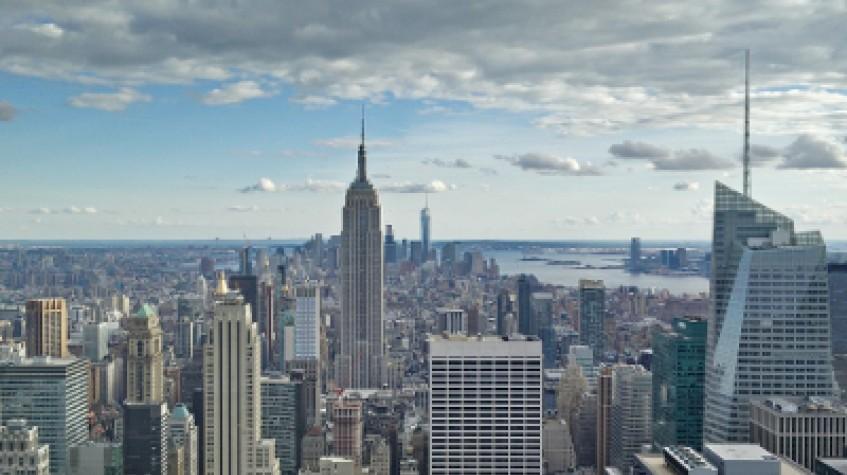
New York's five boroughs hold Manhattan's skyline, Central Park, the Statue of Liberty and Ellis Island, along with museums including the Metropolitan Museum of Art and the Museum of Modern Art. From New York, Philadelphia is reachable in under two hours by train and holds Independence Hall and the Liberty Bell, while Boston, roughly four hours north, combines colonial history along the Freedom Trail with Harvard and MIT across the Charles River in Cambridge.
Niagara Falls sits on the border between New York State and Ontario and is commonly reached from New York City by a short domestic flight or a multi hour drive upstate. Boat tours approaching the base of the falls and observation points on both the American and Canadian sides are the standard ways to see the three connected waterfalls that make up the site.
Glacier National Park in Montana preserves glacially carved peaks and more than 700 miles of hiking trails near the Canadian border, while Acadia National Park on the coast of Maine offers a different landscape of granite headlands and spruce forest overlooking the Atlantic. Further west, parks such as Yellowstone, Grand Canyon and Zion draw travelers building itineraries around the Rocky Mountains and the desert Southwest, generally requiring a separate trip from an East Coast city tour given the distances involved.
California anchors a separate style of itinerary built around Los Angeles, San Francisco and the coastline connecting them. Los Angeles spreads across Hollywood, the beach communities of Santa Monica and Venice, and nearby theme parks, while San Francisco pairs cable cars and the Golden Gate Bridge with day trips into Napa and Sonoma wine country. The Pacific Coast Highway linking the two cities passes through Big Sur, a stretch of cliffside coastline generally covered over one or two driving days rather than in a single push.
The capital's National Mall connects the Capitol, the Lincoln Memorial and the Smithsonian museums, most of which offer free admission. The White House, Arlington National Cemetery and the various war memorials round out a city that is typically covered in two to three days and pairs naturally with a New York or Philadelphia stop given the relatively short train journey between them.
Regional food traditions vary considerably across the country, from New York's delicatessens and pizza to Boston's seafood and New England clam chowder. Philadelphia is closely associated with the cheesesteak sandwich, while cities further south and west carry their own distinct culinary identities shaped by immigration patterns and local agriculture. Further south, New Orleans brings a Creole and Cajun food tradition along with a French and Spanish colonial history visible throughout the French Quarter, and is often visited as its own short break rather than folded into a Northeast itinerary. Miami and southern Florida offer a further contrast, combining Art Deco architecture in South Beach with a strong Cuban and broader Latin American cultural influence, and often serve as a gateway for cruises into the Caribbean.
Most international visitors arriving for tourism need either a visa or, for citizens of eligible countries, authorization through the Electronic System for Travel Authorization, commonly known as ESTA, applied for in advance of travel. Passport validity and specific requirements vary by nationality, so travelers generally confirm the current rules for their own passport before booking flights. Car rental is common outside the largest cities, since many national parks and smaller towns have limited public transportation, while cities such as New York and Washington, D.C. are generally easier to navigate on foot or by subway. Domestic flights remain the fastest way to connect distant regions, such as linking an East Coast city tour with a national park itinerary in the Rockies or the Southwest, since driving between them can take several days. Tipping is customary throughout the country in restaurants and for many services, generally expected in the range of fifteen to twenty percent, a practice that differs from norms in many other parts of the world and can catch first time visitors off guard.
Domestic flights connect major cities quickly, while Amtrak's Acela and Northeast Regional trains link Boston, New York, Philadelphia and Washington, D.C. without the need for airport transfers. Spring and fall offer mild temperatures for walking heavy city itineraries in the Northeast, while national parks in the Rocky Mountains are most accessible from June through September, once high elevation roads and trails are clear of snow.