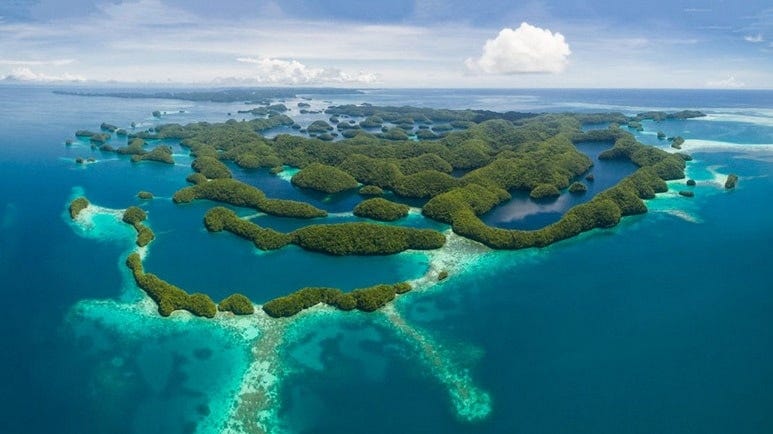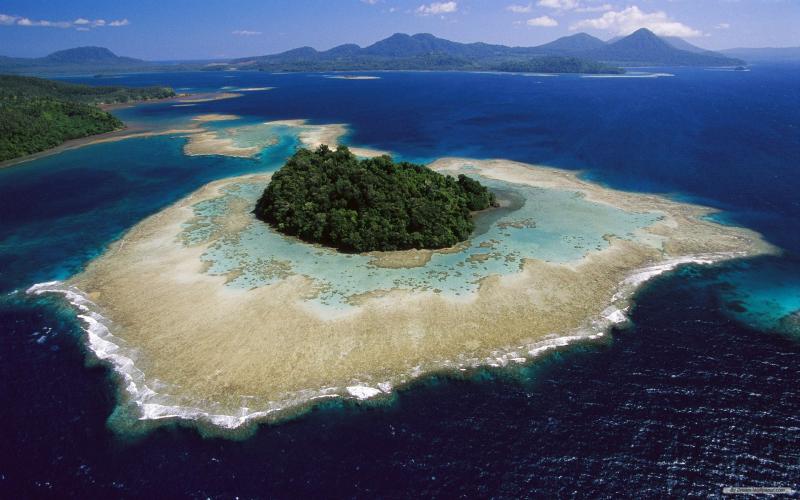
-high.jpg&w=1920&q=75 "5 Days Galapagos Wildlife Discovery")
Free Cancellation
-high.jpg&w=1920&q=75 "7 Days Galapagos Express Adventure")

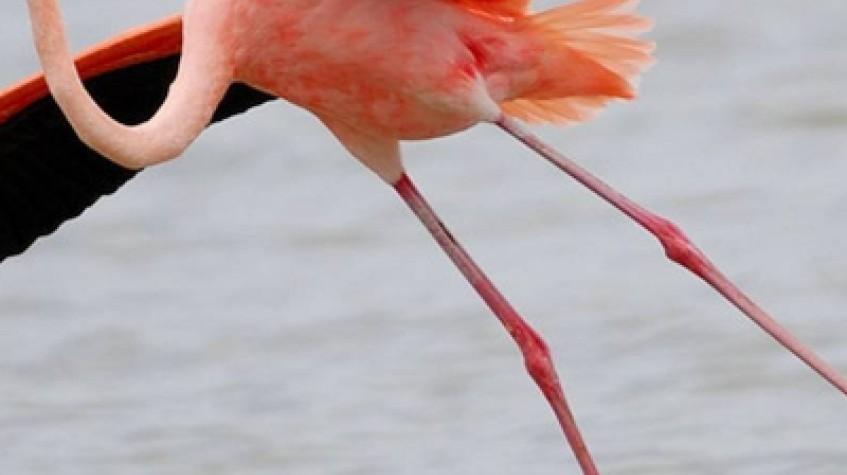

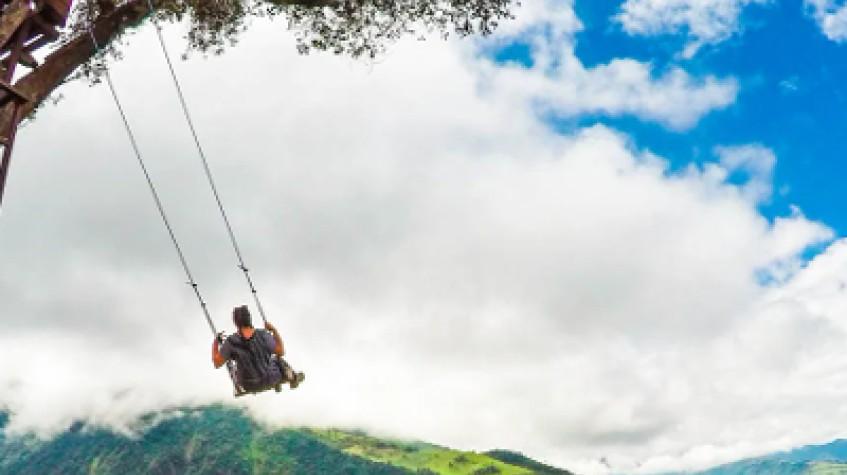
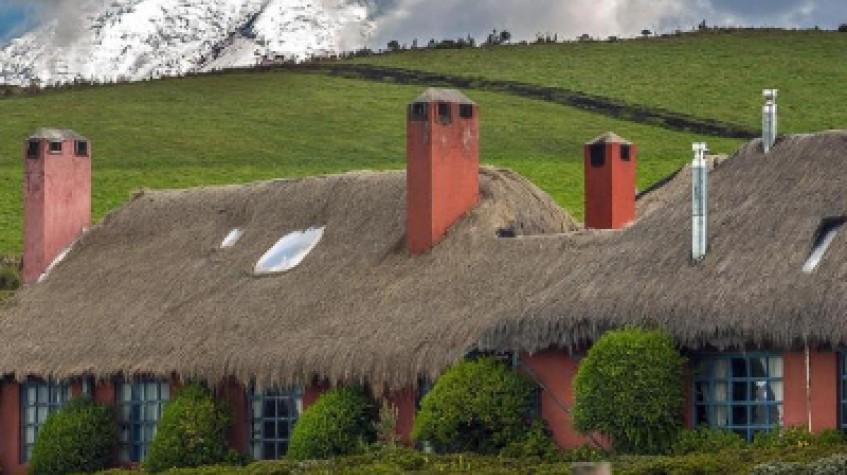
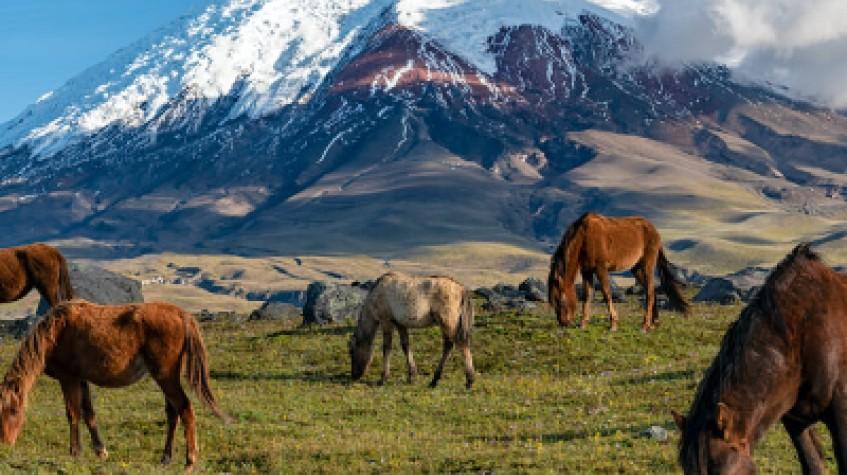
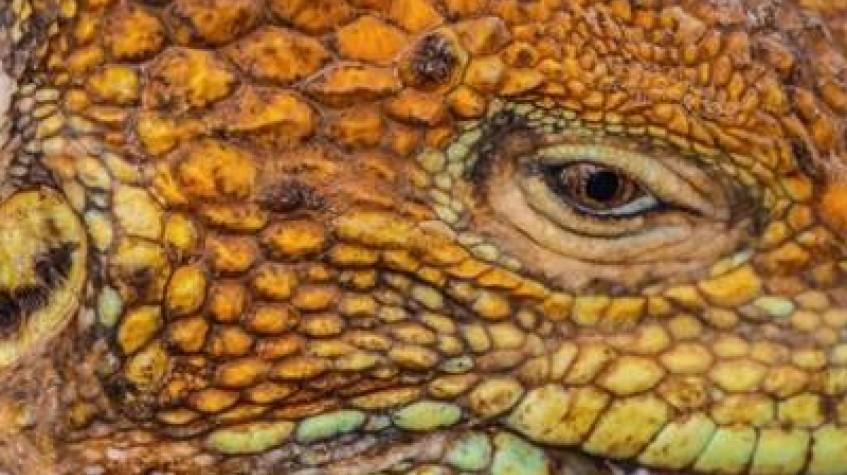
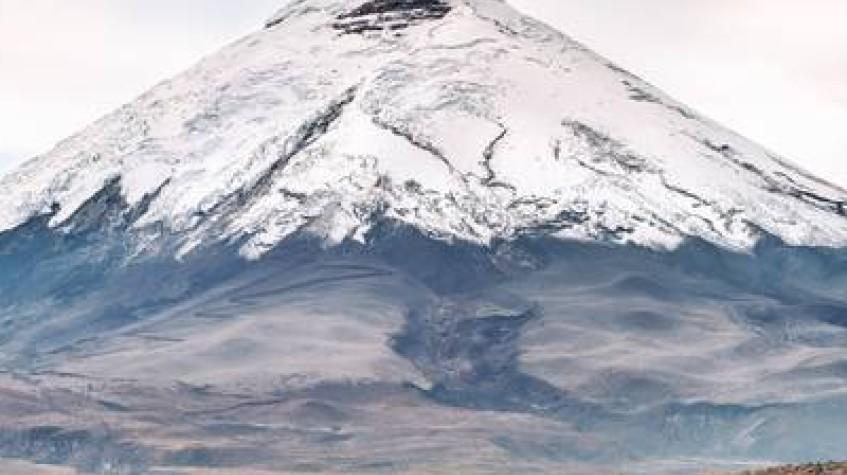
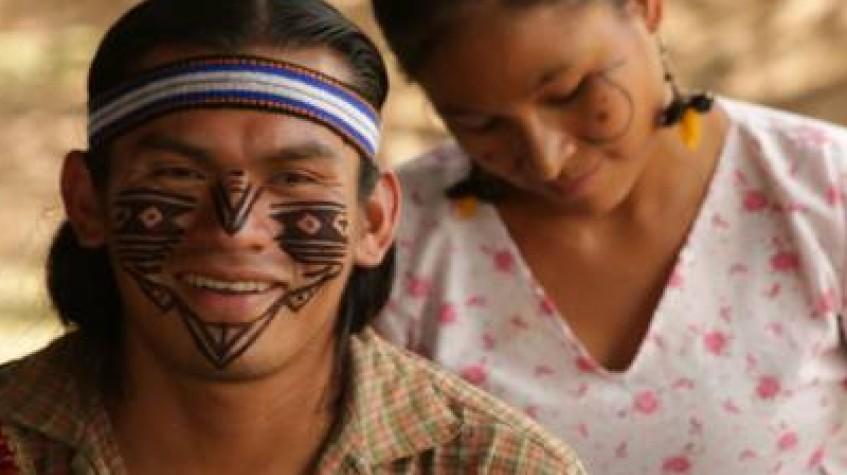
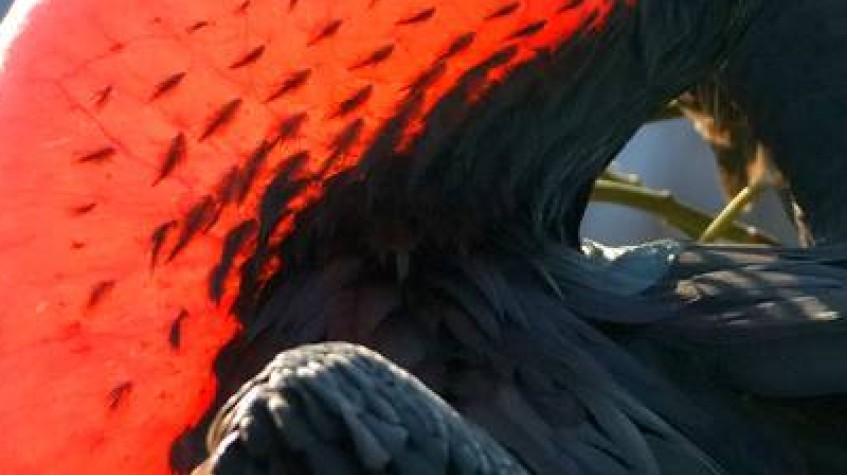

Ecuador Tours cover a country compact enough to move between snow-capped volcanoes, colonial highland cities, Amazon rainforest and the Pacific coast within a matter of days, plus the isolated Galapagos Islands roughly a thousand kilometers offshore. Despite its small size, Ecuador holds four distinct geographic regions, each with a different climate and set of attractions, packed into an area smaller than many single countries elsewhere in South America.
Ecuador sits within the region covered under South America Tours, and most visitors combine several days on the mainland with a flight to the Galapagos for a wildlife-focused extension.
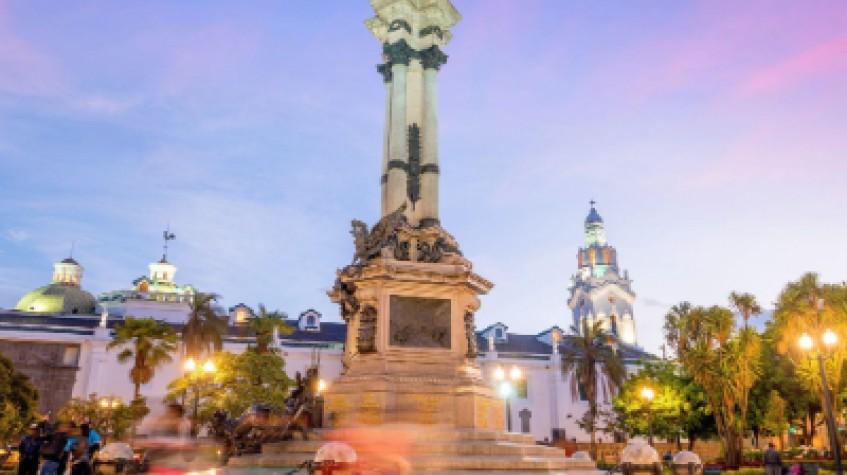
Quito, Ecuador's capital, sits at over 2,800 meters in a long Andean valley and holds one of the best-preserved historic centers in Latin America, recognized among UNESCO's first World Heritage Sites in 1978. Cobblestone streets lined with Spanish colonial churches and monasteries surround plazas such as Plaza Grande and Plaza San Francisco, and the gilded interior of La Compania church ranks among the most elaborate baroque church interiors in South America. Just north of the city, the Equator monument at Ciudad Mitad del Mundo marks the line dividing the Northern and Southern Hemispheres, with a nearby museum explaining the science behind the site.
North of Quito, the town of Otavalo hosts one of South America's largest indigenous markets, where Kichwa artisans sell handwoven textiles, leather goods and crafts from stalls filling the central plaza, particularly on Saturdays. The surrounding valley sits beneath Volcan Imbabura and Cotacachi, framing the market town with views of the Andes, and Cotopaxi National Park, home to one of the world's highest active volcanoes, lies within a comfortable day trip of the capital.
Cuenca, a UNESCO World Heritage Site in Ecuador's southern highlands, is built around four rivers and a historic center of blue-domed churches, cobblestone plazas and traditional Panama hat workshops, since the woven hats commonly associated with Panama actually originated in Ecuador. The nearby Cajas National Park adds a high-altitude landscape of glacial lakes and paramo grassland within a short drive of the city.
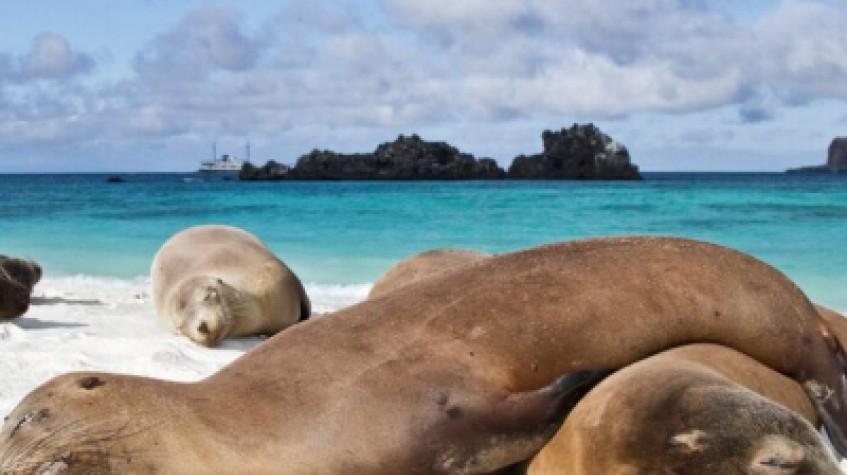
The Galapagos Islands, roughly 1,000 kilometers off Ecuador's Pacific coast, gave Charles Darwin much of the material behind his theory of evolution by natural selection during his 1835 visit. Giant tortoises, marine iguanas, blue-footed boobies and sea lions show little fear of visitors, a result of the islands' isolation from land predators over millions of years. Licensed naturalist guides are required to accompany visitors on most trails and landing sites within Galapagos National Park, and itineraries typically move between islands by small expedition vessel or day boat, visiting sites such as Santa Cruz, Isabela and North Seymour.
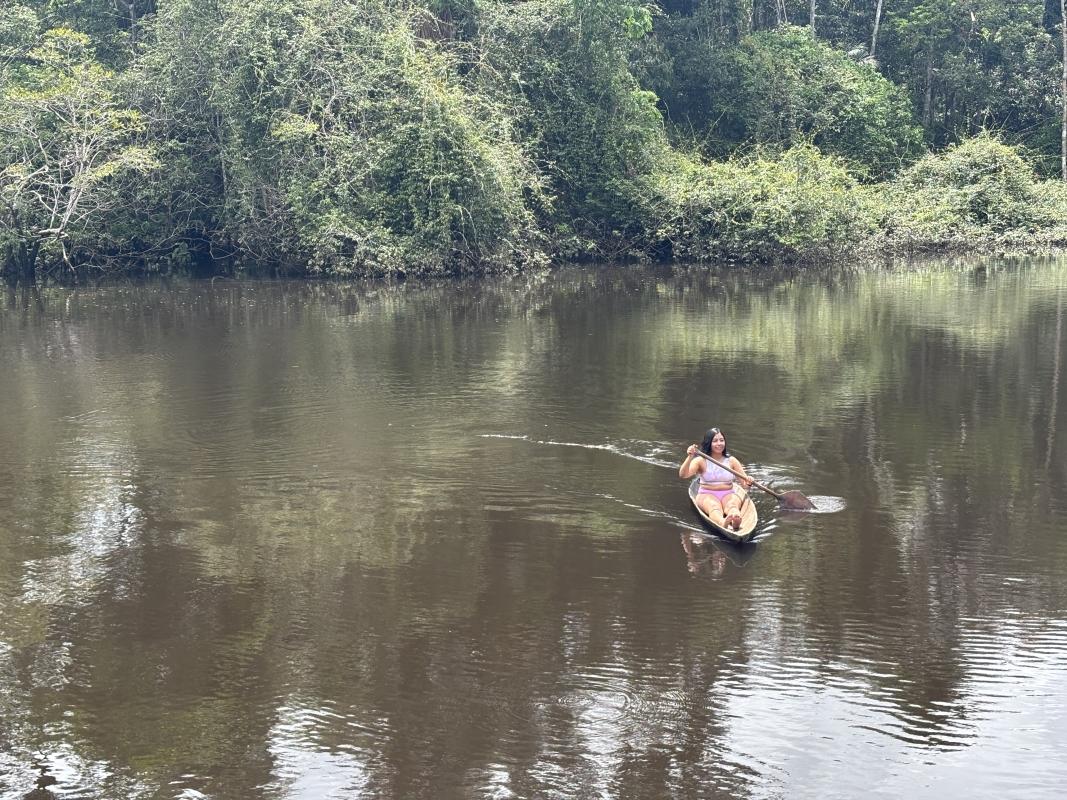
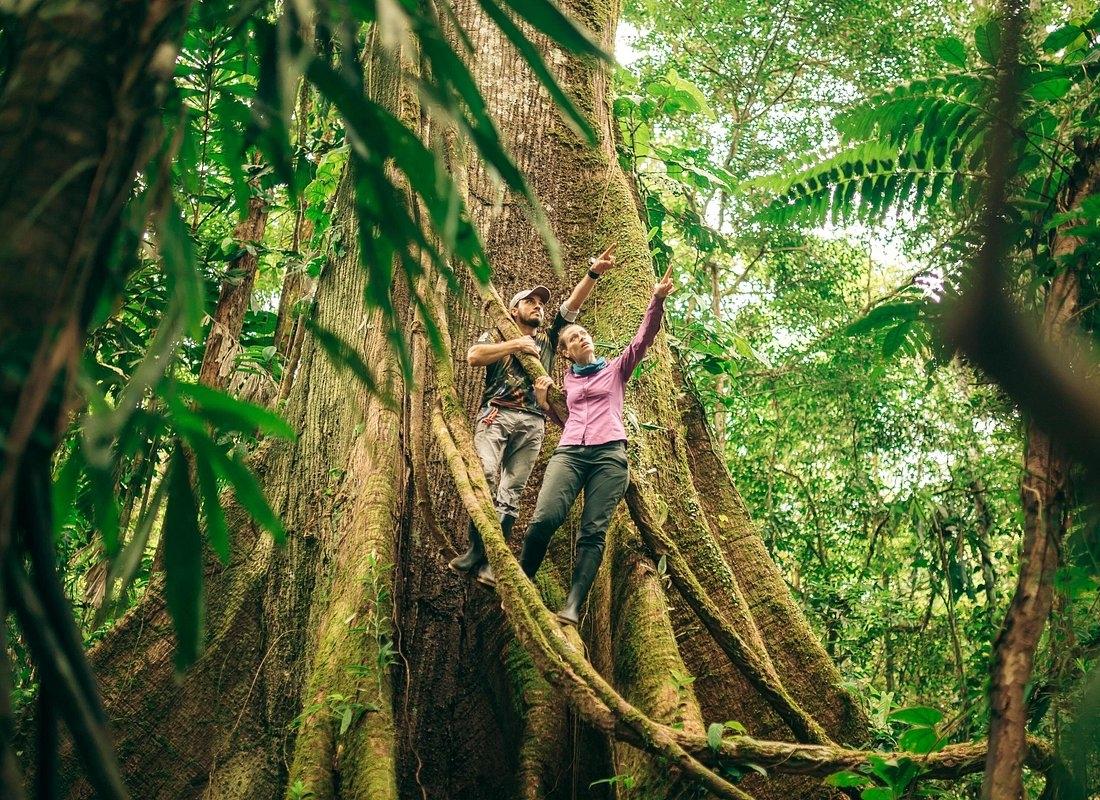
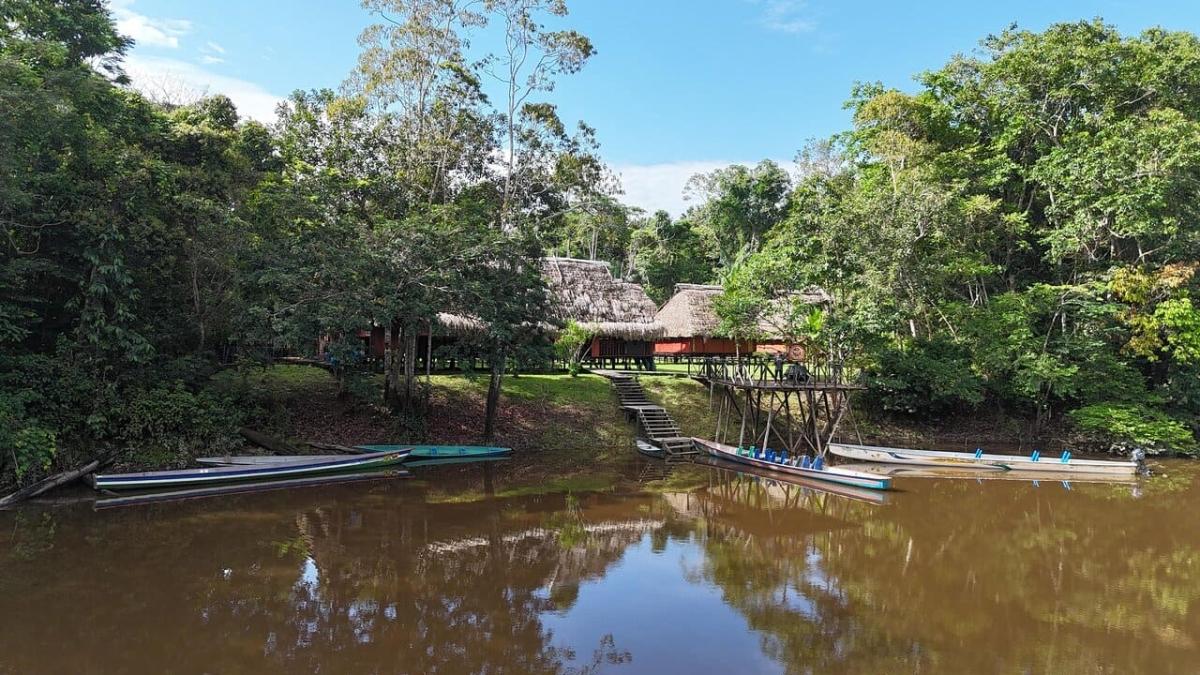
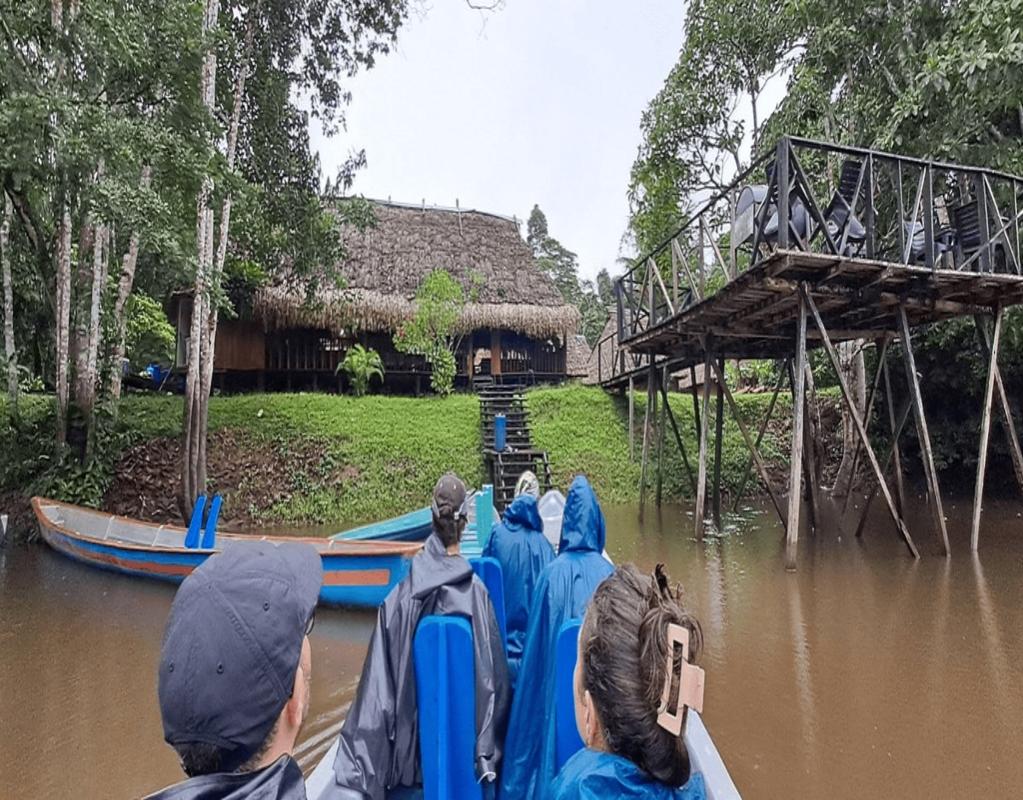
East of the Andes, Ecuador's Amazon region, known locally as the Oriente, offers access to primary rainforest from lodges along rivers such as the Napo, generally reached by a short flight or road transfer followed by a boat trip. Wildlife viewing, indigenous community visits and canopy walkways feature in most jungle itineraries, and several lodges operate within or alongside Yasuni National Park, considered one of the most biodiverse places on earth.
Banos, a small town wedged between the Andes and the edge of the Amazon basin, has built a reputation as Ecuador's adventure sports hub, offering canyoning, white water rafting and mountain biking alongside its namesake thermal baths at the foot of the active Tungurahua volcano. The town sits along the so-called Avenue of Volcanoes, a stretch of the Andean highlands lined with more than a dozen snow-capped peaks visible from the road connecting Quito to the southern highlands.
Ecuador's coastline runs from the port city of Guayaquil, the country's largest city and a common gateway to the Galapagos, north through beach towns such as Montanita, known for surfing and a relaxed atmosphere that draws visitors for sunset yoga sessions along the shore, and south toward the whale-watching grounds off Puerto Lopez, where humpback whales pass between June and September.
Ceviche and seafood soups dominate coastal menus, while highland cooking favors hearty dishes such as locro de papa, a potato and cheese soup, and cuy, roasted guinea pig, a traditional Andean specialty still served in highland markets and at celebrations. Fresh tropical fruit, much of it unfamiliar to visitors from outside South America, appears at almost every market stall and breakfast table across the country's three mainland regions. The US dollar has served as Ecuador's official currency since 2000, a practical detail that simplifies budgeting for many international visitors compared with countries where currency exchange is required.
Packages such as the 5 Days Galapagos Wildlife Discovery combine inter-island travel with guided wildlife walks and snorkeling, usually departing from Quito or Guayaquil after a short mainland stay.
Domestic flights connect Quito and Guayaquil with the Galapagos, while road travel between the capital and highland towns such as Otavalo takes two to three hours. Reaching the Amazon lodges generally requires a combination of road and river transport or a short flight to a jungle airstrip.
June through November brings cooler, drier conditions to the Galapagos with calmer seas, while December through May is warmer with more frequent rain showers, though wildlife remains visible year-round regardless of season. The Andean highlands stay mild throughout the year given their equatorial location, with rainfall patterns varying more by month than by season.