Free Cancellation
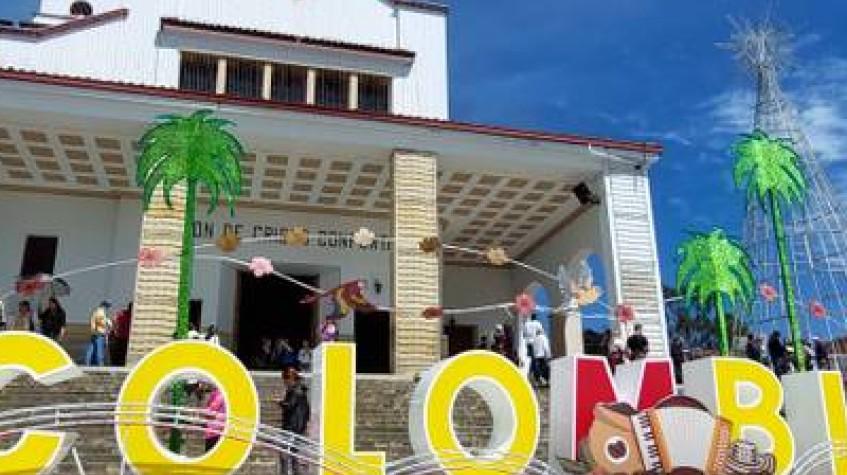
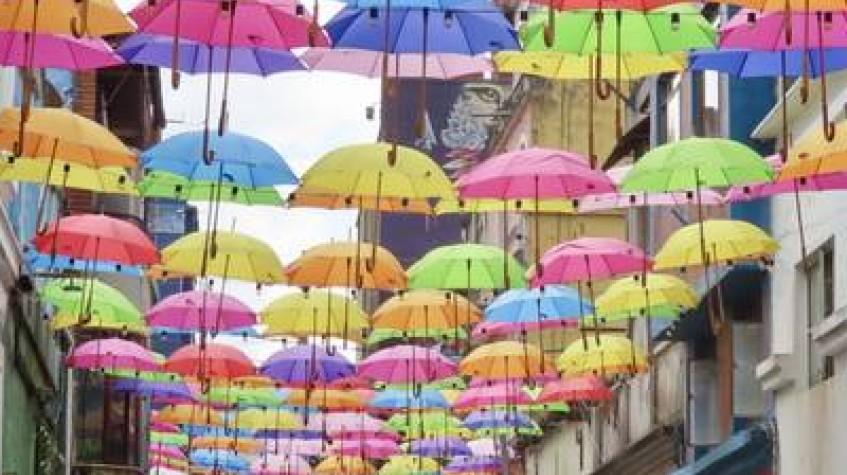


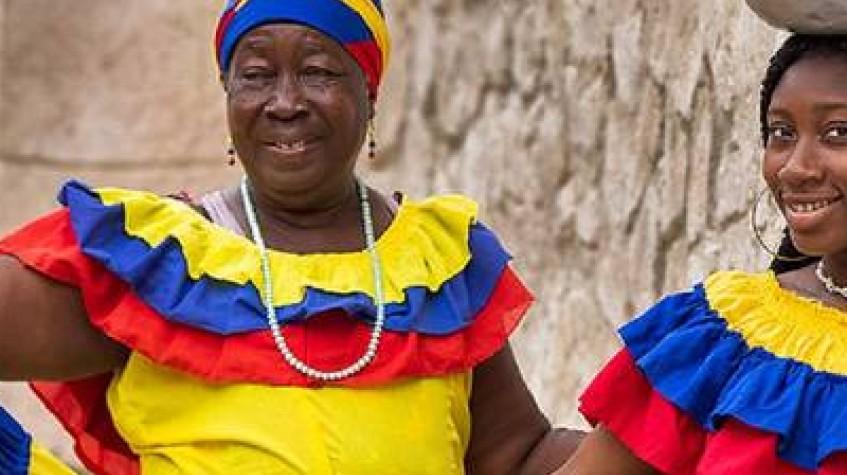
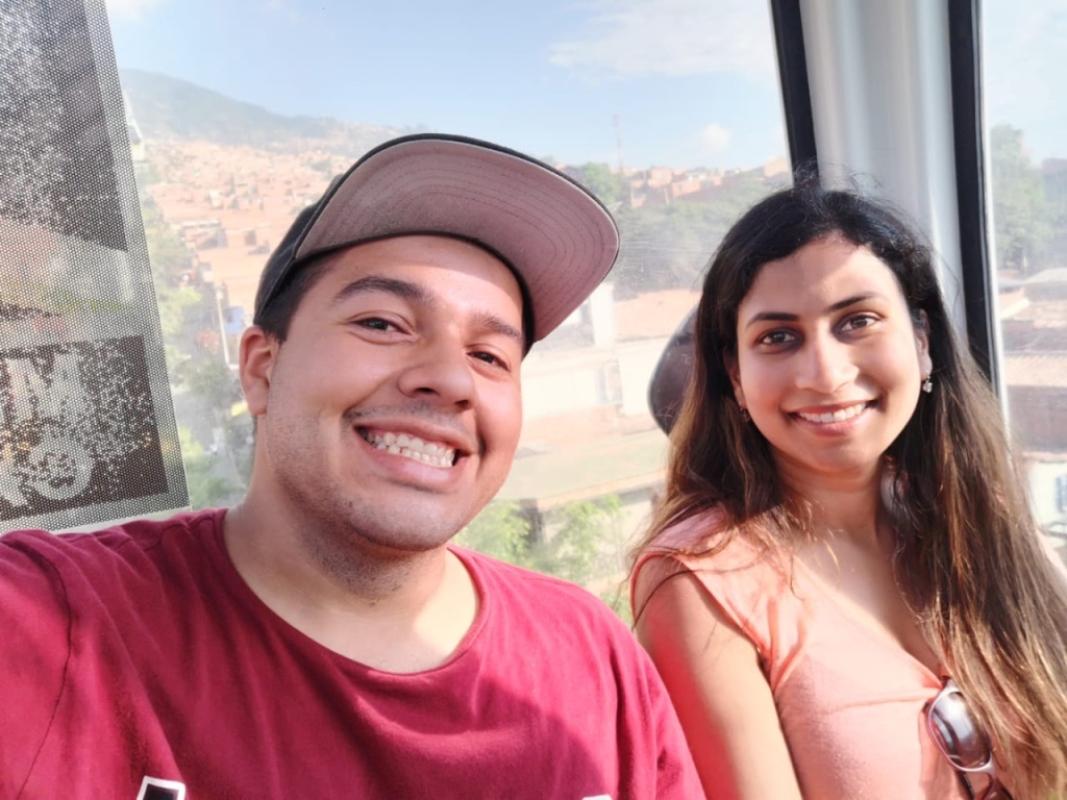
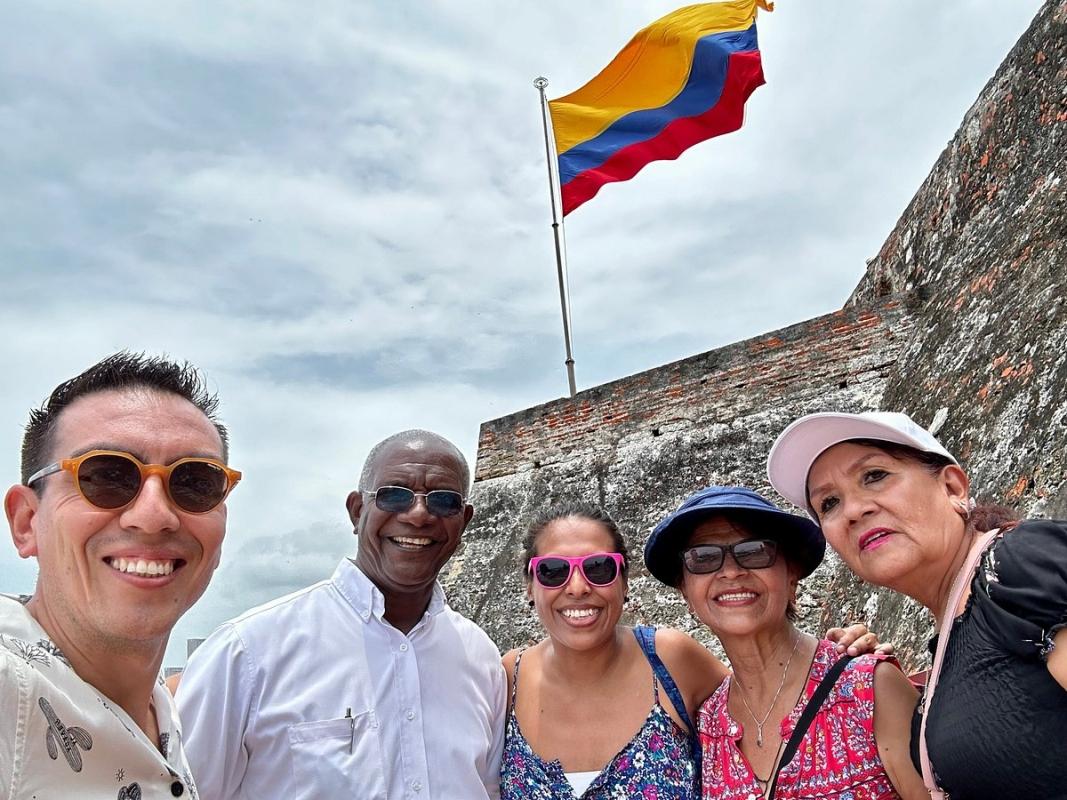
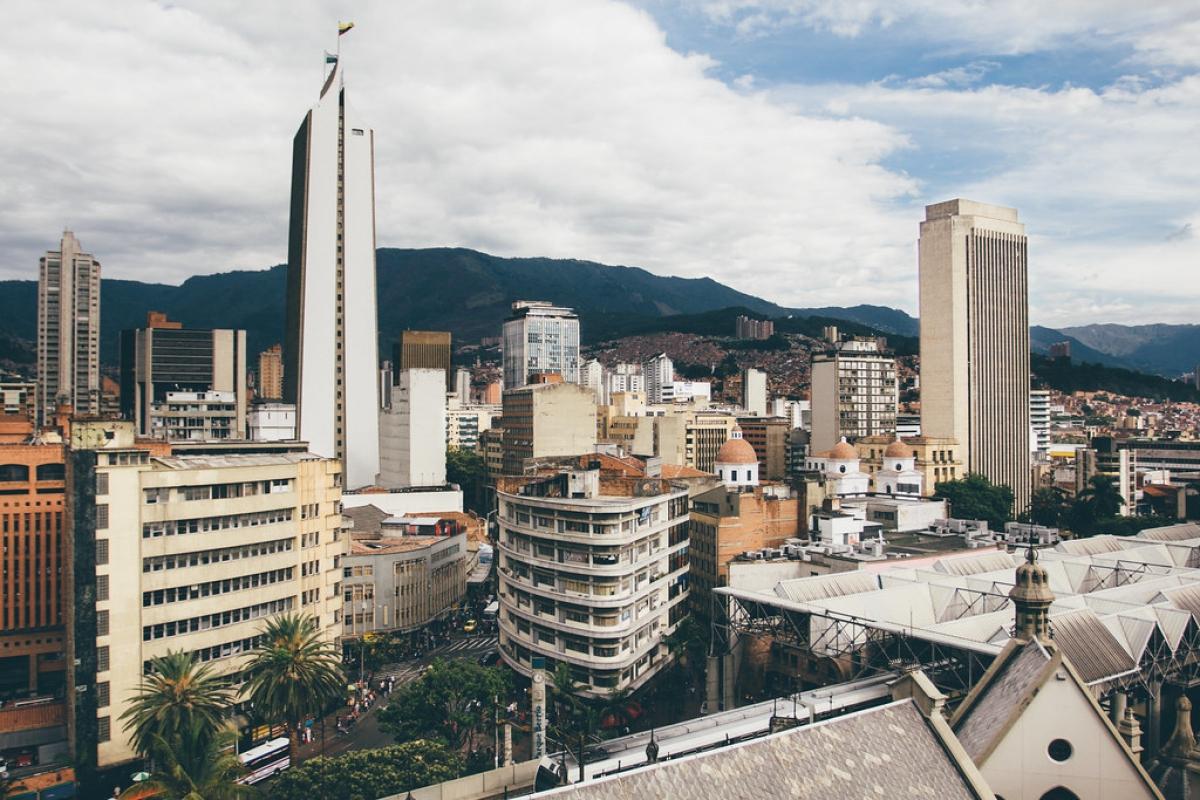
Colombia Tours span a country that borders both the Caribbean and the Pacific, with the Andes running through its center and dividing the country into distinct cultural regions. Bogota sits at over 2,600 meters in the eastern range, Medellin occupies a valley further north known as the Aburra, and Cartagena's walled colonial center faces the Caribbean coast. The distances and elevation changes between these regions generally require a domestic flight to connect them within a single itinerary. Colombia's literary and artistic reputation, shaped in large part by Nobel laureate Gabriel Garcia Marquez, whose novels drew heavily on the Caribbean coast around Cartagena and the town of Aracataca, adds a further layer to a country still often introduced through its music and magical realism as much as its landscapes.
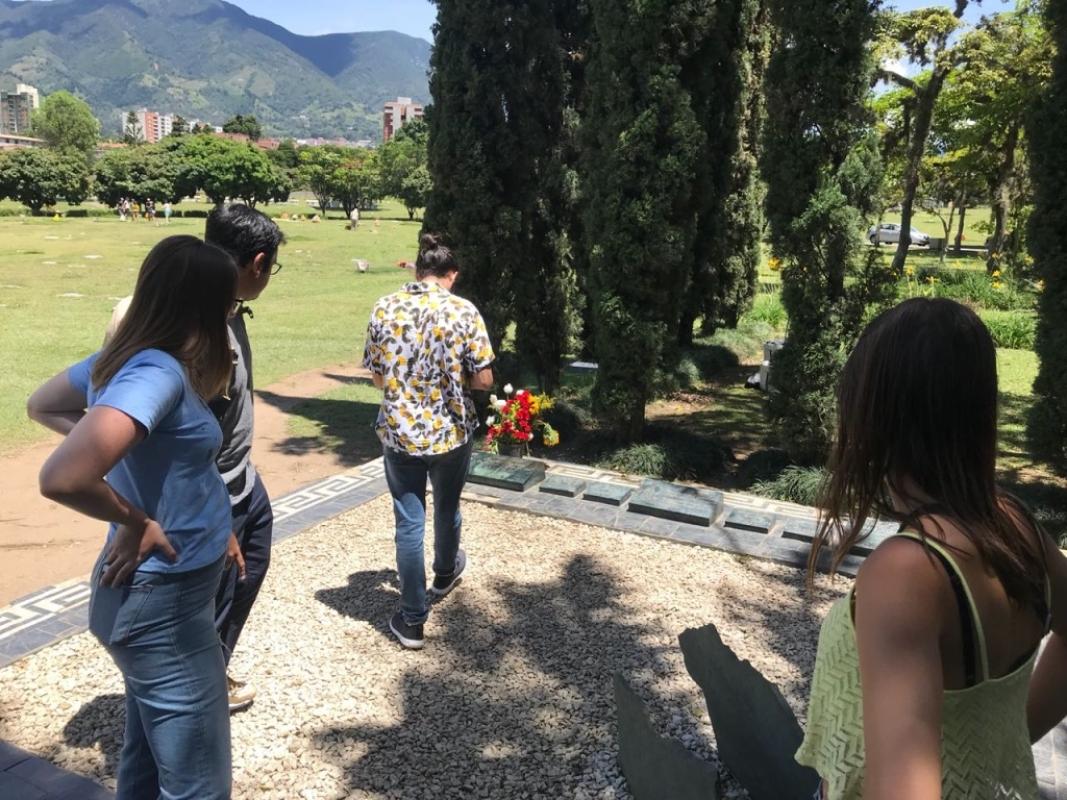
As part of a broader South America trip or as a dedicated Colombia itinerary, tours typically combine two or three of the country's main regions. Guided city tours such as the Pablo Escobar half day tour in Medellin address the more recent chapters of Colombian history alongside the architectural and cultural sights that dominate most itineraries.
Cartagena's historic center, enclosed by stone walls built to defend against pirate raids during the Spanish colonial period, was inscribed as a UNESCO World Heritage Site in 1984. Its streets hold colorful colonial buildings, balconies draped in bougainvillea and the Castillo San Felipe de Barajas, a fortress begun in 1536 that remains one of the largest built by the Spanish in the Americas. Getsemani, a neighborhood just outside the main walls, has developed into a center for street art and nightlife.
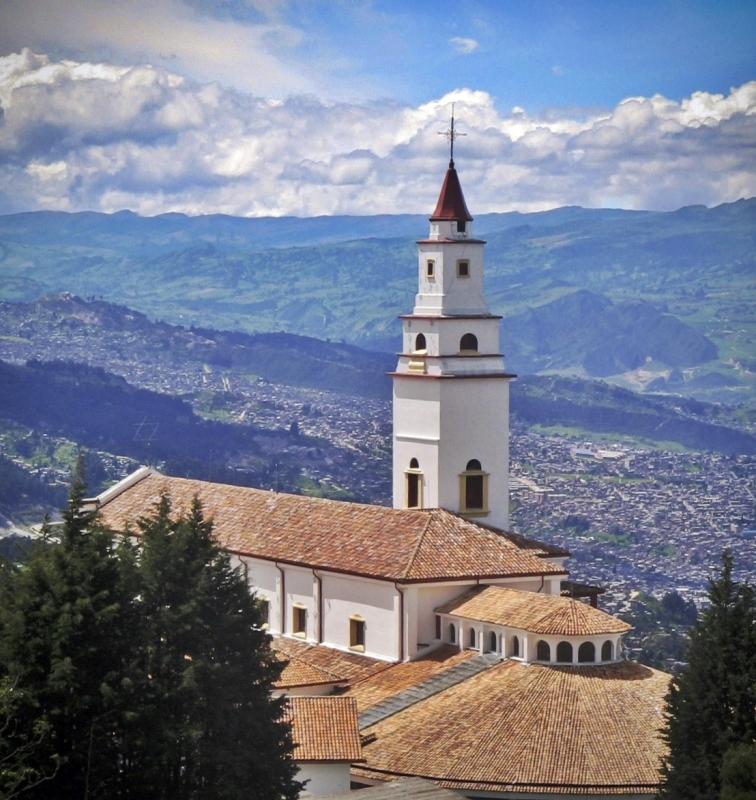
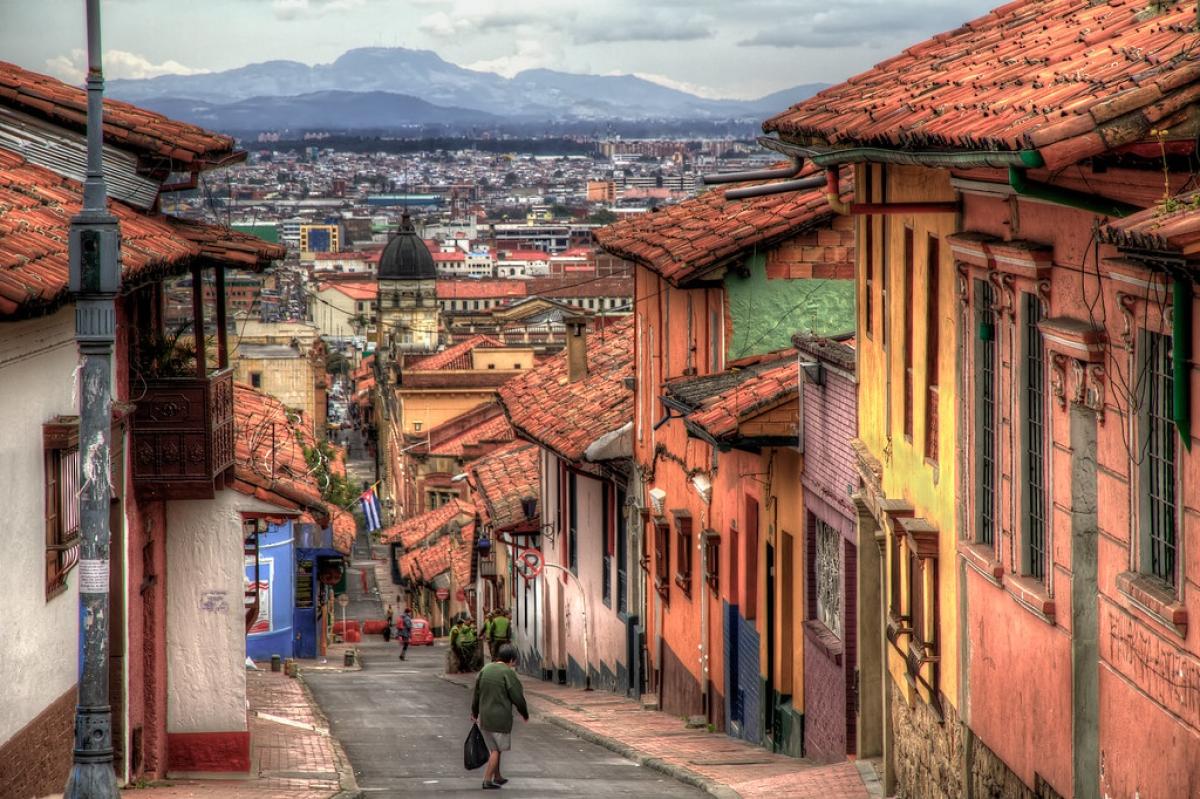
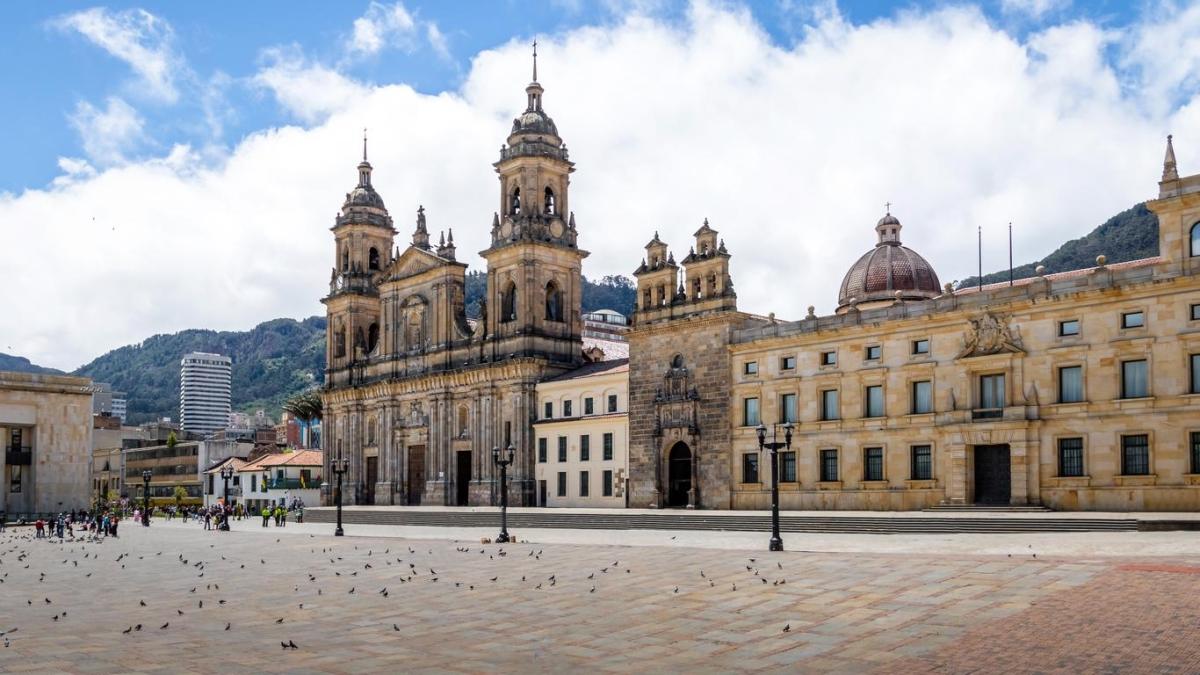
Colombia's capital pairs La Candelaria, a colonial and republican era district of narrow streets and museums, with the Gold Museum, which holds one of the world's largest collections of pre Hispanic gold artifacts. Monserrate, a mountain overlooking the city reached by cable car or funicular, offers views across the Bogota savanna and is one of the more common half day additions to a capital based itinerary.
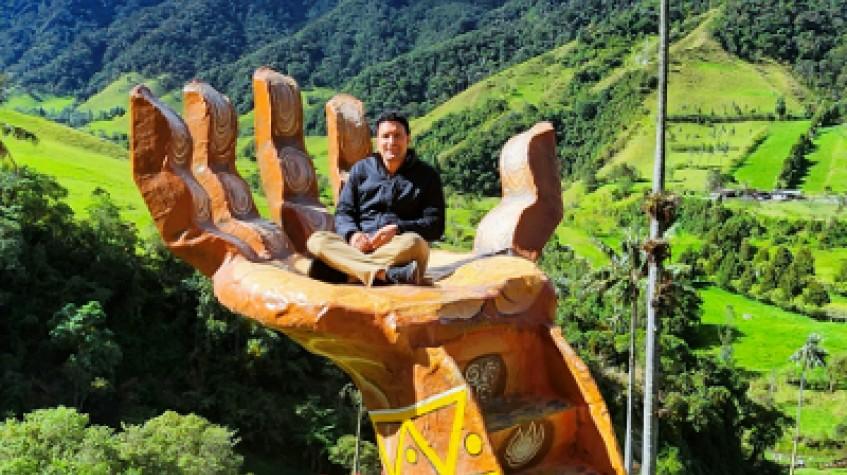
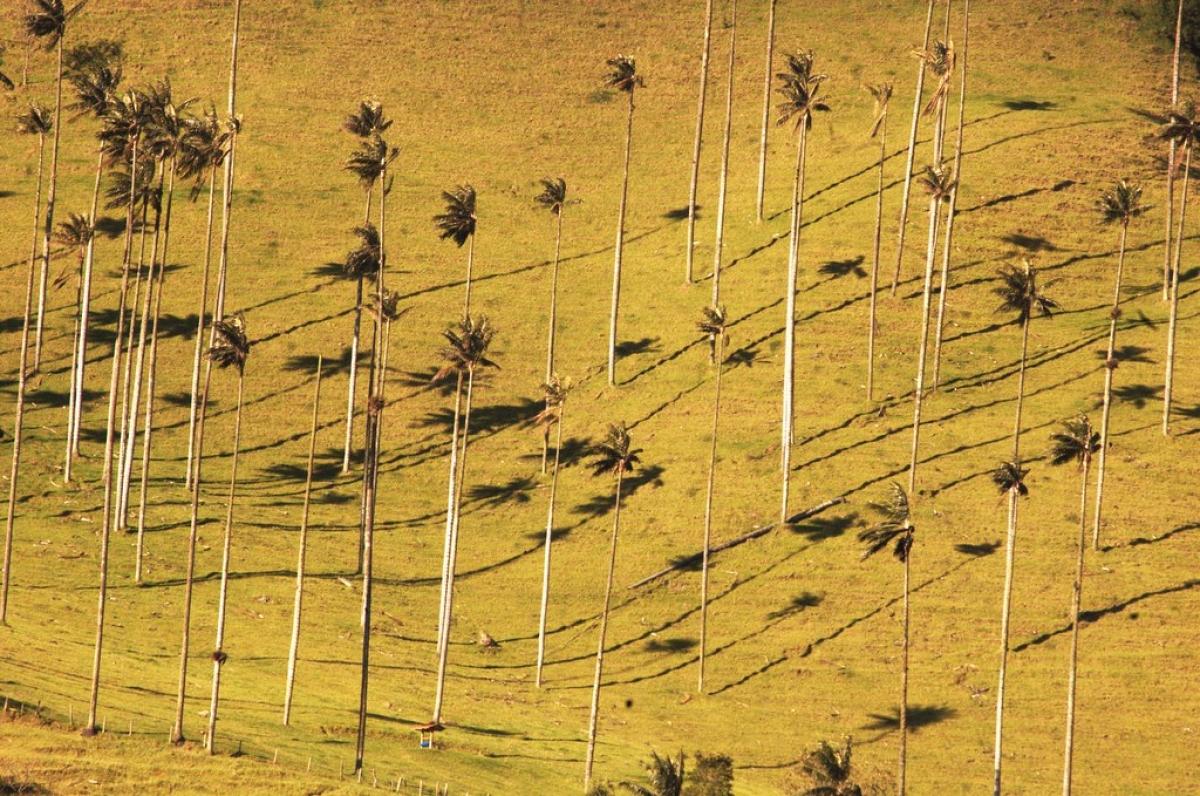
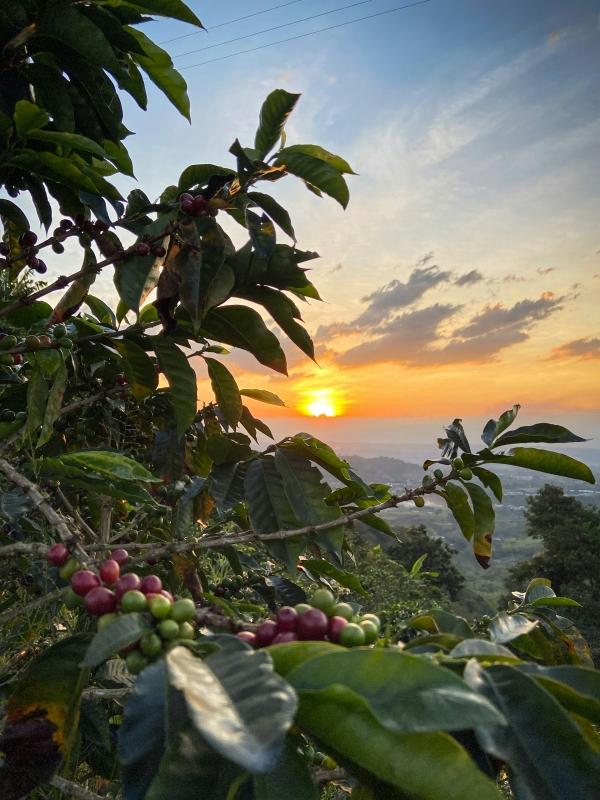
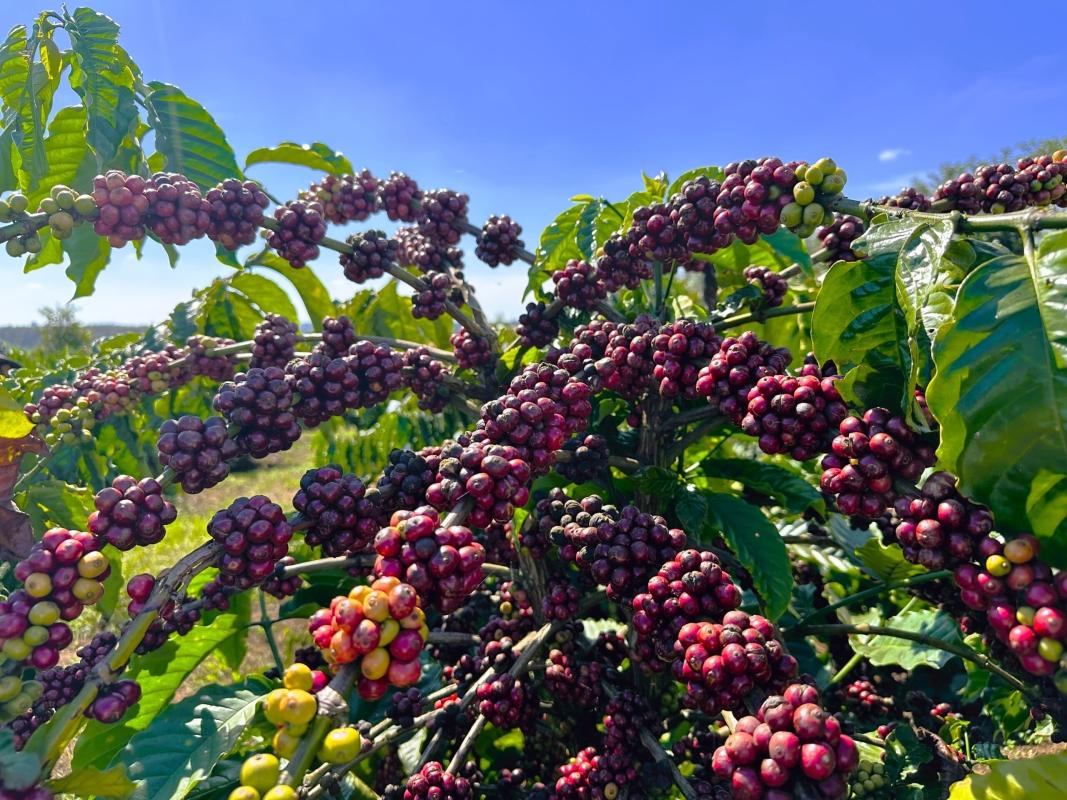
Medellin, once associated primarily with the drug trafficking of the 1980s and 1990s, has been substantially reshaped since then, with sightseeing today concentrated in neighborhoods such as El Poblado and Comuna 13, the latter known for outdoor escalators built into a hillside once considered one of the city's most dangerous. From Medellin, the coffee growing region around Salento, Manizales and Armenia is a short flight or drive away, where working farms known as fincas explain the cultivation and processing of Colombian coffee against a backdrop of the Andes' cloud forest.
San Andres and Providencia, a pair of Colombian islands in the Caribbean closer to Nicaragua than to the mainland, are reachable by direct flights from Bogota and several other cities. Their reef systems and beaches offer a distinct addition for travelers extending a Colombia trip with time by the water.
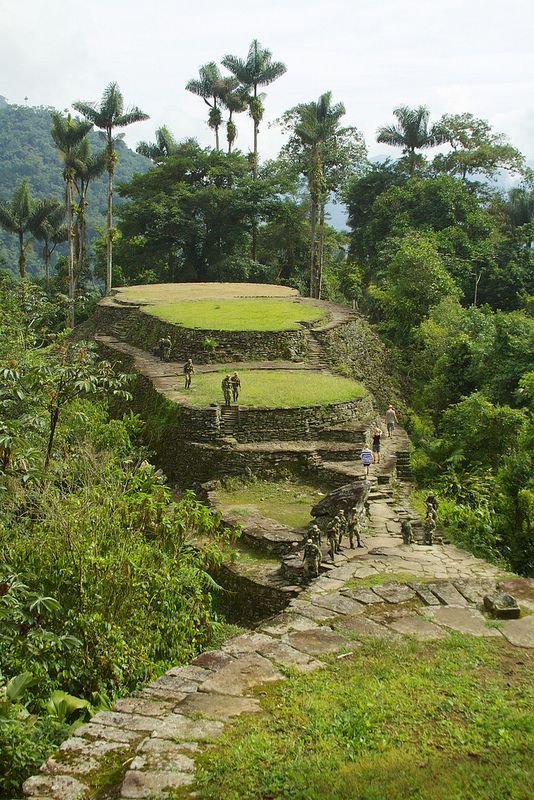
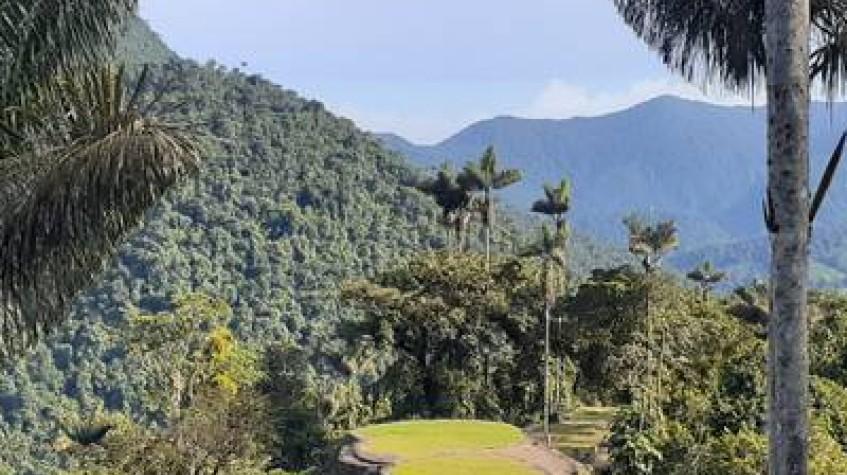
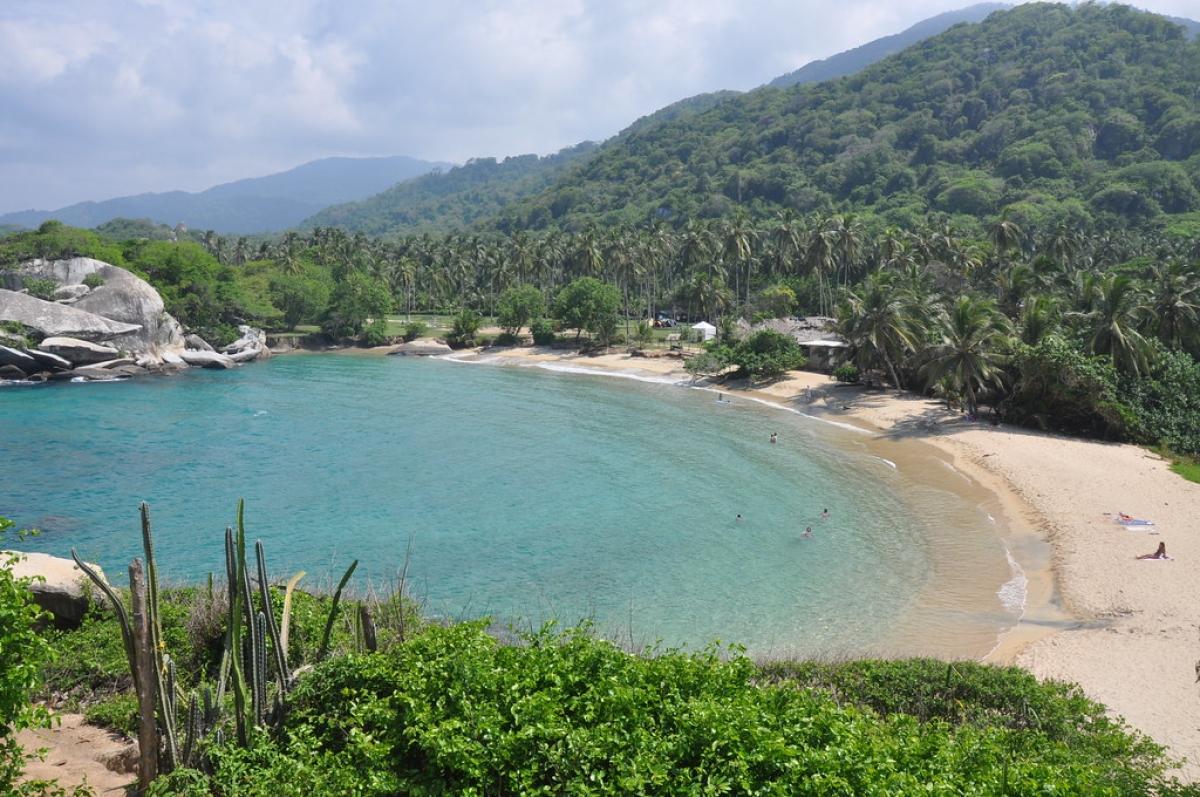
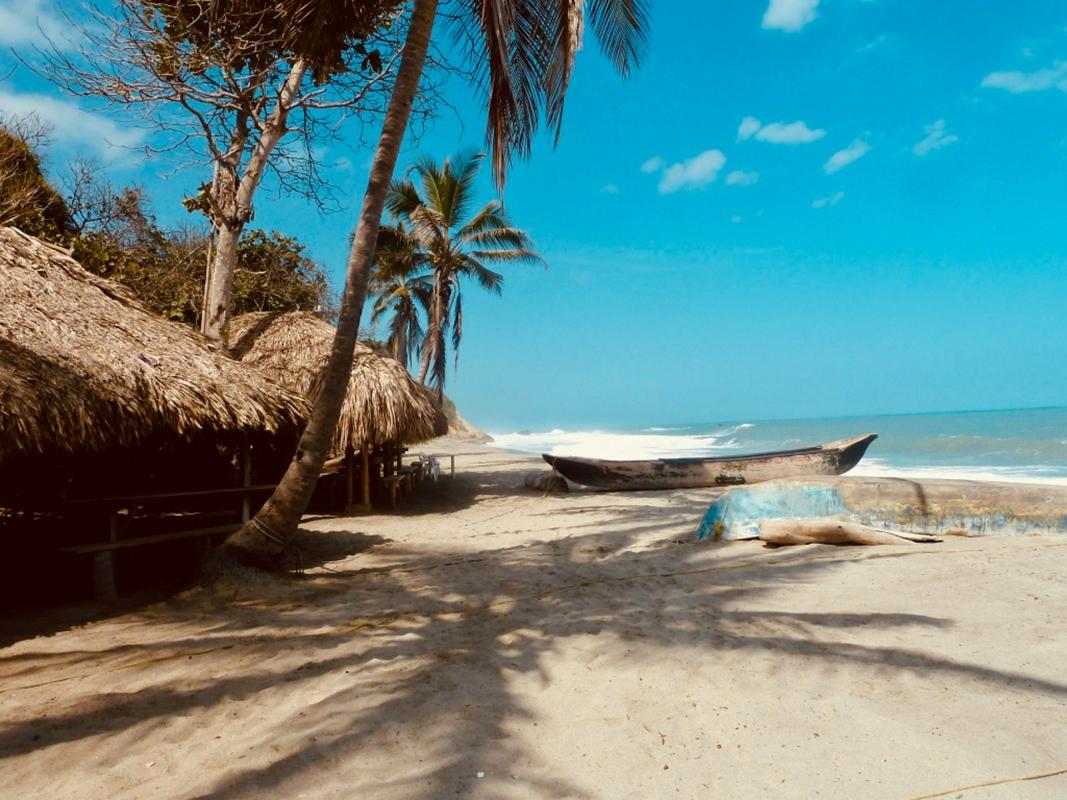
Beyond Cartagena, the Caribbean region extends to Tayrona National Natural Park, where forested mountains meet white sand coves near Santa Marta, and to the Lost City, an archaeological site of stone terraces built by the Tairona people that predates Machu Picchu and is reached only by a multi day trek through the Sierra Nevada de Santa Marta. Santa Marta itself serves as the main gateway for both, along with access to the nearby Guajira desert.
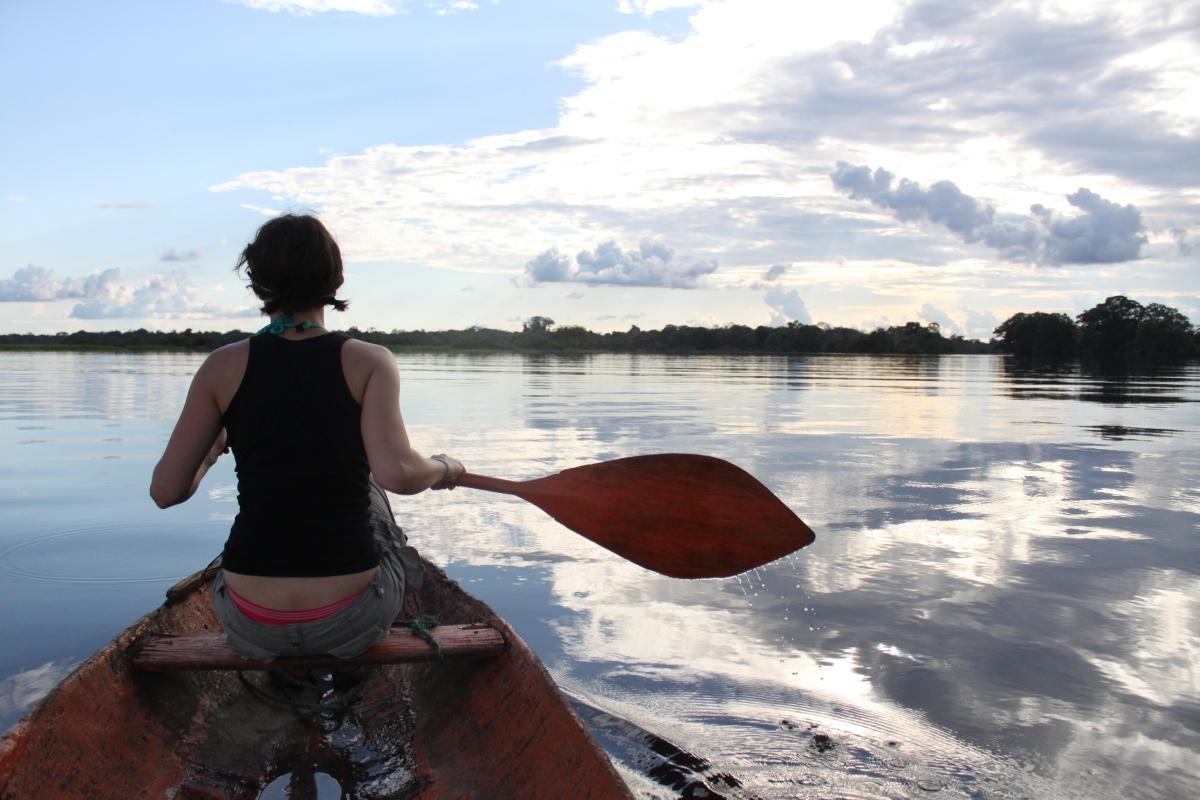
Leticia, in Colombia's far south on the Amazon River, offers access to rainforest lodges and indigenous communities at a point where the borders of Colombia, Peru and Brazil meet. Further east, the Llanos grasslands are known for wildlife spotting and traditional ranching culture, offering a very different landscape from the Andean cities most itineraries center on.
Domestic flights are the practical way to connect Colombia's main regions given the mountainous terrain, with Bogota's El Dorado International Airport serving as the primary hub. Within cities, taxis and ride hailing apps are the standard way to get around, while longer overland journeys between nearby towns, such as within the Coffee Region, are typically covered by shared van or private transfer rather than public bus given the winding mountain roads. Cartagena and San Andres each have their own airports as well, allowing travelers to fly directly into a coastal region without routing every connection through the capital. Spanish is the national language throughout the country, and while English is spoken in tourism focused areas of Cartagena and Bogota, guided tours generally bridge the gap for travelers in smaller towns and rural regions. Colombia uses the Colombian peso, and while cards are widely accepted in cities, carrying some cash is useful for markets, smaller towns and the Coffee Region's family run fincas.
Colombian food varies by region, from the coastal seafood and coconut rice of Cartagena to the bandeja paisa, a substantial plate of beans, rice, meat and plantain associated with Medellin and the Antioquia region. Music runs through daily life throughout the country, with cumbia and vallenato tied to the Caribbean coast and salsa closely associated with Cali, sometimes called the salsa capital of the world.
Because Colombia sits near the equator, temperature varies more by elevation than by season. December through March and July through August are generally the driest windows for sightseeing in the Andes and along the Caribbean coast, while the shoulder months bring a higher chance of rain, particularly in Bogota and the coffee region.