Free Cancellation
-high.jpg&w=1920&q=75 "Private One Day Tour with Sunrise at Angkor Wat")
-high.jpg&w=1920&q=75 "Angkor Wat, Angkor Thom & Ta Prohm Small-Group Day Tour with Sunset at Phnom Bakheng")
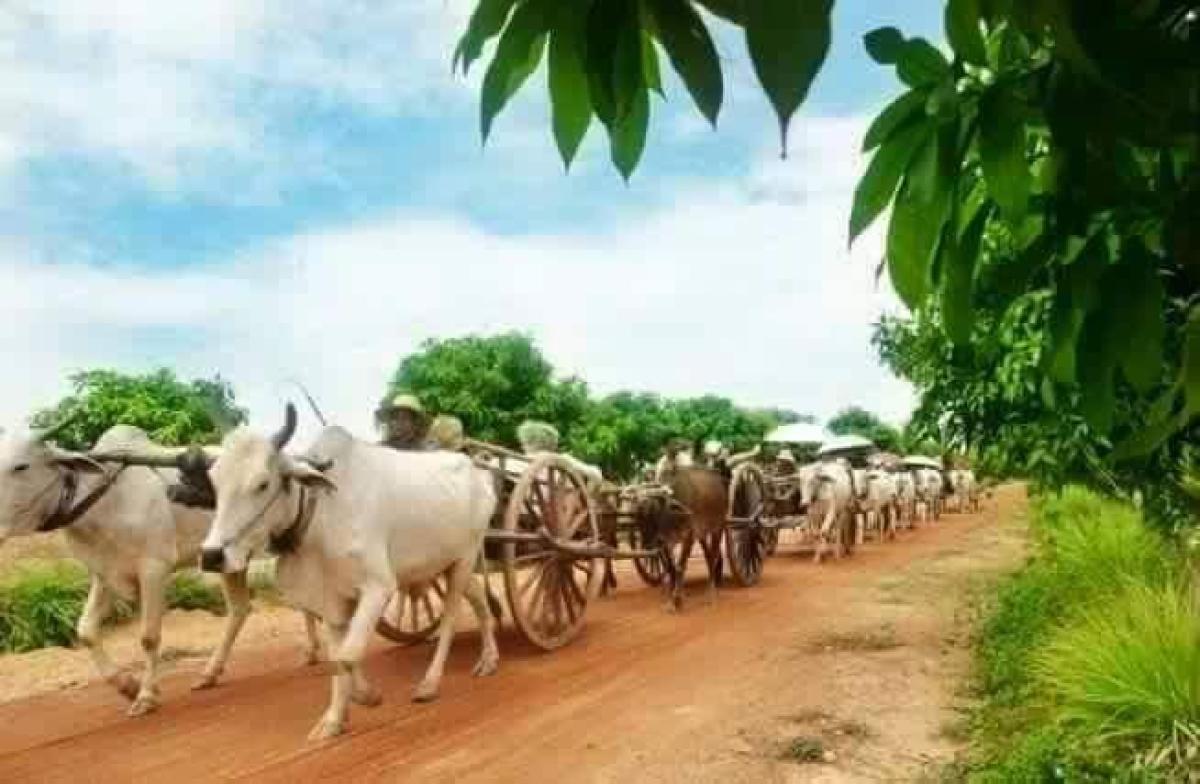
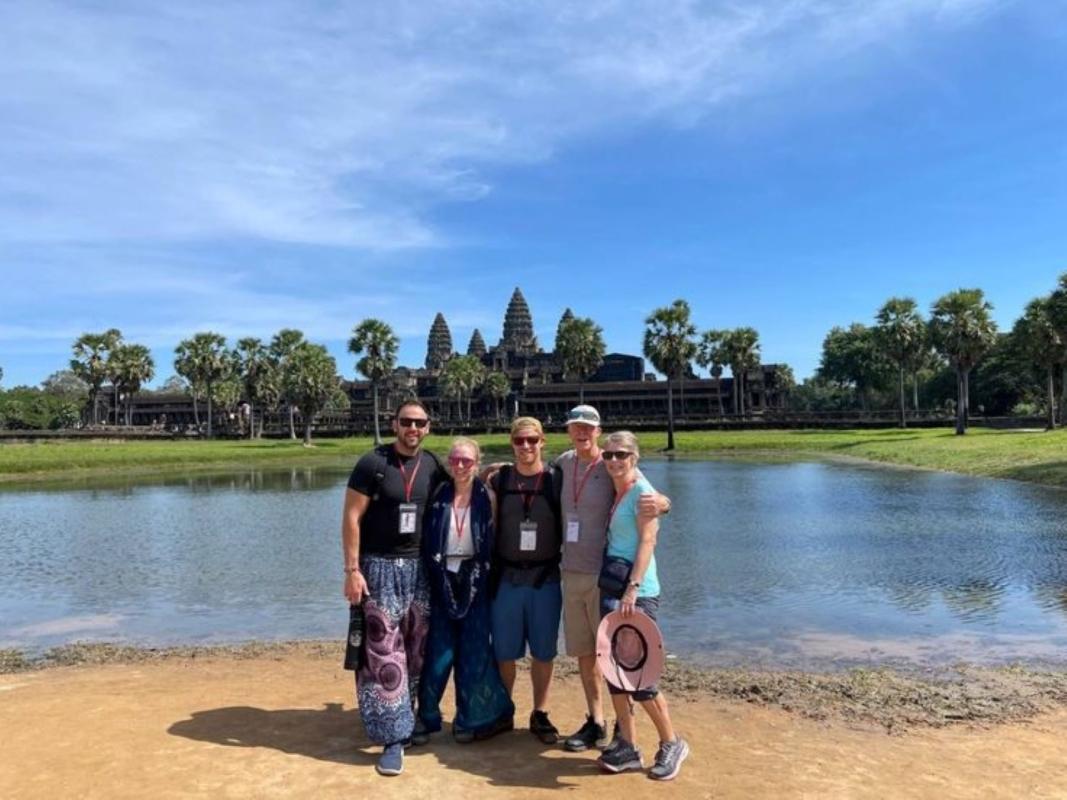
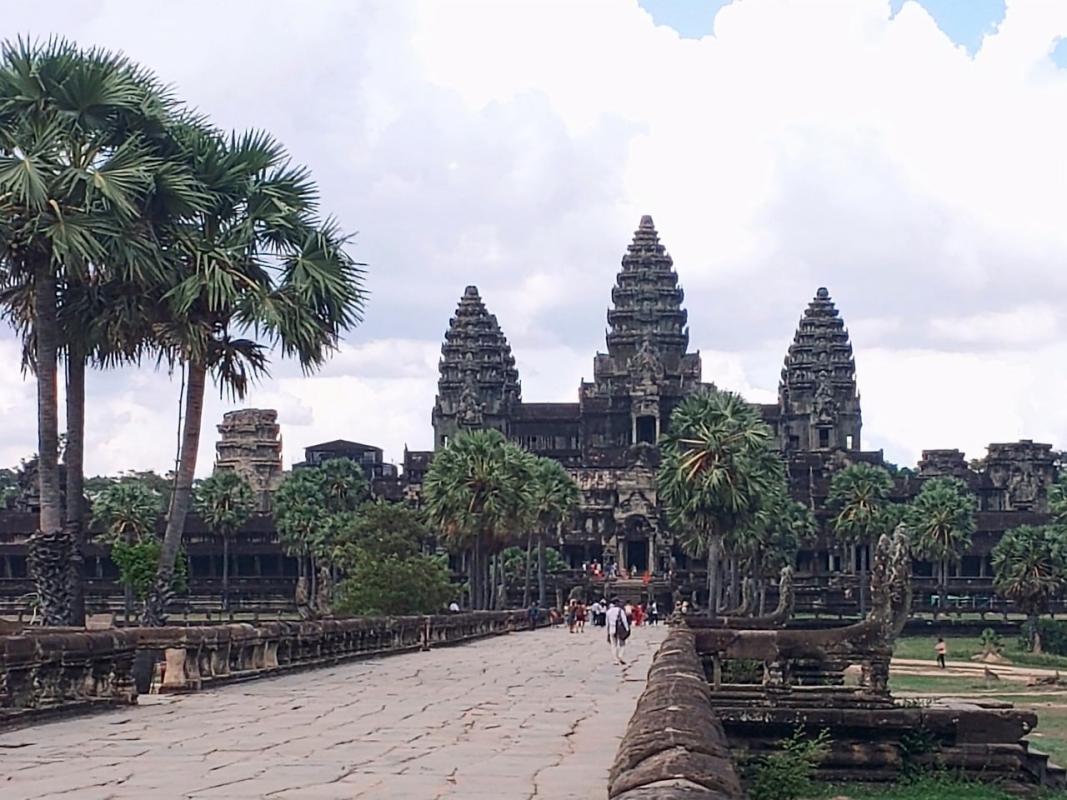
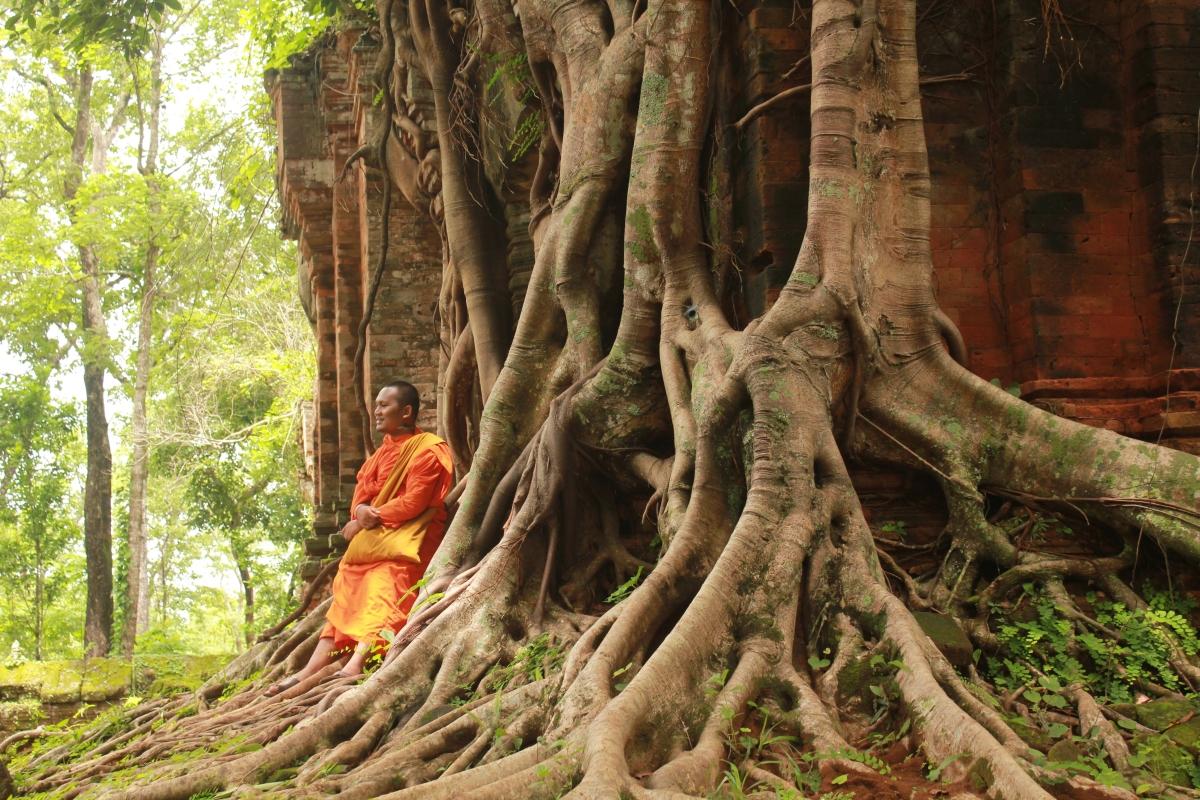
Cambodia Tours center on one of Southeast Asia's most significant historical landscapes, anchored by the temples of Angkor and framed by the Mekong and Tonle Sap river systems. Bordered by Thailand to the northwest, Laos to the north and Vietnam to the east, the country combines centuries of Khmer architecture with a modern capital still rebuilding from a difficult twentieth century history. Rice paddies, floating villages and a long Gulf of Thailand coastline round out a country that rewards both temple enthusiasts and travelers seeking a slower pace.
As part of a wider Asia itinerary or as a standalone trip, Cambodia Tours typically combine Siem Reap's temple complexes with Phnom Penh's riverside museums and, for travelers with more time, a stop along the southern coast. Guides trained in Khmer history and archaeology are a standard part of most itineraries, since the temple carvings and inscriptions found throughout the country carry historical detail that is easy to miss without context.
Between the ninth and fifteenth centuries, the Khmer Empire controlled much of what is now Cambodia, Thailand, Laos and southern Vietnam from a series of capitals built north of the Tonle Sap. Its rulers directed enormous irrigation and reservoir projects to support rice agriculture, and the same engineering skill produced the stone temples that remain the empire's most visible legacy. The empire's decline in the fifteenth century, following repeated conflict with the neighboring Ayutthaya kingdom, left many of these temples abandoned to the surrounding forest until French-led surveys began documenting them in the nineteenth century.
The Angkor Archaeological Park spreads across roughly 400 square kilometers north of Siem Reap and contains the remains of the Khmer Empire's capitals from the ninth through fifteenth centuries. UNESCO inscribed the site as a World Heritage property in 1992, and it remains the largest religious monument complex in the world.
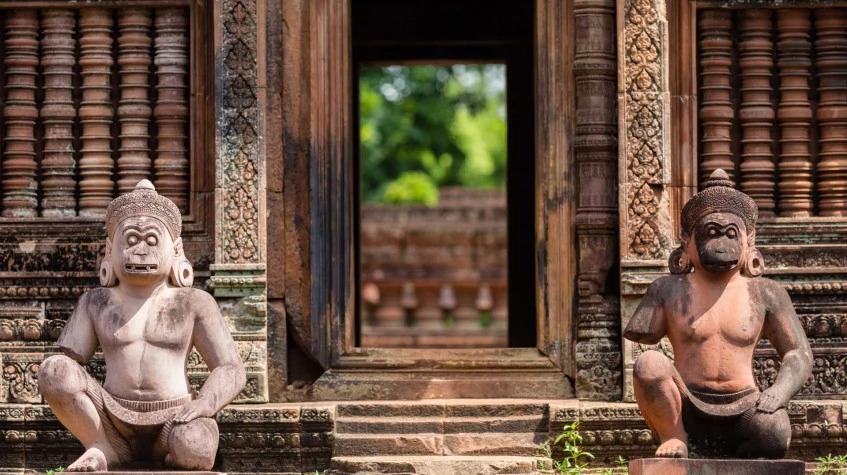
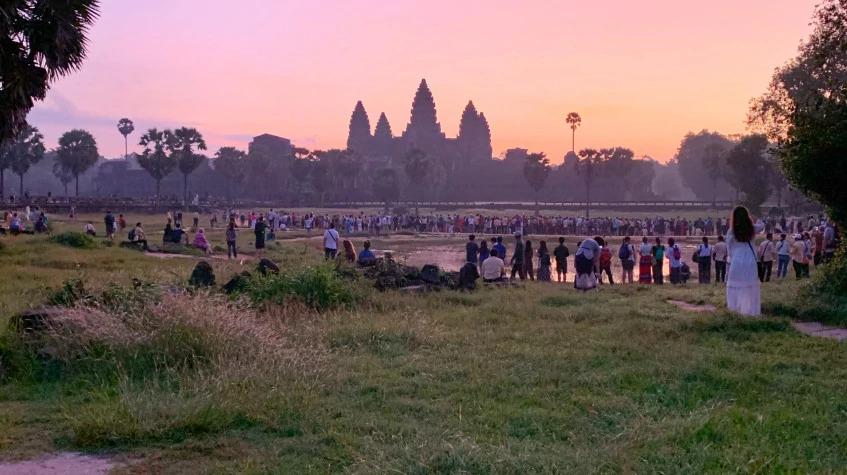
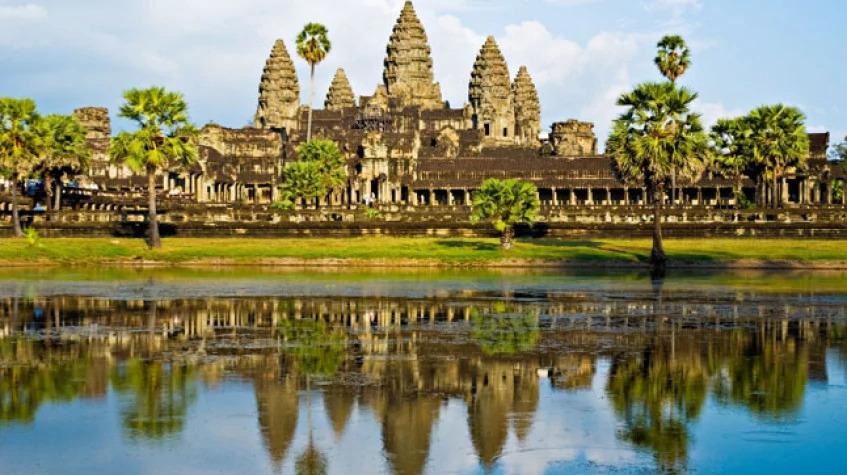
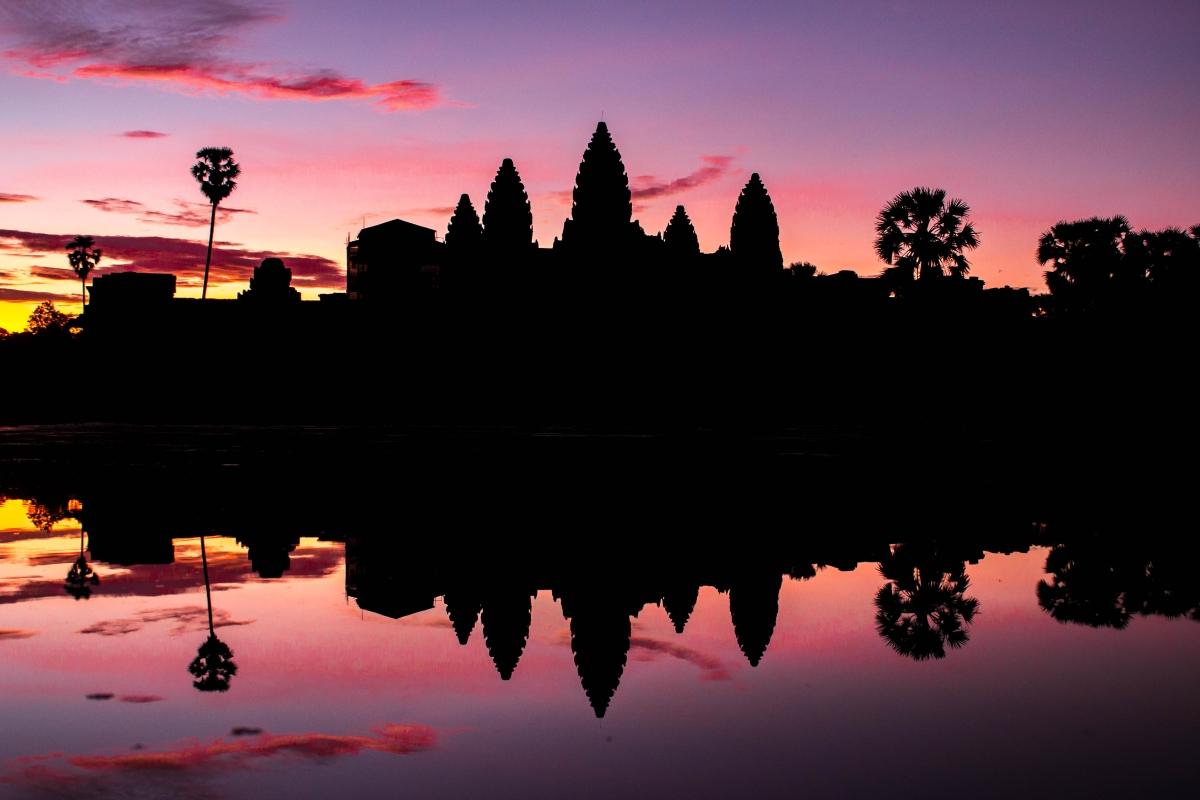
Angkor Wat was built in the early twelfth century under King Suryavarman II, originally as a Hindu temple dedicated to Vishnu before its later conversion to Buddhist use. Its five central towers, moat and extensive bas-relief galleries depicting Hindu epics make it the best preserved temple in the park and the image most associated with Cambodia.
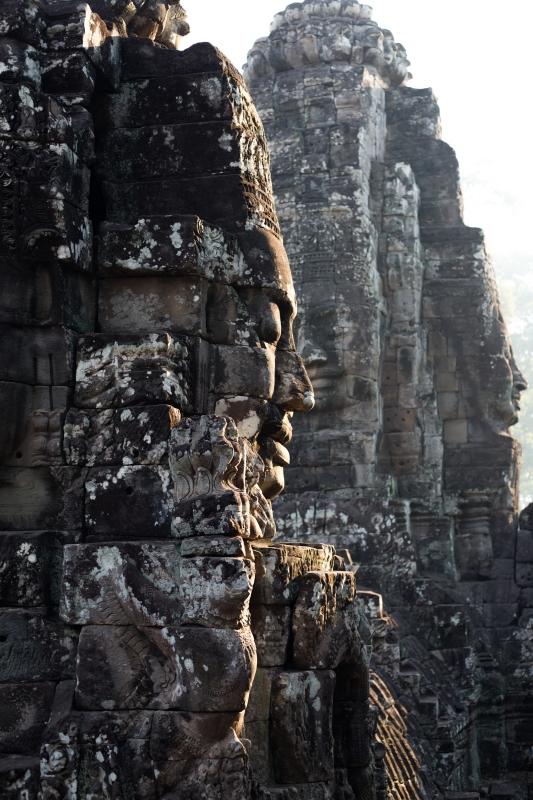
Angkor Thom was the last great capital of the Khmer Empire, built by Jayavarman VII at the end of the twelfth century. At its center stands the Bayon, a temple known for the 216 serene stone faces carved into its towers, believed to represent either the bodhisattva Avalokiteshvara or the king himself.
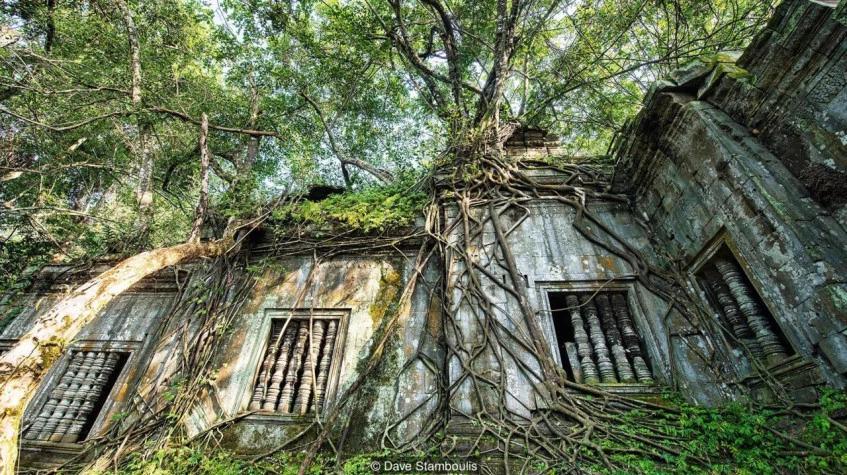
Ta Prohm has been left largely as it was found, with the roots of silk cotton and strangler fig trees woven through its stone corridors. The temple gained wider recognition after appearing in film productions, and it remains one of the more atmospheric stops in the park.
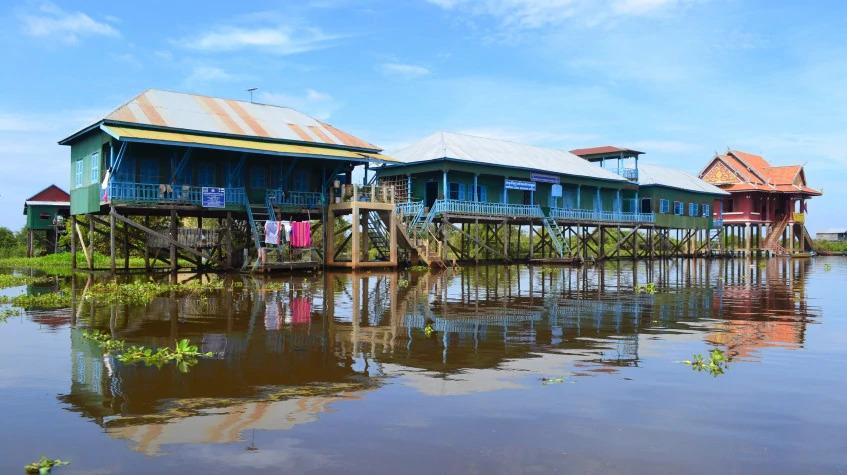
Siem Reap serves as the base for exploring Angkor and has grown into a compact city of markets, colonial era streets and a well developed restaurant scene. A short drive south, Tonle Sap is Southeast Asia's largest freshwater lake, expanding and contracting dramatically between dry and wet seasons and supporting floating villages built by Cambodian, Vietnamese and Cham fishing communities. The Half Day Kompong Phluk Tonle Sap Lake tour is a common way to see the stilted houses and flooded mangrove forest of this ecosystem without adding an extra overnight stop.
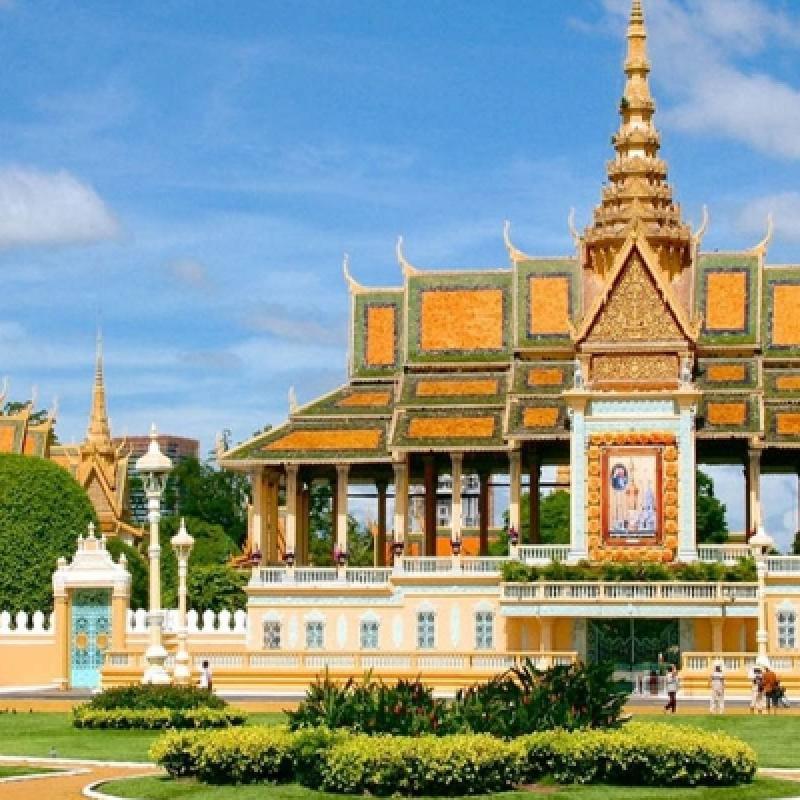
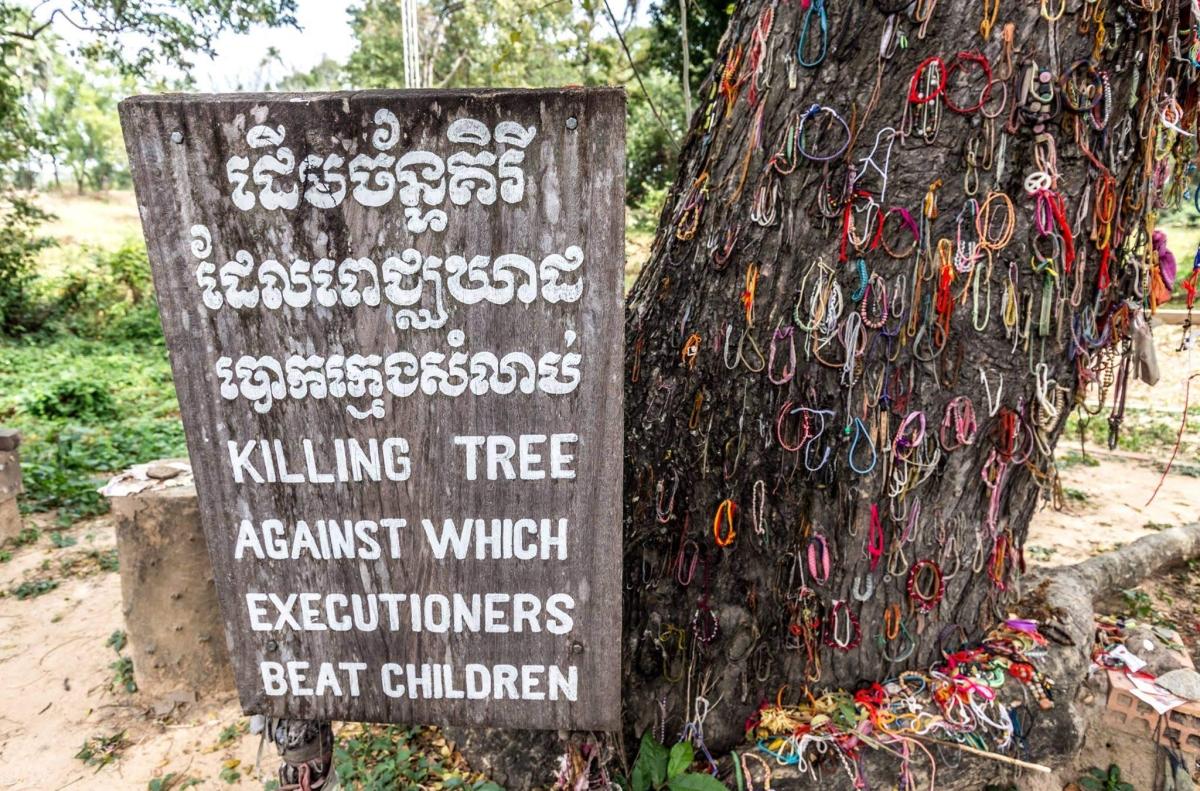
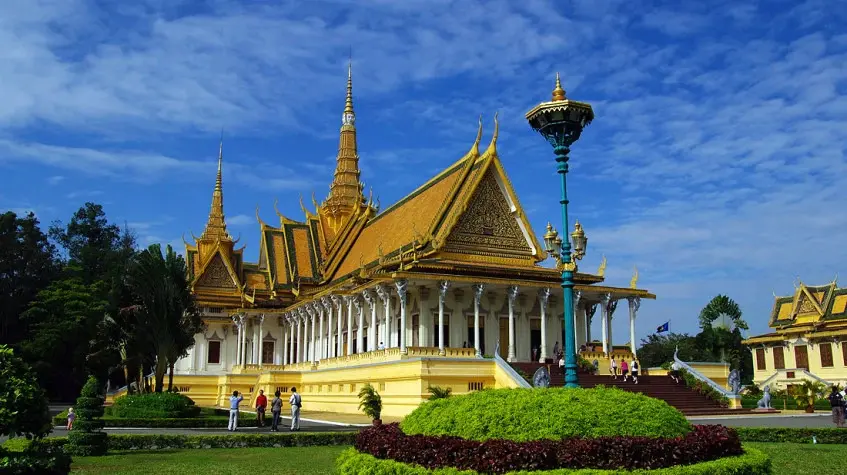
Cambodia's capital sits at the confluence of the Mekong, Bassac and Tonle Sap rivers. The Royal Palace and adjoining Silver Pagoda showcase Khmer royal architecture, while the National Museum houses one of the world's foremost collections of Khmer sculpture. The city's twentieth century history is documented at Tuol Sleng, a former school converted into a prison during the Khmer Rouge period, and at the Choeung Ek memorial on the outskirts, generally referred to as the Killing Fields. Most visitors pair these sites in a single day to understand both the achievements and the tragedies of recent Cambodian history.
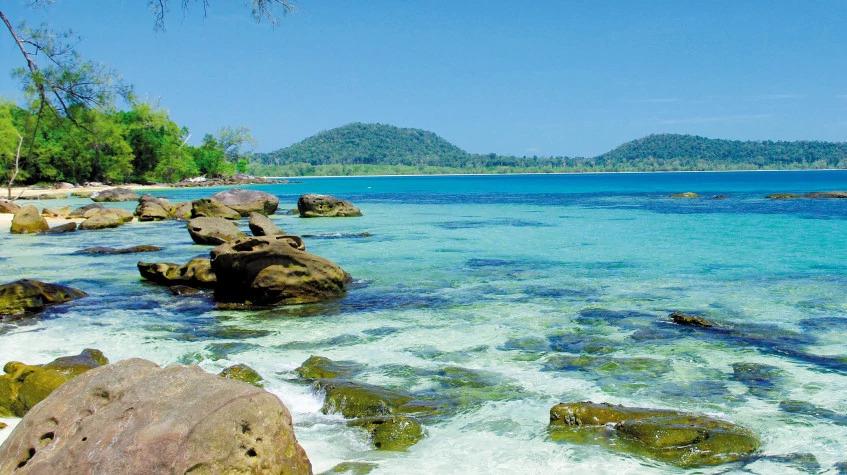
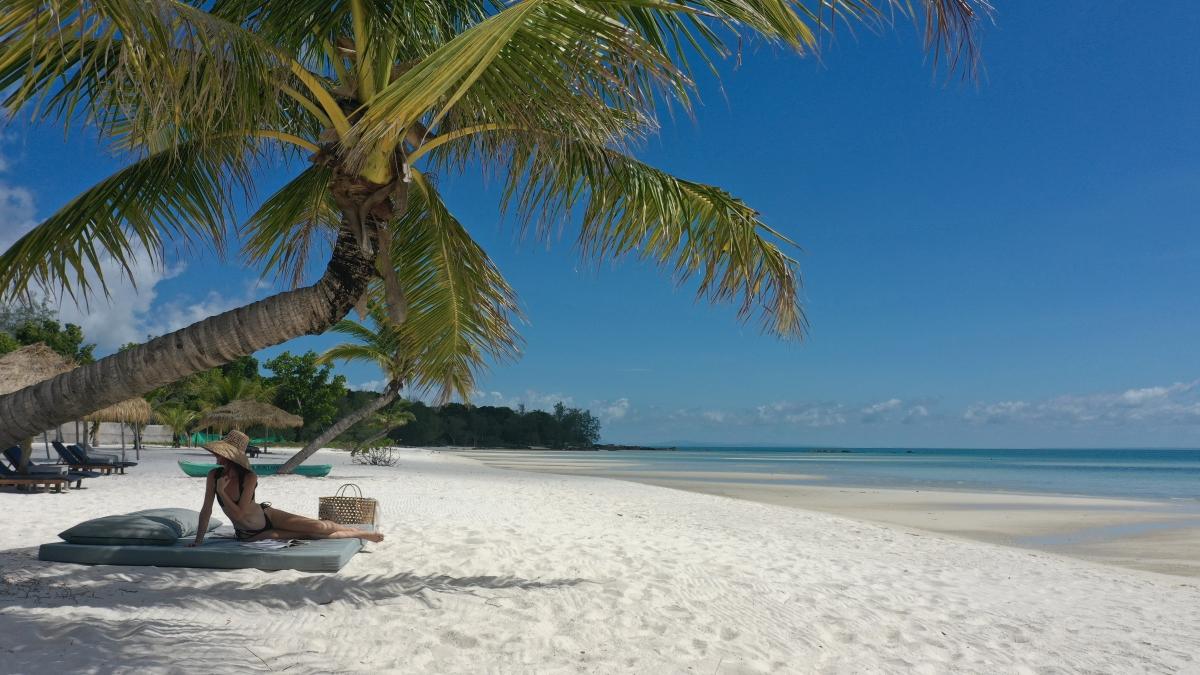
Travelers with additional time often add Battambang, a riverside city known for French colonial shophouses and the Bamboo Train, a simple rail cart once used to move goods and passengers along a narrow gauge line. On the coast, Sihanoukville and the islands of Koh Rong and Koh Rong Samloem offer beaches and diving that contrast with the temple focused itineraries further inland, making a useful add on for trips that combine culture with time by the water. Kampot, further along the coast, is known for its pepper plantations and a slower, French colonial atmosphere along the Praek Tuek Chhu river.
Cambodia's silk weaving tradition survived the disruptions of the twentieth century through workshops around Siem Reap and villages along the Mekong that continue to hand dye and weave textiles using techniques passed down through generations. The Old Market in Siem Reap and the Central Market in Phnom Penh, the latter housed in a distinctive art deco dome completed in 1937, both combine food stalls with vendors selling silk, silver and carved stone reproductions of Angkor's temple motifs.
Khmer cuisine centers on rice and freshwater fish, flavored with prahok fermented fish paste, lemongrass and palm sugar. Amok, a coconut curry typically steamed in a banana leaf, is the dish most associated with the country and appears on menus from street stalls to riverside restaurants in both Siem Reap and Phnom Penh. Nom banh chok, a rice noodle dish served with fish based green curry, is a common breakfast throughout the country. Domestic flights connect Siem Reap and Phnom Penh in under an hour, while road transfers along improved highways take five to six hours and pass through rural villages and rice fields.
The dry season from November through February brings the most comfortable temperatures and the least rainfall, making it the preferred window for walking through temple complexes. March through May is hot and can be uncomfortable for extended outdoor sightseeing, while the wet season from June through October brings afternoon showers but also fills Tonle Sap Lake to its fullest extent, which some travelers prefer for the floating village visits.