
Free Cancellation
Phnom Penh Tours explore Cambodia's capital at the point where the Tonle Sap and Mekong rivers meet, a setting that has shaped the city since it became the royal seat in 1434. Wide boulevards, French colonial buildings and a long riverside promenade sit alongside working markets and pagodas, giving Phnom Penh a different rhythm from the temple towns further north. The city carries both the grandeur of the Khmer monarchy and the weight of a difficult modern history.
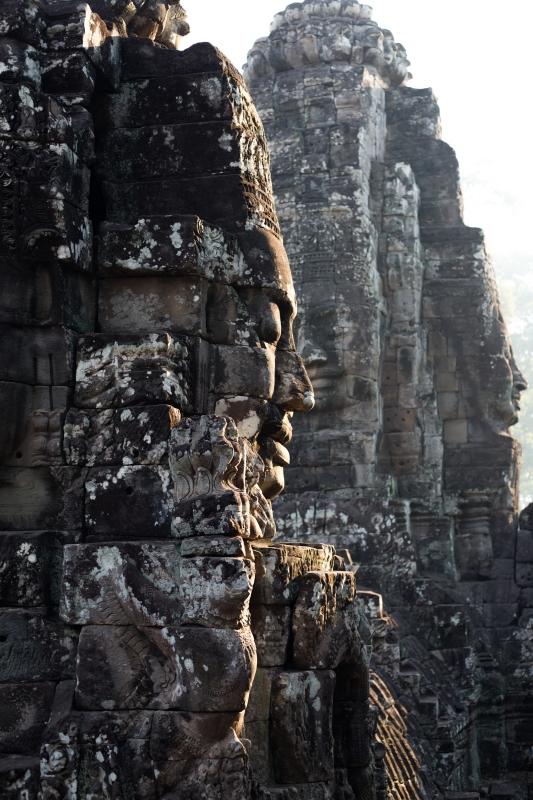
Many visitors see Phnom Penh as part of a wider Cambodia itinerary, pairing a day or two in the capital with the temples of Siem Reap or a stop on the coast. Phnom Penh Tours typically combine the royal sites, the National Museum and the city's markets with visits that address the Khmer Rouge period directly and without sensationalism.
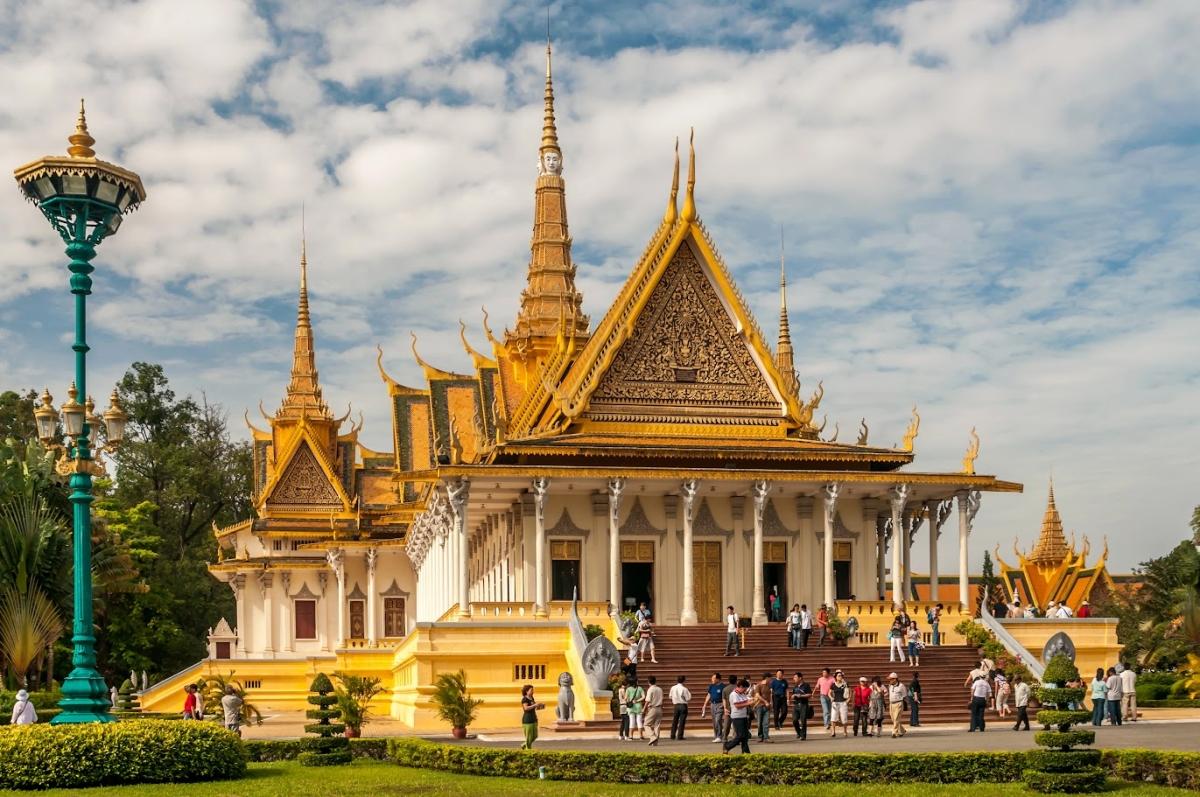
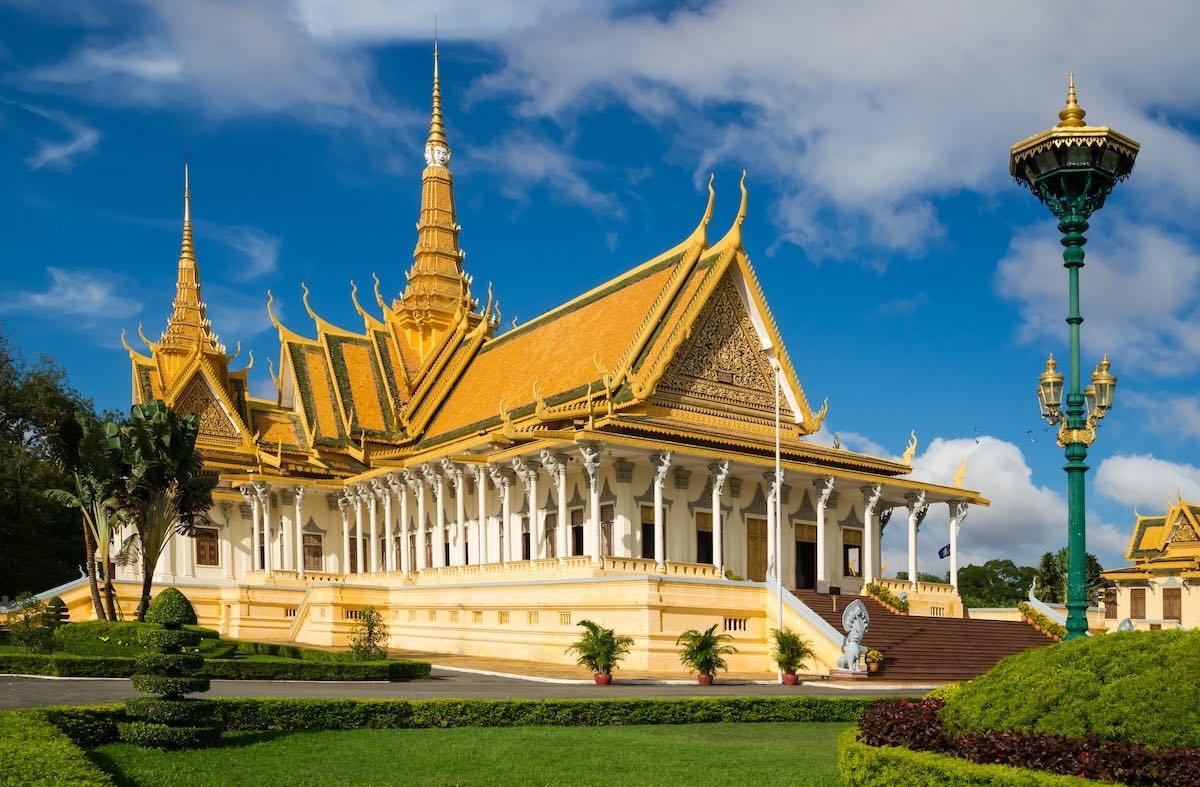
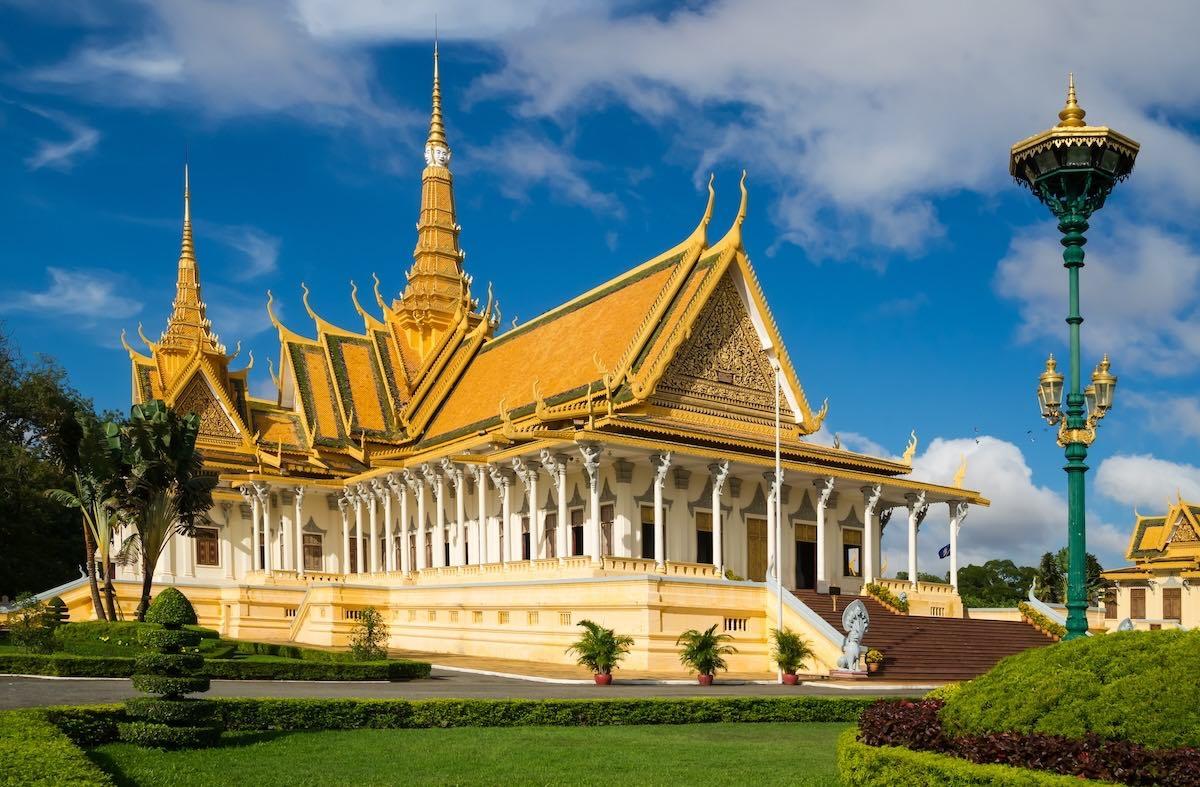
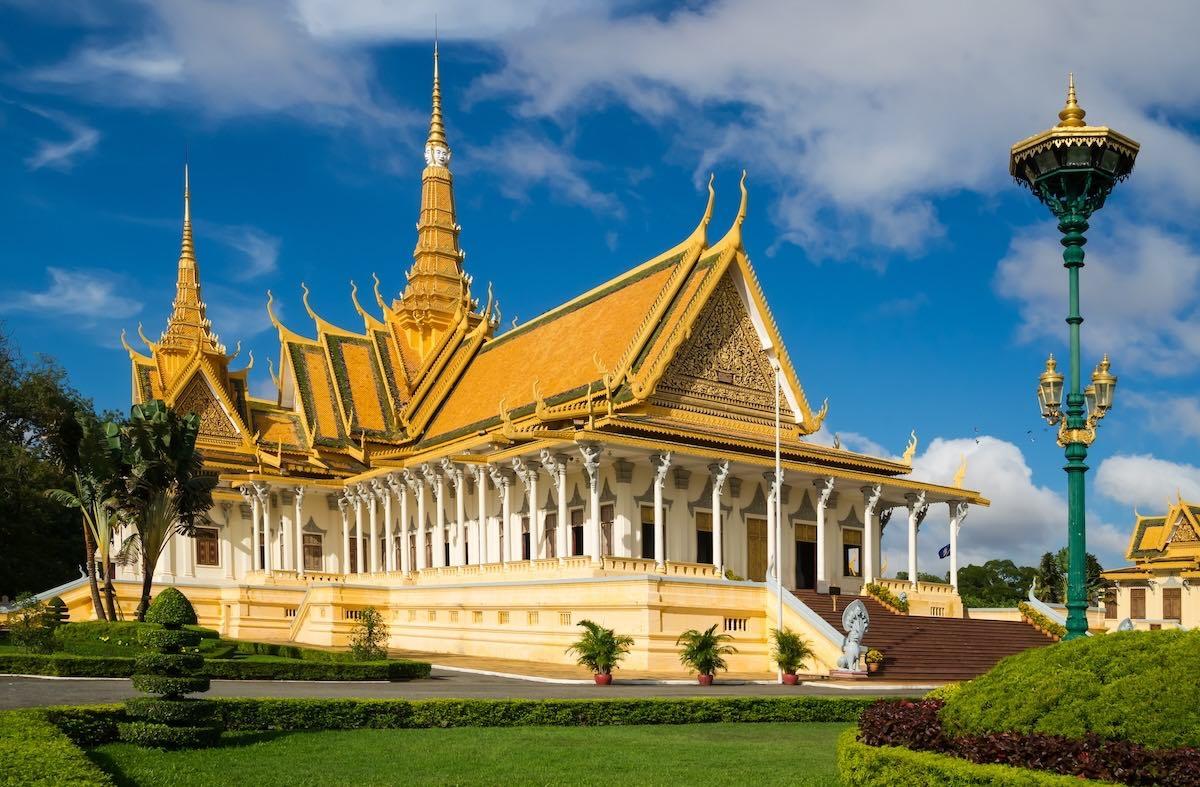
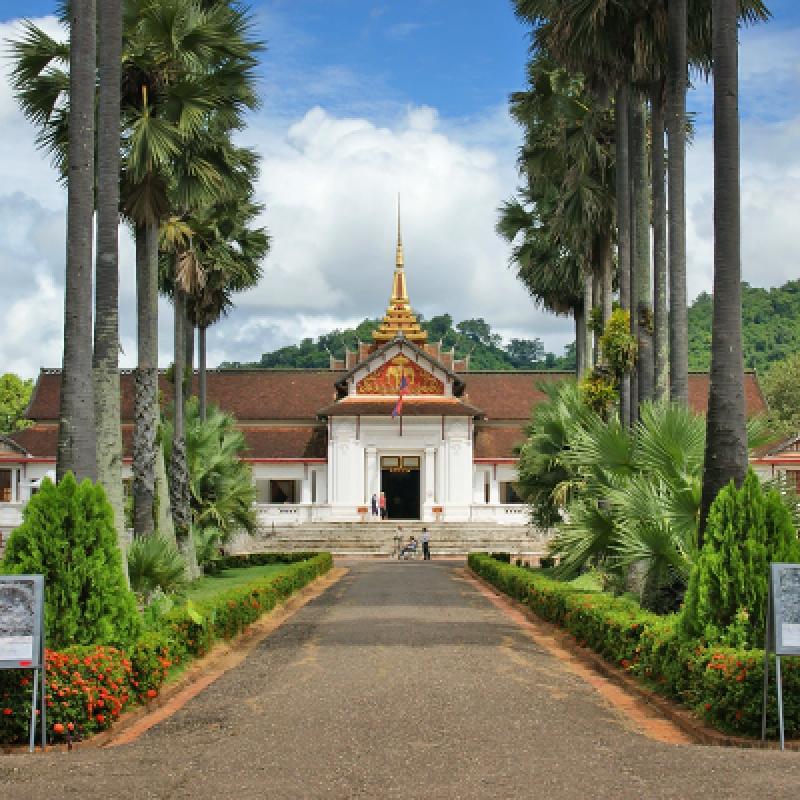
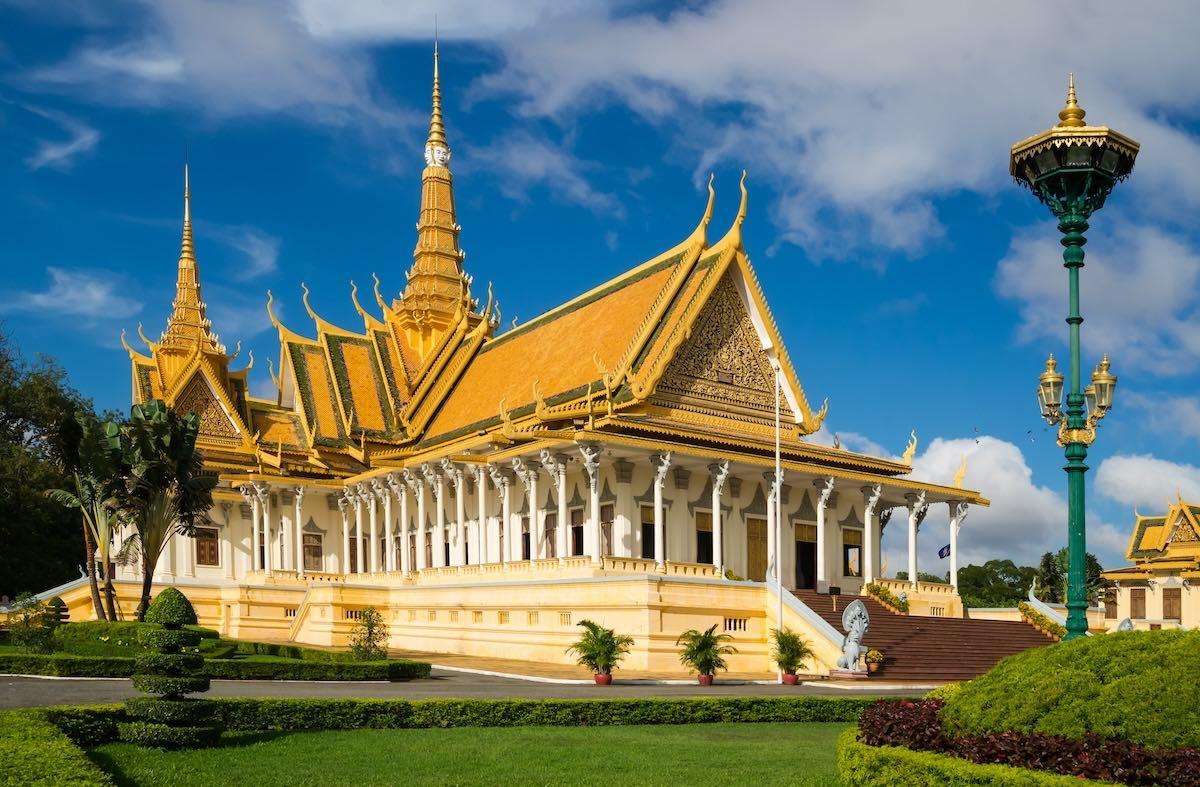
The Royal Palace has served as the residence of the Cambodian king since 1866, its gilded roofs and spired halls built in a style that blends traditional Khmer design with French influence. Inside the palace compound, the Silver Pagoda takes its name from the more than five thousand silver tiles covering its floor and houses a collection of Buddha statues, including a small emerald Buddha and a life-size gold Buddha set with diamonds.
Just north of the palace, the National Museum holds one of the largest collections of Khmer sculpture in the world, spanning bronze age pieces through the Angkorian era. The terracotta building itself, completed in 1920, is a landmark of Cambodian architecture in its own right.
Set on the only hill in the city center, Wat Phnom is the pagoda that gave Phnom Penh its name. Local legend traces its founding to 1372, when a woman named Penh discovered four Buddha statues washed up on the riverbank. The surrounding park is a common stop for a short walk between other sights.
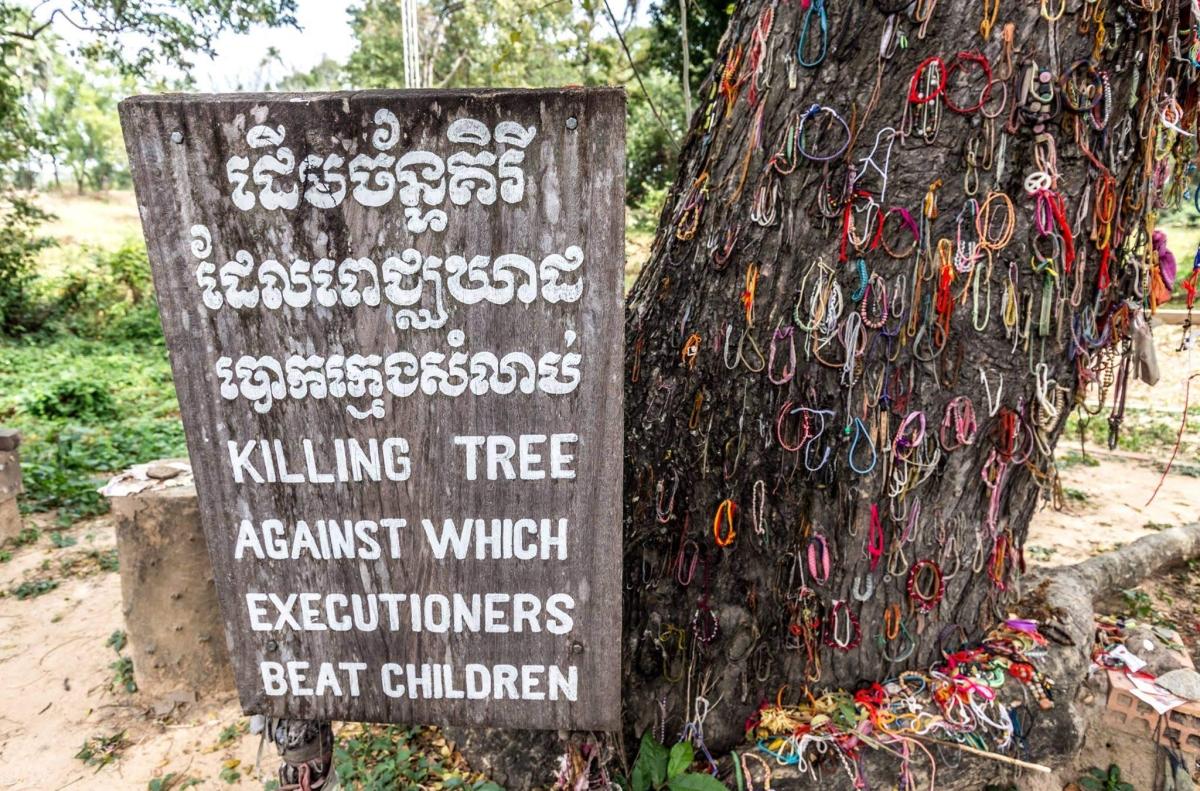
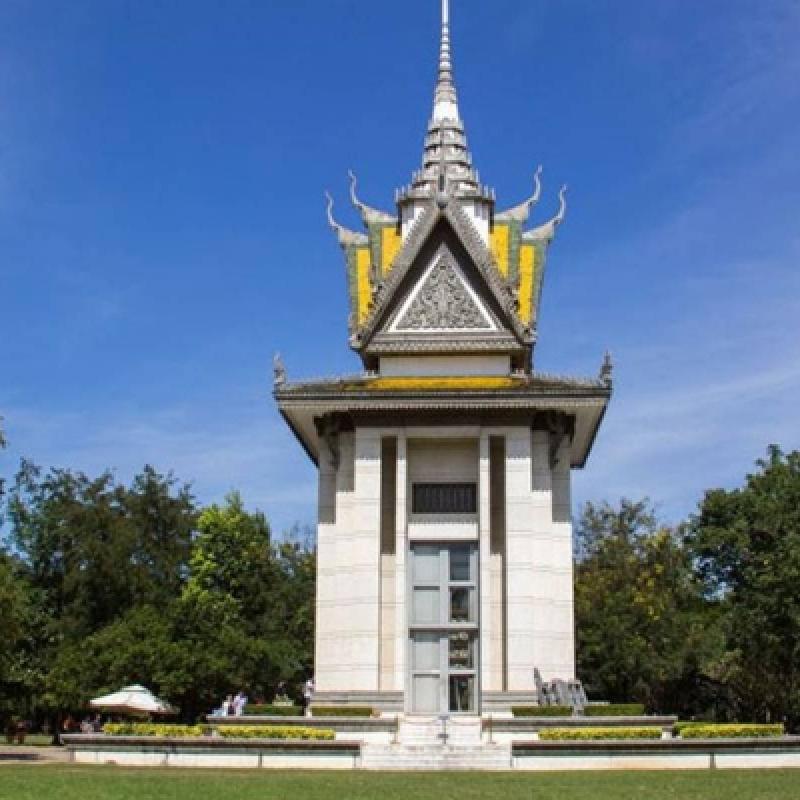
Tuol Sleng Genocide Museum occupies a former high school that the Khmer Rouge converted into the S-21 prison between 1975 and 1979. Classrooms still hold the original cells, restraints and photographs documenting the estimated seventeen thousand people held there. Most tours pair the museum with the Choeung Ek Killing Fields on the city outskirts, where an audio guide leads visitors through the site's history using survivor and witness accounts. These stops form part of an honest account of twentieth century Cambodian history rather than a sightseeing highlight.
Package tours from Phnom Penh often extend into a broader look at the country, joining the capital with Siem Reap's temples, the coastal town of Sihanoukville or rural areas along the Mekong. 15 Days Authentic Cambodia is one such itinerary, covering the capital alongside the country's temples, countryside and coast over a longer trip.
Shorter city tours generally run half a day to a full day and focus on the Royal Palace, National Museum, Central Market and the genocide-related sites, while private guides can adjust the pace or skip particular stops on request.
Psar Thmei, known as Central Market for its distinctive art deco dome built in 1937, sells everything from gold jewelry to clothing and street food under one roof. The Sisowath Quay riverside promenade, facing the confluence of the Tonle Sap and Mekong, is where much of the city gathers in the evening for food stalls and open-air exercise classes.
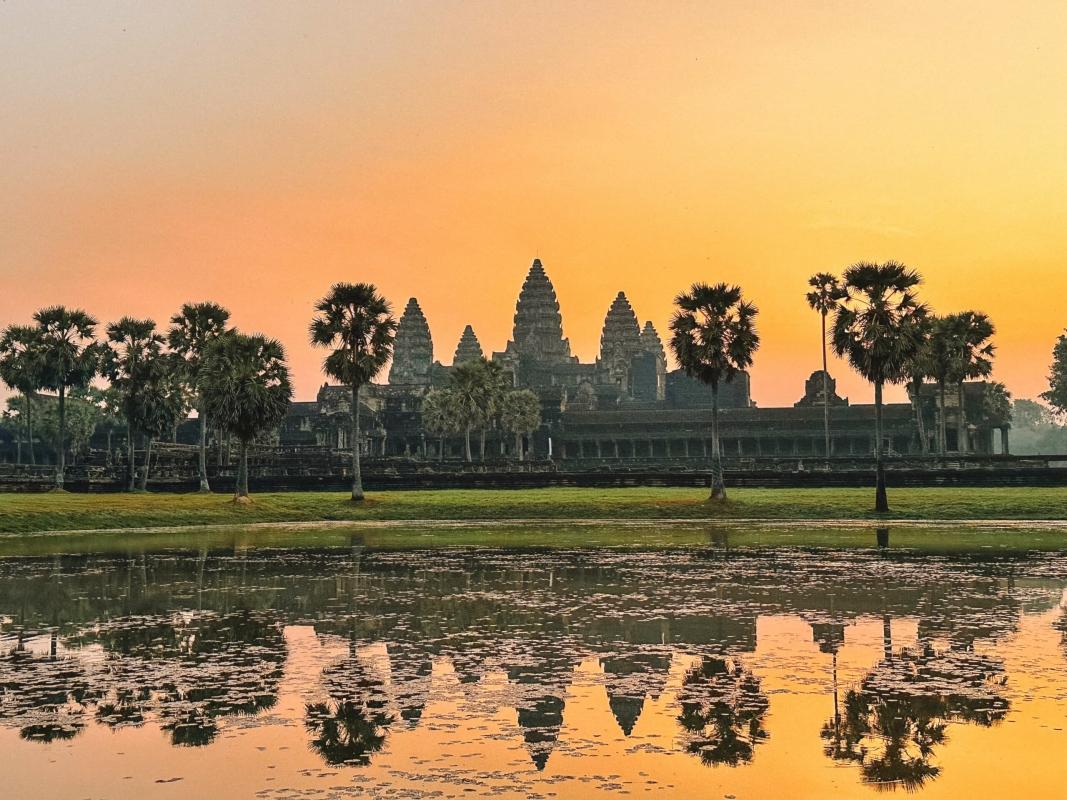
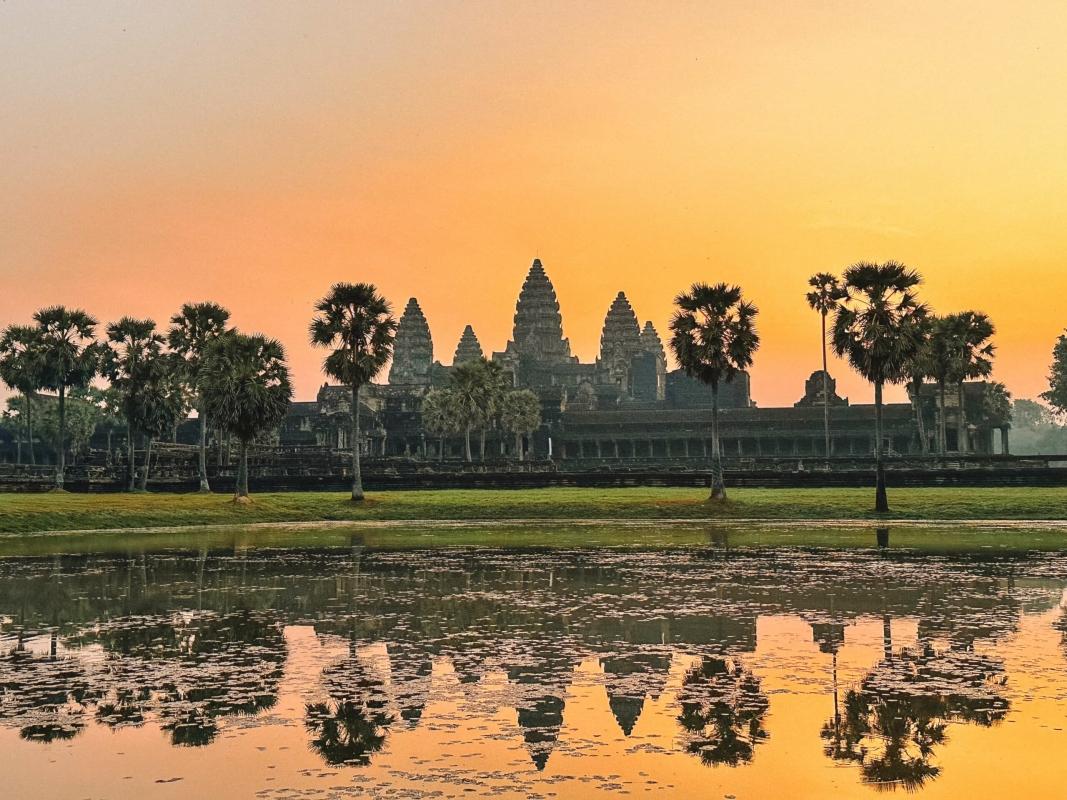
The Independence Monument, built in 1958 to mark Cambodia's independence from France, stands at a major roundabout south of the palace and is modeled on the tower at Angkor Wat and other Khmer temple sites. Streets radiating from it still carry rows of French colonial shophouses, many now converted into cafes and small hotels, a reminder of Phnom Penh's decades as the administrative center of French Indochina.
The dry season from November to March brings lower humidity and little rain, making it the most comfortable period for walking between sights. April and May are hot before the rains arrive, while the wet season from June to October cools the city with regular afternoon downpours that rarely last long.