
Free Cancellation
-high.jpg&w=1920&q=75 "Angkor Wat, Angkor Thom & Ta Prohm Small-Group Day Tour with Sunset at Phnom Bakheng")
Siem Reap Tours center on Angkor, the temple complex that made this small Cambodian city one of the country's primary gateways for visitors. Once a rural market town, Siem Reap grew around its proximity to a site that served as the capital of the Khmer Empire between the ninth and fifteenth centuries. Today the city combines temple access with a walkable center of markets, restaurants and a tourism infrastructure built almost entirely around Angkor.
Siem Reap sits within a broader Cambodia itinerary for most travelers, frequently paired with the capital Phnom Penh or the coast. Siem Reap Tours generally focus on multi-day temple access, with additional time set aside for Tonle Sap Lake, local markets and the city's food scene.
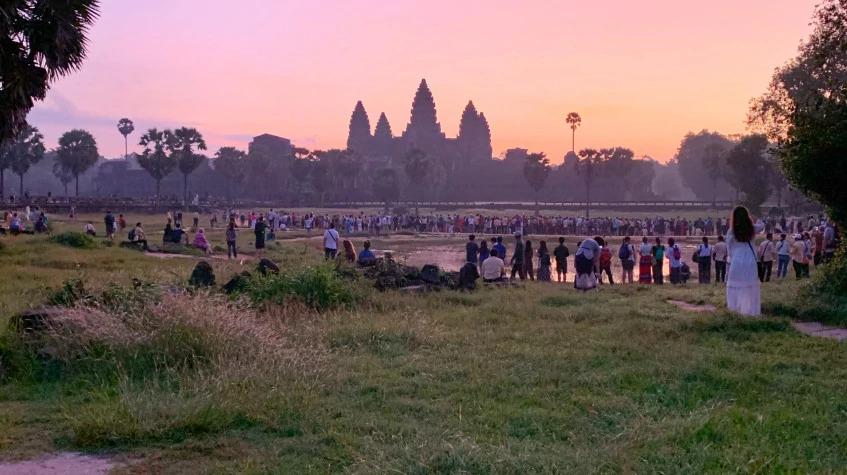
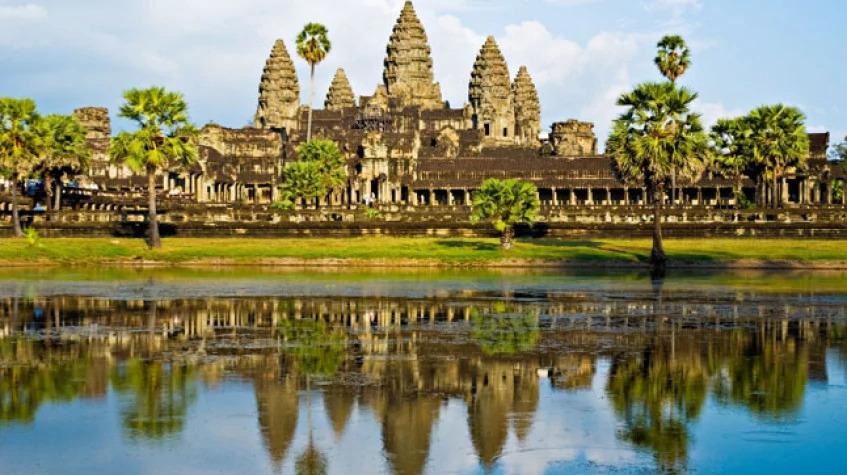
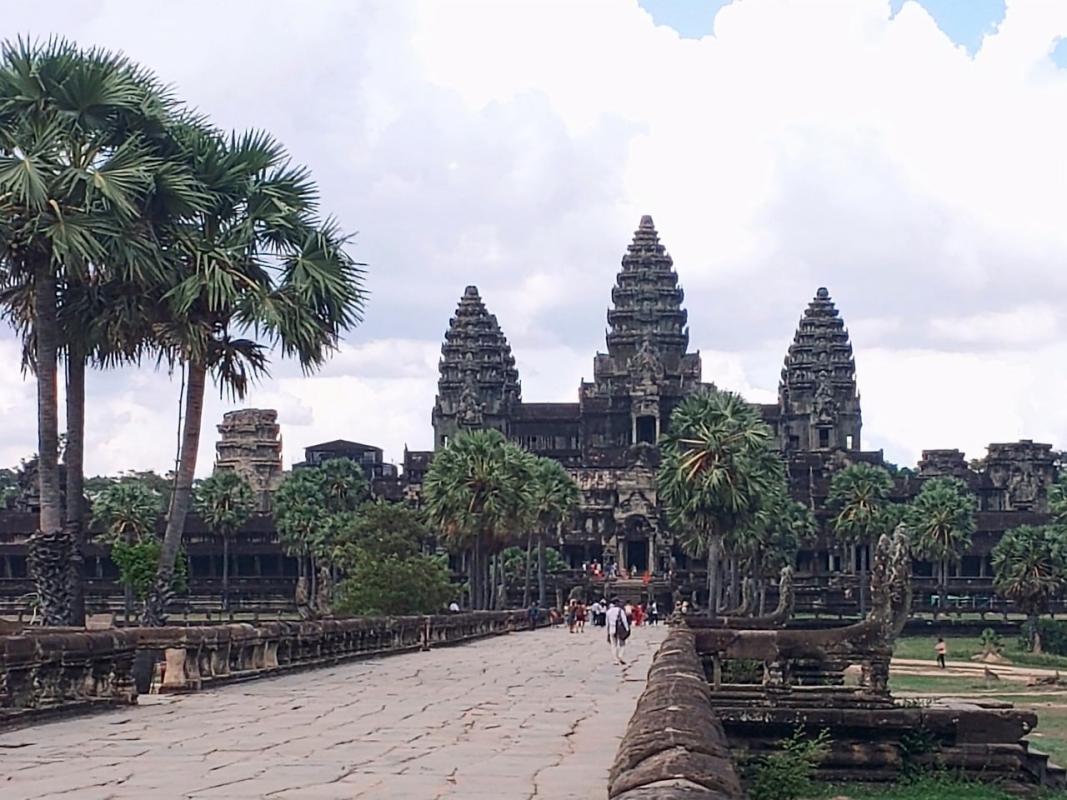
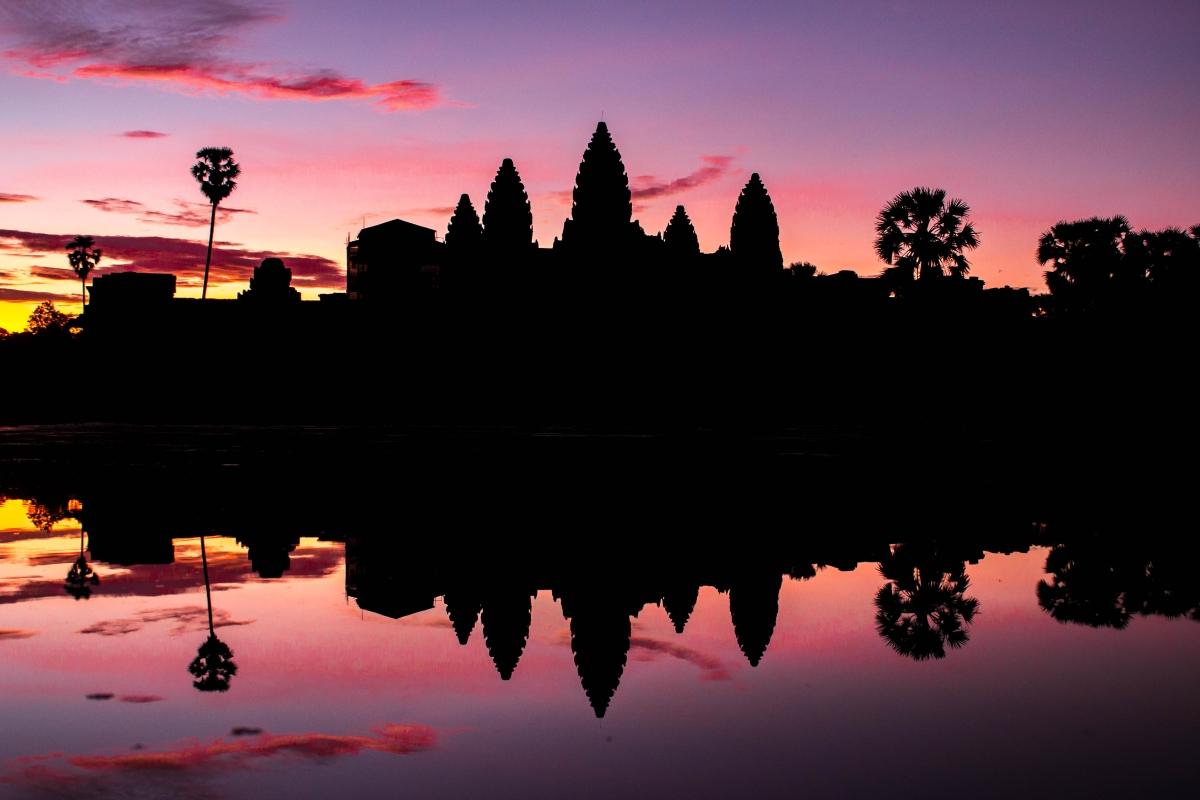
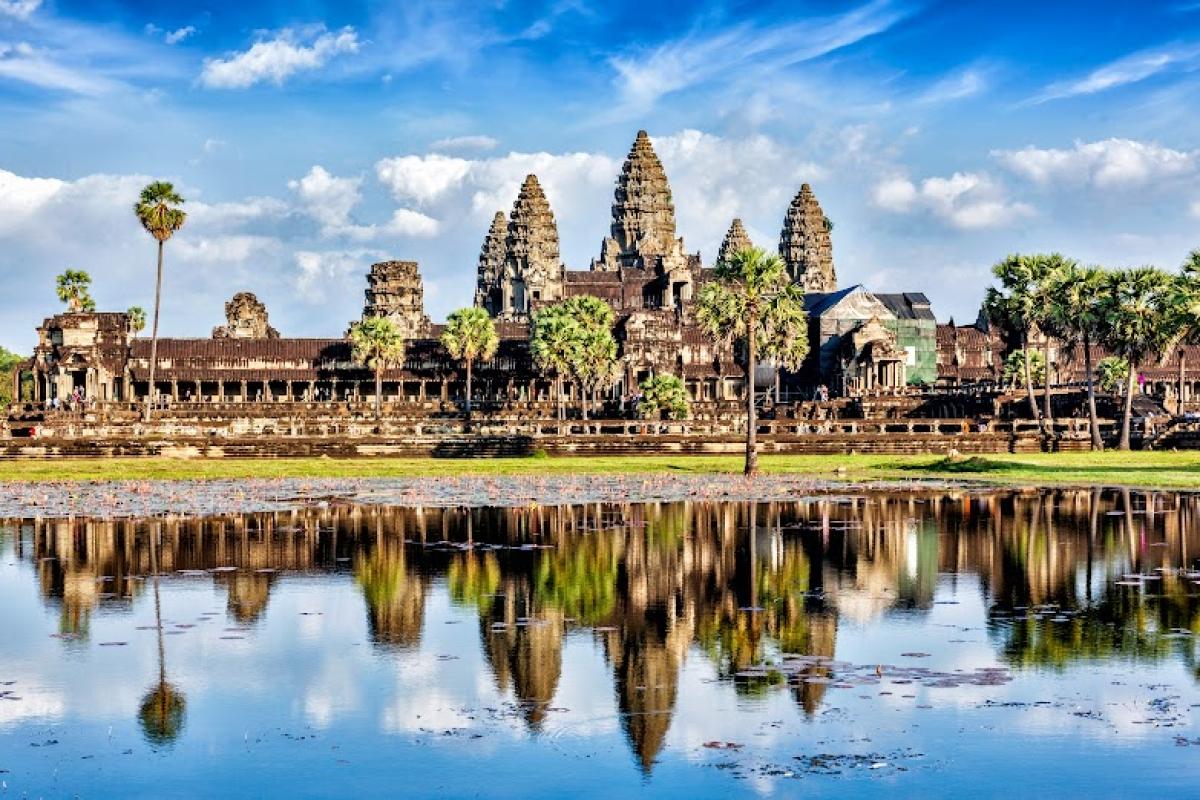
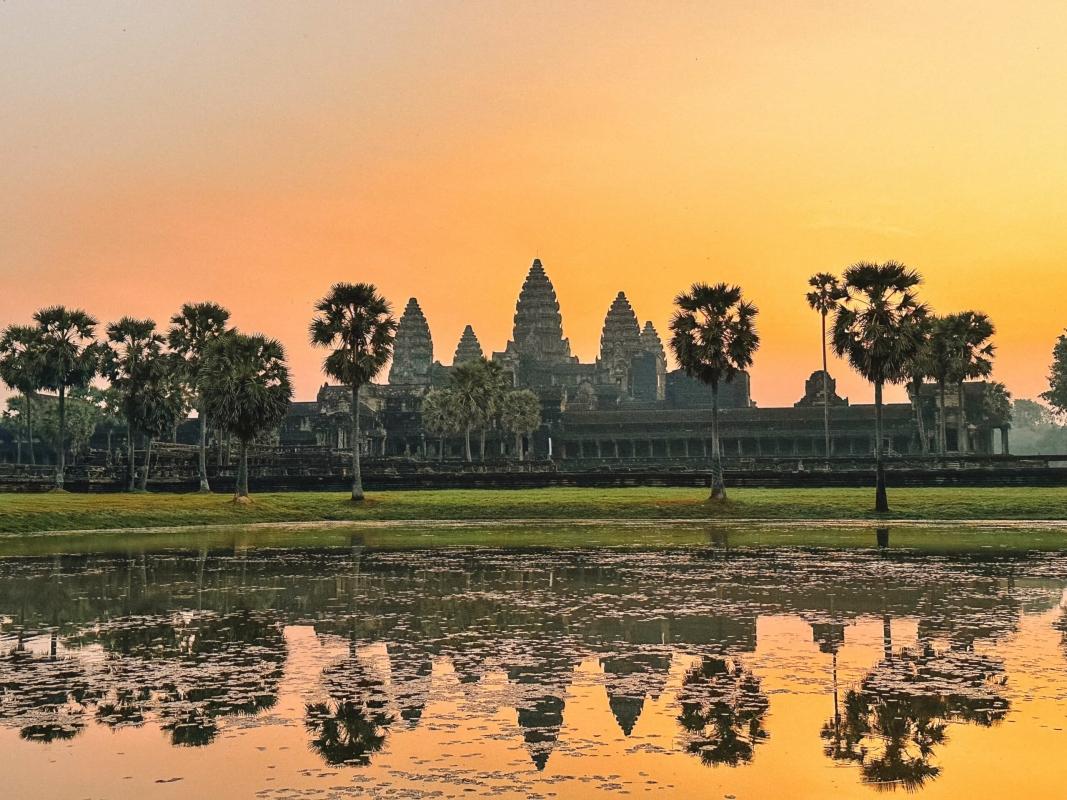
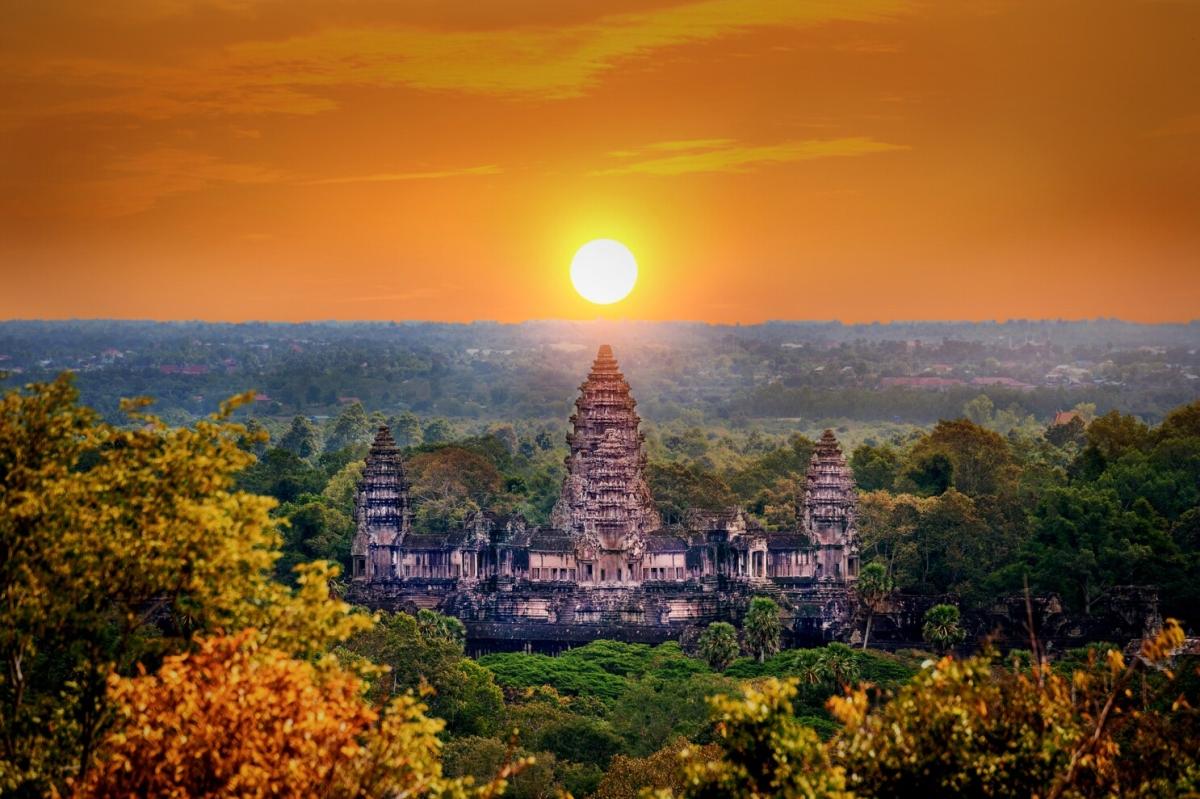
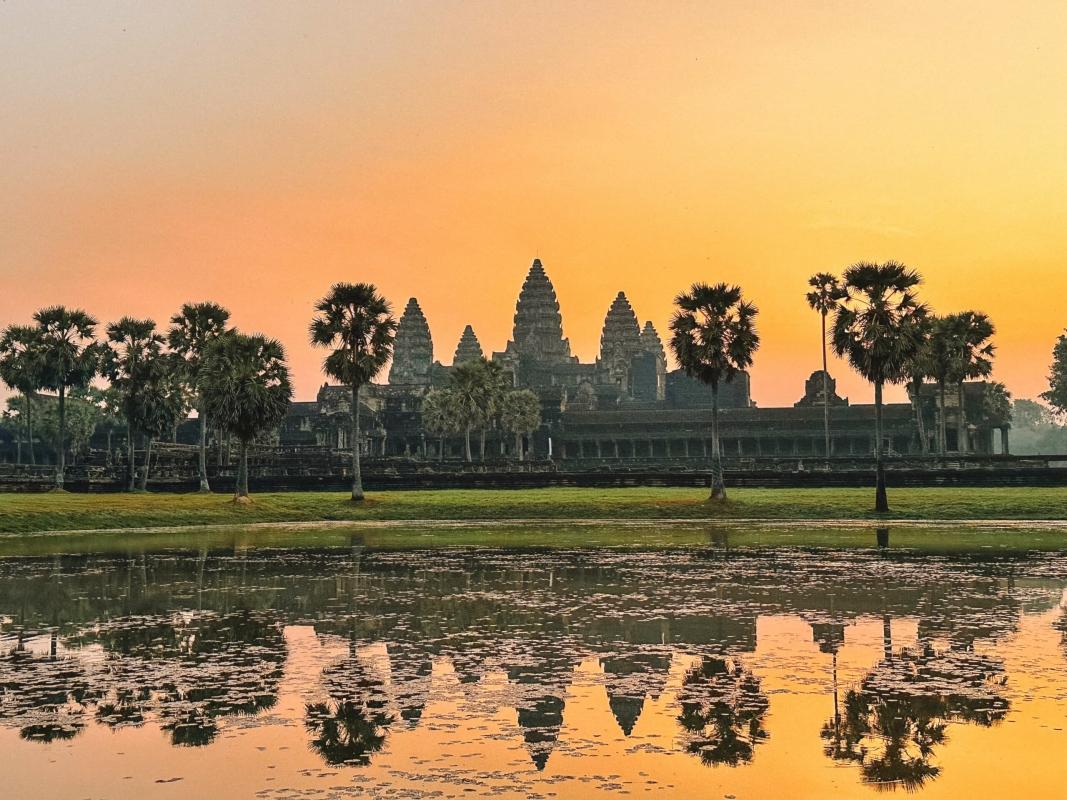
Angkor Wat is the largest religious monument in the world, built in the early twelfth century under King Suryavarman II as a Hindu temple later converted to Buddhist use. Sunrise visits are the most common way to see the temple, when the five central towers are reflected in the surrounding moat before the crowds and heat build up.
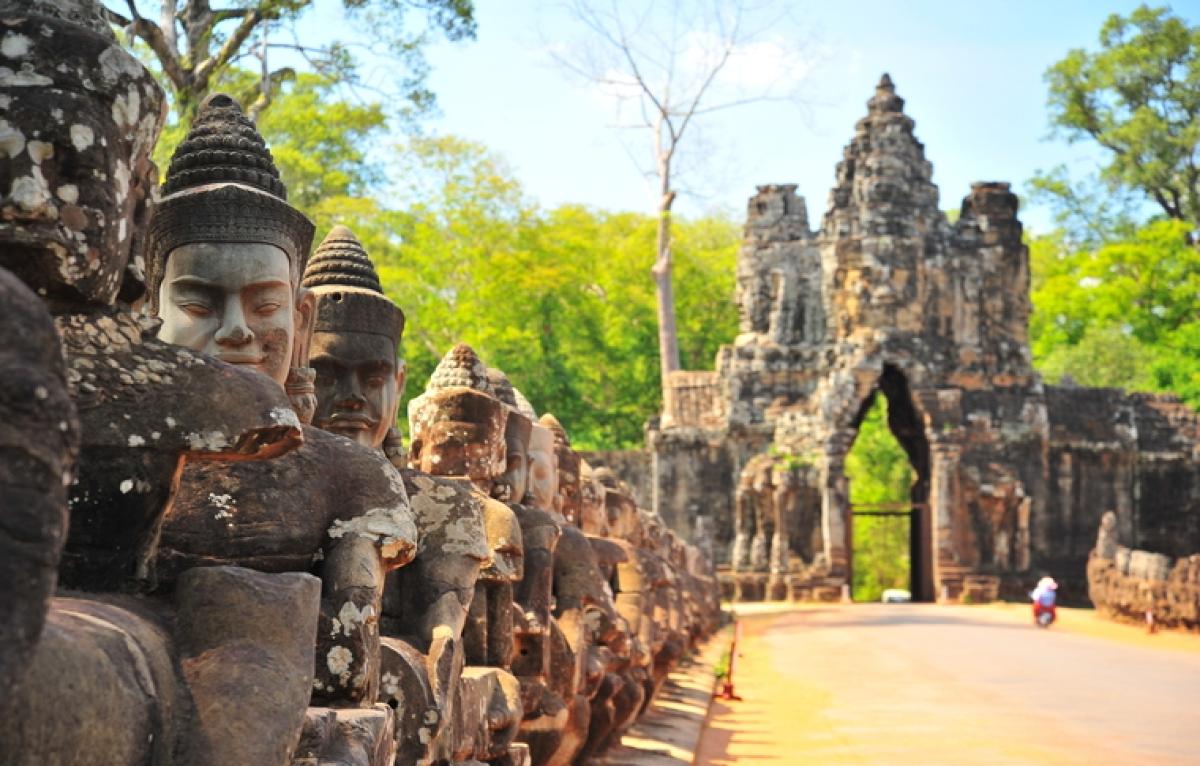
Angkor Thom was the last capital of the Khmer Empire, a walled city covering roughly nine square kilometers. At its center, the Bayon temple is known for its 216 carved stone faces, thought to combine the likeness of King Jayavarman VII with the bodhisattva Avalokiteshvara.
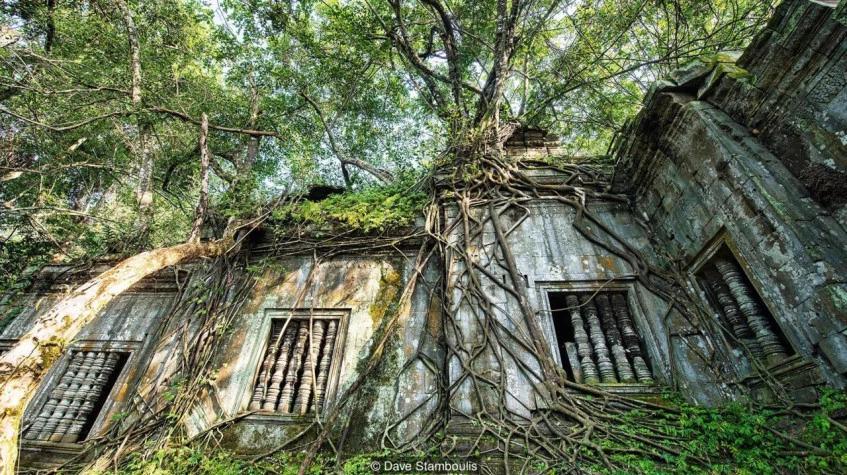
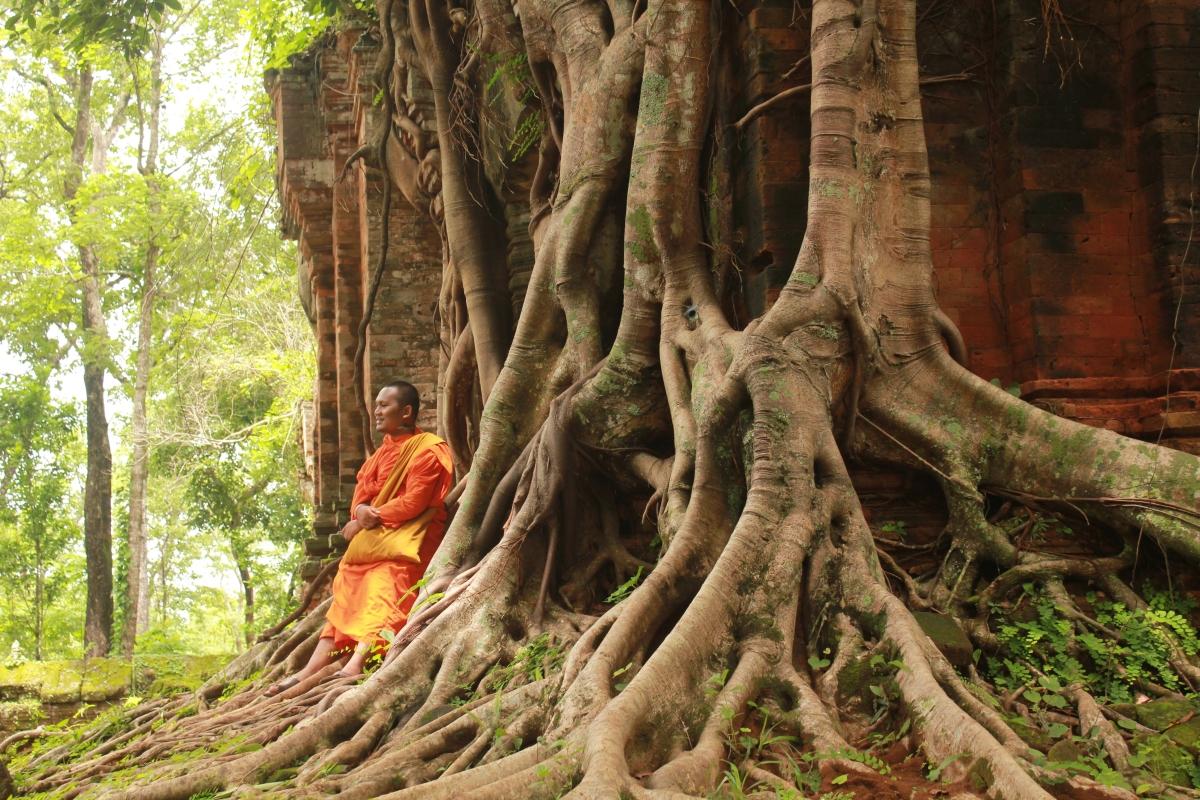
Ta Prohm has been left largely as it was found, with the roots of silk-cotton and strangler fig trees grown through its walls and corridors since the temple was abandoned in the sixteenth century. Restoration work is deliberately limited, giving the site a different character from the more fully restored temples nearby.
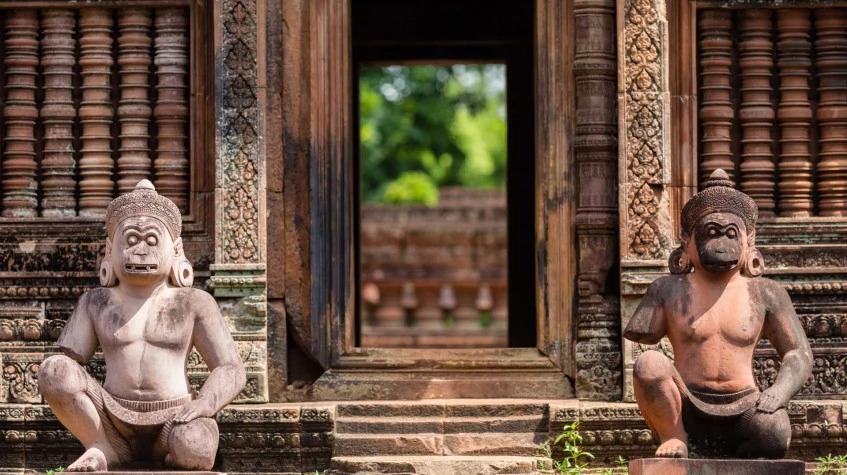
Around twenty five kilometers from the main temple cluster, Banteay Srei is a tenth century temple built from pink sandstone, carved with detail fine enough to have earned it the nickname citadel of the women. Its smaller scale makes it a common half-day addition to a longer Angkor itinerary.
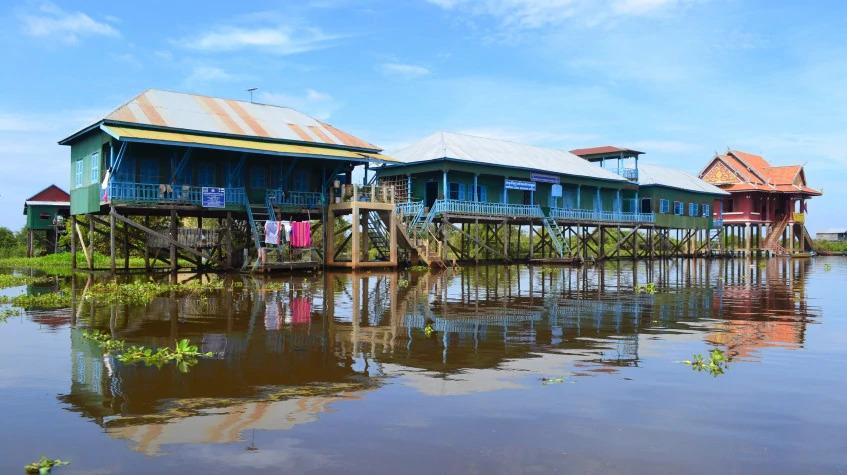
Southeast Asia's largest freshwater lake changes size dramatically between the dry and wet seasons, and the fishing communities along its edges have adapted with houses built on stilts or floating directly on the water. Boat trips from Siem Reap reach villages such as Kompong Phluk, where flooded forests and stilted homes offer a look at daily life shaped by the lake's seasonal rise and fall. The Half Day Kompong Phluk Tonle Sap Lake tour covers one of the more accessible of these villages, typically as a break between temple visits.
Pub Street and the surrounding Old Market area form the center of Siem Reap's evening life, with restaurants ranging from Khmer barbecue to French colonial-era cafes reflecting the city's history as a French protectorate outpost. Old Market itself sells produce, textiles and souvenirs by day, while nearby galleries and workshops showcase Cambodian silk weaving and stone carving traditions connected to the same craftsmanship seen at Angkor.
Angkor Archaeological Park requires a paid pass, sold in one, three and seven day options, and most tours are built around this structure. A single day covers the main circuit of Angkor Wat, Angkor Thom and Ta Prohm, while three days allow time for outlying temples such as Banteay Srei and Beng Mealea. Private guides are widely available and can adjust routes to avoid the busiest hours at each temple.
Siem Reap Angkor International Airport, opened in 2023 roughly 40 kilometers from the city, replaced the older in-town airport and now handles most international arrivals. Overland travelers also reach the city by bus or private transfer from Phnom Penh, a journey of around five to six hours, or from the Thai border at Poipet. Within Siem Reap itself, tuk-tuks remain the most common way to reach the temples, hired either by the trip or for a full day covering multiple sites.
The dry season from November to February brings the most comfortable temperatures for walking long temple circuits. March through May is hot, particularly in the afternoons, while the wet season from June to October fills Tonle Sap Lake to its largest extent, which is also when the floating villages are most dramatic to visit.