
Best Time to Visit Iran
Iran is a year-round destination with diverse climates ranging from snow-capped mountains and lush forests to deserts and coastal regions. For most travelers, the best time to visit is March to May and September to November, when temperatures are mild and ideal for exploring the country's historical cities, cultural landmarks, and natural attractions.
Spring (March to May): Best Overall
Spring is widely regarded as the best season to visit Iran.
Average temperatures range from 15°C to 28°C (59°F to 82°F) in most regions.
Landscapes are green and blooming after the winter rains.
Comfortable weather for sightseeing in Tehran, Isfahan, Shiraz, and Yazd.
Excellent conditions for hiking and exploring historical sites.
Spring also coincides with Nowruz, the Persian New Year, celebrated in late March. While the festive atmosphere is memorable, transportation and accommodation can be busier during the holiday period.
Summer (June to August): Best for Mountain Regions
Summer is hot across much of central and southern Iran.
Temperatures often exceed 35°C (95°F) in cities such as Yazd and Ahvaz.
Desert regions can experience temperatures above 40°C (104°F).
The Caspian Sea coast remains warm but humid.
Higher-altitude destinations offer cooler conditions.
This is the best season to visit the Alborz and Zagros Mountains, where temperatures are much more comfortable than in the lowlands.
Autumn (September to November): Ideal for Sightseeing
Autumn offers pleasant weather and fewer crowds than spring.
Temperatures typically range from 15°C to 30°C (59°F to 86°F).
Comfortable conditions for exploring cities and archaeological sites.
Clear skies and mild evenings across much of the country.
Vineyards, gardens, and mountain landscapes display seasonal colors.
October is often considered one of the best months for traveling throughout Iran.
Winter (December to February): Best for Skiing and Budget Travel
Winter brings cooler temperatures across the country.
Northern and mountainous regions receive snowfall.
Tehran experiences cool winters with occasional snow nearby.
Southern coastal areas remain mild and pleasant.
Popular ski resorts become active during the season.
Winter is an excellent time for skiing in the Alborz Mountains and visiting the Persian Gulf coast, where temperatures remain comfortable.
Regional Climate Differences
Iran's climate varies significantly by region. Central desert cities such as Yazd and Kerman experience very hot summers and cool winters. Northern Iran, along the Caspian Sea, has a humid subtropical climate with more rainfall throughout the year. The Persian Gulf coast remains warm even during winter, while the Alborz and Zagros mountain ranges experience cold winters with regular snowfall.
Best Time by Activity
The best time for historical sightseeing is March to May and September to November, when pleasant temperatures make walking through cities and archaeological sites more enjoyable. Travelers planning to visit Persepolis, Isfahan, Shiraz, or Yazd will find spring and autumn especially comfortable. Hiking and nature trips in the Alborz and Zagros Mountains are best from May to September, when trails are generally accessible and weather conditions are favorable. If you're interested in skiing, the ideal season is December to February, with several mountain resorts receiving reliable snowfall. For a budget-friendly trip, winter outside the New Year holiday period often offers lower accommodation prices, particularly in major cities.
Festivals Worth Planning Around
Iran's cultural calendar can enhance a travel experience.
Major events include:
Nowruz (late March) – The Persian New Year and the country's biggest celebration.
Yalda Night (December) – A traditional festival marking the longest night of the year.
Rose Water Festival (May) – Held in Kashan during the rose harvest season.
Traveling during these celebrations provides unique cultural experiences, though transportation and hotels may be busier around Nowruz.
Best Month to Visit
For most travelers, October is the best month to visit Iran. The weather is comfortable across most regions, tourist crowds are moderate, and conditions are ideal for visiting historical landmarks, gardens, deserts, and mountain destinations.
Frequently Asked Questions
What is the best time to visit Iran?
The best time to visit is during spring (March to May) and autumn (September to November), when temperatures are pleasant across most of the country.
Is Iran too hot in summer?
Yes. Central and southern Iran can experience temperatures above 40°C (104°F) during July and August, especially in desert regions.
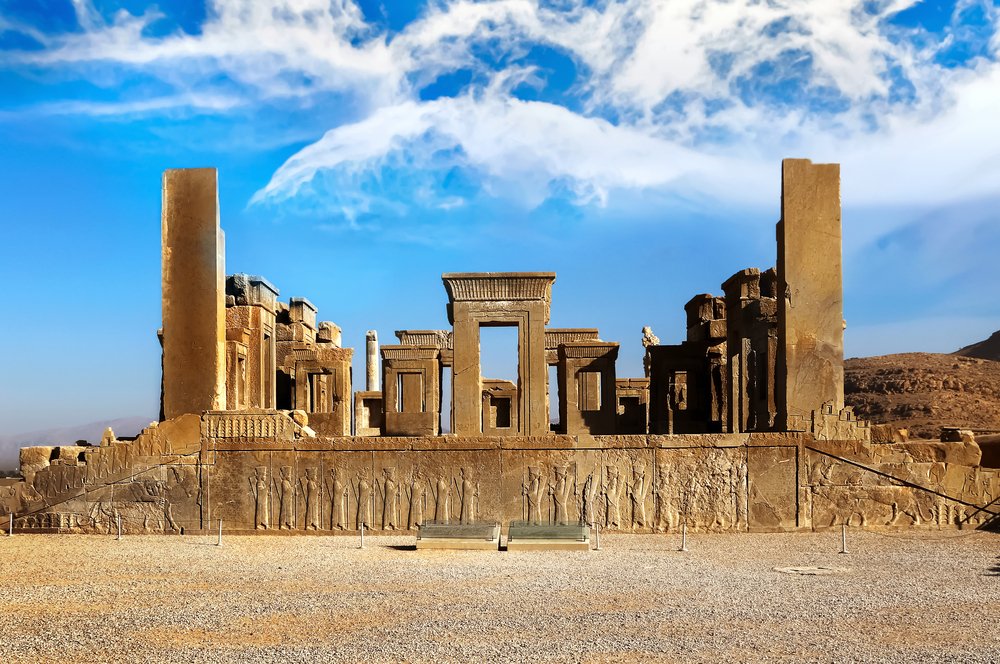
When is the best time to visit Persepolis?
Spring and autumn provide the most comfortable weather for exploring the archaeological site, with April and October being particularly popular.
Can you ski in Iran?
Yes. Iran has several ski resorts in the Alborz Mountains, and the ski season generally runs from December to February, depending on snowfall.
What is the best month to visit Tehran?
October and April are considered the most pleasant months, offering mild temperatures and clear weather for sightseeing.
Is winter a good time to visit Iran?
Yes. Winter is ideal for skiing, visiting southern coastal regions, and traveling on a budget, although northern mountain areas can be very cold.
Loading comments…