
Free Cancellation
Gwalior is a city in the central Indian state of Madhya Pradesh, built around a sandstone plateau crowned by Gwalior Fort, one of the largest hill forts in India. Gwalior Tours center on this fort along with the palaces and temples that grew up around it under successive dynasties, from the Tomars to the Scindias.
As part of a longer India itinerary, Gwalior is often combined with other cities in Madhya Pradesh and neighboring Uttar Pradesh, since it sits within reach of Agra and several of the region's wildlife reserves. The city's history runs deep enough that the Mughal emperor Babur, after capturing the fort in the sixteenth century, called it "the pearl among fortresses of Hind."
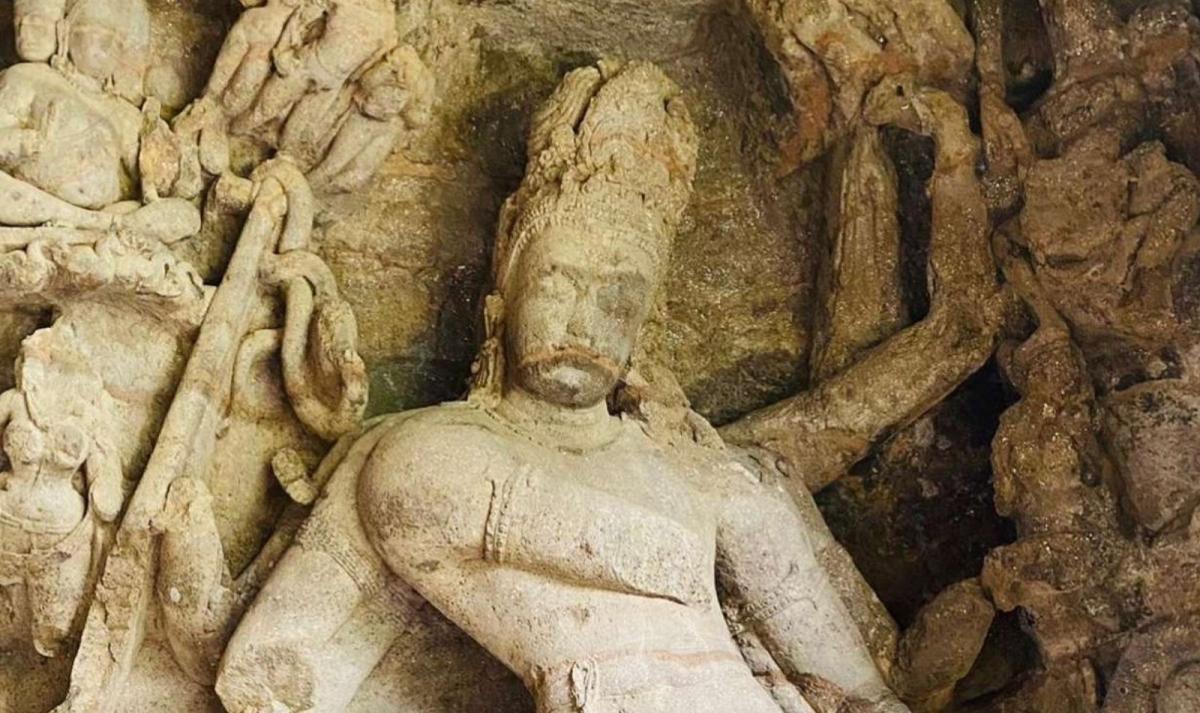
Gwalior Fort rises about ninety meters above the surrounding plain on a plateau nearly three kilometers long, its sandstone walls enclosing palaces, temples and water tanks built up over a thousand years of continuous use. The Man Singh Palace, with its blue-tiled facade, and the rock-cut Jain sculptures carved into the cliff faces below the fort are among its most visited sections.
Jai Vilas Palace, built in the 1870s as the residence of the Scindia dynasty who ruled Gwalior under British paramountcy, now functions partly as a museum. Its durbar hall holds two chandeliers reportedly among the largest in Asia, and the palace's collection includes weapons, manuscripts and a dining table fitted with a miniature silver train once used to pass around after-dinner refreshments.
Gwalior Fort is closely tied to Rani Lakshmibai, the Rani of Jhansi, who died defending it in 1858 during the fighting that followed the 1857 uprising against British rule. A memorial near the site where she fell commemorates one of the uprising's most remembered figures, and her role in Gwalior's history is recounted at several points around the fort complex.
Within the fort walls, the eleventh-century Saas-Bahu Temples and the Teli ka Mandir, a tall sandstone shrine combining north and south Indian temple styles, rank among the oldest structures on the plateau. Gwalior is also recognized as the birthplace of Tansen, the court musician of the Mughal emperor Akbar, and the city hosts the annual Tansen Music Festival each December, drawing classical musicians from across India to perform near his tomb.
Gwalior is known across central India for its namkeen, savory fried snacks sold by shops that have operated in the old city for generations, alongside sweets such as gajak, a sesame and jaggery brittle traditionally made in the cooler winter months. The old bazaars below the fort, particularly Sarafa Bazaar, are a common place to sample both alongside general trading in cloth and metalware.
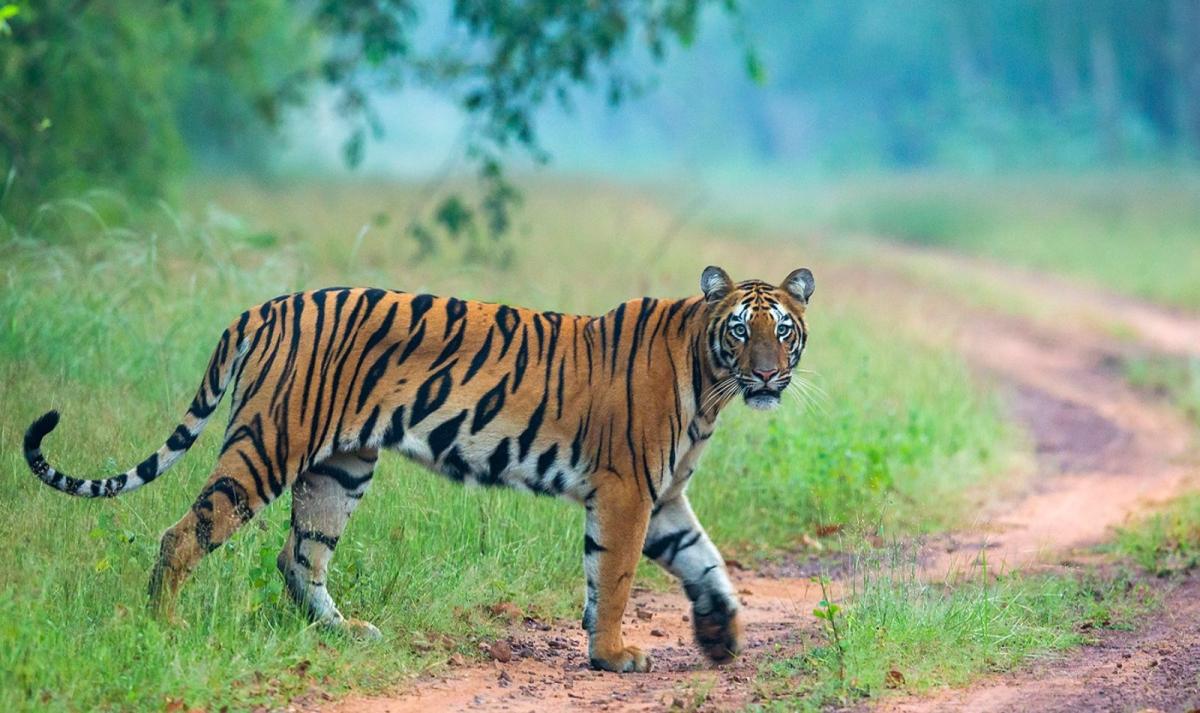
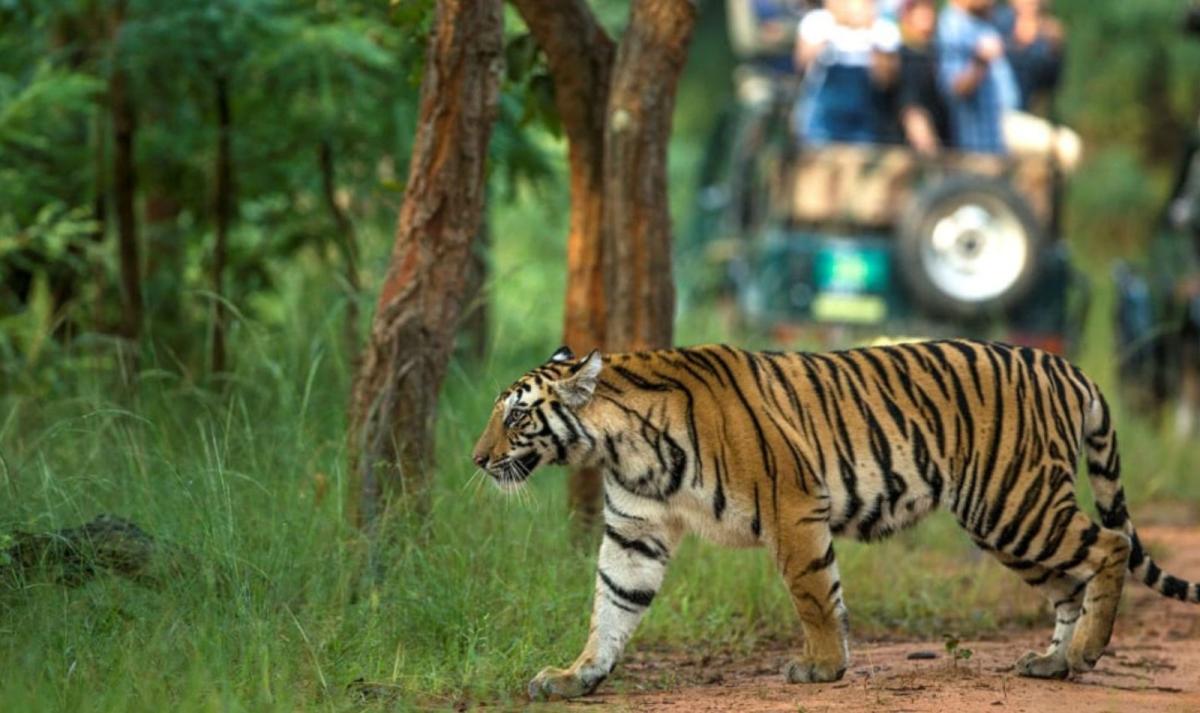
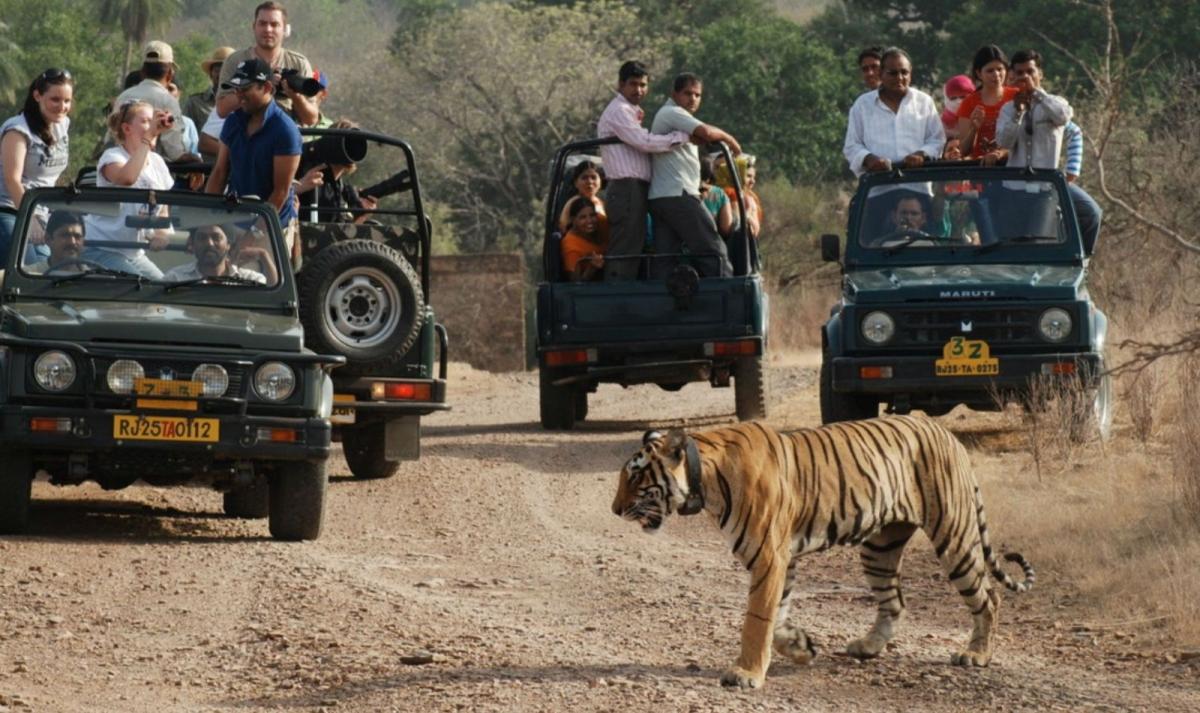
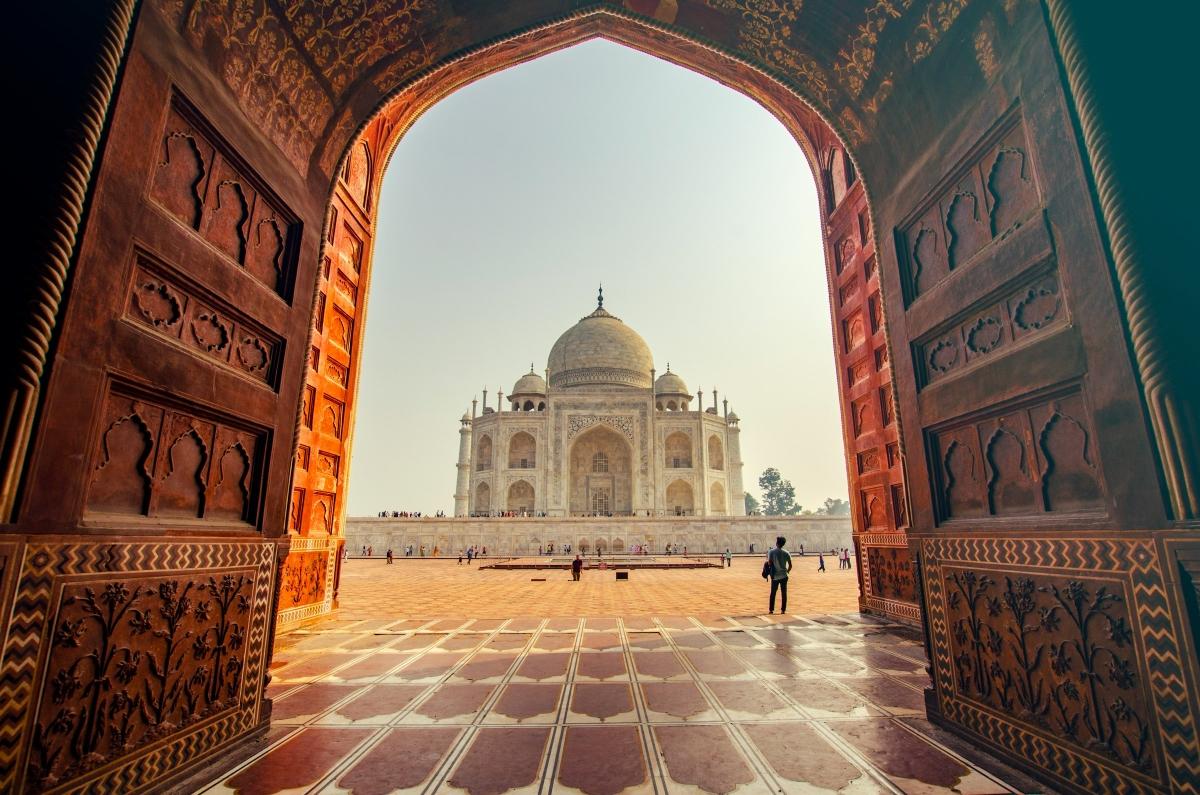
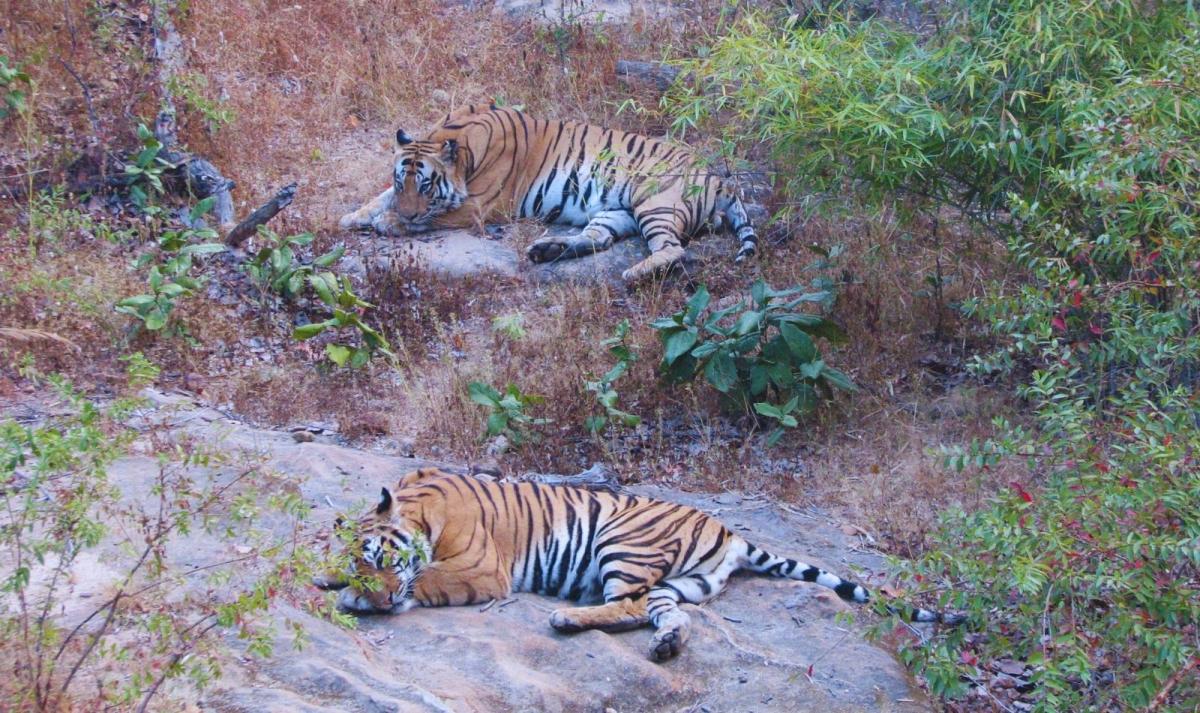
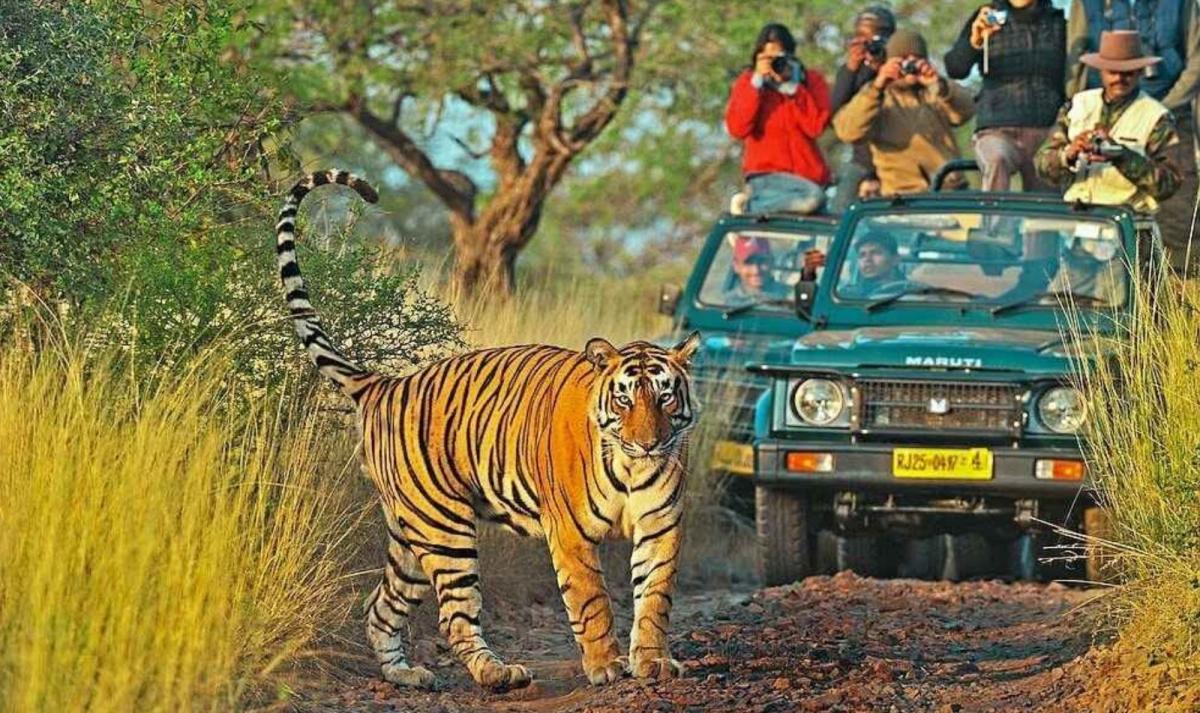
Gwalior Tour Packages often combine the fort and Jai Vilas Palace with wider circuits through central India, since the city sits on established routes toward Agra, Orchha and the region's national parks. Bandhavgarh, Kanha Tiger Safari & Taj Experience is one itinerary that links Gwalior's historic sites with tiger reserves and the Taj Mahal.
October through March brings the mildest temperatures for exploring the fort's open plateau and walking between its palaces and temples. Summers, from April through June, run hot enough to make midday sightseeing difficult, and the monsoon months of July through September add humidity without necessarily disrupting travel.