
Free Cancellation

Madurai sits on the banks of the Vaigai River in southern Tamil Nadu and ranks among the oldest continuously inhabited cities in India, with a documented history stretching back more than two thousand years. Tours here center on the Meenakshi Amman Temple, a walled temple complex whose gopurams rise over the old town and set Madurai apart from India's other major pilgrimage centers.
Visiting Madurai as a standalone trip or as part of a longer India itinerary gives travelers time to move beyond the temple walls into the markets, literary history and flower trade that still shape daily life in the old city.
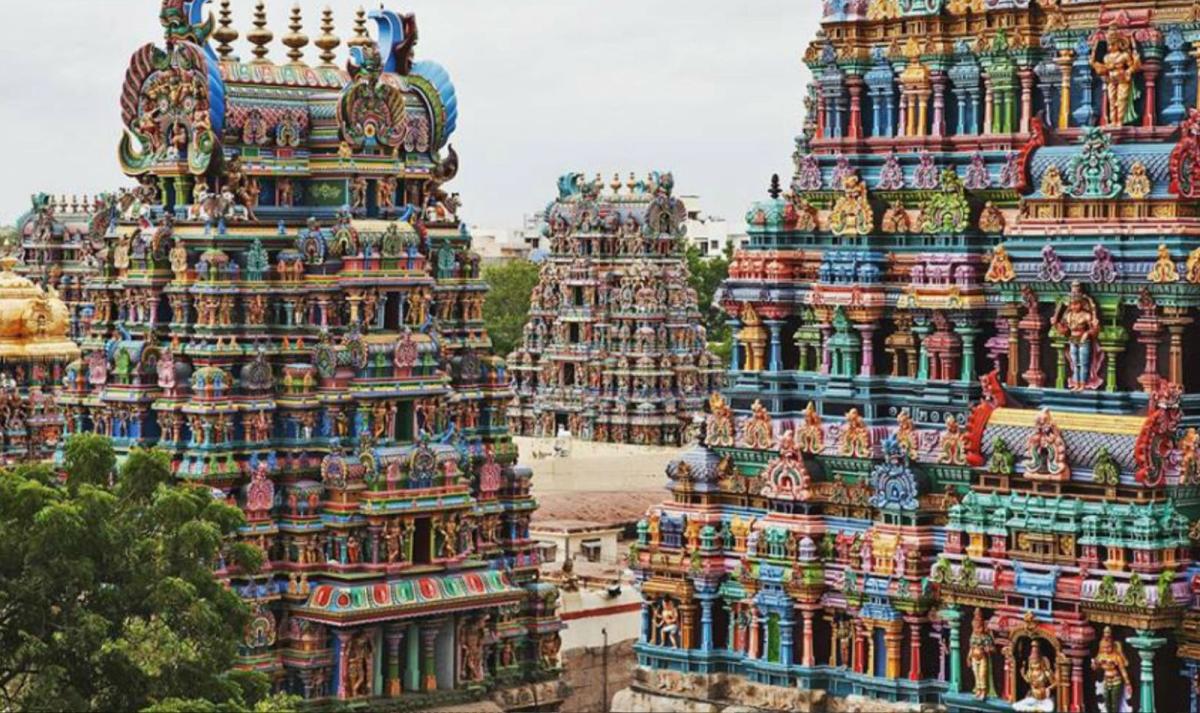
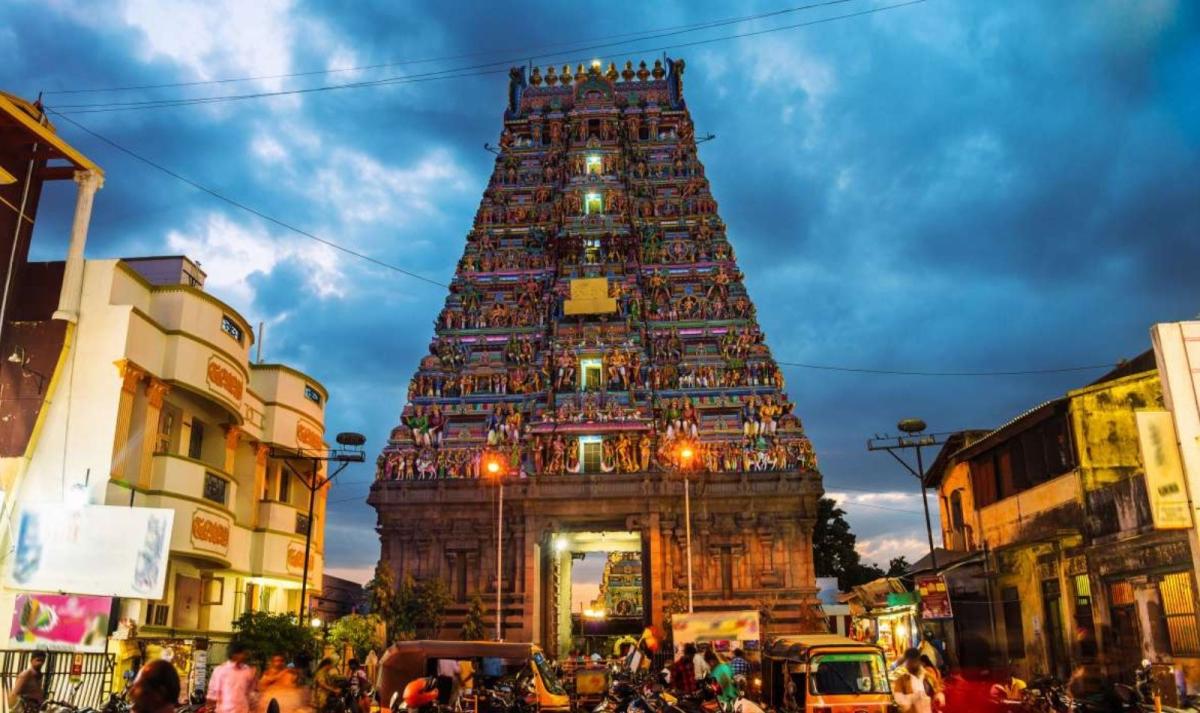
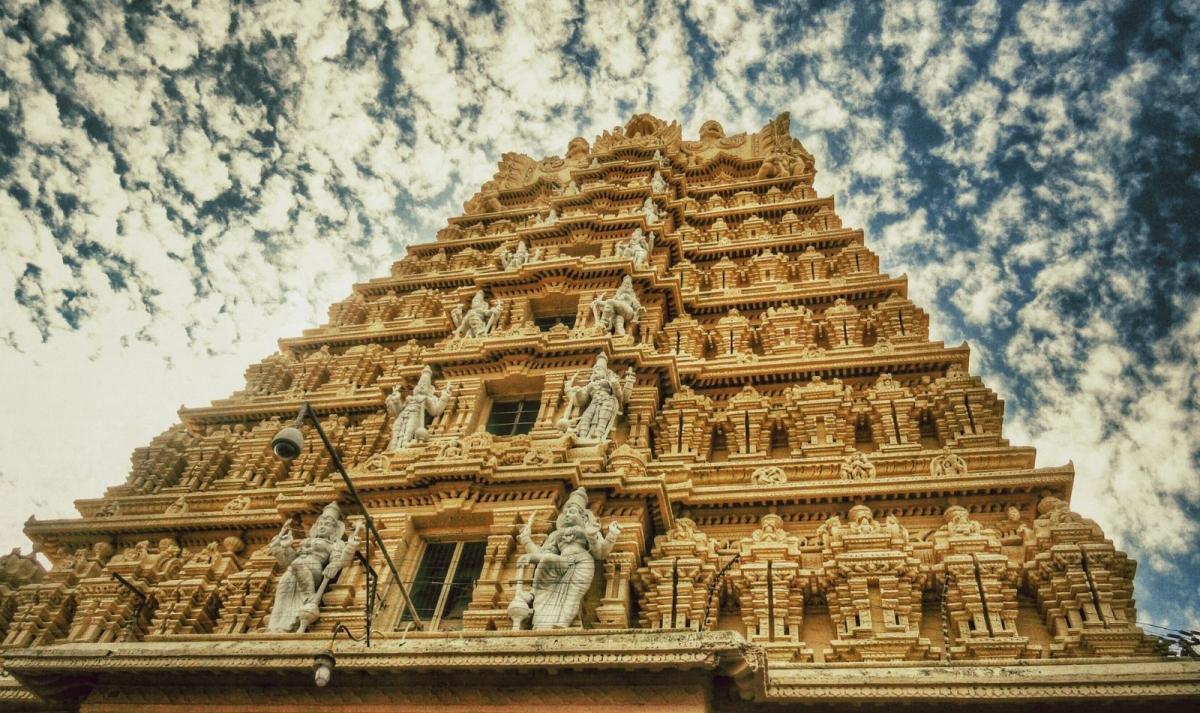
The temple complex covers roughly six hectares in the heart of Madurai and is dedicated jointly to the goddess Meenakshi and to Sundareswarar, a form of Shiva. Twelve gopurams, the tallest exceeding fifty meters, are covered in thousands of painted stucco figures depicting deities, animals and scenes from Hindu mythology, repainted on a recurring maintenance cycle to keep the colors intact.
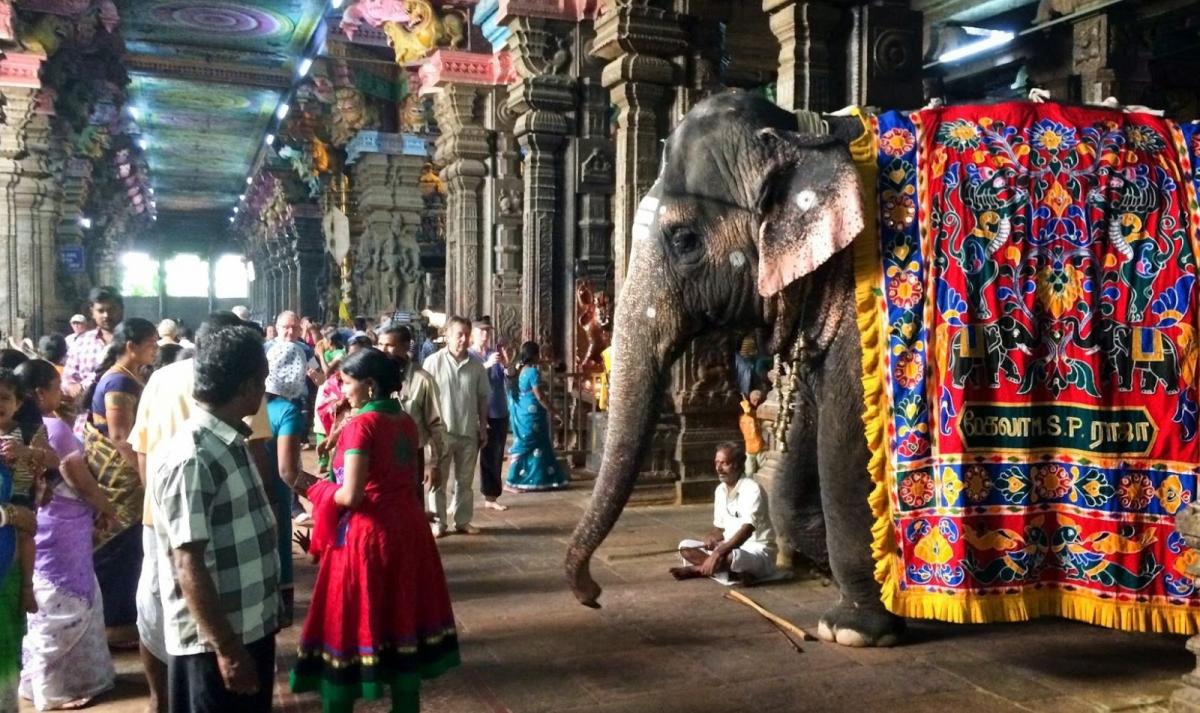
Inside the temple, the Thousand Pillar Hall holds a series of carved stone columns, each one different, that once served as a hall for religious discourse and now functions partly as a museum of temple sculpture. The columns are arranged so that a single vantage point reveals long, uninterrupted rows in several directions at once, a detail temple guides still point out to visitors.
Madurai's association with Tamil letters predates the current temple structure by centuries. Tradition places the city as the seat of the Sangam academies, gatherings of poets and scholars credited with producing some of the earliest surviving Tamil literature. That literary identity still shapes how the city presents itself, from street names to festival calendars built around Tamil poetic and devotional traditions.
Around 21 kilometers northeast of the city, the Alagar Koil temple is dedicated to Vishnu in his form as Kallalagar and draws pilgrims separately from the Meenakshi complex, particularly during the Chithirai festival when a procession links the two shrines. Madurai is also a center of jasmine cultivation; the Madurai Malli variety carries a Geographical Indication tag, and the flowers are strung into garlands sold each morning in markets near the temple's eastern gate.
Built in 1636 by the Nayak ruler Thirumalai Nayak, this palace blends Dravidian and Islamic architectural elements in its courtyard, arches and stucco-covered pillars. Only a fraction of the original structure survives, since later rulers dismantled parts of it for building material elsewhere, but the remaining courtyard and its light-and-sound program in the evening still draw a steady stream of visitors alongside the temple crowds.
Packages built around Madurai typically combine the Meenakshi Amman Temple with the Thirumalai Nayakkar Palace, the Gandhi Memorial Museum and a walk through the flower and produce markets that ring the temple precinct. Some itineraries extend into wider Tamil Nadu, pairing Madurai with Rameswaram, Kanyakumari or the Chettinad region.
Highlights of Tamil Nadu is one itinerary that routes through Madurai alongside other major sites in the state.
Madurai's climate stays warm through most of the year, so the more comfortable window for sightseeing runs from November through February, when daytime temperatures are lower and walking between temple sections is easier. The Chithirai festival in April and May draws large crowds and gives visitors a specific reason to plan around the heat rather than avoid it.