
Free Cancellation
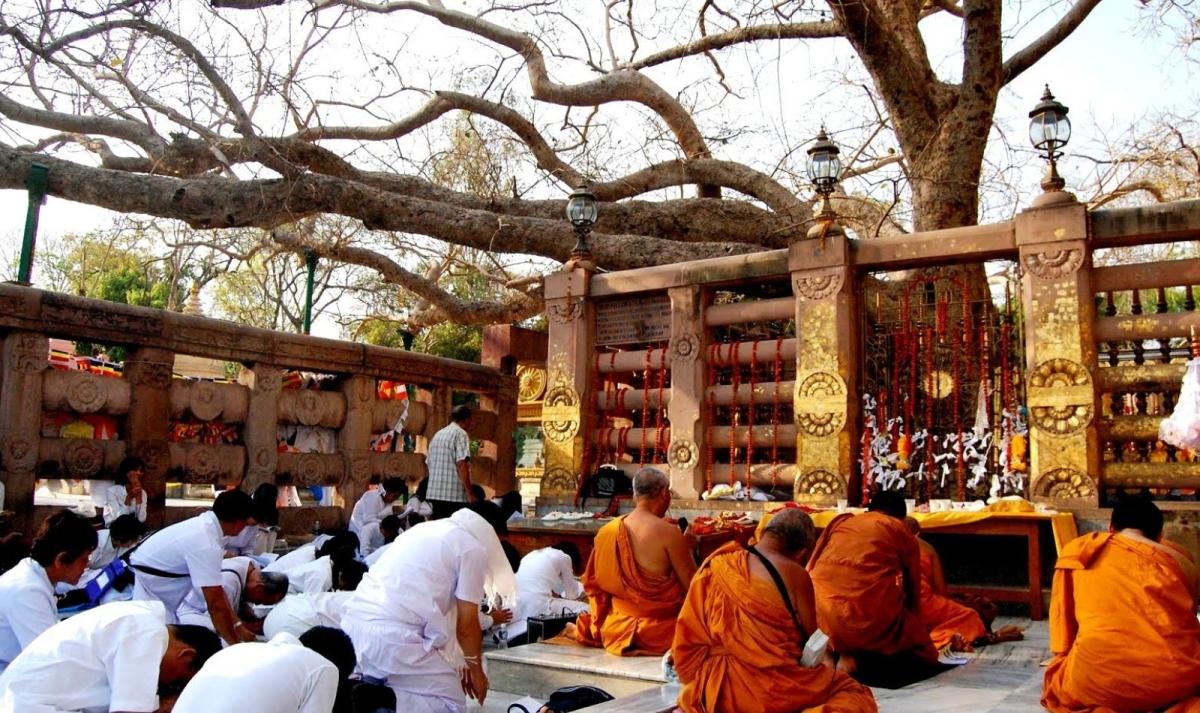
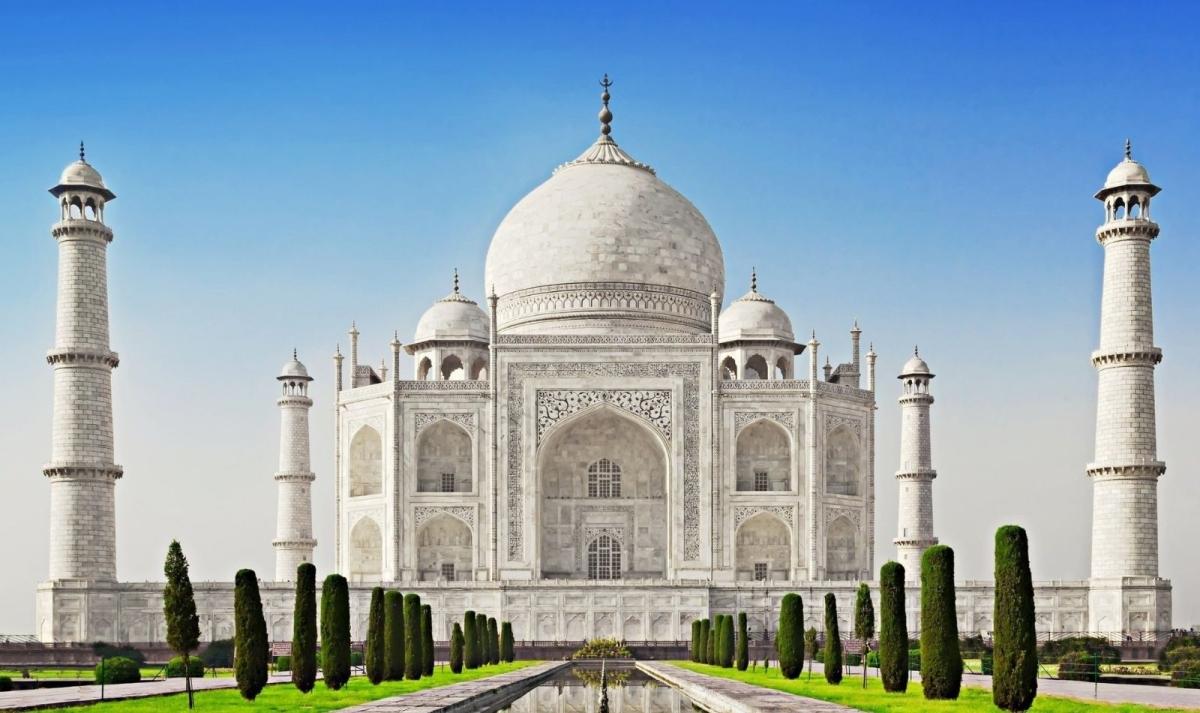
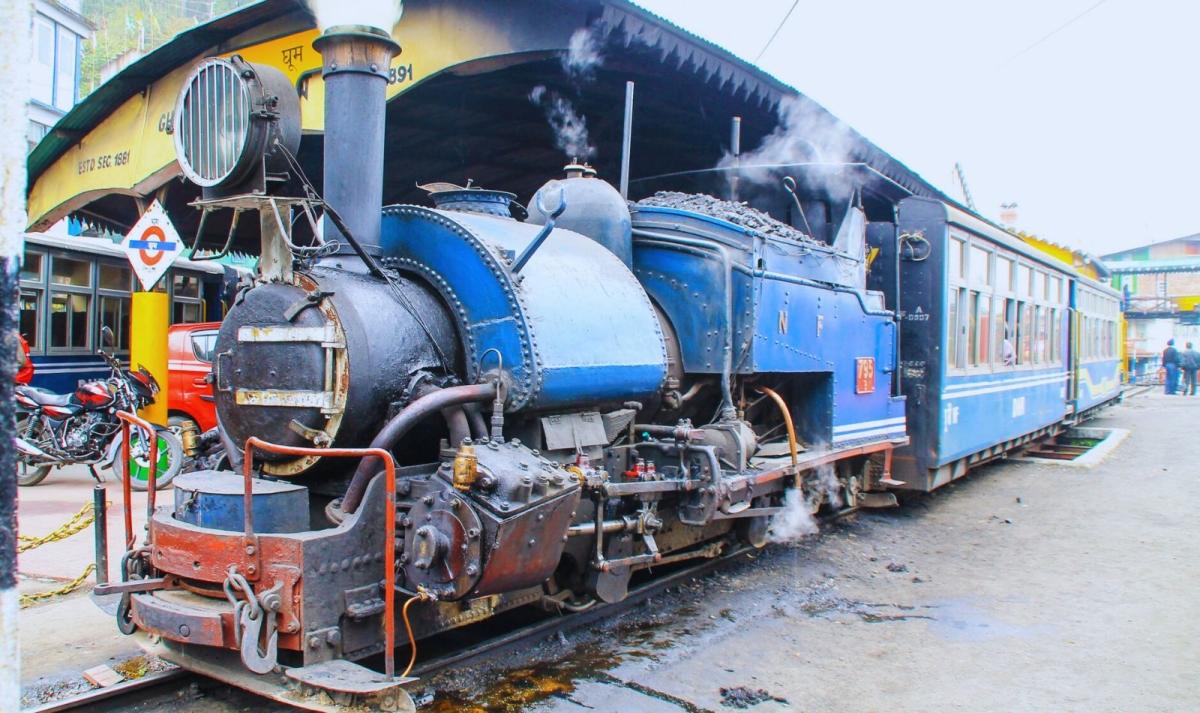
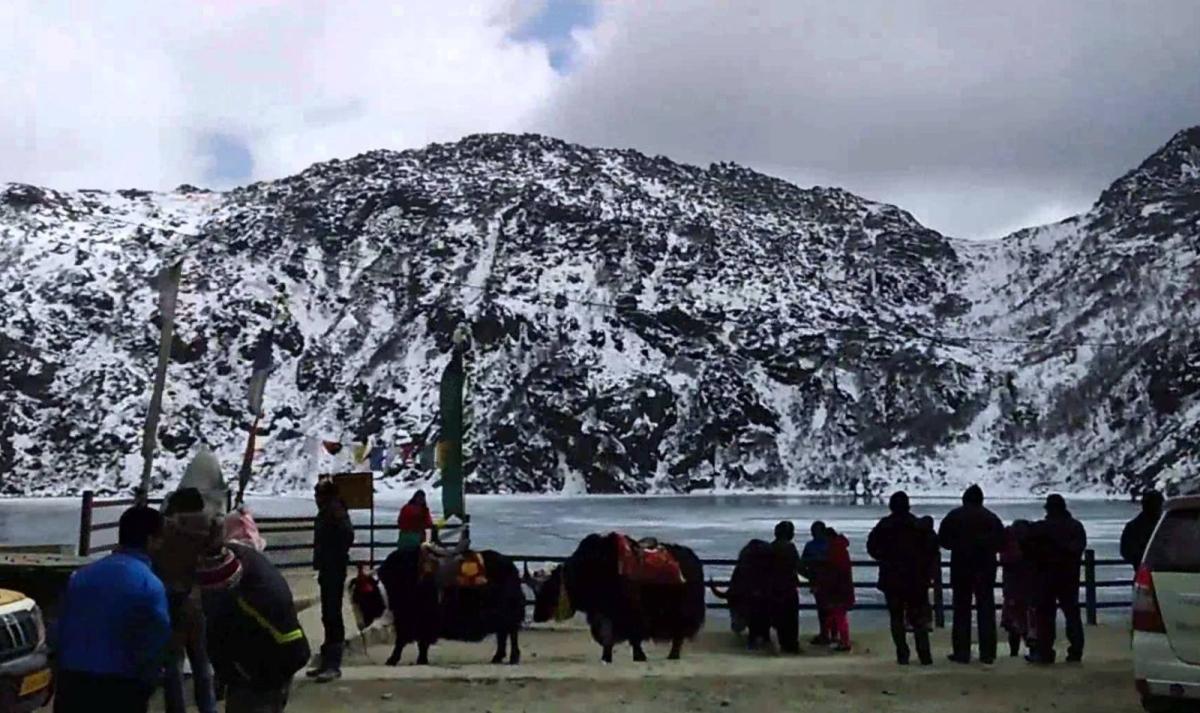
Kolkata Tours explore the former capital of British India, a city on the Hooghly River in West Bengal that served as the seat of colonial government until 1911. Kolkata's streets combine colonial-era architecture with crowded bazaars, and the city carries a literary and artistic reputation that sets it apart from India's other major metropolitan centers.
As part of a longer India itinerary, Kolkata often serves as a gateway to eastern and northeastern India, though the city itself holds enough colonial history, museums and street life to fill several days on its own.
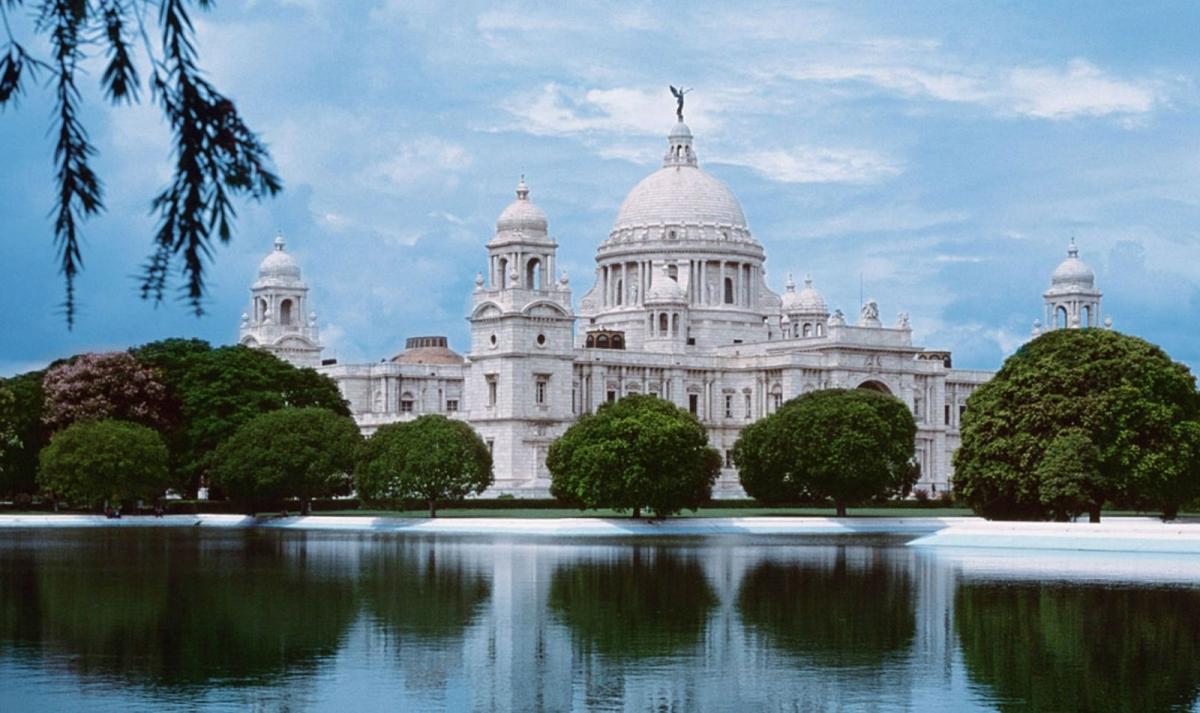
The Victoria Memorial, built in white marble between 1906 and 1921, stands as Kolkata's most recognizable monument, commissioned to commemorate Queen Victoria and now housing a museum of colonial-era art and artifacts inside galleries arranged around a central hall.
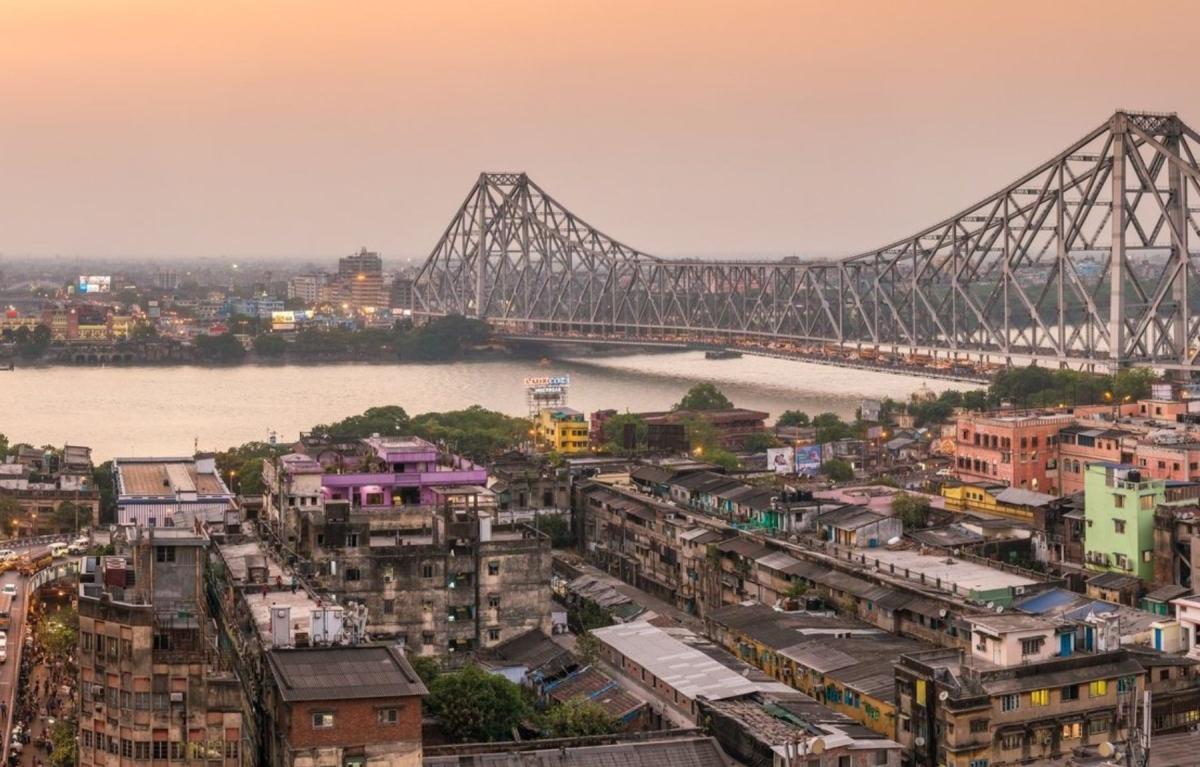
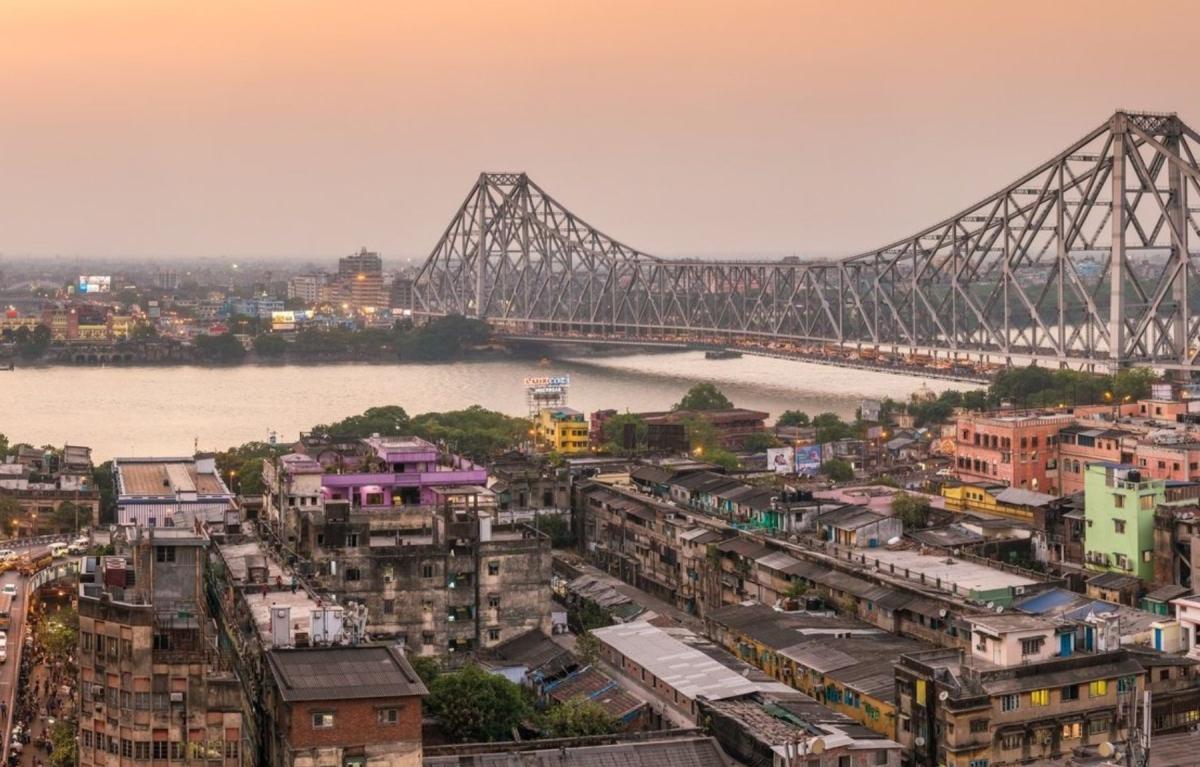
Howrah Bridge spans the Hooghly River connecting Kolkata to Howrah, carrying an estimated hundreds of thousands of vehicles and pedestrians daily across one of the busiest cantilever bridges in the world. The bridge is best viewed from the ghats along the riverbank, particularly around sunrise when the crossing is at its quietest.
Founded in 1814, the Indian Museum in Kolkata is the oldest and largest museum in India, with collections spanning archaeology, natural history, geology and art housed inside a colonial-era building near the center of the city. Its holdings include Egyptian antiquities, fossils and sculpture drawn from across the subcontinent, along with an extensive coin gallery tracing currency across Indian history.
Kolkata's cultural identity owes much to figures such as Rabindranath Tagore, the Bengali poet and Nobel laureate whose family home in the city is preserved as a museum, and filmmaker Satyajit Ray, whose work helped establish Bengali cinema on the world stage. Coffee houses and bookshops around College Street continue a tradition of literary discussion that dates back generations.
Markets such as New Market and the flower market beneath Howrah Bridge give a sense of Kolkata's commercial pace, while the city's street food, from kathi rolls to puchka, draws visitors on food-focused walks through neighborhoods like Park Street and the older quarters near the river.
Kolkata is also home to Mother House, the headquarters of the Missionaries of Charity founded by Mother Teresa, who lived and worked in the city for decades and is buried on the grounds. The site remains an active center for the organization's humanitarian work and draws visitors interested in that chapter of the city's modern history alongside its colonial-era landmarks.
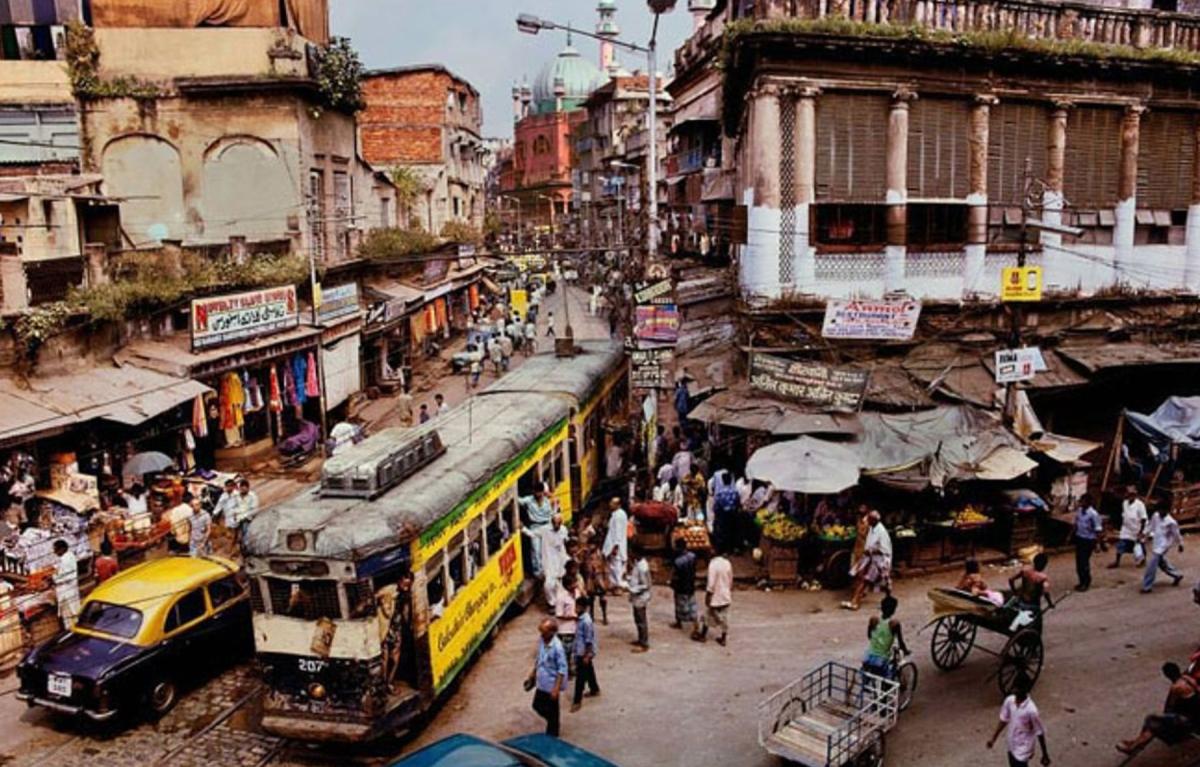
Kolkata operates India's oldest metro system, opened in 1984, along with a shrinking but still-running tram network that once served as the city's primary form of public transport. Yellow Ambassador taxis, once ubiquitous, remain part of the city's transport mix alongside newer ride-hailing options.
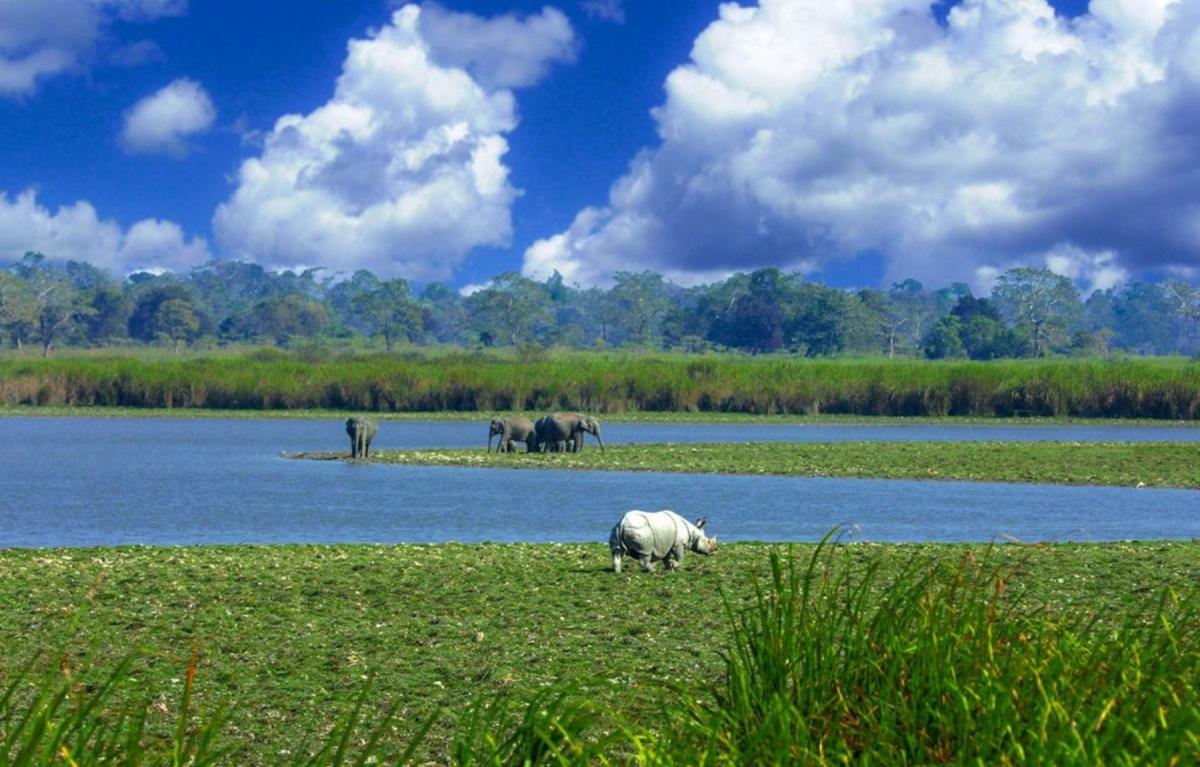
Kolkata Tour Packages typically combine the city's colonial landmarks and museums with day trips or extended routes into eastern and northeastern India, given Kolkata's role as a regional transport hub.
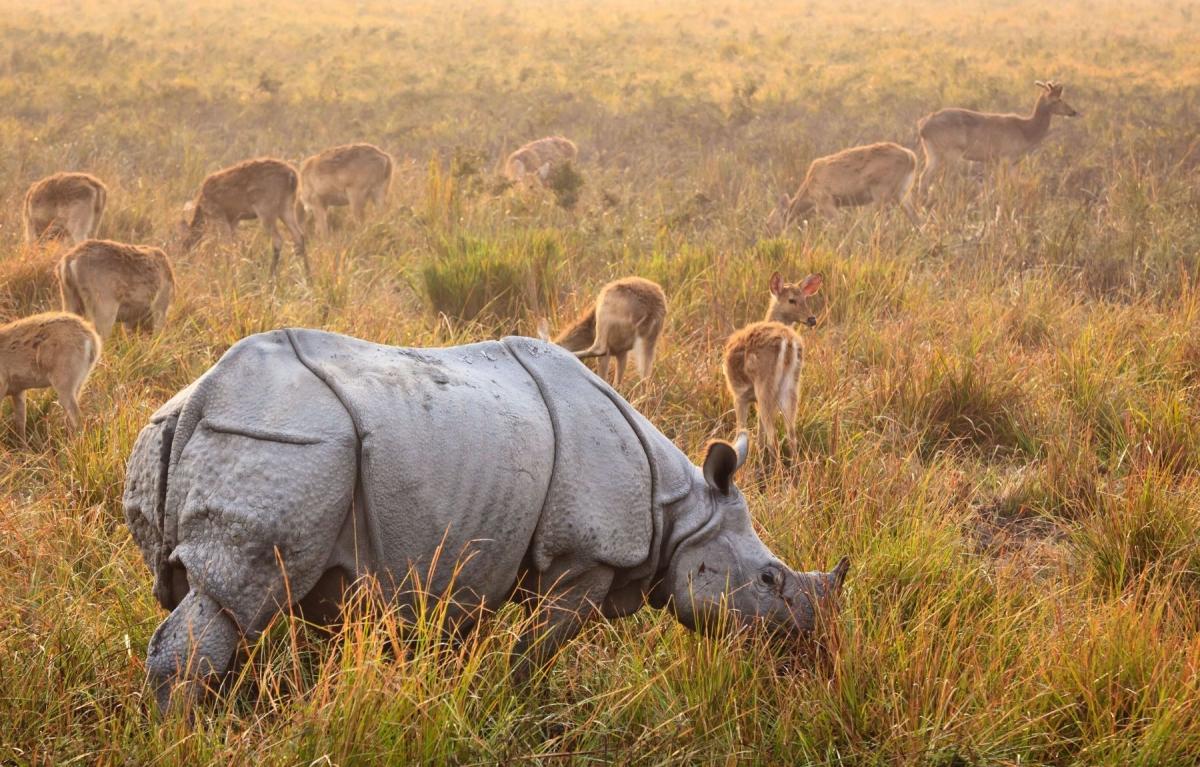
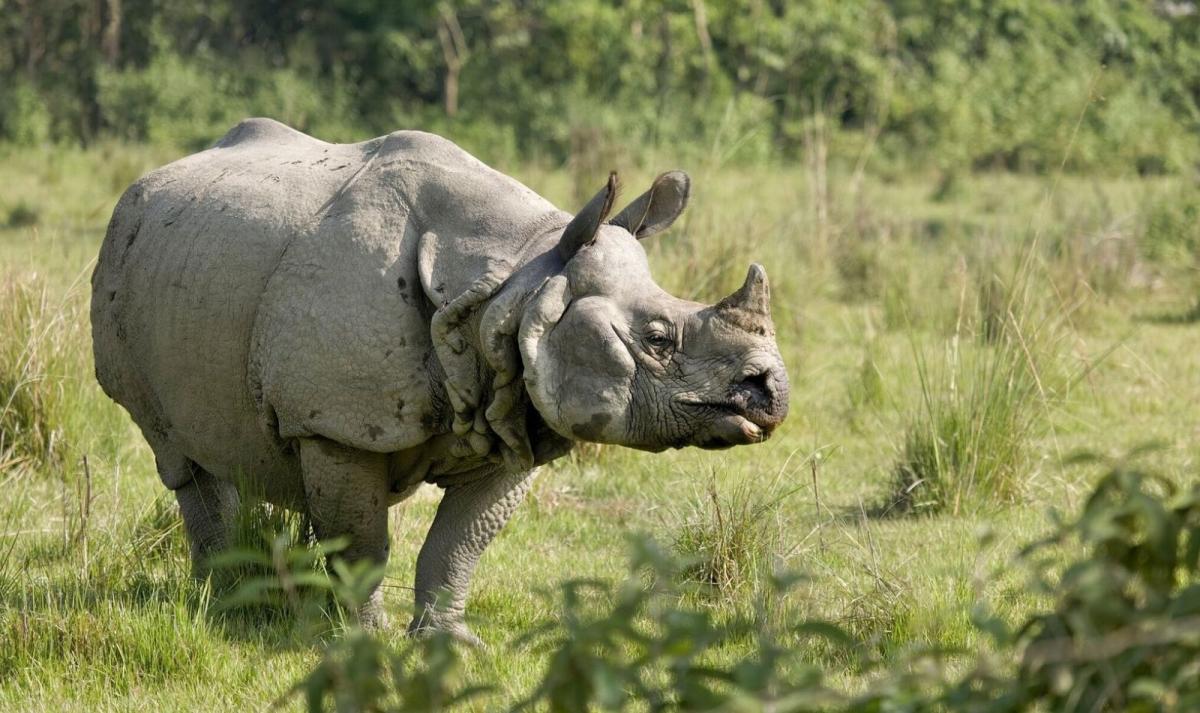
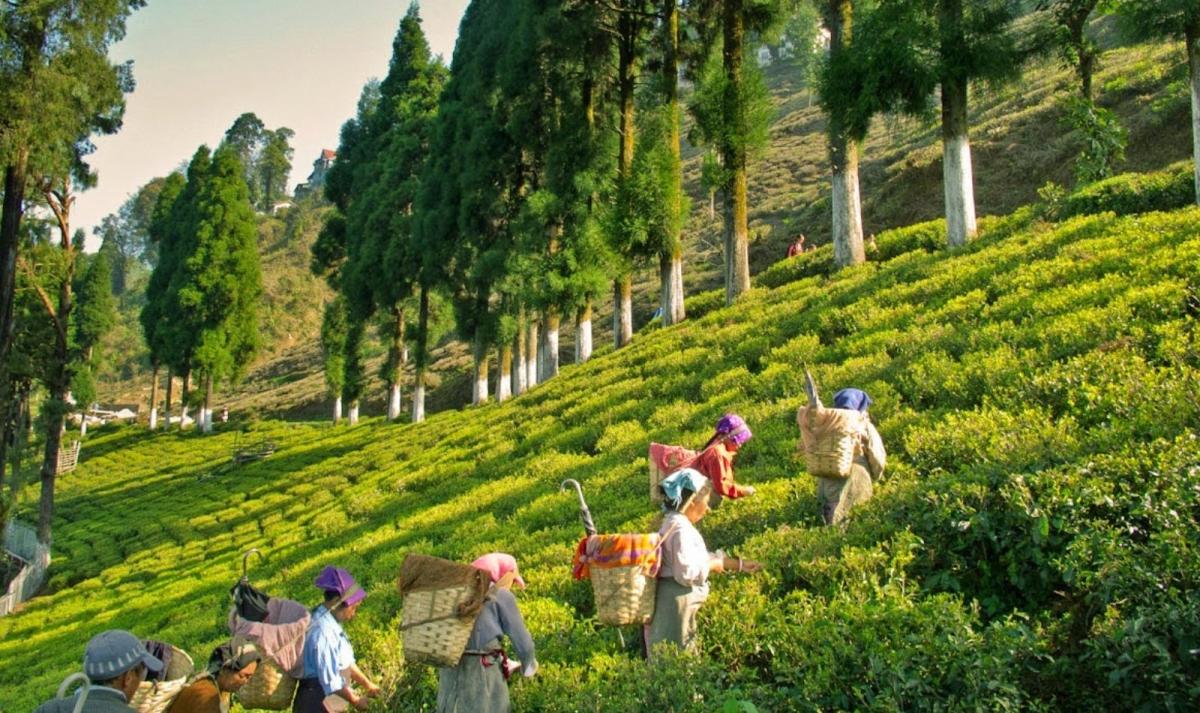
North East India Tour from Kolkata is one itinerary that uses the city as a starting point for the wider region.
The months from October to February bring the most comfortable weather for sightseeing, with cooler temperatures and lower humidity than the rest of the year. Kolkata's Durga Puja festival, usually held in September or October, transforms the city with elaborate temporary shrines and is considered one of the most significant events on its cultural calendar.