
Free Cancellation

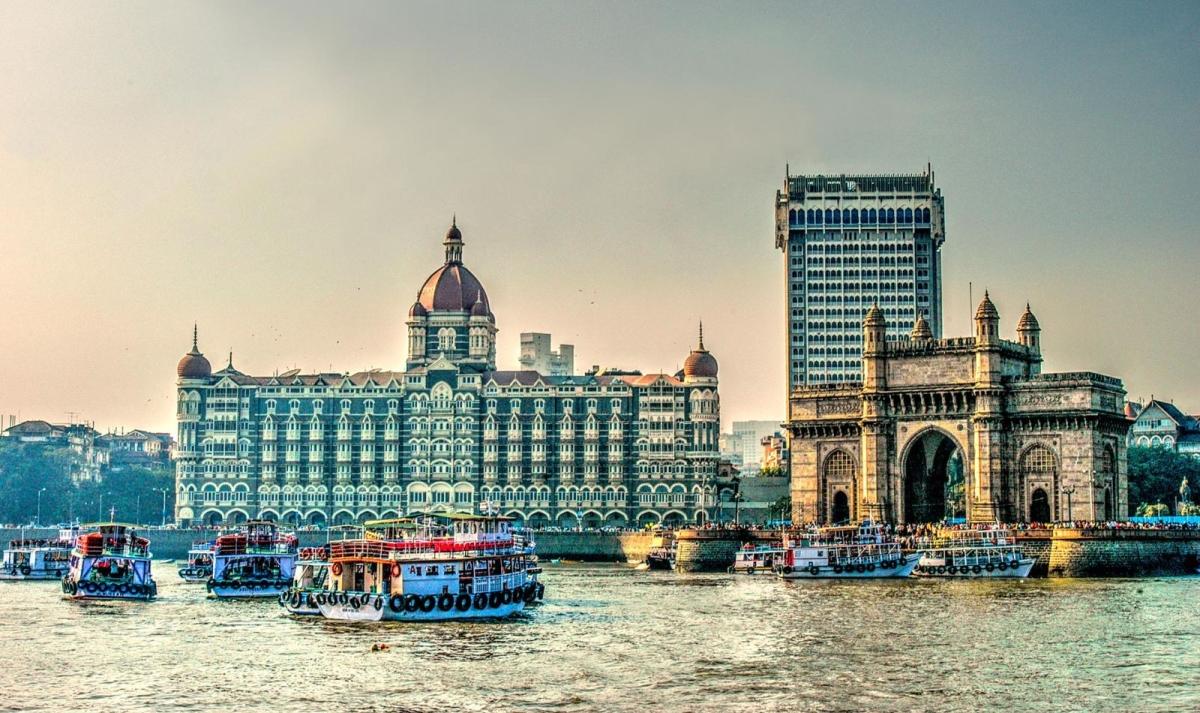
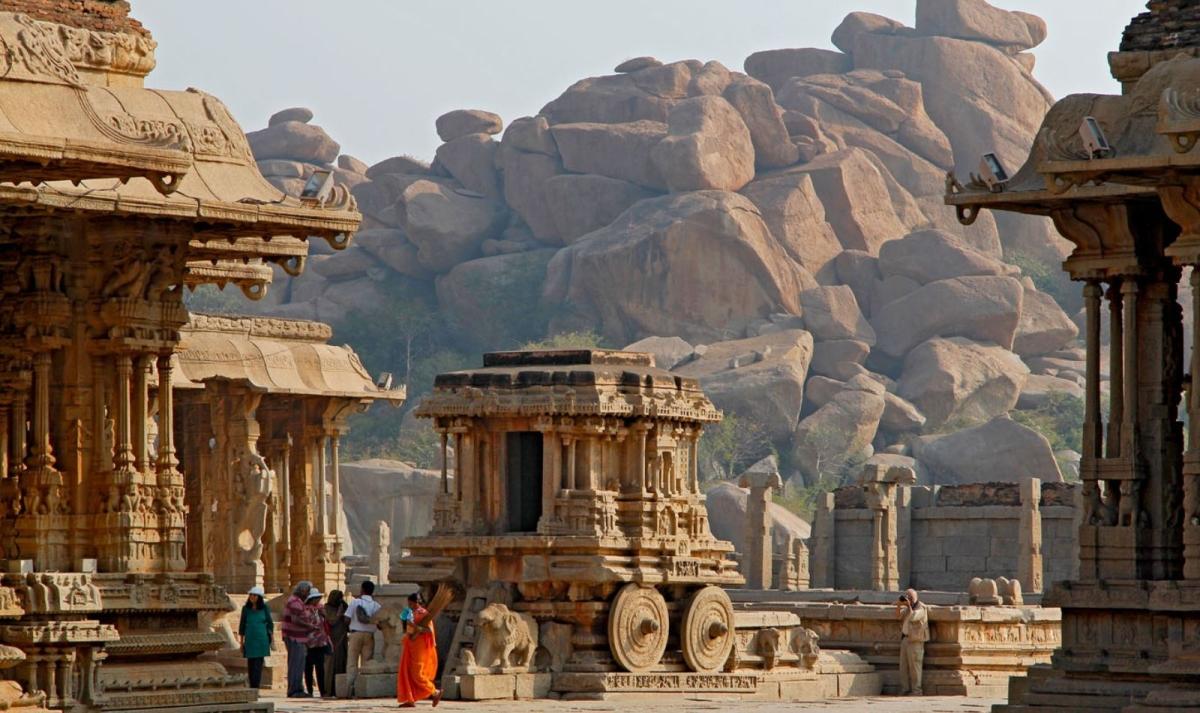



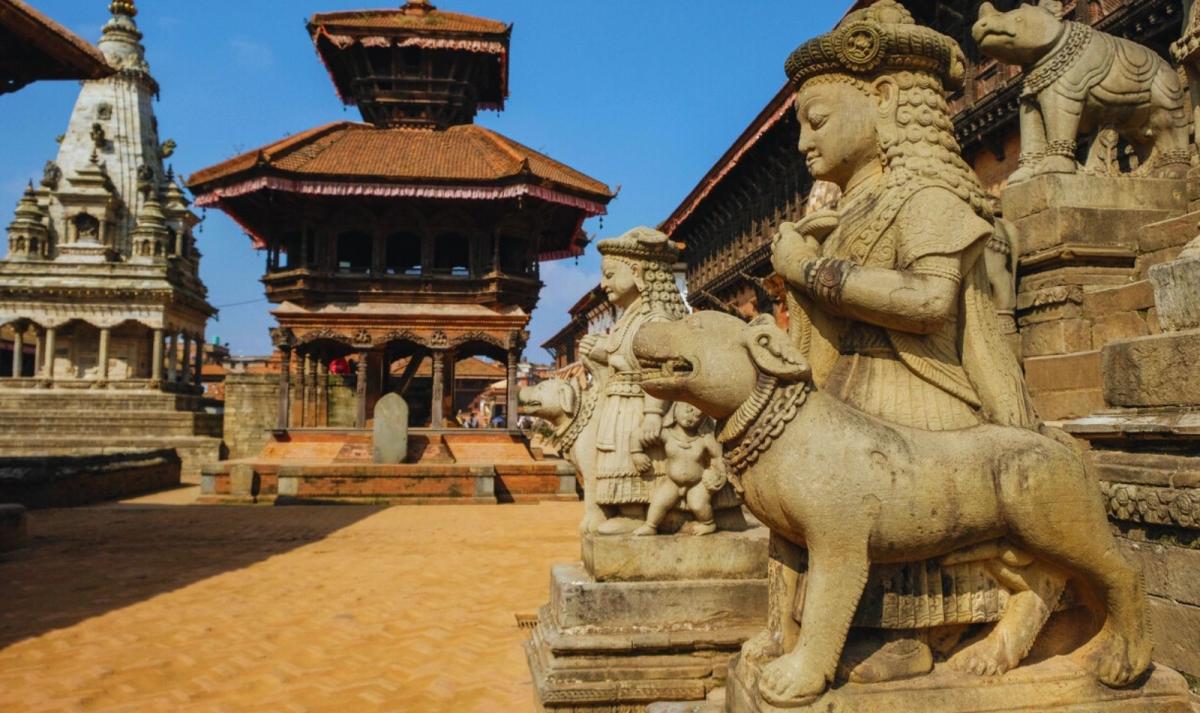



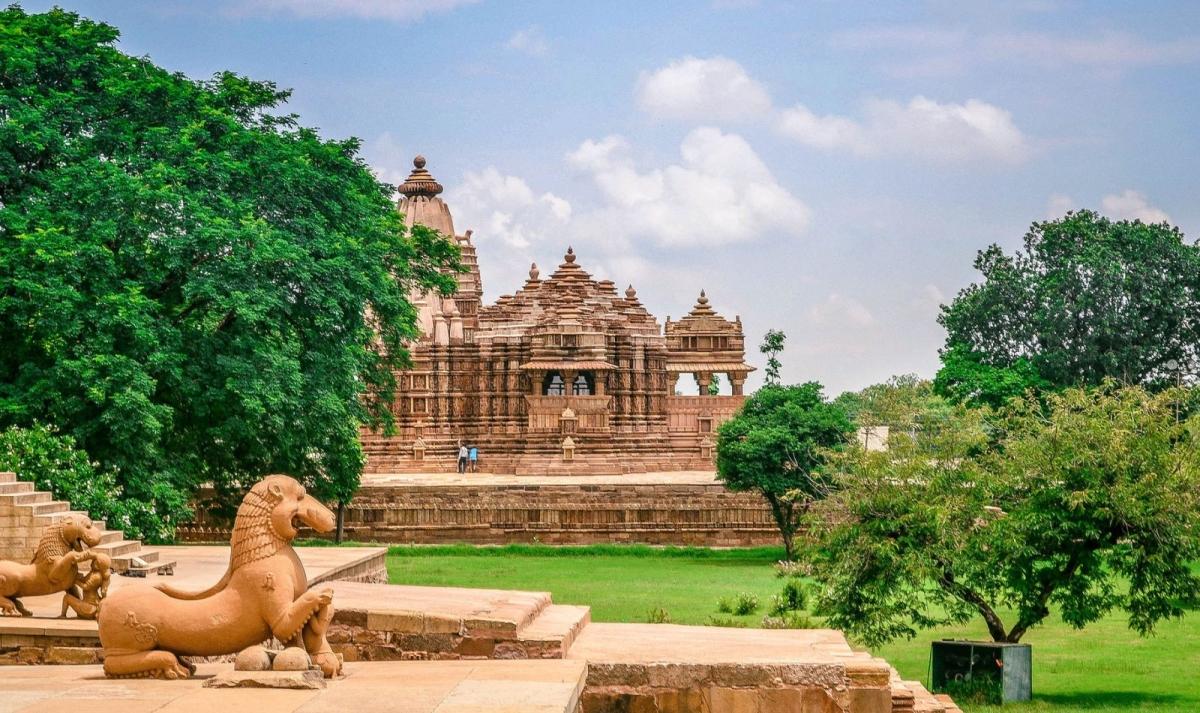
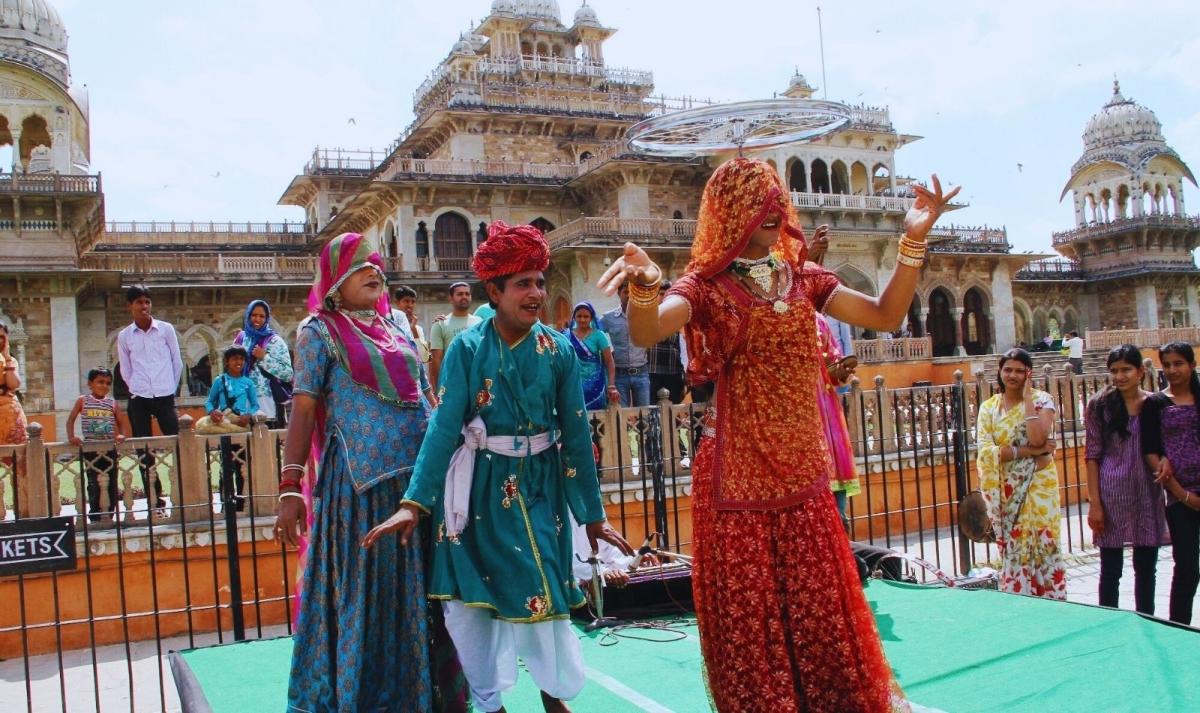
Maharashtra is one of India's largest states, stretching from the Arabian Sea coast across the Deccan plateau toward the borders of Madhya Pradesh and Karnataka. Tours across the state range from rock-cut cave monasteries carved into basalt cliffs to hill forts built during the rise of the Maratha kingdom, giving Maharashtra a depth of sites well beyond its coastal capital.
Many itineraries treat Maharashtra as part of a broader India route, combining the state's inland heritage sites with neighboring regions to the north and south.
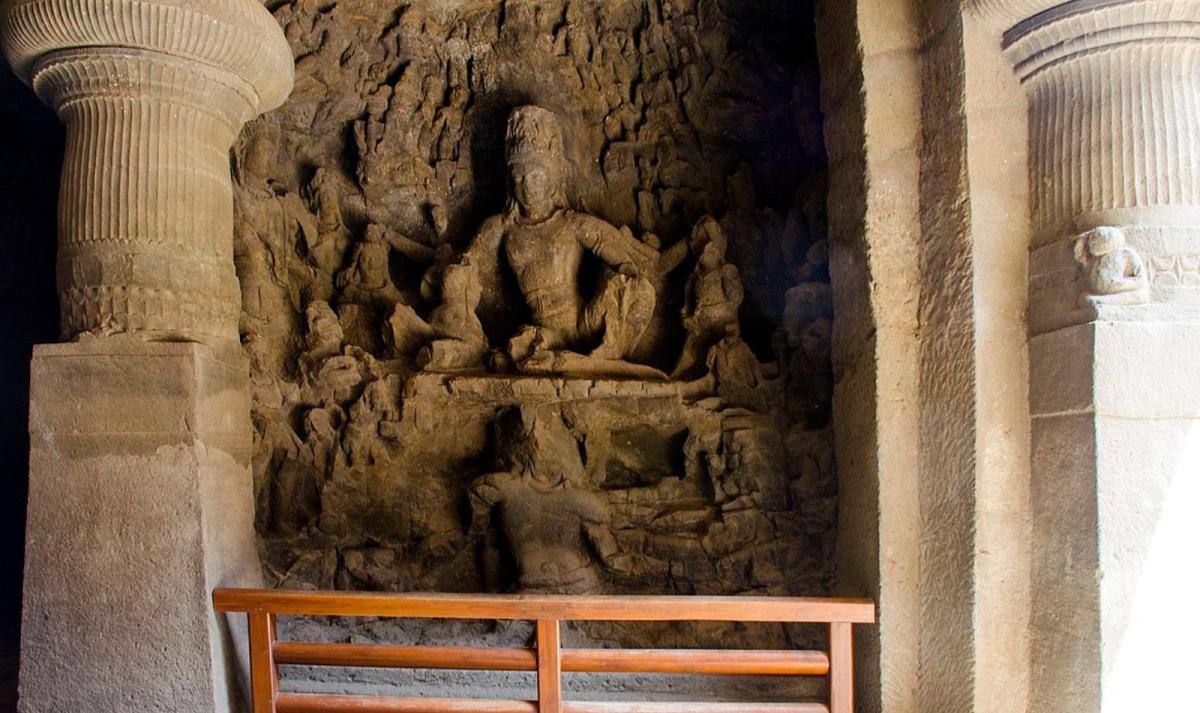
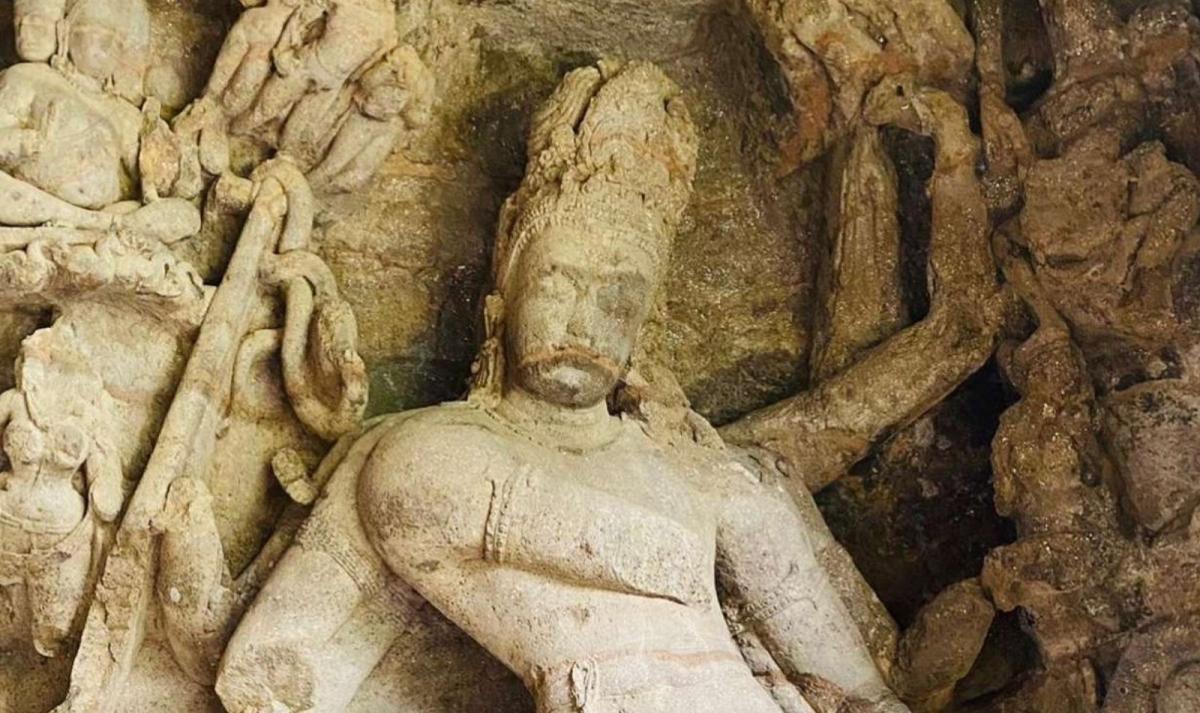
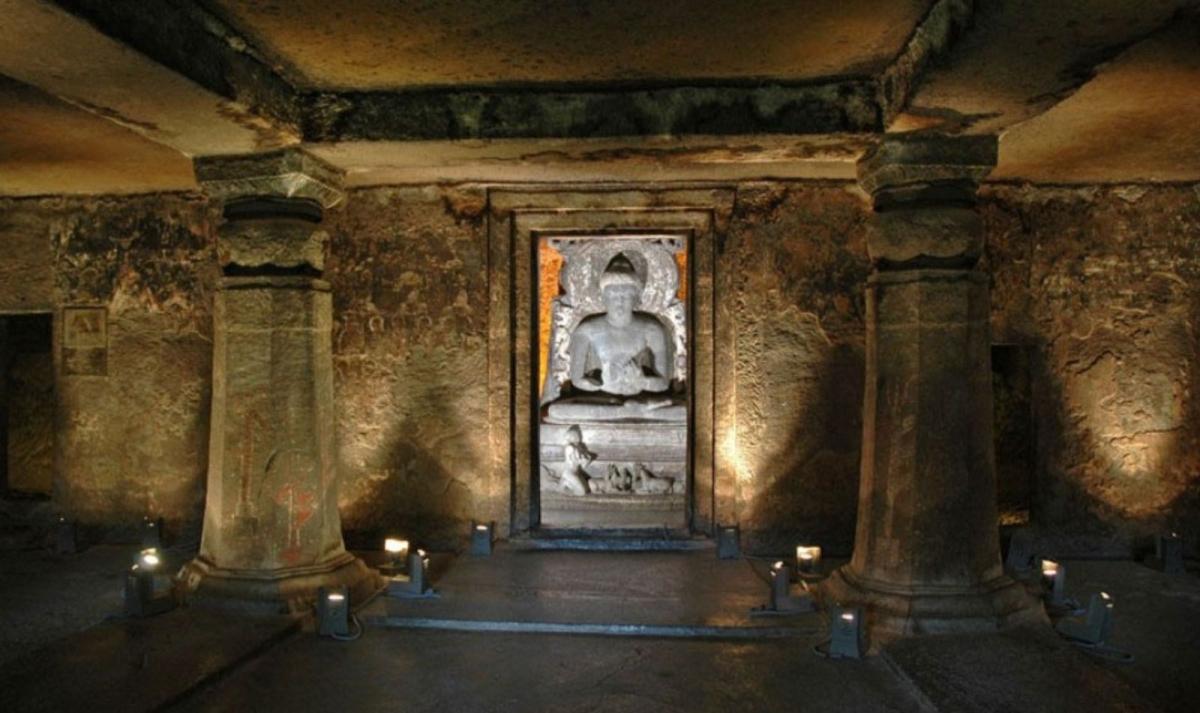
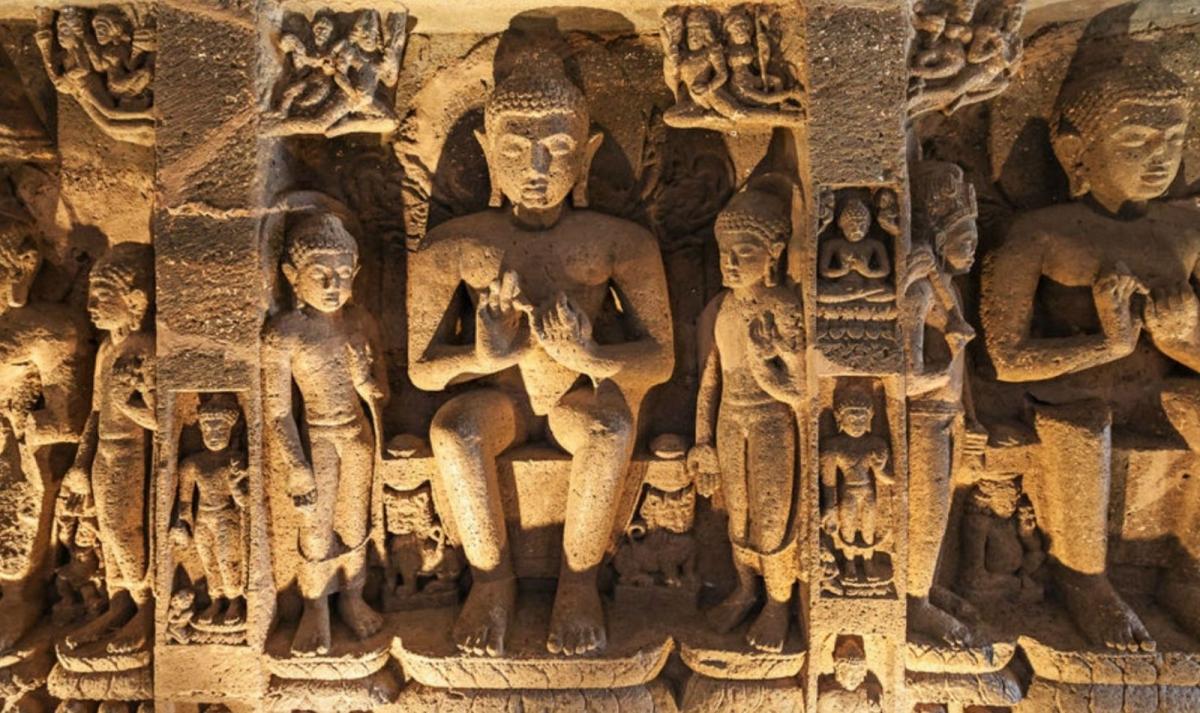
Northeast of the city of Aurangabad, the Ajanta and Ellora cave complexes are both UNESCO World Heritage Sites and among the most significant rock-cut monuments in Asia. Ajanta's caves, cut along a horseshoe-shaped gorge, hold Buddhist paintings and sculpture dating from roughly the 2nd century BCE to the 6th century CE. Ellora, around 100 kilometers away, contains caves cut side by side into a single cliff face, representing Buddhist, Hindu and Jain traditions in sequence, including the Kailasa temple, a single monolithic structure excavated downward from solid rock rather than built up from a foundation.
The Sahyadri range, the section of the Western Ghats running through Maharashtra, holds a large number of hill forts built or occupied during the rise of the Maratha kingdom under Shivaji in the 17th century. Forts such as Raigad, Shivaji's capital, and Sinhagad near Pune sit on steep plateaus reached by stone stairways and offer views across the surrounding ghats. Several of these forts have been restored as protected monuments and remain central to how the state marks its Maratha history.
Inland Maharashtra occupies a large share of the Deccan plateau, a volcanic basalt tableland that shaped both the region's agriculture and its historic trade routes. Ancient corridors connecting Arabian Sea ports to the Deccan interior supported Buddhist monastic communities, whose rock-cut viharas and chaityas dot the plateau beyond Ajanta and Ellora, including smaller cave groups near Bhaja and Karla that once served merchants traveling those same routes.
Maharashtra also carries strong pilgrimage traditions distinct from its cave and fort sites. The Pandharpur Wari, an annual walking pilgrimage to the Vitthal temple in Pandharpur, draws large numbers of Warkari devotees each year, while the Ashtavinayaka circuit links eight historic Ganesh temples across the state, several of them within a day's drive of Pune.
South of Mumbai, the Konkan coast runs along the Arabian Sea as a narrow strip between the Sahyadri hills and the water, dotted with fishing towns, coastal forts and beaches such as Ganpatipule and Tarkarli. The coast developed separately from the inland Deccan, shaped by maritime trade and by forts built to control the shipping lanes, including several coastal strongholds associated with the Maratha navy under Shivaji, whose command of the sea route was as significant to his kingdom as the inland hill forts further east.
Mumbai, the state capital, is generally covered on its own itinerary given its scale as India's financial and entertainment center. Beyond the city, Maharashtra's tourism draws are largely inland and rural: temple towns, hill stations such as Mahabaleshwar and Lonavala, and wildlife reserves including Tadoba, all well outside Mumbai's metropolitan footprint.
The cooler months from October to March suit sightseeing at the caves and forts, when daytime temperatures are moderate across the plateau. The monsoon season from June to September turns the Sahyadri hills green and is popular for waterfall viewing near Lonavala and Mahabaleshwar, though heavy rain can affect access to some hill forts.