
Free Cancellation
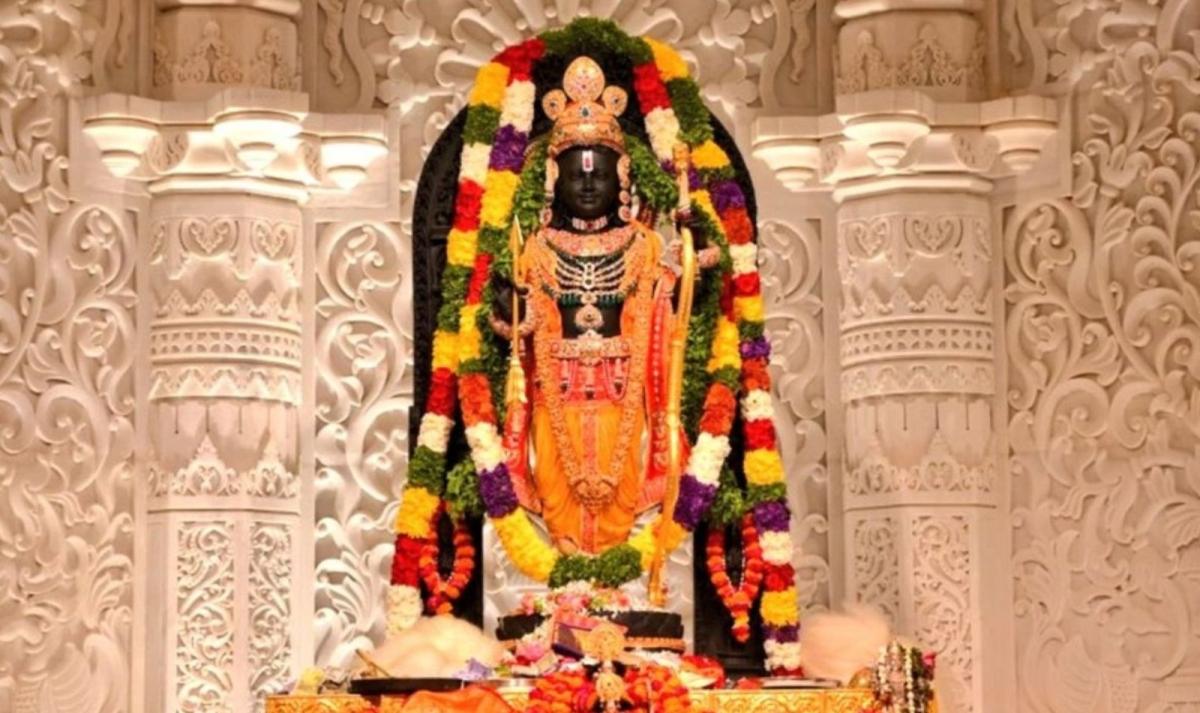
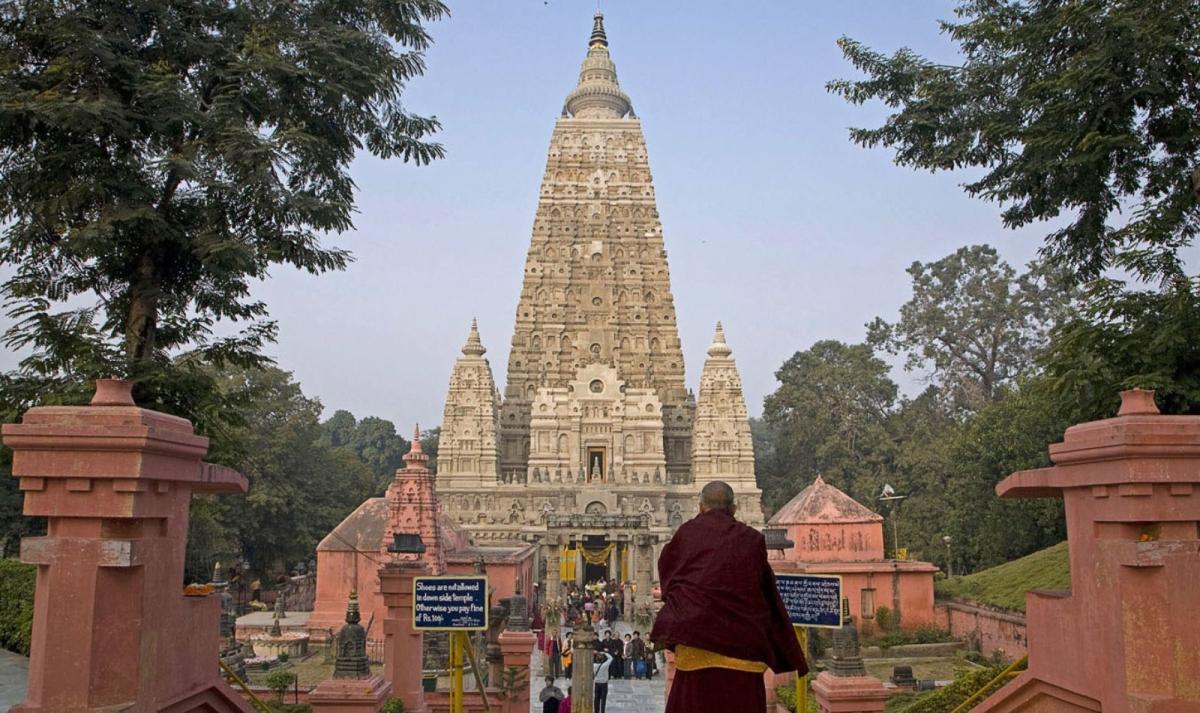
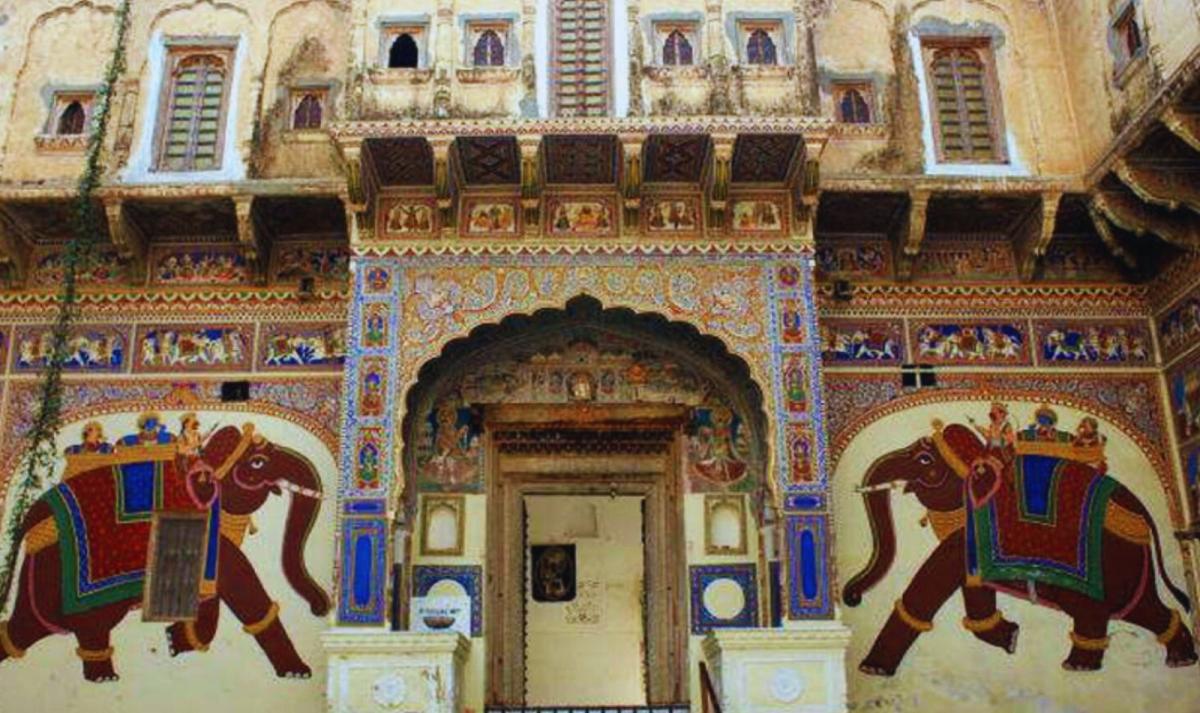
Uttar Pradesh Tours cover India's most populous state, a stretch of the Gangetic plain in the north of the country that has functioned as a center of Hindu and Buddhist civilization for well over two thousand years. Flat, fertile and threaded by the Ganges and Yamuna rivers, the state carries an unusually dense concentration of historic cities, temple towns and pilgrimage sites.
Uttar Pradesh is generally toured as a segment within a broader India itinerary, most often anchored by the Taj Mahal at Agra before continuing east toward Varanasi or the state capital at Lucknow. The state's scale means most visitors see a handful of cities rather than attempt the region in full.
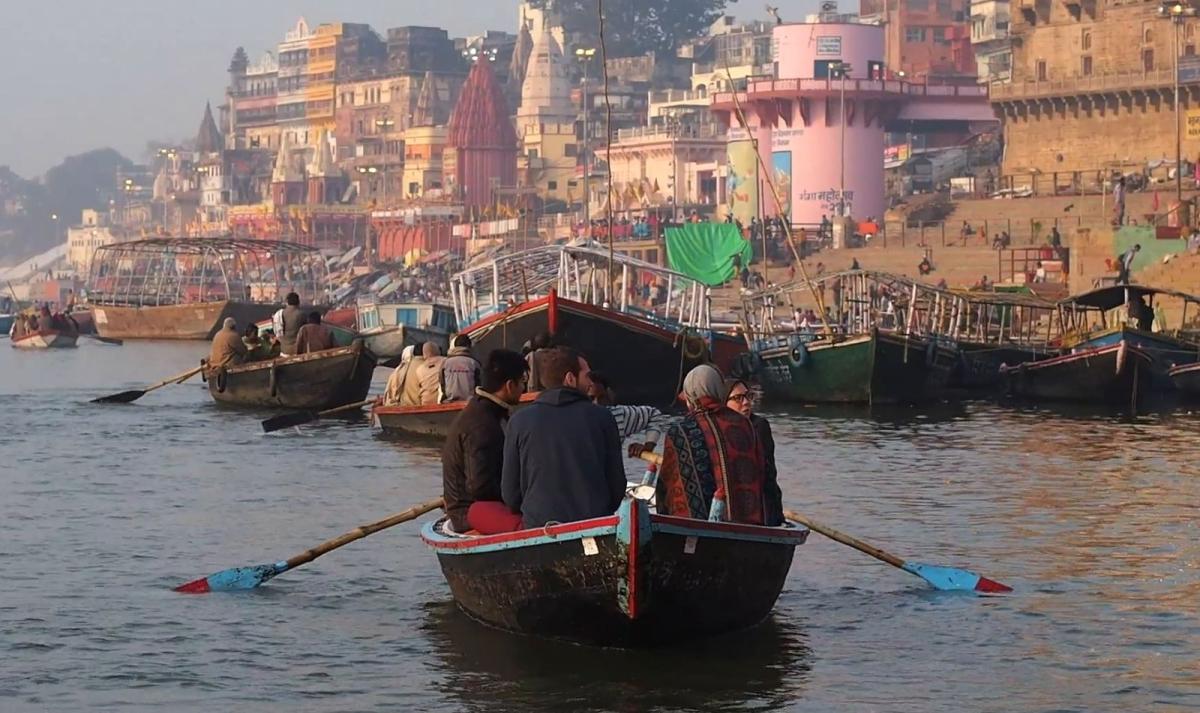
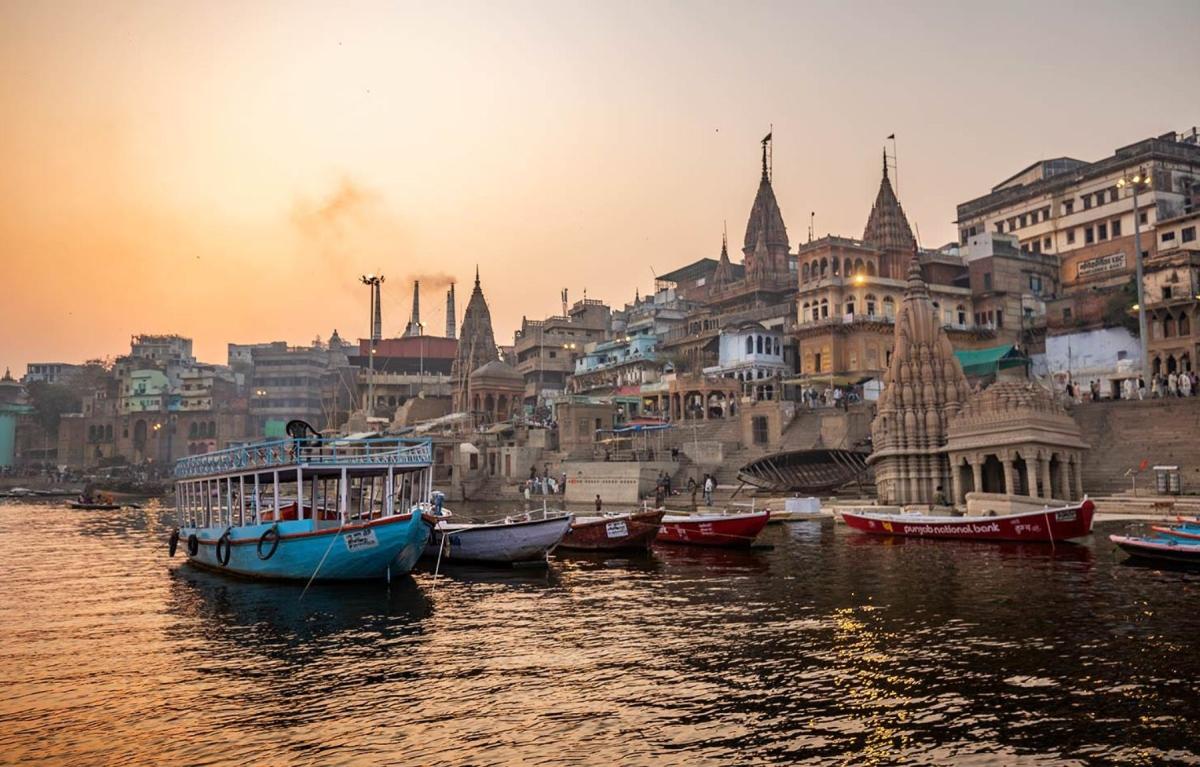
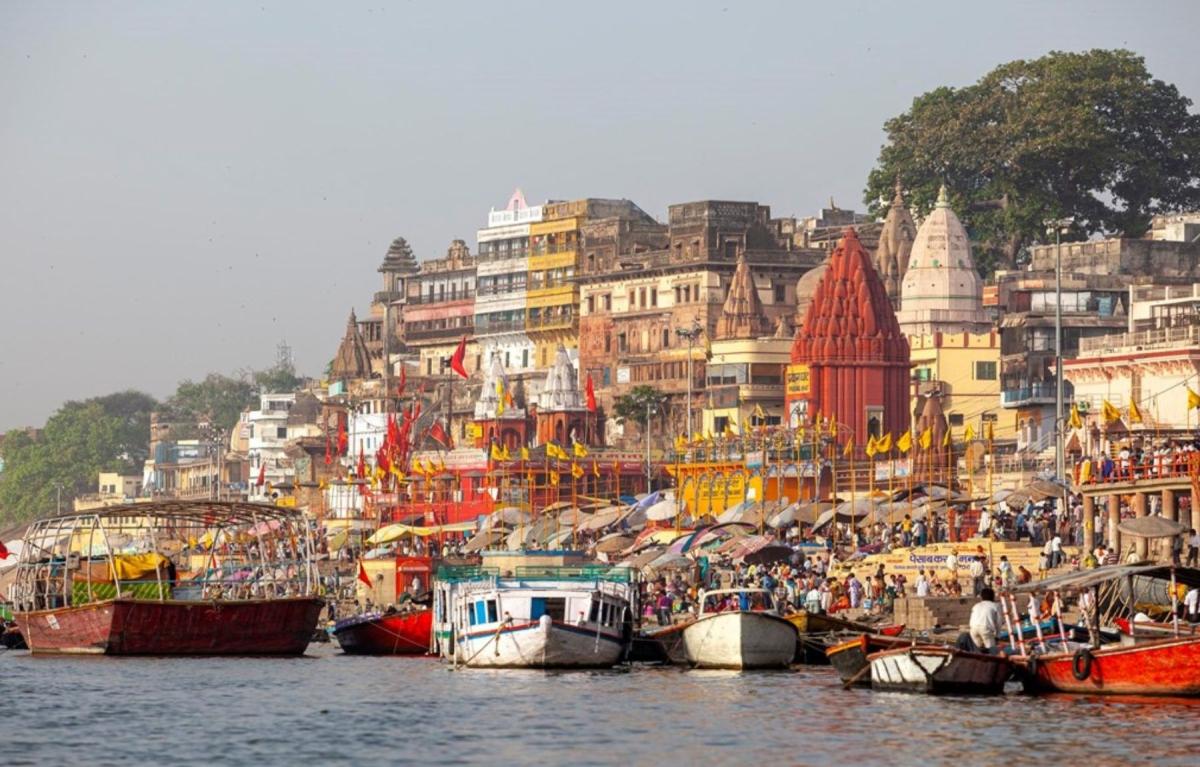
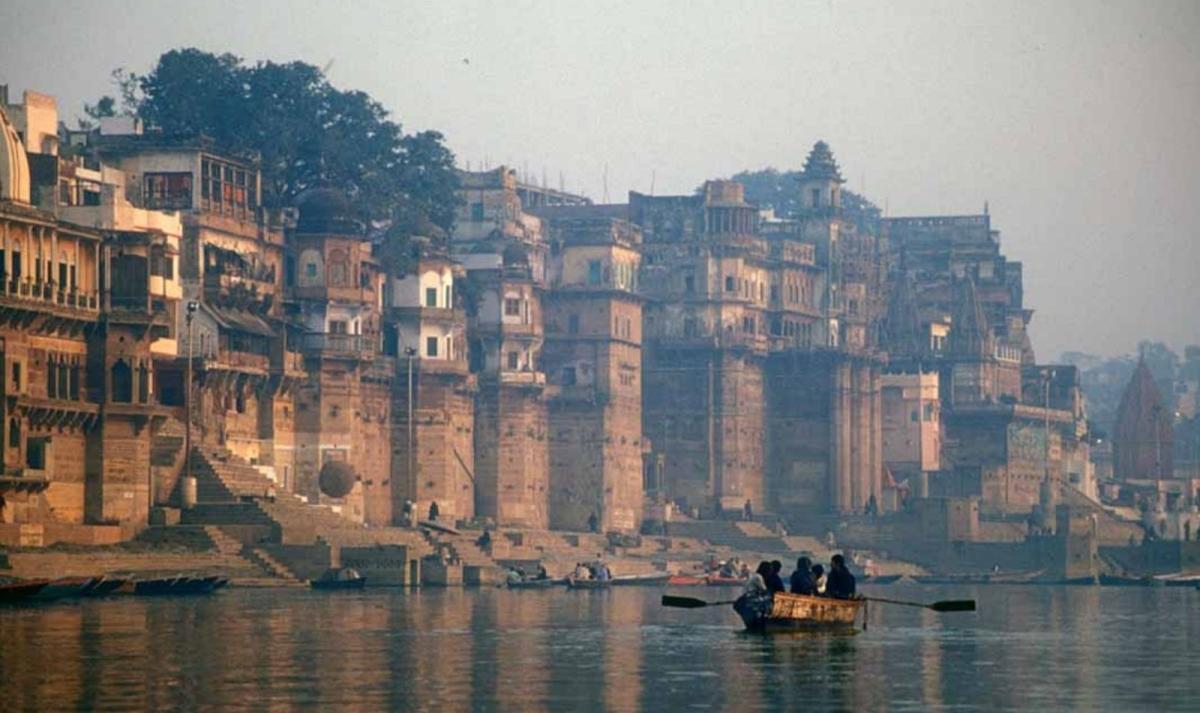
Varanasi is the state's most significant pilgrimage city and one of the oldest continuously inhabited cities in the world, with settlement on the site tracing back well over three thousand years. The city is built along a series of stone ghats, wide stepped embankments descending to the Ganges, where Hindu pilgrims bathe at dawn and cremation rites are conducted around the clock at Manikarnika and Harishchandra ghats. Evening river ceremonies known as Ganga aarti draw large crowds to the main ghats, and a sunrise boat ride past the waterfront temples and bathing steps is among the most requested experiences for visitors touring the city. Varanasi also functions as a center of Sanskrit learning and classical music, and is known for Banarasi silk weaving, a centuries-old craft producing brocaded sarees prized across India, with workshops concentrated in the old quarters near the ghats. The city's street layout has changed little in its essential pattern for centuries.
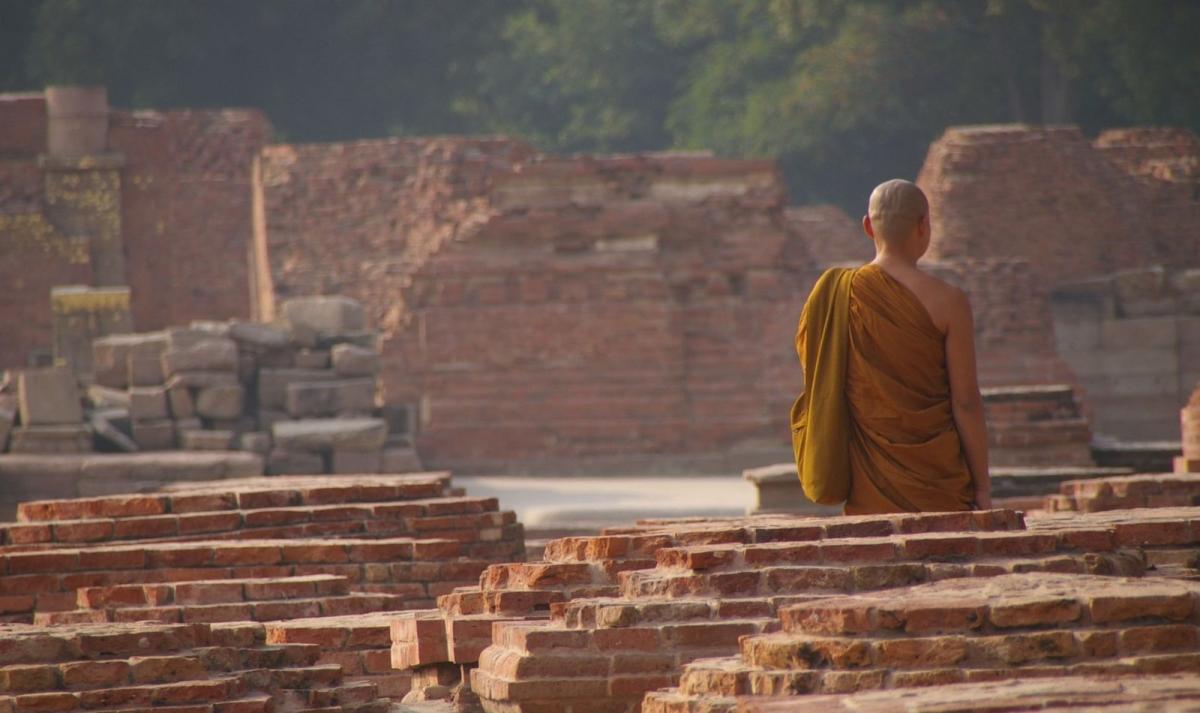
Just outside Varanasi, Sarnath marks the site where the Buddha is traditionally held to have delivered his first sermon after attaining enlightenment, making it one of Buddhism's principal pilgrimage sites. The Dhamek Stupa, a cylindrical brick and stone structure dating in its current form to the Gupta period, stands near the remains of ancient monasteries and an Ashokan pillar erected by the Mauryan emperor Ashoka in the 3rd century BC, one of the edict pillars that rank among early Buddhist India's most significant surviving inscriptions.
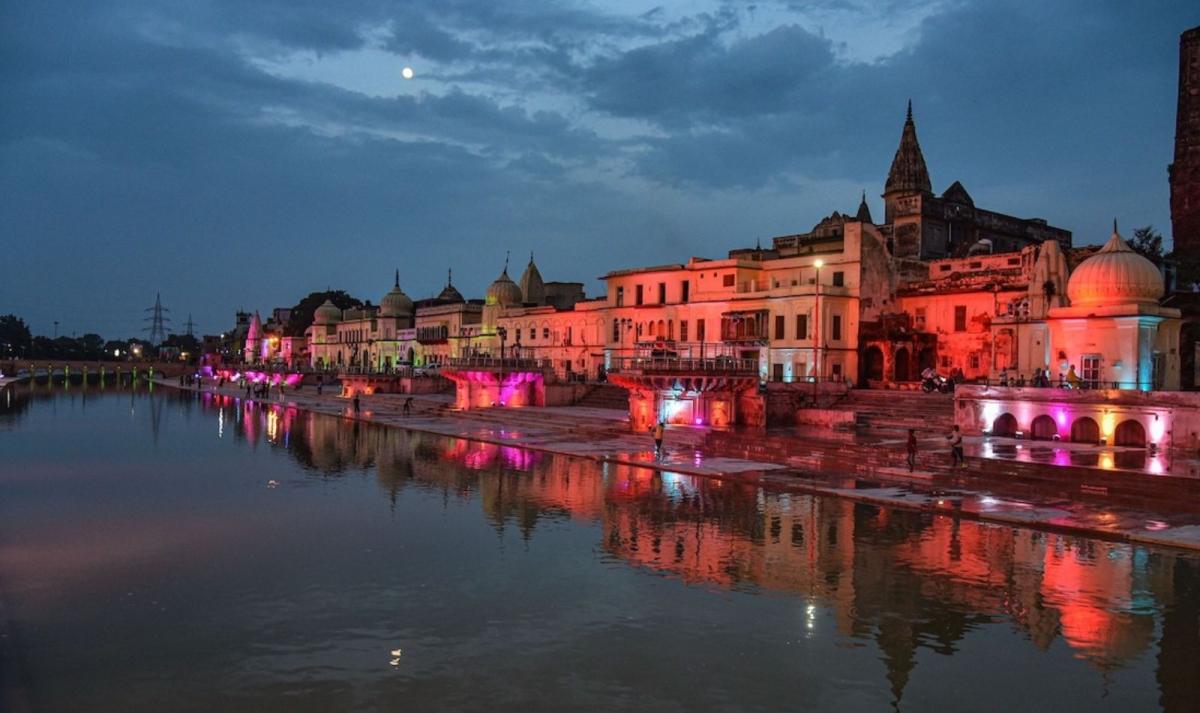
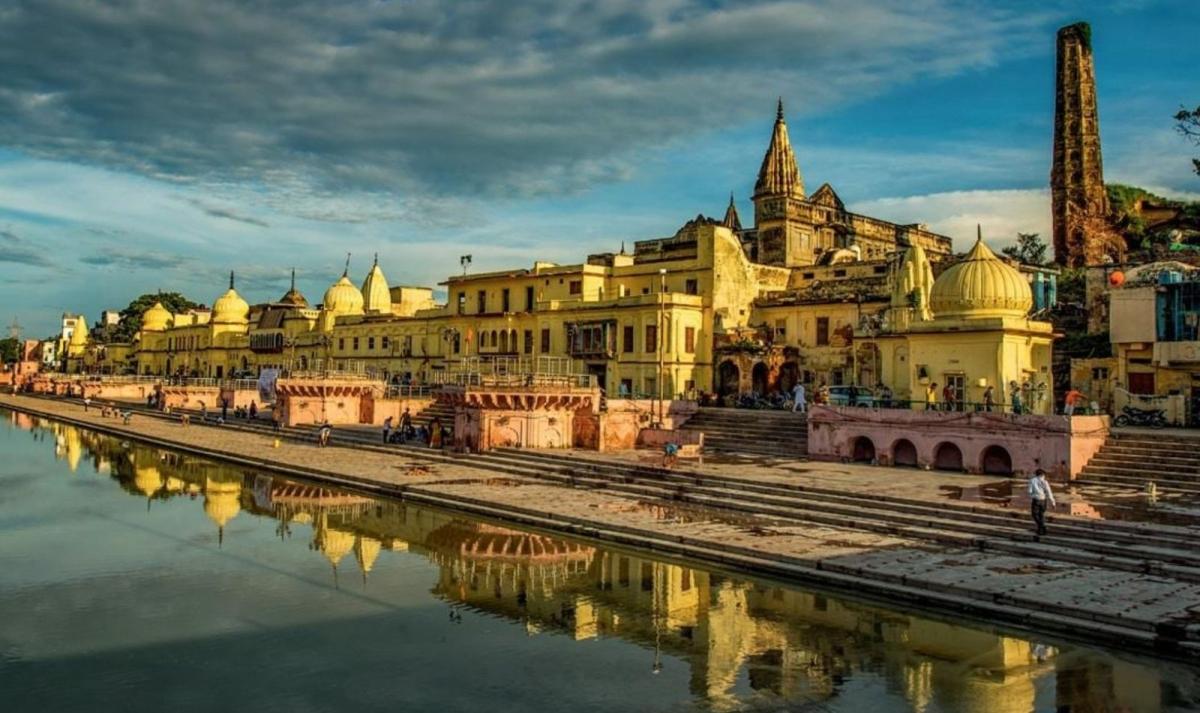
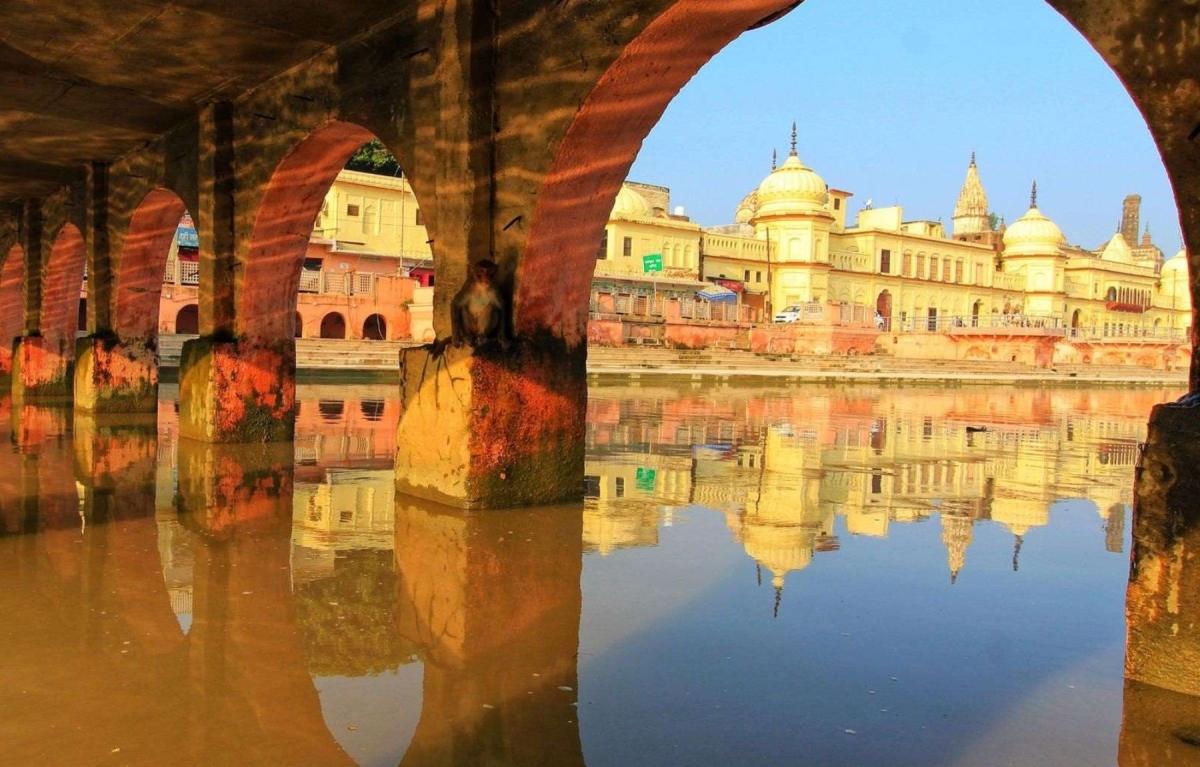
Prayagraj, formerly known as Allahabad, sits at the Sangam, the confluence of the Ganges, Yamuna and the mythical underground Saraswati rivers, and hosts the Kumbh Mela, a periodic Hindu pilgrimage gathering that ranks among the largest religious gatherings in the world. Between major Kumbh years, the confluence remains a significant year-round destination for ritual bathing, though during major Kumbh years Prayagraj sees an exceptional surge in visitors and accommodation books up well in advance.
Agra, home to the Taj Mahal, sits toward the western edge of Uttar Pradesh along the Yamuna River and typically serves as travelers' introduction to the state on a wider northern India route. The Mughal-era monument and its surrounding fort city are usually covered as a dedicated stop in their own right rather than folded into a general state tour.
Lucknow, the state capital, adds a layer of Mughal and Nawabi-era architecture and cuisine to a Uttar Pradesh itinerary, while sites further east such as Kushinagar, where the Buddha is traditionally held to have died, extend the state's Buddhist heritage beyond Sarnath and into a stretch of the plain still lightly visited compared with its Hindu pilgrimage centers. Together these layers give Uttar Pradesh a historical range that few other Indian states can match within a single itinerary.
October through March offers the most comfortable conditions for touring Uttar Pradesh, with cooler mornings well suited to sunrise visits along the Varanasi ghats and to sightseeing at the Taj Mahal before the midday heat sets in. Summer temperatures on the Gangetic plain climb well into the forties Celsius, making early morning and evening the only practical windows for outdoor sightseeing between April and June.