
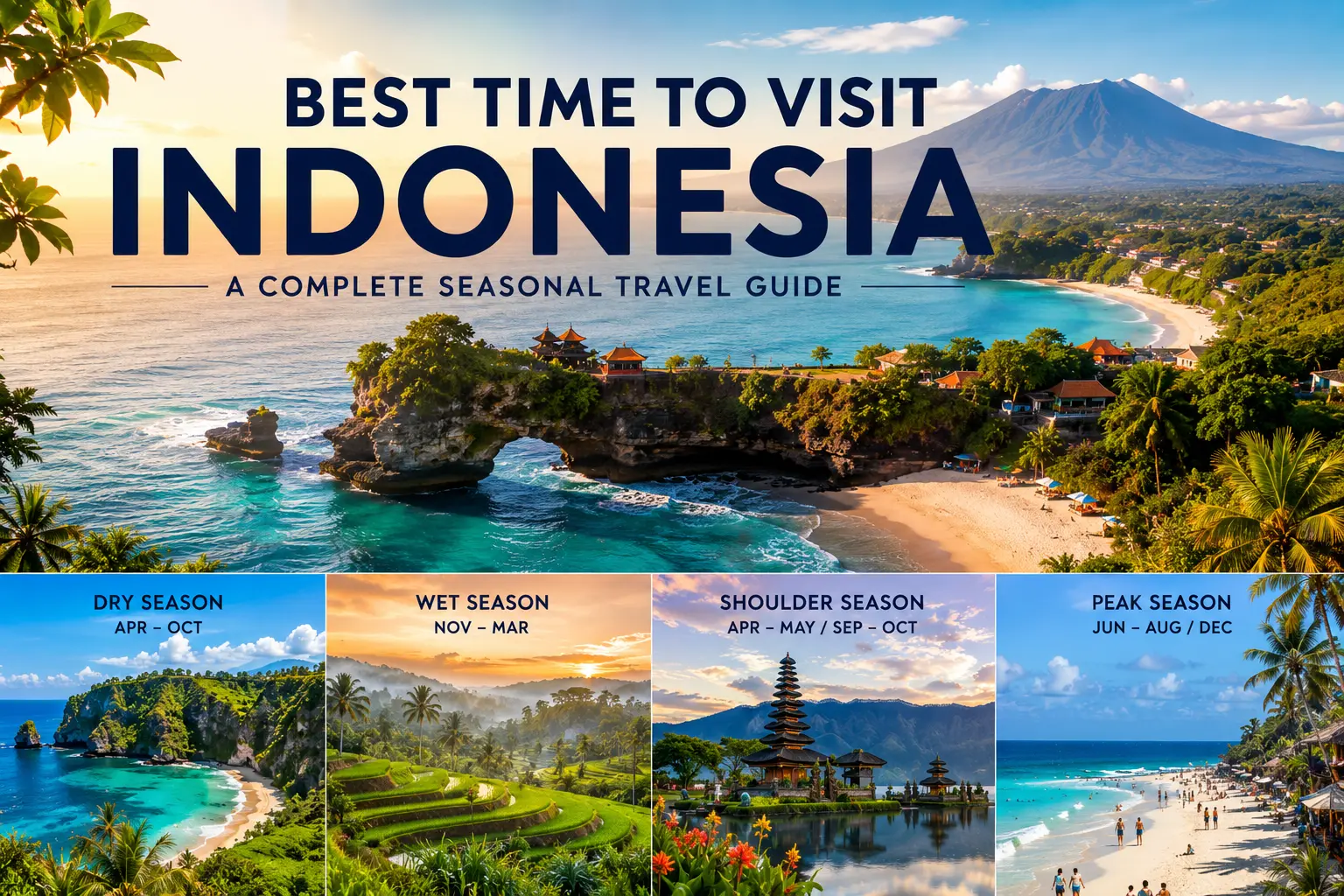
Dry Season in Indonesia (May to October)
The dry season is generally the most popular time to visit Indonesia. Across much of Bali, Java, Lombok, and the western islands, rainfall decreases, humidity is more manageable, and sunny days are more common.
This period is particularly suitable for travelers planning beach holidays, volcano hikes, temple visits, road trips, diving, and island excursions.
May and June are excellent shoulder-season months because conditions are generally favorable without the peak crowds of July and August. September and October can also be attractive, although rainfall gradually begins to increase toward the end of October in some regions.
Wet Season in Indonesia (November to March)
Indonesia's wet season brings higher humidity and more frequent rainfall across many popular destinations.
Rain often arrives as heavy tropical showers rather than continuous rain throughout the day. You may still have several hours of sunshine between showers, particularly in coastal areas.
The wet season can be a good choice for travelers who prefer lower prices and fewer visitors. Landscapes are also particularly lush and green.
The main disadvantage is that heavy rainfall can affect hiking, boat trips, road conditions, and outdoor sightseeing. Some activities may need to be rescheduled according to local weather.
Shoulder Season in Indonesia
The months around the transition between wet and dry seasons can provide a useful compromise for travelers.
May, June, September, and October are particularly appealing for many popular destinations. Weather is often suitable for outdoor activities while accommodation and attractions may be less crowded than during the July and August peak.
October can become increasingly humid and rainy in some parts of the country, so travelers planning extensive outdoor activities may prefer May, June, or September.
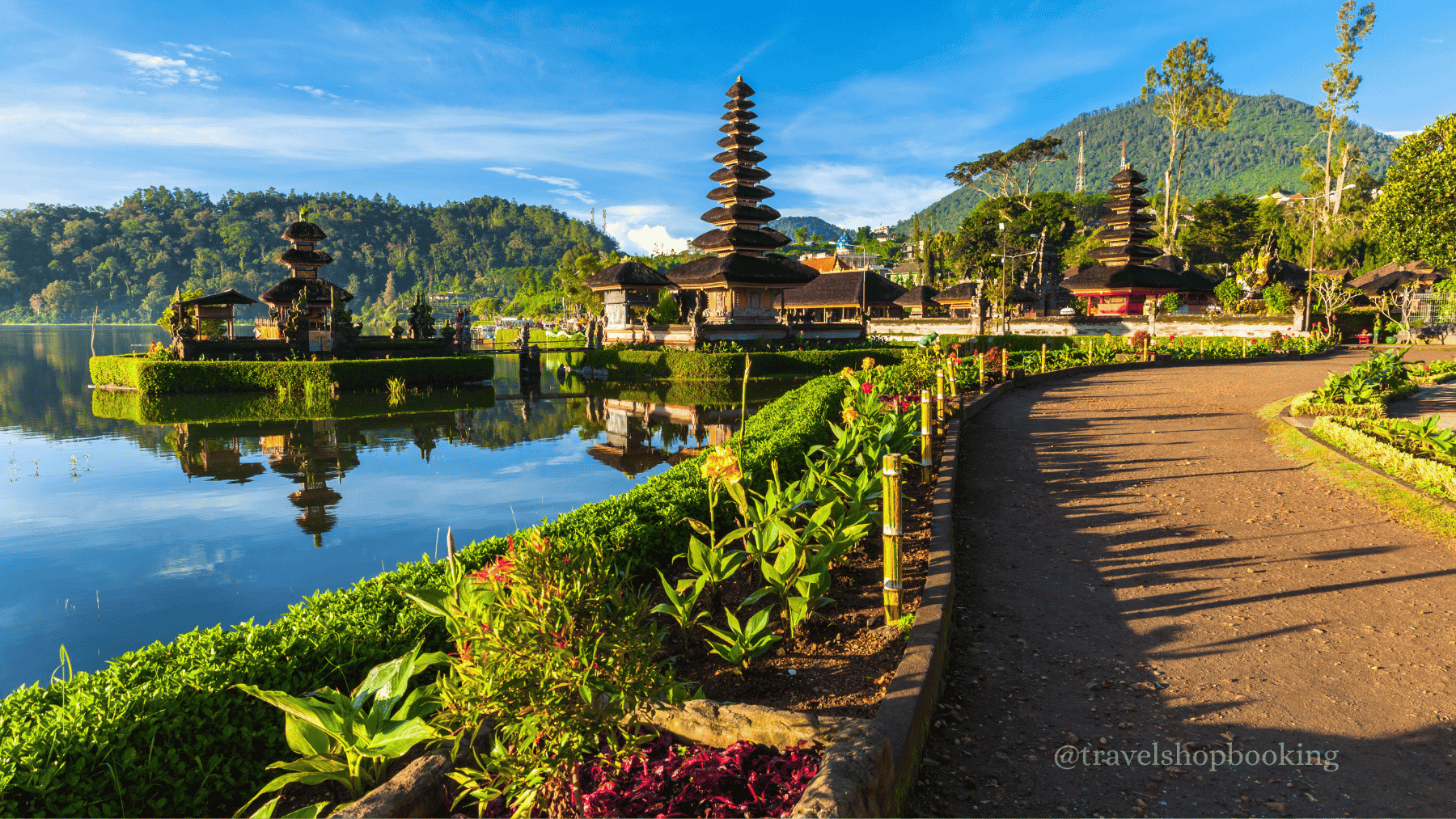
Summer in Indonesia (June to August)
June through August is the peak travel period for many destinations, particularly Bali.
The weather is generally dry and comfortable, making this season excellent for beaches, temples, surfing, hiking, and island hopping.
July and August are also popular with international travelers because they coincide with summer holidays in Europe, Australia, and other major source markets.
Accommodation prices can rise significantly in Bali, the Gili Islands, and popular beach destinations. Booking hotels and domestic transportation early is advisable if you plan to travel during these months.
Best Month to Visit Indonesia
For many travelers, September is one of the best months to visit Indonesia. Popular destinations often still experience relatively dry conditions, while the busiest summer crowds begin to decline.
September works particularly well for travelers combining Bali, Lombok, Java, and the Gili Islands.
For a similar combination of favorable weather and lower visitor numbers, May and June are also excellent choices.
Best Time to Visit Bali
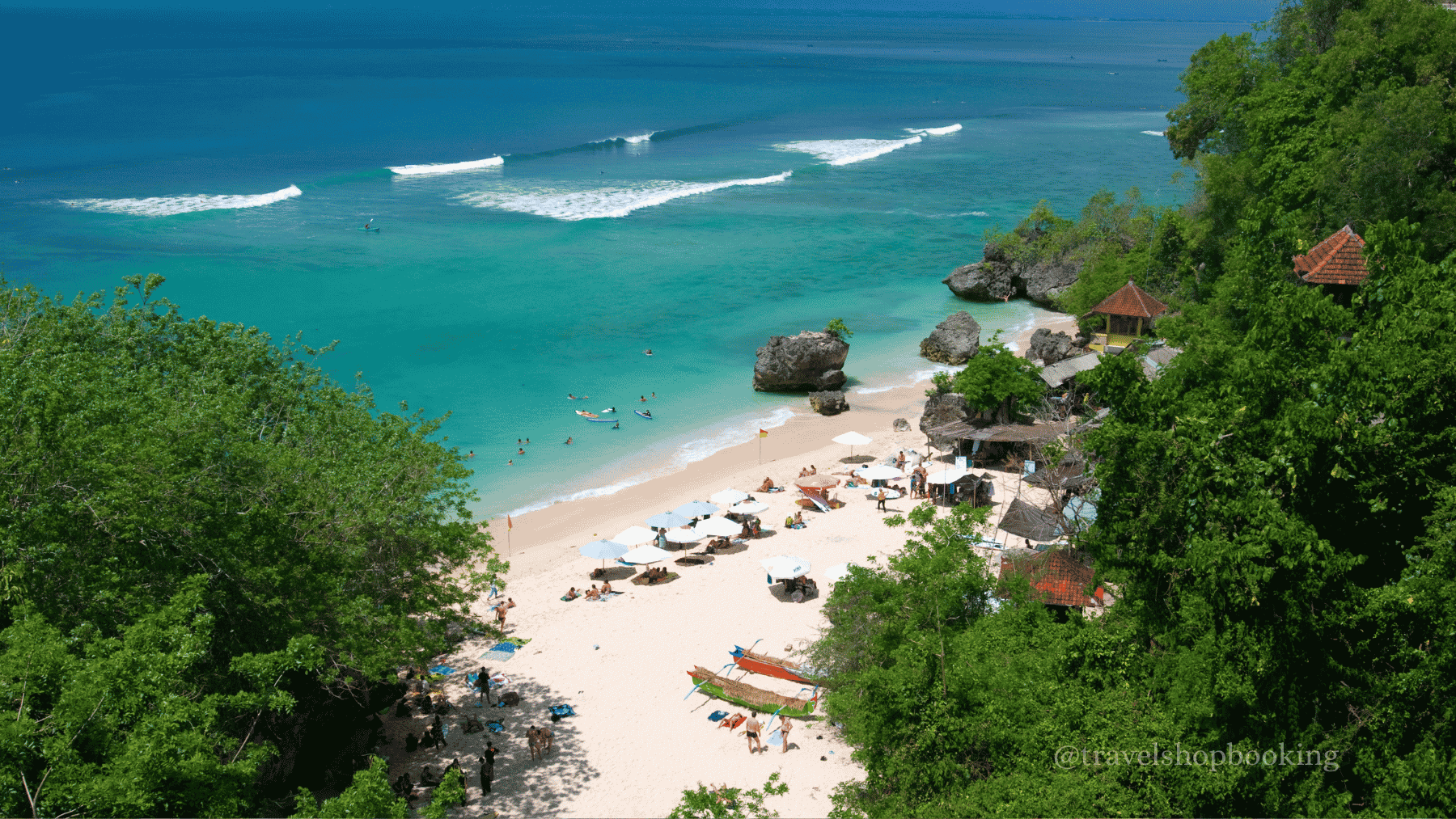
The best time to visit Bali is generally May to October.
The dry season is ideal for exploring temples, rice terraces, beaches, waterfalls, and mountain landscapes. It is also a good period for surfing, diving, snorkeling, and outdoor excursions.
Bali in May and June
May and June offer warm weather and generally lower rainfall. These months are particularly good for travelers who want to explore Bali without the busiest summer atmosphere.
Bali in July and August
July and August are usually the busiest months. The weather is excellent, but popular areas such as Seminyak, Canggu, Ubud, and Uluwatu can become crowded.
Bali in September and October
September is an excellent shoulder-season option. October can still be enjoyable, although rainfall becomes more likely as the wet season approaches.
Best Time to Visit Java
Java can be visited throughout the year, but May to September is generally the most convenient period for sightseeing and hiking.
This is particularly important if you plan to visit volcanic landscapes such as Mount Bromo and Mount Ijen.
Dry-season mornings tend to provide better conditions for sunrise viewpoints and mountain excursions. Visibility can still change quickly, so local weather conditions should be checked before hiking.
Java's major cultural attractions, including Borobudur and Prambanan, are also easier to explore during drier weather.
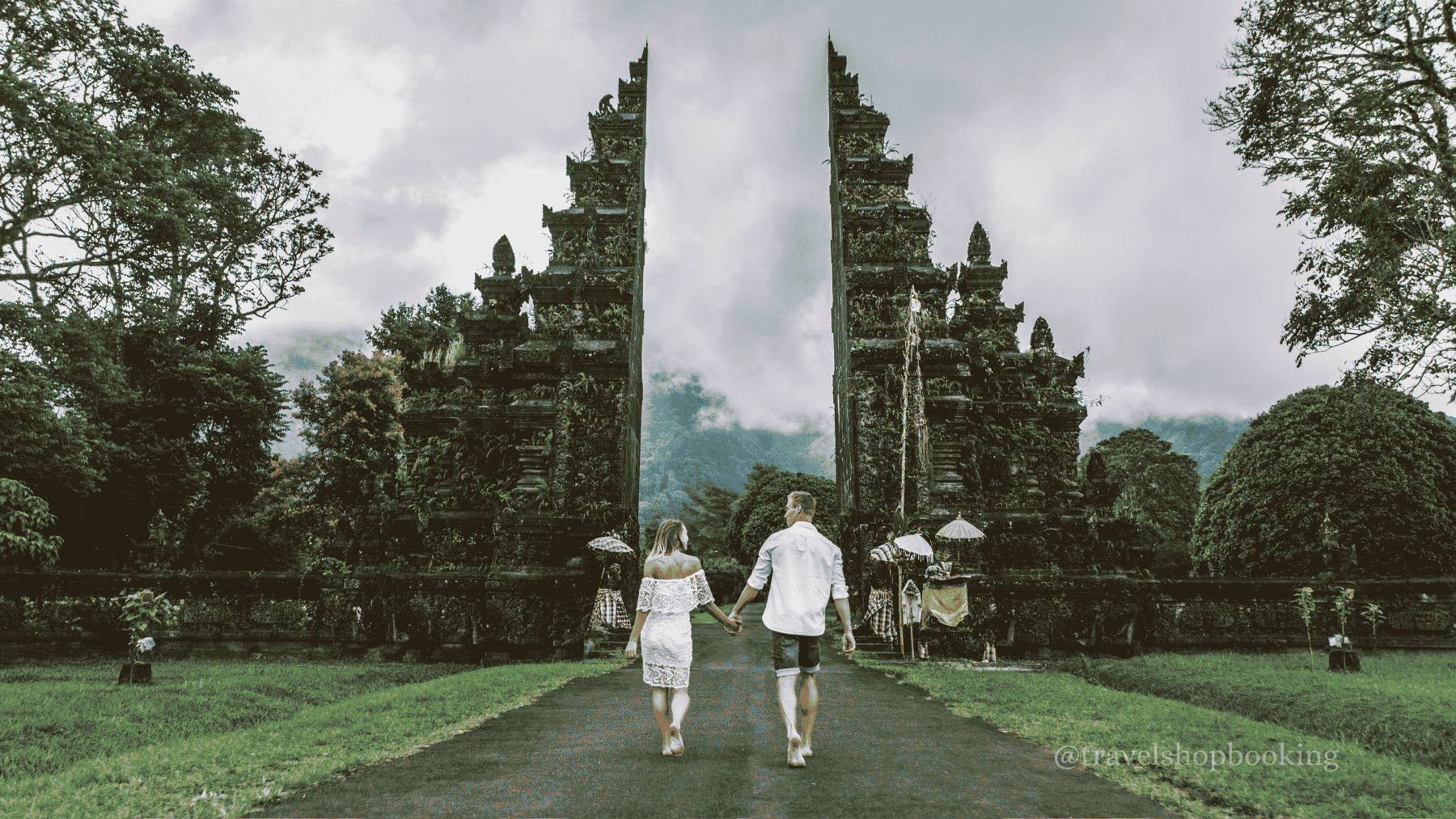
Best Time to Visit Lombok
The best time to visit Lombok is May to October.
Lombok offers a quieter alternative to some parts of Bali, with beaches, waterfalls, traditional villages, and access to Mount Rinjani.
Dry-season conditions are particularly useful for hiking and beach activities.
If you plan to climb Mount Rinjani, check current trail regulations and local weather because mountain conditions can be very different from those along the coast.
Best Time to Visit the Gili Islands
The Gili Islands are most popular during the dry season, particularly from May through October.
These small islands are known for snorkeling, diving, beaches, and relaxed evenings.
July and August can be busy, while May, June, September, and October may offer a more comfortable balance between good weather and visitor numbers.
Boat connections can be affected by rough seas or bad weather, particularly during the wet season, so leave some flexibility in your itinerary.
Best Time to Visit Komodo National Park
Komodo National Park has somewhat different seasonal considerations from Bali.
The dry season, particularly April through October, is generally popular for exploring the islands, hiking, and taking boat trips.
The landscape can become very dry during the peak season, but visibility and sea conditions can be favorable for many activities.
Travelers visiting Komodo Island and nearby islands should check current park regulations and local boat conditions before departure.

Best Time to Visit Flores
Flores is a good destination for travelers interested in volcanic landscapes, traditional villages, waterfalls, and access to Komodo National Park.
April to October is generally a favorable period for exploring the island and combining it with a Komodo itinerary.
The dry season is particularly useful for road trips and hiking because heavy rainfall can make some roads and trails more difficult during the wet months.
Best Time for Diving in Indonesia
Indonesia is one of the world's leading diving destinations, but the ideal season varies by region.
For Bali, Lombok, and the Gili Islands, May to October is generally a good period for diving and snorkeling.
The Raja Ampat region has different conditions, with many travelers favoring October through April for diving.
Destinations such as Komodo can also have their own seasonal patterns, so divers should check conditions for the specific region rather than relying on a nationwide weather calendar.
Best Time for Surfing
Indonesia is famous for its surfing, particularly in Bali, Lombok, and parts of Sumatra and Java.
For many of Bali's west-coast surf breaks, the dry season from May to October is a popular period because winds and swell conditions can be favorable.
The best season depends on the specific coastline and surf break. Experienced surfers should choose destinations based on local swell patterns rather than simply following the general dry season.
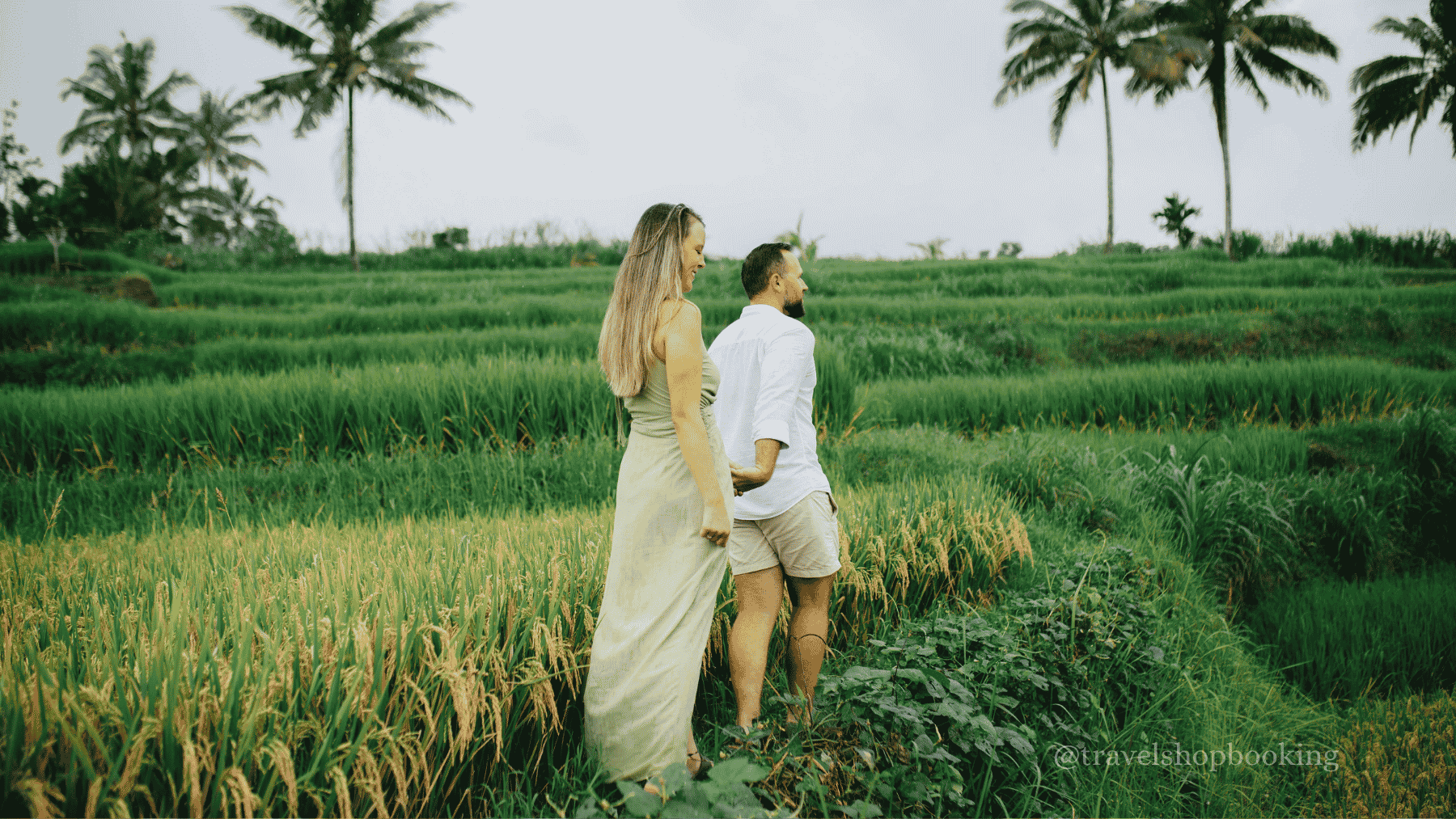
Best Time for Hiking Volcanoes
Indonesia's volcanoes are among its most impressive outdoor attractions.
For popular climbs such as Mount Bromo, Mount Ijen, and Mount Rinjani, the drier months are generally easier for hiking.
May to September is a particularly practical period for many volcanic excursions, although individual mountain conditions vary.
Early morning temperatures can be surprisingly cold at higher elevations, even when coastal Indonesia is hot, so warm layers are important.
Best Time to Visit Borobudur and Prambanan
The temples of Borobudur and Prambanan can be visited year-round, but drier weather from May to September makes outdoor sightseeing more comfortable.
Sunrise and sunset visits can be especially rewarding, although exact access arrangements and opening times should be confirmed before visiting.
Visiting early in the day is useful throughout the year because temperatures become much hotter later in the morning.
Best Time for Wildlife Watching
Indonesia's biodiversity is one of its major attractions, from orangutans and Komodo dragons to tropical birds and marine species.
The best period depends on the destination.
For Komodo National Park, the drier months are generally practical for hiking and wildlife excursions. For Borneo and Sumatra, rainforest conditions remain wet for much of the year, although wildlife tours operate in different seasons.
Marine wildlife experiences also vary considerably between regions, making local seasonal advice important.
Best Time to Visit Raja Ampat
Raja Ampat is one of Indonesia's premier destinations for diving and marine biodiversity.
Unlike Bali, many travelers consider October through April a particularly attractive period for visiting Raja Ampat, although exact conditions vary between months and islands.
The region is remote, so transportation requires more planning than a typical Bali trip.
Raja Ampat is especially suitable for travelers who prioritize coral reefs, diving, snorkeling, kayaking, and remote island scenery.
Best Time to Visit Sumatra
Sumatra has a tropical climate with significant regional variations.
For many popular areas, May through September can provide more convenient conditions for trekking and exploring, although rain can occur throughout the year.
Travelers visiting Bukit Lawang for orangutan experiences should be prepared for humid rainforest conditions regardless of the season.
Best Time for a Honeymoon in Indonesia
For a classic honeymoon combining beaches, resorts, and outdoor experiences, May to October is generally the easiest period.
Bali and Lombok offer a wide range of romantic accommodations, while the Gili Islands provide a more relaxed island atmosphere.
September can be especially appealing to couples who want good weather without the busiest July and August conditions.
Travelers looking for luxury resorts should book popular properties well ahead of time during the dry-season peak.

Best Time for Festivals and Cultural Experiences
Indonesia has cultural and religious events throughout the year, and the timing of major celebrations follows different calendars.
Nyepi, the Balinese Day of Silence, is one of Bali's most distinctive cultural experiences. The date changes annually according to the Balinese Saka calendar.
Ramadan and Eid al-Fitr also move through the Gregorian calendar each year. During these periods, transportation, restaurant opening hours, and domestic travel patterns can change significantly.
Travelers should check the dates and local arrangements before planning a trip around a particular celebration.
Best Time for a Budget Trip to Indonesia
The wet season can provide some of the best opportunities for lower prices, particularly outside Christmas, New Year, and major holiday periods.
November through March can be attractive for budget travelers who are comfortable with tropical rain.
Another option is traveling during the shoulder seasons of May, June, September, and October, when prices can be more moderate while weather remains relatively favorable.
Bali's most popular areas can remain expensive even during quieter periods, so comparing different regions and accommodation types can make a significant difference.
Regional Weather Differences in Indonesia
Indonesia does not have one uniform climate.
Bali, Java, Lombok, and much of western Indonesia generally experience a dry season from roughly May to October and a wet season from November to March or April.
Eastern Indonesia, including parts of Maluku and the Lesser Sunda Islands, can follow different rainfall patterns.
Raja Ampat and parts of Papua also have distinct local weather patterns, which is why the best time to visit can differ significantly from Bali.
If your itinerary includes several islands, check weather conditions for each destination instead of using Bali's forecast for the entire country.
What to Pack for Indonesia
For a dry-season trip, lightweight clothing, comfortable walking shoes, swimwear, sunscreen, sunglasses, and insect repellent are useful.
A light rain jacket is still worth packing because tropical showers can occur even during the dry season.
If you plan to visit temples, bring clothing that covers your shoulders and knees or be prepared to use a sarong where required.
For volcano hikes, bring warm layers, sturdy shoes, and a headlamp if you are joining a pre-dawn excursion.
Is Indonesia Worth Visiting During the Wet Season?
Yes. Indonesia can still be rewarding during the wet season, particularly if you prefer lower prices and fewer tourists.
Rainforests and rice terraces become exceptionally green, waterfalls can be more impressive, and many destinations feel quieter.
The main disadvantage is less predictable weather. Heavy rain can affect hiking, boat transfers, road travel, and outdoor excursions.
If your itinerary depends heavily on beaches and boat trips, the dry season is generally a better choice.
Is Indonesia Worth Visiting During the Dry Season?
For most first-time visitors, the dry season is the easiest choice.
May to October generally provides the most convenient conditions for sightseeing, beaches, hiking, diving, and road trips across many popular regions.
The main disadvantage is higher demand during July and August.
Traveling in May, June, September, or early October can provide many of the advantages of the dry season without the busiest conditions.
How Many Days Do You Need in Indonesia?
A 7-day trip works well for focusing on one region, such as Bali, rather than trying to cover multiple islands.
With 10 to 14 days, you can combine Bali with Lombok, the Gili Islands, or Java.
A two- to three-week itinerary allows you to explore several regions, such as Bali, Java, and Komodo or Flores.
Indonesia is geographically large, and domestic flights, ferries, and transfers can take considerable time. Building an itinerary around fewer destinations usually results in a more relaxed trip.
Frequently Asked Questions
What is the best time to visit Indonesia?
The best overall period for many popular destinations is May to October, when conditions are generally drier and more comfortable for outdoor activities.
What is the best month to visit Indonesia?
September is one of the best choices for a combination of favorable weather and fewer visitors. May and June are also excellent shoulder-season options.
When is the best time to visit Bali?
May to October is generally the best period for Bali, particularly for beaches, sightseeing, hiking, and outdoor activities.
When is the best time to visit Komodo National Park?
April to October is generally a good period for exploring Komodo's islands, hiking, wildlife watching, and boat trips.
When is the best time for diving in Indonesia?
The best period depends on the region. Bali and the Gili Islands are generally favorable from May to October, while Raja Ampat is often best visited from October to April.
Is Indonesia expensive to visit?
Indonesia can suit a wide range of budgets. Bali's popular resort areas can be expensive, while guesthouses, local restaurants, and less-touristy destinations can be considerably more affordable.
What is the cheapest time to visit Indonesia?
The wet season from November to March, excluding major holidays, often provides lower accommodation prices. May, June, September, and October can also offer good value.
How many days are enough for Indonesia?
10 to 14 days is a good length for a first trip focused on Bali and one or two additional destinations. For a broader multi-island itinerary, two to three weeks is more comfortable.
Loading comments…