-high.jpg&w=1920&q=75 "Beijing Daxing International Airport(PKX)----Beijing City")
Free Cancellation
-high.jpg&w=1920&q=75 "Beijing capital international airport PEK-Beijing urban area")
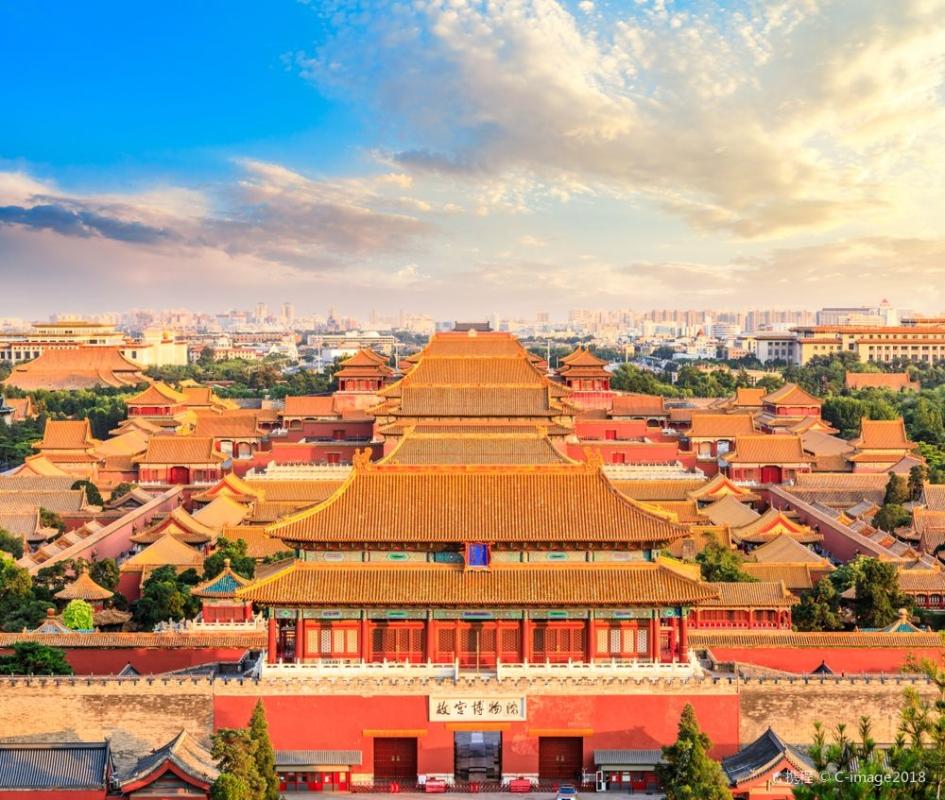

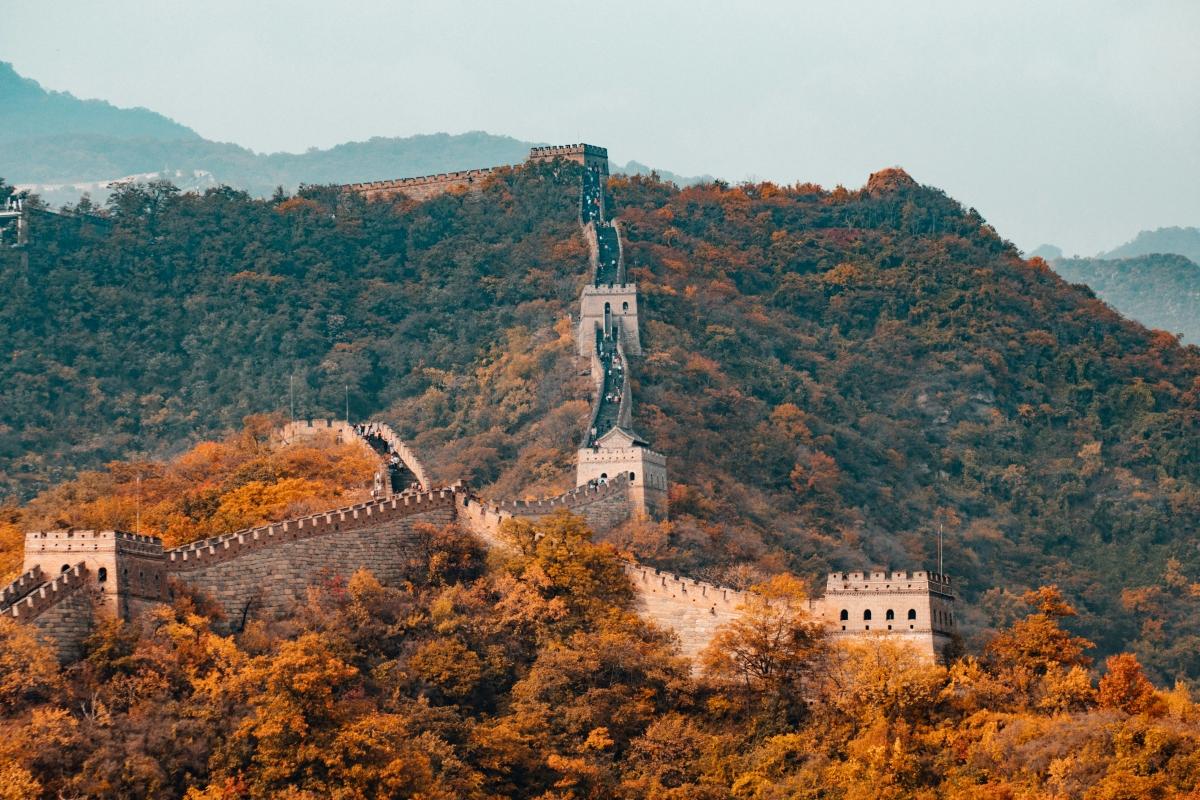
Beijing Tours introduce travelers to China's capital, a city that has served as the seat of imperial power for most of the last eight centuries and today combines that history with one of the largest urban populations in the world. At its center sits the Forbidden City, surrounded by a layout of palaces, temples and hutong neighborhoods that trace the city's development from the Yuan Dynasty through the Ming, Qing and into the present day.
Beijing sits at the heart of a wider China itinerary for many travelers, often paired with Xi'an, Shanghai or Guilin. Beijing Tours typically combine the city's imperial landmarks with a day trip to the Great Wall, along with time for its markets, hutongs and food scene.
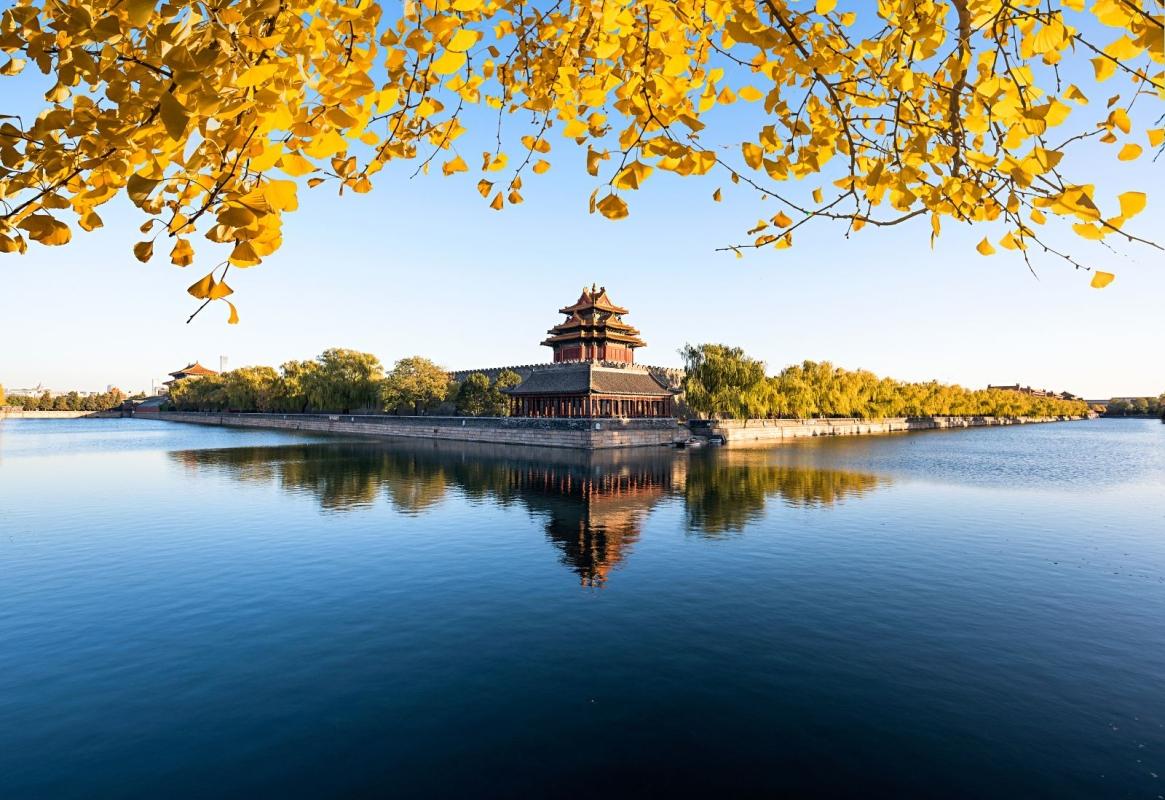
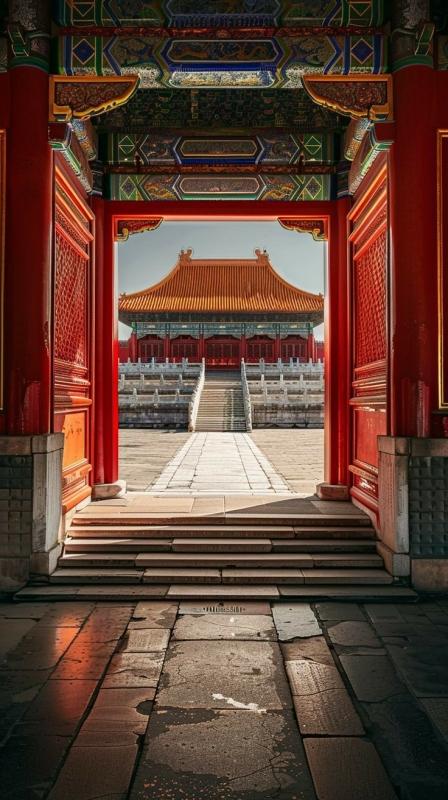
The Forbidden City served as the imperial palace for 24 emperors across the Ming and Qing dynasties, from 1420 until the end of imperial rule in 1912. Its nearly 1,000 surviving buildings and roughly 9,000 rooms make it the largest palace complex in the world, and the site now operates as the Palace Museum, holding a large share of China's imperial art collection.
Built in the same period as the Forbidden City, the Temple of Heaven was where Ming and Qing emperors performed annual ceremonies asking for good harvests. Its circular Hall of Prayer for Good Harvests, built entirely of wood without a single nail, remains one of the most recognized examples of Chinese religious architecture.
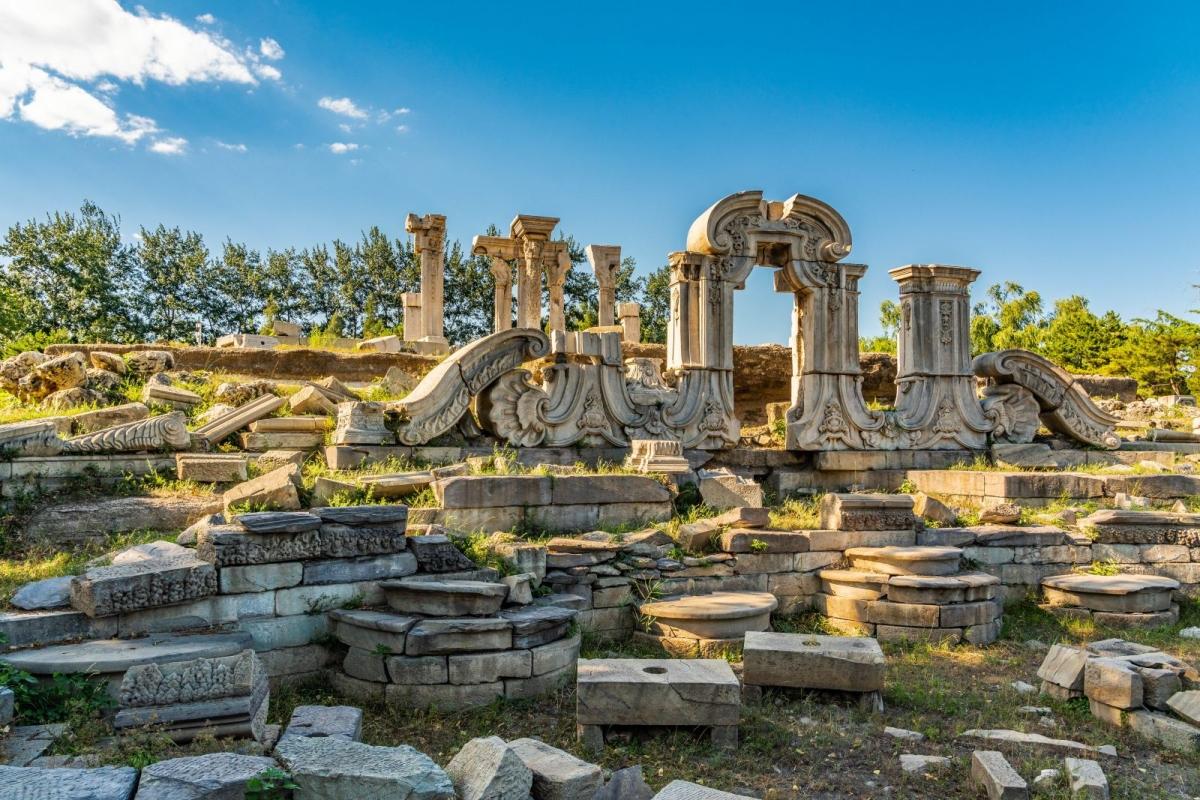
On Beijing's northwestern outskirts, the Summer Palace centers on Kunming Lake and Longevity Hill, laid out as an imperial garden retreat and later rebuilt by Empress Dowager Cixi in the late nineteenth century. The Long Corridor, painted with thousands of scenes from history and mythology, runs along the lakeshore for roughly 700 meters.
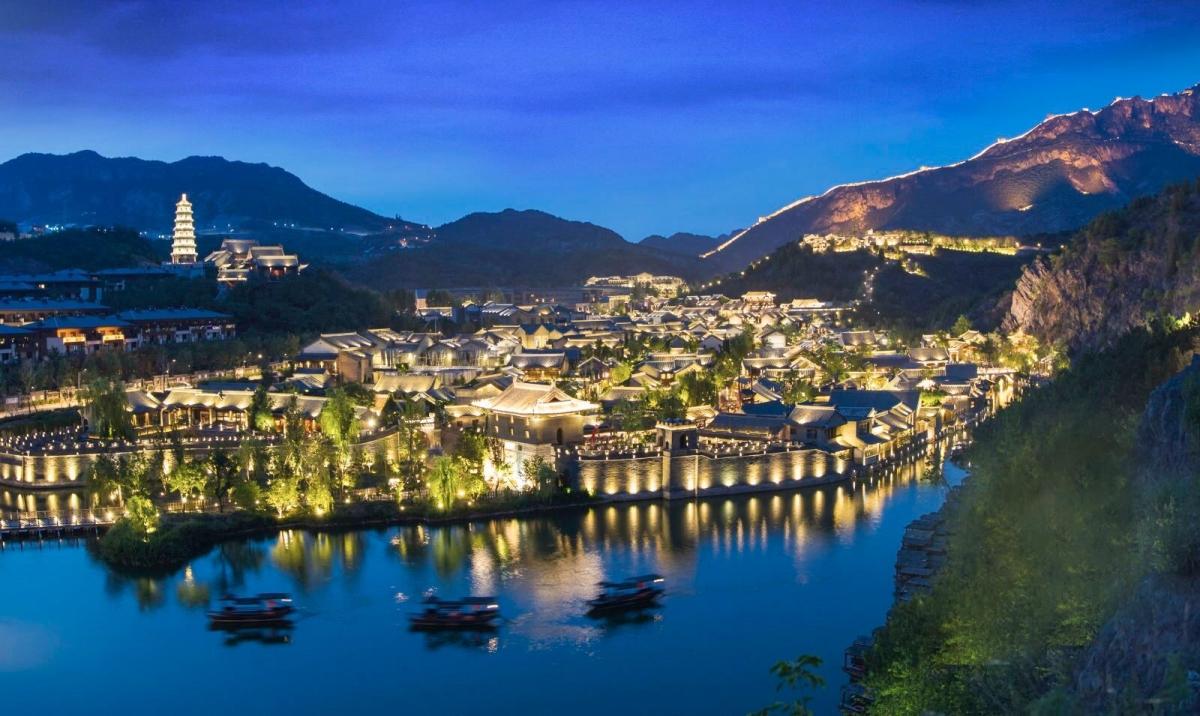
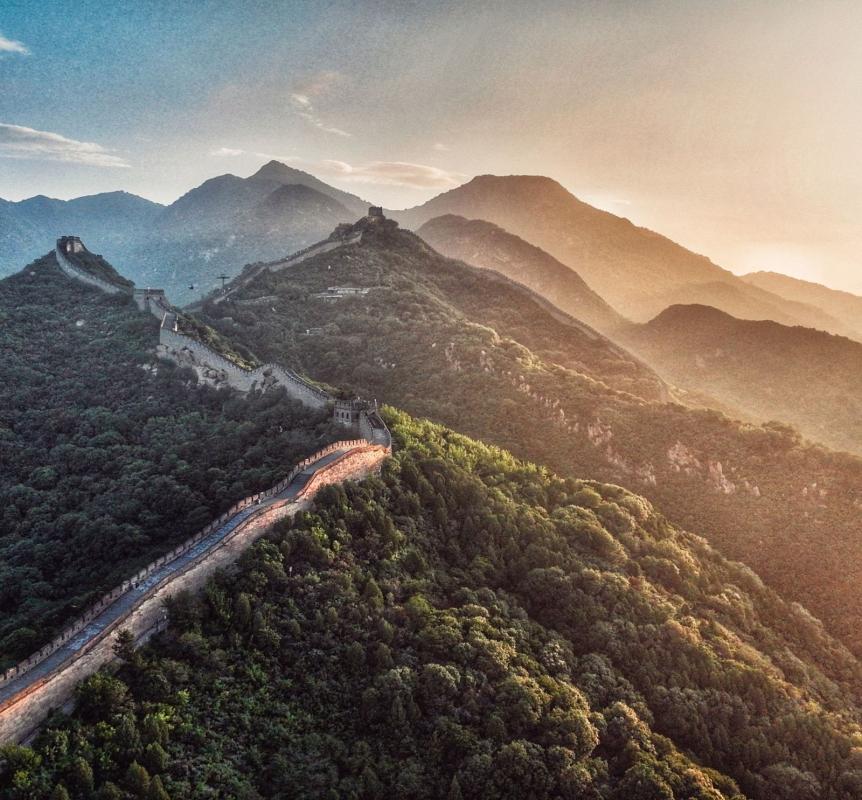
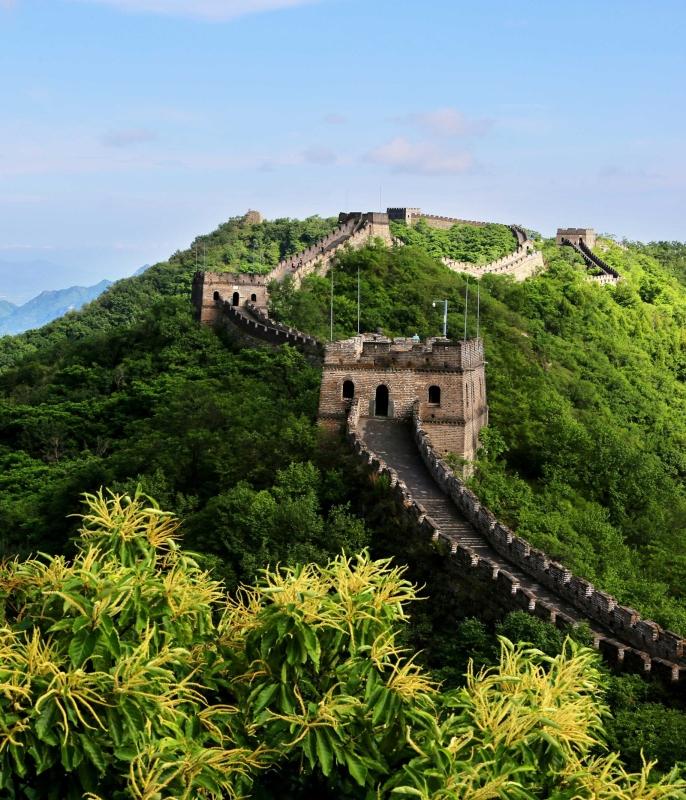
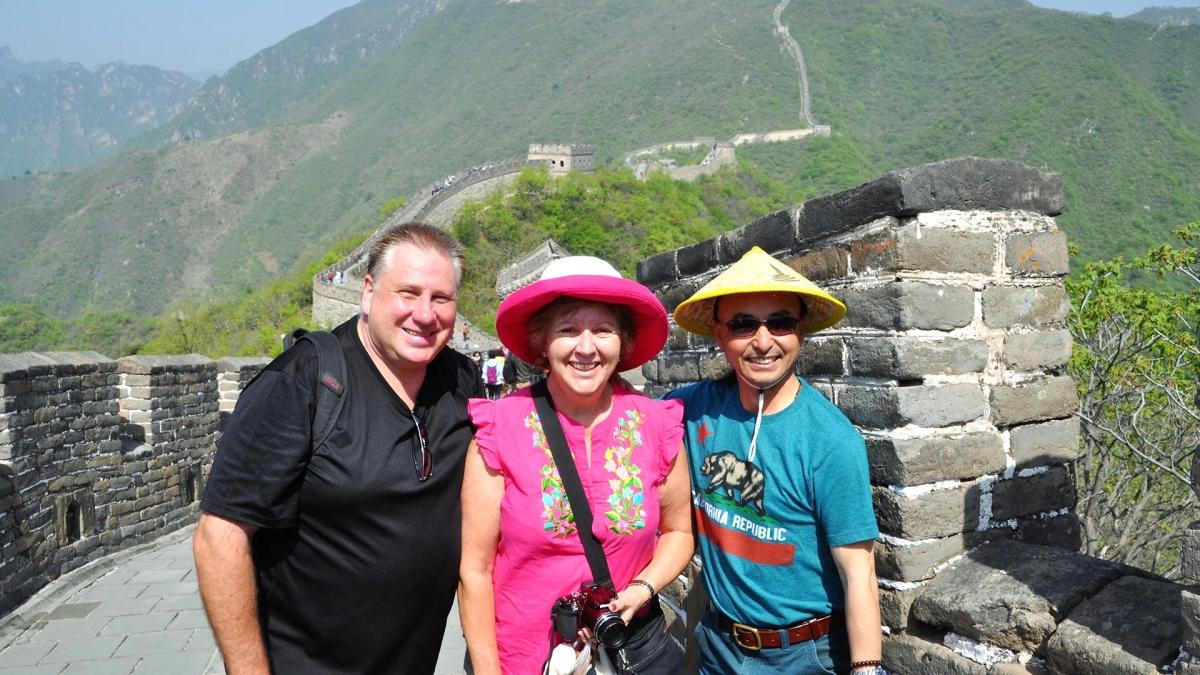
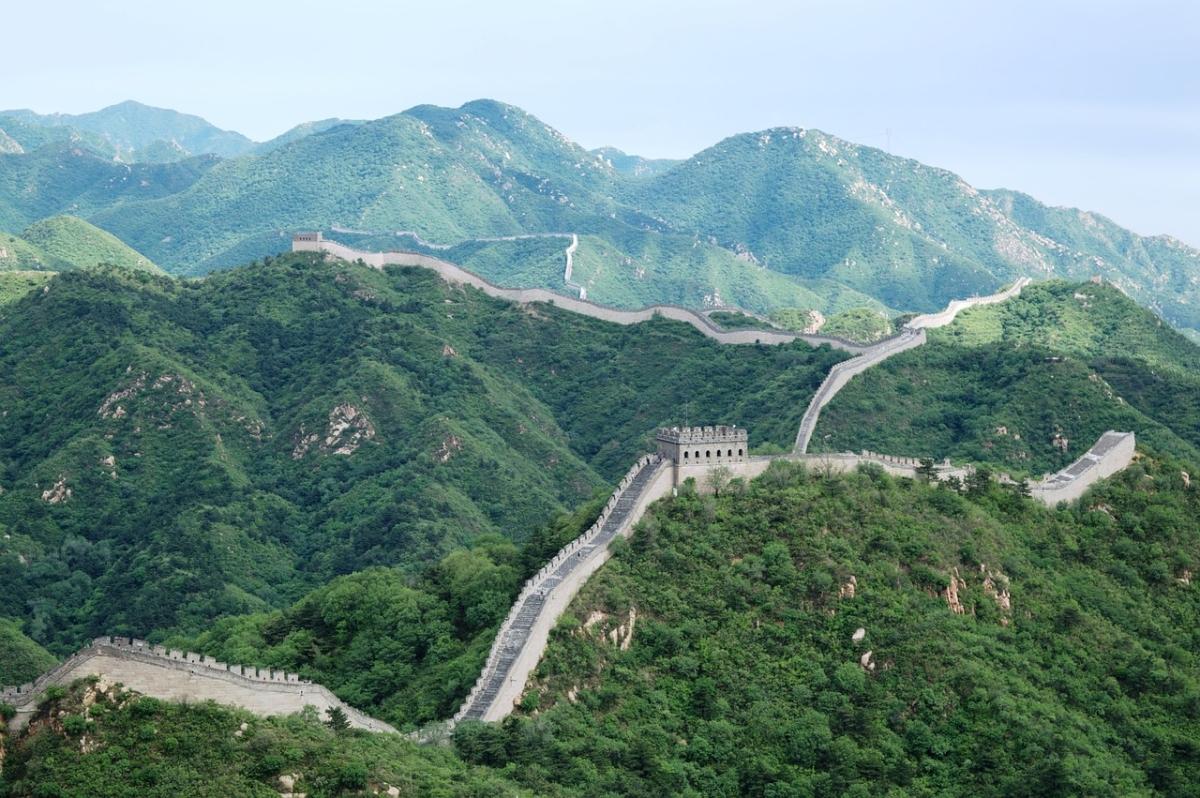
Several sections of the Great Wall are within day-trip distance of the city, each with a different character. Badaling is the most restored and most visited section, sitting around 70 kilometers northwest of central Beijing and reachable by high-speed train in under an hour. Mutianyu offers a quieter setting with cable car access and forested surroundings, while Jinshanling, further from the city, appeals to travelers who prefer a less crowded, more rugged stretch of wall for longer hikes. Much of the wall visible near Beijing today dates to reconstruction carried out during the Ming Dynasty between the fourteenth and seventeenth centuries, built on top of earlier fortifications going back over two thousand years.
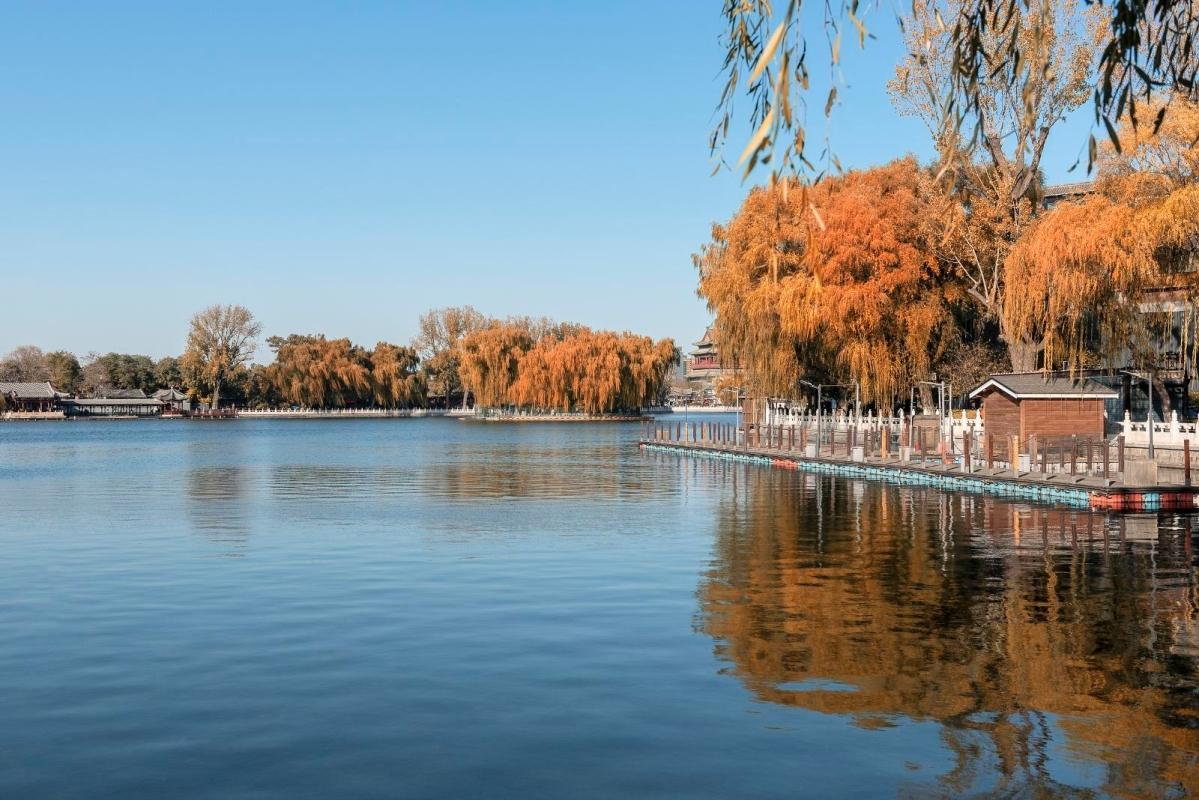
Beijing's hutongs, narrow lanes formed by traditional courtyard housing, survive most visibly around the Drum and Bell Towers and the area surrounding Shichahai Lake. Walking or rickshaw tours through these neighborhoods offer a look at courtyard life that predates the city's modern high-rise districts, often combined with stops for local snacks or a visit to a family courtyard home. Many of these lanes date to the Yuan and Ming dynasties, laid out in a grid pattern around the Forbidden City that still shapes the layout of central Beijing today.
Beijing roast duck is the dish most associated with the city, traditionally carved tableside and served with thin pancakes, scallions and hoisin sauce. Beyond duck, the city's night markets and hutong food stalls serve regional dishes from across China, reflecting Beijing's role as a capital that has long drawn residents and cuisine from every part of the country.
The National Museum of China, facing Tiananmen Square, holds one of the country's largest collections spanning prehistoric artifacts through the twentieth century, while the Capital Museum covers Beijing's own urban history in more detail. Peking Opera, combining stylized singing, acrobatics and elaborate costume, developed in Beijing in the late eighteenth century and is still performed regularly at theaters such as the Liyuan. For a contrasting, contemporary side of the city, the 798 Art District occupies a former electronics factory complex converted into galleries and studios that now anchor Beijing's modern art scene.
Tiananmen Square, immediately south of the Forbidden City, ranks among the largest public squares in the world and has been the site of major events in modern Chinese history, from the 1949 founding of the People's Republic to the pro-democracy protests of 1989. A short walk east, Wangfujing has served as one of Beijing's principal shopping streets for more than a century, mixing department stores with a night market known for its street food stalls.
Beijing is served by two major airports, Beijing Capital International Airport to the northeast of the city and the newer Beijing Daxing International Airport to the south, which opened in 2019. Ground transportation between the airport and the city center is commonly arranged ahead of arrival, such as the Beijing Daxing International Airport(PKX)----Beijing City transfer, which covers the route into Beijing rather than city sightseeing itself. Within the city, an extensive subway network connects most major sights, supplemented by taxis and ride-hailing apps for destinations further out, such as the Great Wall sections and the Summer Palace.
Spring, from April to May, and autumn, from September to October, bring the most comfortable temperatures for walking the Great Wall and the city's open palace complexes. Summer is hot and can be humid, with occasional haze affecting visibility at the Great Wall, while winter is cold but dry, and the Forbidden City and Temple of Heaven see noticeably fewer visitors during this period.