

Spring in China (March to May): Best for Sightseeing
Spring is one of the best seasons for exploring many parts of China. Temperatures become milder, parks and gardens begin to bloom, and conditions are generally comfortable for long days of sightseeing.
Beijing, Xi'an, Shanghai, Hangzhou, Chengdu, and Guilin are particularly appealing during spring.
April and May are generally more comfortable than March, especially in northern China, where early spring can still be chilly.
Best Places to Visit in Spring
Visit the Great Wall of China near Beijing, explore the Forbidden City, walk through the gardens of Suzhou, or enjoy the scenery around West Lake in Hangzhou.
Spring is also a good season for visiting Guilin and Yangshuo, where the countryside becomes increasingly green.
Spring Travel Tips
Pack layers because temperatures can change during the day. A light rain jacket is useful in southern and eastern China, where spring showers are common.
Try to avoid traveling around the Qingming Festival, when domestic travel can become significantly busier.

Summer in China (June to August): Best for Mountains and High-Altitude Regions
Summer is hot and humid across much of eastern and southern China. Cities such as Beijing, Shanghai, and Xi'an can become very warm, while parts of southern China experience heavy rainfall.
Despite the heat, summer is an excellent season for visiting Tibet, Yunnan, Qinghai, and other high-altitude destinations.
Best Places to Visit in Summer
Tibet is particularly popular during the warmer months because roads and mountain passes are generally more accessible.
Zhangjiajie, Jiuzhaigou, Yunnan, and mountain areas can also be attractive during summer, although rain may affect hiking conditions.
Summer Travel Tips
Plan outdoor sightseeing for the morning or late afternoon in hot cities. Carry water, sunscreen, and lightweight clothing.
Expect larger domestic crowds during July and August, particularly at major attractions and family-friendly destinations.

Autumn in China (September to November): Best Overall
Autumn is widely considered one of the best seasons for traveling around China. Temperatures become more comfortable, humidity decreases in many regions, and forests begin changing color.
September and October are particularly good for sightseeing, hiking, photography, and road trips.
Best Places to Visit in Autumn
Explore the Great Wall, walk through Beijing, visit Xi'an, discover Jiuzhaigou, or travel through the mountain landscapes of Yunnan and Sichuan.
The Yellow Mountains are especially attractive during autumn when the surrounding forests begin turning golden and red.
Autumn Travel Tips
October is one of China's busiest travel periods because of the National Day holiday, usually known as Golden Week.
If possible, avoid the first week of October or book transportation and accommodation far in advance.

Winter in China (December to February): Best for Snow and Fewer Crowds
Winter can be extremely cold in northern China but considerably milder in southern regions.
Beijing is cold and dry, Shanghai can feel damp and chilly, while cities such as Guangzhou and Hong Kong remain relatively mild.
Winter is an excellent season for travelers who want fewer crowds, lower prices, and unique snow experiences.
Best Places to Visit in Winter
Harbin is the obvious choice for winter travel because of its famous ice and snow festival.
Beijing can also be rewarding, particularly when the Great Wall is covered in snow. Sichuan, Yunnan, and southern China offer more moderate alternatives.
Winter Travel Tips
If traveling north, bring a properly insulated coat, gloves, thermal layers, and warm footwear.
Winter is also a good time for visiting museums, historic sites, restaurants, and indoor cultural attractions without summer crowds.

The Best Month to Visit China
For most travelers, October is one of the best months to visit China, provided you avoid the busiest part of the National Day holiday.
Temperatures are generally comfortable across many popular destinations, autumn colors begin appearing in northern and mountainous areas, and conditions are favorable for sightseeing.
April and May are excellent alternatives if you prefer spring landscapes and want to avoid some of the autumn crowds.
Best Time to Visit Beijing
The best time to visit Beijing is April to May and September to October.
These months offer comfortable conditions for exploring the Forbidden City, Temple of Heaven, Summer Palace, Tiananmen Square, and Great Wall.
Summer can be hot and humid, while winter is cold but offers fewer tourists and occasionally snowy landscapes.
Best Time to Visit Shanghai
April to May and September to November are generally the most comfortable periods for visiting Shanghai.
The weather is suitable for walking around The Bund, exploring traditional neighborhoods, visiting museums, and taking day trips to nearby water towns.
Summer can be hot and humid, while the city can experience heavy rain during parts of the warmer season.
Best Time to Visit Xi'an
The best periods for Xi'an are March to May and September to October.
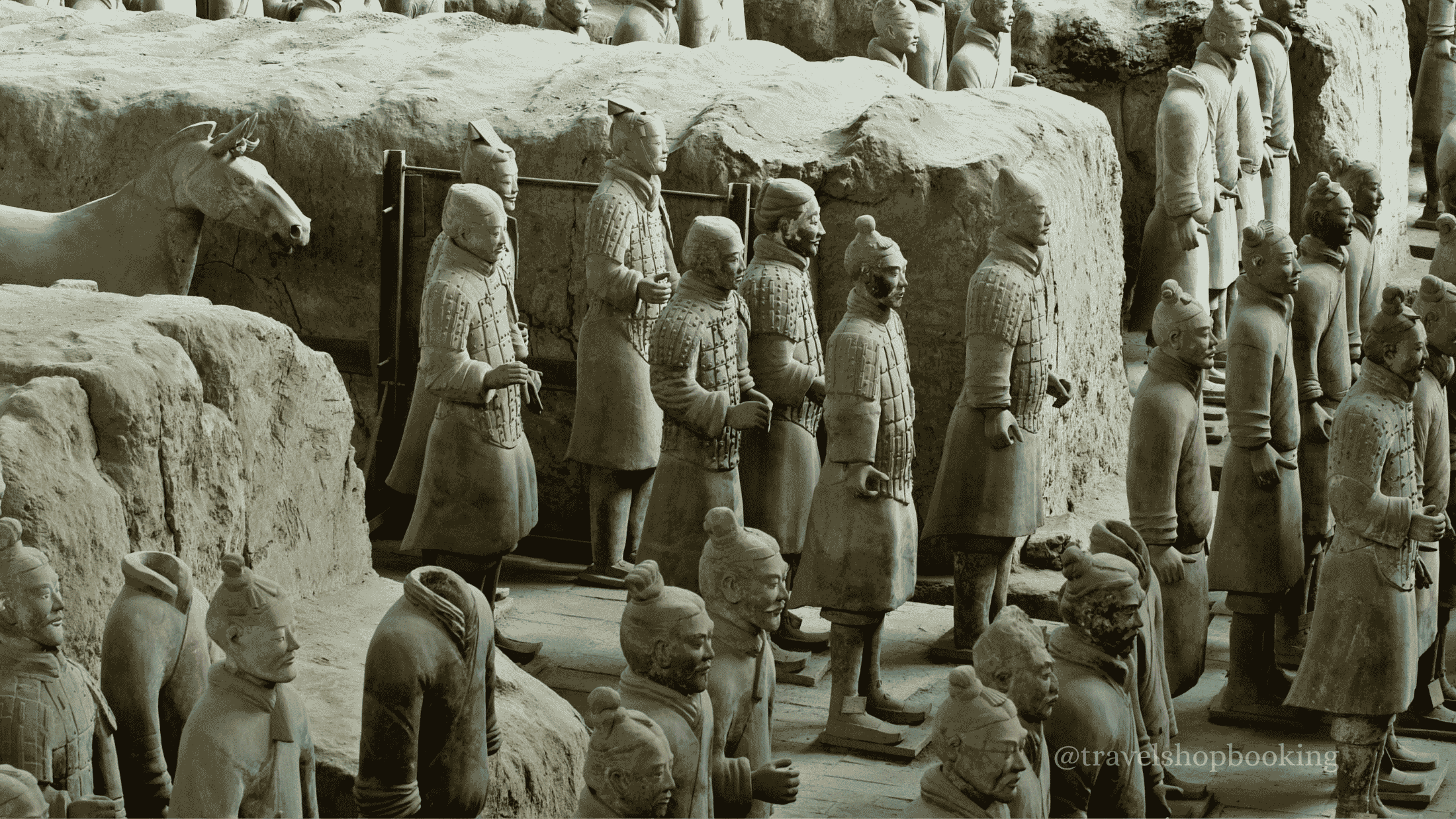
These seasons are ideal for exploring the Terracotta Army, Xi'an City Wall, Muslim Quarter, Big Wild Goose Pagoda, and other historic sites.
Because many attractions involve considerable walking, avoiding the hottest summer afternoons can make a significant difference.
Best Time to Visit Chengdu
March to May and September to November are good periods for visiting Chengdu.
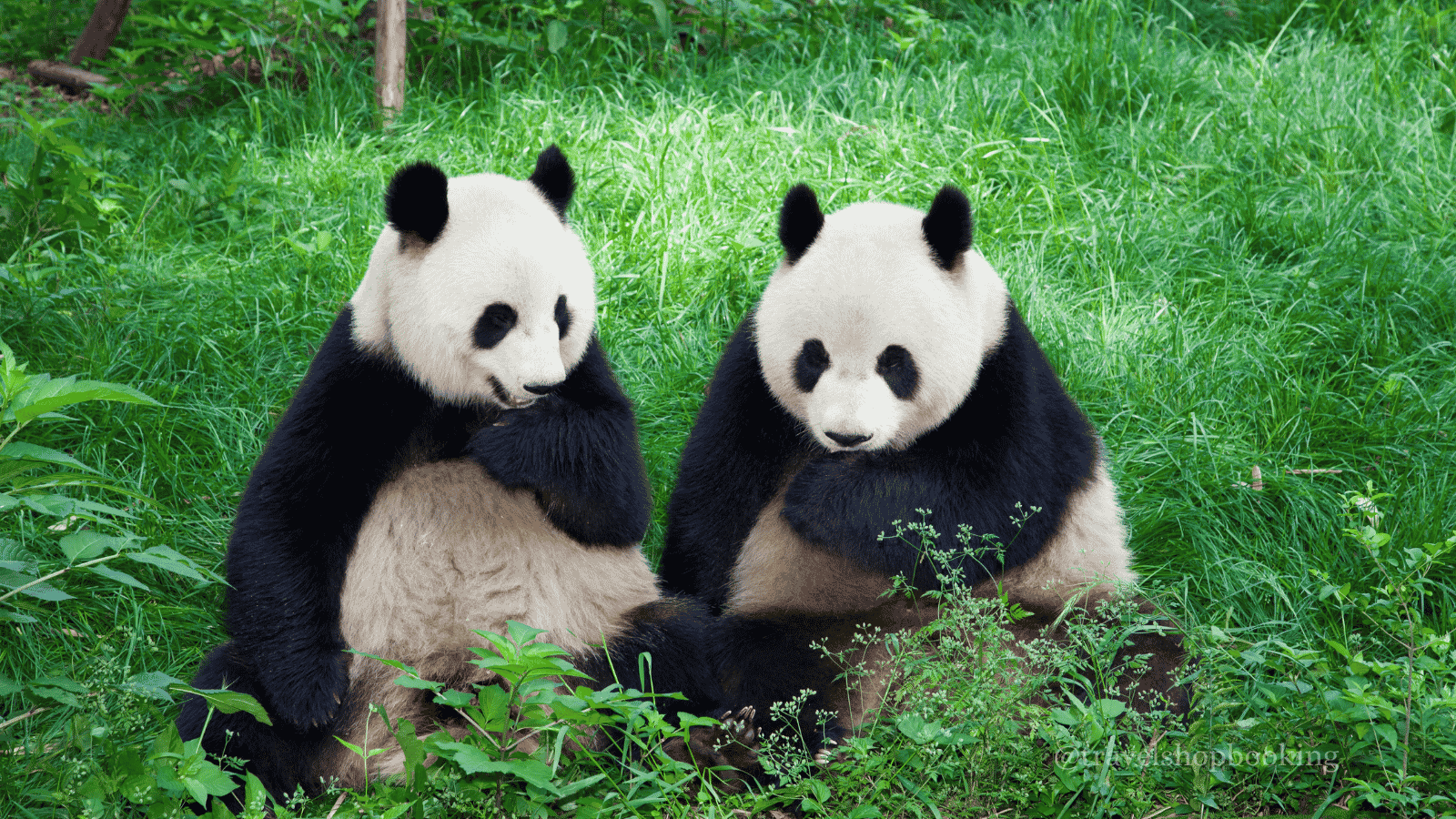
The city is famous for its food, teahouses, cultural attractions, and giant pandas.
For travelers visiting the Chengdu Research Base of Giant Panda Breeding, early morning is generally preferable because pandas are often more active around feeding times.

Best Time to Visit Zhangjiajie
The best periods for Zhangjiajie are April to May and September to October.
The dramatic sandstone pillars and mountain landscapes are particularly impressive when visibility is good.
Summer can bring heavy rain and large crowds, while winter offers fewer visitors but colder conditions and occasional snow.
Best Time to Visit Guilin and Yangshuo
April to October can be a good period for visiting Guilin and Yangshuo, although weather conditions vary.
Spring brings green landscapes and misty river scenery, while summer provides lush vegetation but more frequent rain.
Autumn can offer comfortable temperatures and excellent conditions for cycling, river cruises, and exploring the countryside.
Best Time to Visit Tibet
The most popular period for visiting Tibet is generally May to October, when temperatures are more manageable and many mountain routes are accessible.
June to September can bring monsoon-related cloud and rain, particularly in southern areas, although conditions vary considerably by location.
Travelers should also consider current entry requirements, permits, transportation conditions, and altitude-related precautions before planning a Tibet trip.

Best Time to Visit Yunnan
Yunnan has a relatively mild climate compared with many other parts of China, making it a good destination for much of the year.
March to May and September to November are particularly attractive for exploring Kunming, Dali, Lijiang, and Shangri-La.
Higher-altitude areas can remain cold, so travelers should pack layers even during the warmer months.
Best Time to Visit the Yellow Mountains
The Yellow Mountains, or Huangshan, are particularly beautiful during April to May and September to November.
Spring brings fresh vegetation and mist, while autumn offers colorful forests and comfortable hiking temperatures.
Winter can also be spectacular when snow covers the granite peaks, but trails may become slippery and some areas can be affected by ice.
Best Time for the Great Wall of China
For hiking the Great Wall, April to May and September to October are generally the most comfortable periods.
Spring offers green hills and mild temperatures, while autumn provides clearer skies and colorful scenery.
Summer can be hot, particularly on exposed sections of the wall. Winter is much colder but can provide a quieter experience and occasional snow.
Best Time for Pandas
Giant pandas can be seen throughout the year, but spring and autumn are particularly pleasant seasons for visiting panda centers.
If your itinerary includes Chengdu, visit a panda research center early in the morning when the animals are generally more active.
Best Time for Chinese Festivals
China's festival calendar follows both the Gregorian and lunar calendars, so dates can change each year.
Chinese New Year, usually between late January and February, is one of the country's most important celebrations. It is culturally fascinating but also one of the busiest domestic travel periods.
The Mid-Autumn Festival usually falls in September or October and is associated with family gatherings, mooncakes, and lantern displays.
Travelers should book transportation and accommodation well ahead of time around major public holidays.

Best Time for Hiking in China
China offers hiking opportunities in deserts, forests, karst landscapes, and high mountains.
For most popular hiking regions, April to May and September to October provide comfortable conditions.
High-altitude destinations can have much shorter hiking seasons, while southern and subtropical regions may be affected by summer heat and rainfall.
Always check local weather and trail conditions before starting a mountain hike.
Best Time for a Budget Trip to China
Travelers looking for lower prices can consider late autumn, winter, or early spring, depending on the destination.
The biggest exceptions are major public holidays such as Chinese New Year and National Day Golden Week, when transportation and accommodation can become much more expensive and crowded.
Winter can be particularly good for budget travelers in southern China, while northern destinations may offer lower prices outside major ski and ice-festival periods.

Regional Weather Differences in China
China is so large that there is no single climate for the entire country.
Northern China, including Beijing, has hot summers and cold winters.
Eastern China, including Shanghai and Hangzhou, has humid summers, mild springs, and cool winters.
Southern China is warmer and more humid, with substantial rainfall during parts of the year.
Southwestern China, including Yunnan and Sichuan, has significant differences caused by elevation.
Tibet and other high-altitude regions have cold conditions, strong sunlight, and large temperature changes between day and night.
What to Pack for China
For spring and autumn, pack layers, comfortable walking shoes, and a light waterproof jacket.
For summer, bring lightweight clothing, sunscreen, sunglasses, and breathable footwear.
For winter in northern China, bring thermal layers, a warm insulated coat, gloves, and waterproof shoes.
If you're visiting several regions on one trip, layers are particularly useful because temperatures can vary dramatically between destinations.

Is China Worth Visiting in Summer?
Yes, especially if your itinerary includes high-altitude regions, mountain destinations, or northern areas.
However, major cities can be hot and humid, and summer is one of the busiest domestic travel periods.
If you want warm weather with more comfortable sightseeing conditions, late May, June, or September can be better choices.
Is China Worth Visiting in Winter?
Yes. Winter offers unique experiences that are difficult to find at other times of year.
Harbin's ice landscapes, snowy sections of the Great Wall, quieter historic attractions, and milder southern cities can make winter an excellent choice.
If you dislike cold weather, focus on destinations farther south.
How Many Days Do You Need in China?
A 7-day trip works best when focused on one region, such as Beijing and the Great Wall or Shanghai and nearby water towns.
With 10 to 14 days, you can combine several major destinations such as Beijing, Xi'an, Shanghai, and Chengdu.
For a more comprehensive trip covering multiple regions, three weeks or more allows a more realistic pace. China's size means trying to visit too many distant destinations in a short trip can result in spending more time in transit than sightseeing.

Frequently Asked Questions
What is the best time to visit China?
For most travelers, April to May and September to October offer the best combination of comfortable weather and good sightseeing conditions.
What is the best month to visit China?
October is one of the best months overall, particularly for northern and central China, although travelers should avoid or plan carefully around the National Day holiday.
When is the best time to visit the Great Wall?
April to May and September to October are generally the best periods for hiking the Great Wall, with comfortable temperatures and good scenery.
When is the best time to visit China for autumn colors?
October and November are excellent for autumn scenery, particularly in northern China, Sichuan, Yunnan, and mountain regions.
Is China worth visiting during summer?
Yes. Summer is particularly suitable for Tibet and some mountain regions, but major cities can be hot, humid, and crowded.
What is the cheapest time to visit China?
Late autumn, winter, and early spring can offer better prices, depending on the destination. Avoid major public holidays when demand is highest.
When is the best time to visit Tibet?
May through October is generally the most practical period for visiting Tibet, although conditions and access vary by region and season.
How many days are enough for China?
10 to 14 days is a good starting point for a first trip focused on several major destinations. Longer trips are recommended if you want to cover multiple regions without rushing.
Loading comments…